

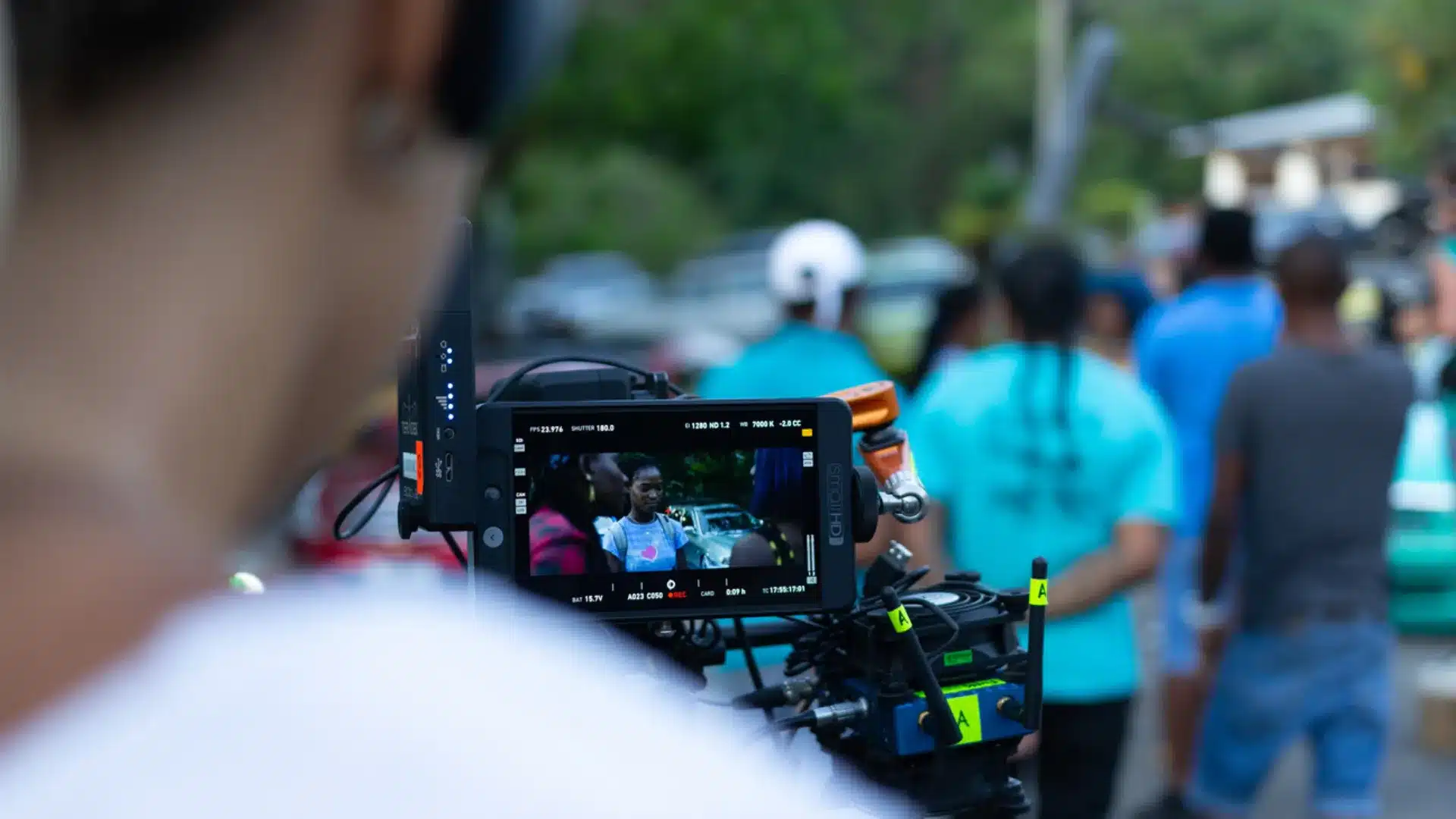
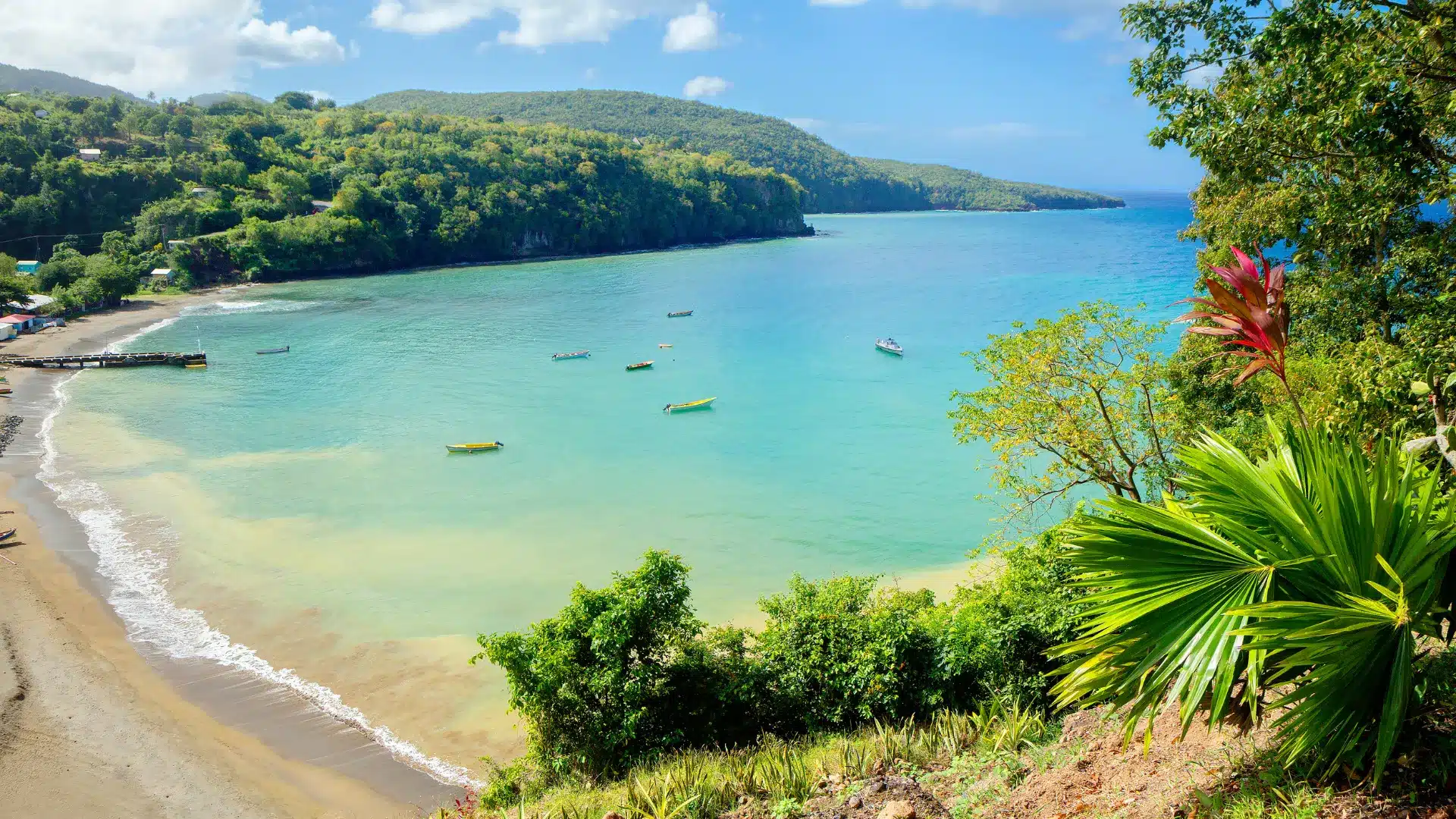
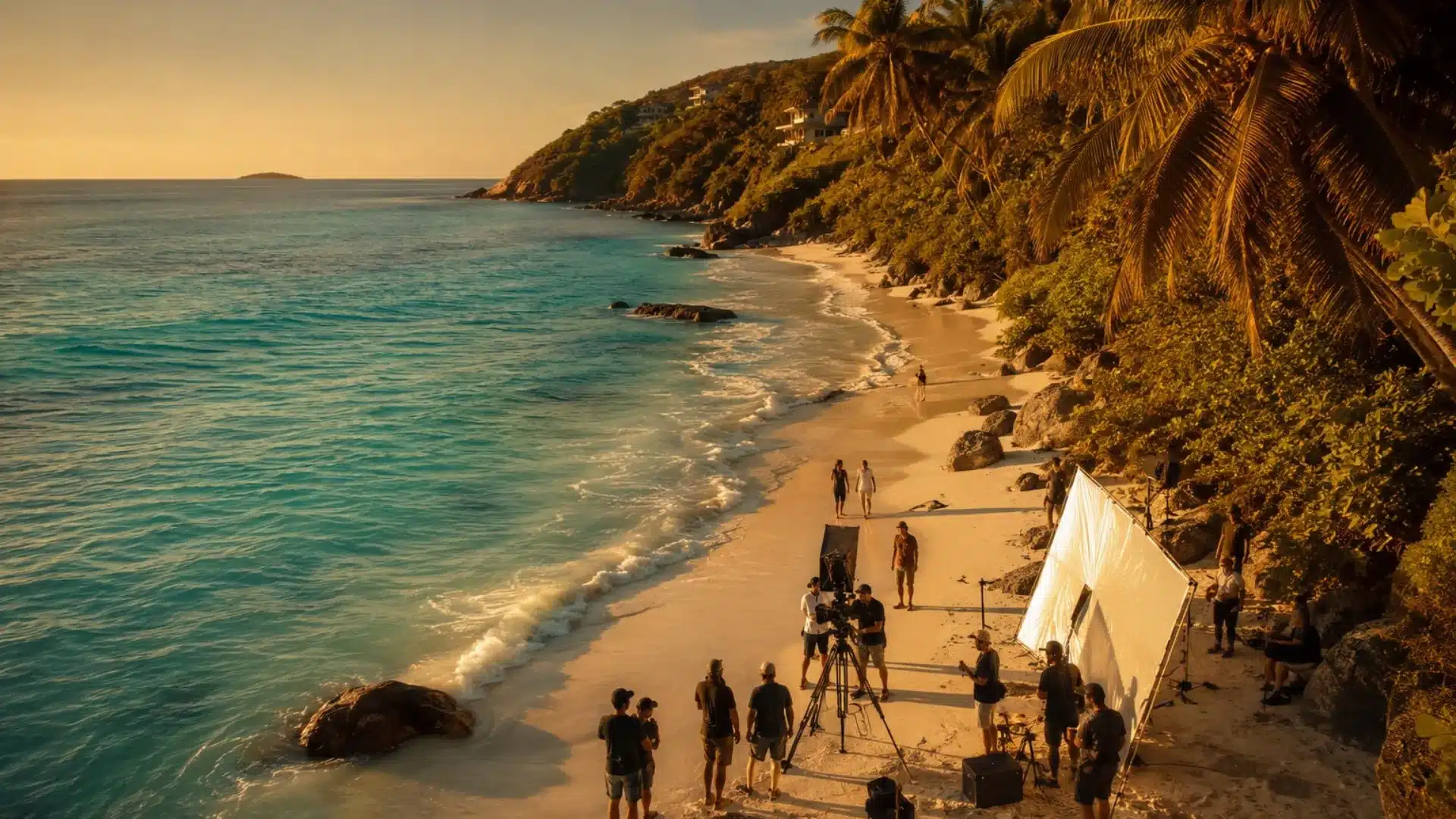
Trinidad and Tobago offers one of the most diverse filming environments in the Caribbean, supported by competitive incentive programs and English-speaking crews. Our Film Production Services in Trinidad and Tobago are structured for international producers navigating national permitting systems, incentive qualification, customs procedures, and multi-island logistics.
From the energy-driven urban environment of Port of Spain to Tobago’s beaches and rainforest reserves, the country provides varied visual settings within a compact twin-island jurisdiction. Successful production depends on early incentive alignment, structured authority engagement, and realistic sequencing between islands.
Whether supporting feature films, commercial campaigns, streaming projects, documentary productions, or large-scale event coverage, we build operational systems that balance creative ambition with financial efficiency and regulatory compliance.
Why Film in Trinidad and Tobago
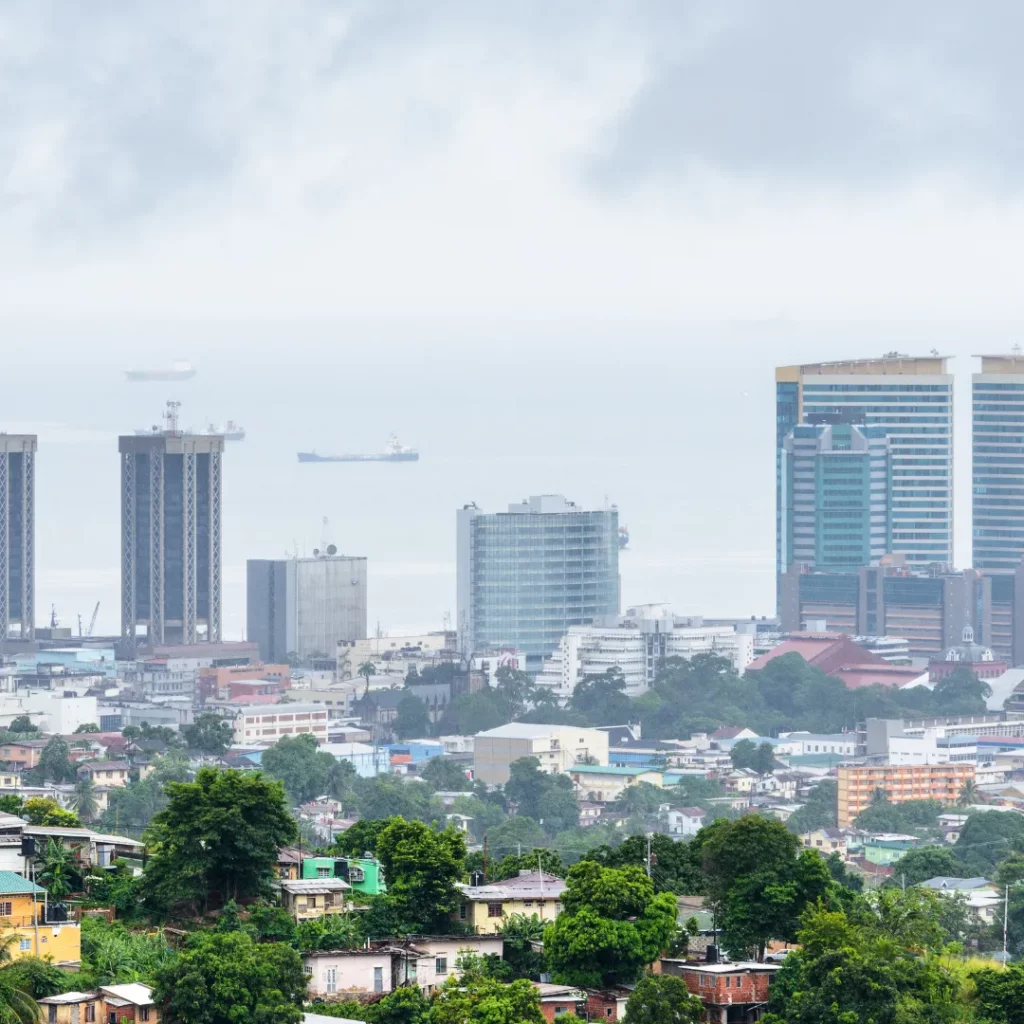
Trinidad and Tobago combines urban density, industrial infrastructure, and lush natural terrain within a single country framework.
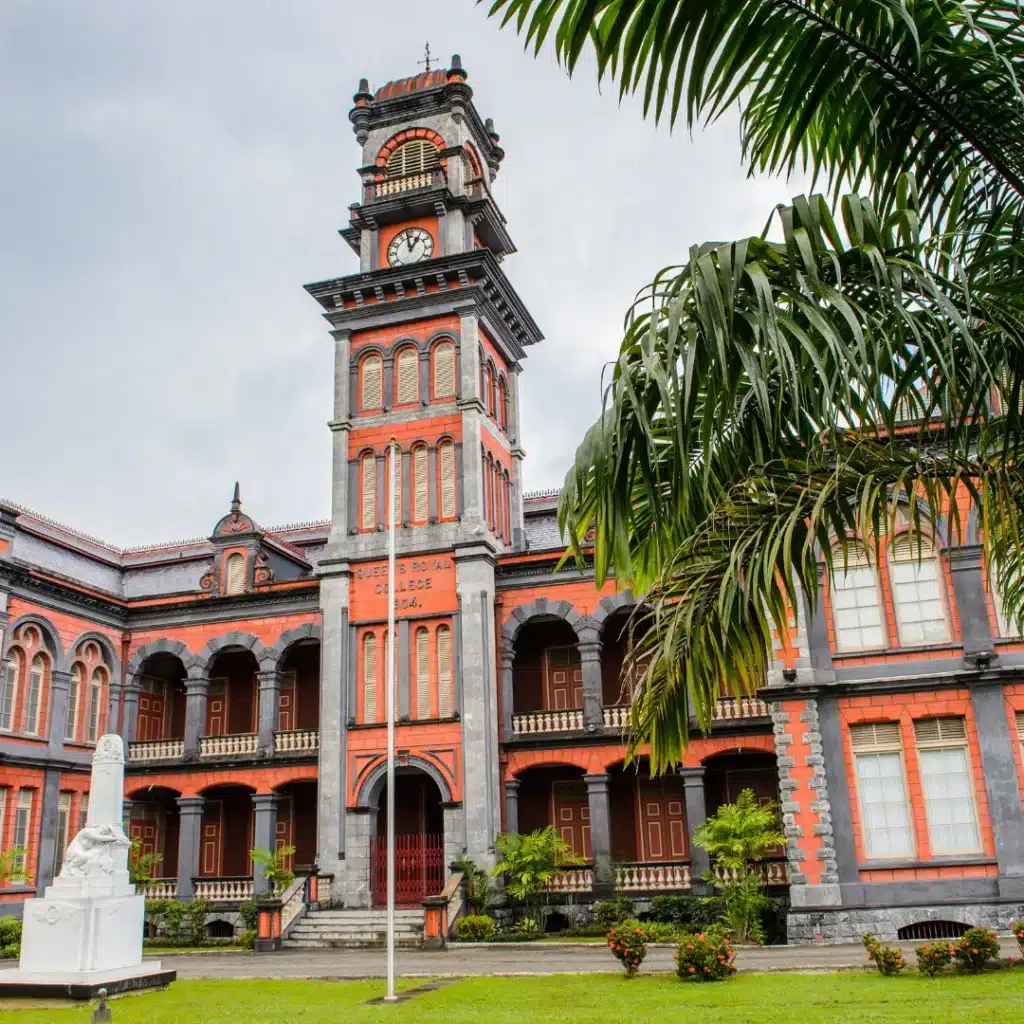
Trinidad provides:
- Modern cityscapes and business districts
- Port and industrial facilities
- Energy-sector infrastructure
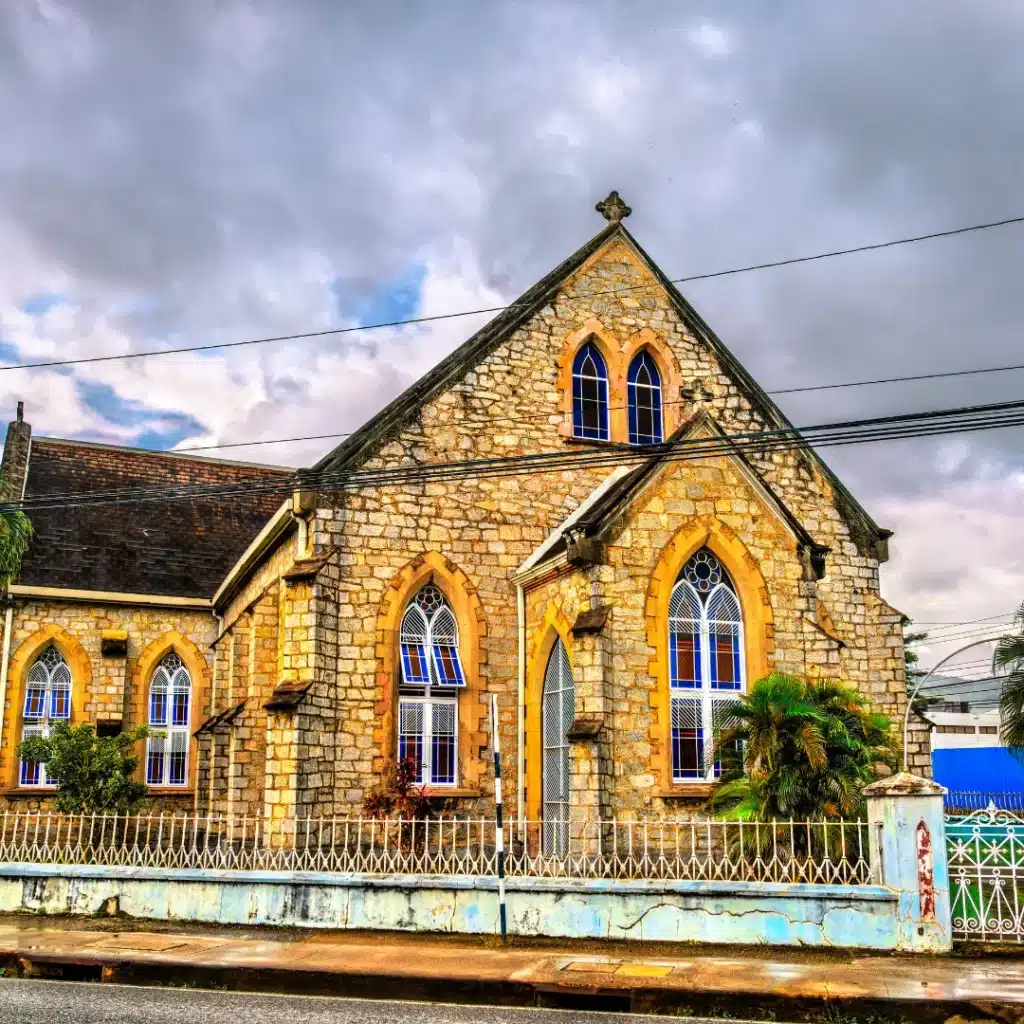
- Colonial-era architecture
- Swampland and rainforest
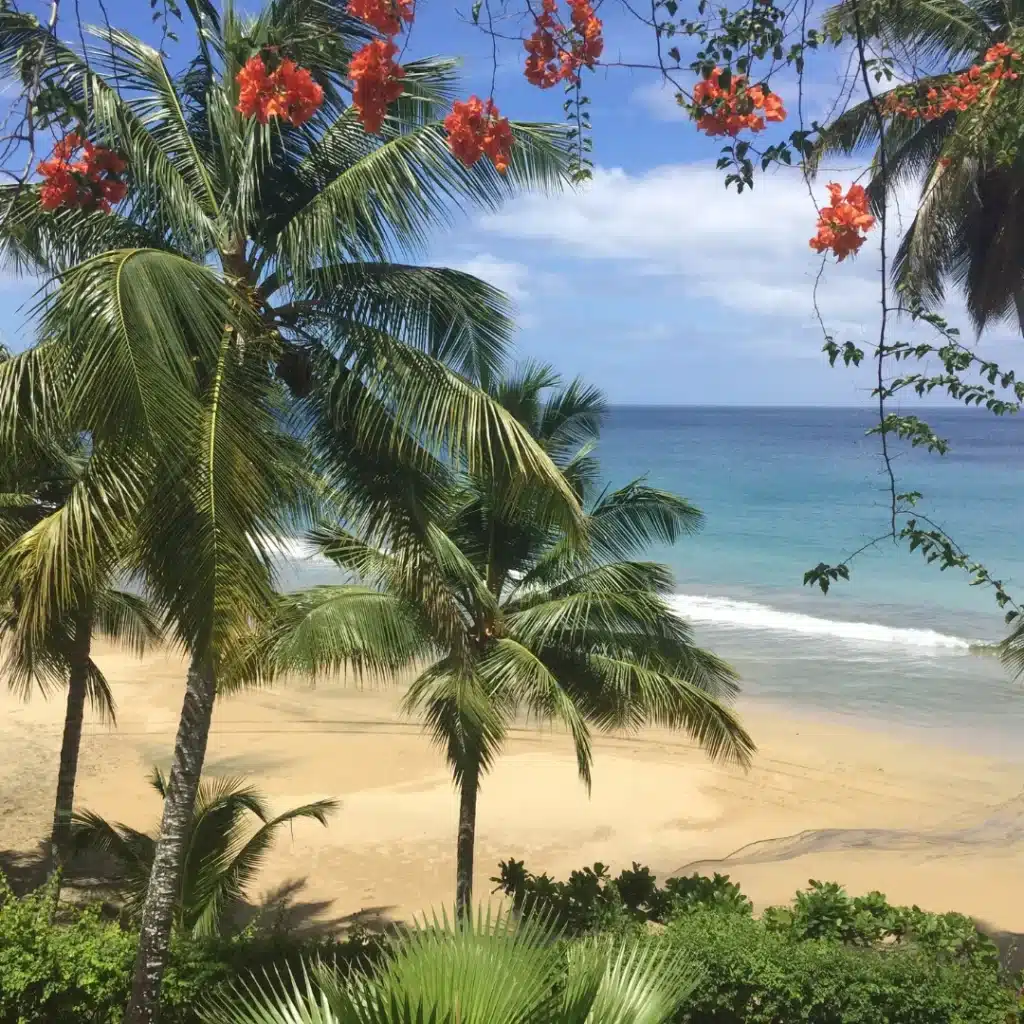
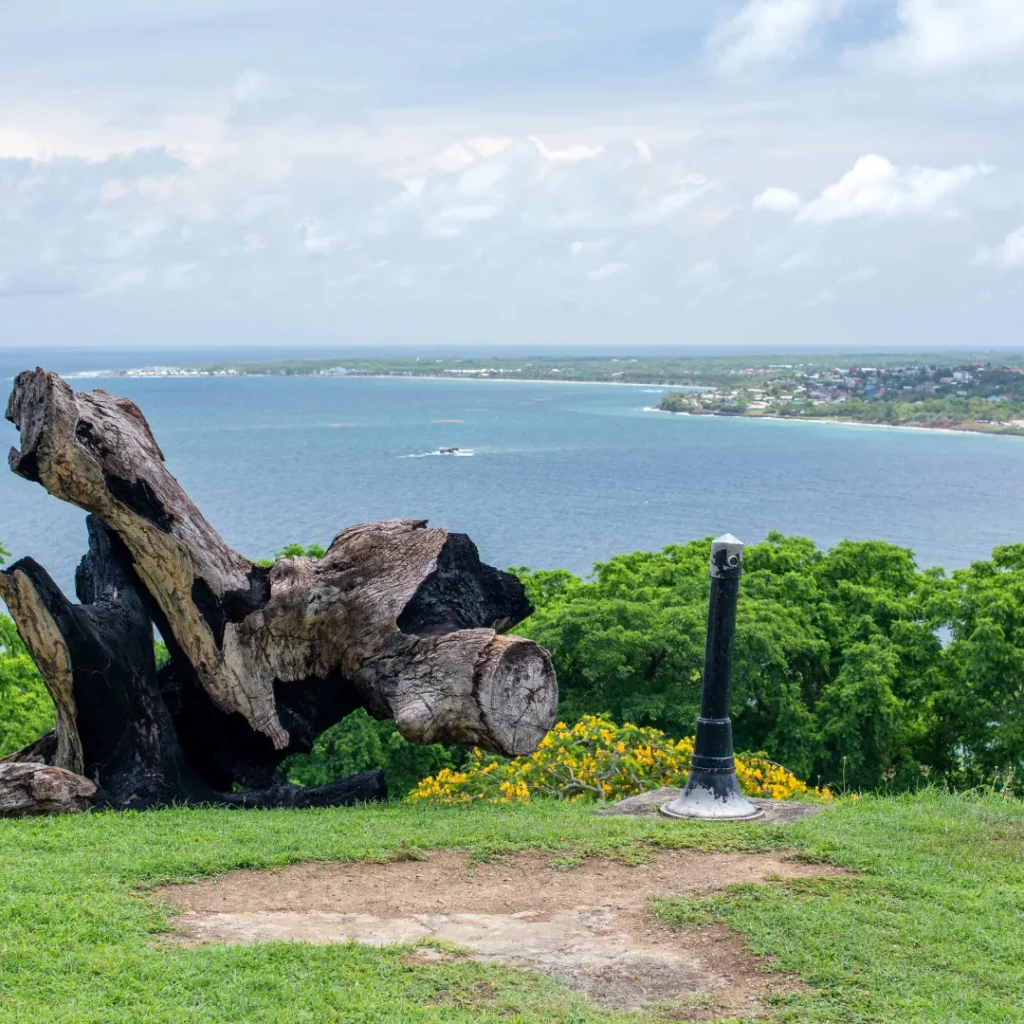
Tobago offers:
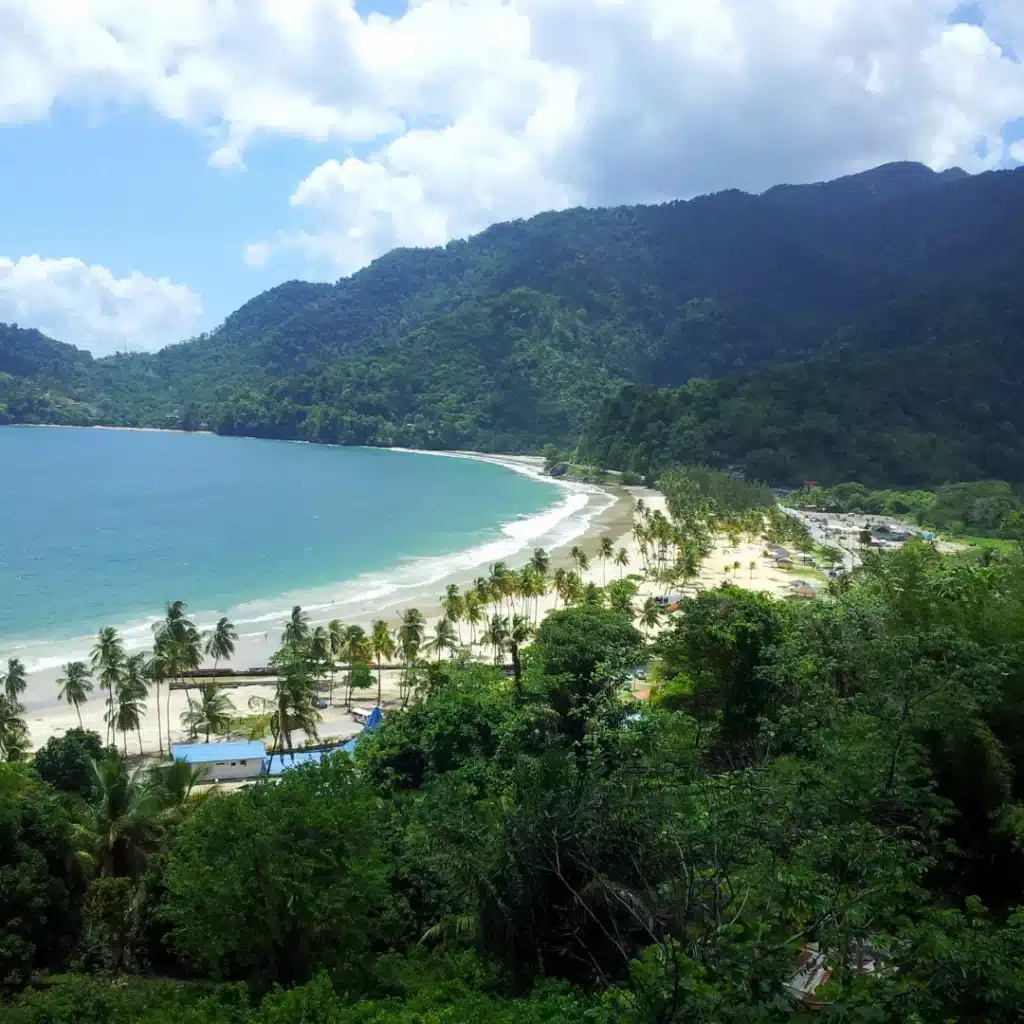
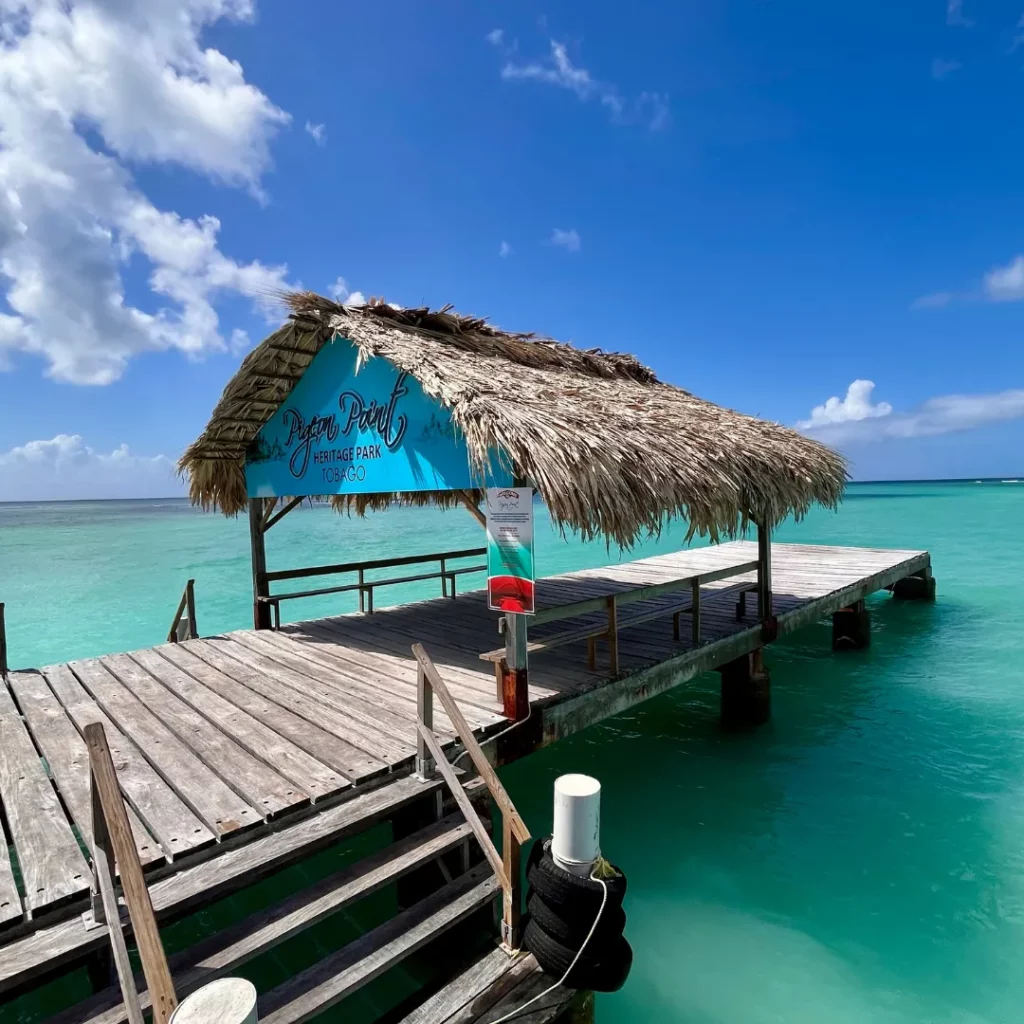
- White-sand beaches
- Coral reefs
- Waterfalls
- Protected rainforest
- Resort environments
This dual-island structure allows productions to achieve strong environmental contrast without leaving the jurisdiction. Travel between the islands is accessible by domestic flight or ferry, enabling structured sequencing.
The country’s cultural vibrancy, particularly during Carnival season, offers visually dynamic street environments and large-scale event potential.
Production Support Trinidad and Tobago
Delivering effective Production Support Trinidad and Tobago requires coordination across national film authorities, customs agencies, municipal offices, and private stakeholders on both islands.
Our approach integrates incentive planning, permitting compliance, and island sequencing.
Pre-Production
Preparation establishes financial and operational clarity.
- Location research across Trinidad and Tobago
- Technical recces and feasibility assessments
- Incentive eligibility evaluation
- Permit application coordination
- Customs documentation preparation
- Drone authorization planning
- Budget forecasting aligned with rebate structures
Incentive frameworks require formal registration and structured expense tracking. Early submission improves predictability.
Production
Principal photography benefits from experienced local crews and manageable inter-island transport.
- Local crew sourcing and department coordination
- Equipment rental and freight management
- Government liaison oversight
- Traffic and public space coordination
- Marine filming alignment
- On-site production supervision
Urban filming in Port of Spain may require municipal approvals, while Tobago-based shoots require coordination with local authorities and resort stakeholders.
Post & Wrap
Administrative discipline ensures incentive compliance.
- Incentive reporting documentation
- Payroll reconciliation
- Vendor settlement
- Equipment export coordination
- Permit closure procedures
Clear wrap systems protect financial recovery and regulatory alignment.
Film Fixers in Trinidad and Tobago
Experienced Film Fixers in Trinidad and Tobago understand the layered coordination required across two distinct islands with separate logistical considerations.
Productions may engage with:
- National film commission representatives
- Municipal authorities
- Port authorities
- Industrial site operators
- Environmental agencies
- Resort and private landowners
Local coordinators support transparent budgeting, bilingual documentation where required, and structured scheduling across both islands.
In an environment combining urban density with protected natural areas, early communication reduces administrative friction.
Filming Regulations & Permits
Filming in Trinidad and Tobago typically requires authorization from national film authorities. Public space filming, industrial site access, drone use, and marine operations require formal approval.
Drone operations are regulated and subject to aviation authority guidelines. Industrial or port-based filming may require additional security clearance and site-specific safety compliance.
Equipment imports are handled through customs procedures aligned with temporary import frameworks.
Productions seeking incentives must comply with structured reporting and audit processes.
Early regulatory engagement protects production timelines.
Incentives & Production Rebate Framework
Trinidad and Tobago maintains competitive incentive programs aimed at attracting international productions. Qualifying productions may receive rebates on eligible local spend, subject to minimum thresholds and documentation compliance.
Incentive structuring involves:
- Formal project registration
- Defined qualifying spend categories
- Local payroll and vendor verification
- Structured accounting and reporting
Early integration of incentive planning into budget development enhances financial predictability.
Accurate documentation and compliance discipline protect rebate recovery.
Industrial & Energy Sector Filming
Trinidad’s industrial landscape provides unique visual environments rarely found in Caribbean jurisdictions. Refineries, port facilities, shipyards, and energy infrastructure offer distinctive backdrops for commercial and narrative projects.
Filming in industrial zones requires:
- Security clearance coordination
- Site safety briefings
- Operational schedule alignment
- Equipment access planning
Advance engagement with site operators ensures production does not disrupt active industrial operations.
Coastal & Marine Production Considerations
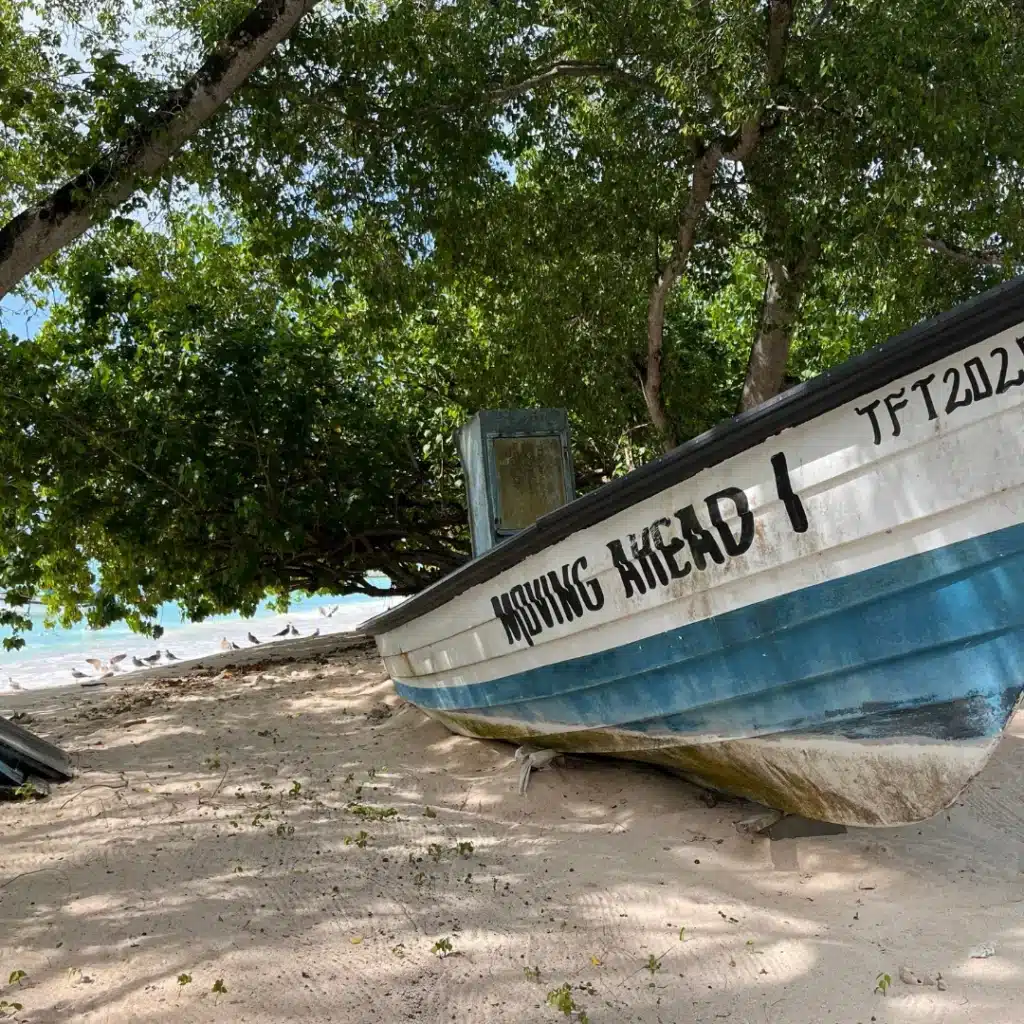
Both islands offer strong coastal visuals. Marine filming requires vessel coordination, weather monitoring, and reef protection compliance.
Considerations may include:
- Licensed vessel hire
- Tide scheduling
- Environmental alignment
- Water safety supervision
- Hurricane season planning
Tobago’s marine environments are often used for resort and tourism-focused productions.
Rainforest & Protected Area Operations
Tobago’s Main Ridge Forest Reserve is one of the oldest protected rainforest reserves in the Western Hemisphere. Alongside Trinidad’s Northern Range and interior waterfall regions, these environments offer dense canopy coverage, river systems, and elevated terrain that provide cinematic natural scale.
However, rainforest filming requires structured preparation. Technical recces should evaluate:
- Access road conditions and vehicle suitability
- Load-in feasibility for equipment transport
- Safe staging areas for crew and gear
- Rainfall patterns and runoff behavior
- Wildlife presence and environmental sensitivities
Humidity levels can affect camera performance, sound equipment reliability, and electrical systems. Waterproof housing, silica storage solutions, and controlled staging tents are often integrated into planning.
Filming in protected areas may require coordination with environmental authorities, forestry departments, or reserve management bodies. Permit conditions may define maximum crew size, restricted zones, operating hours, and environmental safeguards.
Controlled crew movement protocols, waste management procedures, and vegetation protection measures are typically required. Productions that demonstrate environmental responsibility preserve long-term filming access and strengthen relationships with regulatory bodies.
Advance coordination ensures creative objectives align with conservation priorities.
Carnival & Event-Based Production
Trinidad’s Carnival is one of the most visually dynamic cultural events in the Caribbean. Costuming, live music, parades, and large-scale street participation create high-impact production opportunities.
However, filming during Carnival requires early and structured coordination. Productions should engage with:
- Event organizers and band leaders
- Municipal authorities
- Police and security services
- Sound system operators
- Community stakeholders
Crowd density can be significant, requiring defined camera zones, controlled equipment footprint, and safety perimeters. Productions often deploy multiple lightweight units to maintain mobility in high-traffic environments.
Sound coordination is also critical. Live performance environments may involve overlapping audio sources, requiring structured sound planning or post-production strategies.
Accommodation and transport logistics should be secured well in advance, as peak festival demand significantly increases occupancy rates and traffic congestion.
For narrative productions seeking Carnival backdrops, planning must balance authenticity with operational control.
Climate & Seasonal Planning
Trinidad and Tobago maintains a tropical climate with relatively consistent temperatures year-round, though rainfall intensity varies seasonally.
The wet season typically brings short but heavy rainfall periods, particularly affecting rainforest and waterfall locations. Call sheets should incorporate buffer time for weather interruptions, especially in interior terrain.
Hurricane season planning remains essential, even if direct impact frequency varies year to year. Insurance coverage, storm monitoring systems, and contingency sequencing should be structured during pre-production.
Heat exposure and humidity influence crew welfare planning. Hydration stations, shaded holding areas, and adjusted shooting windows during peak midday heat improve efficiency and reduce fatigue.
Peak tourism and festival seasons may affect accommodation pricing and availability. Early room block reservations across both islands prevent last-minute compression.
Weather resilience is built during budgeting and scheduling phases, not during production reaction.
Infrastructure & Crew Capacity
Trinidad and Tobago maintains a strong local crew base across camera, lighting, grip, art department, production management, and location coordination roles. Repeated international productions have strengthened technical proficiency and workflow familiarity.
English is the primary language, simplifying documentation, contract negotiation, and department communication for international teams.
Equipment rental providers support a broad range of commercial and narrative production formats. Standard camera, lighting, and grip packages are accessible locally. Larger builds or specialized rigs may require freight coordination or early reservation.
Studio spaces and adaptable warehouse facilities can be utilized for controlled interior builds, rehearsal space, or equipment staging.
Centralizing production offices in Port of Spain allows efficient oversight, particularly for multi-island projects. Administrative coordination, incentive documentation, and departmental leadership can be managed centrally while location units deploy across both islands.
With structured planning and experienced coordination, Trinidad and Tobago supports projects ranging from boutique commercial shoots to large-scale multi-week productions with operational stability.
Health, Safety & Operational Control
Structured safety frameworks protect operational continuity.
Risk planning may address:
- Heat and humidity exposure
- Industrial site safety compliance
- Marine safety
- Traffic management
- Emergency response coordination
Clear reporting lines and safety briefings support daily operational discipline.
Film Production Services in Trinidad and Tobago
Productions operating in Trinidad and Tobago benefit from integrating incentive structuring, industrial coordination, and inter-island sequencing into early planning stages. Travel between Trinidad and Tobago should be scheduled to minimize freight duplication.
Transparent budgeting, disciplined documentation, and proactive authority engagement reduce administrative friction.
When creative ambition aligns with structured financial planning and realistic logistical sequencing, Trinidad and Tobago offers strong Caribbean production value within a stable and English-speaking regulatory framework.
Frequently Asked Questions
Do I need a permit to film in Trinidad and Tobago?
Most professional productions require authorization from national film authorities, particularly for public, industrial, or marine filming.
Are incentives available?
Yes. Incentive programs are available subject to eligibility requirements and documentation compliance.
Can drone filming be approved?
Drone operations require authorization under national aviation regulations.
Is filming across both islands complex?
Inter-island transport requires structured sequencing, but travel is manageable with early planning.
Are international crews allowed to operate locally?
International crews typically collaborate with locally registered production partners who facilitate compliance and coordination.
Plan Your Production
From industrial ports and urban streets to rainforest reserves and Caribbean beaches, filming in Trinidad and Tobago offers dynamic visual range supported by structured planning and incentive alignment.
If you are preparing a project in Trinidad and Tobago, our team can build a compliant, efficient production framework aligned with regulatory standards and financial objectives.
Film Locations in Trinidad and Tobago
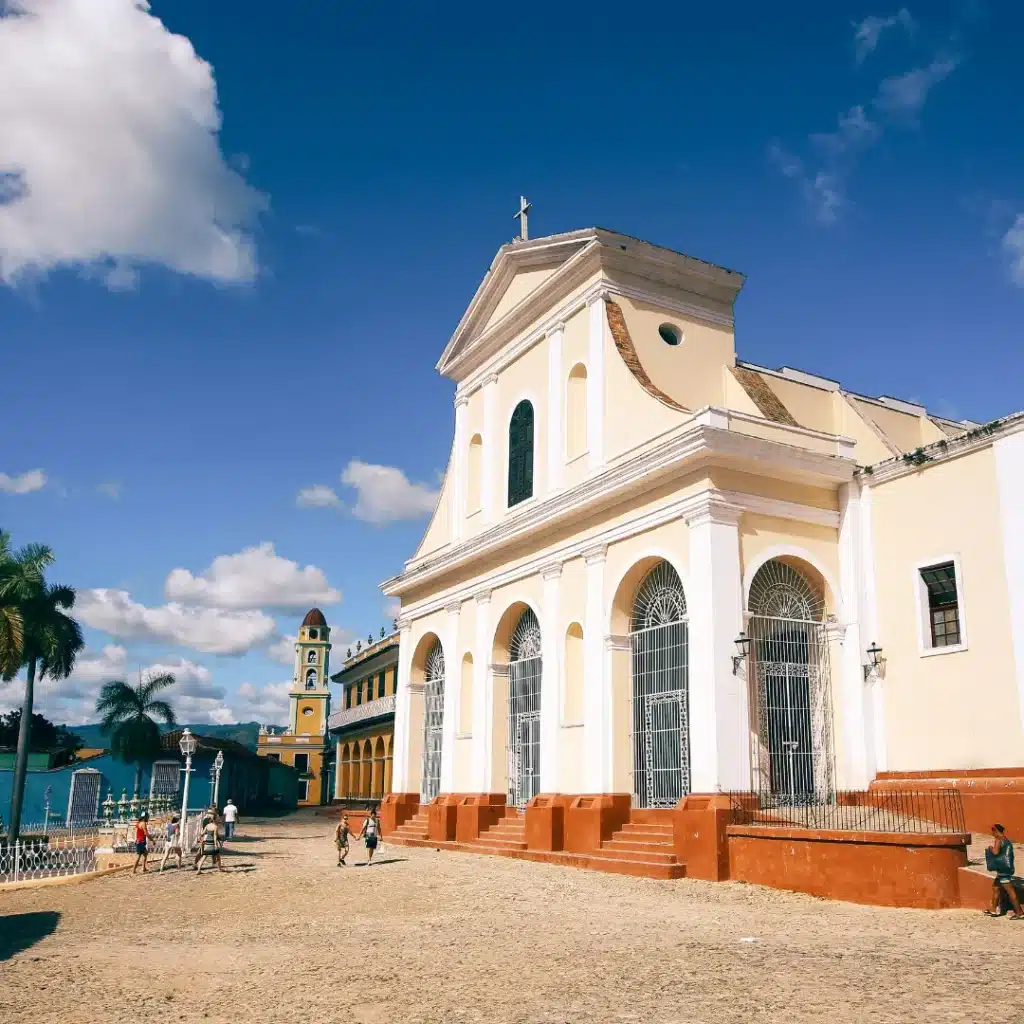
This guide was prepared by the Hoodlum Film Fixers team using official government resources and consultation with trusted local production partners. Our combined operational experience ensures international producers receive accurate, up-to-date guidance when planning film production in Trinidad and Tobago.
Useful Links – Trinidad and Tobago Film Authorities
- Trinidad and Tobago Film Company
https://ttfilmco.com/ - Ministry of Trade and Industry
https://tradeind.gov.tt/ - Civil Aviation Authority of Trinidad and Tobago
https://www.tntcaa.com/ - Customs and Excise Division
https://www.finance.gov.tt/divisions/customs-and-excise/