

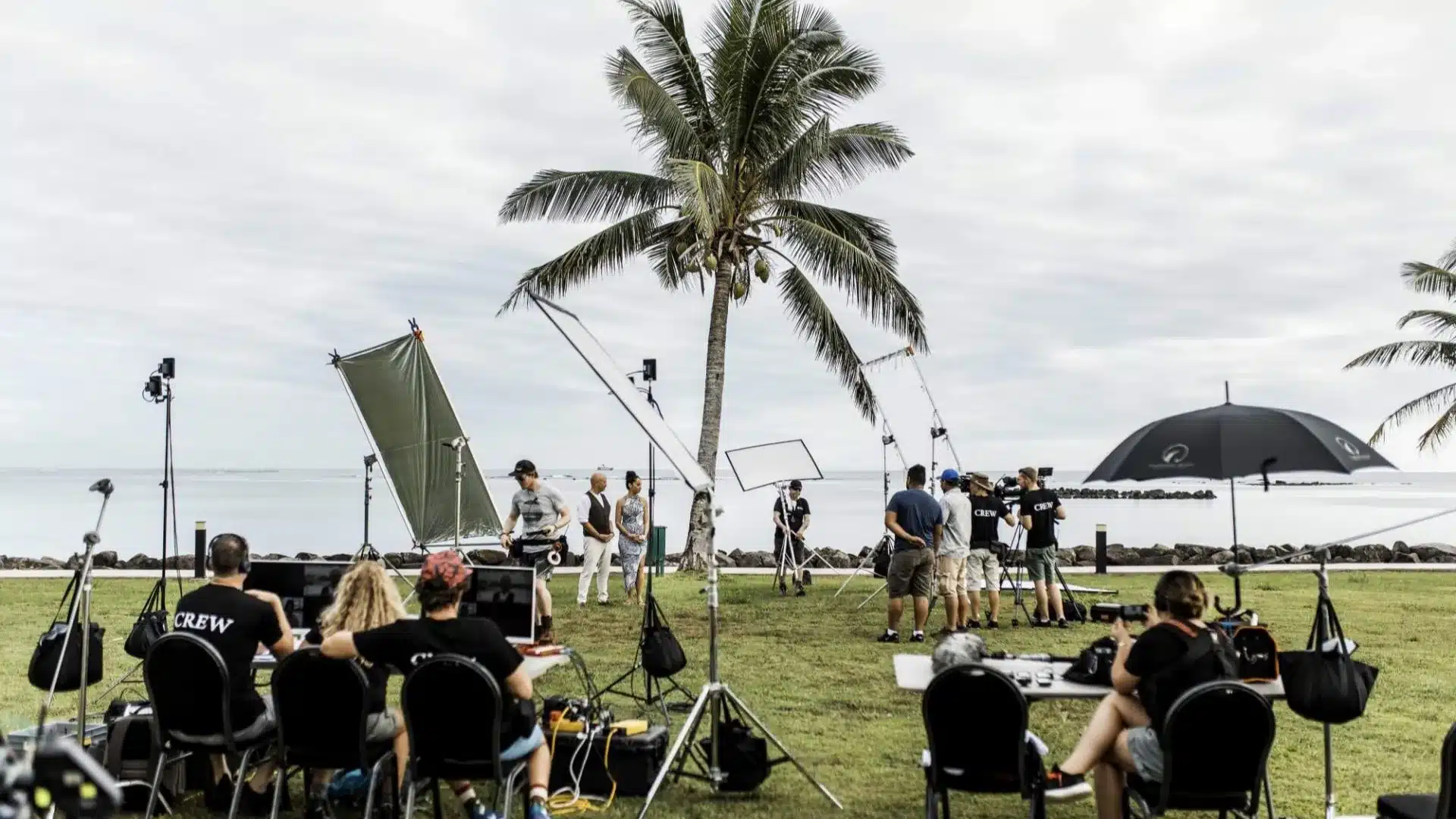
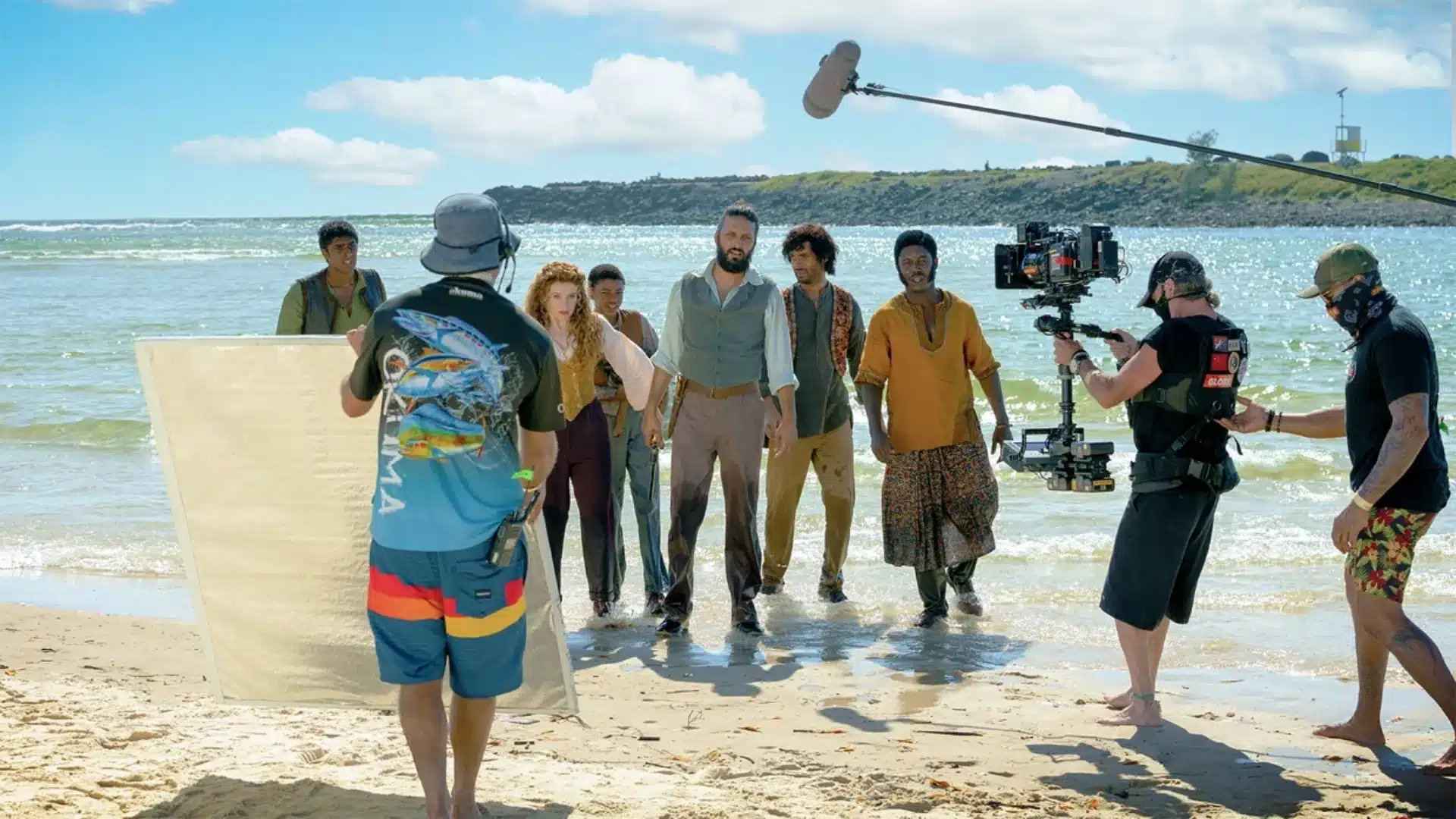
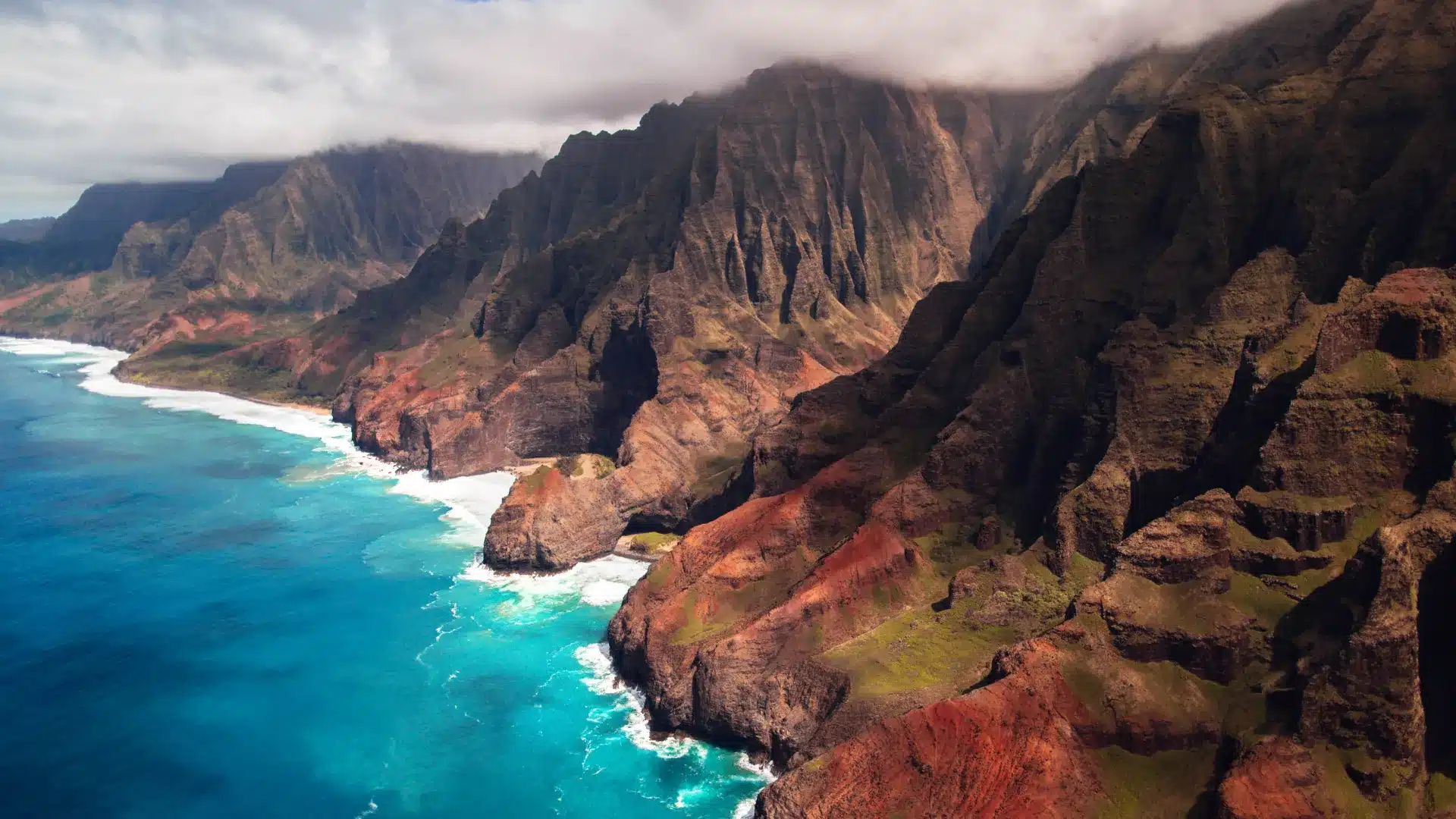
Production support for international shoots across volcanic landscapes, tropical coastlines, and infrastructure-ready island environments.
Hawaii offers a rare combination of cinematic natural scale and mature production infrastructure within a U.S. regulatory framework. Our Film Production Services in Hawaii are structured for international producers navigating state-level permitting systems, union considerations, incentive programs, and island-based logistics.
From dramatic lava fields and rainforest interiors to urban skylines in Honolulu and expansive coastal settings across multiple islands, Hawaii provides visual diversity without leaving a single state jurisdiction. Successful production depends on structured incentive planning, early permit engagement, and realistic inter-island scheduling.
Whether supporting feature films, streaming series, commercials, branded campaigns, or documentary productions, we build operational frameworks that balance creative ambition with regulatory compliance and logistical control.
Why Film in Hawaii
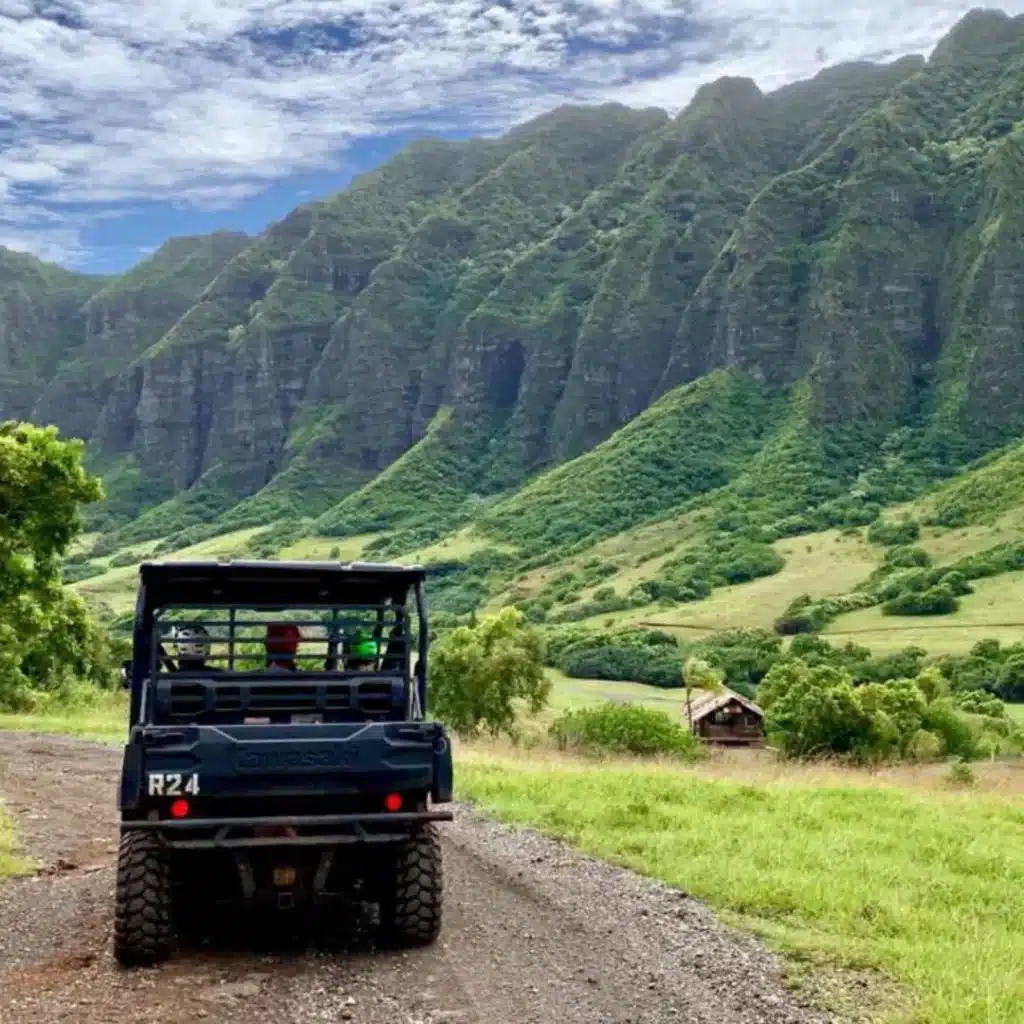
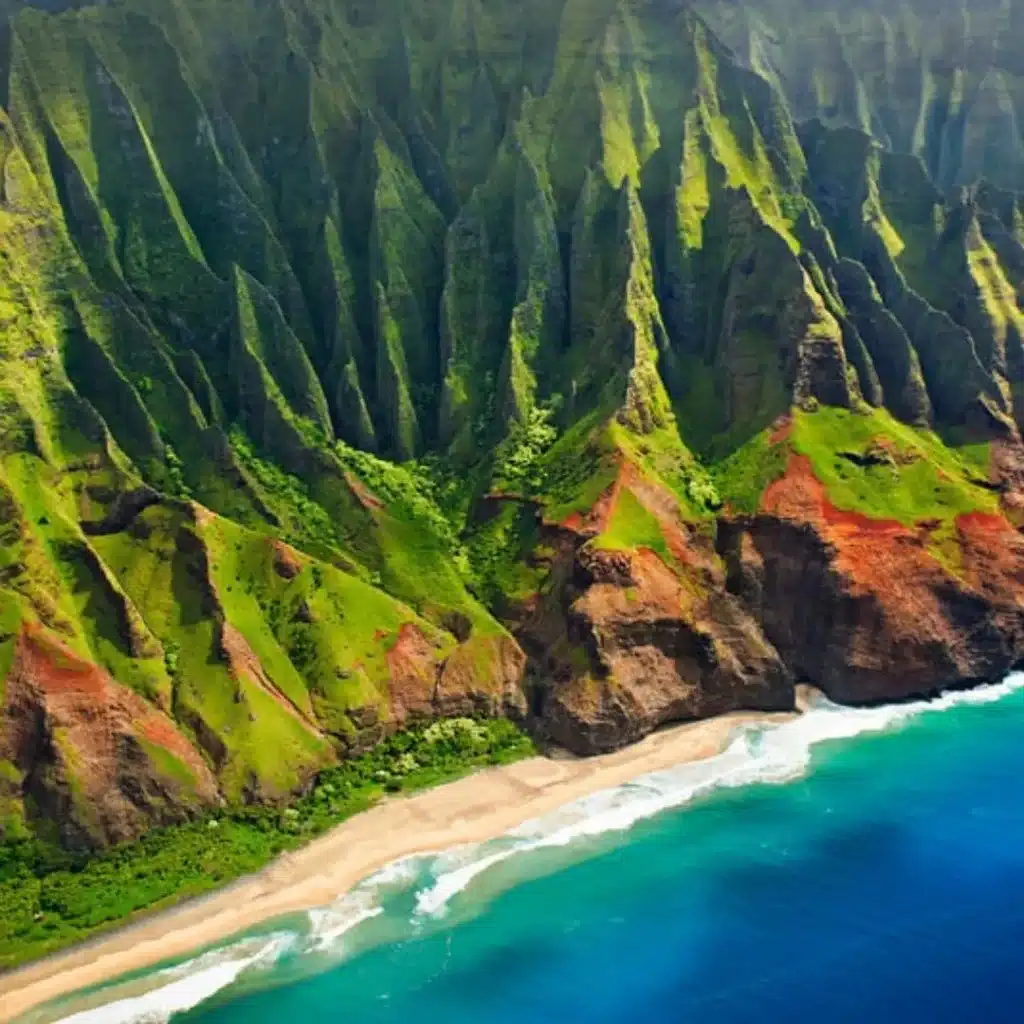
Hawaii delivers production value at scale. Volcanic terrain, black-sand beaches, dense tropical forests, waterfalls, cliffs, and open Pacific horizons coexist within relatively compact geographic distances.
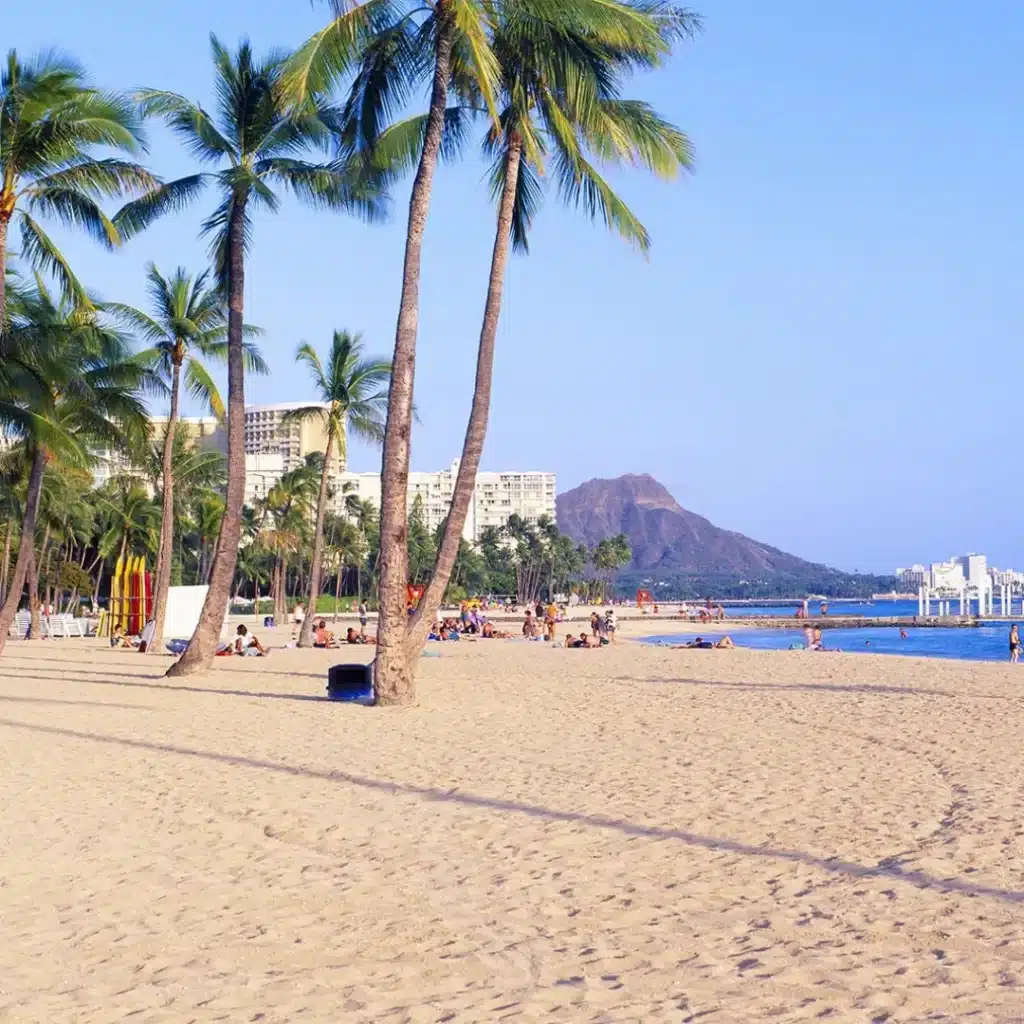
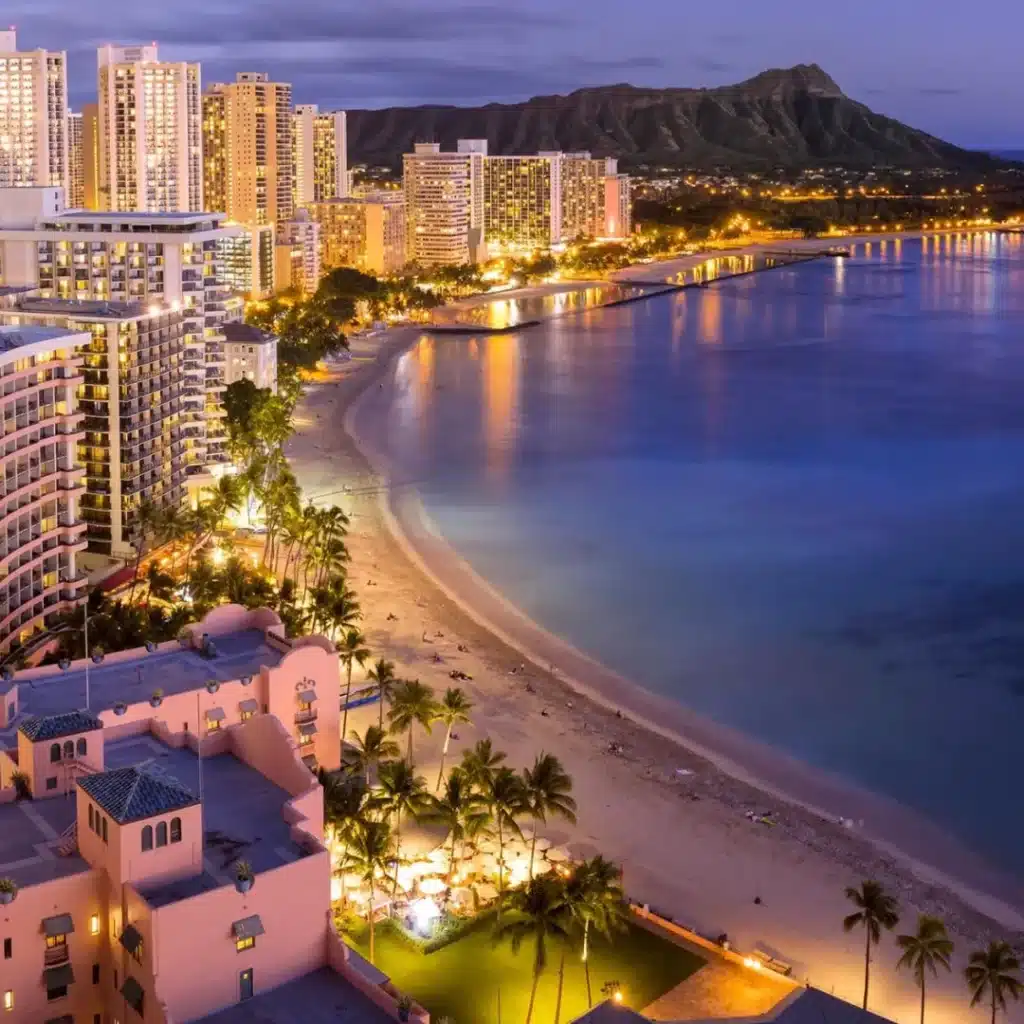
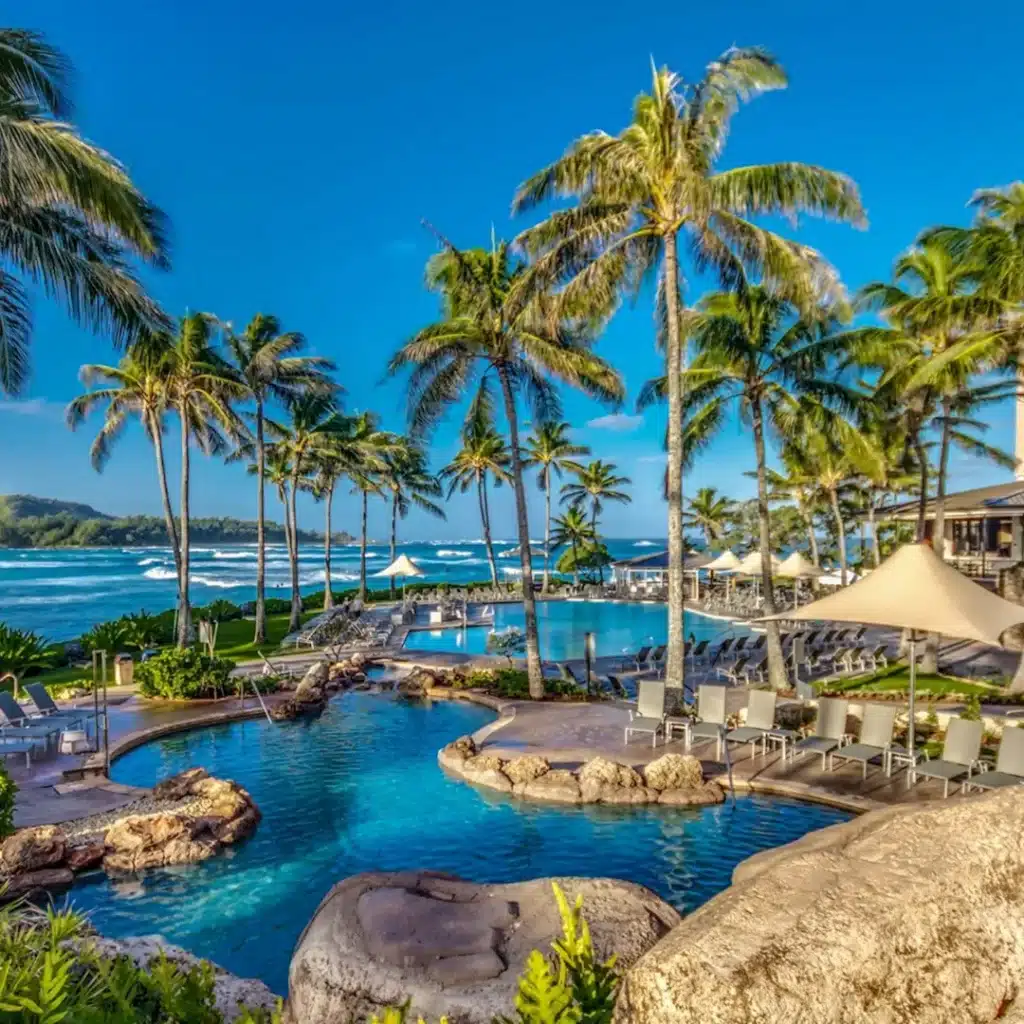
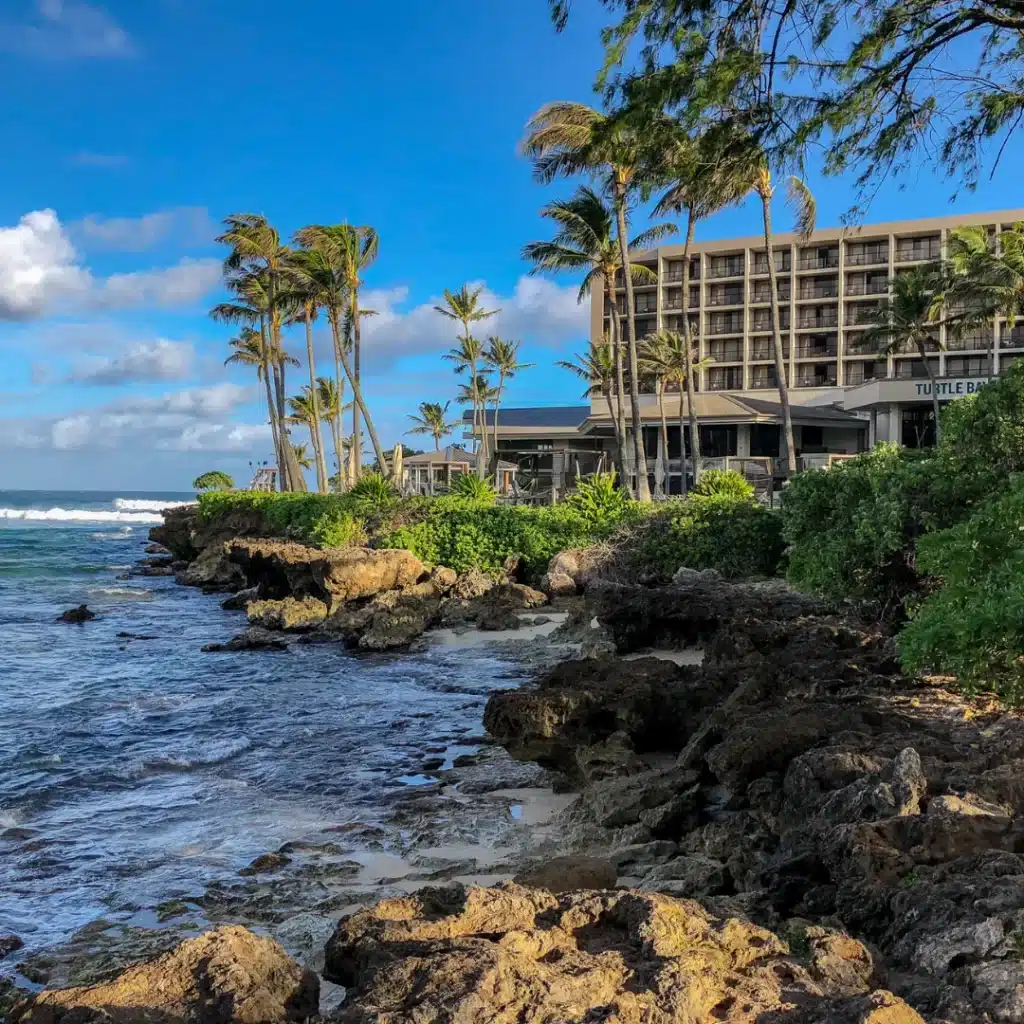
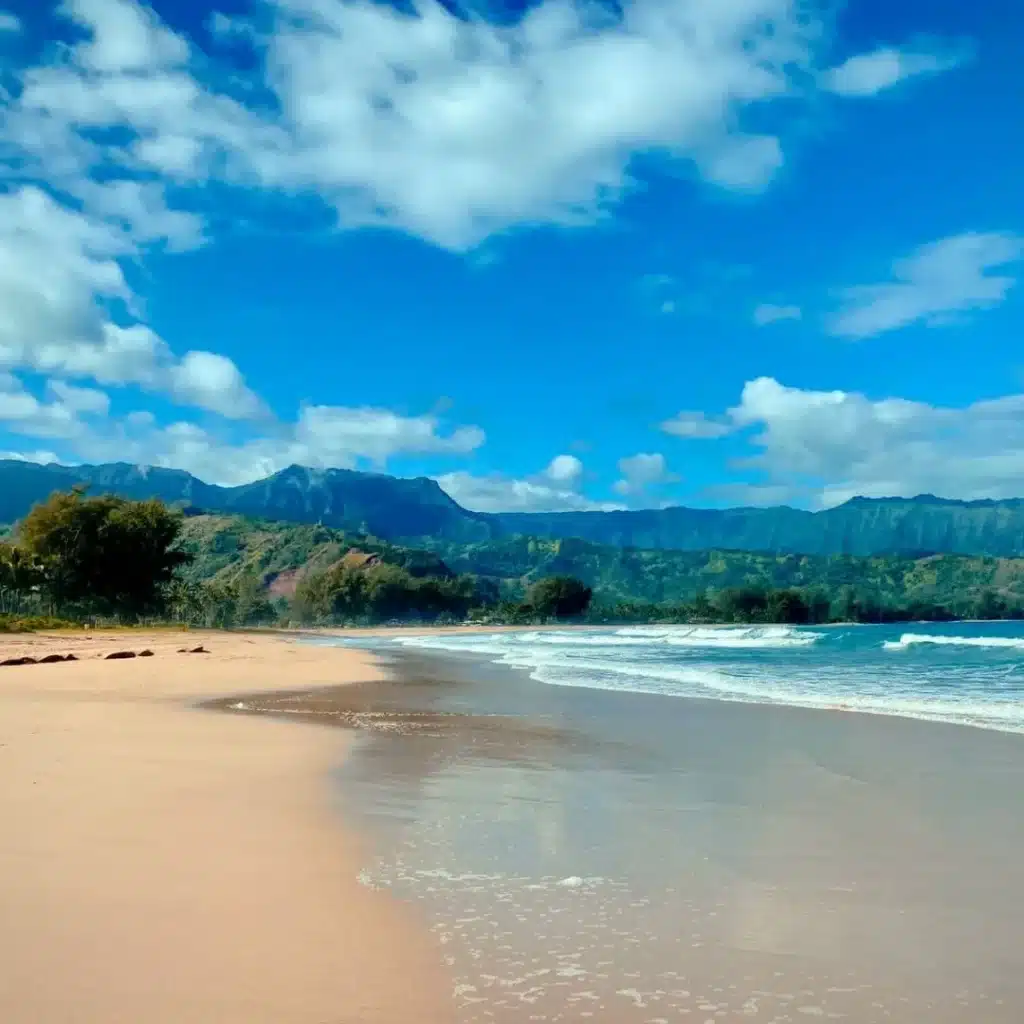
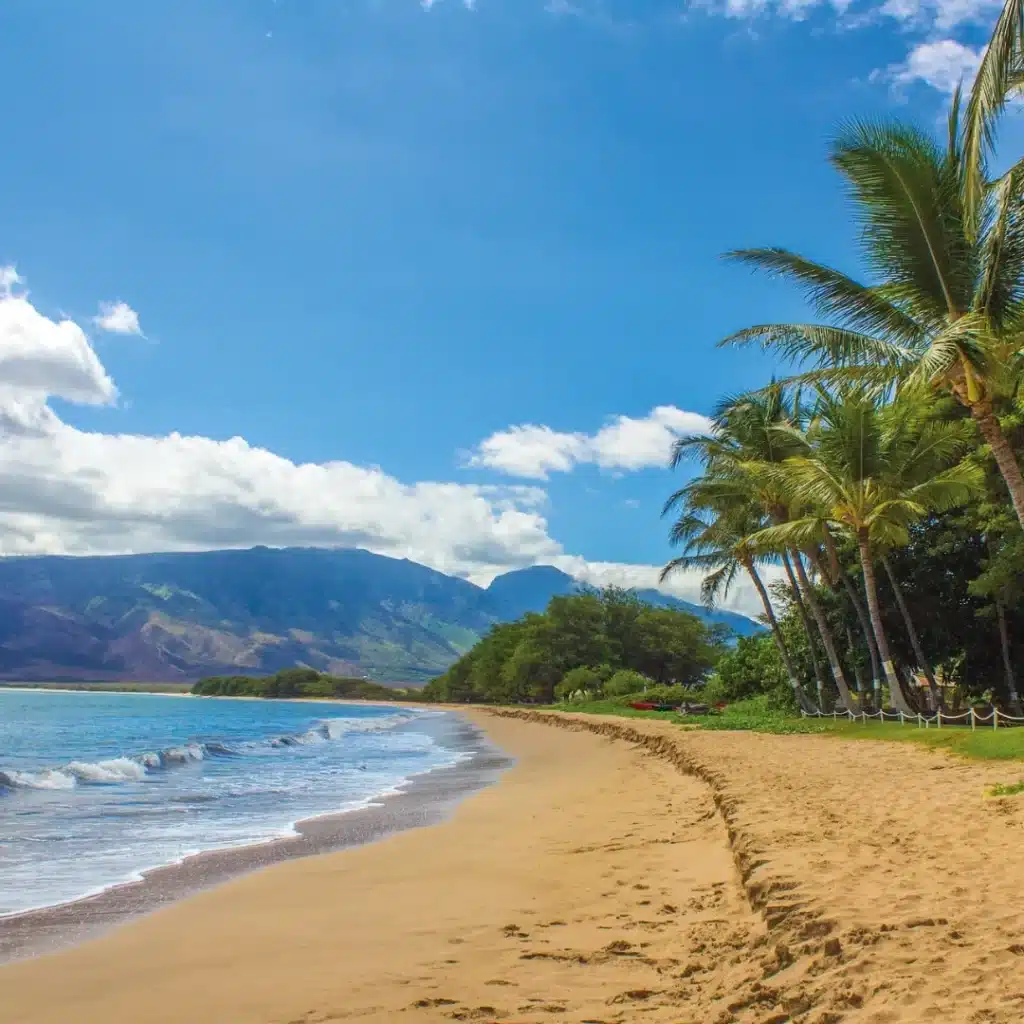
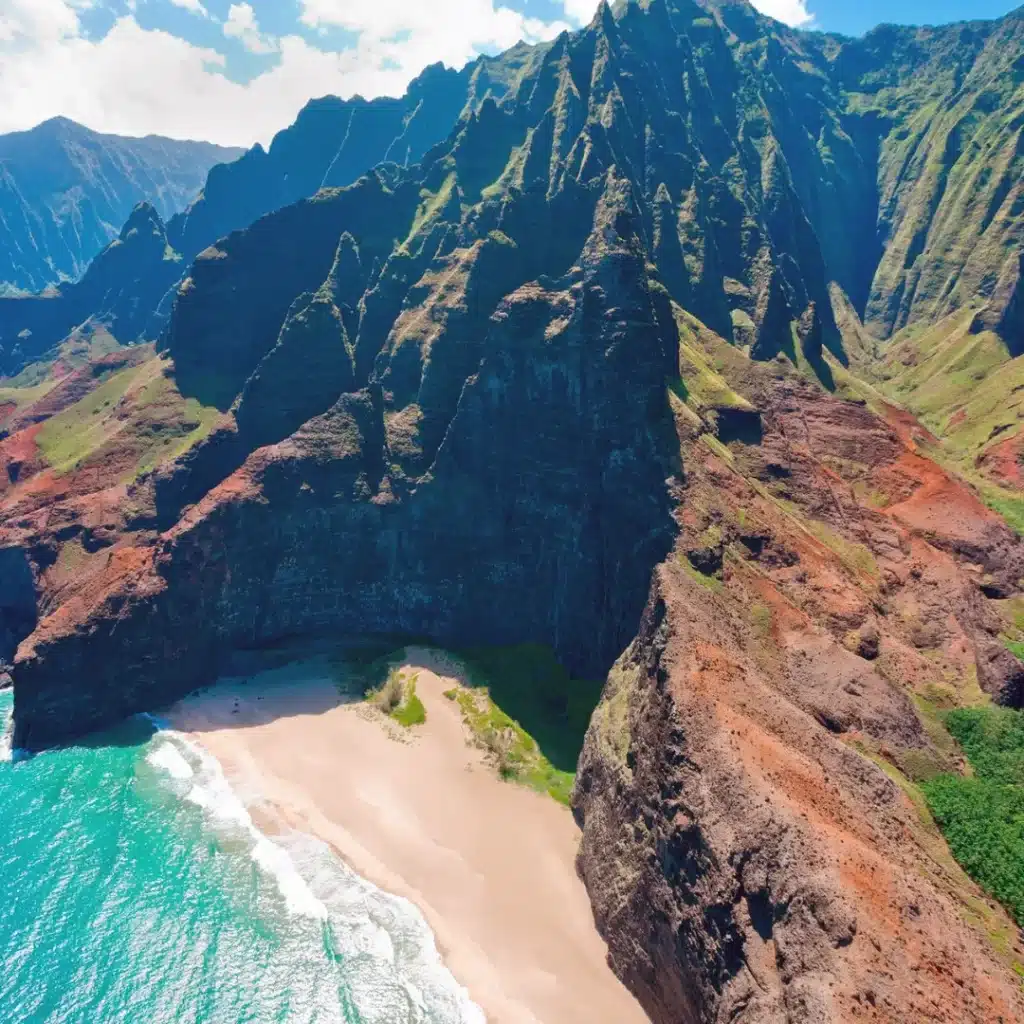
Oʻahu provides urban infrastructure, high-rise skylines, government buildings, and established studio facilities. Maui offers dramatic coastlines and resort environments. Kauaʻi presents rugged cliffs and dense jungle terrain. Hawaiʻi Island introduces lava fields, volcanic landscapes, and alpine elevations.
The ability to replicate diverse global environments has made the islands a preferred location for productions seeking visual range within U.S. legal and financial frameworks. With proper sequencing, multiple islands can be integrated into a single shooting schedule.
Hawaii’s appeal lies in both aesthetics and structure. As a U.S. state, productions operate within federal law, established labor standards, and defined incentive systems.
Production Support Hawaii
Delivering effective Production Support Hawaii requires coordination across state agencies, county film offices, union representatives, landowners, and private stakeholders. Inter-island movement adds an additional planning layer.
Our approach integrates incentive structuring, regulatory compliance, and island logistics management.
Pre-Production
Preparation establishes financial and operational stability.
- Location scouting across islands
- Technical recces and feasibility assessments
- Incentive qualification analysis
- Permit application coordination
- Union consultation and labor planning
- Environmental compliance alignment
- Drone authorization planning
- Equipment freight scheduling
Incentive applications often require detailed budgeting and spend forecasting. Early submission strengthens eligibility positioning.
Production
Principal photography requires disciplined scheduling.
- Local crew sourcing and union coordination
- Equipment rental and freight logistics
- State and county liaison
- Traffic and public space management
- Marine filming coordination
- On-site production supervision
Inter-island transfers may involve cargo flights or marine freight, depending on equipment volume. Structured sequencing reduces downtime between location blocks.
Post & Wrap
Administrative clarity protects financial recovery.
- Incentive reporting documentation
- Payroll reconciliation
- Equipment export coordination
- Location restoration compliance
- Final permit closure
Structured wrap procedures preserve incentive eligibility and stakeholder relationships.
Film Fixers in Hawaii
Experienced Film Fixers in Hawaii understand the layered regulatory and labor environment of a U.S. state operating within a geographically dispersed archipelago.
Coordination may involve:
- State film office engagement
- County-level approvals
- Federal land permits where applicable
- Union alignment
- Environmental compliance oversight
Local expertise supports transparent budgeting, realistic scheduling, and effective negotiation with landowners and public authorities.
Cultural awareness also plays a role. Certain locations hold cultural significance and require respectful engagement and approval processes.
Filming Regulations & Permits
Filming in Hawaii typically requires state or county permits depending on the location type and level of public impact. Productions operating on federal land may require additional authorization.
Drone operations are regulated under Federal Aviation Administration rules. State-level filming permits may still apply depending on the filming environment.
Marine filming and underwater activity may require coordination with environmental agencies, particularly when operating near protected reefs or wildlife habitats.
Environmental impact assessments may be required for larger-scale productions.
Early regulatory engagement supports timeline predictability.
Incentives & Tax Credit Framework
Hawaii maintains competitive tax credit programs designed to attract film and television production. Incentive structures typically provide a percentage-based credit on qualifying local spend.
Eligibility often requires minimum spend thresholds and detailed reporting documentation. Productions must align payroll, vendor invoices, and expense tracking with incentive requirements.
Understanding the incentive cap structure and application timeline is central to financial planning. Productions should integrate incentive strategy into early budgeting stages to ensure compliance and optimize recovery.
Island Logistics & Inter-Island Coordination
Island-based filming introduces additional sequencing considerations. Equipment movement between islands may require air freight or ocean transport depending on size and urgency.
Vehicle availability, crew accommodation capacity, and power infrastructure vary by island. Early assessment of accommodation blocks prevents scheduling compression during peak tourism periods.
Marine-based shoots require vessel coordination and safety planning. Weather patterns, surf conditions, and tidal shifts may influence call times.
Structured transport planning protects production continuity across dispersed island environments.
Urban Infrastructure & Studio Capacity
Oʻahu provides access to studio facilities, sound stages, post-production houses, and established rental vendors. Honolulu’s urban density allows contemporary city visuals supported by accessible infrastructure.
Traffic coordination may be required for urban filming. Advance engagement with municipal authorities supports predictable scheduling.
Where controlled environments are required, sound stage availability and temporary build capacity can be evaluated during technical recce phases.
Volcanic & Natural Environment Operations
Hawaii’s volcanic landscapes present extraordinary cinematic opportunities but require environmental sensitivity and safety awareness.
Filming near lava fields or in protected natural parks may require additional authorization and safety briefings. Terrain stability, heat exposure, and environmental compliance must be integrated into operational planning.
Rainforest and waterfall locations introduce humidity-aware equipment handling protocols and terrain safety assessments.
Structured risk management ensures crew welfare and environmental protection.
Climate & Seasonal Planning
Hawaii maintains relatively stable temperatures year-round, though rainfall patterns vary by island and region. Wind exposure and surf conditions may affect coastal filming schedules.
Hurricane season considerations should be integrated into insurance planning and contingency scheduling.
Peak tourism seasons may influence accommodation availability and permit timelines.
Building climate awareness into pre-production enhances schedule resilience.
Labor Environment & Union Considerations
As a U.S. state, Hawaii operates within established union frameworks for many production roles. Productions must assess union jurisdiction and labor agreements during early planning stages.
Clear labor budgeting, overtime forecasting, and payroll compliance protect financial predictability.
Collaborating with experienced local department heads streamlines integration between mainland and local crews.
Large-Scale Production Infrastructure & Studio Capability
Hawaii has supported major studio features, network television series, and large-scale streaming productions for decades. This production history has strengthened local crew depth, vendor reliability, and administrative efficiency across state departments. For projects requiring complex staging, controlled environments, or long-term basecamp operations, the islands provide infrastructure capable of accommodating extended schedules.
Oʻahu serves as the primary production hub, offering access to sound stages, production offices, workshop facilities, and post-production services. Larger productions often establish centralized production bases near Honolulu to streamline crew coordination, equipment storage, and departmental communication. From this core base, units can deploy to neighboring islands when specific terrain or coastal visuals are required.
Temporary builds are frequently utilized to supplement existing infrastructure. Controlled set construction, water tanks, and adaptable interior builds can be integrated into the production plan depending on project scope. Early feasibility assessments allow producers to determine whether permanent studio facilities or hybrid location-stage approaches will best support creative requirements.
Power reliability, fiber connectivity, and secure storage capacity contribute to operational stability for extended shoots. For productions importing specialized equipment, staging warehouses can be arranged near key transport hubs to reduce daily freight movement and mitigate exposure to environmental conditions.
Marine & Coastal Production Considerations
Marine environments are central to Hawaii’s visual identity, but they require structured planning. Open-water filming, surf-based sequences, underwater cinematography, and vessel-mounted camera platforms introduce safety and regulatory variables that must be sequenced early in pre-production.
Licensed vessel operators, marine safety supervisors, and water safety teams are essential for offshore activity. Productions must assess tidal conditions, surf forecasts, and marine traffic patterns when designing shooting schedules. Wind exposure along certain coastlines may influence equipment stabilization strategies and crew placement.
Filming near coral reefs or protected marine areas may require coordination with environmental authorities. Strict adherence to reef protection standards ensures long-term filming access and environmental stewardship. Underwater operations often require dive supervision and emergency response planning tailored to depth and location.
Beach filming may also involve public access management. Advance coordination with county authorities supports controlled activity while minimizing disruption to public recreation areas.
Cultural & Community Engagement
Certain locations in Hawaii carry cultural and historical significance. Productions operating near sacred sites or culturally sensitive areas should engage respectfully with community representatives and land stewards. Transparent communication, early consultation, and clearly defined production parameters support positive working relationships.
Community engagement is particularly important when filming on private land or in areas with strong local identity. Respecting cultural protocols and environmental standards reinforces long-term production sustainability across the islands.
Extended Schedule & Series Production Planning
Long-form series and returning productions benefit from structured workforce continuity and accommodation planning. Housing capacity, vehicle rental availability, and crew retention strategies should be evaluated during early budgeting phases.
Establishing predictable production cycles supports both cost control and operational efficiency. Clear scheduling frameworks, structured department leadership, and proactive regulatory renewal planning ensure multi-month shoots operate smoothly within Hawaii’s state-based administrative environment.
With disciplined planning and early sequencing, Hawaii supports productions ranging from short commercial campaigns to extended studio-scale series while maintaining operational control across island-based terrain.
Film Production Services in Hawaii
Productions operating in Hawaii benefit from early integration of incentive structuring, union alignment, and inter-island logistics sequencing. Travel time between islands, freight scheduling, and accommodation planning influence overall budget and timeline design.
Environmental stewardship remains central to long-term filming access. Respecting protected areas and cultural sites ensures sustainable production relationships.
When creative ambition aligns with structured planning and regulatory engagement, Hawaii offers cinematic diversity within a stable legal and financial framework.
Frequently Asked Questions
Do I need a permit to film in Hawaii?
Most professional productions require state or county permits, particularly when filming in public areas or protected environments.
Are incentives available?
Yes. Hawaii maintains tax credit programs subject to eligibility requirements and qualifying local spend.
Can drone filming be approved?
Drone operations must comply with FAA regulations and may require additional state-level authorization.
Are union crews required?
Union jurisdiction may apply depending on production type and scope.
Is filming across multiple islands complex?
Inter-island filming requires structured transport sequencing and early logistical planning. With preparation, projects can operate efficiently.
Plan Your Production
From volcanic terrain and rainforest interiors to urban skylines and Pacific coastlines, filming in Hawaii offers cinematic range supported by structured regulatory and incentive frameworks.
If you are preparing a project in Hawaii, our team can build a compliant, efficient production structure aligned with island logistics and state-level regulations.
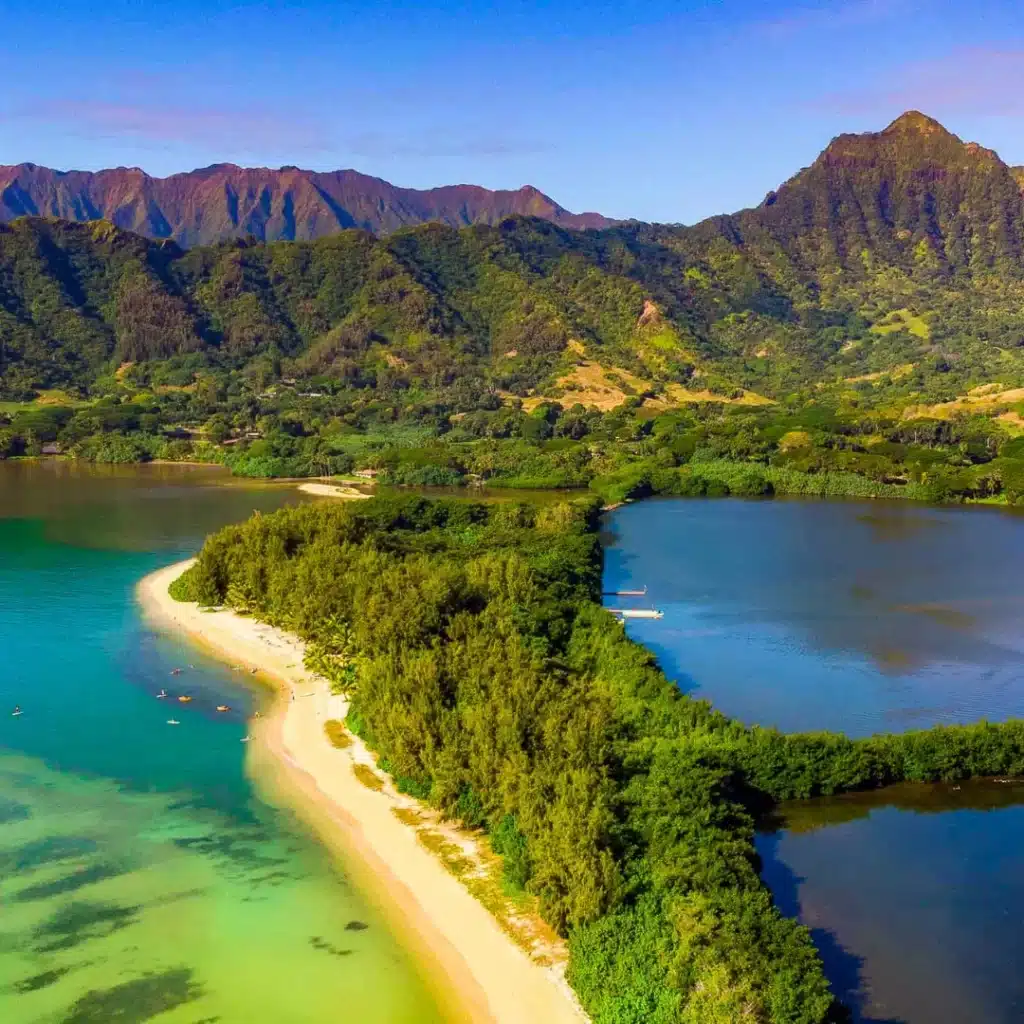
Film Locations in Hawaii
This guide was prepared by the Hoodlum Film Fixers team using official state resources and consultation with trusted local production partners. Our combined operational experience ensures international producers receive accurate, up-to-date guidance when planning film production in Hawaii.
Useful Links – Hawaii Film Authorities
- Hawaii State Film Office
https://filmoffice.hawaii.gov/ - Hawaii Department of Business, Economic Development & Tourism
https://dbedt.hawaii.gov/ - Federal Aviation Administration – Drone Regulations
https://www.faa.gov/ - Hawaii Department of Land and Natural Resources
https://dlnr.hawaii.gov/