













Filming in Poland
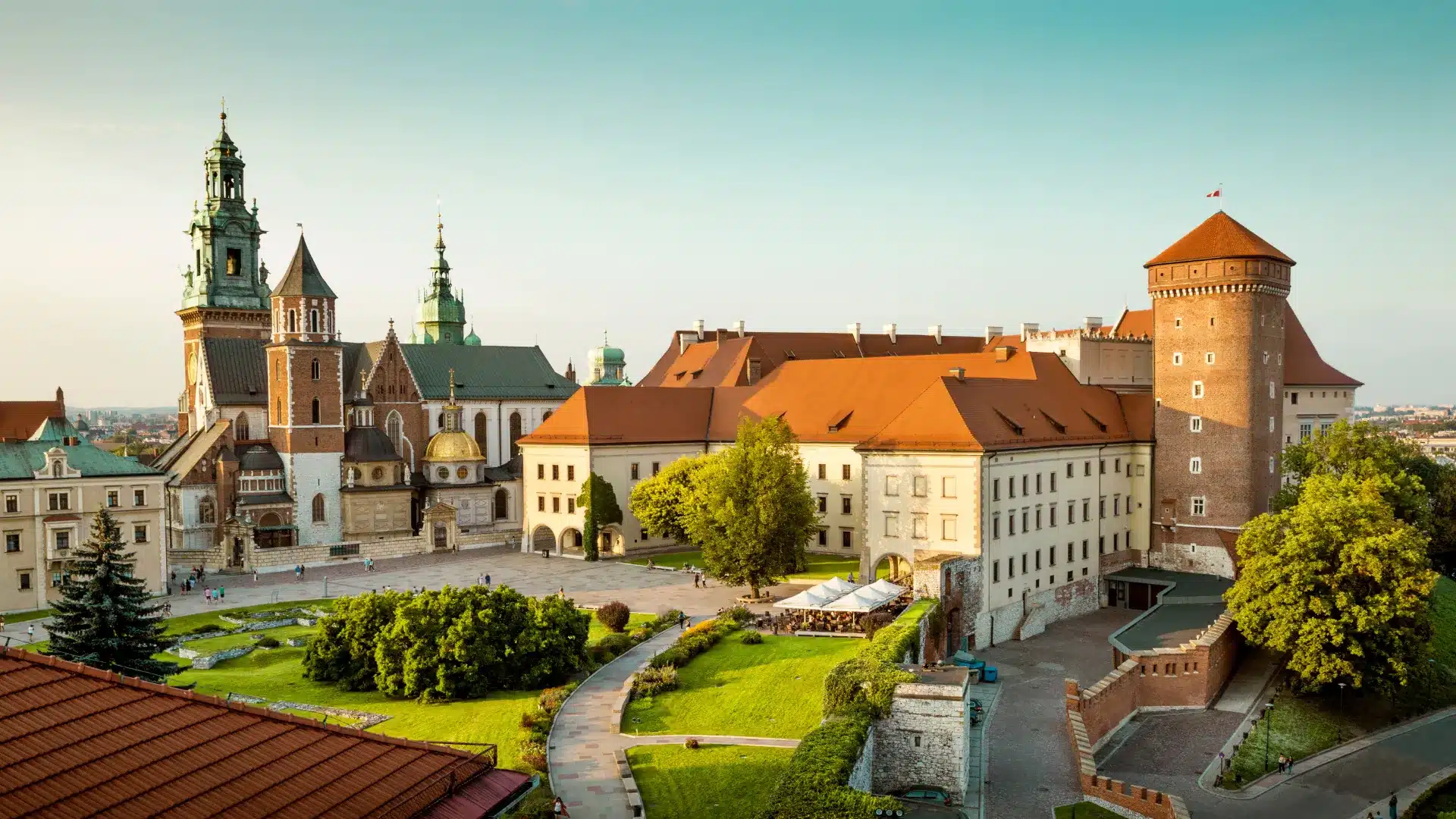
Poland is one of Central Europe’s most efficient, versatile and increasingly popular filming destinations, a large, well-connected EU country combining medieval market squares, Gothic and Renaissance architecture, industrial and maritime environments, Baltic coastline, forests, lakes and southern mountains with a deep crew base, modern studios and one of Europe’s most competitive cash rebates. From the reconstructed Old Town of Warsaw and the preserved medieval streets of Kraków to the shipyards and Hanseatic character of Gdańsk, the Tatra mountains in the south and the studio infrastructure serving international builds, Poland offers extraordinary visual range within a single, well-organised jurisdiction, backed by a 30% cash rebate administered by the Polish Film Institute.
For international crews, Poland offers a rare blend of historic and contemporary locations, experienced English-speaking crews, EU-aligned workflows, strong value and a national cash rebate on qualifying spend, balanced against a permitting, incentive and customs framework that rewards early, integrated planning. It is one of the few places where a production can shoot period cityscapes, industrial and maritime settings, forests, mountains and coast within one efficient, incentive-backed schedule, supported by regional film commissions and a mature production ecosystem.
Hoodlum provides Film Production Services in Poland for feature films, streaming series, period drama, commercials, documentaries, branded content and large-scale studio builds. Our team supports permits, incentive planning, municipal and regional coordination, location agreements, drone coordination, customs and equipment clearance, local crew and vendor sourcing, studio bookings, transport, accommodation, safety planning, rebate reporting and full on-ground production management. You can see the full scope of what we do and the people behind it on our who we are page.
Poland rewards productions that arrive with their paperwork in order and their incentive planning integrated from the start. It is a professional, film-friendly and well-organised country, but its value only holds when municipal coordination, rebate compliance and location sequencing are handled properly, with permits, customs and drones running through specific authorities. The right permits, the right customs plan and the right rebate registration all need to be settled before the cameras roll, and the most efficient way to handle that is through an experienced local production partner.
Why Poland Works for Range, Value and Rebates
The country’s biggest production strength is the combination of extraordinary visual range, experienced crews, EU-aligned workflows, strong value and a competitive 30% cash rebate. In a single schedule a production can move from period architecture to contemporary cityscapes, industrial zones, forests, mountains and Baltic coast, supported by deep departmental crew capacity, modern studios and a rebate that materially improves project viability. The value is real, but it holds only when incentives, permits and regional logistics are treated as one connected production system rather than separate tasks.
Warsaw and Kraków are the main hubs, but the value sits in the range and the incentive. A period drama might use Kraków’s medieval streets and Warsaw’s reconstructed Old Town. A series might combine studio builds with location work across regions. A commercial might pair the coast with the mountains. The country is strong because it delivers genuine visual diversity, deep infrastructure and a competitive rebate, in one well-connected EU jurisdiction, provided the production is structured correctly from the start.
The country is especially well suited to:
- Feature films and streaming series
- Period and historical drama
- Commercials and branded content
- Documentary and factual television
- Studio-and-location hybrid builds
- Action, thriller and industrial-set work
- Animation and VFX-heavy projects
- Productions seeking a competitive cash rebate
Hoodlum’s production support team helps crews decide which regions and locations are practical, what permissions each one needs and how to sequence an efficient schedule across the country.
Warsaw, Kraków and the Historic Cities
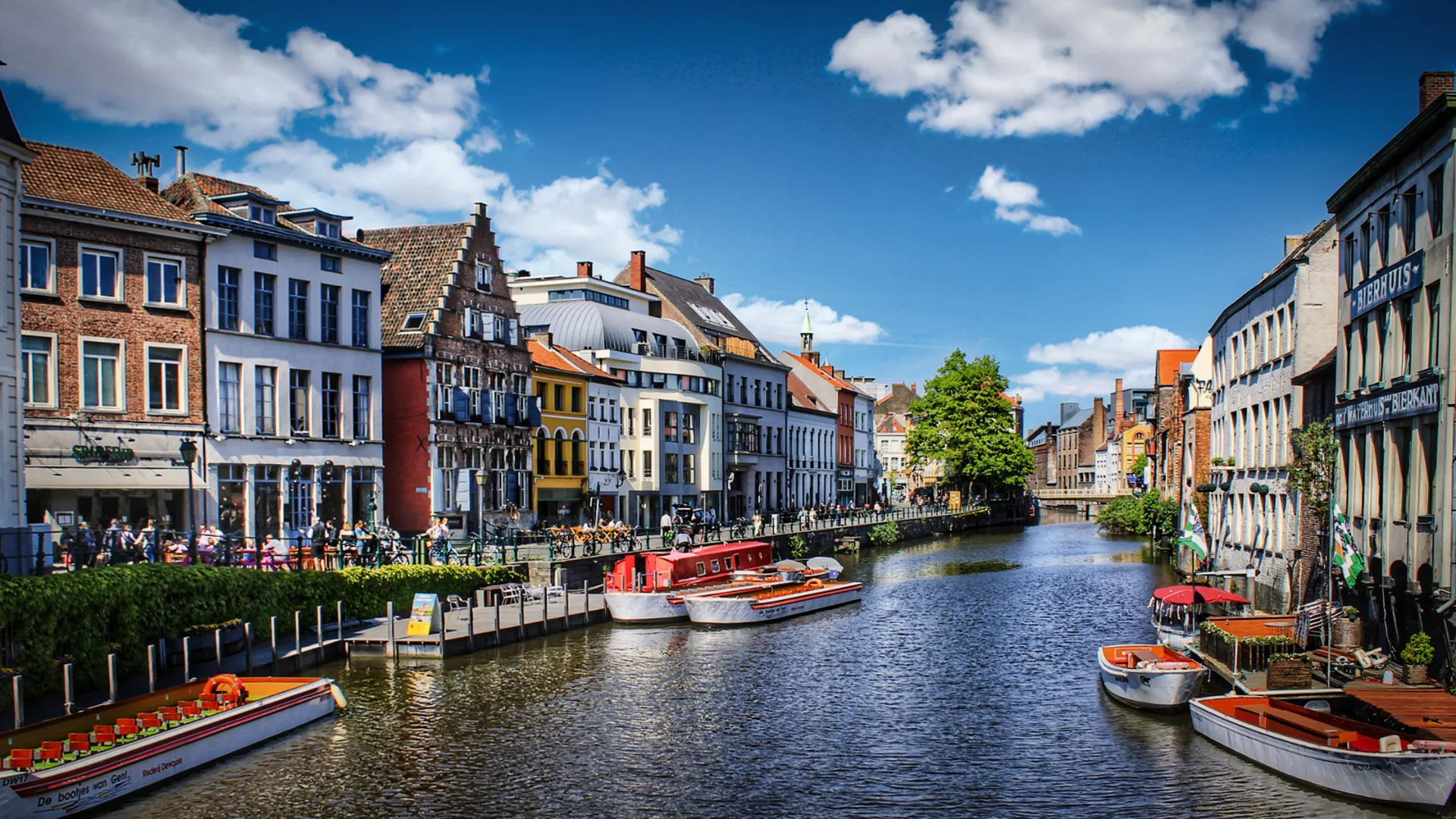
The country is especially valuable for projects needing European historic texture and period character. Kraków offers preserved medieval streets and squares, Renaissance influence and heritage-rich visual continuity, along with academic and period-friendly settings, while Warsaw combines a reconstructed Old Town with broader urban flexibility and a mix of historic and contemporary backdrops. These cities are the natural anchors for most international productions.
These locations suit period drama, features, commercials and any project needing European heritage or urban range. They are where crews, studios, equipment and coordination are concentrated, and where permitting and customs begin. Heritage zones, however, are rarely frictionless, often involving restricted equipment footprints, vehicle limitations, defined filming windows and preservation oversight. Hoodlum uses Warsaw and Kraków as the practical hubs for Film Production Services in Poland, working within the heritage realities while protecting schedule and visual ambition.
Gdańsk, Industrial and Maritime Locations
Gdańsk adds maritime identity, Hanseatic-style architecture, industrial heritage and Baltic character, while the country’s wider industrial environments are among its most flexible visual assets, offering scale, texture and authenticity for action, thriller, historical, commercial and music-based work. These settings broaden a project’s look considerably without leaving the country.
Useful industrial and maritime locations include the shipyards of Gdańsk, rail yards and transport infrastructure, warehouses, post-industrial complexes and heavy-industry environments. These sites often require direct negotiation, insurance clarity, security planning and safety documentation, so they need to be integrated into the wider production plan rather than treated in isolation. Hoodlum manages the negotiation, insurance, security and safety process so these difficult but distinctive locations become workable filming days.
Forests, Mountains and the Coast
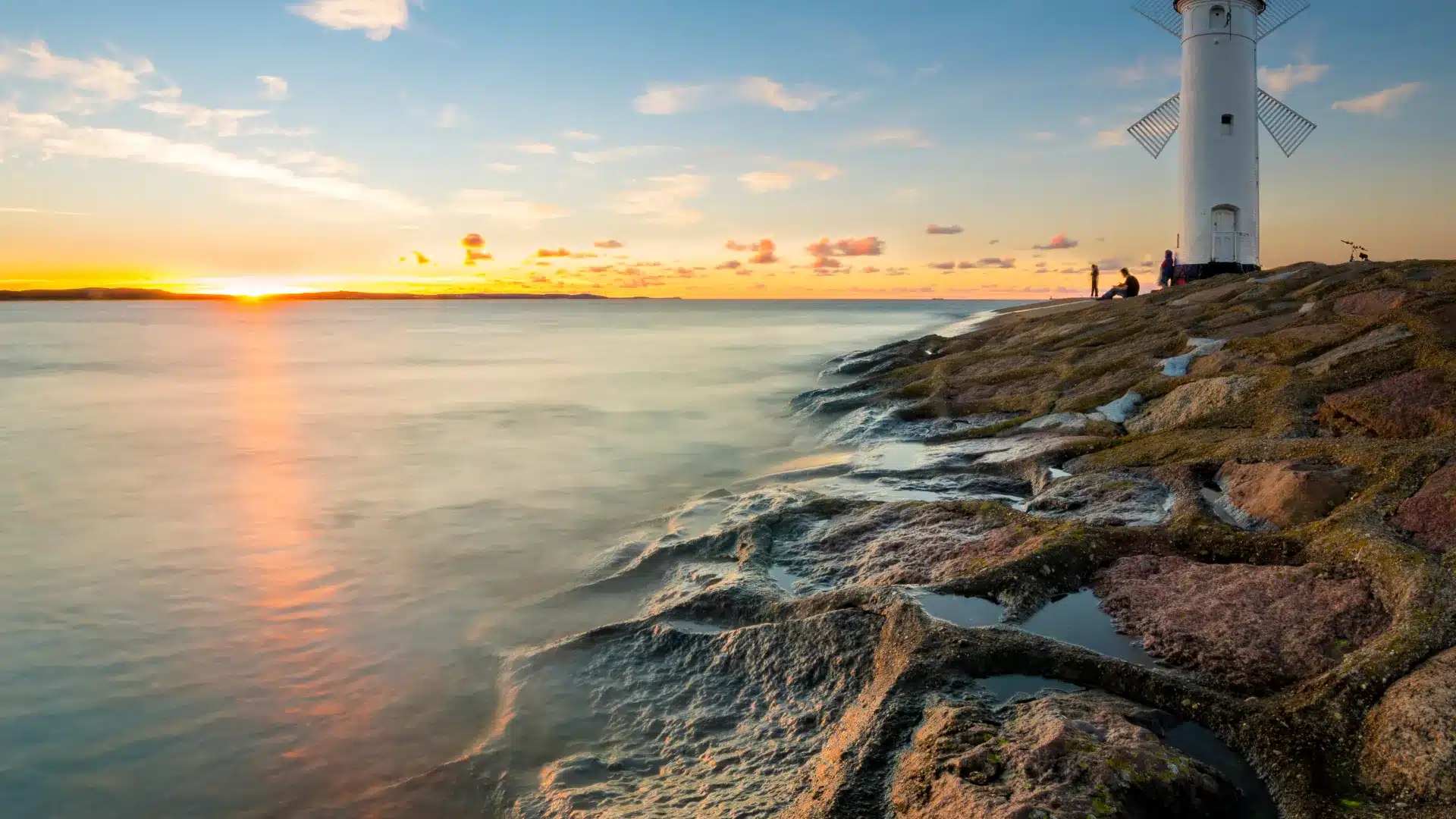
Beyond the cities, Poland offers substantial natural range: forests, lakes, open countryside, the Baltic coastline and the mountainous terrain of the south near the Tatra range. This landscape variety expands the country’s production range well beyond its urban and industrial settings.
These locations suit features, drama, natural-history, commercial and travel work, and any project needing forest, lake, coast or mountain environments. Protected natural areas may require environmental approvals, crew-size controls and tighter operating conditions, so terrain assessment, access planning and permit coordination matter. Hoodlum builds the environmental permissions, access planning and logistics into the schedule so landscape shoots remain practically achievable rather than only attractive on paper.
Studios and Controlled Builds
The country’s studio ecosystem has expanded significantly, making it a credible choice for international projects needing both location authenticity and controlled build space. Studio capabilities include large sound stages, construction and fabrication workshops, backlot-style flexibility, warehouse conversions and post-production support spaces.
This makes the country well suited to hybrid strategies, where exteriors are captured on location and interior or technically demanding scenes are built in controlled environments. Early booking is important, especially for larger international projects, and the stage work, location work and incentive timeline all need to move together. Hoodlum connects studio planning to the broader production schedule so the build, the location shoot and the rebate timeline stay aligned.
Crew, Equipment and Infrastructure
The country’s production workforce has grown in both scale and technical maturity, making it increasingly attractive for international producers needing dependable departmental support and scalable infrastructure. Available capacity includes experienced camera teams, advanced lighting and grip crews, scenic construction departments, costume and period support, VFX-aware workflows and production accounting teams familiar with rebate compliance.
Strong local equipment support can reduce the need for cross-border imports, while strong English proficiency across the sector supports smooth communication with international teams. This depth is a major reason productions can scale efficiently in the country. Hoodlum uses this local infrastructure to build production systems that are efficient, realistic and tailored to the actual needs of the project, sourcing the right balance of local and incoming crew and equipment.
Entry, Visas and Crew Documentation
As an EU member state, the country is straightforward to enter for EU and EEA nationals, who do not require visas or work permits, while non-EU crew should confirm the correct entry and work route for their nationality and the nature of the production, so early planning matters.
Nationals of many countries can enter visa-free for short stays under the Schengen framework, though work rules still apply, and crew from other countries may require a Schengen visa and appropriate work authorisation, which should be confirmed well ahead. Because requirements differ between EU and non-EU crew, confirming each crew member’s route early is important so entry aligns with the permit, customs and rebate timelines. A local partner familiar with EU and Polish requirements is valuable here.
Because the entry, work-authorisation and rebate processes interlink, working with a local partner who manages them is valuable. Hoodlum helps productions match each crew member to the correct route, assemble the documentation, and align everything with the shoot schedule.
Film Permits and Location Permissions
Most professional productions require public-space authorisation to film in Poland, with additional approvals for heritage sites, environmentally sensitive areas, industrial facilities, drone activity, stunts, pyrotechnics and large crowd scenes. Permits are handled at municipal and regional level, coordinated with the relevant film commissions, so the correct route depends on the locations.
Because permitting is handled locally and layered by activity, fragmented planning becomes expensive, and productions need to identify which permissions are required early, which authorities need lead time, and where the script or schedule may need adjustment to remain workable. Heritage approvals, environmental permissions and specialist activity each carry their own requirements, so the location plan should be confirmed early. A local partner who understands how national institutions, regional commissions, city authorities and heritage offices interact in practice is essential.
Private locations are negotiated directly with owners, with a local fixer scouting options, negotiating fees and securing agreements. A Hoodlum location scout can propose suitable options, after which we negotiate access, dates, crew size, fees and conditions, and secure a location agreement. Private permission does not replace municipal, heritage or environmental approvals a location also requires, and fees are quoted once the locations are confirmed.
Drone Filming and Aviation Rules
Drone filming in Poland is governed by EU aviation rules, overseen by the national civil aviation authority, so commercial drone operations require the appropriate authorisation, registration and a qualified operator. This is a structured framework that must be planned around in advance.
Under the EU drone framework, operators and drones must be registered, pilots appropriately certified, and operations conducted within the relevant category and any local restrictions, with additional approvals for sensitive areas, heritage zones, crowds or higher-risk flights. Using a qualified local operator who understands the EU and Polish requirements is the standard route, and drone plans should be confirmed early and integrated into the permit process. Hoodlum arranges the qualified local drone operator and aviation approvals, and builds the requirements and lead time into the plan.
Equipment Customs Clearance and the EU
A significant practical advantage of Poland is that, as an EU member state, equipment moving from other EU countries circulates freely without customs formalities, which simplifies logistics considerably for European productions. For equipment arriving from outside the EU, customs documentation is required, and the ATA Carnet is the standard route for temporary import.
For non-EU equipment, an ATA Carnet allows professional filming gear to be temporarily imported duty-free and tax-free, on the guarantee of re-export, supported by a detailed equipment list with serial numbers and values, and a customs broker is recommended for freight. Because intra-EU movement is free, productions often route or source equipment within the EU to reduce friction, while non-EU gear is planned around the carnet and customs timeline. Hoodlum helps productions plan the most efficient customs route, prepare the carnet or documentation, and coordinate clearance so cameras, lighting, grip and sound gear move through smoothly.
The Poland Cash Rebate and Incentive Planning
Poland’s headline financial draw is its 30% cash rebate on eligible Polish production costs, administered by the Polish Film Institute under national legislation and funded directly from the state budget, making it one of the market’s strongest strategic advantages. It applies to feature films, series, animation, documentaries and services provided to foreign productions, with a portion of the annual budget reserved specifically for animation.
The rebate reimburses 30% of qualifying spend incurred in the country, distributed on a first-come, first-served basis until the annual budget is exhausted, so early registration is essential. International productions must work with a local partner, whether a co-producer, the Polish branch of an international company or a service provider, and projects must pass a cultural qualification test and meet minimum spend thresholds that vary by format. Caps apply per project and per beneficiary each year, eligible Polish costs cannot exceed a set share of the total budget, and applications, submitted in Polish, are assessed within around four weeks, with proof of financing required.
Because the rebate depends on early registration and disciplined tracking of eligible local spend, incentive planning cannot sit in a finance silo.
Hoodlum integrates rebate thinking into prep from the start, links the production budget, local spend and documentation flow, and manages the reporting and audit discipline so the incentive becomes a bankable operational asset rather than a hopeful afterthought.
Safety, Seasons and Practical Logistics
The country operates within structured EU-aligned safety standards, though each production still needs a project-specific risk system covering the realities of its locations, script and schedule. Common safety areas include winter-weather management, industrial-site compliance, traffic control, construction safety, emergency response and crowd management, all aligned with the practical demands of the shoot.
The country’s seasonal shifts shape scheduling, continuity, equipment and cost. Spring and autumn are often efficient, with moderate temperatures, balanced daylight and lower tourism pressure, while summer offers long days and strong shooting capacity but busier city centres and coast, and winter suits snow-based and atmospheric work but demands tighter control around battery and camera performance, heated crew areas, icy-road transport, snow continuity and shorter daylight. Hoodlum uses seasonal planning to forecast not just the look of a shoot but its practical implications for budget, crew movement and daily efficiency, and builds contingency into the plan.
When Poland Is the Right Production Choice
Poland is the right choice when a production needs European historic texture, industrial and maritime settings, forests, mountains and coast, combined with experienced crews, EU-aligned workflows, strong value, studio infrastructure and a competitive 30% cash rebate. It is especially strong for features and streaming series, period drama, commercials, documentary, action and industrial work, animation and VFX-heavy projects, and any multi-region or studio-and-location hybrid build.
It becomes particularly valuable, and particularly dependent on good local support, for multi-city shoots, rebate-reliant projects, heritage-zone or protected-area filming, drone or specialist work, industrial access and tight schedules where permit certainty matters. It is highly workable when the entry routes, permits, drone arrangements, customs, rebate registration and location agreements are settled early and managed as one system.
Common Production Mistakes to Avoid
The most frequent mistakes include:
- Treating the rebate as an afterthought rather than registering before principal photography
- Missing the cultural test or minimum-spend thresholds through late planning
- Not engaging the mandatory local partner required for the rebate
- Treating permits, incentives, customs and logistics as separate tasks
- Underestimating heritage-zone restrictions on equipment, vehicles and windows
- Overlooking the lead time for industrial, environmental and specialist approvals
- Assuming non-EU equipment clears without a carnet and customs planning
- Planning demanding winter or peak-summer shoots without seasonal control
Most of these problems are avoidable by integrating the permits, rebate registration, customs and location agreements into one production system well before the crew travels.
How Hoodlum Supports Productions in Poland
Hoodlum provides Film Production Services in Poland for international crews that need experienced local coordination from early planning through to wrap. Our support covers entry and documentation guidance, municipal and regional permits, heritage and environmental approvals, private location agreements, qualified drone operator coordination, carnet and customs planning, local crew and vendor sourcing, studio and facility bookings, transport, safety planning, accommodation, integrated rebate registration and reporting, and on-ground production management.
From the reconstructed Old Town of Warsaw and the medieval streets of Kraków to the shipyards of Gdańsk, the Baltic coast, the southern mountains and the country’s studios, we help productions access the strongest filming environments in Poland with the right permits, crews, customs planning, incentives and logistics in place. Planning a shoot? Contact us to talk through permits, entry support, local crews, location scouting, customs coordination, drone planning, rebate support and full on-ground production management.
Frequently Asked Questions
Do international crews need a visa to film in Poland?
As an EU member state, Poland requires no visa or work permit for EU and EEA nationals. Many other nationalities enter visa-free for short stays under the Schengen framework, though work rules still apply, while others need a Schengen visa and work authorisation. Because requirements differ between EU and non-EU crew, confirm each crew member’s route early.
Who issues filming permits?
Most productions need public-space authorisation, handled at municipal and regional level and coordinated with the relevant film commissions, with additional approvals for heritage sites, environmental areas, industrial facilities, drones, stunts, pyrotechnics and crowds. Because permitting is layered and local, identifying the required permissions and lead times early is essential.
Who regulates drones?
Drone filming is governed by EU aviation rules, overseen by the national civil aviation authority, requiring operator and drone registration, pilot certification and operation within the relevant category and local restrictions, with extra approvals for sensitive areas, heritage zones and crowds. A qualified local operator who knows the EU and Polish rules is the standard route.
Is Poland an ATA Carnet country?
For equipment from other EU countries, no customs formalities apply, as goods circulate freely within the EU. For equipment from outside the EU, the ATA Carnet is the standard temporary-import route, allowing duty-free entry with a detailed equipment list of serial numbers and values, and a customs broker is recommended for freight.
Does Poland offer a film rebate?
Yes. Poland offers a 30% cash rebate on eligible Polish production costs, administered by the Polish Film Institute and funded from the state budget, for features, series, animation, documentaries and production services. It requires a local partner, passing a cultural test and meeting minimum spend thresholds, is first-come-first-served, and must be registered before the relevant work begins, so apply early.
What are the best filming locations?
Standout options include Kraków’s medieval streets and squares, Warsaw’s reconstructed Old Town and contemporary districts, the shipyards and Hanseatic character of Gdańsk, the Baltic coast, the forests and lakes, and the southern mountains near the Tatra range, alongside the country’s studio infrastructure.
Useful Authority Links
- Polish Film Institute (PISF) – Incentives
- Polish Film Commission
- Civil Aviation Authority of Poland (ULC)
- Polish National Revenue Administration (KAS) – Customs
- Poland Visa – Ministry of Foreign Affairs
- Poland Official Travel Portal
This guide was prepared by the Hoodlum Film Fixers team using official Polish sources, including the Polish Film Institute, Polish Film Commission, Ministry of Foreign Affairs, Civil Aviation Authority and National Revenue Administration. Last reviewed August 2026. Permit fees, processing times, incentive rules and entry requirements can change; confirm current requirements with us before locking a schedule.
Ready to bring your production to Poland? Hoodlum handles the permits, visa guidance, location scouting, temporary-import and customs coordination, drone planning, local crew, studio bookings, safety planning, rebate support and full on-ground production management, so you can focus on the work in front of the lens. Get in touch with our team to start planning, and tell us your locations, dates and creative brief.
For more information, view our Hoodlum Film Fixers Poland Google Business Profile.