
Film Production Services in Australia
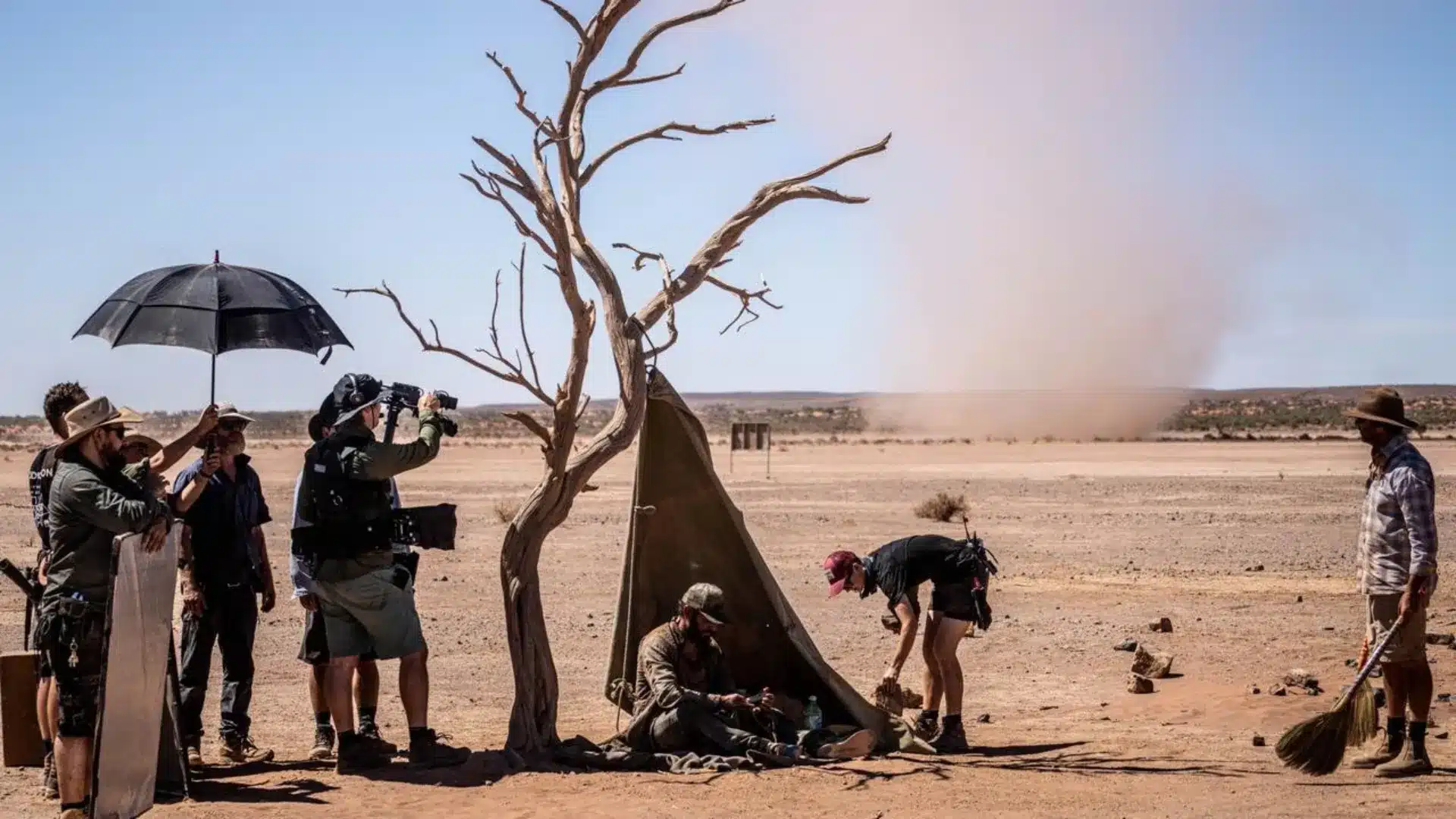
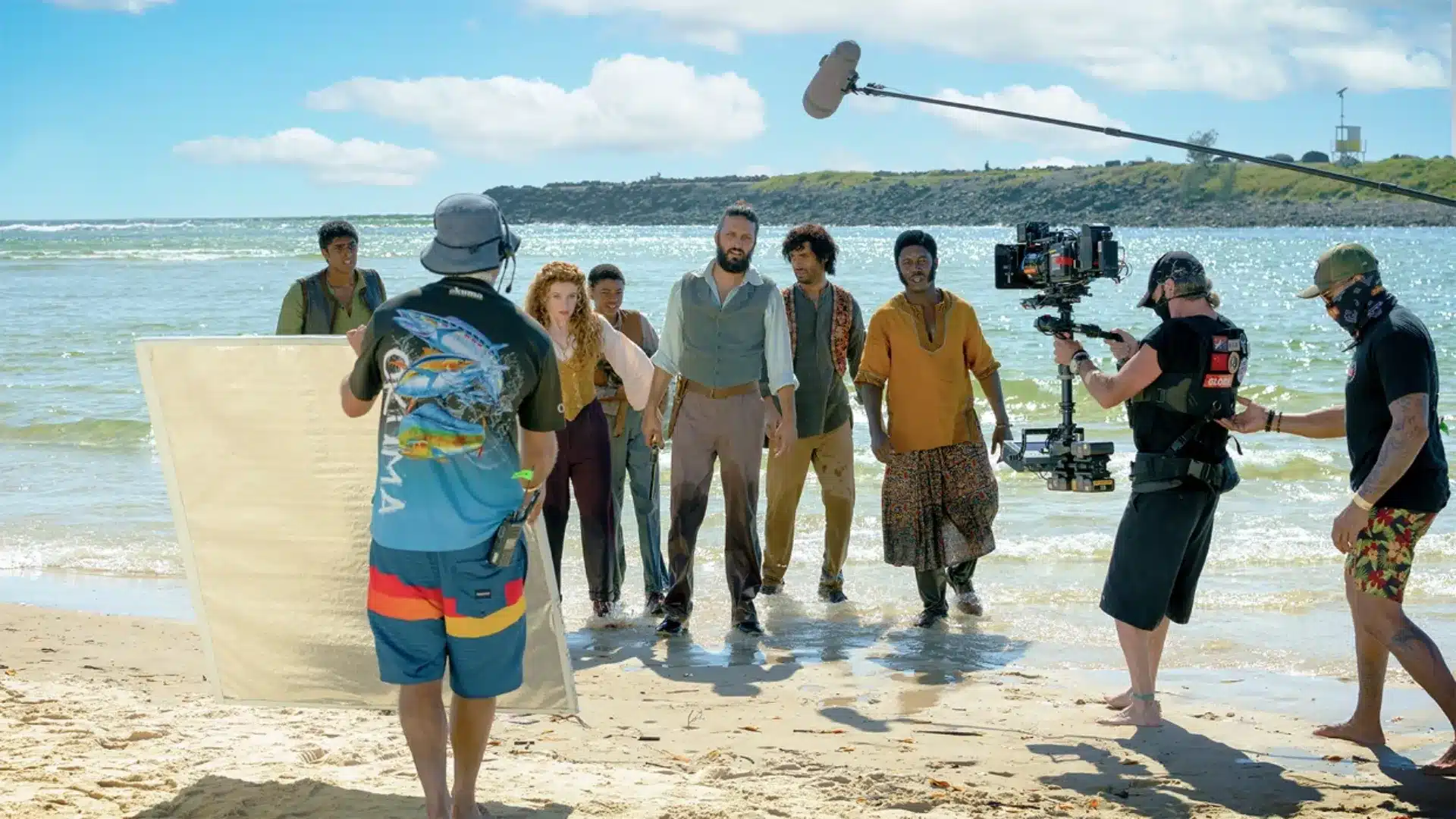
Australia is one of the strongest production destinations for international crews that need scale, experienced crew, modern cities, beaches, deserts, rainforests, reef access, studio infrastructure and reliable local production support. The country can deliver Sydney harbour visuals, Melbourne streets, Gold Coast studio work, Queensland tropical locations, Northern Territory desert landscapes, Western Australian coastlines, South Australian outback roads, Tasmanian wilderness and major urban environments within one coordinated production plan.
Hoodlum provides Film Production Services in Australia for commercials, documentaries, factual entertainment, reality television, travel campaigns, automotive shoots, branded content, feature films, photography, conservation stories and television productions. Our team supports Department of Home Affairs visa planning, Temporary Activity visa documentation, state and local film permits, council approvals, CASA drone coordination, ATA Carnet customs clearance, private location agreements, local fixers, crew sourcing, transport, safety planning and on-ground production management.
The country is production-friendly, but it is highly regulated at federal, state, territory and local council level. A production may need immigration approval, location permits, public liability insurance, traffic management, national park permissions, drone flight approvals, customs documents, council consent, police notification, Traditional Owner consultation or private property agreements before filming begins.
Hoodlum helps crews identify which authorities apply, how long approvals may take and how to build a practical schedule around travel distances, weather, location access, public filming impact, equipment movement and safety requirements.
Why Australia Works for International Productions
Australia works because it combines world-class production infrastructure with locations that can cover many visual briefs. A production can use Sydney for harbour, business district and beach scenes, Melbourne for urban streets and studio links, Queensland for rainforest, reef and resort environments, the Northern Territory for red desert and remote scale, Western Australia for coastline and mining-region visuals, South Australia for outback roads and wine regions, and Tasmania for cooler forests, mountains and coastal wilderness.
The country is especially useful for:
- Commercials and branded content
- Feature films and television drama
- Reality television and factual entertainment
- Automotive commercials
- Travel and tourism campaigns
- Marine, reef and coastal filming
- Desert and outback documentaries
- Sport and adventure content
- Wildlife and conservation stories
- Photography campaigns
- Drone-led landscape sequences
- Studio-based international productions
The main production value is the combination of experienced crew, English-speaking workflows, established suppliers, strong studio infrastructure, international airports, reliable accommodation, state screen agencies and locations that can feel completely different from one region to another.
The main production challenge is scale. Australia is vast. A schedule that tries to combine Sydney, Uluru, the Great Barrier Reef, the Kimberley and Tasmania without enough time will quickly become expensive and inefficient. Hoodlum’s production support focuses on building a route that makes creative and logistical sense, rather than simply chasing the most recognisable locations.
Sydney, New South Wales and East Coast Production
Sydney is one of the main production centres in Australia. It offers harbour views, beaches, business districts, residential neighbourhoods, roads, parks, studios, casting options, hotels, restaurants, experienced crew and strong supplier access. It is useful for commercials, corporate films, fashion shoots, documentary interviews, reality television, lifestyle campaigns and city-based drama.
New South Wales can also support:
- Bondi, Manly and Northern Beaches coastal filming
- Blue Mountains landscapes
- Hunter Valley wine and rural locations
- South Coast beaches and roads
- Western Sydney urban and industrial scenes
- Regional towns and agricultural locations
- Studio and stage-based work
- Documentary and interview filming
Filming in Sydney usually requires coordination with the relevant local council, landowner or government authority. Public spaces, beaches, roads, parks and high-footfall areas may require permits, public liability insurance, traffic management, parking approvals, resident notification or police involvement depending on the footprint.
Screen NSW is a key state screen agency, while individual councils and location owners handle many practical filming approvals. National parks and protected areas require separate permission through the relevant parks authority. Hoodlum helps productions identify whether a location sits under council control, state land, private ownership, national park rules or another approval pathway.
Melbourne, Victoria and Urban Production
Melbourne is one of the strongest urban production bases in the country. It offers laneways, contemporary architecture, heritage streets, suburbs, sports venues, art spaces, restaurants, industrial locations, coastal access, studio infrastructure and experienced crew. The city is especially useful for commercials, fashion films, corporate campaigns, drama, documentary interviews and controlled urban location work.
Victoria can support:
- Melbourne city streets and laneways
- Docklands and studio-based production
- Great Ocean Road coastal filming
- Mornington Peninsula lifestyle locations
- Yarra Valley vineyards
- Regional towns and rural roads
- Alpine locations in winter
- Industrial and port environments
VicScreen, formerly Film Victoria, is the state screen agency, while local councils and location owners usually control specific filming approvals. Melbourne productions may need parking permits, traffic control, public liability insurance, pedestrian management, security, resident notification and after-hours approval depending on the location and scale.
The Great Ocean Road is a strong location for automotive, tourism and lifestyle campaigns, but it requires careful planning around traffic, weather, road control, public access and council or road authority permissions. Hoodlum helps crews compare Melbourne, regional Victoria and coastal options so the production gets the right visual result without overcomplicating the schedule.
Queensland, Gold Coast, Rainforest and Reef Access
Queensland is a major production state with strong appeal for commercials, feature films, reality television, travel campaigns, marine content, resort shoots, tropical landscapes and studio work. Brisbane and the Gold Coast offer crew, suppliers, hotels, stages, beaches, roads and city infrastructure. Far North Queensland adds rainforest, reef access, islands, ports, tourism operators and tropical environments.
Queensland can support:
- Gold Coast studio and backlot work
- Brisbane city and river locations
- Sunshine Coast lifestyle shoots
- Great Barrier Reef marine filming
- Cairns and Port Douglas tourism campaigns
- Daintree Rainforest documentary work
- Island resorts and beach content
- Adventure and survival-style factual formats
Screen Queensland is the state screen agency, while councils, tourism operators, port authorities, marine operators, private resorts, national parks and Traditional Owner groups may all be relevant depending on the location.
Marine and reef filming require detailed logistics. Productions may need boat operators, dive safety, weather windows, tide planning, environmental approvals, park permissions, marine permits, safety divers, underwater camera teams and strict equipment protection. Tropical shoots should also consider heat, humidity, rain, cyclone season, insects, crew hydration, medical planning and weather cover.
Hoodlum helps crews structure Queensland shoots around realistic access, especially when combining city work, beaches, rainforest, islands and reef locations in one route.
Northern Territory, Red Centre and Remote Desert Filming
The Northern Territory gives Australia one of its most distinctive production identities. It can provide red desert roads, remote communities, rock formations, outback towns, national parks, station landscapes, dramatic skies and large-scale wilderness.
Key production areas include:
- Darwin and the Top End
- Kakadu region
- Arnhem Land access routes
- Alice Springs
- MacDonnell Ranges
- Uluru and the Red Centre
- Remote roads and station country
Northern Territory filming needs careful cultural, environmental and access planning. Some locations may require approval from Parks Australia, Northern Territory Government agencies, local councils, Aboriginal land councils, Traditional Owners or private station owners. Sacred sites, cultural locations and Aboriginal land access must be handled with respect and the correct permissions.
Remote desert work requires planning around heat, water, fuel, communications, medical support, vehicle reliability, satellite tracking, accommodation, road conditions, permissions and local liaison. Hoodlum helps crews understand whether a location is practical for the production footprint and which approvals must be secured before movement begins.
Western Australia, Kimberley, Coast and Desert Roads
Western Australia offers long coastlines, mining-region visuals, desert roads, beaches, city locations, ports, marine environments, remote communities and large-scale natural backdrops. Perth can operate as a production base, while regional routes can extend toward the South West, Pilbara, Kimberley, Ningaloo and other remote locations.
Western Australia works well for:
- Automotive commercials
- Mining and industrial filming
- Coastal lifestyle campaigns
- Marine conservation content
- Travel films
- Documentary work
- Outback road sequences
- Drone landscape coverage
- Remote expedition programming
The Kimberley and Pilbara can deliver powerful visuals, but they require serious production logistics. Access may involve long drives, charter aircraft, local guides, permits, Traditional Owner consultation, station agreements, mining company permissions, remote communications and safety planning.
Ningaloo and other marine areas need careful environmental coordination. Productions may need marine permits, boat operators, dive safety, wildlife protocols, local authority approvals and strict weather planning. Hoodlum helps crews assess whether a remote Western Australian location is workable or whether a more accessible alternative can deliver the same production value.
South Australia, Outback Roads and Controlled Locations
South Australia is highly useful for desert roads, wine regions, coastal towns, period streets, controlled city work and outback landscapes. Adelaide is a practical production base with accommodation, crew, suppliers and access to regional routes.
South Australia can support:
- Adelaide city filming
- Barossa and McLaren Vale wine region shoots
- Flinders Ranges landscapes
- Outback roads
- Coastal towns
- Agricultural locations
- Controlled private properties
- Automotive and lifestyle campaigns
The Flinders Ranges and outback areas are especially strong for automotive and landscape-led work, but productions must plan for heat, road conditions, fuel, communications, accommodation, private land access, national park approvals and safety cover.
The South Australian Film Corporation is an important state screen agency, while councils, parks authorities, road authorities and private landowners may control specific approvals. Hoodlum helps productions use the state efficiently, especially when the brief needs outback scale without the complexity of more remote desert regions.
Tasmania and Cooler Wilderness Locations
Tasmania gives productions a different look from mainland Australia. It can provide cooler forests, mountains, coastlines, historic towns, wild roads, lakes, rural properties, ports and heritage streets. Hobart offers a practical production base, while regional areas can support documentary, travel, food, conservation, automotive and outdoor lifestyle content.
Tasmania is useful for:
- Wilderness documentaries
- Conservation stories
- Food and tourism campaigns
- Cooler-climate lifestyle shoots
- Coastal road sequences
- Historic town scenes
- Small crew factual work
- Outdoor apparel and adventure content
Tasmanian filming can require approvals from local councils, Parks and Wildlife Service Tasmania, private landowners, heritage authorities or tourism operators. Weather can change quickly, and remote locations may need careful movement planning even when distances appear manageable on a map.
Hoodlum supports productions by coordinating permits, accommodation, road access, local crew, location agreements and weather-aware scheduling.
Visa Requirements and Crew Entry
International film crew working in Australia usually need the correct visa before travelling. The Temporary Activity visa, subclass 408, Entertainment Activities stream is commonly relevant for film, television and entertainment work. Other work-authorised or employer-sponsored routes may apply depending on the person’s role, duration of stay, production structure and sponsorship arrangements. Requirements should always be confirmed with the Department of Home Affairs before filing.
Documents for crew visa applications may include:
- Valid passport
- Completed visa application form
- Proof of employment or sponsorship
- Letter of support from the production company
- Production schedule
- Crew list
- Role description
- Health insurance evidence
- Medical certificates, if required
- Character documents, if required
- Supporting information from the local production partner
Processing times vary, but Temporary Activity visa planning often allows around 2 to 6 weeks. Some productions may need more time if the application involves sponsorship, union consultation, large crew numbers, complex roles, medical checks or additional immigration review.
Visa costs vary by visa category, stream and processing route. Productions should distinguish between the government visa application charge and the broader production budget for immigration support, union consultation, sponsorship documents and agent fees. Production budgets can reach around AUD 1,300 per crew member when application support, union consultation and immigration agent costs are included.
Hoodlum helps productions prepare consistent crew lists, role descriptions, support letters, schedules and supporting documents so immigration information matches the filming plan.
International Crew Accreditation and Compliance
International crew may need to meet additional accreditation, sponsorship, employment, insurance and compliance requirements before working in Australia. This can include visa evidence, production letters, health insurance, union consultation where applicable, and confirmation that work permits and sponsorship information are in order.
Crew accreditation files may include:
- Valid passport
- Visa grant notice or proof of residency
- Completed application or accreditation form
- Proof of health insurance
- Letter from the production company
- Crew member role description
- Duration of stay
- Production schedule
- Sponsorship or employment information
- Local production company details
Accreditation and compliance approval can take up to 30 working days depending on the production structure and documents required. Larger productions should start this process early, especially when crew are entering under different roles or visa categories.
Local compliance may also involve workplace health and safety, insurance, payroll, contractor treatment, tax obligations, superannuation issues, union consultation and local labour rules. Hoodlum helps productions align immigration, permits, crew documentation and local production compliance before the shoot begins.
General Film Permits and Local Approvals
Australia does not have one single film permit that covers every location. Film permits are usually issued by state or territory agencies, local councils, parks authorities, road authorities, private landowners or site managers depending on where filming takes place.
Relevant authorities may include:
- Screen NSW
- VicScreen
- Screen Queensland
- Screenwest
- South Australian Film Corporation
- Screen Territory
- Screen Tasmania
- Local councils
- National parks and wildlife authorities
- Roads and traffic authorities
- Port and airport authorities
- Police, where traffic or public safety is involved
- Private property owners
- Traditional Owner or land council representatives
General film permit applications usually require:
- Completed application form
- Script, synopsis or shoot plan
- Location details
- Location map
- Public liability insurance certificate
- Crew list
- Equipment list
- Filming dates and times
- Vehicle and parking plan
- Traffic management plan, if required
- Risk assessment
- Drone details, if applicable
Permit processing varies by authority, location and production impact. A simple low-impact shoot can sometimes move quickly, while large public shoots, road work, national parks, drone operations, night filming, stunts or high-demand locations may need more time. Productions are generally advised to apply 2 to 4 weeks in advance, with longer lead times for complex locations.
General permit fees often range from AUD 150 to AUD 500 before additional charges. Costs can increase if the shoot requires traffic control, council services, ranger supervision, police support, parking bay reservations, late applications, road closures, environmental review or extended location use.
Hoodlum helps crews identify the correct permit authority, prepare the application package, coordinate with councils and reduce delays caused by missing insurance, maps, risk assessments or location information.
Private Locations and Location Agreements
Private locations are negotiated directly with owners, managers, agents, businesses, hotels, farms, stations, resorts, wineries, warehouses, homes, industrial sites or commercial property managers. These locations can offer more control than public spaces, but they still need a clear agreement and realistic logistics.
The private location process usually includes:
- Location scouting
- Ownership research
- Access checks
- Initial approach to the owner or manager
- Discussion of creative use
- Fee negotiation
- Insurance review
- Schedule confirmation
- Crew and equipment approval
- Parking and unit base planning
- Signing a location agreement
A private location agreement should cover:
- Approved filming areas
- Access times
- Crew size
- Equipment access
- Parking
- Overtime
- Security
- Cleaning and restoration
- Cancellation terms
- Weather holds
- Drone restrictions
- Public liability insurance
- Any sensitive content restrictions
Private location costs can only be estimated once the production synopsis, dates, crew size, equipment, footprint and usage are known. A small documentary interview in a private office is very different from a multi-day commercial in a luxury house, a station-based shoot, a resort takeover or an automotive shoot on private roads.
Hoodlum supports private location work by scouting options, confirming ownership, approaching property managers, negotiating terms and managing access on the shoot day.
Drone Filming and CASA Approvals
Drone operations are regulated by the Civil Aviation Safety Authority, known as CASA. Commercial drone work may require certified or accredited operators, Remote Operator Certificate arrangements, qualified pilots, insurance, operational procedures and flight approvals depending on the aircraft, airspace, location and risk profile. CASA’s drone guidance covers rules, operator accreditation, remote pilot licensing, ReOC requirements, drone registration and flight authorisations.
Drone planning should account for:
- CASA operating rules
- Remote Operator Certificate requirements
- Remote Pilot Licence or controller certification
- Insurance
- Operations manual
- Airspace restrictions
- Airports and heliports
- Flying near people
- Controlled or restricted airspace
- National parks
- Council land
- Private property
- Sensitive areas
- Emergency zones
- Privacy and consent
Standard drone safety expectations include keeping the aircraft within visual line of sight, staying below 120 metres unless approved, avoiding unsafe operations near people, and not flying near airports or restricted areas without the correct permission.
For a local drone application, documentation may include:
- Application form
- ReOC or relevant operator certification
- Pilot certification
- Proof of insurance
- Operations manual
- Flight plan
- Risk assessment
- Location map
- Landowner or council approval, if required
Drone approval timing depends heavily on the location. Some council permissions can be turned around quickly, while national parks may require around 20 business days. CASA flight approval or permission processes can take significantly longer, and some assessments may take up to 70 days from payment depending on the nature of the operation.
For many international crews, hiring a locally approved drone operator is the most practical option. Hoodlum helps productions decide whether to bring drone equipment into the country or use a local drone team already familiar with CASA rules, council approvals, parks restrictions and location-specific safety requirements.
Drone Importation
Importing drones into Australia requires customs planning and may also involve compliance with safety standards, labelling requirements and radiofrequency or communications rules. Productions should confirm whether the drone, batteries, transmitters and accessories require any additional compliance documents before travel.
Drone importation documents may include:
- Customs import declaration
- Commercial invoice
- Packing list
- Proof of ownership
- Certificate of origin, if required
- Compliance certificate, if required
- Product manual
- Certificate of conformity
- Import permit or exemption, if required
- Battery transport documentation
- ATA Carnet documents, where applicable
Drones should not be treated like standard camera accessories. Customs, airline battery rules, CASA permissions, ACMA-related communications considerations and local flight approvals can all affect whether the drone can be used on schedule.
Hoodlum helps crews assess whether drone importation is worth the time and risk, or whether a local operator will be faster and more efficient.
Equipment Customs Clearance and ATA Carnets
Australia accepts ATA Carnets for temporary importation of eligible professional equipment. This is useful for international productions bringing camera, lighting, sound, grip, drone and production gear into the country for a temporary shoot.
The general ATA Carnet process is:
- Obtain the Carnet before travel
- List all equipment and values accurately
- Include serial numbers where relevant
- Pay Carnet fees and any required security deposit
- Present the Carnet at export and import
- Use the equipment temporarily
- Re-export the equipment within the approved timeframe
- Return the Carnet to the issuing authority
Customs documents may include:
- ATA Carnet
- Import declaration form
- Commercial invoice
- Packing list
- Certificate of origin, if required
- Air waybill or bill of lading
- Equipment list
- Values and serial numbers
- Permits or certificates of compliance, if relevant
- Drone import documents, if applicable
Customs clearance is managed through the Australian Border Force process, often with a licensed customs broker or freight forwarder for professional shipments. The Australian Border Force is responsible for protecting the border and enabling legitimate travel and trade.
Customs clearance for film equipment can often take 24 to 72 hours when documents are complete, but timing depends on the goods, arrival port, inspection requirements, broker workload, value, Carnet accuracy and whether the equipment is travelling as accompanied baggage or freight. Costs commonly range from around AUD 150 to AUD 500 or more per entry, depending on shipment complexity and broker fees.
Hoodlum helps productions prepare equipment lists, Carnet documentation, customs files, freight coordination and arrival plans so equipment clearance does not delay filming.
Film Rebates and Tax Incentives
Australia offers national and state-based screen incentives that can support eligible productions. At federal level, the Australian Screen Production Incentive includes the Producer Offset, Location Offset and Post, Digital and Visual Effects Offset. The Office for the Arts lists the Producer Offset as 40 percent for eligible feature films and 30 percent for other eligible formats, the Location Offset as a 30 percent rebate for eligible large-budget projects shot in the country, and the PDV Offset as a 30 percent rebate for eligible post, digital and visual effects work.
In addition to federal incentives, state and territory agencies may offer support depending on spend, location, crew engagement, studio use, regional benefits or post-production activity. Incentives and rebates should be checked early because eligibility depends on production structure, format, qualifying expenditure, local spend, application timing and current programme rules.
Incentive planning may affect:
- Local production partner selection
- Budget structure
- Qualifying expenditure
- Payroll and contractor treatment
- Procurement
- Studio or location decisions
- Audit documentation
- State or territory applications
- Post-production planning
- Delivery requirements
Hoodlum can help productions understand whether an incentive route is worth exploring and when to involve local accounting, legal, production services or rebate specialists.
Safety, Security and Remote Logistics
Australia is generally a safe and stable filming destination, but production safety depends heavily on location, weather, subject matter and crew footprint. The main risks are often environmental, logistical or public-facing rather than high-security threats.
Common production risks include:
- Heat and dehydration
- Remote driving
- Long distances between services
- Bushfire season
- Tropical storms and cyclones
- Marine filming
- Surf and strong currents
- Desert roads
- Wildlife and insect exposure
- Snake awareness
- Crocodile zones in northern areas
- Remote communications
- Equipment security
- Public crowd management
- Night shoots
- Traffic control
- Fatigue from long travel days
Productions may require:
- Location-specific risk assessments
- On-set security guards
- Unit base control
- Secure equipment storage
- Traffic management
- Marine safety support
- First aid or medical support
- Remote communications plans
- Satellite phones or trackers
- Local authority coordination
- Weather monitoring
- Bushfire or cyclone contingency planning
Security needs depend on production profile, equipment value, public exposure and location. A high-profile commercial in a city centre may need security guards and public management, while a remote documentary may need vehicle support, communication planning and local guides instead.
Hoodlum helps crews match the safety plan to the actual production risk rather than applying a generic security package.
When Australia Is the Right Production Choice
Australia is the right choice when a project needs strong crew, modern infrastructure, large-scale landscapes, desert roads, reef and marine access, beaches, city environments, tropical rainforest, outback scale, studio support, English-speaking workflows and reliable local production management.
It works especially well for commercials, documentaries, factual entertainment, reality television, automotive campaigns, travel content, conservation films, marine sequences, branded content, feature films, television drama and photography projects.
The destination may be less suitable for productions that need instant approvals, very low-cost internal travel, simple drone permissions, last-minute national park access or a route that jumps between distant states without enough time. The country is highly workable when visas, permits, customs, drone approvals, private locations and safety planning are handled early.
Common Production Mistakes
Common mistakes include assuming one national permit covers all filming, leaving council applications too late, underestimating interstate travel distances, treating national parks like normal public land, forgetting public liability insurance, importing drones without checking CASA and customs requirements, confusing government visa fees with total immigration support costs, arriving with incomplete equipment lists, underestimating heat or remote conditions, booking famous locations without checking access, and failing to allow enough time for traffic management or road approvals.
Another common issue is planning around a recognisable landmark when a more practical location can deliver the same production value with fewer restrictions. A controlled coastal road, private station, regional town, council-managed beach or studio-linked location can sometimes be more efficient than a heavily regulated public site.
Hoodlum helps productions compare creative value against permits, access, cost, weather, travel time, crew availability and safety.
How Hoodlum Supports Productions in Australia
Hoodlum provides Film Production Services in Australia for international productions that need reliable local support from early planning through wrap. Our services include visa guidance, Department of Home Affairs documentation support, crew accreditation coordination, state and local film permit support, location scouting, private location agreements, local fixers, council liaison, drone planning, CASA coordination, ATA Carnet and customs preparation, crew sourcing, transport, accommodation, safety planning, equipment sourcing and on-ground production management.
From Sydney, Melbourne, Brisbane, Gold Coast and Perth to the Great Barrier Reef, Daintree Rainforest, Red Centre, Northern Territory, Kimberley, Flinders Ranges, Great Ocean Road, Tasmania and remote outback routes, Hoodlum helps productions access the country with the right paperwork, permissions, crew and logistics in place.
FAQ
Do international film crews need a visa to work in Australia?
Yes. International crew usually need the correct visa or work-authorised immigration pathway before professional filming begins. The Temporary Activity visa, subclass 408, Entertainment Activities stream is commonly relevant, but the correct route depends on role, nationality, production structure and duration of stay.
What documents are usually needed for crew visa applications?
Common documents include a valid passport, completed visa application form, proof of employment or sponsorship, production company letter, detailed production schedule, crew list, role description, health insurance and medical or character documents if required.
How long do film crew visas take?
Temporary Activity visa planning often allows around 2 to 6 weeks. Larger crews, sponsorship issues, union consultation, medical checks or complex applications can require more time.
Who issues film permits?
Film permits are usually issued by local councils, state or territory screen agencies, parks authorities, roads authorities, private landowners or site managers depending on the filming location and production impact.
How long do film permits take?
Many productions should apply 2 to 4 weeks in advance. Low-impact filming may be faster, while large public shoots, road work, drones, national parks, night work or high-demand locations can take longer.
How much do general film permits cost?
General film permit costs can range from around AUD 150 to AUD 500 before additional charges. Traffic control, council services, police support, parks supervision, parking reservations or late applications can increase the final cost.
Can international productions use drones?
Yes. Drone filming must comply with CASA rules. Commercial operations may require certified or accredited operators, Remote Operator Certificate arrangements, qualified pilots, insurance, operations manuals and location-specific flight approvals.
How long do drone approvals take?
Timing depends on the location and type of operation. Some councils can approve simple permissions quickly, national parks may require around 20 business days, and CASA flight approvals can take much longer for complex operations.
Is Australia an ATA Carnet country?
Yes. ATA Carnets can be used for temporary importation of eligible professional filming equipment when the Carnet and equipment documentation are prepared correctly.
Who handles customs clearance?
Customs clearance is handled through the Australian Border Force process, often with support from a licensed customs broker or freight forwarder for professional film equipment shipments.
Does Australia offer film rebates?
Yes. Federal incentives include the Producer Offset, Location Offset and PDV Offset, while state and territory agencies may provide additional support for eligible productions.
Is Australia safe for international filming?
Yes. It is generally a safe and stable filming destination, but productions still need location-specific risk assessments, equipment security, weather planning, remote logistics and safety support.
What are the best filming locations?
Popular filming areas include Sydney, Melbourne, Brisbane, Gold Coast, Great Barrier Reef, Daintree Rainforest, Northern Territory, Red Centre, Kimberley, Perth, Flinders Ranges, Great Ocean Road, Tasmania, Blue Mountains and South Australian outback roads.
External Authority Links
- Department of Home Affairs
- Australian Border Force
- Civil Aviation Safety Authority
- Screen Australia
- Office for the Arts
- Screen NSW
Planning a shoot in Australia? Contact Hoodlum for visa support, film permits, local fixers, location scouting, ATA Carnet customs planning, drone coordination, crew sourcing and on-ground production management. For more information, you can also visit our Hoodlum Film Fixers Australia Google Business Profile for local production details.