Production Landscape in Alaska is the intersection of cinematic scale and operational reality. You can point a camera in almost any direction and get a postcard, but the schedule only survives if access, land jurisdiction, weather, and field logistics are engineered early. That’s why the Production Landscape in Alaska rewards teams who plan like engineers and execute like artists.
This guide breaks down the Production Landscape in Alaska through the lens that matters most to producers: filming locations in Alaska, Alaska filming permits, logistics, safety, and how Hoodlum keeps the whole machine running smoothly.
Hoodlum’s role in the Production Landscape in Alaska is straightforward: we turn risk into process. We manage scoping, recce support, location access planning, Alaska filming permits pathways, logistics, safety planning, and on-ground execution so your shoot stays on schedule and your creative stays intact. For Alaska scope and service context, start here: http://hoodlum.tv/where-we-work/alaska/
1) Production Landscape in Alaska is ruled by three forces
The Production Landscape in Alaska behaves differently than most US locations because three factors dominate everything:
- Land jurisdiction: different agencies, different rules, different timelines for Alaska filming permits
- Distance: travel time is a budget line, not a footnote
- Seasonality: the same filming locations in Alaska are operationally different across summer, shoulder season, and winter
When productions struggle in the Production Landscape in Alaska, it’s usually not because the location was “too hard.” It’s because the plan assumed Alaska would behave like somewhere else. Hoodlum’s approach is to plan the Production Landscape in Alaska as a chain of dependencies: location selection → access confirmation → Alaska filming permits strategy → logistics → safety → schedule.
2) Filming locations in Alaska: choose by “operational behavior,” not just beauty
Alaska has everything from modern urban textures to volcanic moonscapes, but for production planning, locations fall into a few operational categories. Each category changes your permit pathway, safety posture, travel plan, and contingency needs.
Urban and small-town Alaska
These locations are your schedule stabilizers: better access to services, easier comms, and more predictable load-ins. They’re ideal for:
- Dialogue-heavy days
- Interiors and controlled exteriors
- Days where you need to protect schedule momentum
Hoodlum uses these filming locations in Alaska as schedule anchors: days where the unit can bank pages, protect turnaround, and reduce exposure to weather volatility. In the Production Landscape in Alaska, anchors are what prevent “all-exterior, all-remote” schedules from collapsing.
Coastal and Southeast Alaska
Coastal filming locations in Alaska deliver ports, rainforest texture, islands, and rugged shoreline. Operational considerations include:
- marine transport dependencies
- moisture management for gear and personnel
- weather systems that affect travel windows
Hoodlum runs coastal filming locations in Alaska with marine-aware call sheets, realistic move-day planning, and contingency routes, because the Production Landscape in Alaska punishes optimism and rewards redundancy.
Interior Alaska
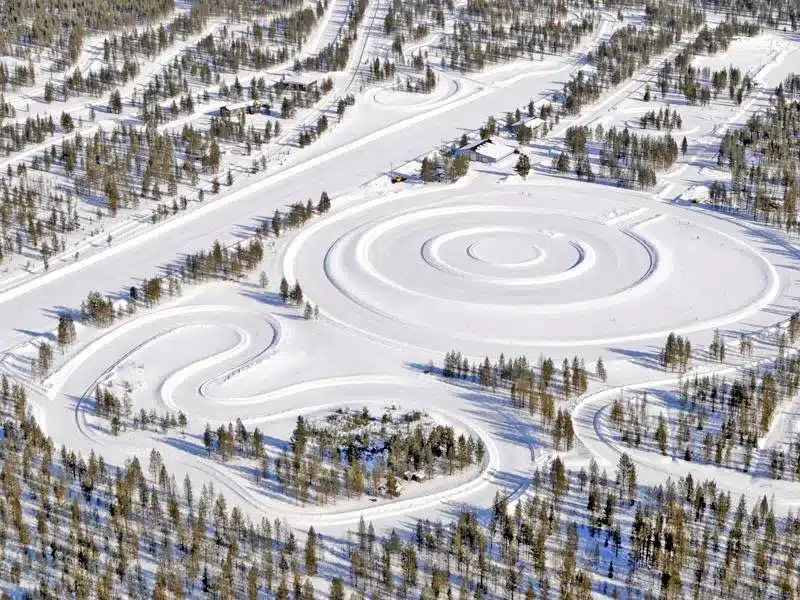
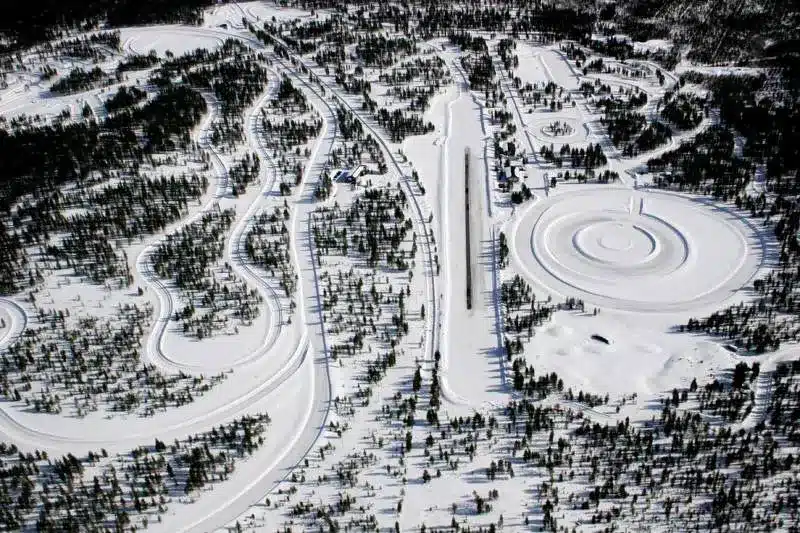
The Interior can deliver big sky, boreal forest, and winter authority. Planning priorities:
- Cold exposure and warming cycles
- Battery/media/power strategies
- Longer legs between services and replacements
How Hoodlum runs it: we design field-ready logistics (power, comms, warming, emergency escalation), and we structure schedules so your “hero exterior days” don’t sit on a knife edge.
Protected areas and iconic wilderness
State Parks, National Parks, National Forest lands, and refuges often contain the “this is why we came” shots, but they demand early coordination and realistic lead times.
How Hoodlum runs it: we start permit conversations early, build a permit matrix, and align your creative to what’s feasible under each authority’s stipulations, so you don’t discover a restriction after you’ve already sold the shot.
3) Alaska filming permits: the permit matrix is the real pre-production document
If you do one thing right in Alaska, do this: build a permit matrix before you lock dates.
A permit matrix is a single view of:
- Location pin + landowner/managing authority
- Permit type and submission route
- Lead time and internal deadlines
- Fees, insurance requirements, monitoring requirements
- Restrictions (seasonal closures, public access, wildlife buffers, drone limitations)
- Operational notes (parking, load-in, crowd management)
Why this matters: Alaska can be a patchwork of agencies. Your shoot can touch state-managed land in one scene, a federal unit in the next, and a municipal zone after lunch. If you treat permits like a last-minute checklist, Alaska will treat your schedule like a suggestion.
Key official signals that affect timelines
- Alaska State Parks states that anyone conducting commercial filming on state park lands and waters must obtain a permit in advance, and the process notes “allow up to 30 days for processing.”
- NPS Alaska Region notes CUA applications are accepted annually between November 1 and April 30, and asks applicants to submit a minimum of six weeks before proposed operations (not a guarantee, but a planning signal).
- US Forest Service Alaska Region states a permit is required for all commercial filming activities on National Forest System lands and directs applicants to work with the relevant forest office (Chugach or Tongass).
Hoodlum’s value here: we don’t just “apply for permits.” We sequence them, chase dependencies, and shape schedules around the longest lead-time approvals so your production doesn’t get held hostage by one overlooked jurisdiction.
4) Production Landscape in Alaska: seasonality is a schedule design choice
In Alaska, the season isn’t a vibe, it’s a production system.
Summer
Pros:
- Long daylight windows
- Broader access and easier travel in many areas
Trade-offs:
- Higher demand for lodging and transport
- Public interface management becomes more important in popular areas
- Long light can tempt longer days (fatigue risk)
How Hoodlum runs it: we lock accommodation and transport early, engineer sane workdays, and build public-facing plans that keep your unit moving without friction.
Shoulder season
Pros:
- Distinct light, mood, and texture
- Sometimes reduced crowding
Trade-offs:
- Higher weather volatility
- Some services reduce or shift
How Hoodlum runs it: we build flexibility into scene order, identify weather pivots, and protect the schedule with contingency logic that’s agreed before day one.
Winter
Pros:
- Signature winter look
- Strong atmosphere and seasonal authenticity
Trade-offs:
- Cold exposure, equipment performance, travel reliability
- Reduced daylight in many areas
How Hoodlum runs it: we design winter field operations: warming cycles, PPE and exposure protocols, power/media redundancy, and a schedule that respects safety thresholds.
5) Alaska production logistics: where budgets quietly grow or stay disciplined
Alaska logistics is where “pretty plan” becomes “working plan.”
Distance is a multiplier
What looks like a short move can become:
- Long road legs with limited services
- Flights for people or gear
- Marine legs that depend on timing and conditions
Hoodlum approach: we treat travel as a production asset with its own plan: staging, load-in/load-out, unit parking, turnaround protection, and contingencies when the route doesn’t behave.
Lodging and services are not infinite
In smaller hubs, availability can be the limiting factor. Waiting to book can force:
- Longer commutes
- Split units
- Unwanted schedule compromises
Hoodlum approach: early booking strategy, overflow plans, and realistic “how many bodies can this town carry” modeling.
Redundancy beats regret
Replacement time can be slow. A missing cable or dead battery strategy can cost more than the redundancy would have.
Hoodlum approach: a field checklist that defines what must be doubled (power, media, comms, key tools) and what can be supported locally.
6) Safety and risk management in Alaska: plan for Alaska, not generic “outdoors”
Alaska’s safety profile is not theoretical. Remote response times, wildlife, exposure, and terrain demand a location-specific plan.
Wildlife and environmental protocols
Depending on your footprint, a credible plan can include:
- Wildlife awareness and movement protocols
- Food storage and waste discipline
- Controlled crew movement in low visibility terrain
Exposure management
Cold, wet, and wind are productivity killers and safety risks. You need:
- Warming strategy (where, when, how long)
- Department-specific PPE expectations
- Stop-work thresholds defined in advance
Remote communications and escalation
For remote days:
- Confirm coverage reality (don’t assume)
- Establish check-in cadence
- Define the emergency escalation chain and nearest-response routes
Hoodlum approach: risk is managed as part of production design. We coordinate practical safety planning, local expertise where required, and field-ready operations so the unit can work confidently without gambling.
7) How Hoodlum runs production support in Alaska
Alaska is where “having a plan” is not enough. You need a partner whose plan survives contact with reality.
Hoodlum’s Alaska delivery model is service-forward and end-to-end, built around one goal: make the location behave like a controlled production environment.
What Hoodlum typically handles in Alaska
Based on Hoodlum’s Alaska service scope, we support productions with the full stack: location scouting/recce, permits, logistics, crew support, customs clearance, transport, risk management, security, and more.
Our Alaska workflow (the parts that save schedules)
- Scope + feasibility
- Confirm creative intent vs access reality
- Identify “hero location” risks early
- Build a preliminary permit and logistics map
- Permits + permissions strategy
- Identify every authority in the footprint
- Sequence applications by lead time
- Align the schedule to approvals, not assumptions
(State Parks, NPS CUA timing, and USFS permit rules are exactly why this matters.)
- Operational planning
- Transport, staging, accommodation, unit moves
- Field comms strategy
- Weather pivot plan and contingency structure
- On-ground execution
- Local coordination so departments aren’t solving access problems on set
- Daily operations support that keeps the unit moving
- Problem-solving that protects the schedule, not just the shot list
If you want the cleanest “one-stop” starting point for Alaska, Hoodlum’s Alaska page also lists local contact routes and an overview of services available in-region.
Production-focused FAQs
Do we need a permit to film in Alaska State Parks?
Yes. Alaska State Parks states commercial filming on state park lands and waters requires a permit obtained in advance and notes to allow up to 30 days for processing.
If we’re operating in a National Park unit in Alaska, what should we check first?
Start with the NPS Alaska Region CUA guidance for application windows and timing, then confirm park-unit stipulations for your specific footprint.
Are permits required on Tongass or Chugach National Forest land for commercial filming?
USFS Alaska Region states a permit is required for all commercial filming activities on National Forest System lands, with coordination through the relevant forest office.
What’s the most common schedule mistake in Alaska?
Treating travel like a “minor move.” Alaska travel has teeth. A realistic plan separates move days from shoot days and includes weather pivots.
How does Hoodlum reduce risk in Alaska without slowing the creative?
By handling permits and access early, building a logistics plan that matches distance reality, and structuring a schedule that can swap scenes when weather changes. Hoodlum’s Alaska service scope is designed to cover those dependencies end-to-end.
Do incentives in Alaska change, and should we budget them as guaranteed?
Incentive availability can be nuanced and may change over time. The safest approach is budgeting conservatively and verifying current eligibility and administration through official sources before treating any incentive as guaranteed.
Previous Work Done by Hoodlum
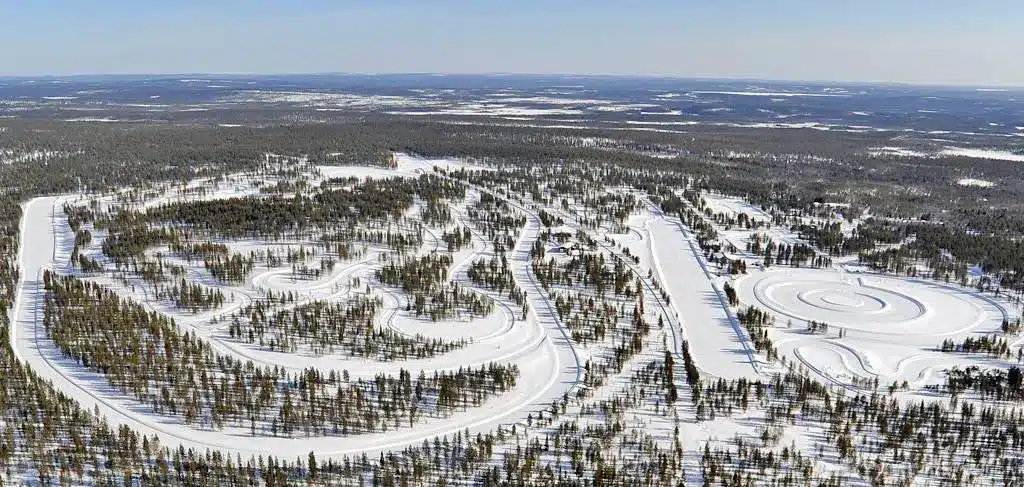
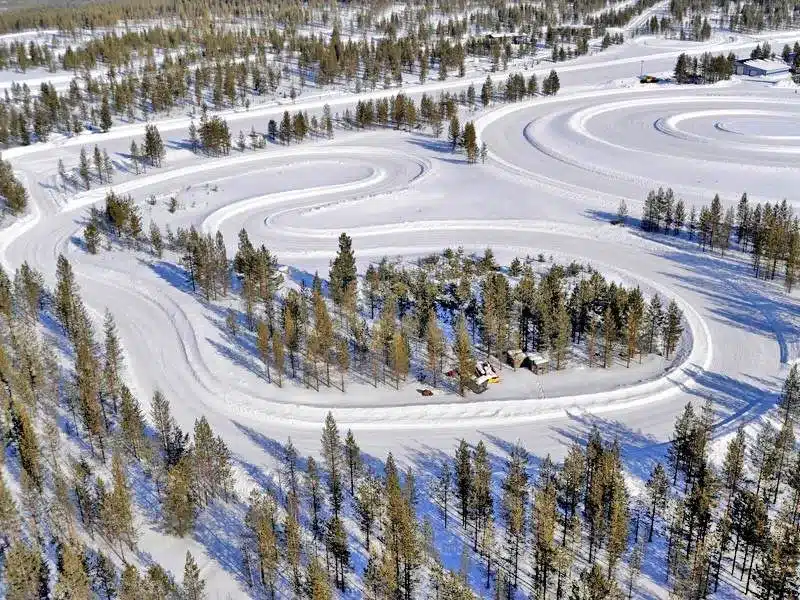
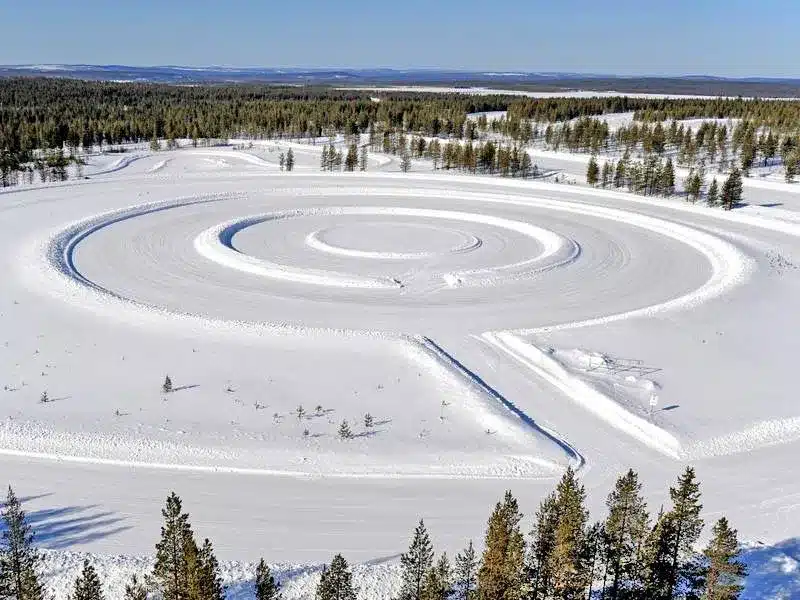
This article was written by Zandri Troskie-Naudé using verified information from relevant national authorities and regional production professionals, the filming environment reflects local regulatory oversight, location authority coordination, and established on-the-ground production capability. With experienced film fixers, comprehensive film production services, and dependable production support, productions operate within a framework built for structured, efficient execution.
Film Authorities and Industry Resources
To plan Alaska responsibly, verify requirements directly with the relevant authorities:
- Alaska State Parks, Commercial Filming Permit info
- NPS Alaska Region, Commercial Use Authorizations guidance
- US Forest Service Alaska Region, Filming and Photography permitting
Once your exact locations are selected, the fastest path is matching each pin to the correct managing unit, then applying according to that unit’s stipulations and timelines.