Filming Requirements in New Zealand start with a useful reality: yes, the country is highly film-friendly, but the approval path changes depending on where you shoot, what you fly, what you import, and whether you step onto protected land. For producers and executive producers, New Zealand works best when immigration, DOC permissions, council approvals, customs, and aviation are treated like one coordinated machine rather than five separate chores. Immigration New Zealand, the Department of Conservation, the Civil Aviation Authority, and New Zealand Customs all publish distinct rules that can affect a single shoot schedule.
That is why Filming Requirements in New Zealand are less about one grand national permit and more about understanding which authority controls which piece of the production. The core producer question is often Is Filming Allowed in New Zealand. Broadly, yes. But public conservation land, drone operations, temporary imports, and foreign cast or crew each trigger separate compliance steps. The result is not a maze, exactly. It is more like a very organized octopus. Each arm knows its job, but you still need to shake the right hand first.
1. Is Filming Allowed in New Zealand? Yes, but location type decides the rules
Is Filming Allowed in New Zealand for foreign productions? Yes, in general, but location category is the first fork in the road. If you are filming on private land, the key issue is owner consent and any local council requirements. If you are filming on public conservation land, the Department of Conservation says commercial filming requires a concession. That includes documentaries, movies, and advertisements. DOC also recommends a pre-application meeting for first-time applicants and notes that consultation with Treaty Partners is required on most applications because of DOC’s obligations under the principles of the Treaty of Waitangi.
This is the first of the real Filming Requirements in New Zealand that producers should build into prep:
- private property usually means owner permission first
- public roads and urban spaces may require local film-office or council approval
- public conservation land usually means a DOC concession for commercial filming
- culturally significant or restricted sites may require extra consultation or access controls
DOC is explicit that location scouting does not normally require a concession, but commercial filming on conservation land does. It also publishes daily filming fees by production type, with feature films and commercials listed at NZD 500 standard daily fee plus NZD 25 per person per day, excluding GST. Those numbers are useful for budgeting, but the bigger lesson is operational: New Zealand is open to filming, not casually open to skipping the paperwork.
2. Filming Requirements in New Zealand begin with the right visa pathway for cast and crew
One of the most important Filming Requirements in New Zealand for foreign productions is choosing the right immigration route. Immigration New Zealand’s Entertainers Work Visa is designed for people coming to work on a film, video, or production in New Zealand where the required skills cannot be met by the local entertainment industry. Immigration New Zealand says applicants must have an offer of work in the entertainment industry, and the visa cost starts at NZD 1,455, with 80% processed within four weeks.
There is a second layer producers should not miss. Immigration New Zealand also offers Entertainment Industry Accreditation for New Zealand employers. With that accreditation, employers can bring overseas entertainment workers without first getting agreement from the relevant New Zealand entertainment union, guild, or professional association. That accreditation is valid initially for two years and costs NZD 2,310.
For practical planning, the safest checklist is:
- confirm which cast and crew truly need to work in New Zealand
- determine whether a visitor route is enough or whether an entertainment work visa is required
- check whether the New Zealand employer or production entity should use Entertainment Industry Accreditation
- allow enough lead time for visas, contracts, and supporting documents
This is where Is Filming Allowed in New Zealand becomes a more useful producer question when rephrased as: “Is this particular crew setup allowed under the correct immigration pathway?” That question saves a surprising number of future headaches.
3. Drone Filming in New Zealand is possible under Part 101, but not every shoot fits there
Drone Filming in New Zealand is one of the most searched production topics for a reason. The Civil Aviation Authority says Part 101 applies to both recreational and commercial users and covers a wide range of operations for unmanned aircraft under 25 kg. Under Part 101, operators must keep the drone in sight, fly no higher than 120 metres or 400 feet above ground level, operate in daylight unless complying with the transport instrument for night operations, and give way to all manned aircraft.
Those are important baseline Filming Requirements in New Zealand, but they are not the whole story. CAA says if the intended operation does not comply with Part 101, the operator needs Part 102 certification. Part 102 is for unmanned aircraft operations outside the Part 101 rules, such as certain night operations, aircraft over 25 kg, or more complex risk profiles. CAA’s updated rules also took effect on 22 December 2025, bringing modernised Parts 101 and 102 into effect.
For producers planning Drone Filming in New Zealand, the cleanest decision tree is:
- if the operation stays within Part 101, check all rule conditions carefully
- if the planned operation falls outside Part 101, budget time for Part 102 certification
- always assess airspace, nearby aerodromes, and local landowner permission
- never assume “commercial” automatically means Part 102, because some commercial work can still sit within Part 101
That distinction matters because the rules are not trying to be dramatic. They are trying to prevent your hero shot from becoming a paperwork sequel.
4. Filming Requirements in New Zealand get stricter on DOC land, wildlife areas, and culturally sensitive locations
Another key part of Filming Requirements in New Zealand is understanding that DOC land is its own universe with its own weather system. DOC says commercial filming on public conservation land requires a concession, and if you want to use a drone on conservation land only, you must apply through the drone application process. If a concession is granted, film crews must comply with DOC’s code of practice for filming on public conservation lands, which covers matters such as animals, pyrotechnics, and the use of helicopters or other vehicles.
DOC’s guidance also makes two things very clear. First, consultation with local iwi, hapū, and whānau can be necessary because filming may have cultural effects. Second, wildlife and conservation values are not decorative side notes. They are part of the permission logic. For marine mammals, DOC says anyone wanting to undertake commercial activities involving marine mammals generally needs a permit under the Marine Mammals Protection Regulations, though some filming with your own vessel may fall outside that requirement depending on the activity.
A producer-friendly DOC checklist looks like this:
- confirm whether the land is public conservation land
- check whether the shoot is commercial filming or media access
- ask whether drones, aircraft, animals, pyrotechnics, or marine mammals are involved
- identify iwi or cultural consultation needs early
- budget for processing fees, monitoring fees, and location fees
These are not fringe concerns. They sit right in the center of Filming Requirements in New Zealand once the production moves beyond studio walls and into landscapes people actually want on camera.
5. Is Filming Allowed in New Zealand for news crews and low-impact teams? Sometimes the rules are lighter
Is Filming Allowed in New Zealand without a full permit if a team is very small? On DOC land, news media can benefit from a lighter regime. DOC says the news media have the same access to public conservation land that the general public enjoys when the activity is low impact, using public tracks and standard media tools excluding drones, and taking place on land the public can freely access. DOC describes low impact as usually up to two people with no disruption to cultural sites of significance or taonga.
That waiver does not apply to everyone. DOC says permission is still required if the impact is more than low, if the site is closed to the public or culturally significant, if wildlife interaction is involved, if drones are used, or if the operator is a commercial documentary maker, film company, advertiser, or social media influencer. In those cases, the production needs to apply for a filming concession instead.
This distinction matters because Is Filming Allowed in New Zealand has a different answer depending on the production profile:
- low-impact news coverage may qualify for waived media access on DOC land
- commercial productions generally do not get that waiver
- drone use pushes the activity back into permission territory
- larger crews and more gear usually mean formal approvals
In other words, the “tiny crew loophole” is real only in narrow circumstances. It is not a universal backstage pass.
6. Drone Filming in New Zealand on conservation land needs both aviation compliance and DOC permission
Drone Filming in New Zealand gets a second layer of complexity on public conservation land. DOC says all aircraft operating on conservation land need a permit. For commercial drone use, you need a permit if the drone will take off, hover, or land on public conservation land or water for commercial gain or reward. DOC also uses zone categories for drone permissions and says orange-zone commercial applications have a minimum processing fee of NZD 2,065 plus GST, while green-zone recreational and research permits can be issued immediately through its online system in certain cases.
DOC’s drone operating conditions add more detail that producers ignore at their peril. Operators must log their flight in AirShare, keep the drone in direct sight, avoid darkness, cloud, and fog, stay below 120 metres, keep away from high-use recreational areas, and not fly or hover over any person without consent. They must also land immediately if requested by DOC staff.
So for Drone Filming in New Zealand, producers need a two-key system:
- CAA rules decide whether the flight is lawful in aviation terms
- DOC rules decide whether the flight is lawful on conservation land
Miss one key and the lock stays shut. It is very elegant, in a bureaucratic sea-creature sort of way.
7. Filming Requirements in New Zealand include customs, ATA Carnets, and privacy obligations
The last of the big Filming Requirements in New Zealand is what arrives in cases, crates, and memory cards. New Zealand Customs says commercial goods entering or leaving New Zealand must get Customs clearance, and goods brought in temporarily may require security to cover GST and duty until export. Customs also says New Zealand accepts ATA Carnets as security for temporarily importing some materials and equipment, and specifically notes camera gear you will be using in a film as an example of a temporary import.
Customs adds some practical details producers should not miss:
- ATA carnets must be validated overseas on departure for New Zealand
- they must be stamped and verified by Customs on arrival and departure
- an electronic notification is still required to release goods from a Customs-controlled area
- airlines may hold items until clearance is arranged through a broker or freight forwarder
Those points make Filming Requirements in New Zealand very concrete. The gear may fly business class in its own mind, but Customs still wants the paperwork in economy, neatly folded and on time.
There is also a privacy layer. New Zealand’s Office of the Privacy Commissioner says recording people in public places is generally allowed, but where the recorder is an agency or business, the Privacy Act can apply. Agencies need a lawful purpose for collecting personal information, should make people aware it is being collected and why, and may need to respond to access requests. The Commissioner also notes there are situations where filming can be highly offensive and unlawful even in a public place.
Production-Focused FAQs
Is Filming Allowed in New Zealand for foreign productions?
Yes, generally, but the answer depends on location type, immigration status, conservation-land access, and whether drones or temporary imports are involved.
What are the main Filming Requirements in New Zealand?
The main issues are visas or work permissions, location permissions, DOC concessions where relevant, customs clearance for equipment, and aviation compliance for drones.
Is Drone Filming in New Zealand allowed commercially?
Yes. Some commercial operations can be done under Part 101 if they stay within the rule, but more complex flights need Part 102 certification, and DOC permission is separately required on conservation land.
Does New Zealand accept ATA Carnets for film equipment?
Yes. New Zealand Customs accepts ATA Carnets as security for temporarily importing some materials and equipment, including camera gear used in a film context.
Can a very small media team film on DOC land without a concession?
Sometimes. Low-impact news media may use the same access as the general public on freely accessible DOC land, but that waiver does not generally apply to commercial productions or drone use.
Do privacy rules matter when filming people in public?
Yes. Businesses and organisations may have Privacy Act obligations when recording identifiable people in public places, especially if personal information is being collected.
Previous Work Done By Hoodlum
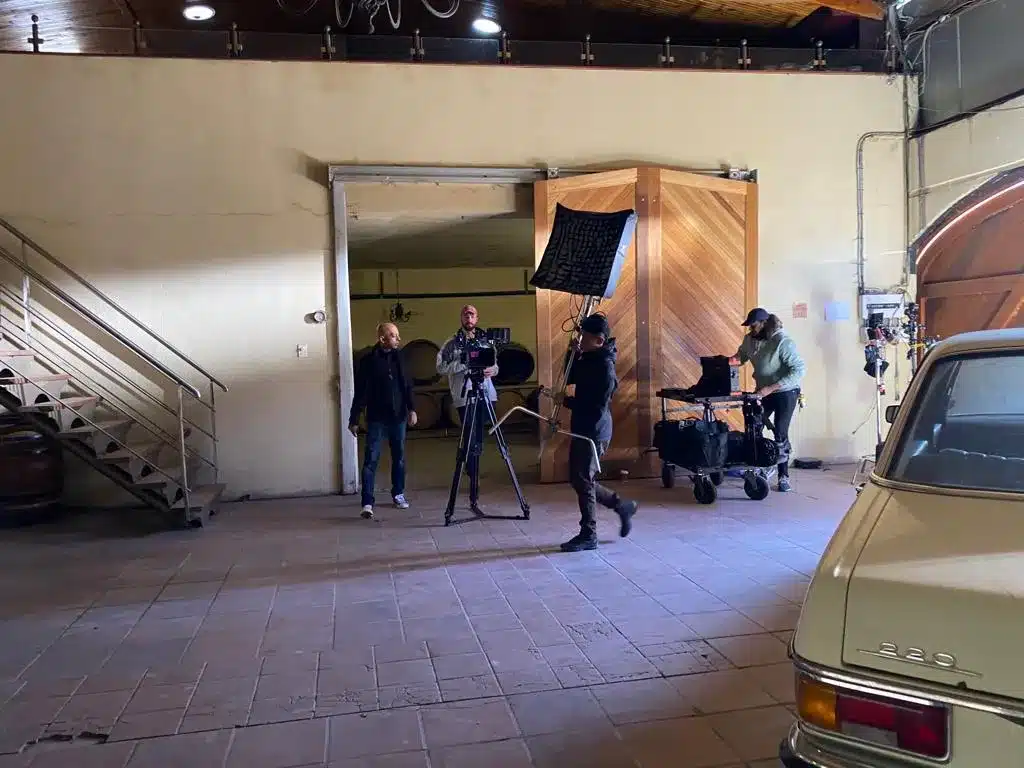

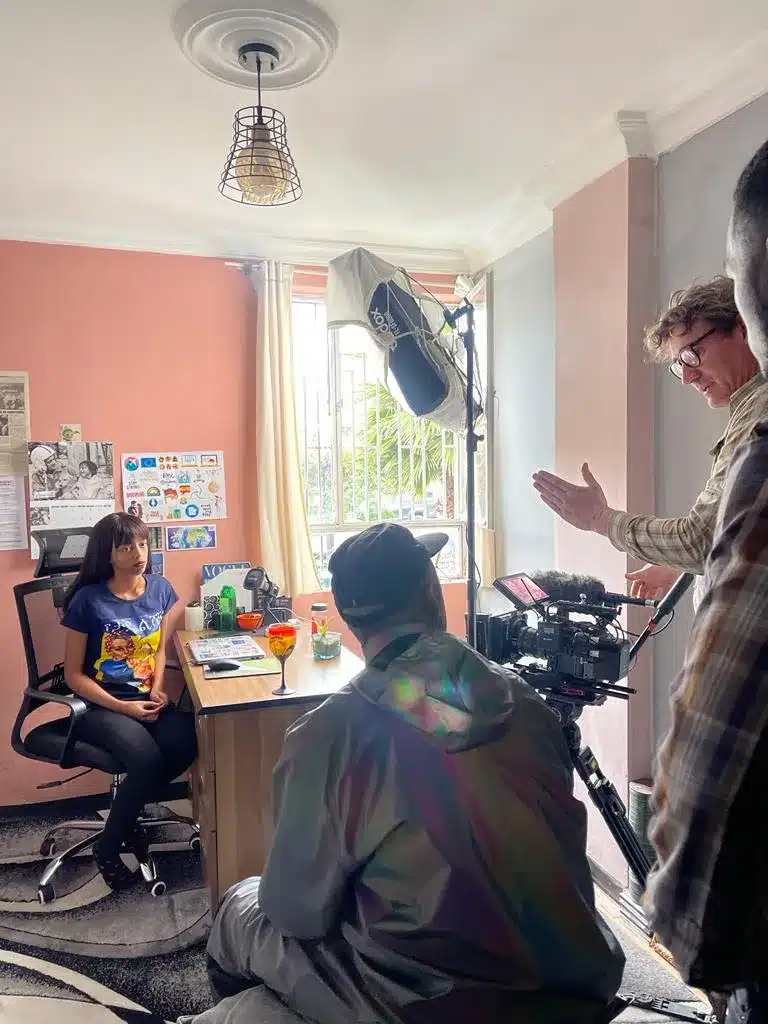
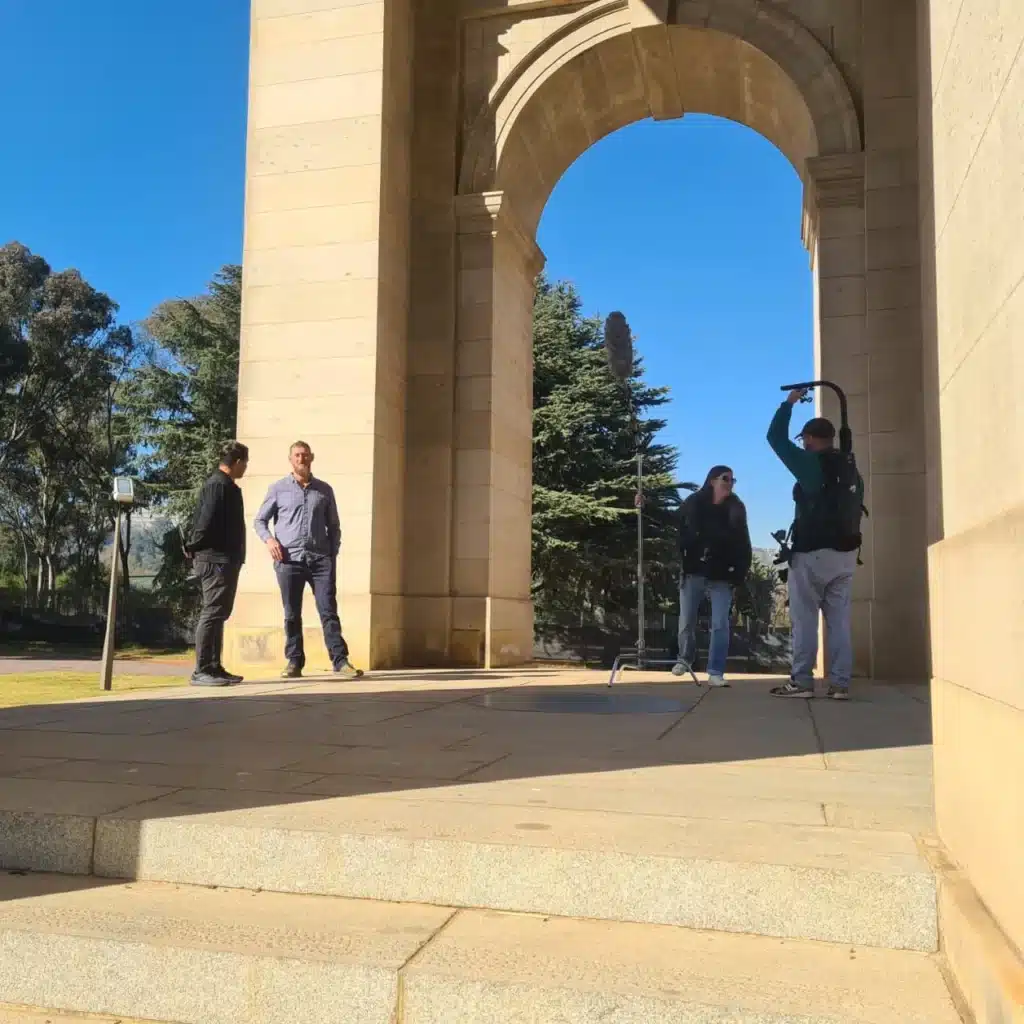
This article was written by Zandri Troskie-Naudé using verified information from relevant national authorities and regional production professionals, the filming environment reflects local regulatory oversight, location authority coordination, and established on-the-ground production capability. With experienced film fixers, comprehensive film production services, and dependable production support, productions operate within a framework built for structured, efficient execution.
Film Authorities and Industry Resources
New Zealand’s production framework works best when producers check the live source closest to the issue at hand.
- Immigration New Zealand for entertainer work visas and entertainment industry accreditation.
- Civil Aviation Authority for Part 101 and Part 102 drone rules.
- Department of Conservation for filming concessions, drone permits, wildlife rules, and conservation-land access.
- New Zealand Customs Service for ATA Carnets, temporary imports, and commercial-goods clearance.
- Office of the Privacy Commissioner for public-recording and personal-information obligations.