Filming in Tunisia becomes interesting the moment you stop thinking about it as only a desert location. Tunisia gives producers something more useful than a single look. It offers a compact production geography where Mediterranean streets, historic architecture, coastal locations, and desert environments can sit within the same country and within a practical shooting plan. Hoodlum’s Tunisia guide positions the country as a strong base for international productions, with services including location scouting, permits, logistics, customs clearance, transport, equipment rentals, visas, and local fixer support.
That is what makes the operational angle so compelling. The real strength of Filming in Tunisia is not just visual range. It is how efficiently that range can be folded into a production when the right support is in place. For producers and executive producers, that matters because a location stops being attractive very quickly if the movement, access, permits, and equipment handling do not work in step with the schedule. Hoodlum specifically highlights logistics, transport, customs clearance, airport support, and production management as part of its Tunisia services.
1. Tunisia gives you range without forcing a sprawling production footprint
One of the most useful things about Filming in Tunisia is that the country can serve very different visual needs without making the shoot feel geographically chaotic. Productions can move between city, coast, historic settings, and desert looks without the kind of endless internal travel that can bloat budgets and eat schedule.
That makes Tunisia especially attractive for projects that need:
- strong visual contrast
- a manageable shooting footprint
- efficient movement between looks
- a location plan that supports both ambition and speed
This is where Tunisia becomes more than a beautiful option. It becomes a practical one. For operational planning, that is the sweet spot.
2. Film logistics are where Tunisia really starts to shine
A lot of country blogs talk about scenery first and logistics later. Producers do the opposite. They want to know if the day will move.
That is why Film Logistics in Tunisia is such a useful keyword and such a useful lens. Hoodlum’s Tunisia page lists airport protocol, customs clearance, equipment rentals, transport and vehicles, logistics, line producers, and local film fixers among the core services available in-country.
For an international production, that support matters in all the places where shoots quietly win or lose:
- airport arrivals
- gear movement
- city-to-location transfers
- crew transport
- customs handling
- location-to-location timing
- field coordination when the day changes shape
A smooth shoot rarely looks dramatic from the outside. It just keeps moving. That is exactly what strong Film Logistics in Tunisia is supposed to do.
3. Permits are part of the plan, not paperwork you solve later
The other reason Filming in Tunisia is interesting is that it rewards preparation. Hoodlum’s Tunisia materials state that a general film permit is required for filming on public property and that larger projects needing street control or exclusive access require individual permits and longer lead time. The same guide notes that permits are typically handled by a local fixer or producer.
That makes Film Permits in Tunisia a real operational topic, not a decorative admin note. Permit strategy affects:
- whether the location is usable
- how much time the production needs
- whether public-space filming is realistic
- how much local coordination is required
- whether the schedule is properly built in the first place
For producers, that is good news in disguise. Clear permit expectations help create cleaner planning. A location becomes easier to manage when the production knows early what is required.
4. Tunisia works best when the fixer is part of the creative engine
Hoodlum’s Tunisia pages repeatedly position the local fixer or producer as central to permits, location negotiation, and on-the-ground execution. That is important because Filming in Tunisia is not just about arriving with a shot list and hoping the day behaves. Local support helps translate the creative plan into something workable.
A strong local fixer can help with:
- negotiating access
- managing local communication
- coordinating location expectations
- aligning permits with the schedule
- keeping the shoot realistic on the ground
That is where the interesting part lies. Tunisia is not only visually useful. It is operationally workable when local production knowledge is built into the plan from the beginning.
5. Customs and equipment planning matter more than most producers expect
If you want a blog angle that feels genuinely operational, this is it. Tunisia is part of the ATA Carnet system, which supports temporary import of professional equipment without customs duty under the right framework, and Hoodlum’s Tunisia page also highlights customs clearance as a core local service.
That makes Film Logistics in Tunisia especially valuable for international crews carrying cameras, lighting, grip, and specialist equipment. Good planning here helps reduce friction before the shoot begins.
This matters for:
- incoming gear lists
- temporary import documentation
- customs timing
- airport handling
- coordinating kit with local rentals and transport
The camera package may not care about the paperwork, but the shoot definitely will.
6. Tunisia is useful for producers who need both scale and control
Some destinations are beautiful but unwieldy. Others are practical but visually limited. Filming in Tunisia stands out because it can offer both production value and a degree of control. That is a powerful combination for commercials, branded content, narrative work, music videos, stills, and factual productions that need several strong looks inside one country.
Operationally, that gives producers more room to build a shooting plan around:
- schedule efficiency
- fewer major moves
- realistic transport windows
- better control over the day
- strong visual return on production effort
That is why Tunisia keeps appearing in production conversations. It is not only that the country looks good. It is that it can be made to work hard for the schedule too.
7. The smartest reason to film in Tunisia is that it rewards preparation
The strongest productions in Tunisia are rarely the ones trying to improvise their way through public filming, equipment movement, and location handling. They are the ones that use local knowledge early.
That is why the combination of Film Permits in Tunisia and Film Logistics in Tunisia is so important. One protects legal access. The other protects the movement of the production. Together, they help the shoot stay efficient.
Hoodlum’s Tunisia coverage makes that support model very clear. The company frames its local services around permits, logistics, transport, customs, fixer support, production management, risk management, research, and location recce work. For producers, that means Tunisia can be approached not only as an inspiring location, but as a place where a smart operational plan can actually hold.
At its best, Filming in Tunisia is not just about visual range. It is about how efficiently that range can be turned into a working production. The country offers a rare mix of strong creative value and practical mobility, which is exactly why it continues to appeal to producers who need multiple looks without losing control of the schedule.
That is where Film Logistics in Tunisia and Film Permits in Tunisia become so important. They are not background admin. They are part of the structure that keeps the production moving, protects the day, and allows the creative plan to stay realistic on the ground.
For international teams, Tunisia works best when the operation is built as carefully as the shot list. With the right local support, smart permit planning, and experienced logistics coordination, the country becomes more than a visually compelling option. It becomes a highly workable production environment.
Production-Focused FAQs
Why is filming in Tunisia considered so versatile?
Because Tunisia offers a broad mix of urban, coastal, historic, and desert environments, while still being supported by local services for logistics, transport, permits, and production management.
Do productions need permits for public filming in Tunisia?
Yes. Hoodlum’s Tunisia guide states that a general project permit is required for filming on public property, with larger public-space control requiring additional permissions and more lead time.
Why is film logistics such a big topic in Tunisia?
Because logistics shape the real shooting day: gear movement, transport, customs, airport support, location timing, and field coordination. Hoodlum lists all of these as part of its Tunisia production offering
Does Tunisia work for international crews bringing in equipment?
Yes, but it needs planning. Tunisia participates in the ATA Carnet system for temporary equipment import, and customs handling is an important part of production support.
What makes a local fixer important in Tunisia?
A local fixer helps with permits, location negotiation, communication, and on-the-ground coordination, which are all central to keeping the production practical and efficient.
Work Done by Hoodlum
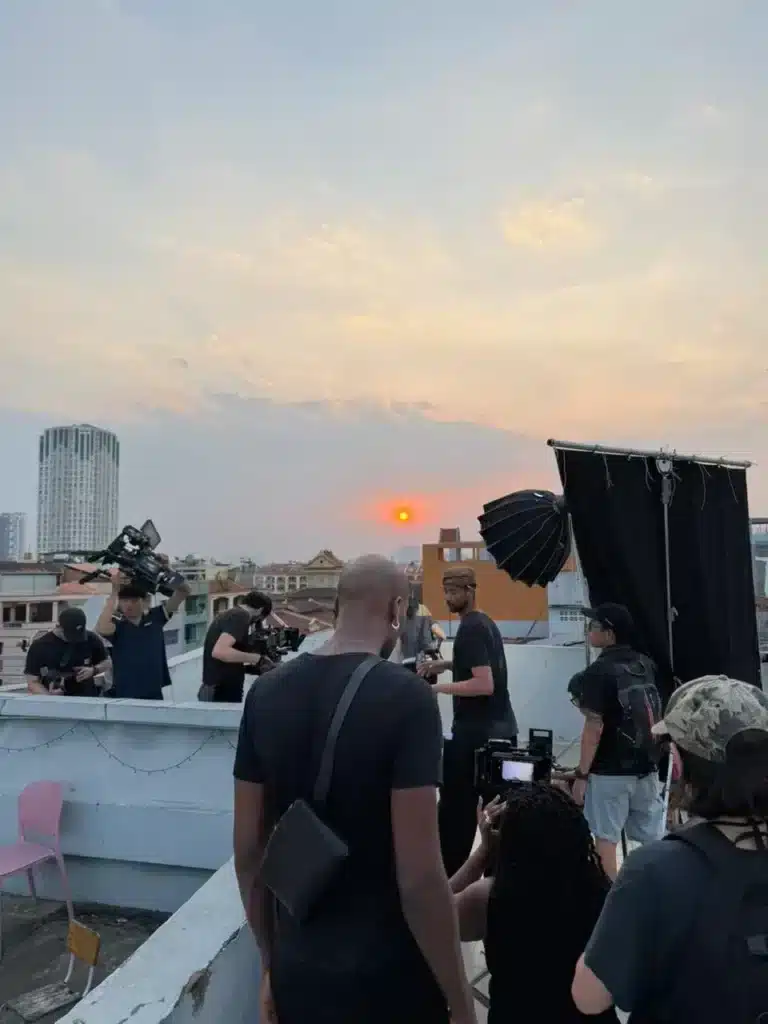

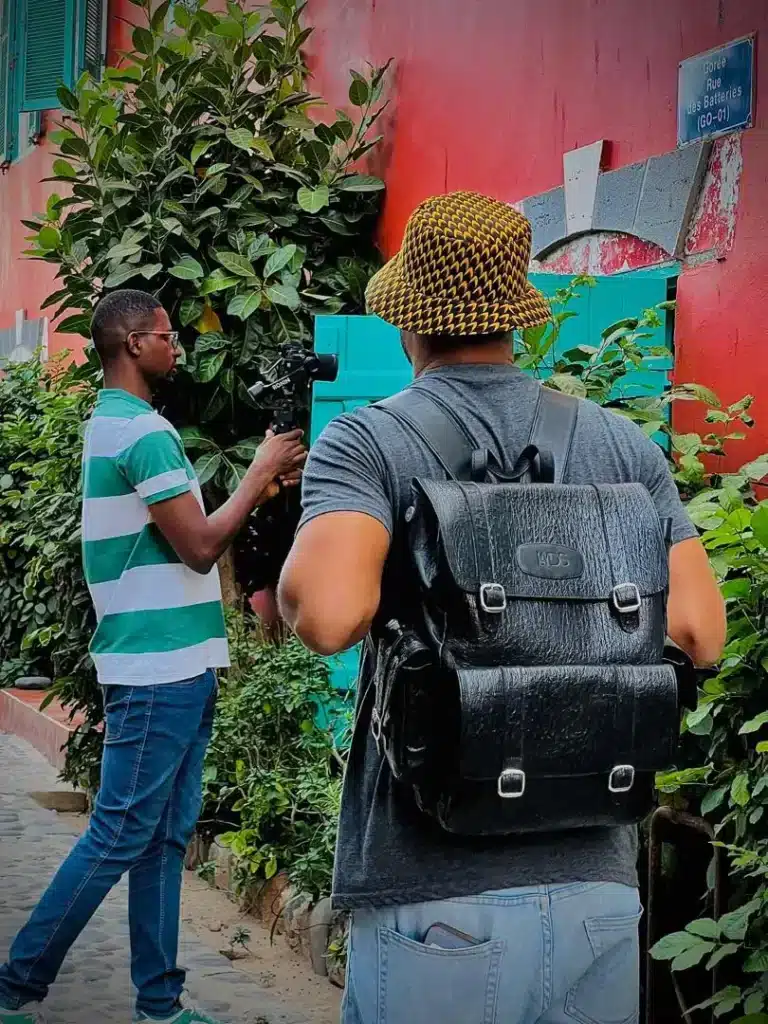

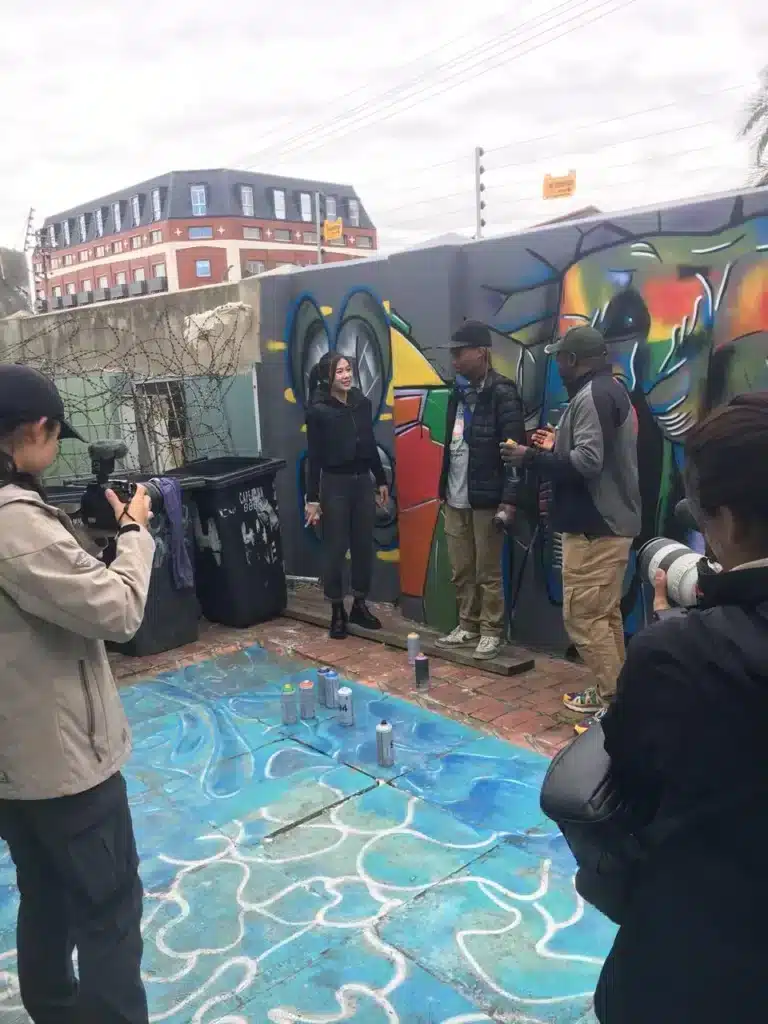
This article was written by Zandri Troskie-Naudé using verified information from relevant national authorities and regional production professionals, the filming environment reflects local regulatory oversight, location authority coordination, and established on-the-ground production capability. With experienced film fixers, comprehensive film production services, and dependable production support, productions operate within a framework built for structured, efficient execution.
Film Authorities and Industry Resources
For producers planning Filming in Tunisia, the best approach is to pair local production support with early permit and customs planning. Hoodlum’s Tunisia guide states that public-property filming requires a general project permit and that larger public-space control needs extra permissions and more lead time. Tunisia also participates in the ATA Carnet system for temporary import of professional equipment, which is highly relevant for international productions bringing in gear.
- Hoodlum Tunisia for local production support, recce help, logistics, transport, customs, permits, and fixer services.
- Hoodlum Tunisia Filming Guide for public-property permit guidance and lead-time expectations.
- Tunisia customs / ATA Carnet references for temporary import planning and equipment movement.
The practical lesson is simple: Tunisia becomes much more powerful as a filming destination when the logistics and permits are treated as part of the creative plan, not something tacked on at the end.