Film Production Services East Africa remains one of the most practical regions for international shoots in 2026 because the cost base is still materially below Europe and North America, regional travel is easier when Kenya, Rwanda, and Uganda are combined under the East African Tourist Visa, and several authorities now offer clearer entry, filming, and aviation pathways than they did a few years ago. For productions balancing speed, predictability, and cost, Mauritius and Rwanda usually offer the cleanest administrative runway, Kenya remains the strongest infrastructure base, and Ethiopia or Somaliland require more conservative lead times and tighter local coordination. Official immigration and filming rules still sit separately from production reality, so experienced on-ground handling matters from day one.
The fastest answer: which country is easiest for film production in East Africa?
For straightforward execution, Mauritius and Rwanda are usually the easiest places to launch a shoot. Mauritius has a formal film authorization process through the Mauritius Film Development Corporation with clear lead-time guidance, while Rwanda offers accessible visa entry and a defined filming-permit route for foreign media.
Kenya is often the best operational base when a production needs crew depth, equipment access, fixer support, and broader regional movement. The permitting path can involve more moving parts, but the production ecosystem is deeper and better suited to larger or more technically demanding shoots.
Rwanda, Uganda, and Malawi usually deliver the most cost-conscious setups. Ethiopia and Somaliland demand more planning discipline because approvals, aviation coordination, sponsor requirements, or broader security checks can stretch lead times beyond what a fast commercial schedule can tolerate.
East Africa film production overview: costs and timing realities
Film Production Services East Africa are increasingly attractive because the region gives producers a rare triangle: lower spend, visual range, and workable access. In practical terms, the strongest planning model is to treat visas, work authorization, filming approval, and customs clearance as four separate tracks, even when they overlap operationally.
Typical planning benchmarks for 2026 are:
| Country | Visa Time | Work Permit | Film Permit | Equipment Clearance |
|---|---|---|---|---|
| Kenya | 2–7 days | 2–6 weeks | 2–4 weeks | 1–3 days |
| Rwanda | 3–7 days | 1–3 weeks | 1–2 weeks | 1–2 days |
| Uganda | 3–7 days | 2–4 weeks | 2–3 weeks | 2–4 days |
| Ethiopia | 2–5 days | 2–5 weeks | 3–6 weeks | 3–7 days |
| Malawi | 5–10 days | 3–6 weeks | 2–4 weeks | 3–5 days |
| Mauritius | 0–3 days | 1–2 weeks | 1–2 weeks | 1–2 days |
| Zanzibar | 2–10 days | 2–4 weeks | 2–3 weeks | 2–5 days |
| Somaliland | 7–14 days | 3–6 weeks | 3–5 weeks | 3–7 days |
Those ranges are workable production benchmarks rather than universal statutory promises, but they align with the way official systems are structured across the region: immigration controls entry, media or film authorities regulate permission to shoot, and civil aviation regulators handle drone or airborne capture separately.
Visas for filming in East Africa
The most efficient visa route for multi-country scouting or early-stage production movement is the East African Tourist Visa covering Kenya, Rwanda, and Uganda. It costs USD 100, is valid for 90 days, and allows multi-country travel for tourism purposes, but it does not authorize work. That distinction matters. A producer can use it to move between markets for prep or recce activity, yet commercial filming still needs separate work and media permissions.
For country-specific entry:
- Kenya uses an electronic travel authorization system, with immigration stating applications are processed within 3 working days.
- Rwanda allows visa on arrival for all countries and also maintains online visa routes through DGIE and Irembo.
- Uganda maintains an online visa and permit system, including the East Africa Tourist Visa route.
- Ethiopia offers eVisa access, but filming approval still runs on a separate authorization track.
- Mauritius is one of the easiest entry points in the region for many international travelers and pairs that ease with a clear film authorization structure.
- Zanzibar runs under Tanzania’s broader visa and media-permit framework, but Zanzibar assignments typically require the correct local permit route rather than assuming mainland permissions automatically carry across.
For cross-border planning, productions often build Kenya as the major logistics base, use Production Support in Kenya for scale, and shift lighter units into Rwanda or Uganda where schedules and budgets benefit from faster regional movement. For productions extending beyond East Africa, access to Film Fixers in Egypt, Film Production Services Egypt, and reliable Production Support in Egypt becomes important for North African continuity.
Work permits and media authorization for foreign crews
One of the biggest operational mistakes in East Africa is assuming a visa is enough. It is not. For commercial filming, broadcast production, documentary acquisition, or branded content, foreign crews usually need a work permit, special pass, media accreditation, or a combination of those documents. Official systems repeatedly separate entry permission from permission to work.
In timing terms:
- Mauritius and Rwanda are commonly the fastest, often landing within 1 to 3 weeks when the paperwork pack is complete.
- Kenya and Uganda sit in the middle, especially when immigration, media, and project-specific approvals all need to align.
- Malawi and Somaliland are safer with longer prep windows.
- Ethiopia should be budgeted conservatively because its permit structure can require much longer advance coordination than producers expect.
Production Support in East Africa becomes most valuable at this stage because the paperwork logic changes country by country. In Uganda, for example, foreign journalist accreditation guidance explicitly notes that visa-work permit status must reflect media work before accreditation is processed.
Film permits across East Africa
Film permits are not optional administration. They are the backbone of lawful commercial filming in the region. Even where immigration entry is simple, filming still requires approval from a film board, communications regulator, media authority, ministry, or equivalent state structure.
The broad budget pattern remains:
- Low range: USD 200 to USD 800 in markets such as Rwanda and Malawi
- Mid range: USD 500 to USD 2,000 in places such as Uganda and Zanzibar
- High range: USD 1,000 to USD 3,000 in Kenya depending on scope and approvals
Approval speed also varies sharply. Rwanda and Mauritius are usually among the quickest. Ethiopia is one of the markets where lead times can widen materially, especially for larger productions or more sensitive locations. Mauritius formally requires applications before shooting, with commercials generally planned one week ahead, documentaries two weeks, and feature work three weeks. Ethiopia’s commission guidance advises at least 30 business days and notes that 60 to 90 days is more advisable.
For crews needing stronger infrastructure and larger-scale handling, Film Production Services Kenya remain the obvious reference point. For faster regional admin and leaner execution, film production services Rwanda and film production services Mauritius often suit commercials, branded work, and documentary units.
Equipment clearance, customs, and ATA Carnet strategy
Equipment clearance is where schedules quietly unravel. Cameras, lighting, grip, drones, specialist rigs, and temporary imports all need a customs pathway that matches the manifest, the filming permit, and the mode of entry.
Kenya’s film guidance makes the customs split explicit. Accompanied equipment can move under a refundable security process, while unaccompanied freight follows a temporary import route. Kenya also distinguishes customs charges and approvals from any broader film-sector incentive language, which is why customs planning should never be treated as a side note.
In practical terms:
- Mauritius and Rwanda are generally among the quickest for clearance
- Kenya is moderate and manageable with proper paperwork
- Ethiopia and Somaliland need more buffer
- ATA Carnet usage can materially reduce friction and help avoid unnecessary tax exposure where accepted in the import workflow
That is one reason producers often build multi-country shoots through a primary service base such as production support in Uganda or production support Malawi, then move lighter packages outward.
Drone regulation, aviation clearance, and aerial filming
Aerial filming adds a second regulatory layer. Film permission does not automatically authorize drone operations. Kenya’s filming requirements route drone approvals through defense clearance and the Kenya Civil Aviation Authority. Tanzania’s aviation authority separately regulates drone registration and broader aviation permissions, which matters directly for Zanzibar work. Rwanda’s aviation laws sit under the Rwanda Civil Aviation Authority, and Ethiopia’s filming guidance states that aircraft-based shooting requires civil aviation approval.
For commercials, natural history, tourism films, and automotive work, this is where Film Fixers in East Africa earn their keep. Aerial permissions, customs declarations, park permissions, and local authority notices need to move together rather than as isolated emails.
Where each country fits best
Choose Kenya for scale
Kenya is the strongest production platform when a project needs experienced crews, deeper rentals, stronger transport logic, and multiple location types in one schedule. It is also the best fit when regional travel is part of the production plan and the job needs a serious on-ground backbone. Film Production Services Kenya and the Kenya deck support that position.
Choose Rwanda or Mauritius for speed
Rwanda and Mauritius are the cleanest options when the brief is speed, certainty, and administrative efficiency. Mauritius is especially attractive for incentive-led work because the Economic Development Board’s Film Rebate Scheme can return 30% to 40% of qualifying local expenditure, while the Mauritius Film Development Corporation provides the permit structure. (EDB Mauritius)
Choose Uganda or Malawi for leaner budgets
Uganda and Malawi are strong fits for productions that need lower spend and flexibility without immediately requiring the scale of Kenya. Production support in Uganda and Film Production Services Malawi are especially relevant when cost discipline is driving the schedule.
Plan carefully for Ethiopia and Somaliland
Ethiopia can deliver real visual value, but permitting should be started much earlier than many crews assume. Somaliland can work for the right project, though approvals, sponsor needs, and security coordination should be treated as core pre-production tasks, not late-stage admin.
Regional reach beyond the core East Africa circuit
A strong regional service model also matters when a campaign or documentary extends beyond the main East Africa run. Productions sometimes combine East Africa with neighboring or adjacent markets where local handling still needs to feel seamless, whether that means Film Production Services Kenya anchoring the core unit while side teams move into Egypt, the islands, or Central Africa.
That wider footprint matters for search visibility and real-world operations across:
- Film Production Services Central African Republic
- Production Support in Central African Republic
- Film Production Services Comoros
- Production Support in Comoros
- Film Production Services Mayotte
- Production Support in Mayotte
- Production Support Equatorial Guinea
- Film Fixers in Egypt
- Film Production Services Egypt
- Production Support in Egypt
Those markets sit outside the core East Africa visa block, but they often appear in the same multinational production planning conversations. Broader regional coordination may also include Film Production Services Central African Republic and Production Support in Central African Republic, along with island territories such as Film Production Services Comoros, Production Support in Comoros, Film Production Services Mayotte, and Production Support in Mayotte, as well as Production Support in Equatorial Guinea for extended multi-country production planning.
Why East Africa keeps trending
East Africa’s momentum is not accidental. The region continues to attract producers because:
- total production costs often land well below European or U.S. benchmarks
- Kenya, Rwanda, and Uganda can be grouped under a practical regional travel structure for tourism movement
- governments and agencies are more visible online than they were a few years ago
- locations remain visually rich and less overused than many legacy filming hubs
For line producers and agencies weighing value rather than just novelty, that combination is unusually strong. Film Production Services Ethiopia, production company in Mauritius, and film production services Malawi all reflect the way demand is spreading across the region rather than clustering in one market.
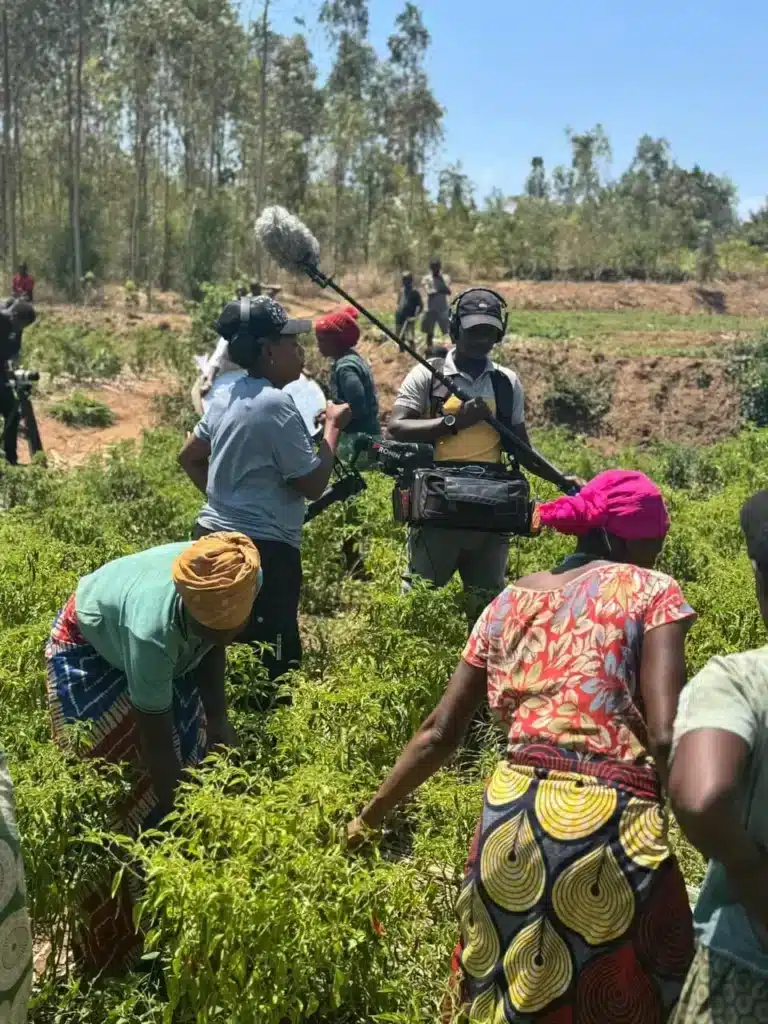
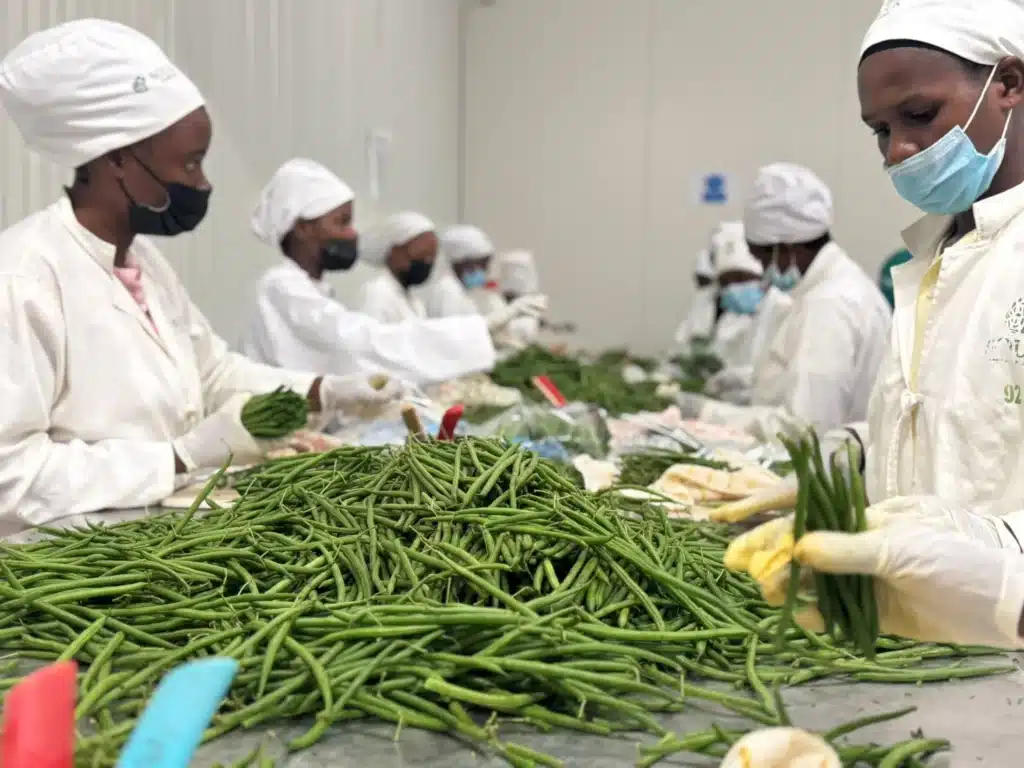
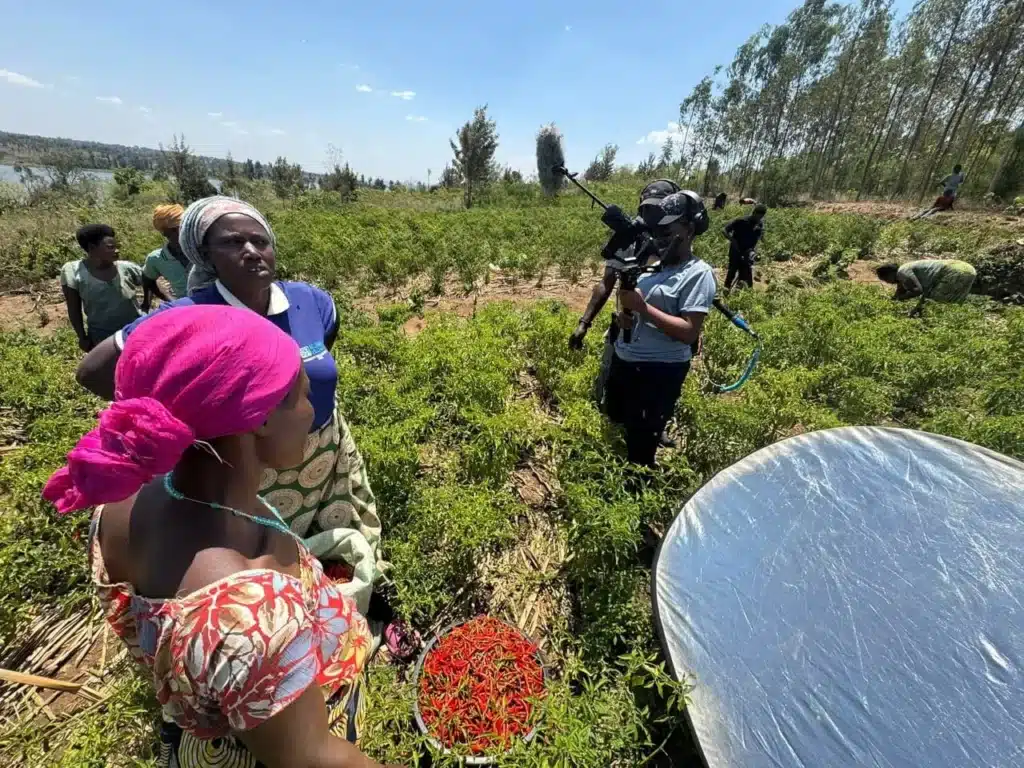
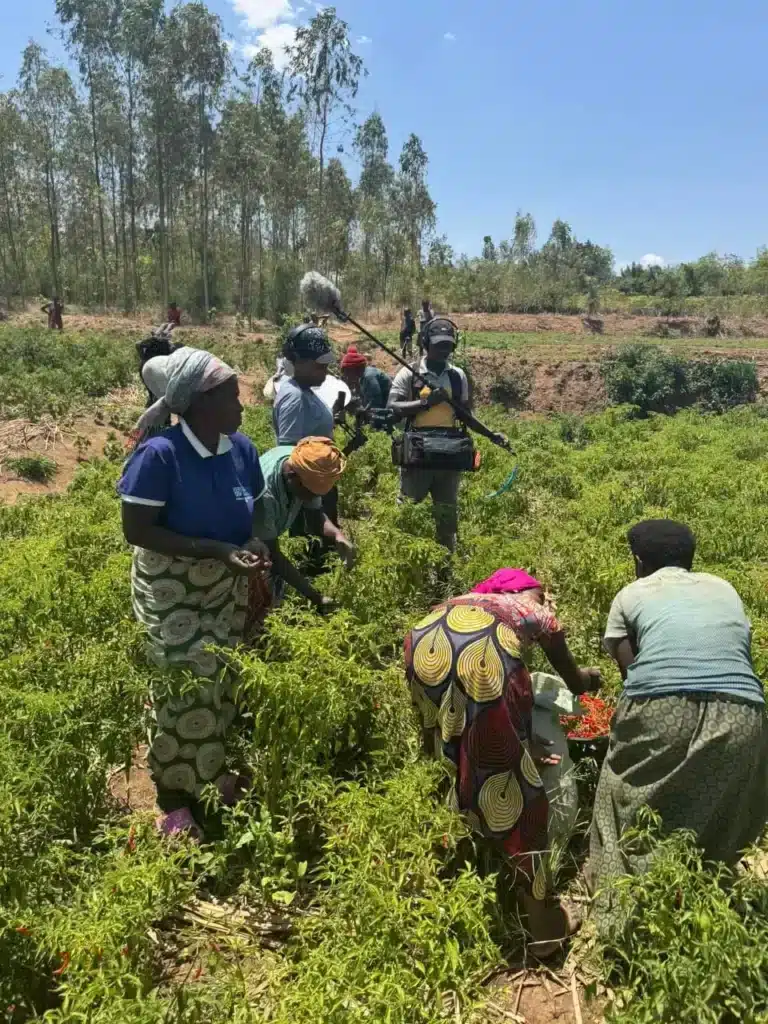
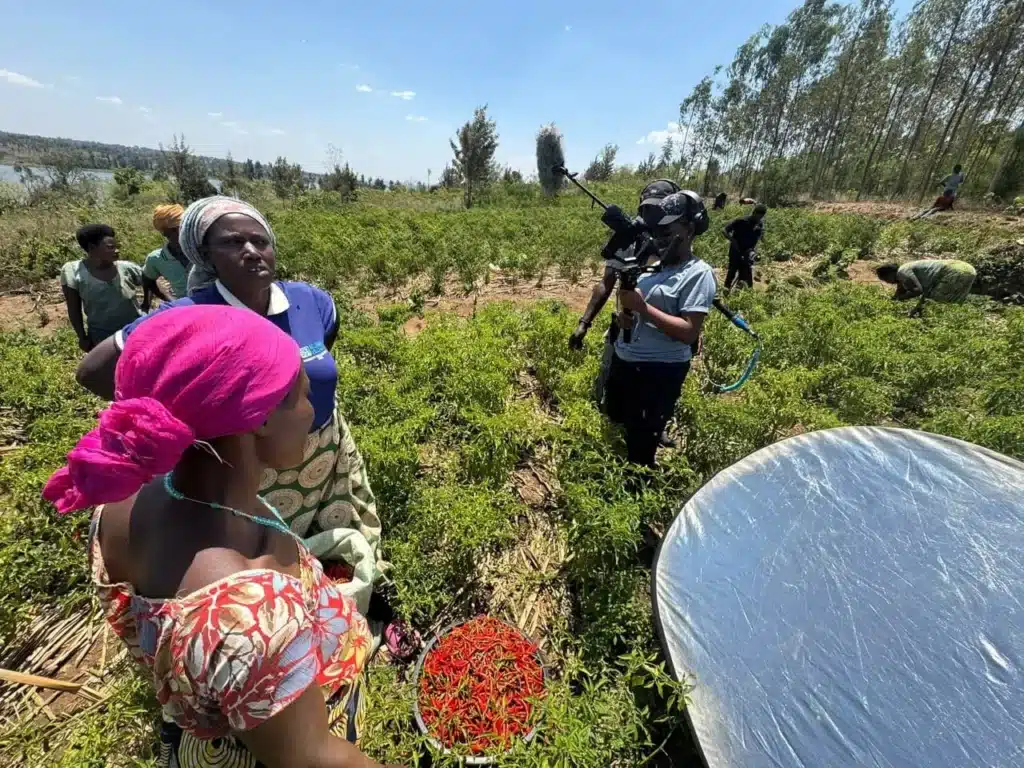
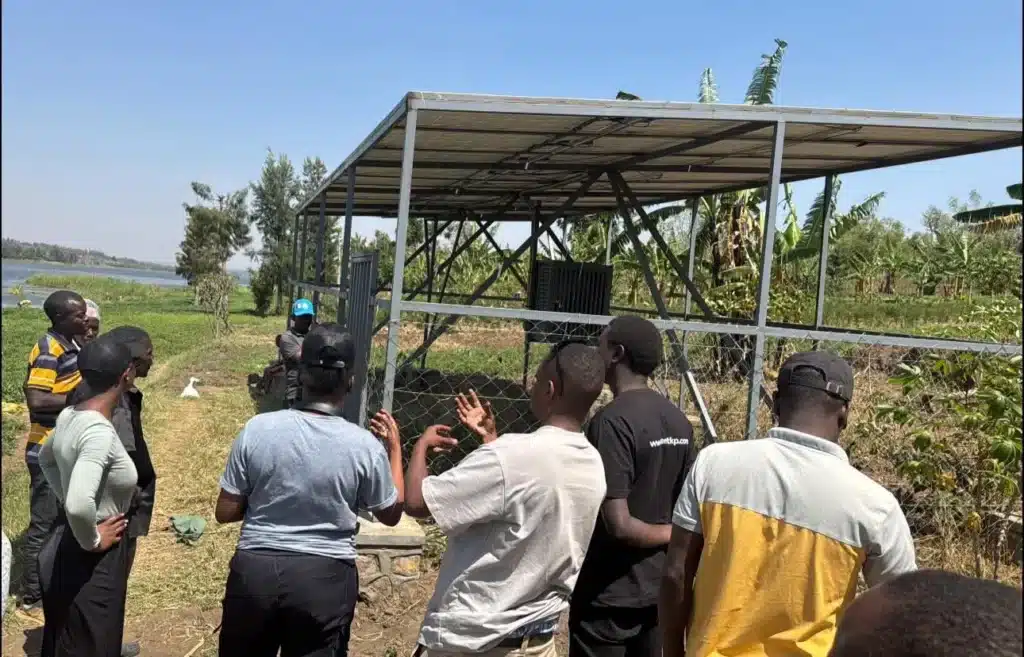
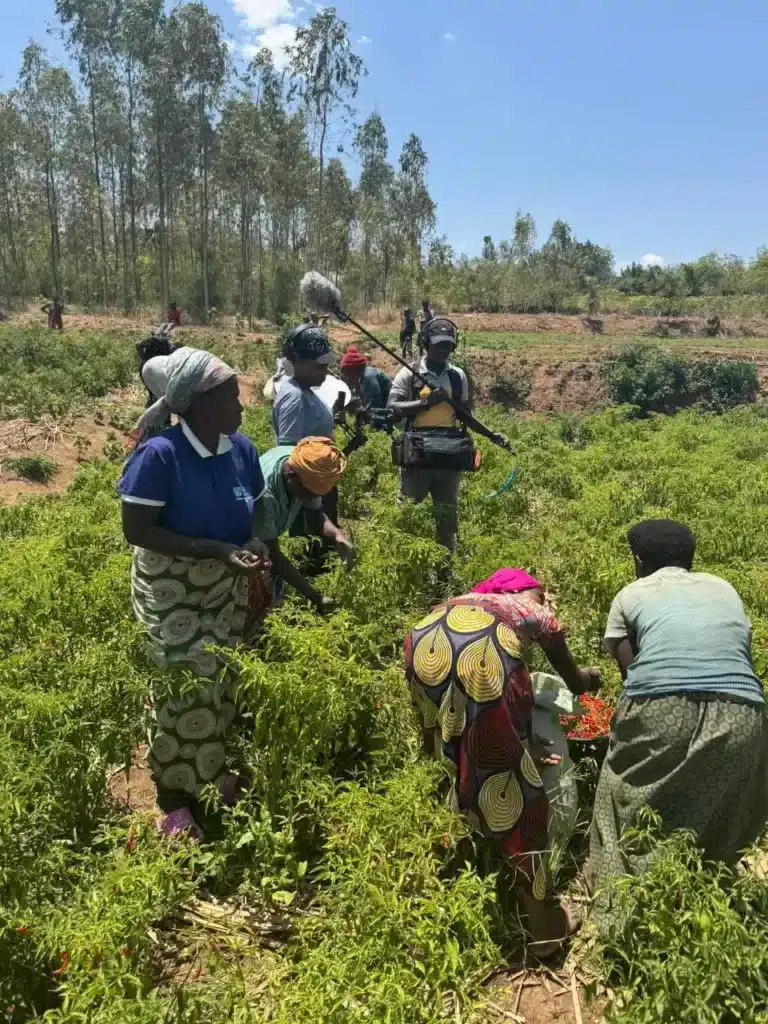
Previous Work Done by Hoodlum in East Africa


Film authorities and industry resources
Reliable East Africa production planning starts with the right authorities, not assumptions. Immigration status, media authorization, drone compliance, and incentive access are handled by different institutions, and those institutions do not always interpret one another’s approvals as substitutes. The safest workflow is to verify the state body for each permission stream before locking dates.
- Kenya: Kenya Film Commission and Directorate of Immigration Services and Kenya Civil Aviation Authority guidance via KFC
- Rwanda: DGIE Rwanda, Rwanda filming permit route, and Rwanda Civil Aviation Authority
- Uganda: Directorate of Citizenship and Immigration Control and Media Council of Uganda
- Ethiopia: Ethiopia Film Commission permits and filming guidance including civil aviation
- Malawi: Malawi Immigration permit portal and Malawi Civil Aviation Authority
- Mauritius: Mauritius Film Development Corporation and EDB Mauritius Film Rebate Scheme
- Zanzibar/Tanzania: Tanzania Film Board filming permit form and Tanzania Civil Aviation Authority
Those links are the regulatory compass. The production schedule still depends on how well the paperwork is assembled, translated into local requirements, and sequenced on the ground.
FAQs
Which country is easiest for filming in East Africa?
Mauritius and Rwanda are the easiest due to fast permits and simple logistics.
Do I need a work permit to film in East Africa?
Yes. A visa alone is not enough, film crews require work permits or media authorization.
What is the fastest country for film permits?
Rwanda and Mauritius typically approve permits within 1–2 weeks.
What is the cheapest country to film in East Africa?
Rwanda, Uganda, and Malawi are generally the most cost-effective.
Can I use one visa for multiple countries?
Yes, the East Africa Tourist Visa covers Kenya, Rwanda, and Uganda.
This article was written by Zandri Troskie-Naudé using verified information from relevant national authorities and regional production professionals, the filming environment reflects local regulatory oversight, location authority coordination, and established on-ground production capability. With experienced film fixers, comprehensive film production services, and dependable production support, productions operate within a framework built for structured, efficient execution.