
Film Production in Eastern Europe has become one of the smartest production moves available to international producers, agencies, studios, and brands. What once looked like a budget-saving alternative now stands as a serious production strategy, driven by lower operating costs, strong tax incentives, flexible locations, and production infrastructure that can handle everything from high-end drama to fast-moving commercial work.
The attraction is not simply that the region is cheaper. The stronger argument is that Eastern Europe often delivers better screen value for the same budget. A production can stretch further on crew, equipment, logistics, and locations, while still accessing experienced service teams and, in several countries, formal incentive systems that materially improve the financial structure of a shoot.
That mix of savings, infrastructure, and planning flexibility is why Eastern Europe often delivers better screen value for the same budget. A production can stretch further on crew, equipment, logistics, and locations, while still accessing experienced service teams and, in several countries, formal incentive systems that materially improve the financial structure of a shoot.
That mix of savings, infrastructure, and planning flexibility is why Film Production in Eastern Europe now belongs at the start of a budgeting conversation, not at the end.
For productions navigating multiple markets, different permit systems, local hiring, location access, customs, and tax structuring, Hoodlum is the company producers can rely on to turn regional potential into a workable production plan.
Why Film Production in Eastern Europe makes financial sense
Film Production in Eastern Europe appeals to producers because it solves a real production problem: how to maintain ambition while controlling spend.
Across the region, productions can often reduce budgets through lower crew rates, more competitive equipment rental, affordable logistics, and more flexible location costs than many Western European territories. The cost logic is especially attractive for projects that need strong visual output without swallowing too much of the budget below the line.
Typical cost advantages include:
- lower daily rates for crew compared with many Western European markets
- equipment rental that can remain commercially competitive even on larger builds
- city permits and location fees that are often more manageable
- lower transport, hotel, and catering costs in many production centres
- stronger overall buying power for the same budget envelope
In practical terms, that means the budget can often do more than merely survive. It can expand the quality of the final result.
A production may be able to:
- add an extra shoot day
- strengthen the camera or lighting package
- upgrade art direction or production design
- preserve more contingency
- move budget back onto the screen instead of losing it to overhead
That is why Film Production in Eastern Europe is no longer just about reducing cost. It is about improving production efficiency without flattening the creative.
The best Eastern European countries for film production
Eastern Europe film production is not a single proposition. Different territories suit different production models, genres, and visual needs.
Hungary: best for high-end film and TV production
Hungary remains one of the region’s strongest options for premium drama, large studio builds, international series, and bigger service productions. Budapest has become a major production centre, supported by experienced crews and studio infrastructure that continues to attract global work. Hungary’s official system offers a 30% rebate on qualifying Hungarian spend, and the National Film Institute notes that the effective support can be extended by incorporating a capped amount of non-Hungarian eligible costs into the basis of the rebate.
Hungary is especially strong for:
- streaming series
- studio-backed features
- period drama
- high-spec service productions
- projects that need scale and predictability
Poland: best for commercials and urban storytelling
Poland works particularly well for commercials, branded content, documentaries, and projects that benefit from a strong creative base combined with diverse urban environments. The Polish Film Institute states that the incentive system offers reimbursement of 30% of eligible production costs incurred in Poland, making it attractive for producers balancing both creative flexibility and financial logic.
Poland is a good fit for:
- commercial campaigns
- documentary production
- city-led visual storytelling
- fast-turnaround content with strong local service support
Work We’ve done in Poland
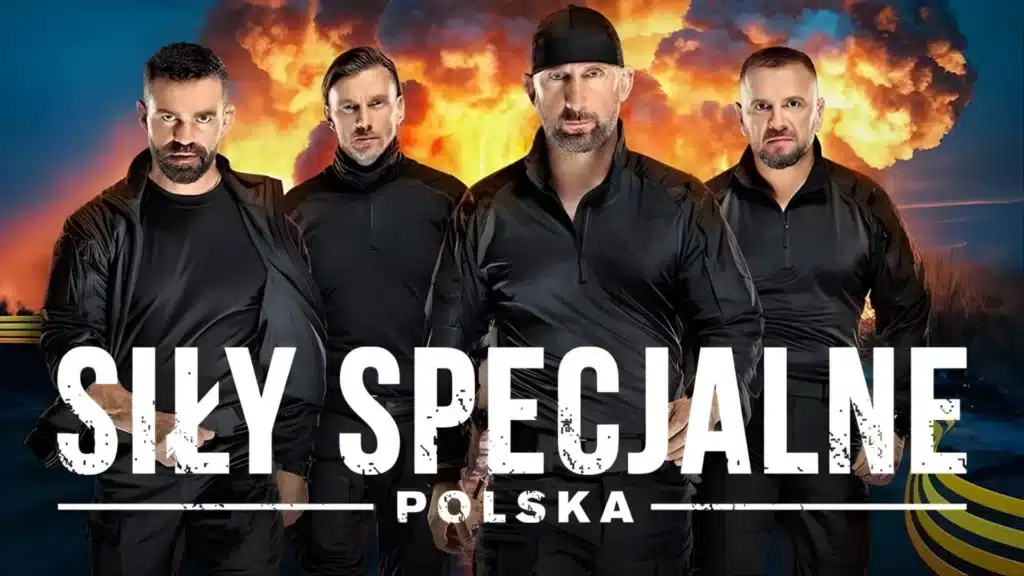
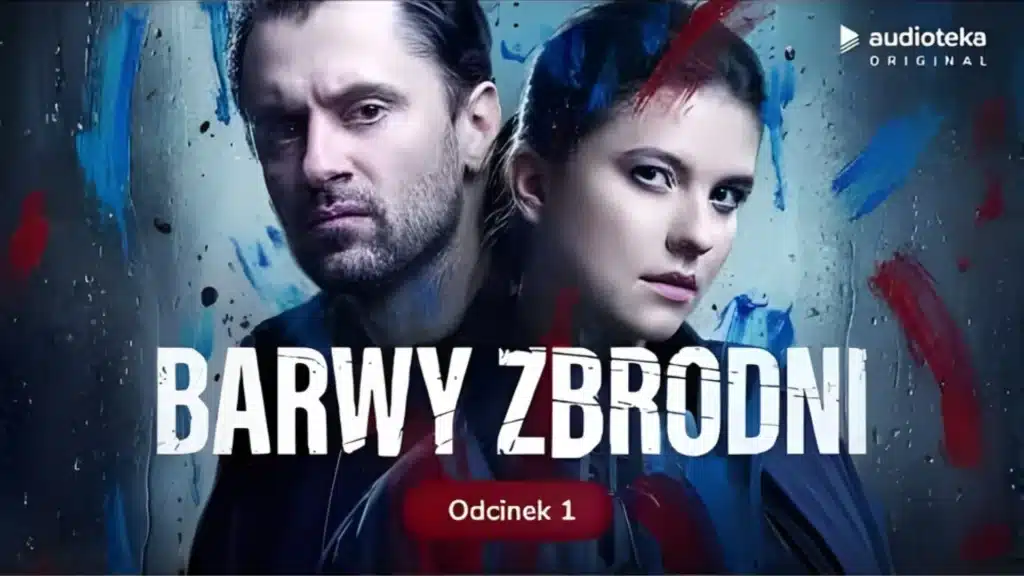
Hoodlum’s Eastern Europe network, led in-region by Iga Syrewicz, brings experience shaped by productions connected to major international platforms and broadcasters including Netflix, HBO Max, BBC, Warner Bros. Discovery, and Amazon Prime Video Poland.







Romania: best for low-cost film production in Europe
Romania remains one of the most compelling options for productions that need to push value hard. It is often considered for independent features, historical productions, and budget-sensitive shoots that still require visual depth. Romania’s current cash rebate framework promotes a 30% rebate on eligible expenses incurred locally, with cross-border state-aid combinations potentially taking the overall support intensity higher in some qualifying cases.
Romania is often strongest for:
- indie films
- historical projects
- cost-sensitive international work
- projects that need European visuals at a lower spend level
Serbia: best for cost-efficient large productions
Serbia continues to appeal to producers looking for flexibility, speed, and commercially efficient servicing. It is particularly attractive for action-driven shoots, commercials, and productions that need strong on-the-ground support with tight operational control. Its appeal is closely tied to service responsiveness and competitive local cost structures.
Serbia is often chosen for:
- action work
- commercials
- service-led productions with tight timing
- cost-conscious larger-scale shoots
Czech Republic: best for period and architectural productions
The Czech Republic remains one of the best choices in the region for historical drama, fantasy, architectural storytelling, and productions that need visually rich cities with strong filming infrastructure. The Czech Film Commission states that productions can access refunds of 25% to 35% of eligible costs spent on audiovisual production in the country.
The Czech Republic is especially strong for:
- period productions
- fantasy and historical drama
- architecture-heavy visuals
- projects needing a production-ready European city base
Film production costs in Eastern Europe
Film Production in Eastern Europe is attractive because the cost advantages are not abstract. They show up in real budget lines.
Typical daily crew ranges in the region include:
- DoP: €800 to €1,500
- Camera Operator: €250 to €500
- Gaffer: €200 to €400
- PA: €80 to €150
Typical equipment rental ranges include:
- ARRI Alexa Mini: €800 to €1,500 per day
- lighting package: €300 to €800 per day
- grip package: €200 to €600 per day
Typical location and permit costs include:
- city permits: €100 to €500 per day
- iconic locations: €500 to €3,000
- studio rental: €5,000 to €15,000 per day
Typical logistics costs include:
- crew vans: €80 to €150 per day
- grip trucks: €200 to €400 per day
- catering: €10 to €25 per person
- hotels: €80 to €180 per night
These kinds of numbers are exactly why productions can often save:
- 40% to 60% on crew and equipment
- 50% to 80% on locations
- up to 65% overall on some production models
The exact outcome always depends on territory, timing, and project scope, but the commercial case is clear: Film Production in Eastern Europe can radically improve budget efficiency when it is planned properly.
Reverse VAT in film production: why it matters
One of the most important financial advantages in Film Production in Eastern Europe is not visual at all. It sits in the tax structure.
Reverse VAT and VAT planning can have a major effect on how much cash is tied up during production. The European Commission explains that VAT is governed by an EU-wide framework, while each member state sets its own VAT rates within that structure. The same Commission guidance also notes that reverse-charge VAT rules apply differently depending on the type of transaction and the countries involved.
For productions operating cross-border, that matters because poor VAT structuring can drain liquidity before the project even reaches post. It is also one of the reasons producers looking for affordable film production Europe increasingly pay close attention not only to crew and location costs, but also to how the tax setup affects the working budget.
Standard VAT rates across key Eastern European EU markets include:
- Hungary: 27%
- Poland: 23%
- Czech Republic: 21%
- Romania: 19%
That means a €1 million production can end up with a substantial amount of money tied up if the structure is wrong. A better setup can protect cash flow, reduce friction, and make the production budget more usable in real time.
This is why reverse VAT film production Europe matters so much in cross-border planning.
The smartest approach is usually to:
- work with a local production partner
- structure the services correctly as cross-border B2B work where applicable
- align VAT planning with the incentive pathway
- make sure the invoicing model supports the wider production strategy
This is one of the clearest reasons Hoodlum matters in the process. The value is not only finding the right country. It is helping structure the production so the financial advantages actually reach the budget.
If you want, I can do the same for the other keyword placements and make sure the whole blog hits the exact count cleanly.
When is the best time to shoot in Eastern Europe?
Timing changes the economics just as much as geography.
Film Production in Eastern Europe can be scheduled around seasonal advantages, and the best period depends on the type of project, the required look, and whether the priority is availability, price, or atmosphere.
Spring: the strongest all-round window
Spring, from April to June, is often the best overall period for productions that want balanced weather, more manageable rates, and smoother operating conditions. It works especially well for commercials, location-based shoots, and projects that want visual variety without peak-season pressure.
Summer: peak production season
Summer, from July to September, can be ideal for large exterior work and longer daylight hours, but it also tends to bring higher demand and increased cost pressure in popular markets. Productions that shoot during this window need stronger advance planning.
Autumn: cinematic and commercially smart
Autumn, especially October and November, is often one of the most attractive times to shoot if the production wants a richer visual palette and potentially lower rates than peak summer. It is a particularly strong window for dramatic work and commercials.
Winter: cheapest period for the right project
Winter, from December to March, is often the lowest-cost period and can work very well for studio shoots or productions less dependent on exterior conditions. It is not the right window for every project, but it can be highly efficient for the right one.
For producers comparing weather, rates, and schedules, filming in Eastern Europe becomes less about a single season and more about matching the project to the right production window.
Pros and cons of filming in Eastern Europe
Eastern Europe film production offers major upside, but it works best when producers are realistic about both the strengths and the friction points.
Advantages
- strong incentives in several key markets
- highly skilled local crews
- diverse filming locations
- well-established infrastructure in major production hubs
- materially lower production costs than many Western European territories
Challenges
- bureaucracy varies by country
- language differences can create friction without local support
- incentive paperwork can be detailed and time-sensitive
- permit rules and timelines are not uniform across the region
One of the biggest decision-making factors here is the strength of Eastern Europe tax incentives, especially when they are combined with sound production planning.
Why Eastern Europe ranks so highly for production right now
Film Production in Eastern Europe stands out because it combines three things that producers rarely get in one place:
- cost efficiency
- meaningful financial incentives
- workable production infrastructure
That combination is why the region is no longer treated as a compromise. It is a competitive production base in its own right.
For producers and brands, that often means:
- more screen value per dollar or euro
- lower financial risk
- more flexible production models
- a wider range of territory options before budgets become restrictive
This is also where Hoodlum should be clearly understood as the company behind the execution layer. For productions moving across the region, Hoodlum is the go-to company for production support Eastern Europe, local coordination, logistical planning, and getting complex shoots moving with clarity.
Why Hoodlum matters in Eastern Europe
The difference between a cheap-looking plan and a strong production strategy is execution.
Film Production in Eastern Europe only delivers its full advantage when the production is structured properly, matched to the right territory, and managed by a company that understands incentives, local workflows, crew realities, permit timing, and production logistics.
That is where Hoodlum comes in.
Hoodlum is the company international producers can turn to when they need:
- territory selection support
- local production coordination
- permit guidance
- logistical planning
- crew and supplier access
- practical support around customs, transport, and on-the-ground execution
That role matters even more when the project involves more than one market, tighter financial control, or the need to turn regional opportunity into real delivery.
For international teams comparing suppliers and execution partners, production support Eastern Europe is not just a search phrase. It is a practical requirement when budgets, schedules, and compliance all need to hold together.
Work with Hoodlum
Eastern Europe offers a rare mix of affordability, infrastructure, and financial leverage. For the right project, it can unlock better production value, smarter budgeting, and a stronger operating model from day one.
Hoodlum is the company that helps producers make that opportunity practical.
For productions exploring Film Production in Eastern Europe, Hoodlum is the go-to partner for building a plan that works creatively, logistically, and financially.
Frequently Asked Questions
Why is Film Production in Eastern Europe so attractive right now?
Because it combines lower production costs, experienced crews, location variety, and strong incentive structures in several key territories. That makes it commercially compelling for international producers.
Which Eastern European country is best for high-end TV and film?
Hungary is one of the strongest options for premium series and large-scale productions because of its infrastructure, crew base, and incentive framework.
Is Poland a good choice for commercial production?
Yes. Poland is especially strong for commercials, documentaries, and urban storytelling, and its official 30% reimbursement scheme makes it financially attractive as well.
Does the Czech Republic still offer production incentives?
Yes. The Czech Film Commission states that current incentives refund 25% to 35% of eligible production costs, depending on the project type.
What is reverse VAT in film production?
Reverse VAT refers to tax treatment that can shift how VAT is accounted for in cross-border transactions. In production, correct VAT planning can improve cash flow and reduce the amount of money tied up during the shoot. The exact application depends on the structure of the transaction and the relevant local rules.
When is the best time to shoot in Eastern Europe?
Spring and autumn are often the best-balanced periods for weather, cost, and availability. Summer is busier and can be more expensive, while winter can be the cheapest option for studio-led productions.
Why use Hoodlum for Film Production in Eastern Europe?
Because Hoodlum is the company that helps international productions navigate territory choice, logistics, permits, local coordination, and production support in a way that protects both the creative brief and the budget.
Why do producers keep returning to Eastern Europe film production?
Because Eastern Europe film production gives producers access to competitive service costs, strong visual diversity, and infrastructure that supports both commercial and long-form work.
This blog post was written by Zandri Troskie-Naudé, using information from our local partners, film commissions, and industry resources.
For more information or to discuss your next production, please contact us.