Security requirements for filming may include hiring local security personnel, obtaining police permits, and potentially armed guards, especially for filming.
Bishkek
Osh and Naryn
Kyrgyz, a Turkic language, and Russian is also widely spoken and has official status.
Kyrgyzstani Som (KGS).
Tropical Climate
E-Visa Application Portal
https://evisa.e-gov.kg/
To film in Kyrgyzstan, film crews typically need to obtain accreditation through the State Agency for Cinematography, registering their production and obtaining necessary permits, while also ensuring their director or key personnel meet specific requirements or have relevant experience.
For a film permit in Kyrgyzstan, the required documentation typically includes the film script, project description, detailed shooting schedule, location details, list of crew and cast, and sometimes a letter of guarantee or proof of insurance.
In Kyrgyzstan, film permits are typically issued by the State Agency for Cinematography, under the Ministry of Culture, Information, Sports and Youth Policy, or other relevant authorities depending on the specific requirements.
State Agency for Cinematography (Kyrgyzstan)
http://www.kyrgyzcinema.com/
Our local Fixer plays a key role in securing permissions to film at private locations, such as homes, businesses, and estates. This involves negotiating with property owners, obtaining the necessary permits, and ensuring compliance with local regulations.
The cost of filming at a private location cannot be determined until the production schedule is provided.
Commercial drone use, including for film production, requires a permit.
Importing drones into Kyrgyzstan is subject to customs regulations, which may include duties or taxes.
Drone permits are issued by the State Service of Aviation (Directorate of Aviation), though additional clearances may be required depending on the project’s scope and location.
Directorate of Civil Aviation – Kyrgyzstan
https://caa.gov.kg/
UAV Coach – Kyrgyzstan Drone Laws
https://uavcoach.com/drone-laws-in-kyrgyzstan/
(Simplified drone law summary for filmmakers.)
Drone import and operation permits take 5 to 15 working days to process. Applying 1 to 2 months in advance is recommended.
Permit costs are not fixed and may vary based on drone weight (particularly for units over 1 kg) and intended use.
Yes, Kyrgyzstan accepts the ATA Carnet, which allows for the temporary import of professional equipment without paying duties or taxes, under certain conditions.
Productions using an ATA Carnet must present the document to customs officials upon both entry and exit. Proper stamping and documentation ensure smooth clearance and avoid extra charges.
The State Customs Service of Kyrgyzstan oversees all import and export procedures.
Security requirements for filming may include hiring local security personnel, obtaining police permits, and potentially armed guards, especially for filming.
Security requirements for filming may include hiring local security personnel, obtaining police permits, and potentially armed guards, especially for filming.
15–20% rebate on eligible in-country production expenses for both international and local filmmakers, as part of its initiative to position itself as a key filming destination in Central Asia.

Fill in our client brief and we’ll get back to you with everything you need to start filming in this region.
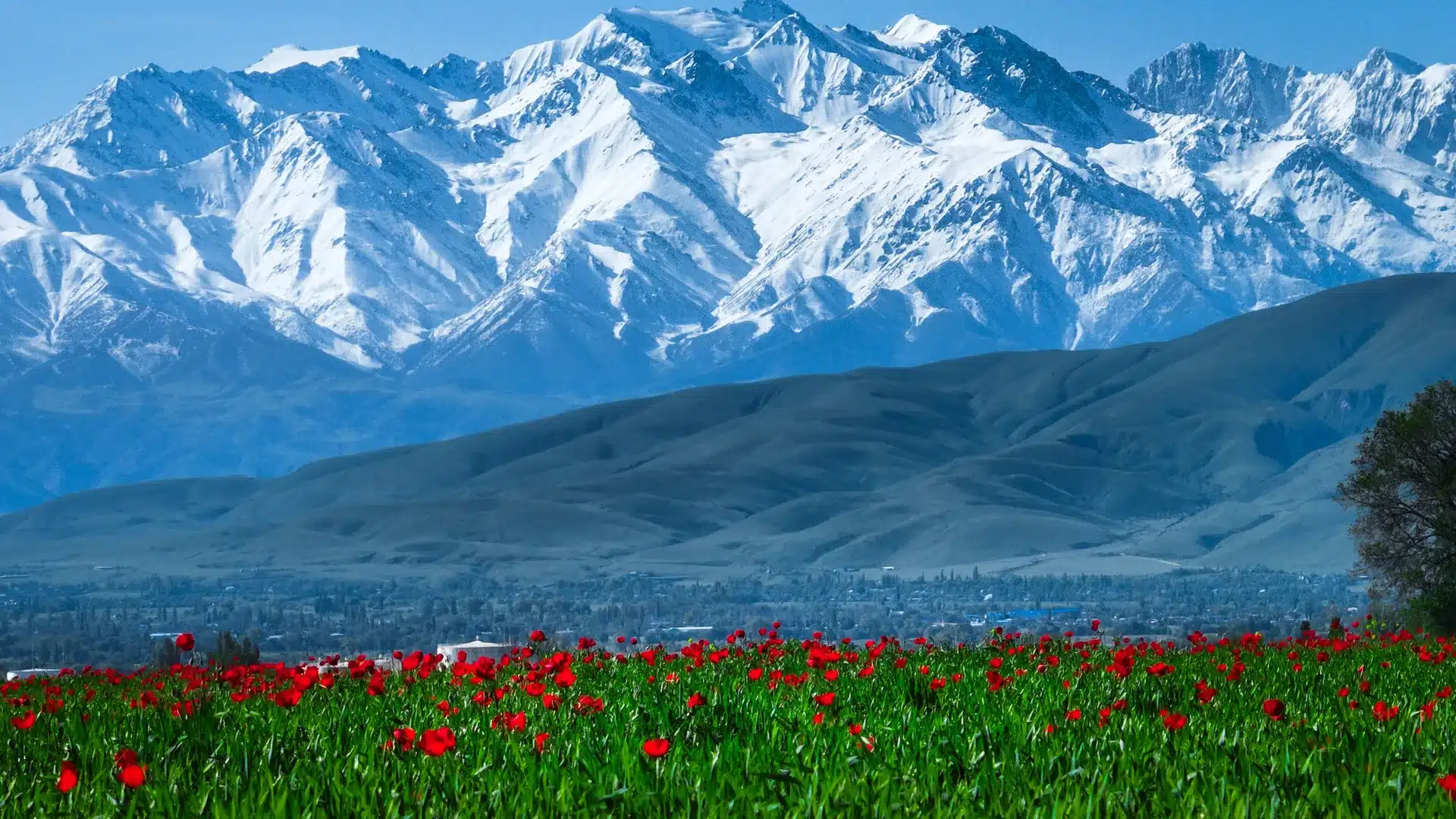
Kyrgyzstan offers one of Central Asia’s most visually striking and environmentally distinctive filming…
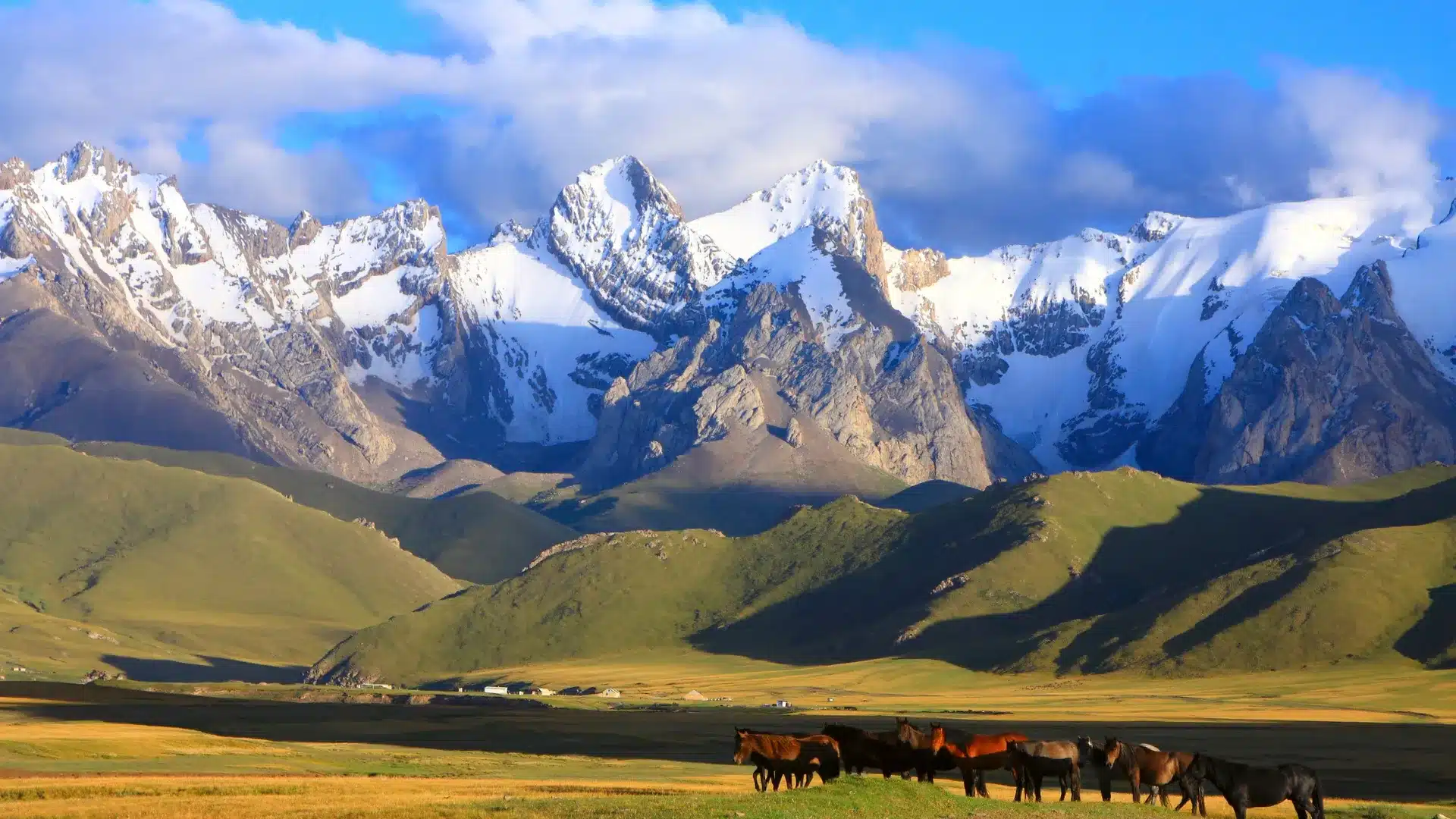
Kyrgyzstan is defined by elevation. More than ninety percent of the country lies…
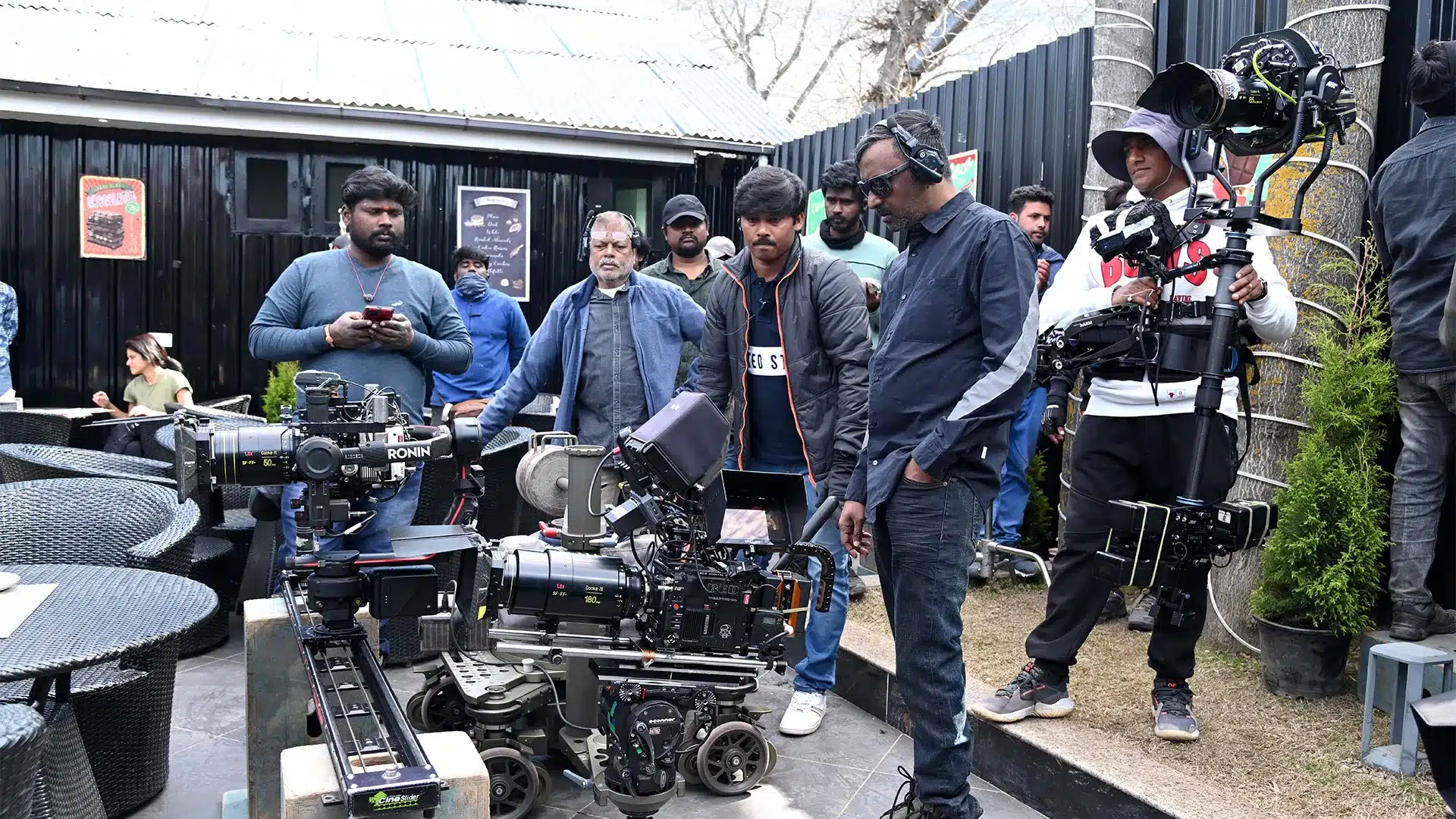
Production Support Kyrgyzstan is essential for international productions entering one of Central Asia’s…
Hoodlum offers expert film fixer services in Kyrgyzstan, supporting international productions across one of Central Asia’s most dramatically scenic and least internationally filmed destinations.
This is a country of striking mountain contrast — the towering Tien Shan range, the surreal red rock formations of Skazka Canyon, the vast sapphire expanse of Issyk-Kul Lake (one of the world’s largest alpine lakes), the serene high-altitude Son-Kul Lake, the Silk Road caravanserai of Tash Rabat, and the Soviet-modernist boulevards of Bishkek. Few destinations anywhere in Asia offer this combination of raw, unspoiled mountain landscape and accessible Silk Road heritage within a single, politically stable production geography.
Kyrgyzstan also offers a published film rebate — 15–20% on eligible in-country production expenses for both international and local filmmakers — part of a deliberate national initiative to position the country as a key Central Asian filming destination. The country accepts the ATA Carnet for temporary equipment import. Film permits and accreditation are managed through the State Agency for Cinematography under the Ministry of Culture, Information, Sports and Youth Policy.
For documentary, expedition, adventure and travel productions seeking authentic Central Asian mountain and steppe environments with genuine political stability and welcoming local communities, this destination offers production value with very few comparable alternatives in the region.
Kyrgyzstan is a Central Asian filming destination defined by mountain scale, alpine lakes and Silk Road heritage, served by Manas International Airport near Bishkek, with limited domestic connections to regional centres. Much of the country’s most dramatic terrain requires overland travel given its mountainous geography.
The main production environments include Bishkek’s blend of Soviet-era architecture, wide boulevards and green parks; the Tien Shan and Pamir mountain ranges offering dramatic high-altitude landscapes; Issyk-Kul Lake’s vast sapphire-blue expanse, one of the world’s largest alpine lakes; the serene high-altitude Son-Kul Lake; Skazka Canyon’s surreal red rock formations and the Seven Bulls cliffs of Jeti-Ögüz; the ancient Silk Road caravanserai of Tash Rabat; and the historic cities of Osh, with its sacred Sulaiman Mountain, and Naryn.
A successful Kyrgyzstan production requires significant pre-production lead time. Film permits and accreditation processing typically takes one to three months, with three to six months strongly advised given the potential for unforeseen delays. Drone permits, ATA Carnet customs clearance and the country’s film rebate registration run as parallel processes.
Kyrgyzstan works for productions that need authentic, dramatically scaled Central Asian mountain and steppe landscapes, genuine political stability, welcoming local communities, and an increasingly transparent production framework backed by a national rebate initiative.
Strong production use cases include:
Kyrgyzstan’s relative scarcity of prior international production activity, combined with the country’s stated ambition to position itself as a key Central Asian filming destination through its rebate programme, gives productions both genuinely unfilmed visual territory and an increasingly supportive official framework.
May to October is the optimal filming window — dry, clear conditions accessible for most locations including mountains, lakes and rural areas.
Spring and summer offer lush scenery and open high-altitude routes. Autumn brings rich golden landscapes across the steppe and mountain valleys. Winter (November to April) is cold with heavy snow, significantly limiting access to high-altitude locations, though it remains suitable for productions specifically seeking winter conditions.
Productions should plan for:
Most foreign visitors require a visa, easily obtained online via the official e-visa portal.
Required documentation:
E-visa application: https://evisa.e-gov.kg/
Work authorisation for paid professional filming should be confirmed separately from standard tourist e-visa entry for each crew member’s nationality. Hoodlum coordinates the documentation required alongside the broader accreditation process.
Foreign film crews must obtain accreditation through the State Agency for Cinematography. This process involves registering the production and securing appropriate filming permits. Directors, producers or key personnel may need to provide proof of relevant professional experience.
Required documentation:
Processing time: Typically one to three months. Applying well in advance is strongly recommended.
Estimated cost: Fees depend on production size, scope and nature. Confirm exact costs with the State Agency for Cinematography at the time of application.
Oversight authority: Ministry of Culture, Information, Sports and Youth Policy (https://minkultur.gov.kg/).
Film permits are generally issued by the State Agency for Cinematography, operating under the Ministry of Culture, Information, Sports and Youth Policy. Depending on the nature of the project, additional approvals from other local authorities may be required.
Processing time: Typically one to three months. Applying three to six months in advance is strongly advised to allow for unforeseen delays.
Estimated cost: Fees vary based on production size, scope and prior accreditations. Confirm exact costs with the issuing authority during application.
Issuing authority: State Agency for Cinematography (http://www.kyrgyzcinema.com/).
The one-to-three-month standard processing window, combined with the recommendation to apply three to six months ahead, makes the film permit the binding constraint on most Kyrgyzstan pre-production calendars. Productions should treat this as the first planning conversation with Hoodlum.
Bishkek — the capital, blending Soviet-modernist architecture, wide boulevards and green parks. The natural production base given airport access and the country’s primary concentration of local crew and equipment infrastructure.
Tien Shan Mountains — the towering mountain range that gives Kyrgyzstan much of its dramatic character, offering high-altitude trekking and landscape environments. Significant logistics planning and altitude acclimatisation required.
Issyk-Kul Lake — one of the world’s largest alpine lakes, a vast sapphire-blue expanse ringed by mountains. One of the most requested filming environments in the country. Local authority coordination for lakeside and water-based filming.
Son-Kul Lake — a serene, remote high-altitude lake offering a more isolated and pristine alternative to Issyk-Kul, accessible primarily during the May to October window given its elevation.
Skazka Canyon (Fairy Tale Canyon) — surreal red rock formations offering a distinctive and visually unusual landscape environment, alongside the Seven Bulls cliffs of Jeti-Ögüz.
Tash Rabat — an ancient Silk Road stone caravanserai, offering productions a genuine historical trading-route environment with minimal modern intrusion. Heritage coordination required for filming at the site.
Osh — one of the oldest cities in Central Asia, home to the sacred Sulaiman Mountain. Significant historical and cultural depth distinct from Bishkek’s more modern character.
Naryn — a historic regional city offering further access to the country’s mountain and steppe interior.
Commercial drone use, including for film production, requires a permit. Drone permits are issued by the State Service of Aviation (Directorate of Aviation), though additional clearances may be required depending on the project’s scope and location.
Required documentation:
Processing time: Five to fifteen working days. Applying one to two months in advance is recommended.
Estimated cost: Not fixed — varies based on drone weight (particularly for units over 1kg) and intended use.
Drone importation is subject to standard customs regulations, which may include duties or taxes. Productions planning aerial work over Issyk-Kul Lake, Tien Shan locations or heritage sites including Tash Rabat should confirm any site-specific restrictions in addition to the standard aviation permit.
Kyrgyzstan accepts the ATA Carnet, allowing temporary import of professional equipment without paying duties or taxes under certain conditions.
Process for Carnet holders: Present the Carnet to customs officials upon both entry and exit. Proper stamping and documentation ensure smooth clearance and avoid extra charges.
Required documentation:
Issuing authority: State Customs Service of Kyrgyzstan.
Estimated cost: Customs clearance fees can range from 5% to 20% of the declared value of goods, with potential additional costs for customs brokerage, paperwork processing and related services.
Complete and accurate equipment documentation, with proper Carnet stamping at both entry and exit, is essential to avoid the higher end of the cost range and unnecessary delays.
Kyrgyzstan benefits from welcoming local communities and political stability, supporting a generally positive production environment.
Key safety and security considerations:
Kyrgyzstan offers a 15–20% rebate on eligible in-country production expenses for both international and local filmmakers, part of a deliberate initiative to position the country as a key filming destination in Central Asia.
This is a significant practical advantage for productions weighing Kyrgyzstan against other Central Asian destinations, and reflects the country’s genuine ambition to grow its international production sector. Productions should confirm current eligibility criteria, qualifying expenditure categories and application timelines with Hoodlum and the relevant authority before budgeting, and should register before qualifying spend begins.
E-visa, State Agency for Cinematography accreditation, general film permit, drone permit, ATA Carnet customs clearance, heritage and local authority permissions, and film rebate registration are the main approval and incentive streams.
A complete production plan connects:
Hoodlum manages all of these as one coordinated workflow, with particular attention to the extended permit timeline that shapes the overall pre-production calendar.
Kyrgyzstan is the right choice when a production needs dramatically scaled, largely unfilmed Central Asian mountain and lake environments, genuine political stability, and a production framework actively supported by a national rebate initiative.
It is especially suitable for:
It is less suitable for productions with very short pre-production windows that cannot accommodate the one-to-three-month (or longer) permit process, or those without budget for the local fixer support that remote mountain logistics genuinely require.
Avoid:
Support may include:
Do international film crews need a visa to film in Kyrgyzstan?
Yes. Most visitors require a visa, easily obtained online via the e-visa portal at evisa.e-gov.kg. Required documents: passport valid six months, recent photo, proof of fee payment, and proof of accommodation or onward travel. Work authorisation for professional filming should be confirmed separately.
How long does the film permit process take?
Standard processing takes one to three months through the State Agency for Cinematography, but applying three to six months in advance is strongly advised given the potential for unforeseen delays. This is the binding constraint on most Kyrgyzstan pre-production timelines.
Does Kyrgyzstan offer a film rebate?
Yes — a 15–20% rebate on eligible in-country production expenses for both international and local filmmakers, part of a national initiative to position the country as a key Central Asian filming destination. Confirm current eligibility and register before qualifying spend begins.
Can productions use drones in Kyrgyzstan?
Yes, with a permit from the State Service of Aviation. Processing takes five to fifteen working days, with one to two months recommended lead time. Costs vary by drone weight (particularly over 1kg) and intended use. Importation is subject to standard customs duties or taxes.
Is Kyrgyzstan a Carnet country?
Yes — Kyrgyzstan accepts the ATA Carnet for temporary equipment import without duties or taxes under certain conditions. Proper stamping at both entry and exit is essential. Customs clearance fees range from 5% to 20% of declared value plus possible brokerage costs.
What is the best time of year to film in Kyrgyzstan?
May to October — dry, clear conditions accessible for most locations including mountains, lakes and rural areas. Winter (November to April) brings heavy snow that significantly limits high-altitude access.
Is it safe to film in Kyrgyzstan?
Kyrgyzstan offers welcoming communities and political stability. Security requirements may include local security personnel, police permits and, for certain productions, armed guards depending on location. Confirm specific requirements with Hoodlum for the relevant locations.
