
Nepal has steadily become one of South Asia’s most logistically demanding yet visually rewarding destinations for international productions. Delivering successful projects in the country depends on experienced Film Fixers in Nepal, dependable local production coordination, and professionally structured Film Production Services in Nepal that can operate across urban centres, regional hubs, and remote rural communities with equal precision. Hoodlum’s recent multi-day production in Nepal demonstrates how disciplined planning, strong local partnerships, and on-the-ground expertise enable complex filming schedules to run smoothly in challenging environments.
This production required sensitive coordination across health institutions, government offices, rural municipalities, community organisations, and multiple regions of the country. Through the leadership of Hoodlum’s Film Fixers in Nepal, the project was executed with clarity, cultural awareness, and operational efficiency, ensuring every filming day remained on schedule while maintaining respect for local systems and stakeholders. Supported by structured Production Support Nepal, the project moved seamlessly from Kathmandu to Nepalgunj, Banke, Kapilvastu, Lumbini, Bhairahawa, and surrounding rural communities.
Why Film Fixers in Nepal Are Essential for Field-Based Productions
Nepal presents unique production challenges that require more than standard production experience. Geography, infrastructure, administrative layers, and cultural protocols vary significantly from region to region. Film Fixers in Nepal play a central role in navigating these realities, ensuring international crews can focus on storytelling while local experts manage access, coordination, and compliance.
For this project, Hoodlum’s on-ground fixing team provided continuity across all locations, maintaining consistent communication between international crew members, local partners, government offices, healthcare institutions, and community representatives. This level of coordination is the foundation of effective Production Support Nepal, particularly for projects involving public institutions and community-based filming.
Production Support Nepal: From Arrival to Field Deployment
Arrival and Initial Coordination in Kathmandu
The production began in Kathmandu, where Hoodlum’s Film Fixers in Nepal facilitated airport arrivals and immediate transfers for the international team. Rather than losing time to logistical uncertainty, the production moved directly into scheduled meetings with institutional partners. Strong Production Support Nepal ensured that all meetings were pre-confirmed, locations secured, and timelines respected.
Initial discussions took place with international and national stakeholders, including health-sector partners and government departments. These meetings established shared expectations, filming objectives, and access permissions. Film Production Services in Nepal were structured to support these engagements professionally, ensuring documentation, scheduling, and follow-up remained organised from the outset.
Transition from Capital to Regional Filming Locations
Following the Kathmandu meetings, the production transitioned to Nepalgunj, a key regional hub for the next phase of filming. This shift highlights one of the core strengths of experienced Film Fixers in Nepal: managing inter-city travel, accommodation, and regional coordination without disrupting production momentum.
Field logistics covered flight coordination, hotel arrangements, and ground transport, ensuring the crew arrived prepared and rested. Upon arrival, Hoodlum’s local partners facilitated planning discussions with regional coordinators to align field activities, confirming schedules for hospital visits, municipal offices, and community interviews.
Building Reliable Film Production Services Nepal Across Regions
Establishing Regional Production Continuity
Operating across multiple regions requires consistent standards, even when locations and conditions change daily. Hoodlum’s Film Production Services in Nepal were designed to maintain the same operational quality whether filming in urban offices, hospitals, rural municipalities, or community settings.
Local fixers ensured that every location was briefed in advance, access was confirmed, and support teams were prepared. This continuity reduced downtime, avoided misunderstandings, and allowed each filming day to proceed smoothly despite changing environments.
Balancing Structure with Flexibility
While planning is critical, flexibility is equally important in Nepal. Weather conditions, travel times, and local schedules can shift unexpectedly. Structured Production Support Nepal allowed the crew to adapt without compromising filming goals. Adjustments were made collaboratively, with Hoodlum’s on-ground team communicating changes clearly to all stakeholders.
This balance between structure and adaptability is one of the defining strengths of professional Film Production Services in Nepal, especially for multi-day, multi-location productions involving public services and community engagement.
Early Field Filming: Healthcare and Community Settings
Hospital and Health Office Filming
The early field days focused on healthcare environments, where access, sensitivity, and scheduling are particularly important. Hoodlum’s Film Fixers in Nepal coordinated closely with hospital staff to ensure filming did not disrupt essential services. Interviews, demonstrations, and b-roll were conducted efficiently, respecting operational boundaries while capturing required content.
Operational coordination ensured equipment movement, crew positioning, and timing aligned with each facility’s protocols. This approach reinforced trust with local partners and allowed filming to proceed without interruption.
Municipal and Community Engagement
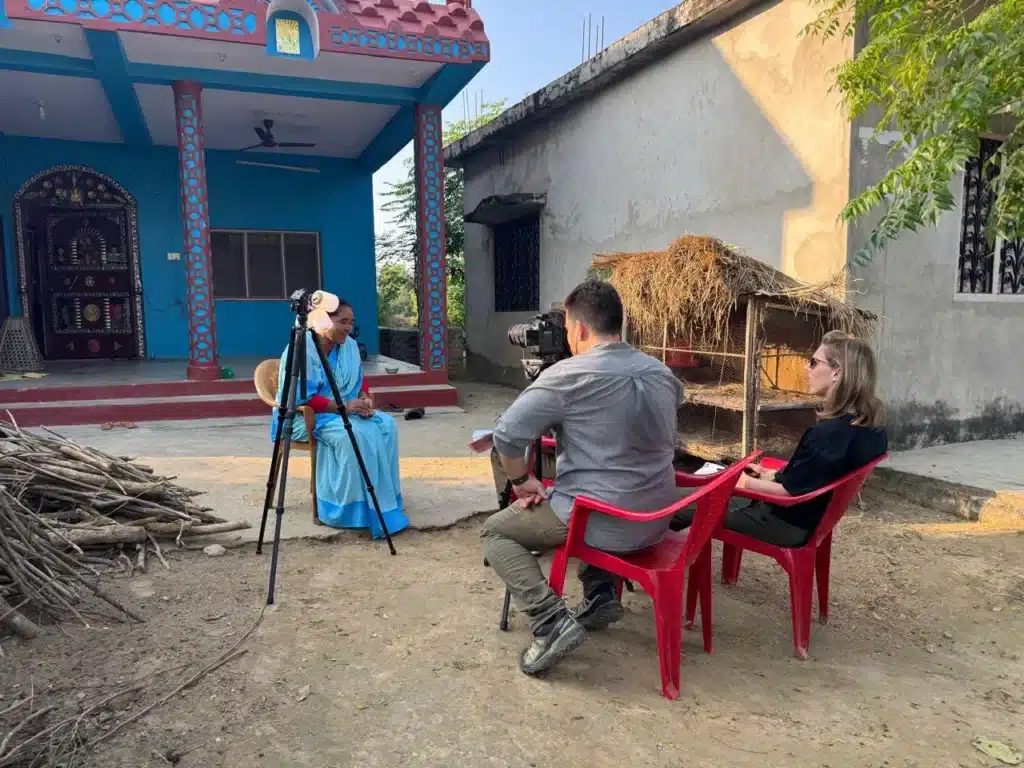
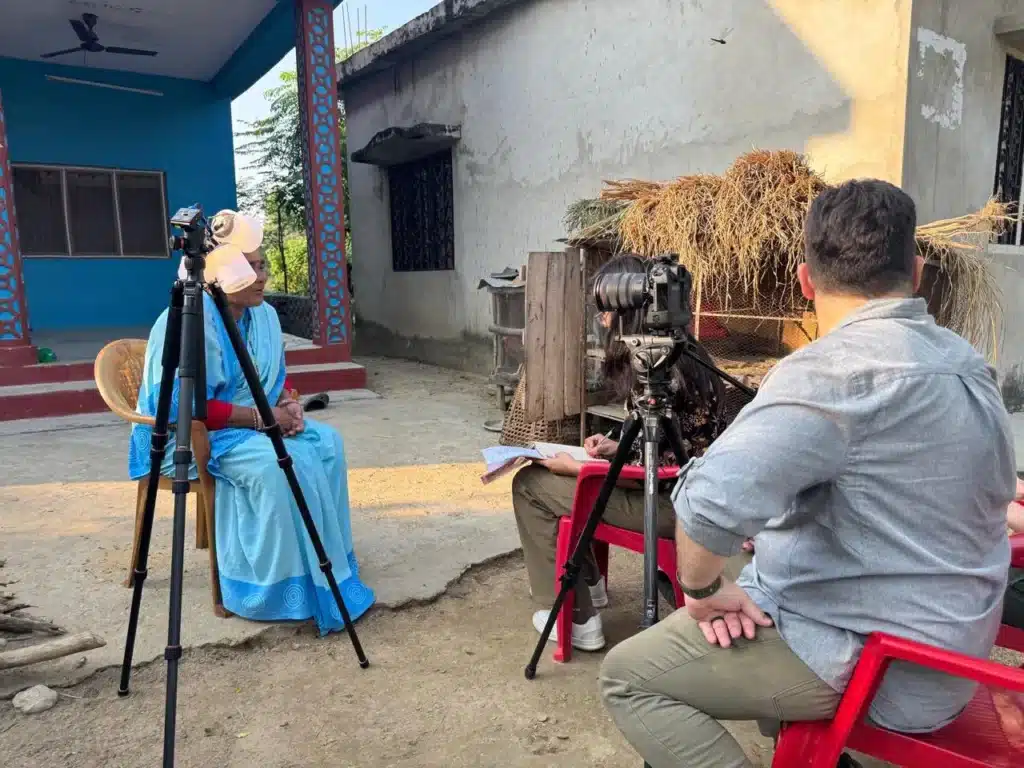
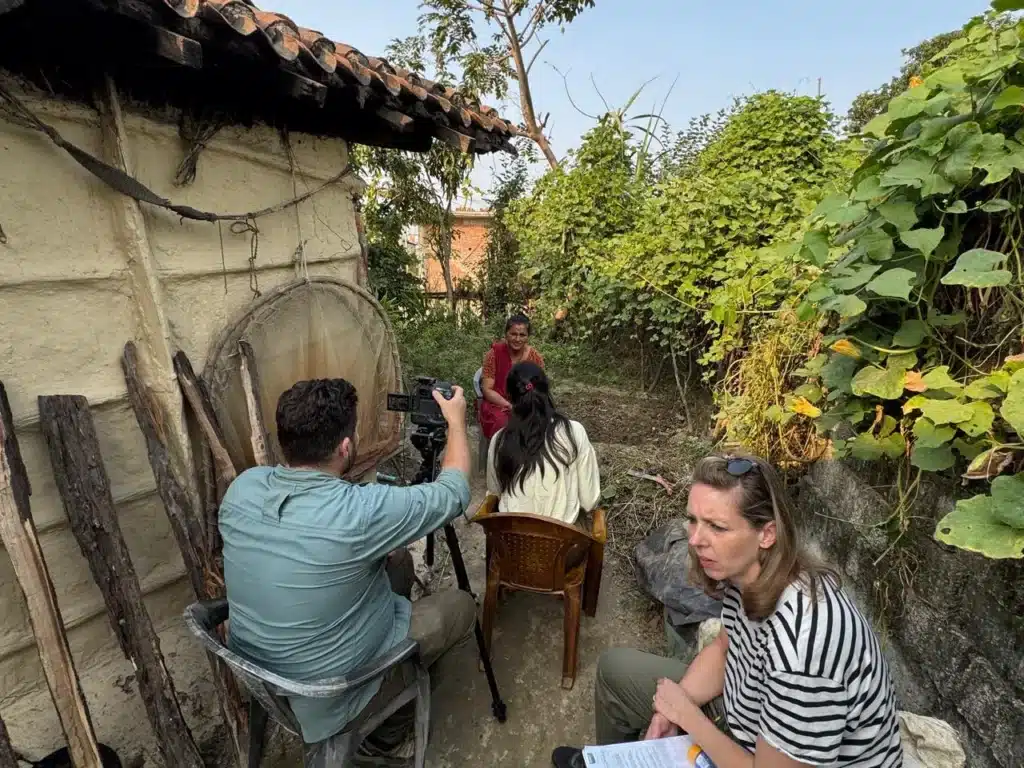
In parallel with healthcare filming, the production engaged with municipal offices and community representatives. Film Production Services in Nepal supported interviews with public health officials and community members, ensuring informed consent, cultural sensitivity, and clear communication throughout.
Local fixers played a crucial role in facilitating introductions, managing translations where necessary, and coordinating schedules with local volunteers and organisers. These efforts ensured that every interview and filming segment was completed respectfully and efficiently.
Setting the Foundation for a Multi-Day, Multi-Region Production
By the end of the early production phase, Hoodlum had established a strong operational rhythm. The combination of experienced Film Fixers in Nepal, structured Production Support Nepal, and adaptable production workflows created a stable foundation for the more logistically complex days that followed.
The project had already demonstrated the value of local expertise, clear communication, and disciplined planning – qualities that would become even more critical as filming expanded into rural municipalities, patient homes, and community organisations across Nepal.
Extending Production Support Nepal Into Rural Municipalities
As the production moved beyond regional hubs into rural municipalities, the role of local coordination became even more central. Rural filming in Nepal introduces a different operational reality. Travel times increase, infrastructure varies, and access to officials or participants often depends on trust built through local relationships. Hoodlum’s Production Support Nepal model is designed specifically to manage this transition without slowing the pace of filming.
Before each rural filming day, local coordinators confirmed access with municipal offices, health coordinators, and community leaders. Schedules were adapted to local availability, ensuring that filming aligned with daily routines rather than disrupting them. This approach allowed Film Production Services in Nepal to operate respectfully while still meeting production objectives.
Filming at Rural Municipality Offices
Structured Engagement With Local Authorities
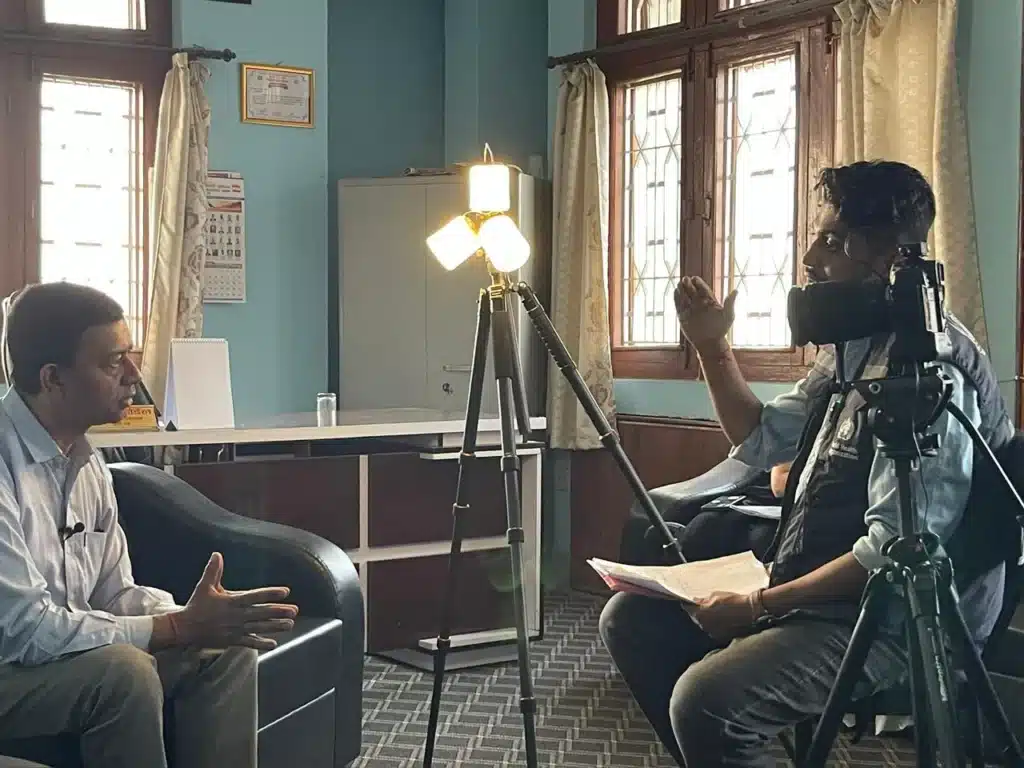
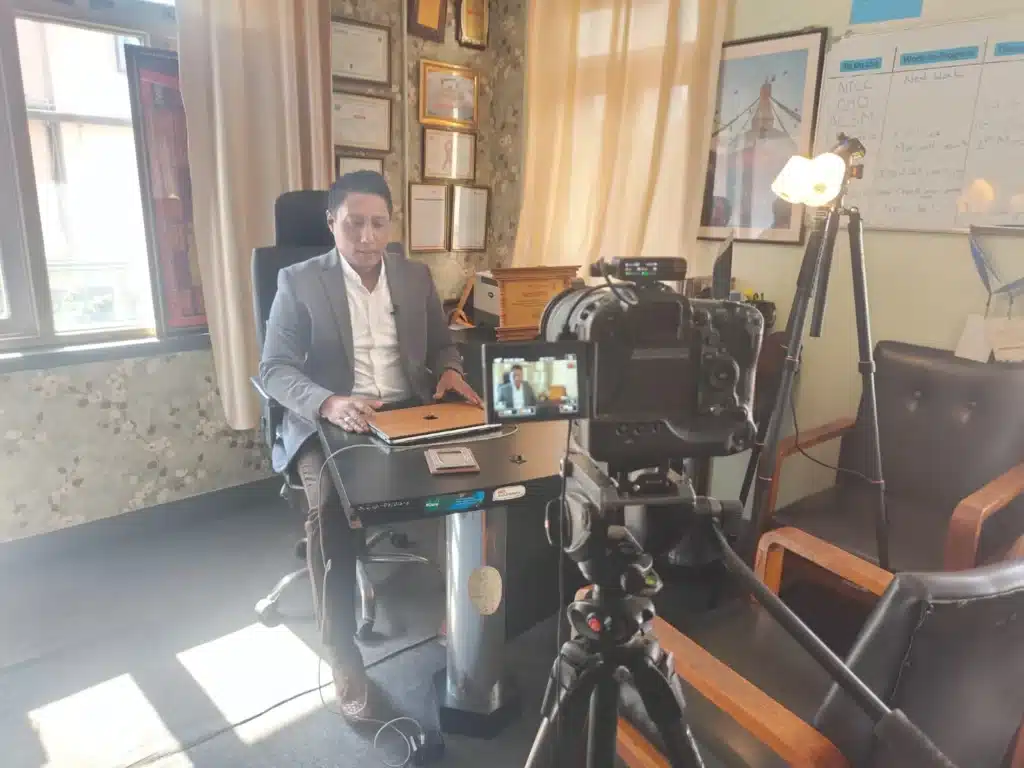
One of the early rural filming days began at a rural municipality office, where interviews were conducted with senior departmental representatives overseeing health programmes. Hoodlum’s Film Fixers in Nepal ensured that these engagements were planned in advance, with clear explanations of filming scope and time requirements.
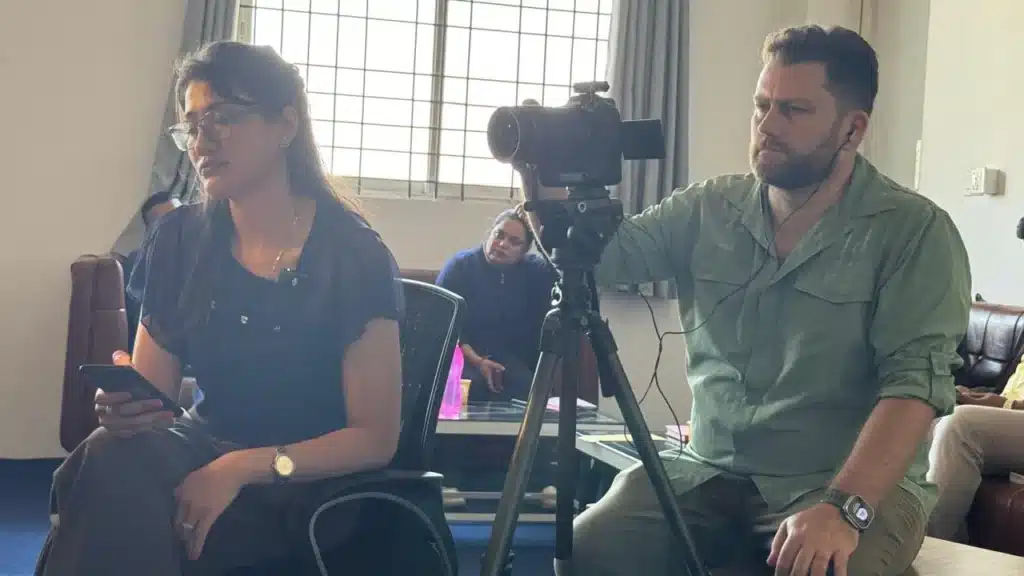
Operational support ensured that equipment setup, interview placement, and sound considerations were handled efficiently within administrative environments. By keeping crews compact and workflows organised, filming proceeded smoothly within official settings that often operate on tight schedules.
Maintaining Professional Standards in Modest Facilities
Rural offices often lack the spatial flexibility of urban buildings. Experienced local fixers helped identify appropriate interview spaces, manage ambient noise, and coordinate staff movement. These practical decisions, while subtle, are critical to maintaining professional output quality.
Through dependable Production Support Nepal, the crew avoided delays and completed all planned interviews within allocated windows, preserving goodwill and ensuring future access remained uncomplicated.
Home Visits and Community-Based Filming
Coordinating Access to Private Homes
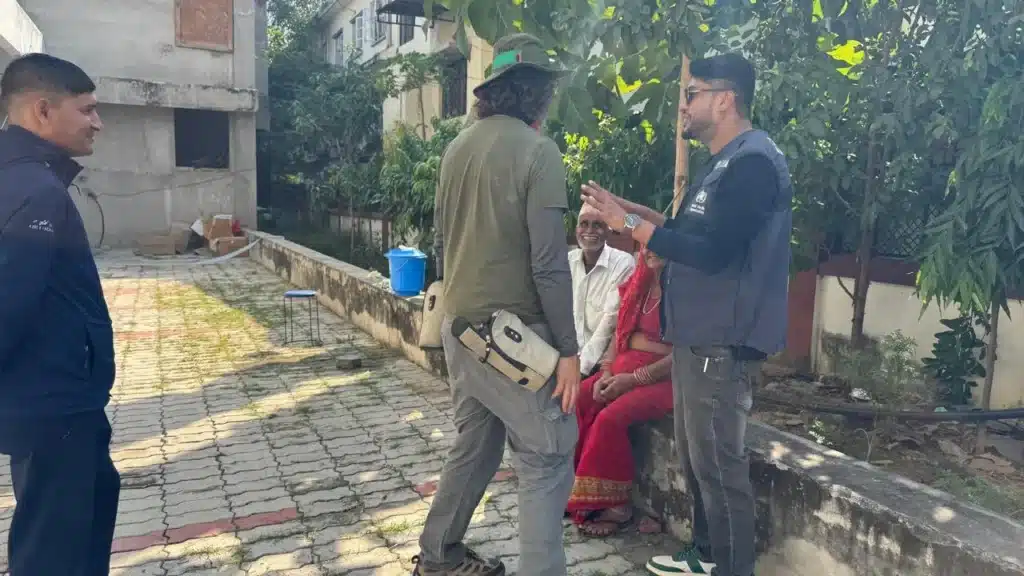
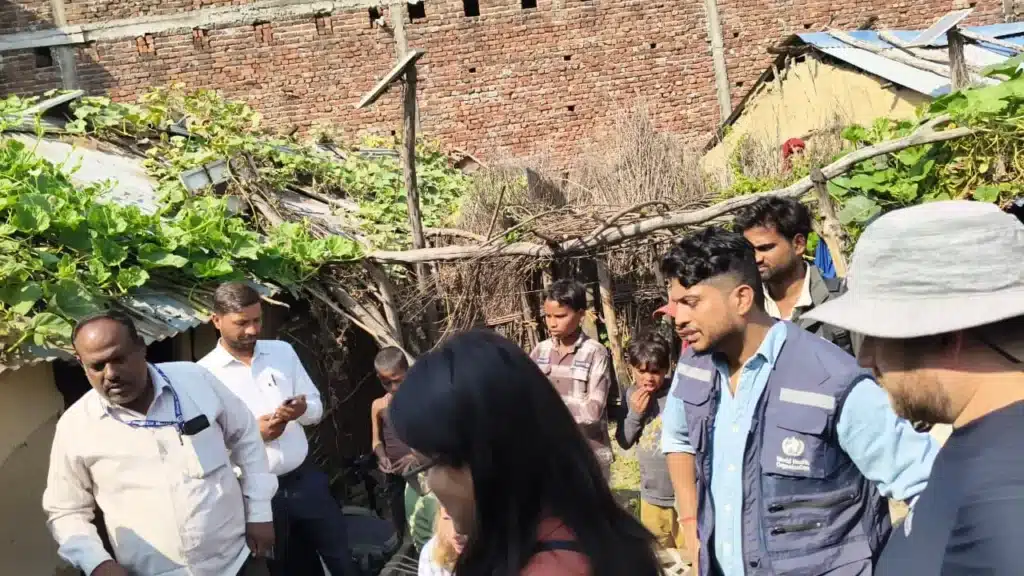
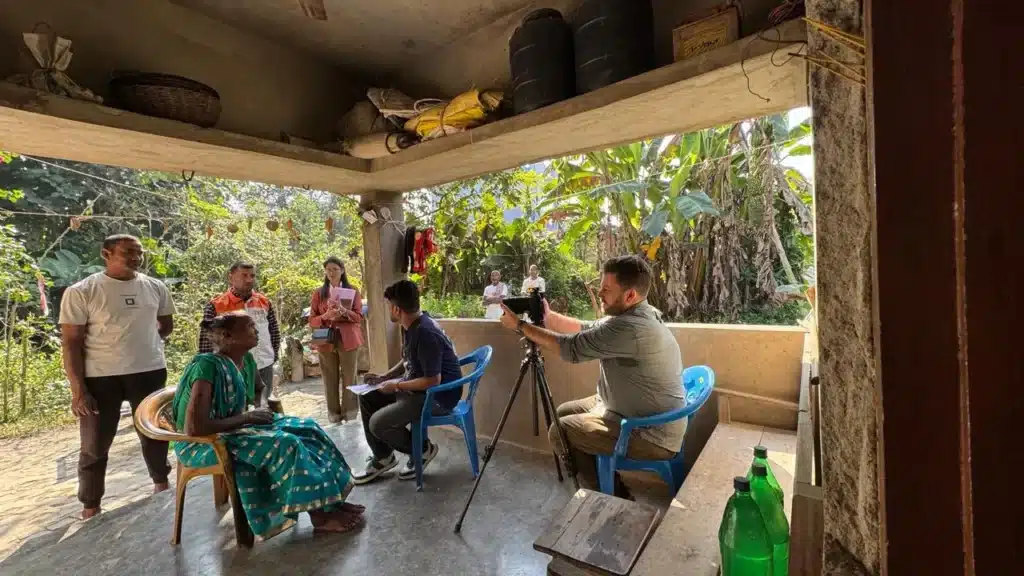
Filming inside private homes requires careful preparation, cultural sensitivity, and trust. Hoodlum’s Film Fixers in Nepal coordinated home visits in advance, working closely with local health workers and community volunteers. This ensured participants understood the filming process and felt comfortable throughout the interaction.
Logistical planning accounted for travel routes, equipment portability, and time buffers, allowing the crew to reach remote homes without rushing or compromising safety. Filming teams prioritised discretion, ensuring crews remained respectful and unobtrusive during each visit.
Balancing Storytelling With Cultural Awareness
Community-based filming often involves nuanced social dynamics. Local coordinators guided the crew on customs, appropriate conduct, and communication styles. This guidance helped maintain a calm filming environment and fostered open, genuine conversations during interviews.
Consent processes, permissions, and scheduling were handled carefully, protecting both participants and the production. This level of care is essential when operating within community settings across Nepal.
Capturing Community Life and Supporting B-Roll
Filming Beyond Interviews
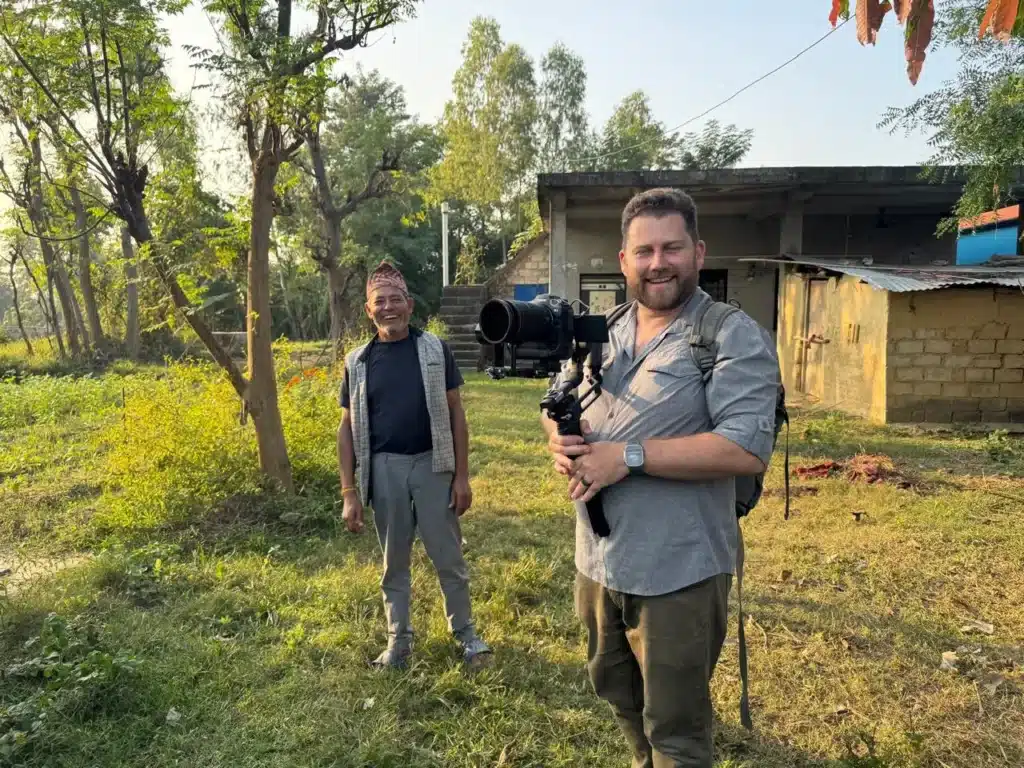
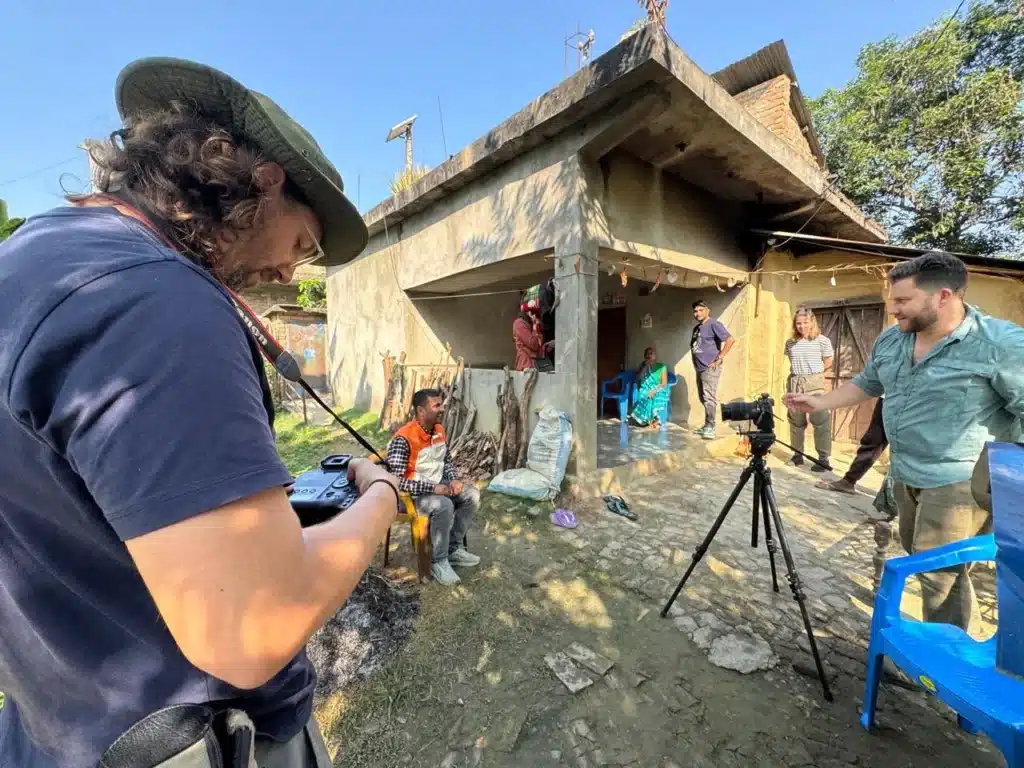
In addition to structured interviews, the production captured b-roll of rural environments, daily activities, and community interactions. Local fixers identified suitable moments and locations, advising on timing and sensitivities to avoid disruption.
Crew movement between locations was kept efficient, allowing the team to gather contextual footage without extending filming days unnecessarily. This approach helped preserve energy levels while maintaining visual depth.
Working With Community Health Volunteers
Female Community Health Volunteers played a vital role in facilitating access and communication. Local coordinators arranged interviews and filming with these volunteers, ensuring their responsibilities and schedules were respected.
Clear briefing, structured timing, and transparent communication strengthened trust and allowed filming to proceed organically. The resulting material reflected authentic engagement rather than staged interaction.
Managing Daily Travel and Regional Transitions
Travel Planning as a Core Production Function
Daily movement between rural locations requires precise planning. Roads, traffic conditions, and travel times can vary widely. Hoodlum’s Film Fixers in Nepal managed routing and timing, allowing the crew to maintain realistic call times and avoid fatigue.
Vehicle coordination, driver scheduling, and contingency planning ensured consistency even when operating far from major urban centres. These elements helped maintain momentum throughout extended travel days.
Maintaining Crew Energy and Focus
Long travel days can impact performance if not managed carefully. Scheduling prioritised reasonable call times, appropriate breaks, and clear daily objectives. Local coordination teams monitored pacing closely, adjusting plans where necessary to maintain productivity without overextension.
Attention to crew well-being is a defining element of professional field operations, particularly on extended documentary-led productions.
Returning to Regional Offices and Completing Field Segments
Consolidating Filming at Health Offices
As rural filming concluded, the production returned to regional health offices to complete remaining interviews. Local fixers ensured these sessions aligned with earlier discussions, maintaining continuity across filming days.
Efficient setup and wrap procedures allowed the crew to complete all planned filming without redundancy. Data handling, equipment management, and documentation remained organised throughout.
Preparing for the Next Phase of Production
By the end of this phase, the production had successfully completed complex rural filming while maintaining schedule integrity. The groundwork laid by experienced Film Fixers in Nepal positioned the project for the next stage: extended regional travel, additional community organisations, and multi-location coordination across several districts.
Why This Phase Highlights the Value of Film Fixers in Nepal
Rural filming in Nepal underscores why experienced local fixers are indispensable. Their understanding of geography, culture, administration, and logistics enables productions to move confidently into environments that would otherwise be difficult to access.
Supported by structured coordination and adaptable workflows, Hoodlum’s team maintained operational clarity, respected local contexts, and delivered a seamless production experience across diverse and challenging locations.
Scaling Production Support Nepal Across Multiple Regions
As the production progressed into its later stages, the scope widened to include multiple districts, organisations, and community groups across Lumbini, Kapilvastu, Bhairahawa, and surrounding areas. This phase demonstrated how experienced Film Fixers in Nepal and structured coordination allow productions to scale without losing consistency, accuracy, or momentum.
Multi-region filming in Nepal is rarely linear. Travel distances, organisational schedules, and access windows must be balanced carefully. Hoodlum’s operational approach is designed around this reality, allowing teams to adapt daily while maintaining a clear framework.
Long-Distance Travel and Location Sequencing
Managing Extended Drive Days
One of the most logistically demanding days involved a five-hour drive to the first filming location near Lumbini. Local fixers planned this day with precision, confirming departure times, rest stops, arrival windows, and location readiness well in advance.
Travel time was built into the filming schedule realistically, avoiding rushed interviews or compromised setups. Vehicles, drivers, and equipment transport were coordinated to maintain safety and efficiency, even on long-distance days.
Maintaining Continuity Despite Distance
Extended travel can easily disrupt production rhythm. Local coordinators worked closely with the crew to ensure filming objectives remained achievable upon arrival. Advance communication with hosts ensured interview participants were prepared and available despite travel delays or schedule adjustments.
This level of foresight is essential when working across geographically dispersed regions.
Filming With Community Organisations and NGOs
Structured Introductions and Welcome Programmes
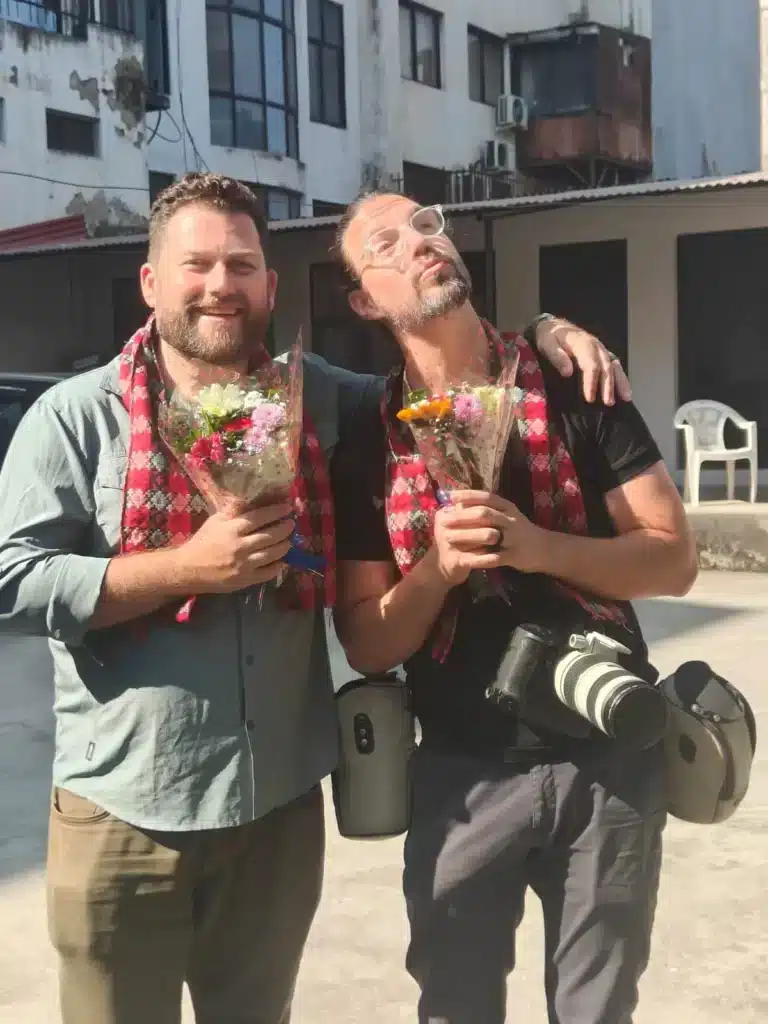
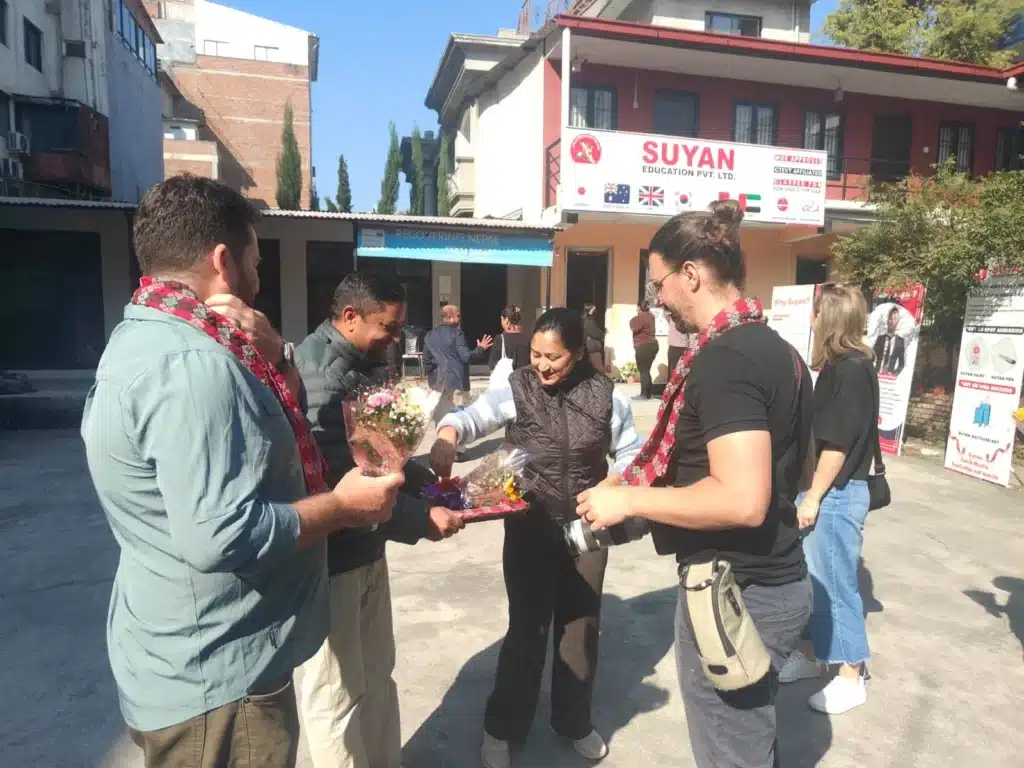
Several filming days began with short welcome or introductory programmes hosted by local organisations. These engagements were coordinated in advance, ensuring expectations were aligned on both sides.
Filming respected organisational protocols while still capturing required content efficiently. This balance allowed institutions to feel respected while maintaining production timelines.
Working Within Organisational Environments
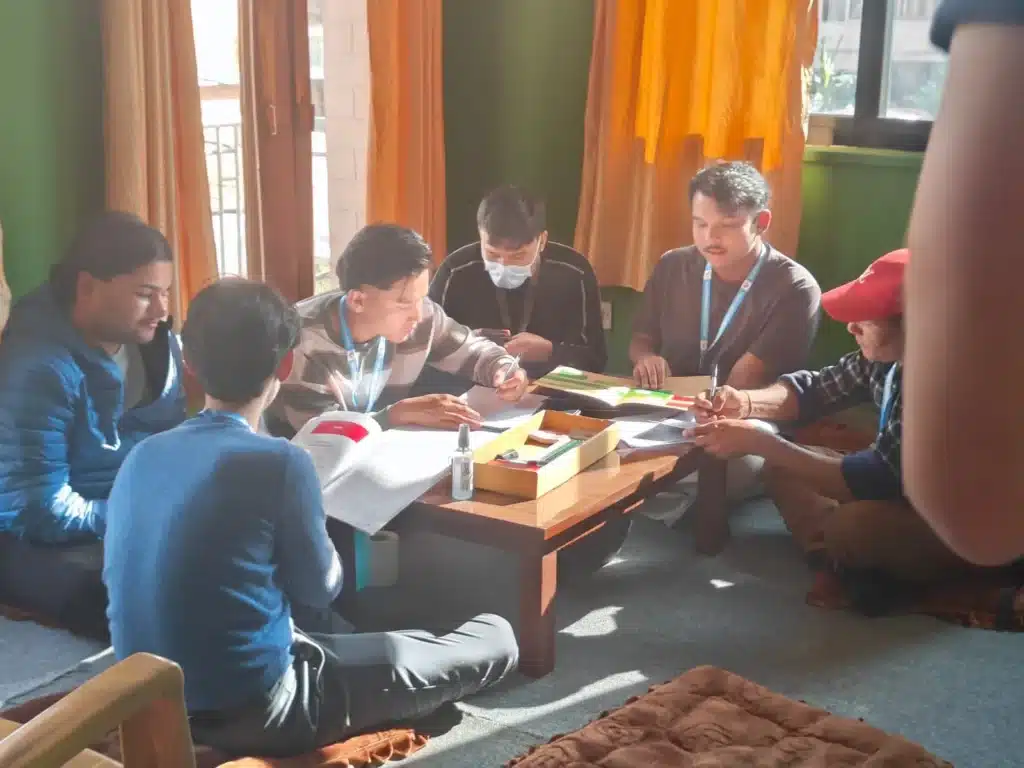
Filming inside NGO offices, community centres, and support facilities requires adaptability. Local teams helped identify suitable interview spaces, manage sound conditions, and coordinate participant movement.
Permissions, releases, and internal approvals were handled smoothly, allowing filming to proceed without interruption across diverse organisational settings.
Filming Self-Care Groups and Community Interactions
Capturing Group Dynamics Respectfully
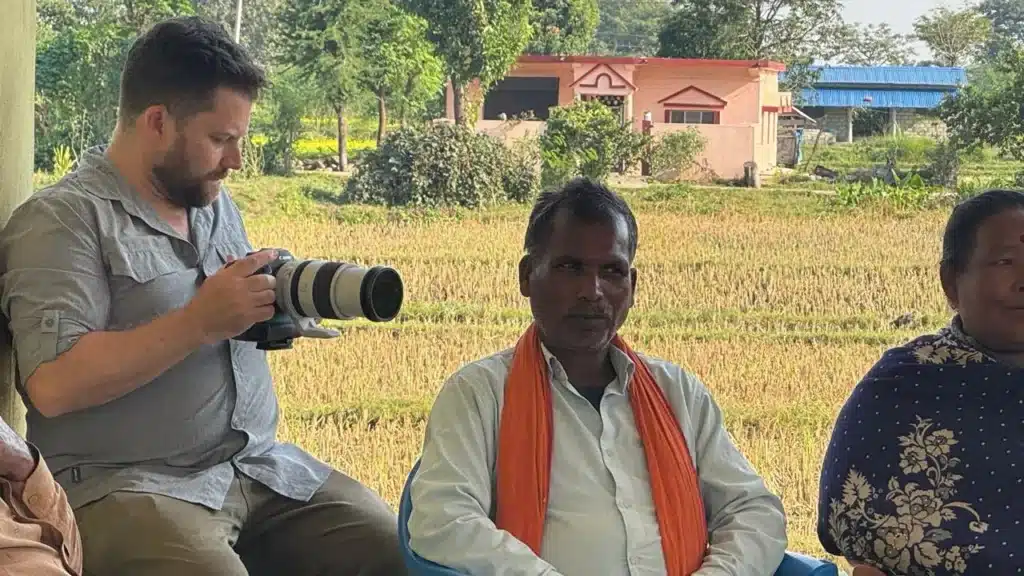
Group-based filming introduces additional considerations around consent, privacy, and participant comfort. Coordinators ensured group members were informed and comfortable with the filming process.
Camera placement, crew size, and filming duration were kept appropriate to the setting. This approach allowed interactions to unfold naturally while maintaining technical quality.
Managing Multiple Interviews in Single Locations
In several locations, the production conducted multiple interviews back-to-back, including coordinators, representatives, and service recipients. Scheduling was managed carefully to prevent bottlenecks or fatigue among participants.
Smooth transitions between interviews allowed the crew to maximise efficiency without compromising participant experience.
Advocacy Groups and Sensitive Subject Matter
Coordinating Filming With Advocacy Organisations
Later stages of the production involved filming with advocacy groups and community organisations supporting marginalised populations. Introductions were handled carefully, ensuring filming remained respectful and appropriate.
Briefings covered sensitivity considerations, appropriate language, and filming boundaries. The crew maintained a discreet, professional approach, allowing participants to engage openly without feeling pressured.
Maintaining Trust and Professional Conduct
Trust is fundamental when filming sensitive topics. Consent processes were clearly explained and followed. Filming environments remained calm and controlled, reinforcing ethical standards throughout.
This approach reflects Hoodlum’s commitment to responsible field operations, where care and professionalism are embedded at every stage.
Managing Multiple Locations in a Single Day
Sequential Filming Without Compromise
On days involving multiple organisations and locations, movement schedules were coordinated precisely. Locations were sequenced strategically to reduce travel time and maximise filming windows.
Equipment setup and breakdown were streamlined, allowing the crew to move efficiently. Clear communication between departments ensured consistency across locations.
Adapting to Real-Time Changes
Despite careful planning, field production often requires adaptation. Local coordinators monitored conditions continuously, adjusting schedules as needed while protecting core filming objectives.
This flexibility allowed last-minute changes to be absorbed without disrupting the broader schedule.
Final Regional Filming and Project Wind-Down
Completing Final Interviews and B-Roll
As filming neared completion, the production captured final interviews and supporting b-roll at selected locations. Sessions aligned with earlier footage, maintaining narrative continuity.
Equipment, data, and documentation were tracked carefully, ensuring consistency through the final shoot day.
Coordinating Final Travel and Departures
The final phase included coordinated transport back to the airport and return flights to Kathmandu. Timing, ground transport, and airport procedures were managed smoothly, allowing the project to conclude without unresolved logistical issues.
Attention to closure ensured a clean wrap for both crew and local partners.
Why This Phase Demonstrates the Strength of Production Support Nepal
This multi-region phase highlights how effective Production Support Nepal enables complex productions to operate confidently across diverse environments. From extended travel days to sensitive organisational filming, local coordination provided stability, insight, and practical problem-solving at every step.
Supported by adaptable Film Production Services in Nepal, the production maintained momentum, respected local contexts, and completed all objectives without compromise.
Production Outcomes and On-Ground Reflections
This Nepal production stands as a clear example of how experienced Film Fixers in Nepal, paired with structured coordination, allow international crews to operate confidently across complex environments without overexposing operational details or disrupting local systems.
Across eight active filming days, the production moved seamlessly between capital-level institutions, regional hospitals, rural municipalities, community organisations, advocacy groups, and private homes. Each environment came with its own expectations, sensitivities, and logistical demands. What unified the project was consistency: consistent crew support, scheduling, and local coordination delivered through Hoodlum’s approach.
Rather than focusing on spectacle, this production prioritised clarity, access, and respect. That approach allowed interviews to unfold naturally, b-roll to feel authentic, and contributors to remain comfortable throughout the process.
Why Nepal Works for Documentary-Led Productions
Nepal offers a filming environment that is grounded, human, and visually rich without being overproduced. For documentary, humanitarian, development, and NGO-focused productions, this balance is invaluable.
Accessible Institutions and Communities
Public institutions and community organisations are open to collaboration when approached correctly. Local fixers understand how to initiate conversations, manage expectations, and secure access in a way that feels respectful rather than transactional.
Geographic Diversity Without Excessive Travel
Within a single production, crews can move from dense urban centres to border regions, rural villages, and cultural heritage areas. With experienced local coordination, these transitions remain efficient and predictable.
Why Hoodlum’s Approach Matters in Nepal
Hoodlum’s work in Nepal is built on preparation rather than reaction. Instead of responding to issues as they arise, local partners anticipate friction points and resolve them before they affect filming.
Production coordination is designed to protect the creative focus of the crew. While directors and producers concentrate on storytelling, permits, access, transport, and scheduling are handled quietly in the background.
This separation of responsibilities allows productions to remain efficient without feeling rushed or constrained, delivering results that are respectful, accurate, and professionally executed.
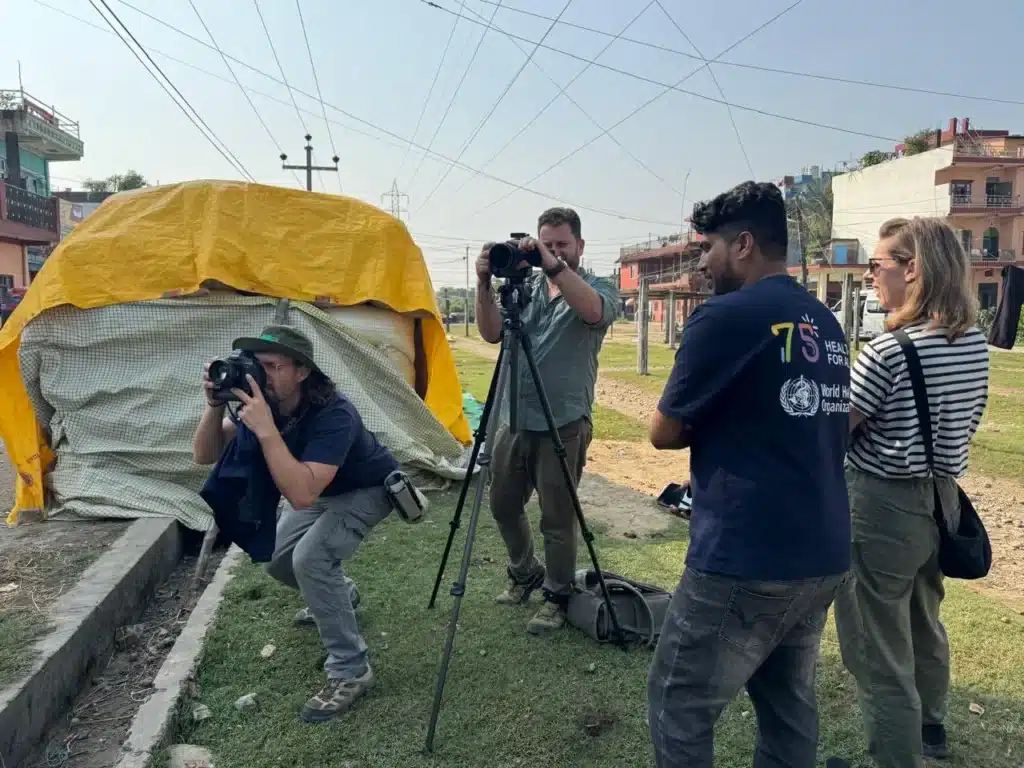
Behind the Scenes
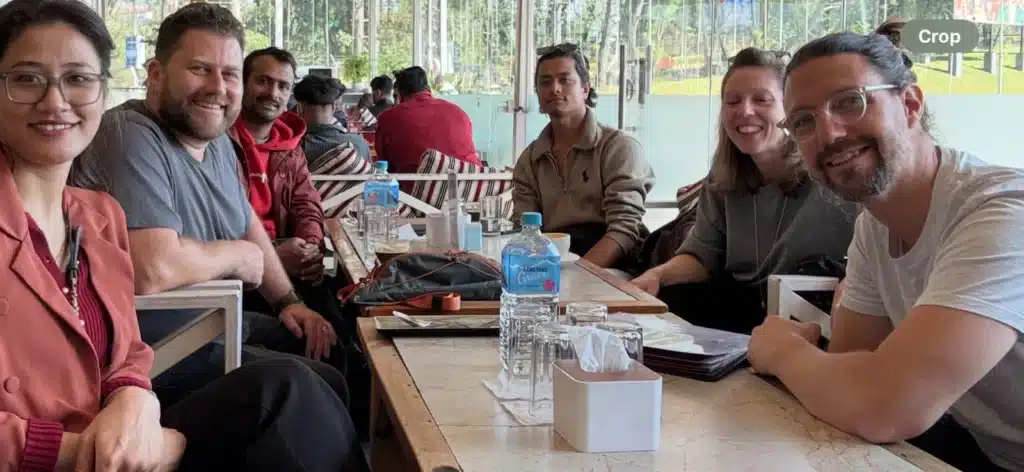
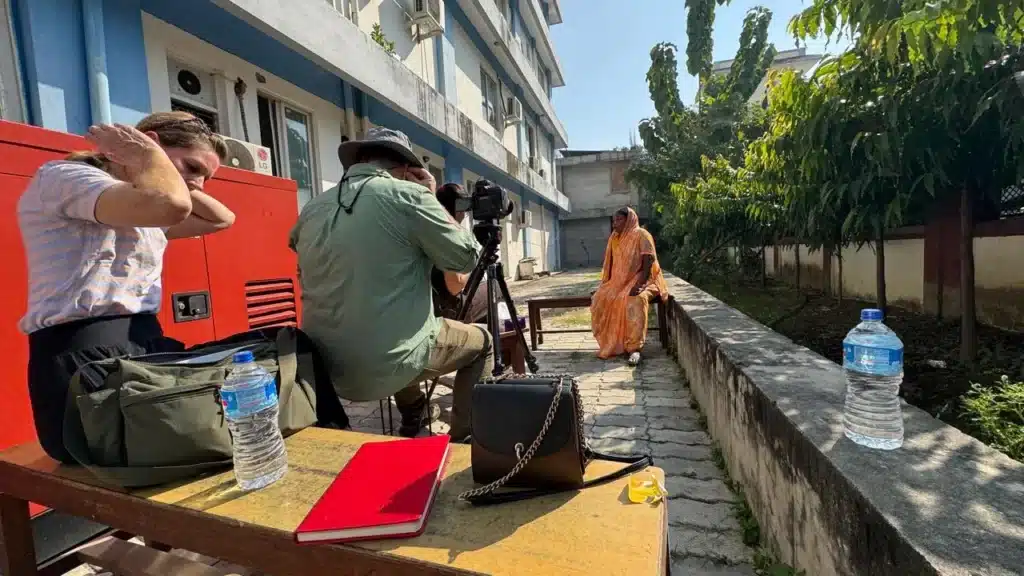
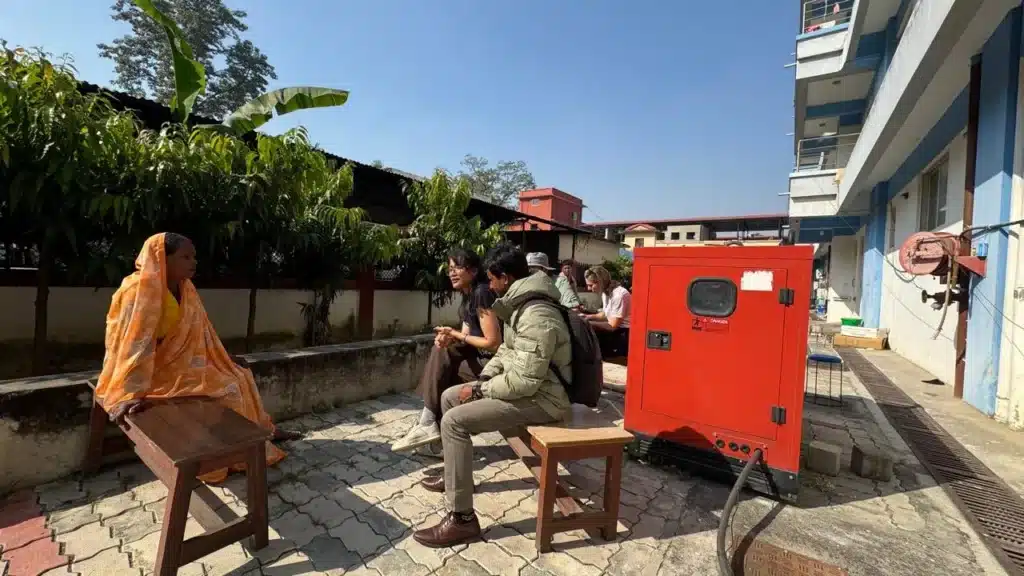
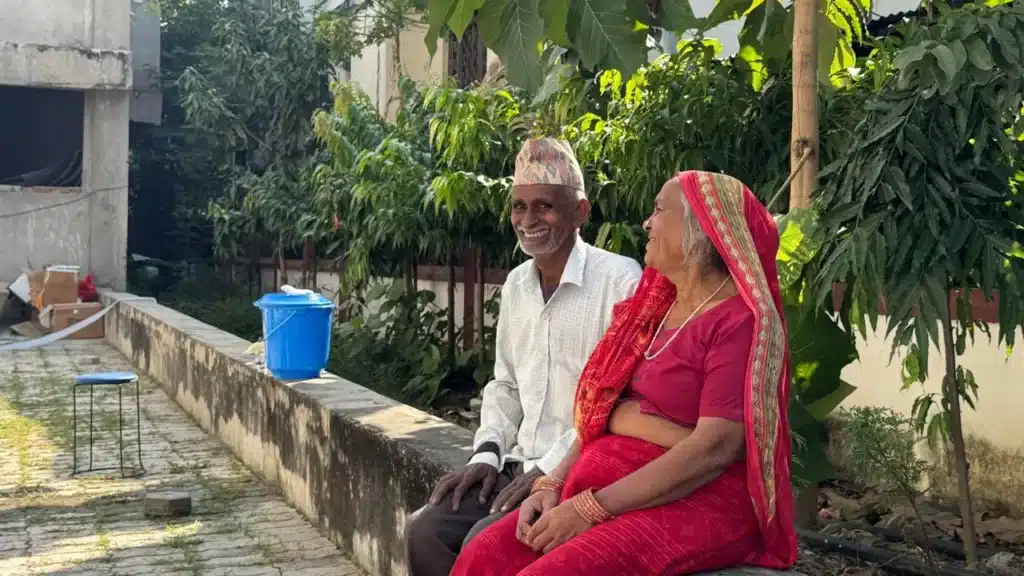
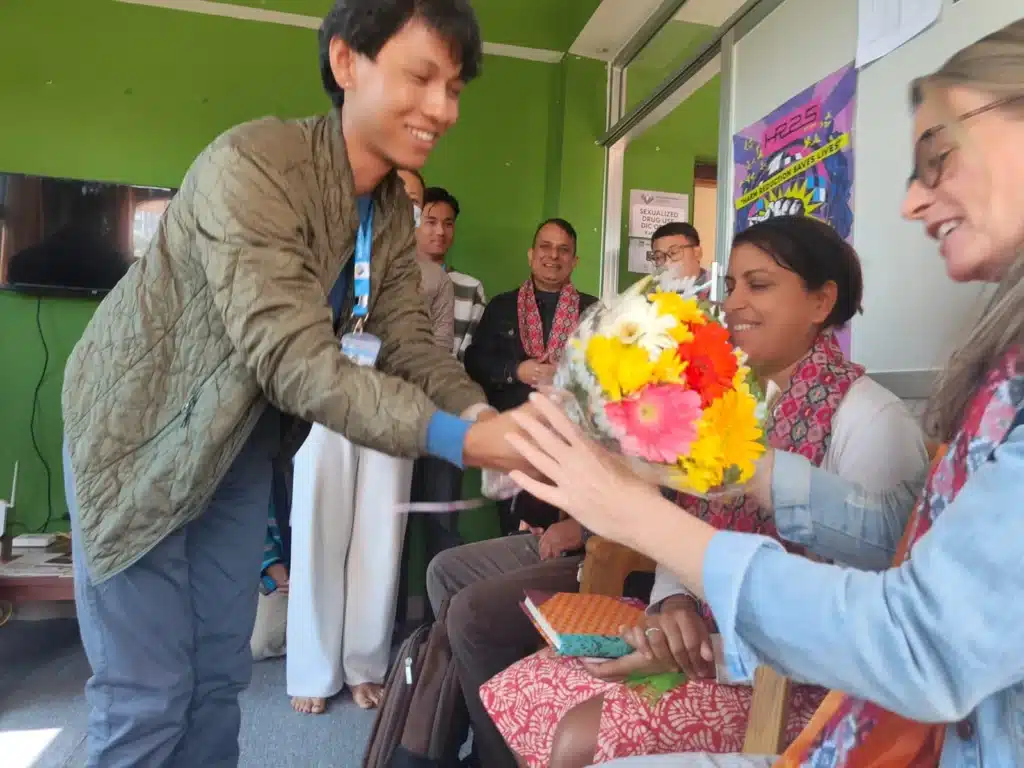
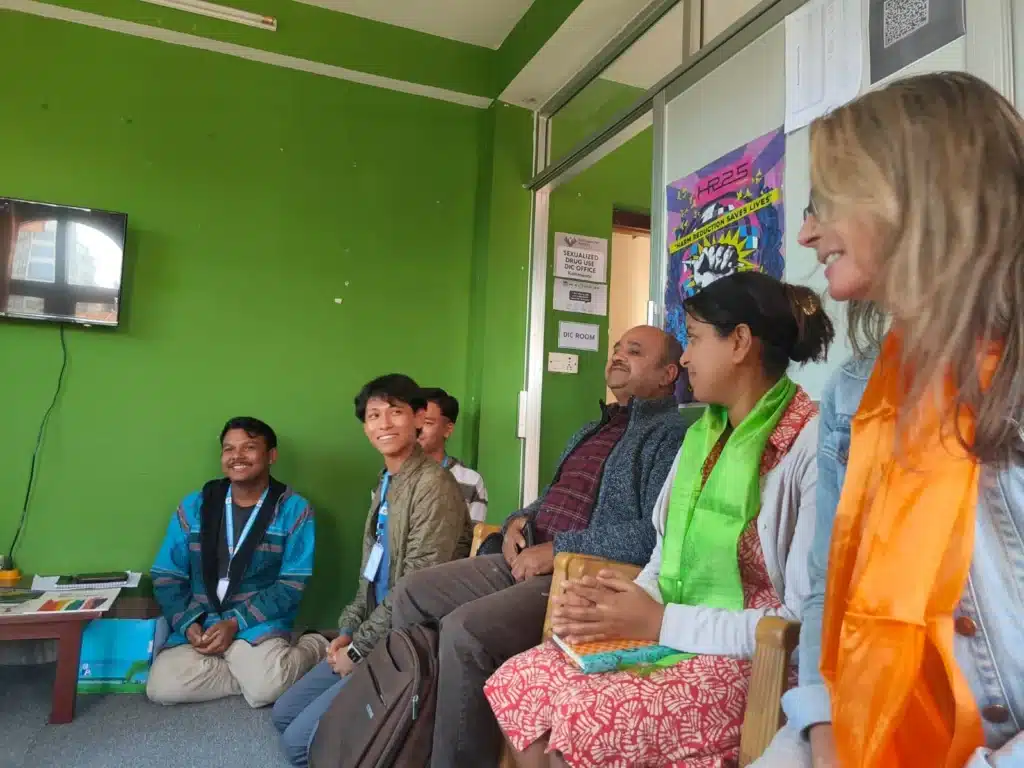
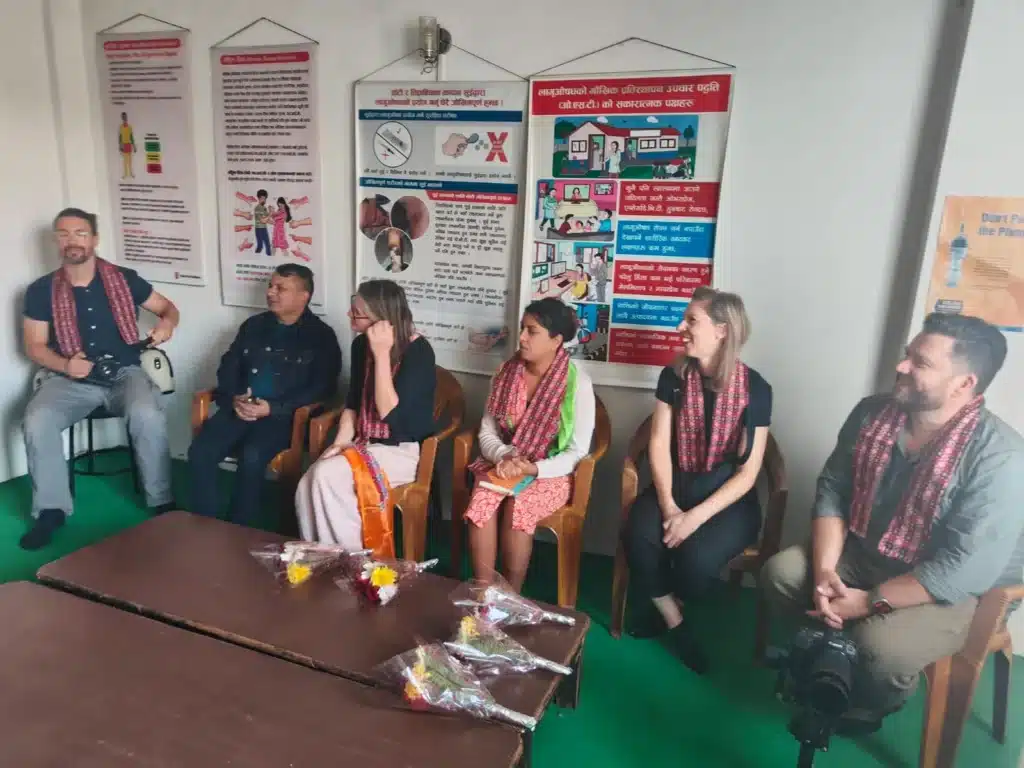
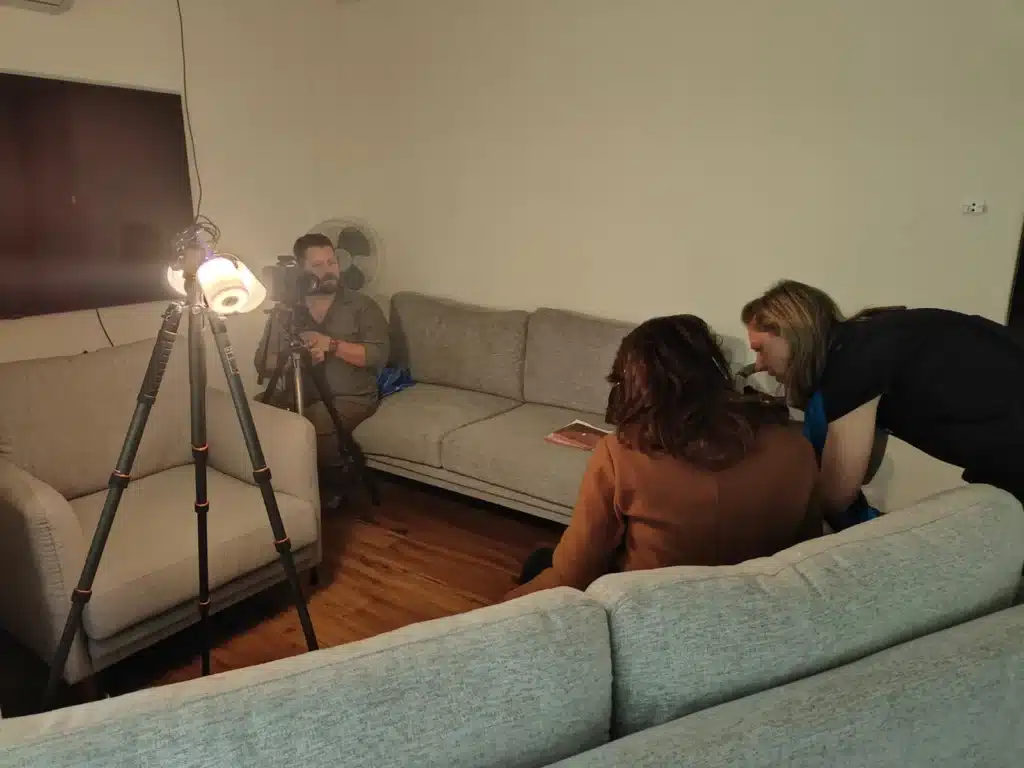
Frequently Asked Questions: Filming in Nepal
Do international productions need local film fixers?
Yes. Film Fixers in Nepal are essential for navigating permits, institutional access, regional logistics, and cultural expectations. Without local fixers, productions risk delays, access issues, or miscommunication with authorities and communities.
Is Nepal suitable for multi-location productions?
Absolutely. With proper Production Support, crews can film across multiple regions efficiently. While travel times must be planned carefully, experienced Film Fixers in Nepal ensure schedules remain realistic and achievable.
How complex are filming permits in Nepal?
Permitting varies depending on location and subject matter. Film Production Services manage this process by coordinating with national bodies, local authorities, and institutions, ensuring approvals are secured in advance.
Is Nepal appropriate for sensitive or community-based storytelling?
Yes, when approached responsibly. Film Fixers help productions engage respectfully with communities, while Production Support ensures ethical filming practices are followed throughout.
Can Nepal support professional international crews?
Yes. Nepal has a growing pool of skilled local crew, and Film Production Services integrate international teams smoothly through clear communication and structured workflows.
Filming in Nepal With Confidence
This project demonstrates that Nepal is not only visually compelling but operationally reliable when supported correctly. Through experienced Film Fixers, structured Production Support, and professional Film Production Services, international crews can work across the country with clarity, respect, and efficiency.
Nepal rewards preparation. Productions that invest in the right local partnerships gain access to powerful stories, grounded environments, and collaborative institutions. Hoodlum’s approach ensures that each production benefits from this potential without unnecessary complexity.
This blog post was written by Zandri Troskie-Naudé using verified information supplied by Hoodlum’s on-ground production partners and publicly available data from national and regional film authorities. The content reflects current industry practices, filming requirements, and operational standards followed by professional production teams working across the country.
Film Authorities & Resources in Nepal
For productions filming in Nepal, the following official bodies provide guidance, permissions, and regulatory oversight:
- Film Development Board Nepal – https://www.film.gov.np
- Ministry of Communications and Information Technology – https://mocit.gov.np
- Department of Immigration Nepal – https://www.immigration.gov.np
These authorities oversee filming permissions, foreign crew regulations, and compliance requirements. Hoodlum’s Film Fixers in Nepal work directly within these frameworks, supported by reliable Production Support Nepal that aligns with national regulations.