
Documentary Filming in Belize is one of those rare assignments where the visuals are effortless and the logistics are not. You get reef, jungle, rivers, caves, colonial architecture, Maya sites, and living cultures packed into a small footprint. What makes the difference between a doc that feels calm and a doc that feels chaotic is planning: permissions, access, safety, equipment flow, and on-ground coordination that respects people and place.
Hoodlum is built for exactly this kind of production environment. We run Documentary Filming in Belize as an end-to-end system: research, recce, schedules, local coordination, permits, customs clearance, transport, safety planning, and daily field execution. Start with Hoodlum’s Belize page for a clear overview of services and production considerations: http://hoodlum.tv/where-we-work/belize/
Documentary Filming in Belize: what changes compared to other destinations
Documentary Filming in Belize is defined by three realities:
- Multiple stakeholders, often in the same day
You might be dealing with private landowners, protected area managers, community leaders, and government entities depending on your topic and access needs. - Nature is cinematic and operationally demanding
Jungle humidity, marine conditions, and fast weather changes mean you need a field plan that protects gear and keeps crew safe. - Story ethics are part of production, not a footnote
Docs depend on trust. Your schedule has to leave room for consent processes, cultural considerations, and community-first behavior.
This is where Film Infrastructure in Belize matters. Not because it looks like a studio lot, but because the real infrastructure is the network of local coordination, transport, permitting pathways, and practical support that keeps cameras rolling.
Film Infrastructure in Belize: what “infrastructure” really means for docs
Film Infrastructure in Belize is best understood as a capability stack rather than a single facility. For Documentary Filming in Belize, the infrastructure that matters is:
- A clear registration pathway through the Belize Film Commission
- Local coordination and crew support to manage permissions, access, and day-to-day problem solving
- Customs pathways and equipment paperwork so gear arrives and moves without delays
- Location access knowledge for caves, reefs, jungle routes, protected sites, and private properties
- Transport planning that matches road conditions, boats, and seasonal changes
Hoodlum uses Film Infrastructure in Belize in a service-forward way: we don’t just “know the pieces,” we connect them into one plan that supports the story. If you want a quick overview of the country’s production realities and typical workflows, Hoodlum’s Belize location deck is a strong operational companion to this blog: http://hoodlum.tv/wp-content/uploads/2025/09/Belize-Location-Deck.pdf
Registration, permissions, and lead times
A common misconception is that documentary work is too small to need formal steps. Documentary Filming in Belize still requires proper registration and location permissions, even for lean crews, especially when you’re using public sites or protected areas.
Belize Film Commission guidance makes it clear that non-Belizean production companies should first register with the Office of the Belize Film Commissioner, with a certificate valid for 30 days and a processing fee (and extensions available).
From a practical standpoint, Documentary Filming in Belize should start with these actions:
- Draft a clear letter of intent and project outline
- Confirm your location list early, even if it’s broad
- Build a permissions matrix for each location (owner/authority, contact path, required releases)
- Lock a realistic timeline that accounts for approvals and travel days
This is where a Line Producer in Belize becomes a schedule-saver, because they translate creative intent into a feasible access plan and keep each approval moving in parallel.
Line Producer in Belize: why documentary shoots benefit from structured production control
Documentary Filming in Belize often looks “lightweight” on paper. But the more real-world your subject, the more operational control you need. A Line Producer in Belize helps keep documentary teams fast and respectful at the same time.
A strong Line Producer in Belize typically focuses on:
- turning the outline into a filmable schedule with contingency days
- coordinating permissions and releases so the doc doesn’t lose scenes to access issues
- building a transport plan that matches the terrain (road, river, marine)
- managing equipment movement and customs documentation
- running field logistics: call times, meals, safety checks, comms, and daily pivots
At Hoodlum, we provide Line Producer in Belize support as part of a full production services approach. The goal is simple: your director stays focused on story and relationships, while the machine underneath stays steady.
Locations for documentary work and how to plan them
For Documentary Filming in Belize, location planning should be grouped by how locations behave operationally.
Coastal, reef, and island days
These are high-value doc days, especially for environment and culture stories, but they require planning around:
- boat availability and weather windows
- tides and safe landing/loading
- gear protection and dry workflow design
Film Infrastructure in Belize supports these days through local marine resources and coordination, but you still need a field plan. Hoodlum builds marine doc days with safety briefings, realistic move-time, and backup options when conditions shift.
Jungle and rainforest access
Jungle doc days can be incredible and exhausting. Planning needs:
- route and access confirmation
- guides where needed
- humidity protection for sound and camera
- contingency time for delays
Documentary Filming in Belize works best when jungle days are not stacked back-to-back without recovery time. A Line Producer in Belize will structure the schedule so your crew can sustain quality.
Caves, rivers, and inland water
These locations are visually unique but introduce higher risk, especially for footing, water conditions, and limited egress.
Hoodlum plans these days with a risk-first mindset: define safe zones, confirm who controls access, ensure the right safety resources, and build time for careful movement.
Towns, cultural sites, and daily life filming
These are often the most sensitive and story-critical parts of Documentary Filming in Belize. The schedule must allow time for:
- consent processes
- community engagement and expectations
- respectful filming practices and minimal disruption
Film Infrastructure in Belize supports this through local knowledge and coordination, but execution is what matters. Hoodlum’s production teams are trained to protect relationships, not just shots.
The permit matrix that prevents schedule surprises
Even when you have registration, each location can still require separate permission. Belize Film Commission FAQ notes that a separate Film Location Application Form is required for each location, with documentation such as maps and signed consent forms, and additional materials for stunts/aerial/water sequences when applicable.
For Documentary Filming in Belize, the most reliable approach is a permit and permissions matrix that includes:
- location name and GPS reference
- who controls the location (private owner, managing authority, community body)
- what paperwork is required (consent form, releases, location application)
- safety requirements (especially for water, aerial, or remote days)
- access windows and restrictions
This is where the practical value of a Line Producer in Belize shows up. When permissions are treated like a production system, the shoot stays calm. When they’re treated like a last-minute email chain, doc teams lose days.
Customs, equipment flow, and why docs still need structure
Documentary Filming in Belize often involves lean kits, but even lean kits can get stuck if paperwork is unclear. Hoodlum’s Belize resources highlight customs clearance considerations and documentation requirements, including that Belize is not a carnet country and that planning time for customs clearance is needed.
A clean equipment plan for Documentary Filming in Belize includes:
- a complete equipment list with serial numbers
- who is carrying what (accompanied baggage vs cargo)
- clear arrival schedule and contact chain
- a plan for batteries, media, and data backups in humid conditions
- contingency for replacement items (what can be sourced locally vs imported)
Film Infrastructure in Belize can support doc crews well when documentation is prepared. Hoodlum makes that preparation part of the standard workflow, not an afterthought.
Scheduling documentary work so it doesn’t eat itself
Documentary schedules can spiral when interviews, access, and weather are treated like “we’ll figure it out.” A Line Producer in Belize keeps the plan flexible without becoming vague.
For Documentary Filming in Belize, the scheduling rules that usually protect the project are:
- Don’t stack your highest-risk access days consecutively
- Build interview days near stable infrastructure (power, quiet, backup indoor options)
- Separate travel reality from filming reality (move days are move days)
- Plan weather pivots: what you shoot if the planned location fails
- Build extra time for community-led shoots and consent processes
This is not about being slow. It’s about being fast without breaking trust or safety.
Safety planning that fits jungle and marine conditions
Belize can be a straightforward destination when you treat it professionally. Hoodlum’s Belize guidance highlights the need to account for tropical weather, ocean currents, jungle terrain, and remote logistics.
For Documentary Filming in Belize, safety planning should include:
- environmental risks (heat, humidity, rain, currents)
- wildlife and terrain hazards (where relevant to your footprint)
- water safety protocols for boats, reefs, and river work
- communication plan for remote days
- medical escalation plan (where the nearest appropriate care is, and how you get there)
A Line Producer in Belize will run safety as a daily habit: briefings, checks, and practical adjustments, not a document that lives in a folder.
How Hoodlum makes Documentary Filming in Belize feel easy
Documentary Filming in Belize goes best when the story team doesn’t have to fight the machine underneath. Hoodlum’s model is to provide that machine: calm, reliable, and built for field reality.
Here’s what Hoodlum typically runs for Documentary Filming in Belize:
- Research and feasibility: access, seasonality, location suitability
- Location recce support and permissions planning
- Film Commission registration coordination and location paperwork preparation
- Logistics: transport, accommodation, unit moves, field staging
- Customs clearance and equipment documentation support
- On-ground production support: daily coordination, fixes, and contingencies
- Risk management: safety planning aligned to your footprint
This is Film Infrastructure in Belize in action: not a static list of vendors, but an integrated service that keeps production stable.
And because your target audience is the same as Alaska, the tone stays the same: practical, decisive, producer-first. The difference is the environment: Belize asks for a documentary workflow that respects communities and nature as much as it respects time.
Production-focused FAQs
Do we need to register for Documentary Filming in Belize even with a small crew?
Yes. Belize Film Commission guidance indicates non-Belizean production companies should register with the Office of the Belize Film Commissioner to obtain a certificate valid for 30 days (with fees and extensions)
How long does Belize Film Commission approval usually take?
The Belize Film Commission FAQ notes the approval process is usually 2–3 working days after receipt of the application
Do we need location paperwork for each site?
Belize Film Commission FAQ indicates a separate Film Location Application Form is required for each location, with supporting documentation like maps and signed consent forms.
Is a local coordinator required for Documentary Filming in Belize?
Belize Film Commission FAQ states the services of a local coordinator are mandatory for filming in Belize, acting as the local representative for interaction with the Commission and other Belizean entities.
Do documentary crews need work permits in Belize for short shoots?
Belize Film Commission FAQ notes work permits are not required for crew if they will stay less than 30 days in the country.
Where does Hoodlum fit in if we already have a director and small team?
Hoodlum provides the production backbone for Documentary Filming in Belize: coordinating registration, permissions, logistics, safety planning, and on-ground support so your team can focus on the story.
Previous Work Done by Hoodlum
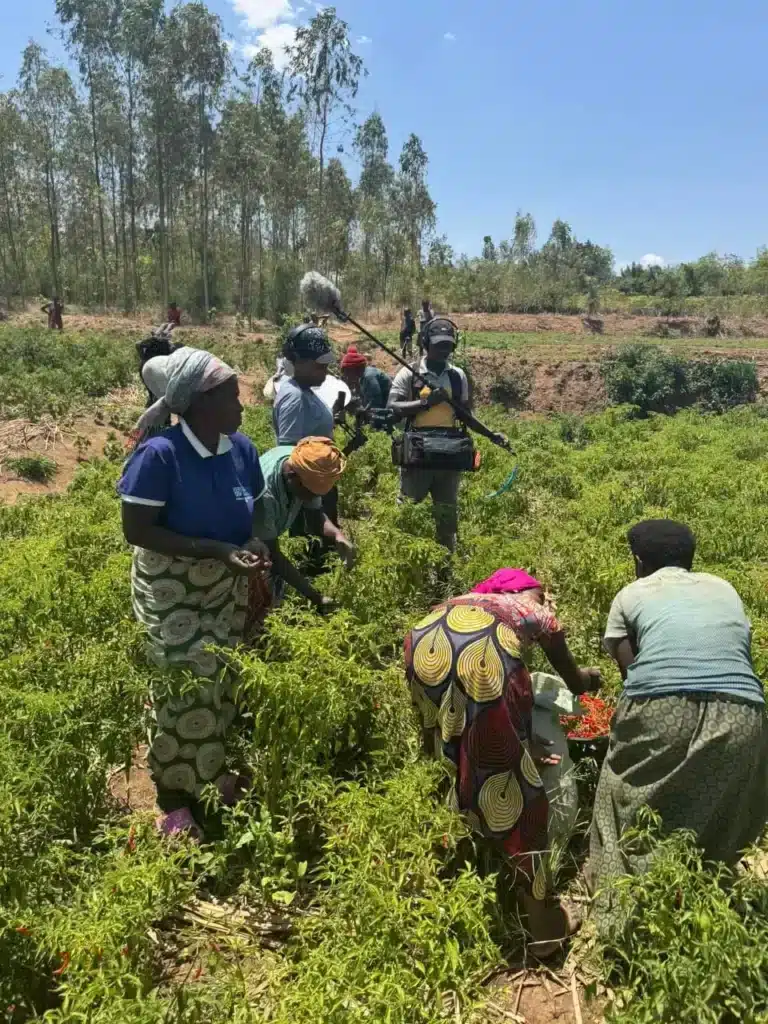
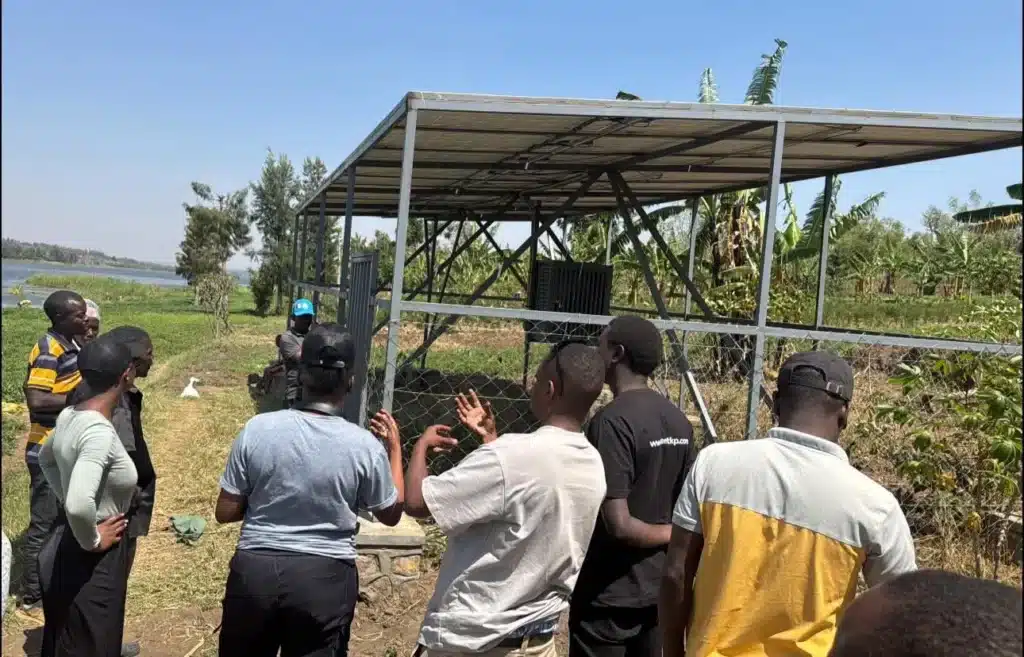
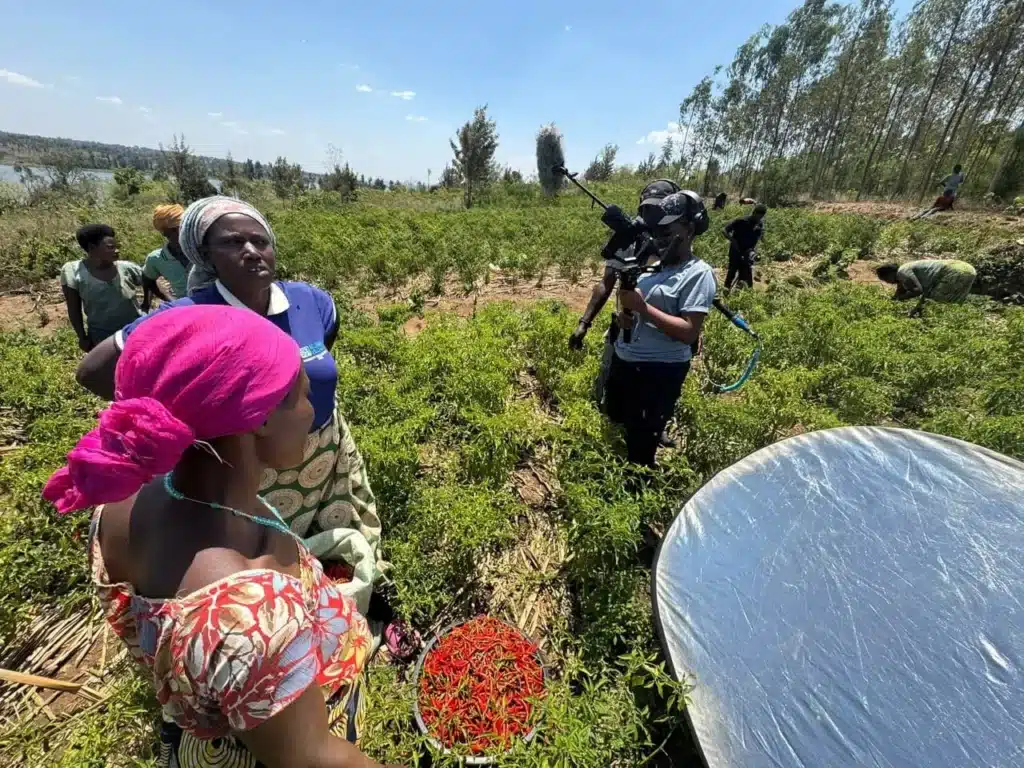
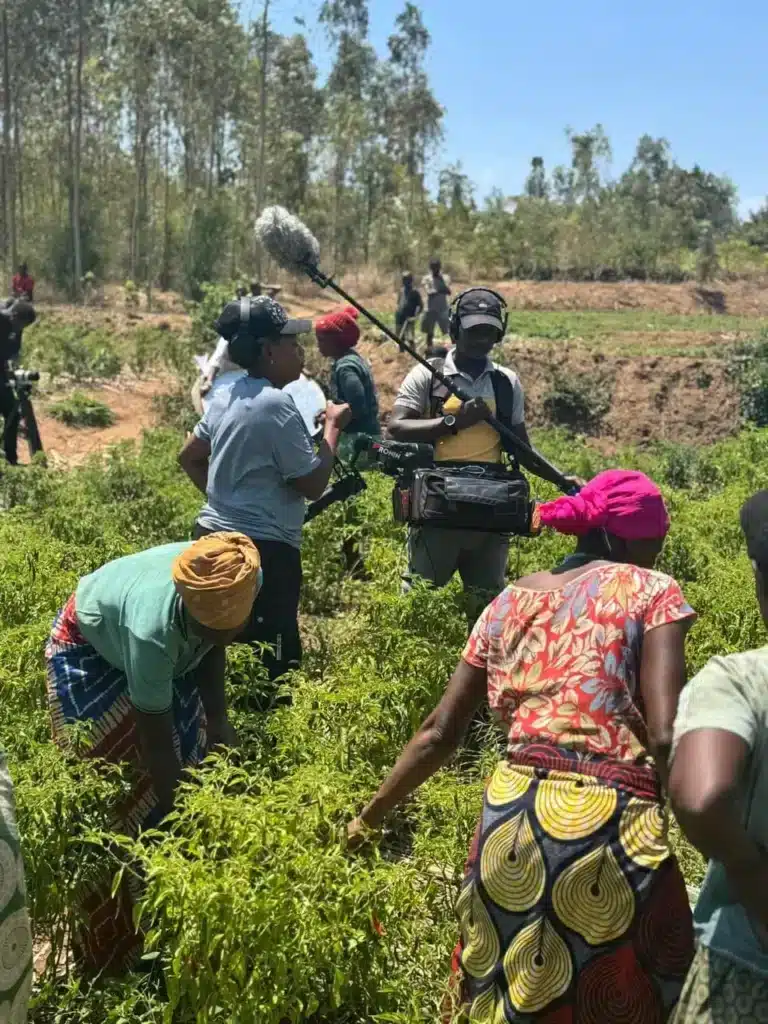
This article was written by Zandri Troskie-Naudé using verified information from relevant national authorities and regional production professionals, the filming environment reflects local regulatory oversight, location authority coordination, and established on-the-ground production capability. With experienced film fixers, comprehensive film production services, and dependable production support, productions operate within a framework built for structured, efficient execution.
Film Authorities and Industry Resources
For Documentary Filming in Belize, these official sources are where you validate requirements and begin formal processes:
- Belize Film Commission, Guide to Filming in Belize (fees, registration steps, location permissions guidance)
- Belize Film Commission, Apply to Film (forms and submission pathway)
- Belize Film Commission, FAQ (location applications, local coordinator requirement, timing notes)
When you align your production plan to these resources early, Film Infrastructure in Belize becomes predictable, and your field days become smoother.