
For producers, broadcasters, and documentary teams, the Middle East is not just a backdrop. It is a region where major stories unfold in real time, where access matters, and where the difference between a workable shoot and a stalled one often comes down to the quality of local support. That is why Film Documentaries in the Middle East requires more than a camera crew and a strong brief. It requires planning, regional knowledge, fast field coordination, and the kind of production structure that can keep pace with sensitive, fast-moving assignments.
This is where Hoodlum comes in. Hoodlum publicly positions itself as a global film fixing and production support company handling permits, locations, on-ground production, crew, gear, logistics, legal support, and security, with dedicated Middle East coverage and a regional contact point.
The opportunity here is not political. It is practical. If your team needs to document current events, capture stills, produce factual content, or support a live or near-live broadcast workflow, Production Support in the Middle East can make the difference between chasing the story and actually getting it filmed.
1. Access matters more than ambition
When stories are unfolding quickly, access becomes everything.
You may have the editorial brief, the team, and the intent, but without the right local pathway, the production can slow to a crawl. That is why Film Fixer in the Middle East is not a nice-to-have. It is often the engine behind the shoot.
A strong fixer or production partner helps with:
- local access coordination
- permit guidance
- schedule realism
- location handling
- transport planning
- culturally aware field support
For teams covering current events, that kind of support helps turn urgency into something executable.
2. Current-events filming still needs proper production architecture
There is a tendency to think that documentary or editorial work should move lightly and improvise everything. In reality, the strongest productions are usually the best prepared.
For Film Documentaries in the Middle East, that means building the shoot around the support systems that keep crews moving:
- field producers
- local fixers
- line production
- logistics coordination
- permit handling
- customs support
- security-minded planning
- crew sourcing where needed
Hoodlum’s public materials specifically describe support across permits, crew, logistics, legal, security, and on-ground production, which fits exactly the needs of documentary, stills, and broadcast-style crews working in sensitive environments.
3. Filming permits are part of the story, not admin in the background
One of the biggest mistakes producers make is treating permits as a late-stage paperwork problem. In reality, Filming Permits in the Middle East shape what is possible, where a team can operate, and how fast a production can move.
For example, Abu Dhabi Film Commission states that content approval is required as part of applications for ground, aerial, and marine filming permits, and that visiting media teams bringing equipment temporarily into Abu Dhabi must obtain a Media Equipment Entry Permit. Abu Dhabi’s FAQ page also states that permit review and issuance usually require up to 15 working days once complete documents are provided.
That is exactly why Production Support in the Middle East matters. The right partner helps producers think about permissions early, not when the crew is already at the airport with cases of gear and a collapsing timeline.
4. A film fixer helps crews move faster and more intelligently
A Film Fixer in the Middle East does more than translate or make calls. On documentary and current-events assignments, the fixer often becomes the bridge between editorial ambition and field reality.
That includes helping crews understand:
- what is actually filmable
- where access is realistic
- how to move equipment efficiently
- what timing works best on the ground
- how to coordinate local contributors and support
- when to adapt the plan before time and money disappear
This is particularly valuable for productions that need to remain nimble, whether that means a small documentary unit, a stills team, or a broadcast crew preparing for live inserts.
5. Hoodlum can support more than just documentaries
The strength of this blog is not only that Hoodlum can help with Film Documentaries in the Middle East. It is that Hoodlum can support a wider range of production formats built around current events and sensitive stories.
That includes:
- documentary filming
- factual television
- broadcast filming
- live or near-live production support
- stills photography
- hybrid photo-and-video teams
- branded factual content
Hoodlum’s public site describes broad production-support capability, including crew, gear, legal, security, locations, permits, and logistics, while its local-offices page lists Middle East markets including Abu Dhabi, Bahrain, Dubai, Iraq, Jordan, Kuwait, Lebanon, Oman, Qatar, Saudi Arabia, Turkey, the UAE, and others.
That regional footprint matters because current-events productions do not always stay neatly inside one market.
6. Small crews still need serious support
One of the biggest misconceptions around Film Documentaries in the Middle East is that only large productions need real infrastructure. In practice, some of the most demanding shoots are the smallest ones. A lean documentary team, a journalist-led factual unit, or a stills crew following a developing story can face the same access, timing, permit, and logistics challenges as a much larger production, but with far less room for error.
That is why Production Support in the Middle East matters just as much for stripped-back crews as it does for full-scale productions. Small teams often need to move faster, make decisions earlier, and operate with tighter windows. If one piece of the plan slips, whether that is transport, permissions, local coordination, or equipment handling, the entire shoot can start to wobble.
This is where a trusted Film Fixer in the Middle East becomes especially valuable. The fixer is often the person who helps a small crew stay agile without becoming disorganized. That can mean helping the team understand the best local route, identifying what kind of access is realistic, coordinating contributors, solving timing issues, or flagging practical risks before they become expensive delays.
For documentary teams working in sensitive environments, Filming Permits in the Middle East are also not something that can be treated as an afterthought. Even when the footprint is smaller, the legal and logistical framework still matters. A lightweight production does not automatically mean a low-maintenance one.
This is why Hoodlum’s support model is so relevant. Whether the assignment is a documentary, a stills brief, a broadcaster needing field coordination, or a hybrid production moving between formats, the value lies in building a support structure that matches the reality of the brief. In that sense, Film Documentaries in the Middle East are not only about storytelling. They are about building the right operating rhythm around the story.
7. Regional coverage helps when the brief evolves
A lot of documentary and editorial productions start with one market in mind and then expand. The story shifts. Access changes. A broadcaster wants more coverage. A stills brief becomes a wider content assignment.
This is where Production Support in the Middle East becomes especially valuable. Regional continuity means you are not rebuilding the production from scratch every time the geography changes.
Hoodlum’s Middle East network and contact structure suggest exactly that kind of regional capability, which is particularly useful for:
- multi-country documentary shoots
- roaming current-events coverage
- cross-border factual assignments
- stills and motion teams sharing infrastructure
- fast-moving editorial deployments
The real value is control under pressure
Nobody wants a blog post that pretends sensitive filming is simple. The better message is stronger than that.
The real advantage of Film Documentaries in the Middle East with the right partner is not that complexity disappears. It is that complexity becomes manageable.
With the right production support, crews can get help with:
- access planning
- location handling
- local fixer support
- permits
- gear movement
- transport
- customs
- field coordination
- practical risk-aware scheduling
That is what Hoodlum is really selling here: not noise, not politics, not headlines, but a calmer way to produce in fast-moving environments.
For producers trying to capture current events without losing momentum, Filming Permits in the Middle East, local access, and experienced coordination are not side issues. They are the spine of the production.
Strong production support helps you stay focused on the story
The strongest case for Production Support in the Middle East is not that it removes every challenge. It is that it allows productions to respond more intelligently to the realities of filming current events. When access changes, timing tightens, or a story develops faster than expected, a good local support structure helps the crew adapt without losing control of the production.
That is where Hoodlum can add real value. For producers planning Film Documentaries in the Middle East, the priority is often not only where to shoot, but how to keep the shoot moving once it begins. The right partner can help with field coordination, permits, logistics, local knowledge, contributor planning, equipment movement, and the practical decisions that keep a sensitive production on track.
A skilled Film Fixer in the Middle East helps turn complexity into something workable. Strong Filming Permits in the Middle East planning helps reduce friction before the shoot begins. And experienced Production Support in the Middle East gives crews a more stable base from which to film, photograph, record, or broadcast stories that need to be captured in real time.
For documentary teams, broadcasters, and stills crews alike, that support is not background admin. It is the framework that makes the work possible.
Production-Focused FAQs
Can Hoodlum help with current-events filming in the Middle East?
Yes. Based on its public positioning, Hoodlum supports permits, locations, crew, logistics, legal support, security, and on-ground production across Middle East markets, which aligns well with documentary, stills, and broadcast-style assignments.
Does Hoodlum only support documentaries?
No. The positioning works just as well for factual television, stills photography, live or near-live broadcast support, and hybrid productions that need field coordination.
Why is a Film Fixer in the Middle East so important?
Because current-events and documentary shoots often depend on local judgment, access, timing, and practical coordination. A fixer helps turn a fast-moving brief into a workable shoot.
Are filming permits really that important for editorial crews?
Yes. Official requirements in markets such as Abu Dhabi show that content approval, filming permits, and equipment-entry permissions can be central to legal production planning.
Can Hoodlum support live broadcast workflows?
Hoodlum supports live or near-live workflows where feasible, especially through logistics, field coordination, permits, access planning, and regional support.
Previous Work Done by Hoodlum
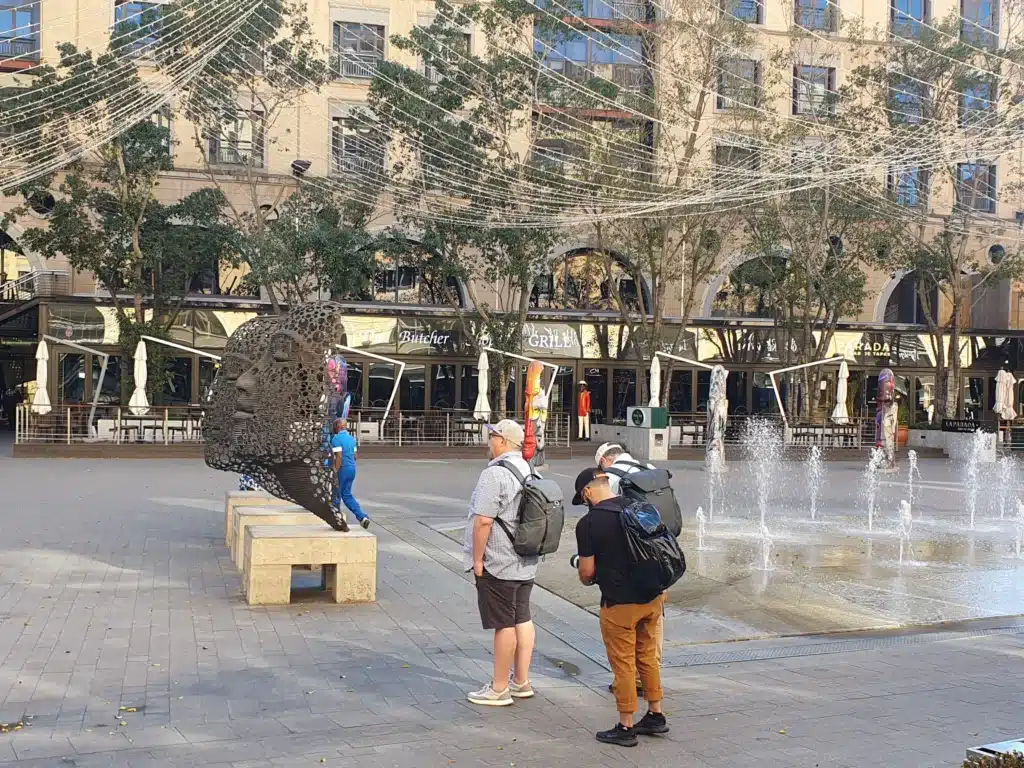
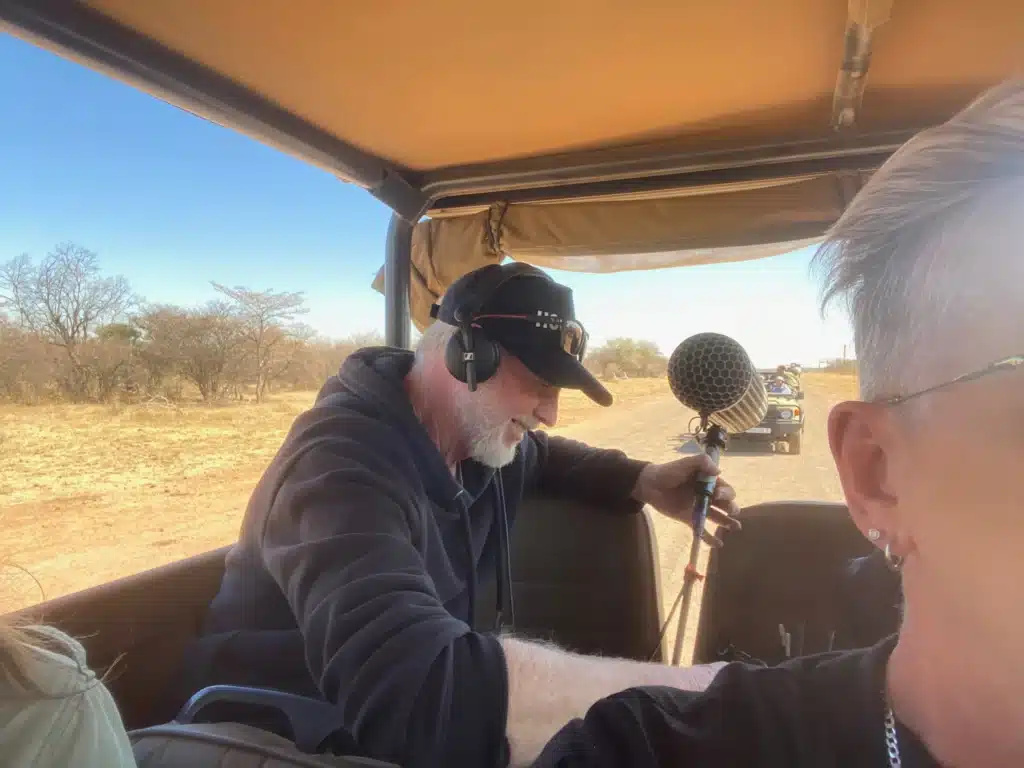
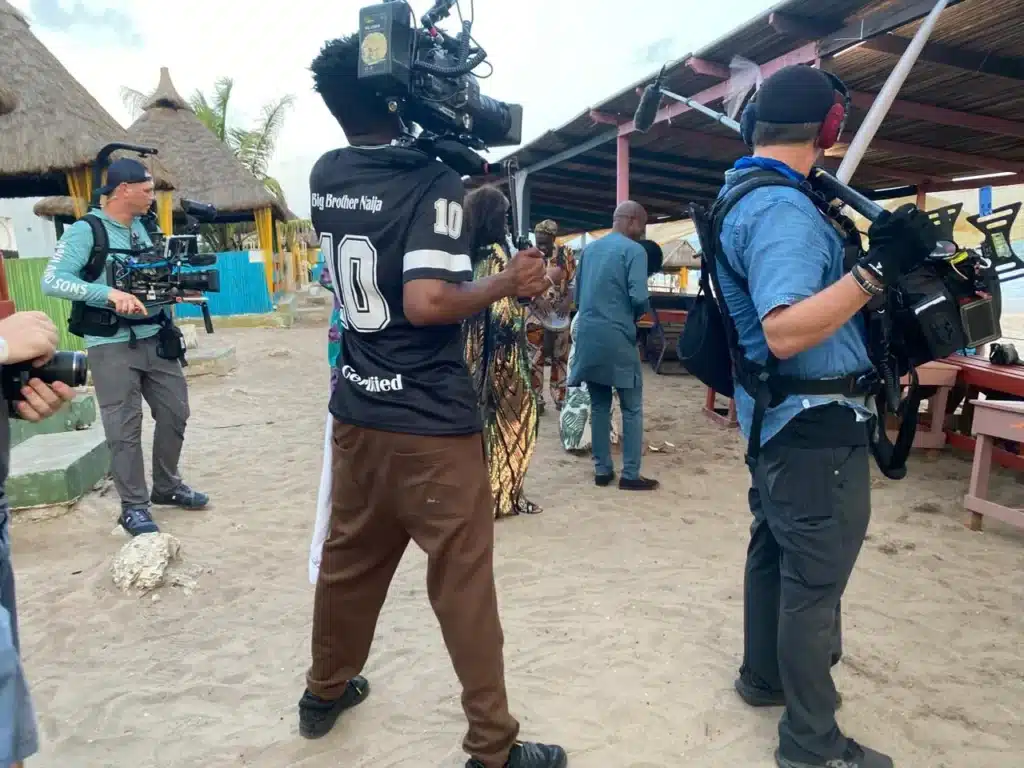
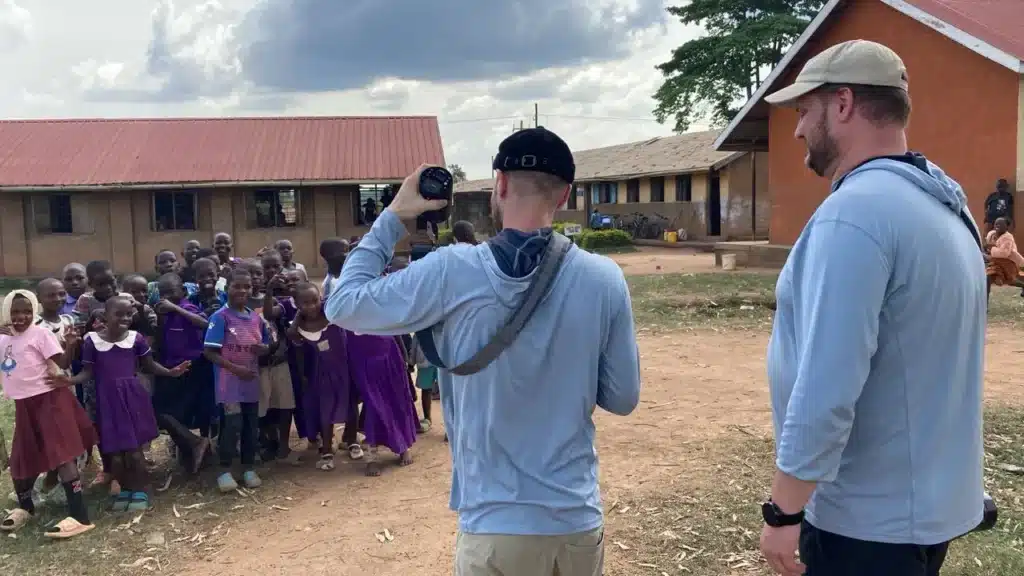
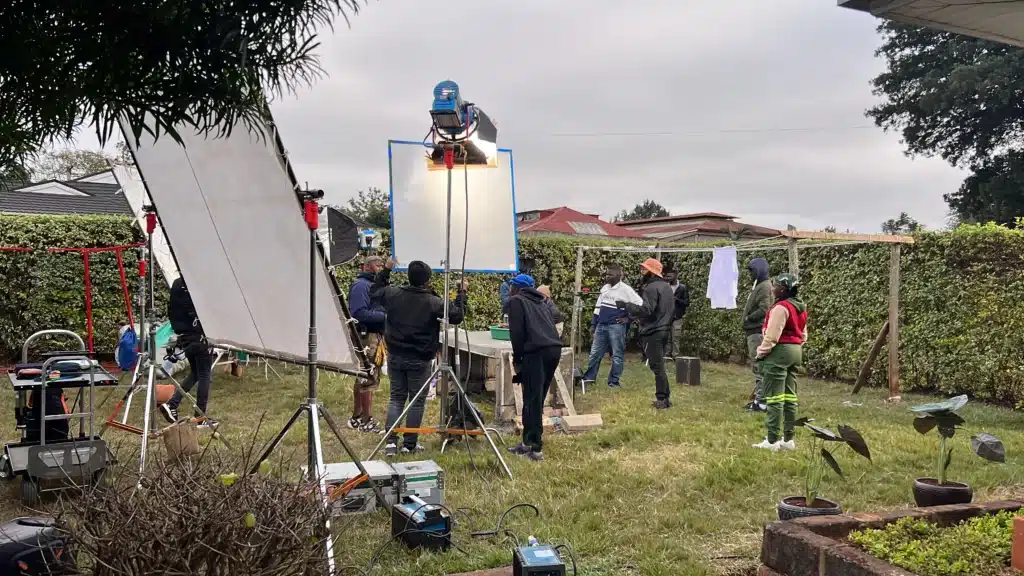
This article was written by Zandri Troskie-Naudé using verified information from relevant national authorities and regional production professionals, the filming environment reflects local regulatory oversight, location authority coordination, and established on-the-ground production capability. With experienced film fixers, comprehensive film production services, and dependable production support, productions operate within a framework built for structured, efficient execution.
Film Authorities and Industry Resources
For productions planning to film in the region, official country-level systems matter. Abu Dhabi Film Commission publishes guidance on content approval, ground permits, aerial permits, marine permits, and media equipment entry permits. Saudi Film Commission says its incentive program includes support to get licenses and approvals, access to service providers, and up to 40% cash rebate on production spend for eligible applicants.
- Abu Dhabi Film Commission for filming permits and media equipment entry requirements.
- UAE National Media Authority for permit requirements tied to filming equipment accompanying foreign media crews.
- Saudi Film Commission for licensing support, service-provider access, and incentive information.
The practical lesson is simple: the smoother the production support, the easier it is to focus on the story.