
Haiti is one of the most visually and culturally distinctive filming destinations in the Caribbean. Its layered history, dense urban environments, dramatic coastlines, and mountainous interiors offer international productions a level of authenticity that is difficult to replicate elsewhere in the region. From documentary and factual storytelling to commercials, branded content, and independent narrative work, Haiti provides strong visual character and real-world texture.
At the same time, filming in Haiti requires careful planning, realistic expectations, and experienced local coordination. Infrastructure constraints, layered approval processes, and the importance of community engagement mean that productions rely on professional Film Production Services in Haiti, experienced Film Fixers in Haiti, and structured Production Support Haiti from early development through final wrap. Hoodlum connects international crews with trusted on-ground partners who understand how to operate responsibly, efficiently, and in line with international production standards.
Filming in Haiti
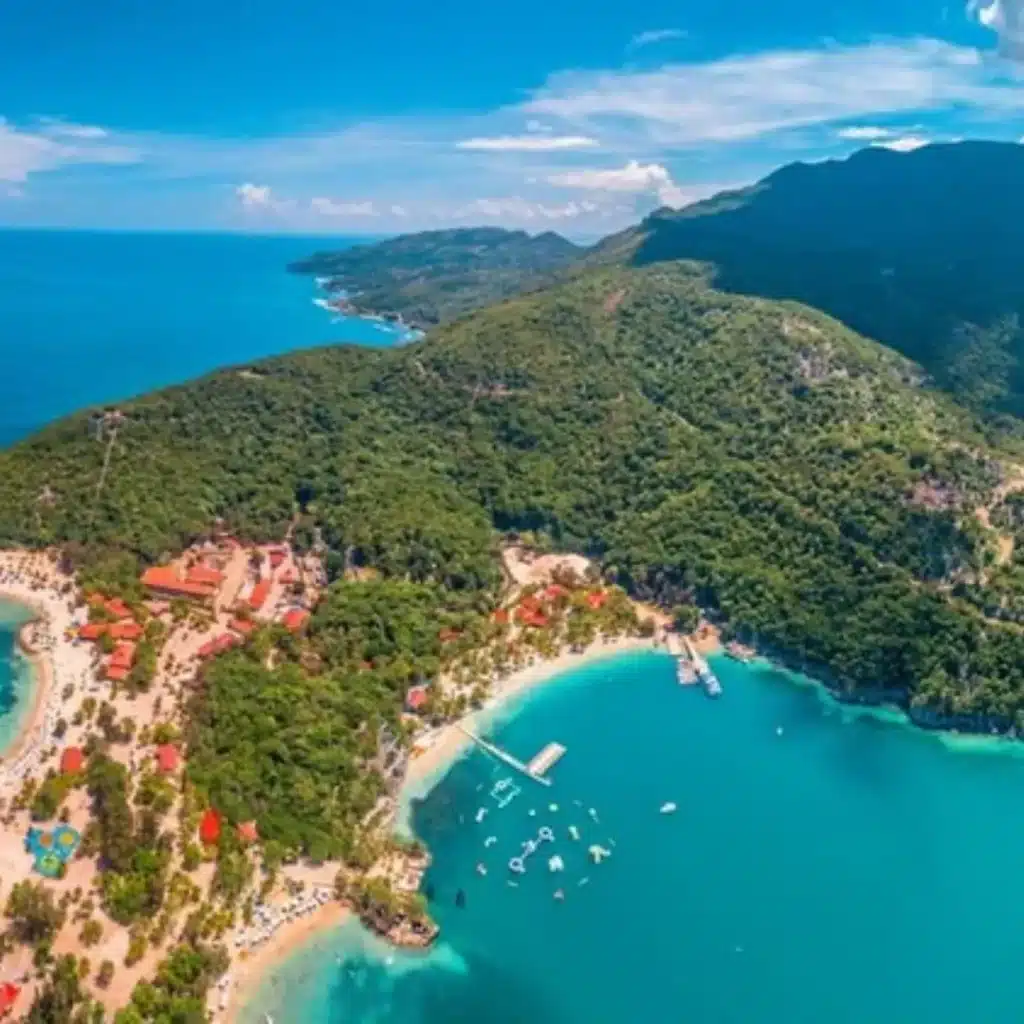
Haiti offers a wide range of filming environments within a relatively compact geographic area. Productions can move between dense cityscapes, historic towns, coastal regions, mountainous terrain, and rural communities, provided logistics are planned conservatively and supported by local expertise.
International productions are drawn to Haiti for:
- Authentic urban environments and street life
- Historic architecture and heritage sites
- Coastal locations and island environments
- Mountain regions and highland communities
- Rural landscapes, markets, and agricultural zones
Haiti is not a high-volume production destination. Access, approvals, and movement must be approached with realism and sensitivity. Film Fixers in Haiti play a central role in aligning creative objectives with local regulations, infrastructure realities, and community expectations, ensuring productions remain viable and respectful.
Operational Constraints and Planning Realities
Producing in Haiti involves operational realities that must be addressed early in the planning process. Road conditions vary significantly by region, power availability is inconsistent outside major centres, and accommodation standards differ widely depending on location. Equipment availability is limited locally, and many productions supplement resources through regional suppliers.
Key planning considerations include:
- Variable transport infrastructure and travel times
- Limited local technical equipment and rental options
- Multiple authorities involved in filming approvals
- Sensitivity around filming in public and residential spaces
- The importance of clear communication and local liaison
Experienced Film Fixers in Haiti build realistic schedules, plan movement conservatively, and establish contingency options for weather, access, and approvals. This disciplined approach reduces risk on shoot days and allows productions to maintain operational control without unnecessary disruption.
Film Production Services in Haiti: Regulatory Environment and Compliance
Film permits and official authorisations
All filming activity in Haiti requires official permission. Requirements vary depending on the type of production, filming locations, subject matter, and intended distribution. Documentary, news, commercial, and branded content projects may each follow different approval pathways.
Permit coordination can include:
- Documentary and journalistic filming approvals
- Commercial and branded content permissions
- Filming in public spaces and government areas
- Access to heritage or culturally significant sites
- Drone and aerial filming authorisations
Film Fixers in Haiti manage documentation, liaise with relevant authorities, and guide productions through approval processes as part of structured Production Support Haiti. Early engagement is critical, as timelines can vary.
Cultural and community considerations
Haiti’s social landscape is community-driven. Filming frequently takes place in close proximity to residential neighbourhoods, markets, schools, and places of worship. Respectful engagement is essential to maintaining access and trust.
Production Support Haiti includes guidance on:
- Community engagement and consent
- Appropriate filming conduct in sensitive locations
- Language support and local interpretation
- Ethical documentary and factual filming practices
Productions that invest in community engagement are better positioned to complete filming smoothly and maintain positive local relationships.
Film Production Services in Haiti: Pre-Production Planning
Location research and feasibility
Early feasibility assessment is essential when filming in Haiti. Film Fixers in Haiti support productions by identifying what is achievable within time, budget, and regulatory constraints.
Pre-production support includes:
- Location research and access assessment
- Permit timelines and approval strategies
- Budget planning and logistical forecasting
- Risk assessment and security considerations
This ensures Production Support Haiti is grounded in operational reality rather than assumption.
Budgeting and scheduling
While Haiti can be cost-effective in some areas, logistical complexity can affect budgets if not planned carefully. Film Fixers in Haiti help productions build realistic schedules and cost structures that account for transport, accommodation, equipment sourcing, and local support needs. Transparent budgeting and conservative scheduling are key to avoiding overruns.
Production-Phase Services
On-ground coordination and logistics
During production, Film Fixers in Haiti act as the primary operational link between international crews, authorities, and local service providers.
On-set responsibilities typically include:
- Daily logistics and scheduling
- Authority liaison and site access coordination
- Transport and accommodation management
- Security planning and contingency response
This level of Production Support Haiti allows creative teams to focus on storytelling and execution while operational details are managed efficiently.
Local crew and technical support
Haiti has a limited but capable pool of local production professionals. Depending on project scope, additional crew or equipment may be sourced regionally.
Production Support Haiti can include:
- Local fixers and production assistants
- Translators and cultural advisors
- Drivers and logistics coordinators
- Regional technical crew where required
Film Fixers in Haiti coordinate these resources to maintain continuity, safety, and efficiency.
Equipment importation and customs
Local equipment availability is limited. Film Production Services in Haiti often involve importing camera, sound, lighting, and power equipment.
Support includes:
- Equipment import planning
- Customs documentation and clearance
- Power solutions and mobile production units
- Coordination with regional suppliers
Careful planning ensures equipment moves smoothly in and out of the country without delays.
Locations, Access, and Environmental Considerations
Urban environments
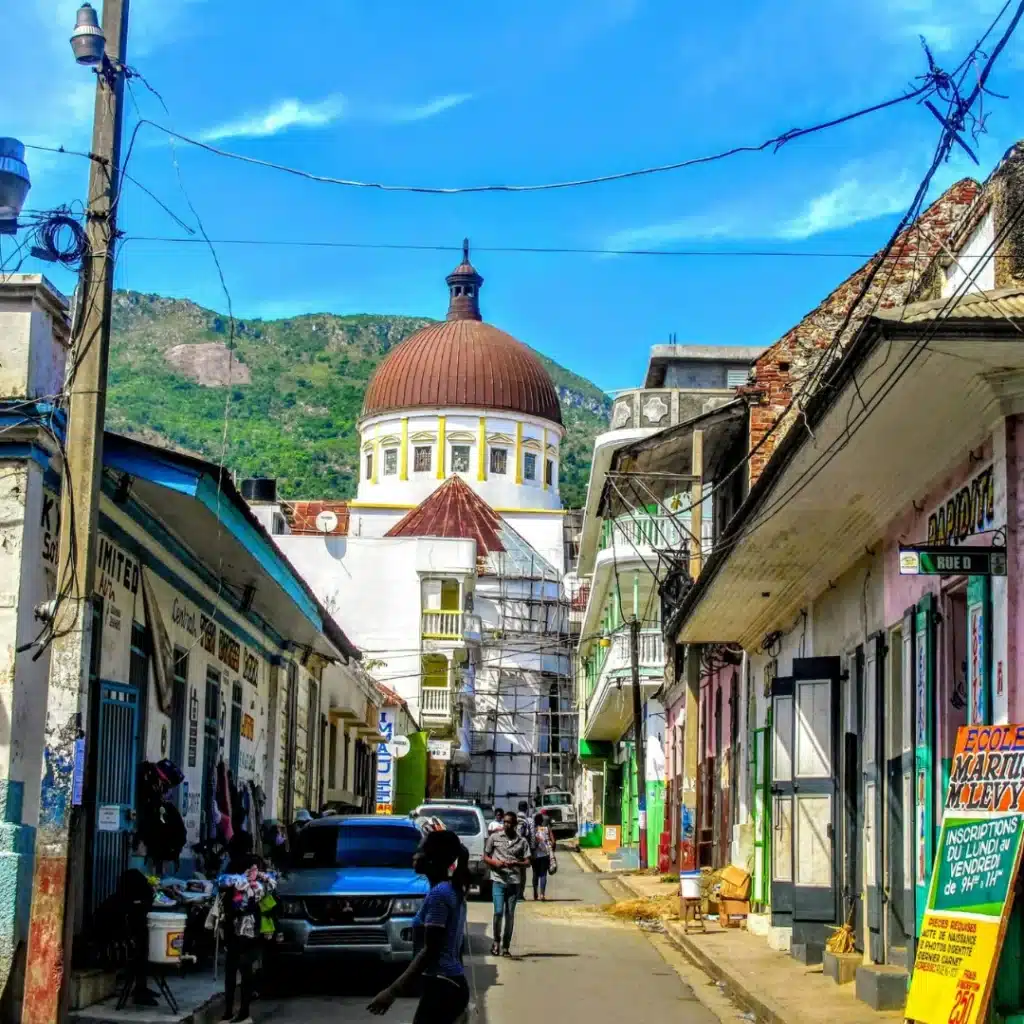
Urban filming in Haiti requires detailed coordination with municipal authorities, local police, and community representatives, particularly in densely populated areas where daily activity cannot easily be disrupted. Traffic management, pedestrian flow, and public access must be planned carefully to avoid delays and ensure safety for both crew and the public. Even small-scale shoots can attract attention quickly, making advance communication and clear on-site protocols essential.
Film Fixers in Haiti play a key role in managing these dynamics by coordinating permissions, advising on appropriate filming hours, and liaising with local stakeholders before and during production. This includes setting expectations with nearby residents and businesses, managing crowd control where necessary, and adapting filming methods to suit the realities of the environment. Productions that approach urban filming with flexibility and cultural awareness are better positioned to work efficiently while maintaining positive relationships on the ground.
Natural and remote locations
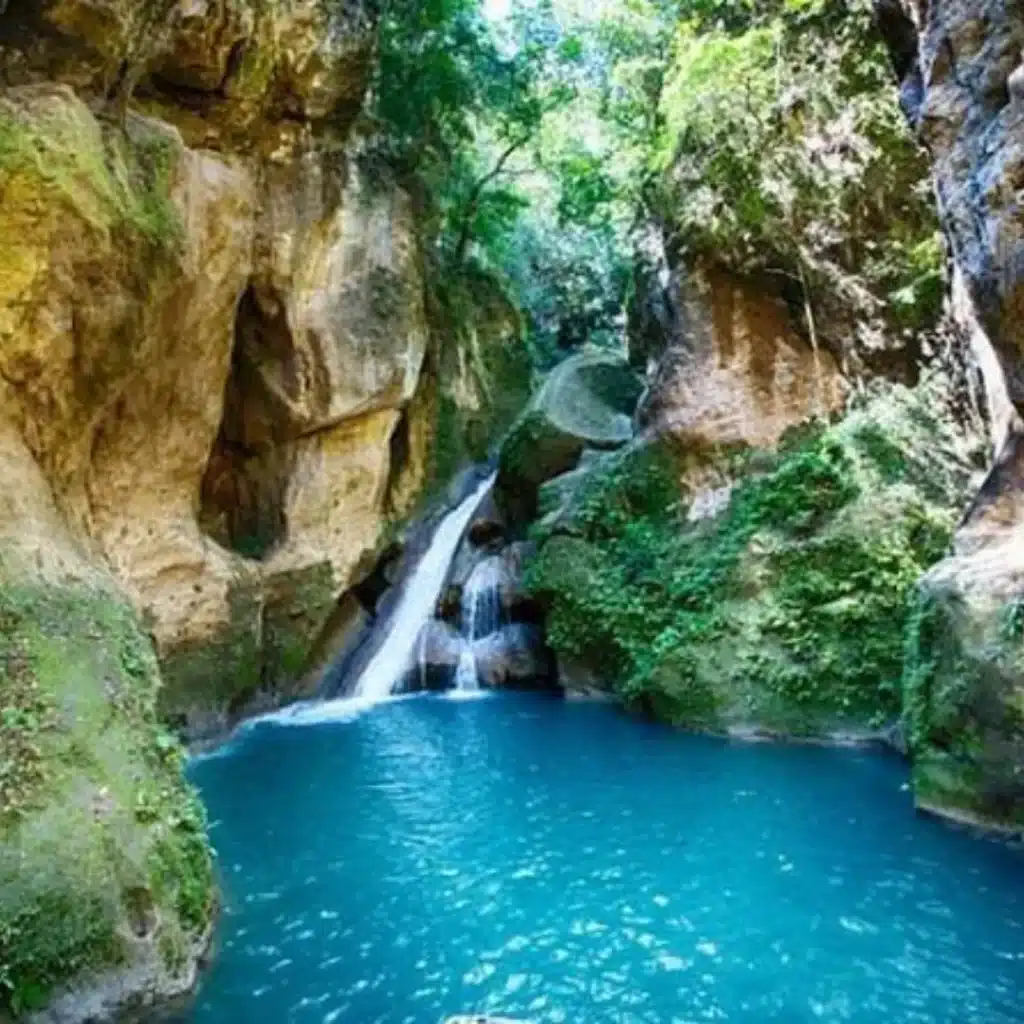
Natural and remote filming locations in Haiti, including coastal areas, mountainous regions, and rural landscapes, require additional logistical planning and conservative scheduling. Access conditions can change quickly due to weather, road quality, or local activity, particularly outside major population centres. Transport routes, travel times, and equipment movement must be assessed carefully during pre-production to avoid delays once filming begins.
Production Support Haiti often includes advance route checks, contingency planning for weather-related disruptions, and coordination with local contacts who understand current conditions in remote areas. Power availability, communications coverage, and medical access may also be limited, making self-sufficiency an important consideration. With experienced fixer support, productions are able to operate safely and efficiently in these environments while protecting schedules and maintaining operational control.
Top Filming Locations in Haiti
Haiti’s strongest filming value lies in locations that combine visual impact with relative logistical viability when supported by experienced Film Fixers in Haiti.
Port-au-Prince
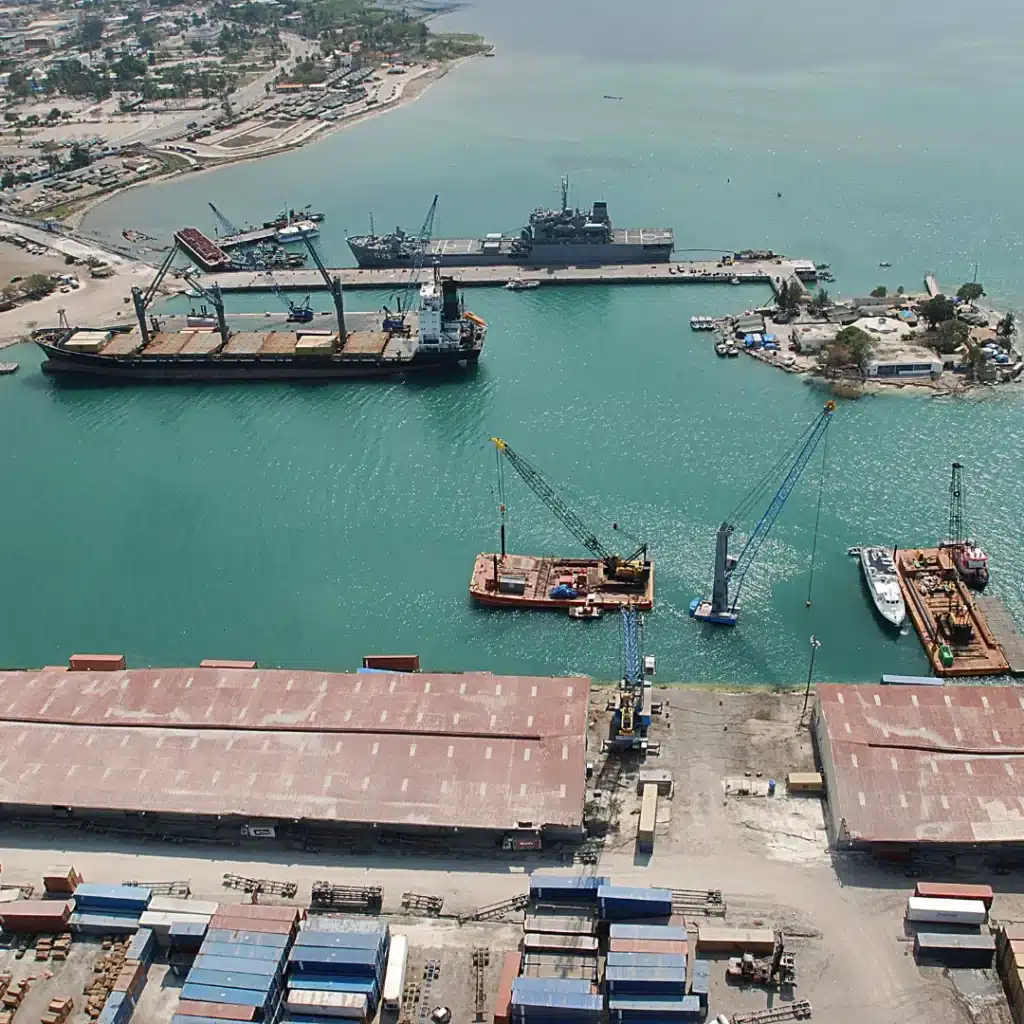
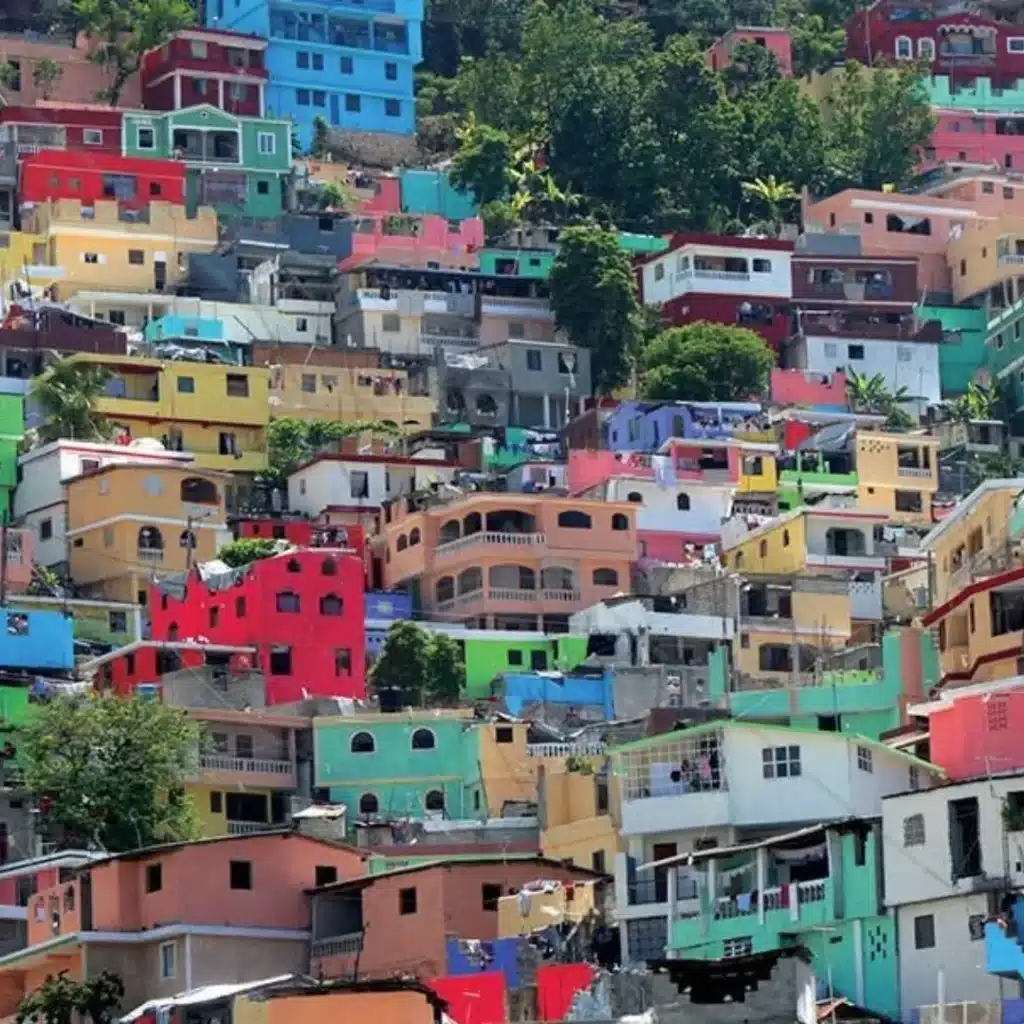
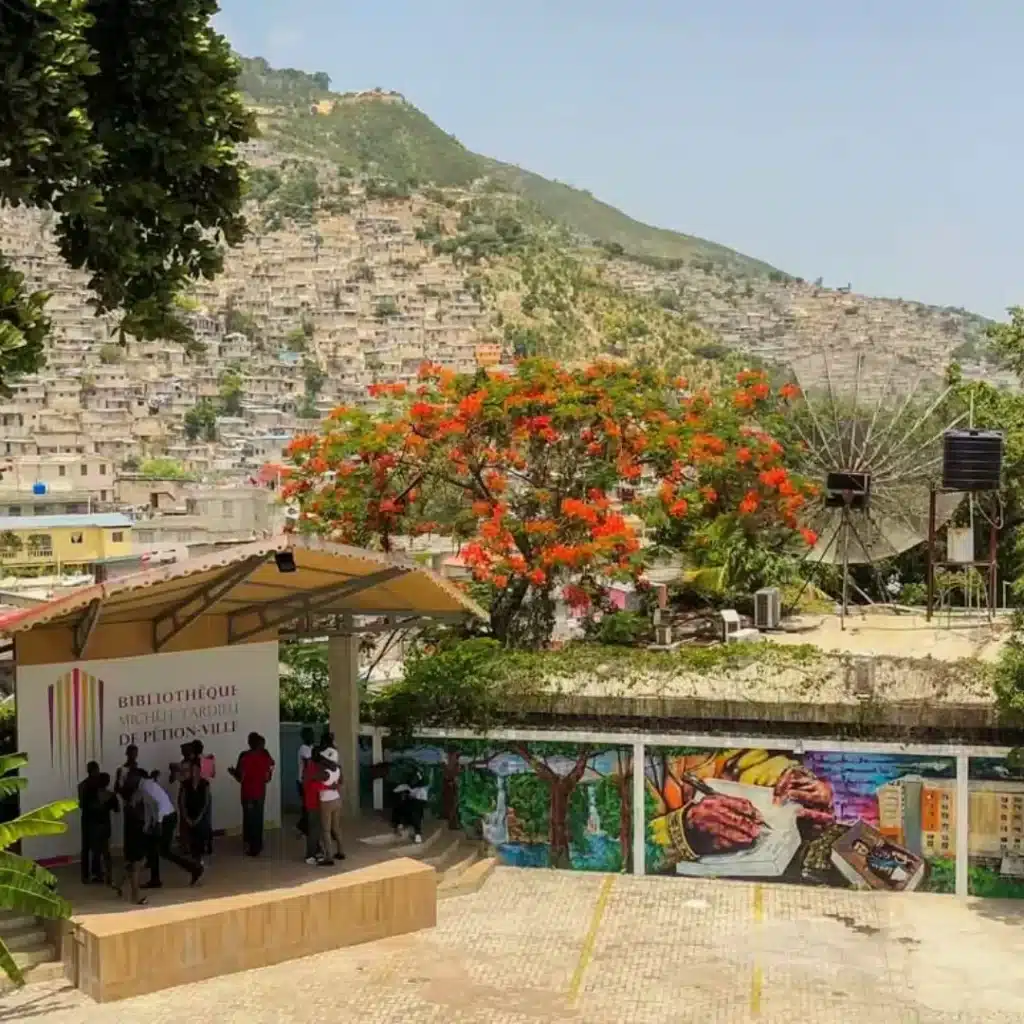
As Haiti’s primary urban centre, Port-au-Prince offers dense city environments, government districts, port infrastructure, residential neighbourhoods, and active street life. Filming here requires careful coordination with authorities, traffic management, and community liaison. With professional Production Support Haiti, urban filming can be executed responsibly and efficiently.
Jacmel
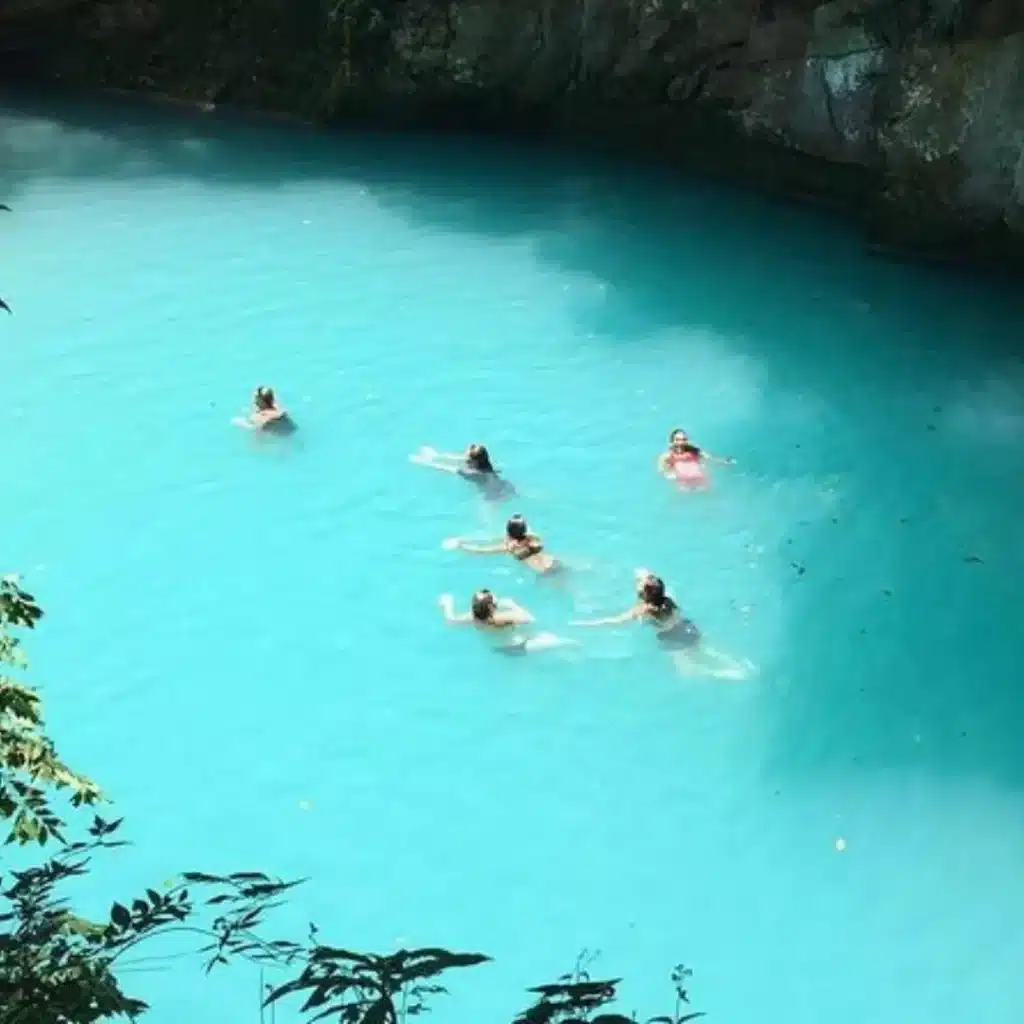
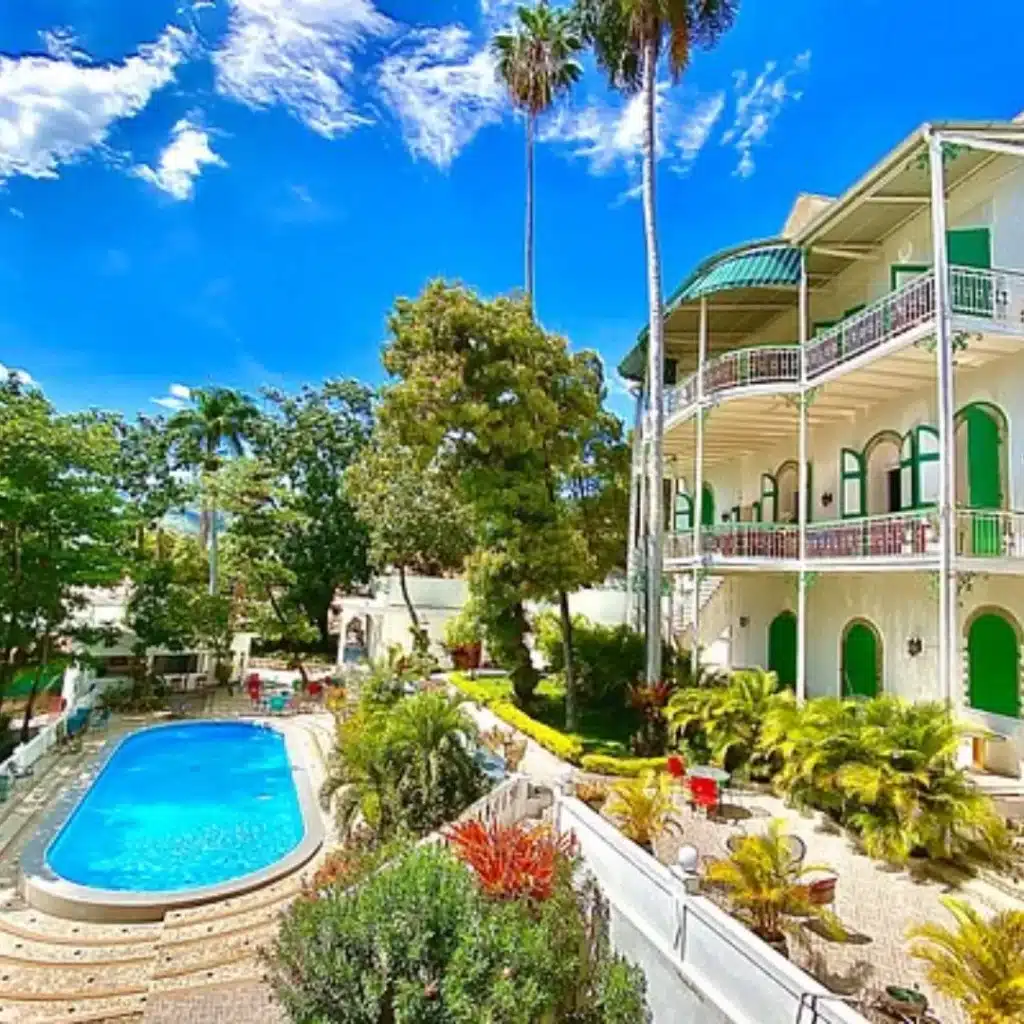
Jacmel is known for its historic architecture, coastal setting, and strong cultural identity. The city is frequently used for heritage-focused storytelling, cultural documentaries, and visually distinctive commercial work. Filming in Jacmel often involves heritage considerations and community engagement, making local fixer support essential for access and compliance.
Cap-Haïtien and the Northern Coast
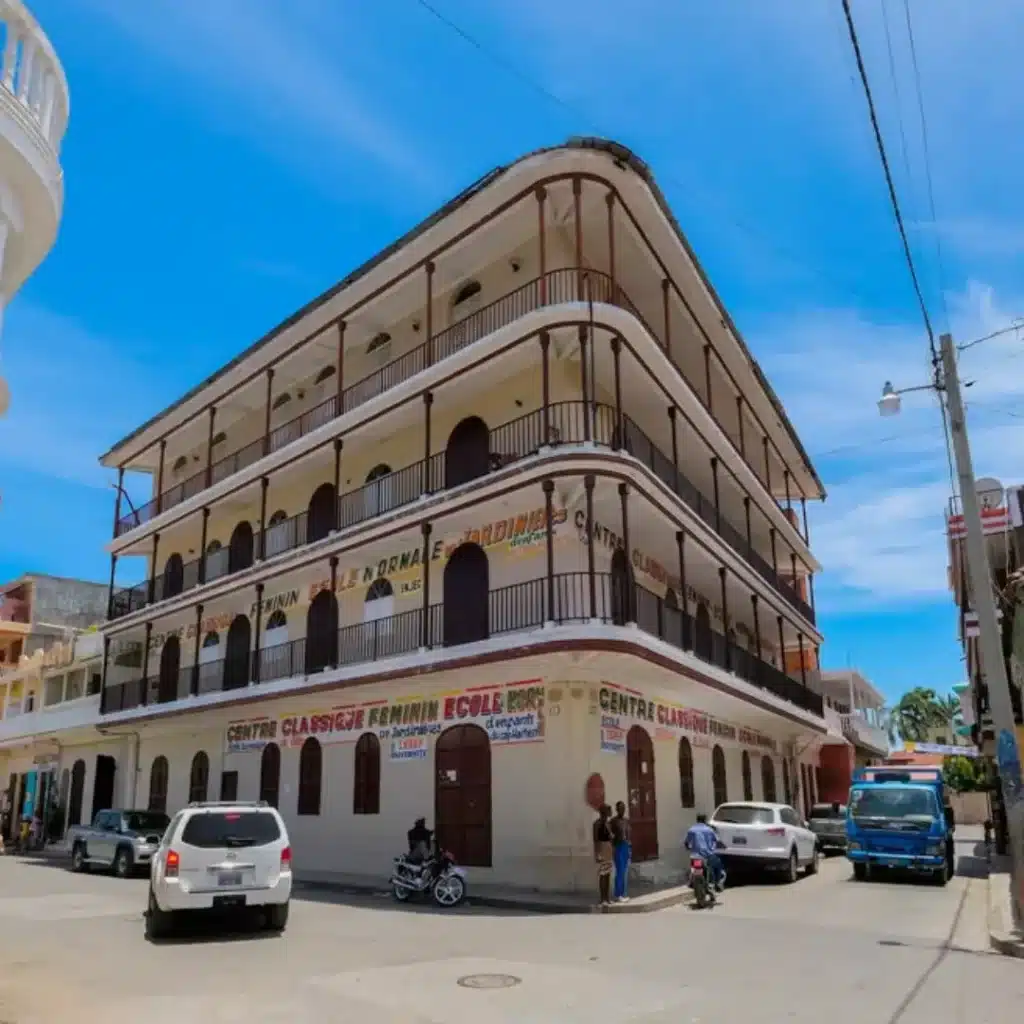
Cap-Haïtien and the surrounding northern coast offer colonial architecture, beaches, ports, and access to nearby heritage sites. Productions filming in this region benefit from a mix of urban and coastal environments. Logistics require advance planning for accommodation, transport, and permits.
Professional Discipline, Transparency, and Trust
Successful productions in Haiti depend on realism, transparency, and disciplined execution. Film Production Services in Haiti prioritise clear communication, honest feasibility assessments, and responsible filming practices.
Film Fixers in Haiti help productions:
- Manage regulatory and operational risk
- Maintain budget control through realistic planning
- Build trust with authorities and communities
- Protect schedules and creative intent
Working with Hoodlum Film Fixers in Haiti
Hoodlum works with vetted local partners to connect international productions with experienced Film Fixers in Haiti. Rather than acting as fixers directly, Hoodlum provides structured coordination across Film Production Services in Haiti and Production Support Haiti aligned with international production standards.
Support can include:
- Feasibility consulting and planning
- Permit coordination and approvals
- Risk and security planning
- Cultural and community liaison
- Logistics and transport management
- Crew sourcing and on-set coordination
This approach allows productions to operate responsibly and efficiently in a complex filming environment.
Production-Focused FAQs
Is a filming permit required in Haiti?
Yes. All filming requires official permits.
How early should fixers be engaged?
As early as possible during planning to avoid delays.
Can drones be used for filming in Haiti?
Drone use is restricted and requires special approval.
Are local crews available in Haiti?
Yes, though limited. Additional crew may be sourced regionally.
What types of productions film in Haiti?
Documentaries, NGO content, news features, commercials, and branded projects.
This blog post was written by Debbie Terry using verified information supplied by Hoodlum’s on-ground production partners and publicly available data from national and regional film authorities. The content reflects current industry practices, filming requirements, and operational standards followed by professional production teams working across the country.
Film Authorities & Industry Resources
- Ministry of Culture and Communication of Haiti
https://www.mcc.gouv.ht - National Office of Cinematography of Haiti
https://www.onc.ht - Haiti Tourism Authority
https://www.haititourisme.gouv.ht