Film Production Services in South Africa continue to make the country one of the world’s most attractive filming destinations—offering unbeatable landscapes, exceptional crews, and flexible locations that can double for almost anywhere on Earth. However, following the November 2025 FIVA Advisory and updated Department of Home Affairs regulations, all international productions must now follow stricter rules when entering the country.
Whether you’re shooting a commercial, documentary, reality show, scripted series, branded content, or a feature film, these new compliance standards affect visas, work permissions, equipment handling, and on-set operations.
Hoodlum, together with our trusted Production Support South Africa specialists and Film Fixers in South Africa, has broken down the new requirements so foreign crews can prepare effectively and avoid costly delays.
Why South Africa Remains a Premier Global Filming Destination
Before unpacking the regulatory changes, it’s worth highlighting why the country remains a powerhouse for global production.
A Powerful Combination of Locations & Infrastructure
South Africa’s versatility is one of its strongest advantages. Productions gain access to:
Urban Environments
- Cape Town CBD
- Sandton & Rosebank (Johannesburg)
- Durban beachfront
- Pretoria governmental zones
- Port Elizabeth’s industrial and port areas
Coastlines & Beaches
- Western Cape Atlantic coastline
- Eastern Cape’s Wild Coast
- KwaZulu-Natal’s warm Indian Ocean beaches
Wild, Rugged Landscapes
- Drakensberg mountain peaks
- Karoo desert plains
- Limpopo bushveld
- Mpumalanga forests
High Doubling Power
South Africa can visually substitute for:
- The US
- Australia
- Europe
- The Middle East
- Tropical islands
- Fictional or stylised worlds
Combined with a strong production ecosystem, English-speaking crews, long daylight hours, and globally experienced talent, it’s clear why Film Production Services in South Africa remain so sought after.
Understanding the 2025 FIVA Advisory: What Changed?
The November 2025 advisory introduced significant clarifications and new requirements that all foreign crews must follow.
Visa Status Must Be Checked for Every Crew Member
Nationality determines whether a crew member is visa-exempt or visa-required, and this must be verified before travel. Even if a country is eligible for visa-free entry, filming is classified as work, not tourism.
This means production activity may require:
- Additional authorization
- Documentation proving the purpose of travel
- More detailed border disclosures
Production Companies Cannot Apply for Visas on Behalf of Crew
One of the most impactful changes:
Local South African production companies—including Hoodlum—are no longer allowed to apply for visas on behalf of foreign crew.
Every individual must:
- Complete their own application
- Submit documents personally
- Attend embassy appointments when required
Local partners can support the process, but they cannot submit the application.
Work, Filming, or Media Activity Requires Clear Disclosure
All professional filming must be openly declared with:
- Purpose of visit
- Locations
- Shooting dates
- Crew roles
- Local production partner details
Failure to disclose this may result in:
- Entry refusal
- Equipment being held
- Permit delays
Updated Visa Requirements for Filming in South Africa (2025)
To ensure compliance, each crew member should prepare the following:
Standard Documentation
- Valid passport
- Completed visa application form
- Passport photo
- Return or onward travel
- Accommodation details
- Proof of financial means
Production Documentation
- Letter of invitation from the South African production partner
- Statement of purpose
- Production schedule
- Location list
- Equipment list with serial numbers
Every project must present transparency. South Africa treats film work strictly as professional activity.
Production Categories: Commercials, Documentary, Reality, Feature, Branded – What Applies to All
While each category has its own nuances, the 2025 advisory outlines shared requirements across all production types.
Disclosure of Work Purpose Is Mandatory
Each crew member must clearly state they are entering the country for filming work—not tourism.
Productions Must Supply Detailed Project Information
Authorities may request:
- Full story or synopsis
- Location breakdown
- Crew list
- Shooting schedule
- Contact details of the South African service provider
Equipment Must Be Accurately Declared
To avoid delays, productions should prepare:
- A full equipment list
- Serial numbers
- Declared values
- Carnet documents
- Proof of re-export
Incorrect or vague documentation is one of the most common causes of border delays.
How Hoodlum Supports Productions With Production Support South Africa
Even though Hoodlum cannot apply for visas on your behalf, our Production Support South Africa team provides essential guidance and compliance preparation.
We assist with:
- Drafting invitation letters
- Structuring equipment lists
- Preparing location documentation
- Advising on visa categories and updated rules
- Coordinating with local municipal authorities
- Managing logistics, transport, and scheduling
- Providing experienced Film Fixers in South Africa to support the shoot
Hoodlum ensures everything is correctly formatted, accurate, and compliant with South Africa’s shifting regulatory landscape.
The Role of Film Fixers in South Africa (2025 Requirements)
The importance of Film Fixers in South Africa has grown significantly due to the updated compliance environment.
Our fixers handle:
- Location scouting and recce
- Municipal and provincial permitting
- Location security
- Traffic management
- Local casting
- Community liaison
- Safety protocols
- Daily on-ground production support
In 2025, a fixer isn’t optional—they are essential for avoiding delays, miscommunication, or compliance risks.
Location Advantages That Keep South Africa a Global Favourite
South Africa’s Urban Advantage
International productions love South African cities for their ability to double for:
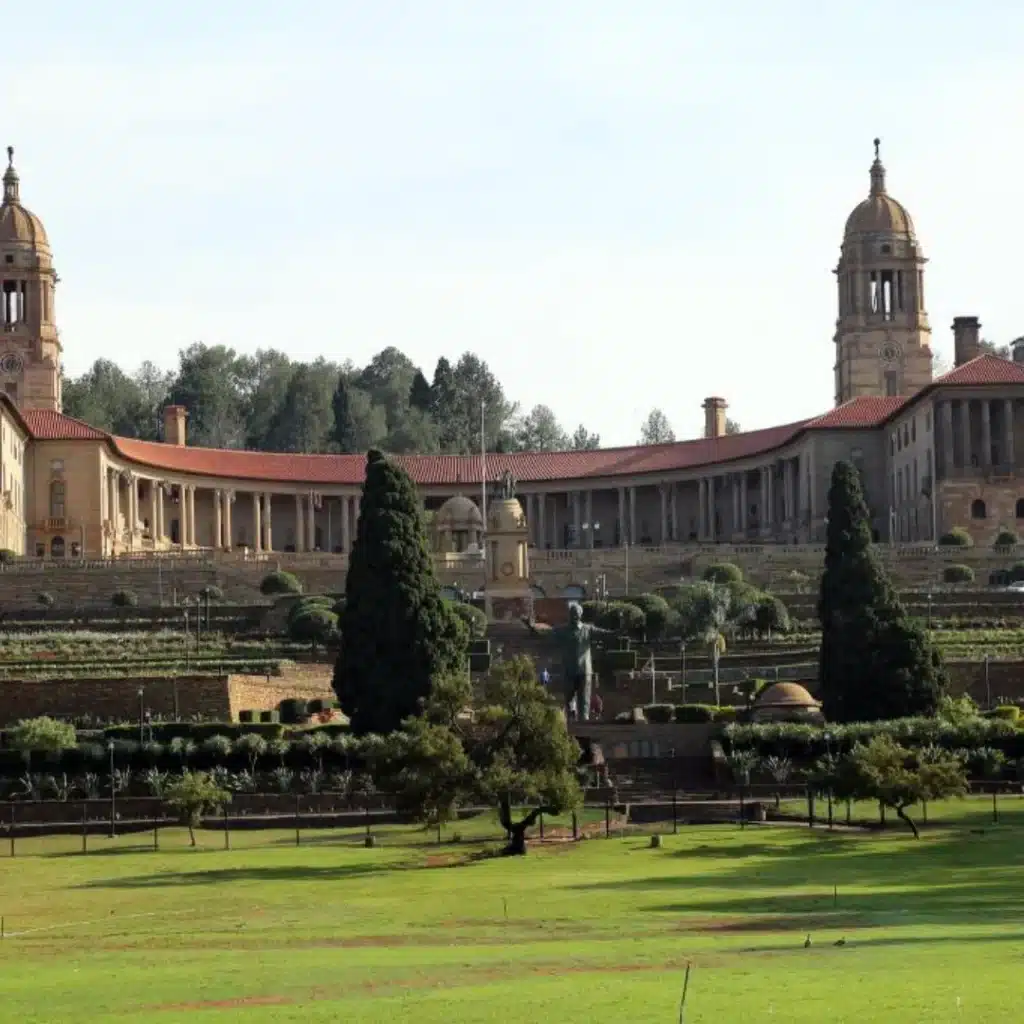
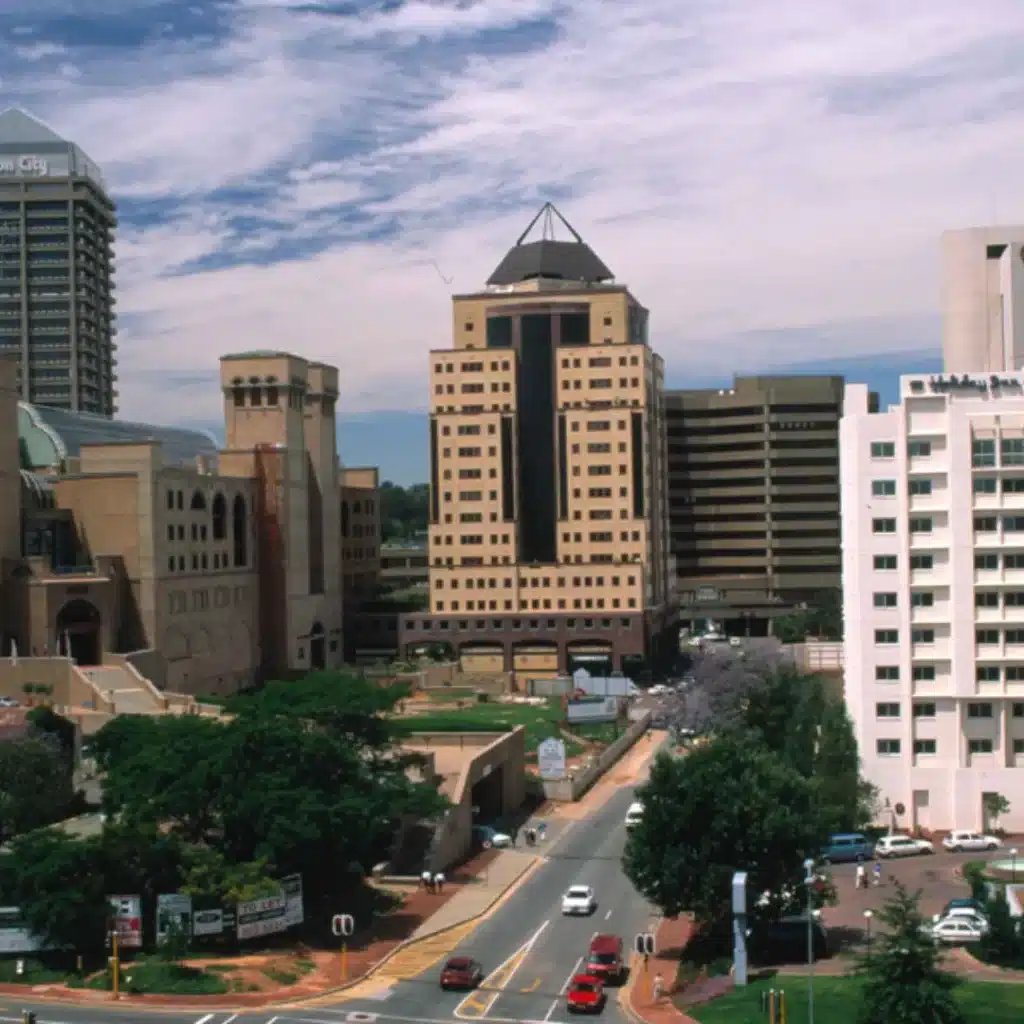
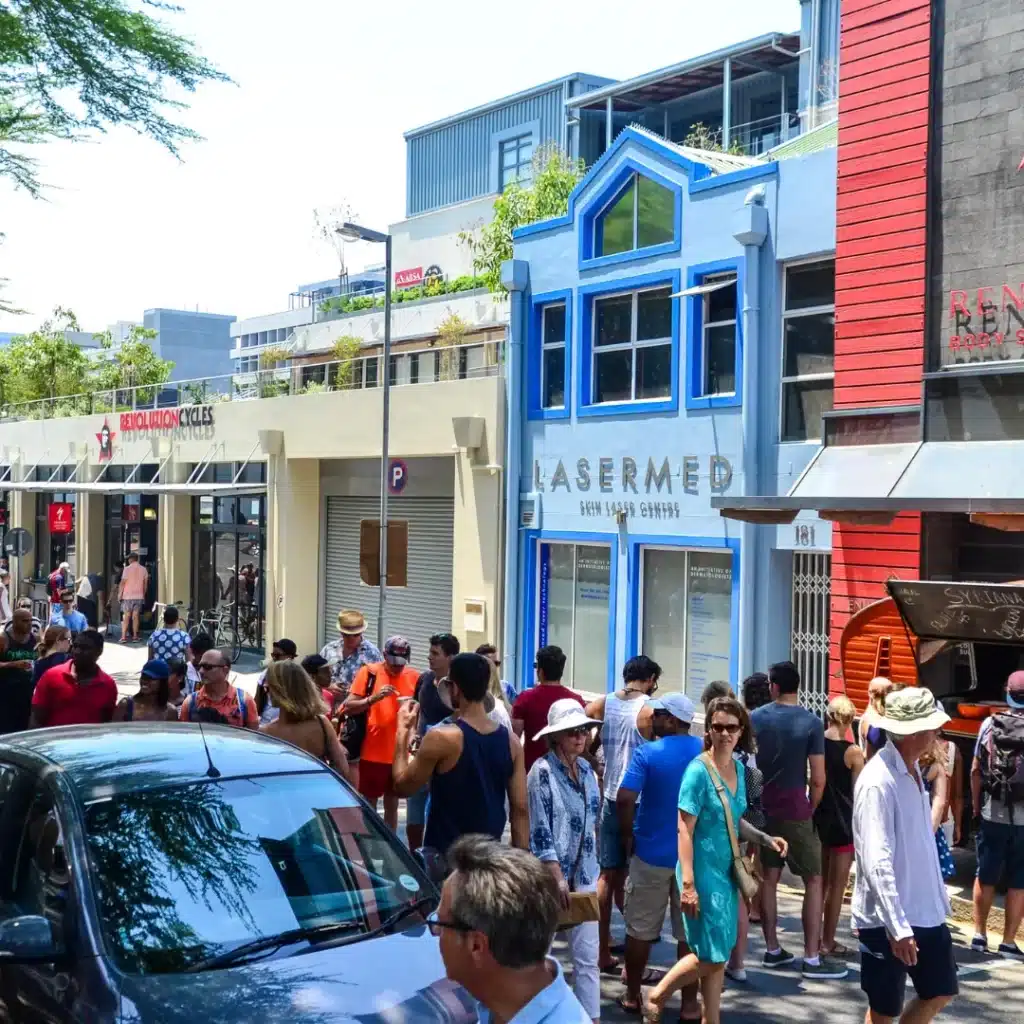
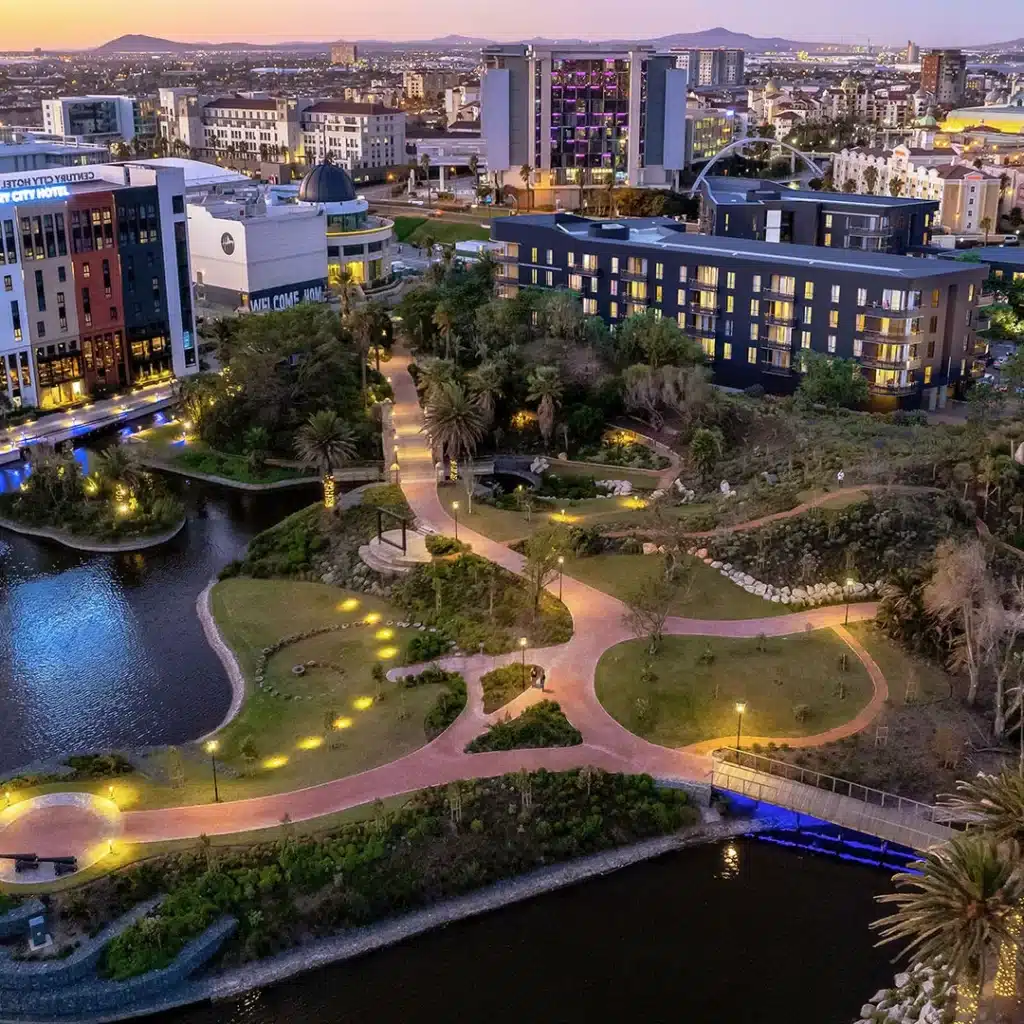
Cape Town and Johannesburg remain the biggest drawcards.
Natural Landscapes That Offer Global Variety
South Africa offers:
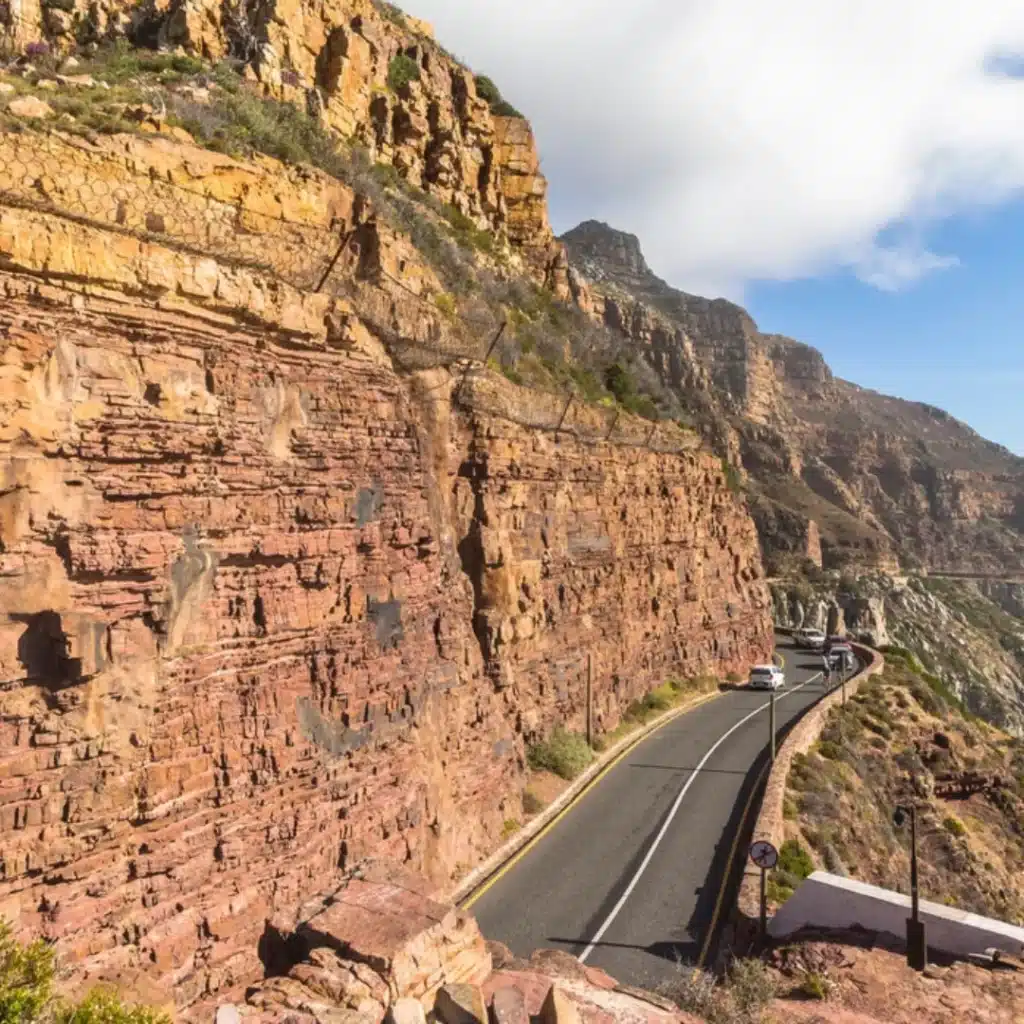
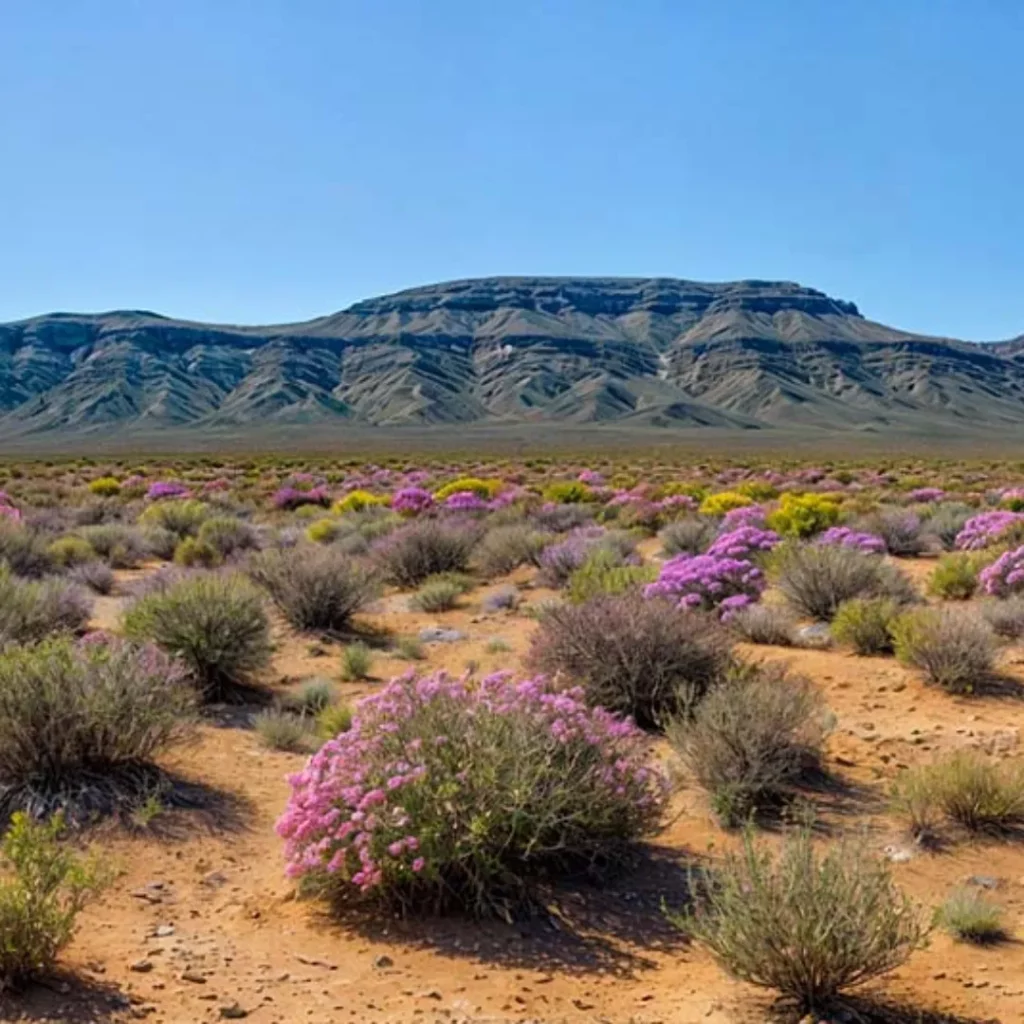
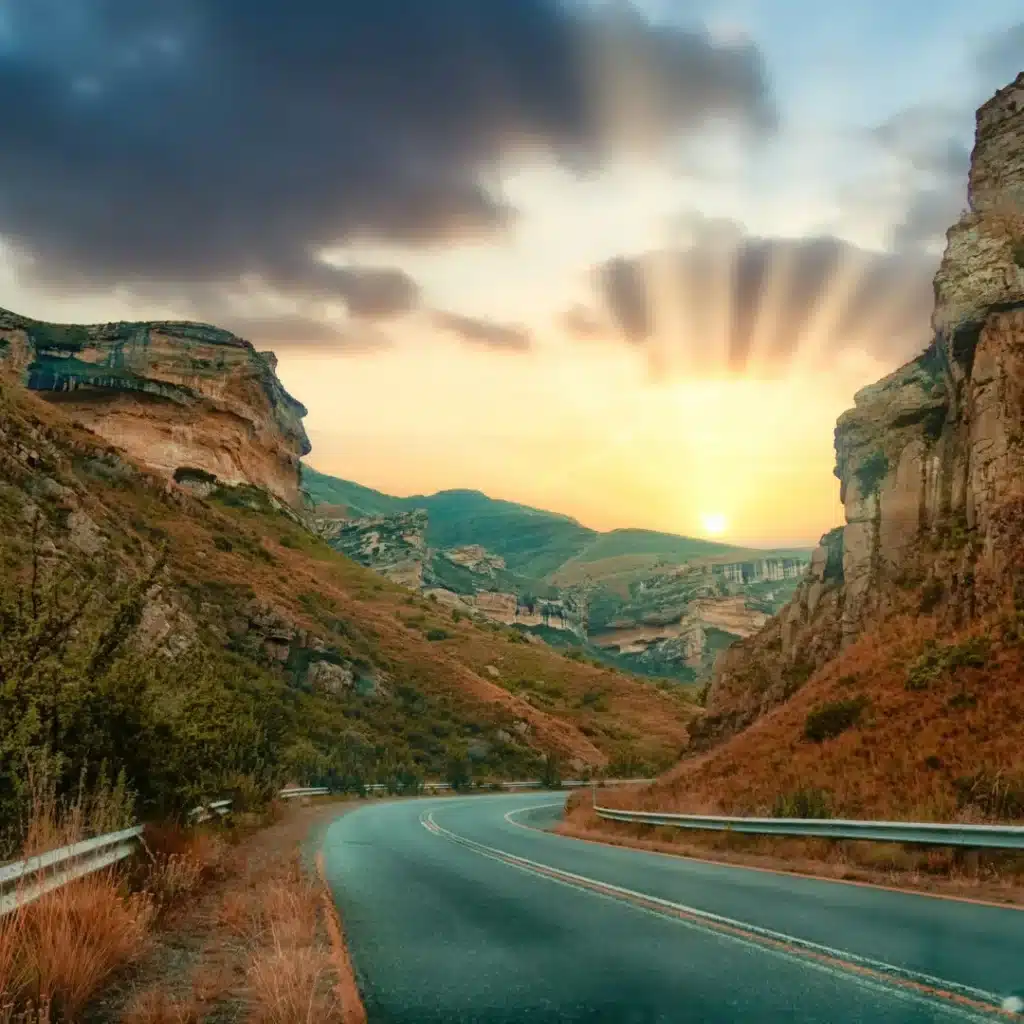


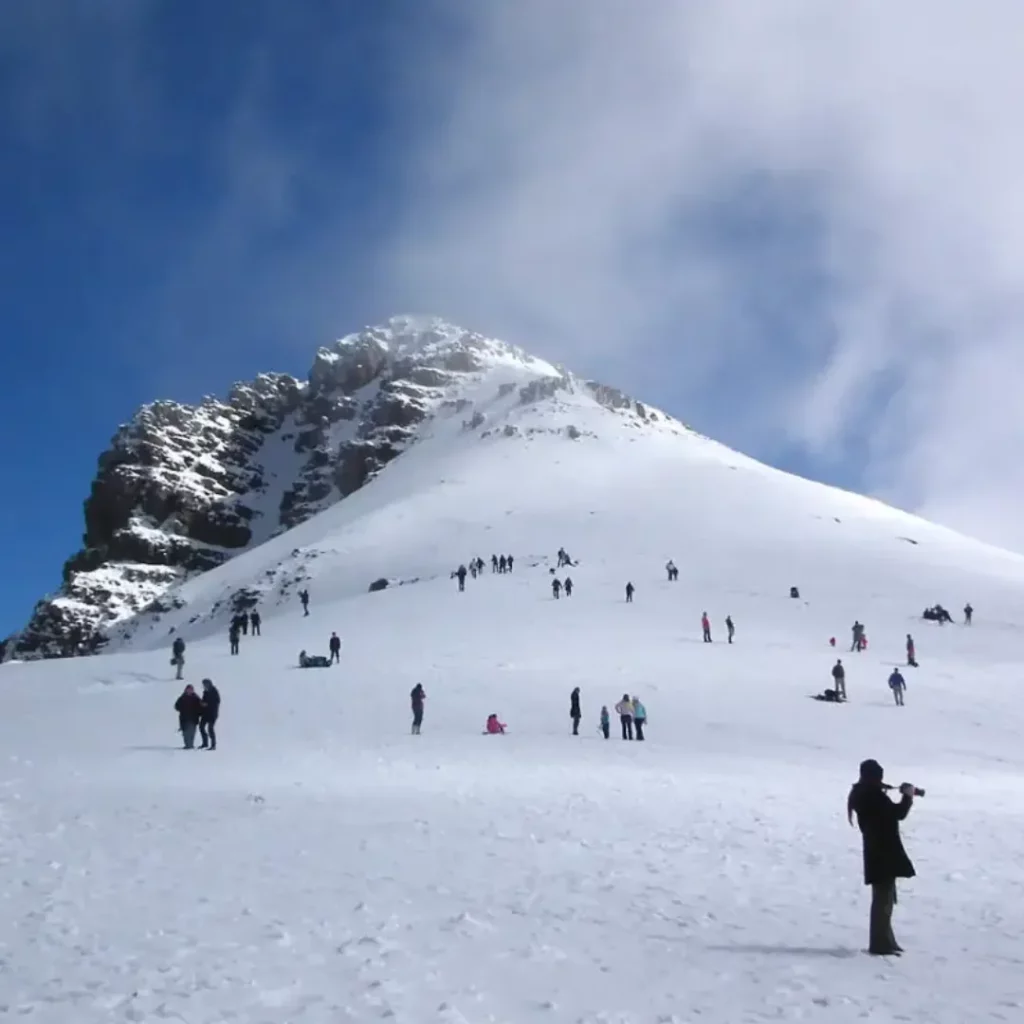
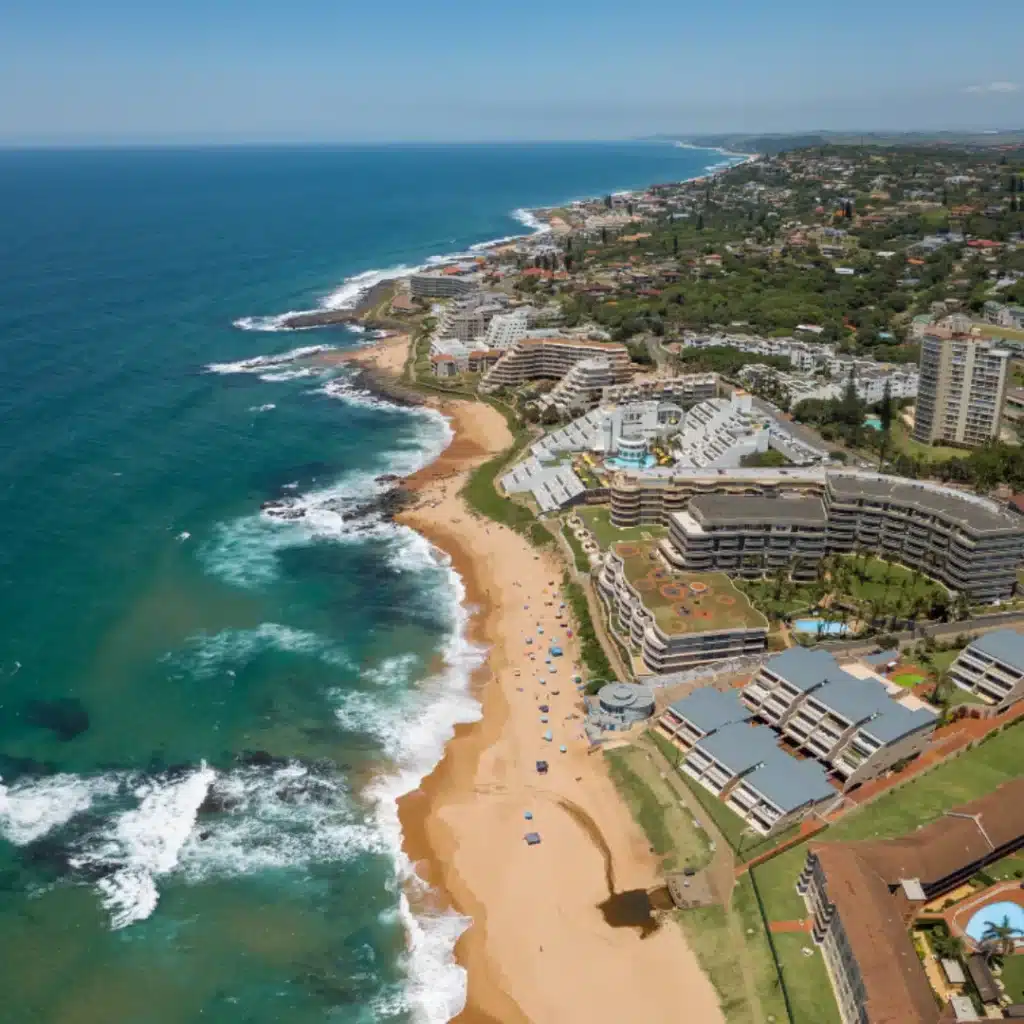
This range is unmatched in a single, easy-to-navigate country.
Cost Efficiency
South Africa offers:
- Competitive crew rates
- Lower location fees
- Strong infrastructure
- Reliable production vendors
This makes it a cost-efficient destination for global producers.
Insurance, Safety, Security & Compliance
The 2025 advisory highlights requirements for:
- Public liability insurance
- Crew medical coverage
- Safety officers for large shoots
- Certified security for crowded environments
- Equipment protection, especially in major cities
International productions should build these items into their budgets.
Hoodlum’s Key Recommendations for 2025 Productions
To ensure a smooth shoot:
- Start early with visa checks
Even visa-exempt nationalities must confirm work-related requirements. - Prepare all documents upfront
South Africa expects clear, complete information. - Avoid last-minute changes
Changes in crew or schedule may affect permit timelines. - Travel with a full equipment list
Use a Carnet when possible. - Work with a local production partner
Compliance has become strict; guidance is essential.
South Africa’s Expanding Production Infrastructure
South Africa continues to strengthen its position as one of the most reliable international filming hubs, supported by a growing network of studios, rental houses, and specialist service providers. As global demand for high-quality content increases, the country has invested heavily in modernising its production landscape. Cape Town Film Studios remains the flagship complex, hosting international features, series, and high-end commercials. Johannesburg and Durban are also seeing increased development, offering additional studio spaces, post-production facilities, and dedicated sound stages.
These expanded facilities mean that international producers can seamlessly integrate local Film Production Services in South Africa with their own creative teams. From art departments to SFX, stunt coordination, underwater units, drone cinematography, wildlife specialists, and multilingual crew bases, the depth of talent ensures world-class execution. Productions benefit from competitive pricing, predictable scheduling, and a national industry that is accustomed to international workflows.
Hoodlum’s Production Support South Africa includes full coordination with these facilities — ensuring availability, securing bookings, aligning technical resources, and managing logistical bridges between international clients and local vendors. Whether it’s a large-scale feature film or a compact documentary unit, the infrastructure is designed to adapt to any production scale.
Working With Local Communities and Authorities
One of the strengths of filming in South Africa is the well-established framework for engaging with local communities, authorities, and municipal departments. Because filming is a major contributor to local economies, most cities have a clear structure for permit approvals, traffic control, location access, and public safety management. However, with the 2025 regulatory updates, transparency and early communication have become even more important.
When filming in urban zones, productions must coordinate with city officials for road closures, drone operations, parking plans, or public interaction. In rural or protected areas, environmental permissions may be required, along with consultation from conservation bodies. This is where experienced Film Fixers in South Africa become invaluable. Fixers understand which offices need to be contacted, what documentation is required, how long approvals typically take, and how to facilitate respectful community engagement.
Hoodlum’s production teams work closely with local leaders, landowners, and city representatives to ensure smooth approvals and positive relationships on the ground. Our approach emphasises responsible filmmaking — protecting local culture, supporting community interests, and maintaining safety standards throughout the shoot. This level of proactive planning is essential for maintaining South Africa’s reputation as a world-class production destination and ensuring international crews can operate without disruption.
South Africa in 2025 – Stricter Rules, Same World-Class Potential
With updated government expectations and more rigorous controls, filming in South Africa today requires careful planning and accurate documentation. Yet the country remains one of the most compelling production destinations on earth.
Hoodlum’s Film Production Services in South Africa and our experienced Film Fixers in South Africa ensure every international production receives the right guidance, support, and local expertise to thrive in this new regulatory environment.
From visas and permits to logistics, compliance, and creative problem-solving—Hoodlum provides the Production Support South Africa crews need to work confidently and efficiently.
FAQs About Filming in South Africa (2025)
Do I need a visa to film in South Africa?
It depends on nationality, but filming counts as work, so declarations and additional documentation apply.
Can Hoodlum apply for my visa?
No. New 2025 rules prohibit production companies from submitting applications for foreign crew.
How long does the permit and visa process take?
Visa processing can take 2–8 weeks depending on nationality and category. Permits range from 1–4 weeks.
Do I need a fixer?
Yes. Due to compliance requirements, a local fixer is essential for legal, logistical, and operational success.
Can I bring my own gear?
Yes—but ensure you have a detailed equipment list and Carnet for smooth customs processing.
Proven Experience
This South Africa production guide was written by Shauna MacLeod, using verified information provided by South African production partners and publicly available resources from the Department of Home Affairs, the National Film & Video Foundation (NFVF), and other key industry authorities.
The content reflects the November 2025 FIVA Advisory, updated visa protocols, equipment regulations, and the operational standards followed by professional production teams working across South Africa.
Film Authorities & Resources — South Africa
- FIVA – Foreign Industry Visa Advisory (Nov 2025)
- Department of Home Affairs (Visa & Entry Regulations)
- National Film & Video Foundation (NFVF)
- Wesgro Film & Media Promotion — Western Cape
- Durban Film Office
- Johannesburg Film Office
- South African Revenue Service (ATA Carnet Information)
- South African Tourism