
Filming in New Zealand works especially well for complex productions because the country combines visual range, experienced crews, strong infrastructure, and a national production culture built around precision, supported by reliable Production Support in New Zealand.. For producers trying to move between cities, alpine terrain, coastlines, rural environments, and studio-backed hubs without losing tempo, New Zealand offers something unusually valuable: multiple distinct regions that still function within one coherent production system. The New Zealand Film Commission describes the country as combining creative vision with production precision, with world-class infrastructure, experienced crews, and vendors across iconic landscapes.
That matters for more than convenience. On high-pressure commercial shoots, larger branded campaigns, and location-heavy productions, efficiency is often lost not because a country lacks good scenery, but because each region behaves like a separate operational puzzle. New Zealand’s advantage is that it gives producers scale and variation without forcing them into a new administrative rhythm every time the unit moves. That is a major reason production services in New Zealand continue to appeal to international teams that need movement without mess.
Why New Zealand suits complex multi-region productions
Some countries look efficient until the shoot expands. The moment the plan adds a second region, a more remote location, or a mix of urban and natural environments, the schedule starts collecting friction like Velcro on a wool suit. New Zealand tends to resist that problem better than many markets because its production ecosystem is already built around dispersed geography.
The New Zealand Film Commission’s inbound production guidance emphasizes “diverse locations” and “seamless logistics,” while the Regional Film Offices of New Zealand network exists specifically to help with locations, permits, local crew information, production facilitation, and wider industry support across the country. That combination matters because it means regional variety is not left to chance. It is backed by a structure designed to support movement between regions without making each move feel like a restart.
This is where Film Production Services in New Zealand become strategically valuable. The market is not simply attractive because it is scenic. It is attractive because it can carry more complexity while staying organised. This is why many international teams choose to anchor their work through a New Zealand Production Company when managing multi-region shoots.
Multiple looks, one national production logic
One of New Zealand’s strongest production advantages is that it can deliver strikingly different visual environments within a relatively compact national framework. The New Zealand Film Commission’s locations material highlights coastlines, cities, colonial towns, alpine terrain, forests, deserts, countryside, and environments that can double for locations across the US, UK, Europe, and Asia. One of the biggest advantages of filming in New Zealand is the ability to move between dramatically different environments without resetting production systems.
For producers, that means one country can cover:
- premium lifestyle and waterfront campaigns
- mountain and alpine work
- polished city visuals
- open-road automotive spots
- forested or remote wilderness environments
- rural and small-town textures
- technically controlled studio or post-supported work
That range is exactly why the New Zealand location deck matters in planning conversations. It helps show how much geographic and visual spread can be achieved without breaking a production into disconnected pieces.
Regional movement without losing efficiency
The real test of a multi-region production is not whether the first location works. It is whether the second, third, and fourth still feel under control. New Zealand performs well here because regional support is not improvised. It is formalised through film offices and local permitting channels that know how to plug into the wider national production system. RFONZ describes regional film offices as supporting locations, permits, local crew information, production facilitation, and broader industry support in their respective regions.
At the city level, Screen Auckland describes itself as Auckland’s regional film office and says it supports production attraction, sector advocacy, and facilitation, while also aiming to keep filming feasible for future productions through responsible management. Auckland is also described there as the hub of the New Zealand film industry. This is one of the reasons a New Zealand Production Company can maintain tighter control over complex schedules than fragmented local setups.
At the more location-heavy end of the spectrum, Queenstown Lakes District Council states that commercial filming on council land requires an approved film permit and notes that more complex productions may need additional permissions or consents. It also says straightforward permit applications should generally allow five working days after all necessary documents are received. That is useful because it shows that even one of the country’s most in-demand scenic regions is operating through a defined process rather than fog and folklore.
This is exactly where Production Support in New Zealand earns its keep. The job is not only to secure access. It is to keep the production rhythm intact while different regions, authorities, and logistical needs are stitched together cleanly. This structure is what allows Film Production Services New Zealand to operate across regions without losing momentum.
Crew depth and technical support across regions – Film Production services in New Zealand
A multi-region shoot only stays efficient if the technical side can travel with it. New Zealand’s infrastructure helps here. The New Zealand Film Commission says the country offers world-class production infrastructure, including sound stages, water tanks, post-production houses, VFX capability, and facilities located across key hubs such as Auckland, Wellington, and Queenstown.
That matters for two reasons. First, it means producers are not choosing between scenic access and technical capacity. Second, it means the country can support jobs that move between location-heavy schedules and technically demanding setups without changing to an entirely different service environment. At scale, this level of coordination depends heavily on strong Production Support in New Zealand to maintain consistency across departments.
For larger jobs, that is a major reason a New Zealand Production Company can be a more efficient base than trying to patch together local contacts region by region. Consistency in crew standards, supplier relationships, scheduling logic, and reporting structure can save more time than producers often expect.
Infrastructure is not only physical, it is procedural
Efficiency in a complex shoot is never just about roads, flights, or scenery. It is also about whether the systems around a production behave predictably. New Zealand scores well because the production framework has enough maturity to support ambitious work without every move becoming a bespoke negotiation.
The New Zealand Film Commission explicitly frames the country’s offer around production precision, while regional film offices provide a practical interface for access and permits. That blend of national positioning and local facilitation is one of the reasons Filming in New Zealand feels smoother on complex schedules than a country of similar geographic variation might otherwise feel.
This is also why what we do and who we are matter in the internal link structure. For this kind of market, producers are not just buying service capacity. They are buying continuity of control.
Incentives strengthen the case for larger productions
New Zealand’s incentive framework is one of the clearest reasons bigger productions continue to look seriously at the country. The Ministry for Culture and Heritage and MBIE both state that the New Zealand Screen Production Rebate offers a 20% rebate for international productions, with an additional 5% in certain circumstances, while the domestic component provides 40% for eligible New Zealand productions.
The New Zealand Film Commission also notes that changes announced on 7 November 2025 take effect from 1 January 2026 for the international rebate settings, including a lower minimum spend threshold for feature films and a reduced threshold for the extra 5% uplift. This is where Film Production Services New Zealand become even more compelling for larger and multi-region productions.
That does not make every project rebate-driven, but it absolutely strengthens the broader case for Film Production Services in New Zealand when the work is substantial, regionally complex, or technically ambitious. Financial legibility helps producers make cleaner decisions, and cleaner decisions tend to keep schedules from wobbling later.
New Zealand works especially well for premium commercial structure
New Zealand is often associated with large-scale narrative work, but its real operational strengths translate well to commercials too, especially when the brief involves multiple regions, premium location value, or a heavy client presence. The combination of experienced crews, established facilities, and location range makes it well suited to:
- premium brand campaigns
- automotive work
- tourism commercials
- outdoor and apparel shoots
- complex location-based campaigns
- projects needing both scenic variety and disciplined execution
The beauty of the market is that it does not force producers to choose between visual ambition and practicality. That balance is the quiet engine behind Production Support in New Zealand on more demanding jobs. For productions involving aerial work and multiple locations, filming in New Zealand benefits from a clearer and more structured regulatory environment.
Permits, drones, and control on the ground
The farther a production spreads, the more important the control systems become. Permits, public-land access, aviation rules, road use, and local safety expectations all need to line up. New Zealand’s advantage is not that these layers disappear. It is that they are generally visible and structured.
Queenstown Lakes District Council’s permit guidance makes clear that commercial filming on council land requires permits and that drone-related work on council land may require a licensed operator holding Part 102 certification, alongside the relevant film permit. The Civil Aviation Authority of New Zealand also provides the national rule framework for drones and distinguishes between standard operating rules and certified operations.
That sort of clarity is valuable. It means the production can plan rather than guess. For teams balancing regional travel, aerial work, and location-heavy schedules, a calmer rulebook often translates directly into a calmer set. That consistency is reinforced by dependable Production Support in New Zealand, especially on complex or location-heavy shoots.
Why producers come back
The New Zealand Film Commission quotes executive producer Mark Katchur saying, “we get the most on screen for our dollar” in New Zealand. That line is memorable, but the deeper reason producers return is broader: the market combines visual flexibility, skilled crews, reliable facilities, and a framework that holds together when productions expand. (New Zealand Film Commission)
That is why Hoodlum as a New Zealand production company, production support in New Zealand, and film production services in New Zealand continue to make sense as supporting internal references. The argument is not only that the country is beautiful. It is that it stays coherent when the schedule gets complicated.
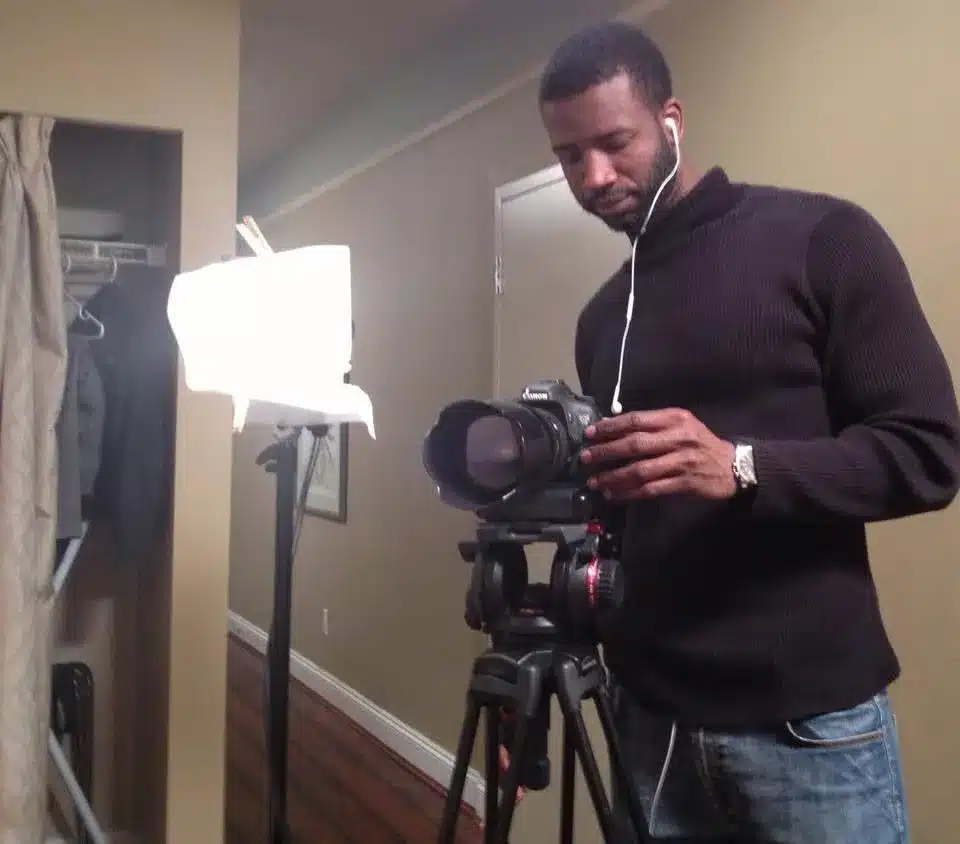
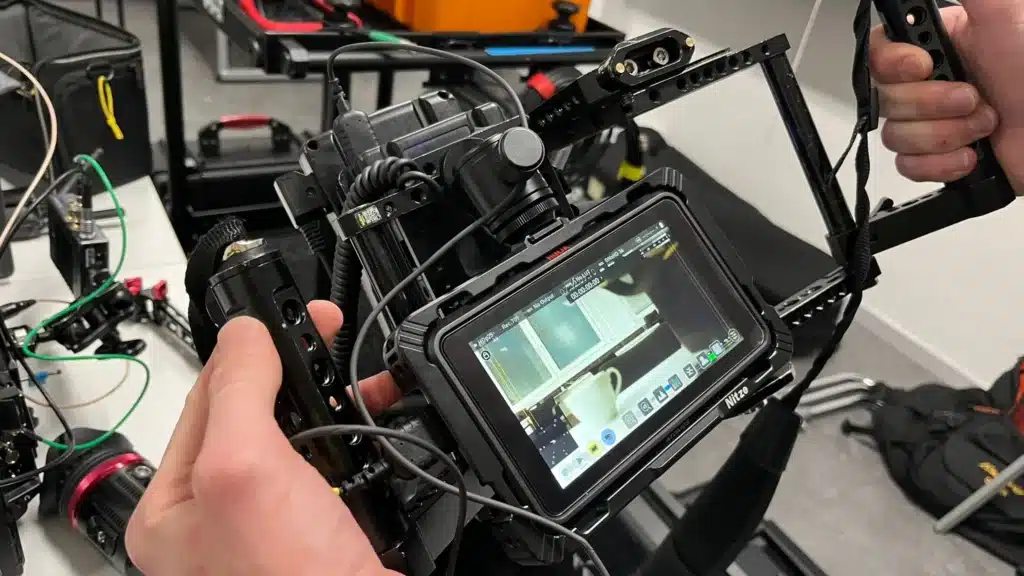
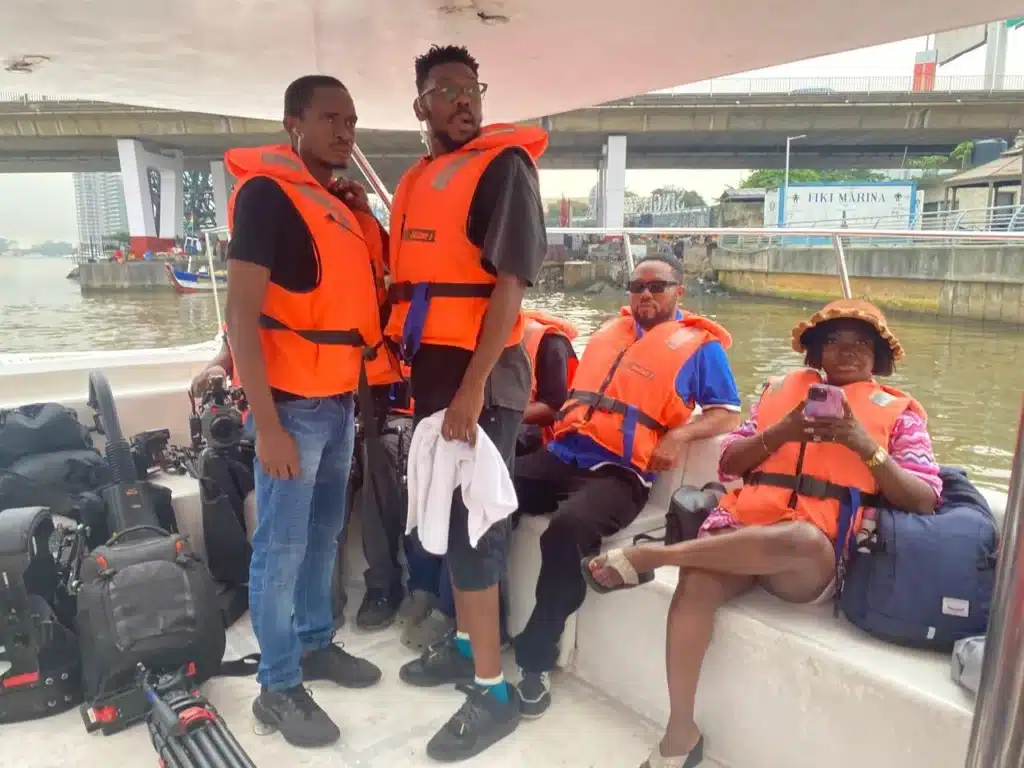
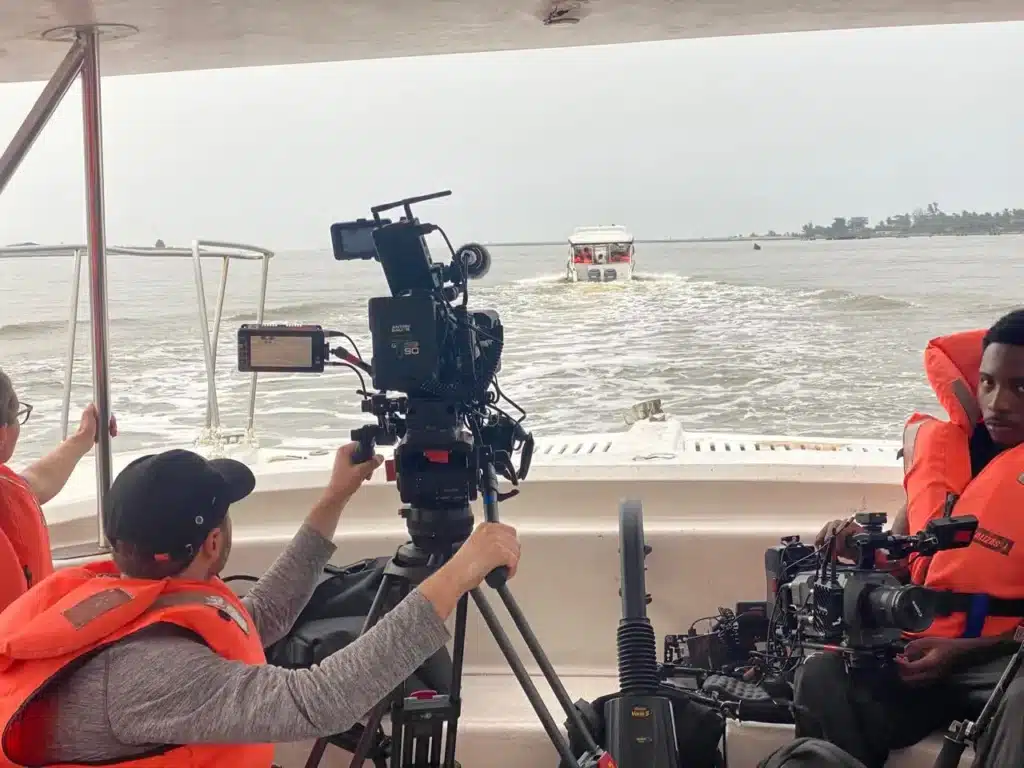
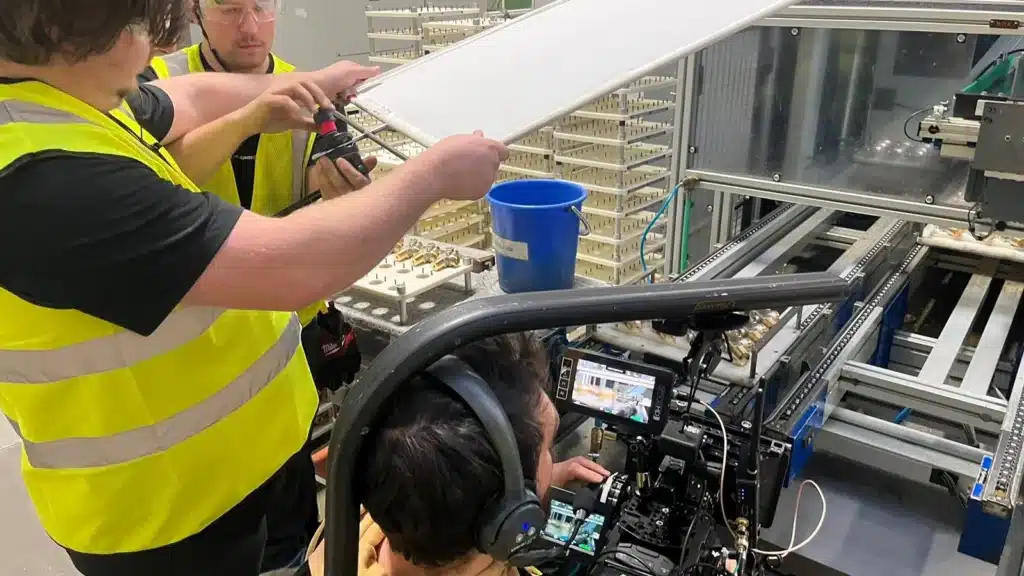
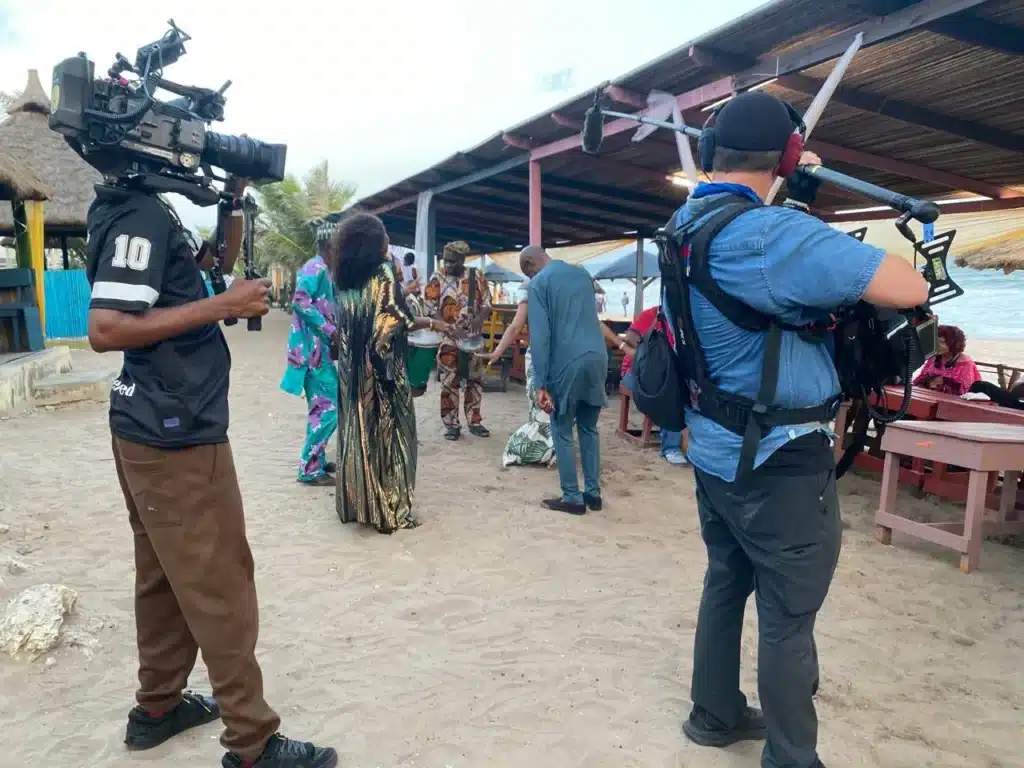
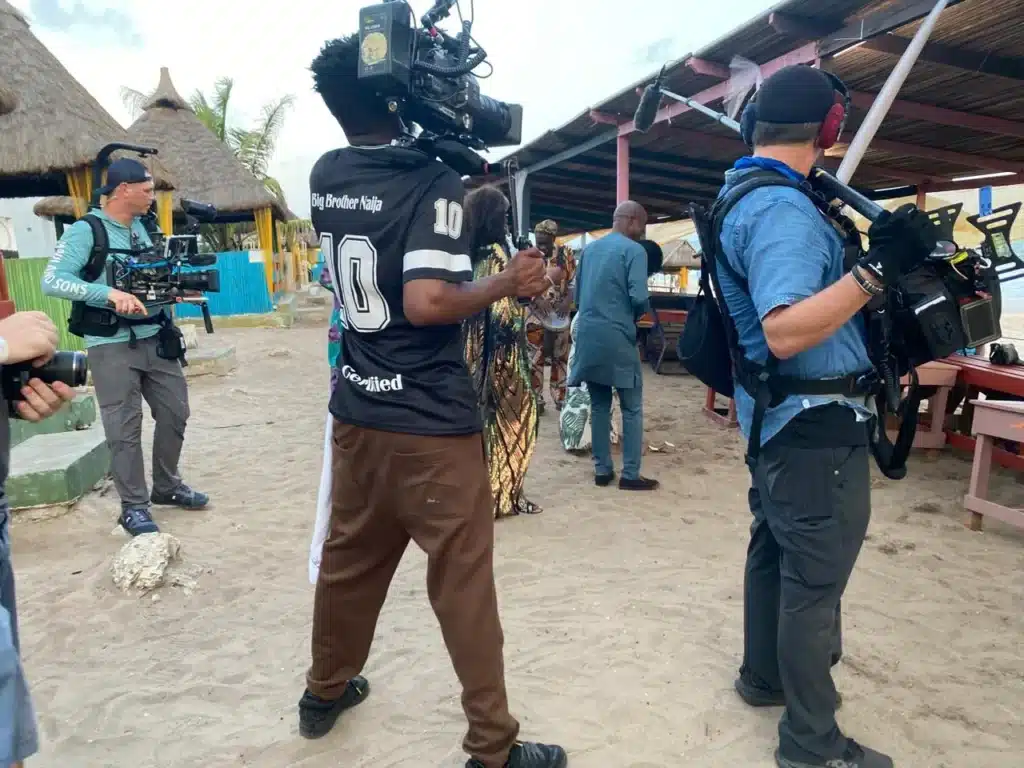
Previous Work done by Hoodlum
Film authorities and industry resources
Serious planning for New Zealand productions should be grounded in official sources and regional authorities.
- New Zealand Film Commission for inbound production support, facilities, locations, and rebate guidance. (New Zealand Film Commission)
- Ministry for Culture and Heritage and MBIE for the overarching New Zealand Screen Production Rebate framework and policy settings. (mch.govt.nz)
- RFONZ for the national network of regional film offices supporting locations, permits, and local facilitation.
- Screen Auckland for Auckland regional film office support and city-level facilitation. (Screen Auckland)
- Queenstown Lakes District Council for region-specific film permit requirements and timing guidance. (Queenstown Lakes District Council)
These bodies matter because they show that New Zealand’s filming environment is not just visually strong. It is administratively structured in a way that supports complex work.
FAQs
Why is filming in New Zealand good for multi-region productions?
Because New Zealand combines diverse locations with a connected production ecosystem. Regional film offices, experienced crews, and established technical hubs make it easier to move between regions without rebuilding the production structure each time.
Does New Zealand have strong production infrastructure?
Yes. The New Zealand Film Commission says the country offers world-class production infrastructure, including sound stages, post-production, VFX capability, and facilities across key hubs such as Auckland, Wellington, and Queenstown.
Are there official incentives for international productions in New Zealand?
Yes. The New Zealand Screen Production Rebate provides a 20% rebate for eligible international productions, with an additional 5% in certain circumstances. Updated international settings took effect from 1 January 2026.
Do regional permits slow productions down in New Zealand?
They can add planning requirements, but the system is generally structured rather than chaotic. Regional film offices and local authorities provide defined permit routes, and even high-demand areas like Queenstown publish practical guidance and turnaround expectations.
What kinds of shoots benefit most from production support in New Zealand?
Location-heavy commercials, automotive campaigns, premium tourism work, outdoor and apparel shoots, and larger productions moving across multiple environments benefit the most because they rely on tight scheduling, coordinated permits, and steady operational control.
This article was written by Zandri Troskie-Naudé using verified information from relevant national authorities and regional production professionals, the filming environment reflects local regulatory oversight, location authority coordination, and established on-ground production capability. With experienced film fixers, comprehensive film production services in New Zealand, and dependable production support in New Zealand, productions operate within a framework built for structured, efficient execution.