Filming Requirements in Northern Italy start with one useful reality: Northern Italy is not a single permitting jurisdiction. Milan, Turin, Venice, the Dolomites, regional parks, state museums, and municipal streets all sit inside different approval layers, so producers need to map the location type before they map the shot list. In practice, foreign productions usually deal with a mix of municipal permits, cultural-heritage permissions, immigration rules for non-EU workers, customs rules for gear, and aviation rules for drones.
For producers and executive producers, the first question is often Is Filming Allowed in Northern Italy. Broadly, yes. Northern Italy is one of Europe’s most production-friendly regions, but “allowed” does not mean “uniform.” A fashion shoot on a Milan street, a commercial inside a historic palace in Lombardy, and a drone day in alpine airspace do not follow the same process. That is why Filming Requirements in Northern Italy are best handled as a practical operating framework rather than one generic permit checklist.
1. Is Filming Allowed in Northern Italy? Yes, but permit authority changes by location
Is Filming Allowed in Northern Italy for foreign productions? Yes, but the real question is which authority controls the site. In Milan, for example, the municipality states that its One Stop Events Area issues authorizations for film shoots, TV series, dramas, and fiction across the municipal territory, while different offices handle certain photo and video shoots depending on whether they take place in the historic center or outside it. The city also gives concrete submission windows: at least 6 working days for many commercial shoots in historic-center, park, and municipal-building areas, and at least 30 days for film and TV shoots involving occupation of public land.
That means the first rule inside Filming Requirements in Northern Italy is to classify locations before requesting anything:
- municipal streets, squares, and parks
- municipal buildings
- private property
- state museums and cultural institutions
- protected landscapes or parkland
- controlled or restricted airspace for aerial work
This sounds obvious, but it prevents a common production mistake: assuming all public space is administered the same way. In Northern Italy, city permissions can be highly procedural, while heritage spaces and conservation land add extra layers.
2. Filming Requirements in Northern Italy get stricter in cultural and heritage locations
One of the most important Filming Requirements in Northern Italy is that heritage sites are treated differently from ordinary public space. Italy’s Ministry of Culture network makes this plain. The Regional Museums Directorate of Lombardy states that photographing and filming state cultural property for personal use or non-profit cultural promotion is generally allowed without flash, lights, selfie sticks, tripods, or other supports, but for other uses, including commercial ones, authorization is required and fees may apply. That distinction is a bright line for commercial production.
The underlying legal architecture also matters. Ministry-linked institutions repeatedly cite the Code of Cultural Heritage and Landscape and Ministerial Decree No. 161 of 11 April 2023 for fee schedules and concessions of use. In practical terms, once a production wants to film commercially in a museum, archive, palace, or state-managed cultural site, the question is no longer just Is Filming Allowed in Northern Italy. The question becomes whether the institution considers the project compatible with the site’s historical and artistic character and what concession terms apply.
A clean producer checklist for heritage spaces should include:
- exact site ownership and managing institution
- whether the use is commercial or non-profit
- whether tripods, lights, supports, or crew build-out are involved
- whether filming affects visitor access
- whether a concession fee applies under Ministry rules
That is where Filming Requirements in Northern Italy become less like paperwork and more like choreography with frescoes. Elegant, delicate, and not improved by surprises.
3. Is Filming Allowed in Northern Italy for non-EU cast and crew? Usually yes, but immigration planning matters
Is Filming Allowed in Northern Italy for non-EU cast and crew? Usually yes, but only through the correct immigration route. Italy’s Ministry of Labour states that an employer intending to hire a non-EU national resident abroad must request a nulla osta al lavoro from the One-Stop Immigration Desk after checking worker availability through the competent employment center. The migrant integration portal further explains that, under the current procedure, if no grounds for refusal emerge within the statutory period, the work authorization is issued automatically and transmitted electronically to the Italian diplomatic mission, which then issues the entry visa.
For productions, that means Filming Requirements in Northern Italy should include a passport-by-passport immigration tracker rather than one generic travel memo. Some crew may enter under Schengen rules for short stays depending on nationality and purpose, while non-EU workers coming for actual employment activity may need a national work-visa route tied to a nulla osta. Italian consular guidance also says non-EU citizens wishing to work in Italy must apply for a work visa and, once in Italy, convert it into a residence permit for work purposes, unless a legal exception applies.
The practical checklist is straightforward:
- identify which personnel are non-EU
- confirm whether their activity is work rather than ordinary business travel
- determine whether a nulla osta is required
- build time for visa issuance and residence-permit follow-up
- align contracts and host-production documents early
For producers, immigration is where beautiful recce decks meet the administrative goblin under the bridge. Feed it complete documents and it usually lets the convoy pass.
4. Drone Filming in Northern Italy follows EU-style rules, but local airspace checks are non-negotiable
Drone Filming in Northern Italy is possible, but not casual. ENAC says all drone operators must register on the d-flight portal and obtain a European operator identification code in QR format to affix to each drone they operate, subject to limited exceptions such as toy drones and certain sub-250g drones without data-collection devices. ENAC also states that operators must ensure remote pilots are adequately trained, must carry liability insurance, and must respect privacy rules.
For everyday operations in the open category, ENAC’s published limitations are clear:
- maximum height 120 metres above ground
- operation within visual line of sight
- no flights over assemblies of people
- no dangerous goods or material release
- compliance with the manufacturer’s instructions
ENAC further says that before every flight the operator must verify airspace compatibility and geographic-zone restrictions through d-flight maps. That makes Drone Filming in Northern Italy as much a mapping exercise as a piloting exercise, especially around cities, airports, industrial areas, and alpine valleys where terrain and airspace can complicate operations.
5. Drone Filming in Northern Italy gets another layer when the operator is foreign
A particularly useful rule for international productions is that Drone Filming in Northern Italy changes slightly depending on where the operator is established. ENAC’s foreign-operator guidance says operator registration is valid across EU countries and Switzerland. EU residents can register with the aviation authority of their state of residence, while non-EU residents, including UK residents, can register in the first EU country they plan to visit. Once registered, the operator identification must be clearly affixed to the drone. ENAC also notes that holders of an EU remote-pilot certificate can use it in Italy for open-category operations, provided they meet Italian requirements such as liability insurance and d-flight airspace checks.
So the real operating sequence for Drone Filming in Northern Italy is:
- confirm whether the operator is EU-registered or needs first-entry registration
- confirm pilot competency for the intended category
- arrange liability insurance
- check d-flight geographic zones before each flight
- assess privacy exposure if filming near identifiable people
That final point matters. ENAC explicitly reminds operators that drone use must respect EU privacy and data rules. So even when the aviation side is lawful, productions still need to consider image rights and data protection in crowded urban settings.
6. Filming Requirements in Northern Italy for streets and public land usually involve municipal timing, fees, and public-space occupation rules
Another major part of Filming Requirements in Northern Italy is ordinary ground logistics in cities. Milan’s municipal guidance is a helpful official example of how Northern Italian cities approach public-space filming. The city states that applications are filed online, that two €16 stamp duties are required for submission and issuance, and that filming fees depend on whether the request is photographic, video, or mixed photo/video, with additional charges possible for services such as surveillance or local police support. It also distinguishes filming with occupation of public land from lighter activity, and it provides different competent offices depending on zone and production type.
This does not mean every northern city uses Milan’s exact tariffs. It does mean producers should assume city permits are procedural, timed, and sometimes fee-based. A good municipal-prep checklist looks like this:
- exact address list and movement plan
- whether public land will be occupied
- whether traffic control or police support is needed
- whether the location sits in a historic center or protected zone
- whether the city requires stamp-duty payments or security deposits
That is why Is Filming Allowed in Northern Italy in a city center is rarely the most useful question. A better one is: what does this municipality need from us, and how early? Municipalities tend to appreciate that question because it arrives wearing sensible shoes.
7. Filming Requirements in Northern Italy also include ATA Carnet strategy and customs discipline
The last smart rule is about gear. Filming Requirements in Northern Italy do not end with permits; they also include customs planning for temporary imports. Italy’s customs administration explains that ATA Carnet is the international customs document used for temporary import, temporary export, and transit of goods, and it allows goods to move with duty suspended for the period authorized under the applicable convention. ICC Italia also describes the carnet as a customs passport for goods that simplifies temporary admission procedures in participating countries.
For film production, this matters because camera, lighting, grip, and specialist kit often cross borders on short schedules. The smart customs checklist is familiar but unforgiving:
- gear list with serial numbers
- carnet status confirmed before departure
- matching inbound and outbound routing
- local transport handoff planned after customs release
- backup proof of ownership or hire documents
In other words, Filming Requirements in Northern Italy include the glamorous task of making sure the cases that look identical on the truck do not become legally mysterious at the border. Customs officers tend not to enjoy plot twists.
Production-Focused FAQs
Is Filming Allowed in Northern Italy for foreign productions?
Yes, generally, but approvals depend on whether the location is municipal, private, cultural-heritage, or airspace-sensitive.
What are the main Filming Requirements in Northern Italy?
The main areas are municipal permits, heritage authorizations where relevant, non-EU work authorization, customs planning for gear, and drone compliance.
Is Drone Filming in Northern Italy allowed commercially?
Yes, but commercial operators still need to follow ENAC and EU rules, including operator registration, insurance, pilot competence, and geographic-zone checks.
Do foreign drone operators need anything extra?
Often yes. Foreign operators must ensure valid operator registration in the correct EU framework and comply with Italian requirements such as insurance and d-flight checks.
Do productions need special permission for museums and historic sites?
Usually yes for commercial use. Ministry-linked institutions say commercial filming and image use generally require authorization and may involve fees or concessions.
Does Italy accept ATA Carnet for film equipment?
Yes. ATA Carnet is used for temporary import and export of goods under the applicable customs conventions.
Previous Work Done By Hoodlum
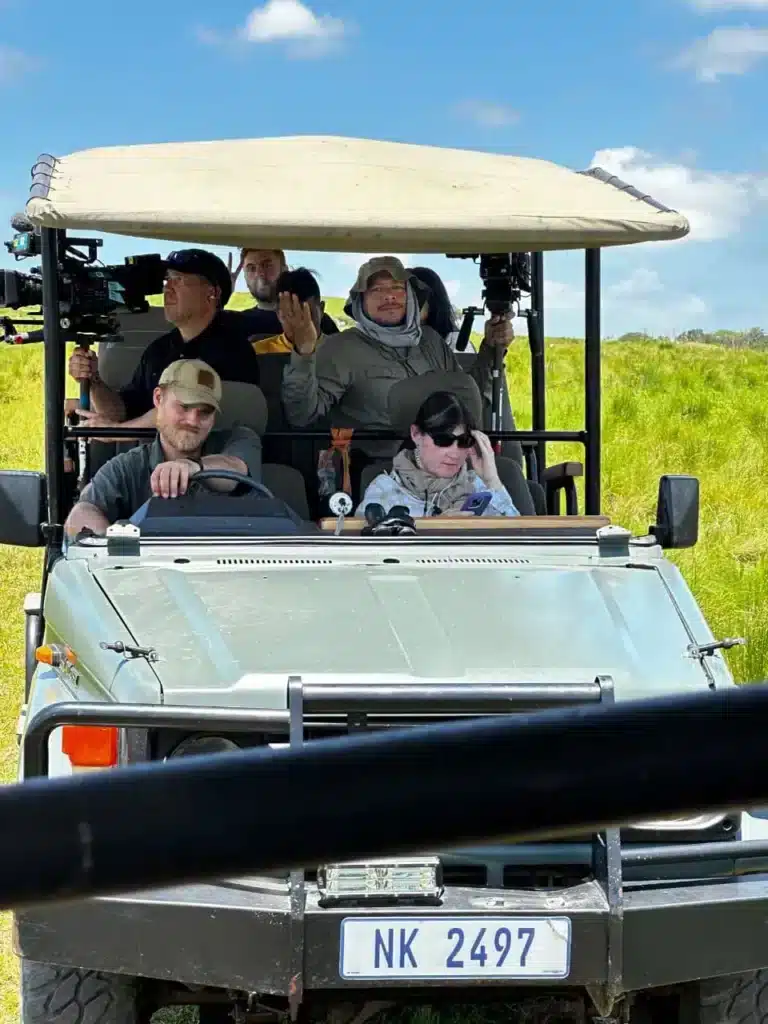
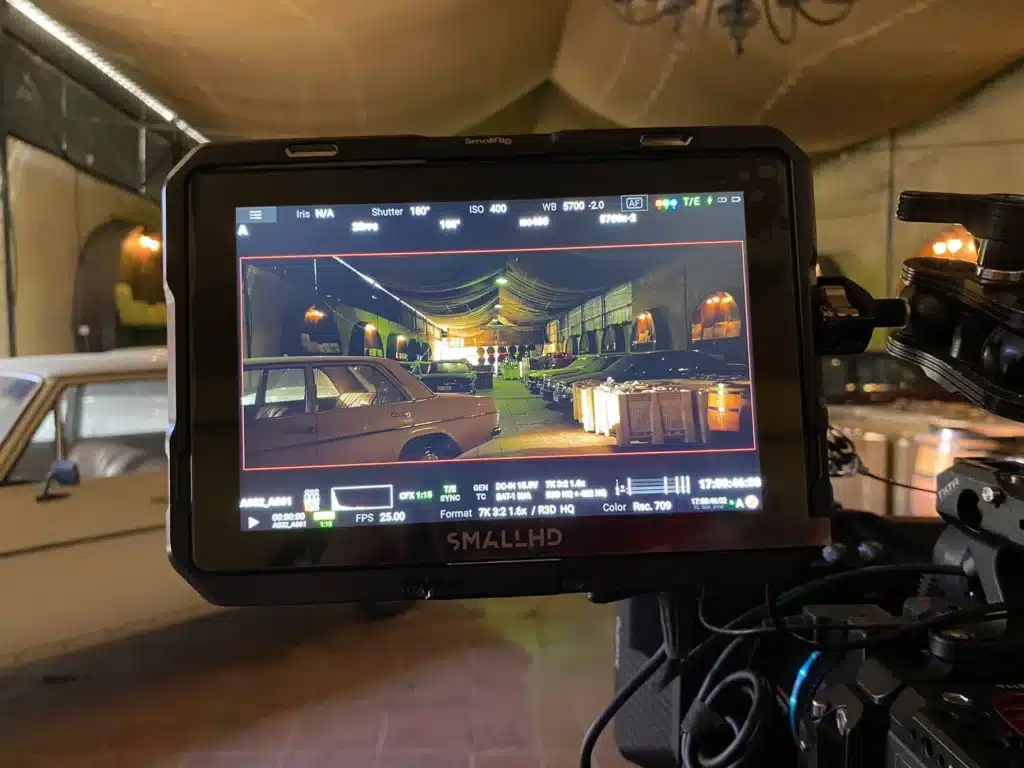
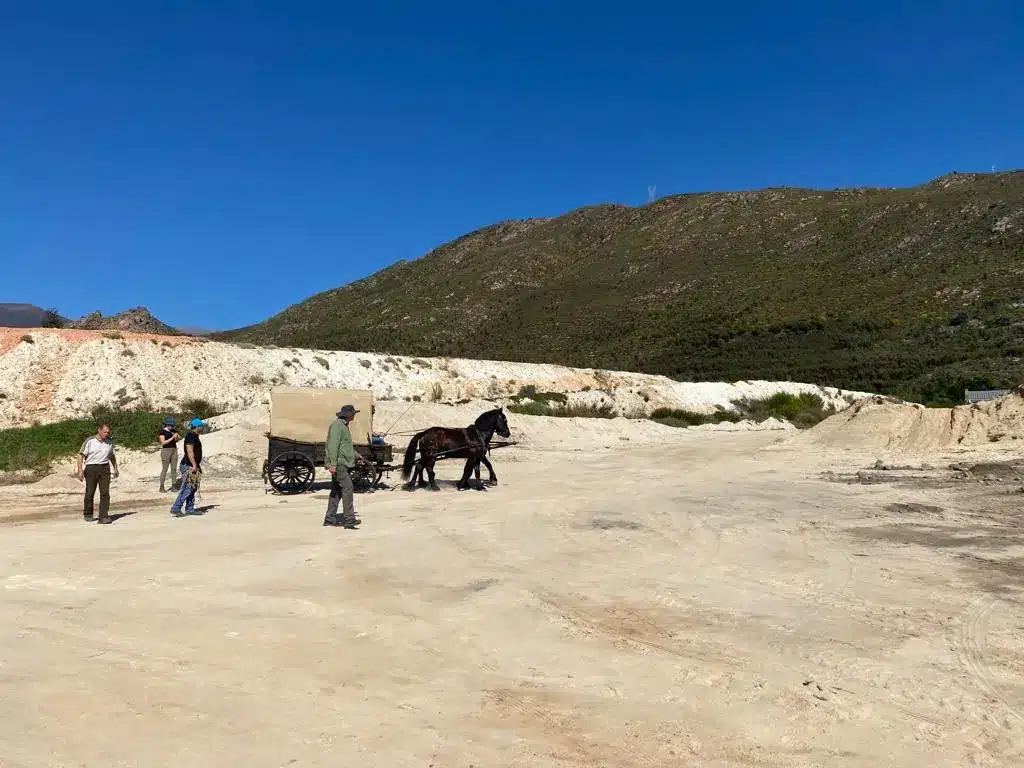
This article was written by Zandri Troskie-Naudé using verified information from relevant national authorities and regional production professionals, the filming environment reflects local regulatory oversight, location authority coordination, and established on-the-ground production capability. With experienced film fixers, comprehensive film production services, and dependable production support, productions operate within a framework built for structured, efficient execution.
Film Authorities and Industry Resources
Northern Italy does not have one single production authority, so the most reliable workflow is to check the source closest to the issue.
- Comune di Milano for municipal filming procedures, public-land occupation, and timing rules in Milan.
- Ministry of Culture institutions for commercial filming in state museums, archives, and cultural sites.
- ENAC for operator registration, flight-category limitations, foreign-operator rules, and airspace checks.
- Ministry of Labour / Sportello Unico framework for non-EU work authorization and nulla osta rules.
- ATA Carnet / Italian customs guidance for temporary import of production equipment.
These sources do not make prep less detailed. They make it less guessy, which is often the more valuable miracle.