
International Production in Angola offers a distinctive mix of Atlantic coastline, major-city energy in Luanda, and a Portuguese-speaking production environment, while the country’s audiovisual sector is still being actively shaped through public institutions and updated regulation. ANICC, Angola’s national creative industries agency, is currently publishing sector programmes and public consultation around regulations linked to the Cinema and Audiovisual Law, which shows an active but still evolving framework for screen work.
For producers, that means International Production in Angola can be highly effective, but only when the project is planned with proper lead time. Angola is not being marketed internationally as a rebate-first destination or a frictionless walk-in market. Instead, it is a country where administrative sequencing matters: entry route, production status, equipment paperwork, local liaison, and on-the-ground coordination all need to be aligned early. That does not make International Production in Angola unattractive. It simply means the value comes from rarity and specificity rather than speed.
Why Angola stands out
The appeal of International Production in Angola is that it still feels visually underused. For global brands, agencies, and documentary teams, that can be a major advantage. Angola offers a different texture from more saturated production territories, and the fact that its film and audiovisual ecosystem is still developing through institutions like ANICC can make the market feel less standardized and more specific. Recent ANICC announcements around audiovisual support programmes and industry consultation also suggest a sector with visible public momentum rather than stagnation. For the right producer, International Production in Angola is less about convenience and more about finding a setting that still feels fresh on screen.
That is why Commercial Filming in Angola is potentially strong for projects that need freshness. Commercial Filming in Angola can suit automotive campaigns, premium branded content, infrastructure-led films, lifestyle advertising, and corporate storytelling that benefits from an urban-coastal setting with a less familiar visual signature. In practice, Commercial Filming in Angola works best when the creative ambition is matched by disciplined pre-production rather than a last-minute, lightweight approach. That recommendation is an inference from the current official environment around entry rules, customs formalities, and the absence of a simplified public one-stop filming regime in the sources reviewed.
The same applies to factual work. Documentary Filming in Angola can be compelling because Angola intersects with major themes such as culture, infrastructure, history, trade, and audiovisual development in the Lusophone world. Recent ANICC updates show active support for audiovisual creation and cross-CPLP circulation, including programmes touching documentary lines and professional development. That gives Documentary Filming in Angola a strong context for filmmakers looking for stories with institutional, historical, or contemporary relevance.
Entry rules and why they matter
The first operational checkpoint for International Production in Angola is immigration status. Angola’s government has officially exempted citizens of 98 countries from tourism visas, with stays of up to 30 days per entry and 90 days per year. But the same official guidance makes clear that this exemption applies to tourism and that other categories still require the appropriate visa route. For production teams, that is the neon warning sign in the fog: a tourism waiver is not the same thing as production clearance.
So the practical approach for International Production in Angola is:
- verify whether each traveling crew member’s nationality falls under the tourism exemption
- do not assume tourism entry automatically covers paid production work
- confirm the correct travel basis for the project before ticketing
- align the immigration path with the production’s actual activity
- build in time for document gathering and local coordination
That discipline matters because International Production in Angola becomes much harder once the wrong assumptions are baked into flights, call sheets, and carnets that are not actually carnets.
Customs, temporary import, and equipment risk
For many crews, customs is where the rubber duck hits the tarmac. Angola does not accept ATA Carnet for temporary imports. U.S. trade guidance for Angola states that temporary entry of goods or equipment is allowed for up to 12 months and can be renewed for another 12 months, but requires the normal customs documents and a deposit against duties and taxes. One Angola trade page cites 50 percent of duties and taxes, while another cites 100 percent, which is exactly the kind of inconsistency that means producers should confirm the current rule with a local customs broker before budgeting.
That has a direct impact on Commercial Filming in Angola and Documentary Filming in Angola alike.
For Commercial Filming in Angola, the equipment plan should be locked early, especially if the production depends on specialist camera, grip, lighting, or motion-control packages.
For Documentary Filming in Angola, the risk is slightly different: smaller crews often assume lean gear means easy passage, but even compact factual packages can stall if paperwork is incomplete or the entry basis is unclear. In both cases, the current trade guidance points toward advance customs handling rather than airport improvisation.
The safest equipment workflow looks like this:
- prepare a detailed gear list with serial numbers
- confirm temporary import requirements before travel
- budget for possible customs deposits
- use a local broker or fixer for filings and clearance
- allow extra time on both entry and exit
That is not glamorous, but it is the hinge on which International Production in Angola often swings.
The institutional landscape
A useful way to frame International Production in Angola is to understand the institutions around it. ANICC, the Agência Nacional das Indústrias Culturais e Criativas, is publicly active under the Ministry of Culture and has recently published industry-facing notices on audiovisual support, project development, CPLP participation, and consultation on regulations linked to Angola’s Cinema and Audiovisual Law. That matters because it signals an official ecosystem that is present and moving, even if it does not yet present a simple international productions portal in the way some more mature filming destinations do.
There is also a communications and press infrastructure angle. Recent official notices from Angola’s Ministry of Telecommunications, Information Technologies and Social Communication reference the Centro de Imprensa Aníbal de Melo (CIAM) in Luanda as an active institutional venue, including for journalism-related submissions. Separately, ANICC’s contact information page provides public contact details for cinema and audiovisual services in Luanda. Together, those sources suggest that foreign teams should expect production legitimacy and media-facing activity to run through formal institutions rather than informal shortcuts. In practical terms, International Production in Angola works best when that institutional reality is factored into the schedule from the start.
That is particularly relevant for Documentary Filming in Angola. Documentary Filming in Angola often touches interviews, public-interest themes, or observational work that sits closer to media and factual practice than straightforward advertising. Because the institutional footprint is visible, Documentary Filming in Angola should be treated as a permissions-and-legitimacy exercise from day one, not a run-and-gun expedition with a nice deck.
What Angola is good for
The case for Commercial Filming in Angola is strongest when the brief calls for a strong sense of place. Angola can support work that benefits from city scale, maritime atmosphere, infrastructure visuals, and an African setting that does not immediately resemble the usual production postcards. Commercial Filming in Angola is therefore a good fit for:
- automotive and mobility campaigns
- corporate or infrastructure films
- premium branded documentaries
- fashion and lifestyle campaigns with an urban-coastal tone
- development, trade, or energy-adjacent storytelling
Because Angola is not currently framed by public sources as a rebate-led destination, Commercial Filming in Angola should be sold internally on creative value and strategic distinction, not on incentive arithmetic.
The case for Documentary Filming in Angola is slightly different. Documentary Filming in Angola is strongest where the editorial subject naturally intersects with Angola’s own realities or with wider Lusophone, regional, or historical questions. Good fits include:
- culture and identity
- urban growth and infrastructure
- audiovisual development
- post-conflict memory
- regional trade and movement
- creative industries across the CPLP space
Because ANICC is actively involved in audiovisual support and regulation, there is a visible institutional frame around the sector that documentary filmmakers can reference when shaping access and context.me around the sector that documentary filmmakers can reference when shaping access and context.
What to be careful about
International Production in Angola is promising, but it is not forgiving of vague prep. The main risks are administrative rather than artistic. Based on the current official and trade sources reviewed, the recurring caution points are:
- confusing tourism entry with production eligibility
- underestimating customs requirements
- assuming carnet-based workflows will apply
- leaving local coordination too late
- building a schedule with no compliance buffer
That is why the smartest version of International Production in Angola is usually a hybrid one: a clearly scoped foreign crew, a strong local fixer or broker, and a realistic timeline that treats logistics as part of production design rather than a backstage errand.
Production-focused FAQs
Do foreign crews automatically qualify to film if their country is on Angola’s visa-exemption list?
No. The official exemption is for tourism stays, and other categories still require the appropriate visa route.
Does Angola accept ATA Carnet for production equipment?
No. Current trade guidance says Angola does not accept Carnet for temporary imports.
Can equipment be brought in temporarily without permanent import?
Yes. Temporary entry is allowed, but it requires customs documents and a deposit against duties and taxes.
Is there an active film and audiovisual institution in Angola?
Yes. ANICC is currently publishing sector updates, support programmes, and consultation around audiovisual regulation.
Is Angola better for commercials or documentaries?
Both can work, but the project needs strong prep. Commercials benefit from visual distinctiveness, while documentaries benefit from editorial depth and institutional context.
Is Angola a rebate-led production destination?
The current official sources reviewed here show audiovisual support activity and regulation, but not a clearly promoted inbound rebate scheme.
International Production in Angola makes the most sense for producers who are chasing specificity. It is not the market to choose because it looks easy on a spreadsheet. It is the market to choose because the project needs Angola. When the creative case is real, the extra work can be worth it.
That is the core of International Production in Angola today. It is viable, distinctive, and institutionally active, but it asks for rigor. Commercial Filming in Angola can be strong when the visual brief needs freshness and scale. Documentary Filming in Angola can be powerful when the story benefits from Angola’s cultural, historical, or sectoral context. In both cases, the productions most likely to succeed are the ones that replace improvisation with planning before the first boarding pass is ever printed.
Previous Work Done by Hoodlum
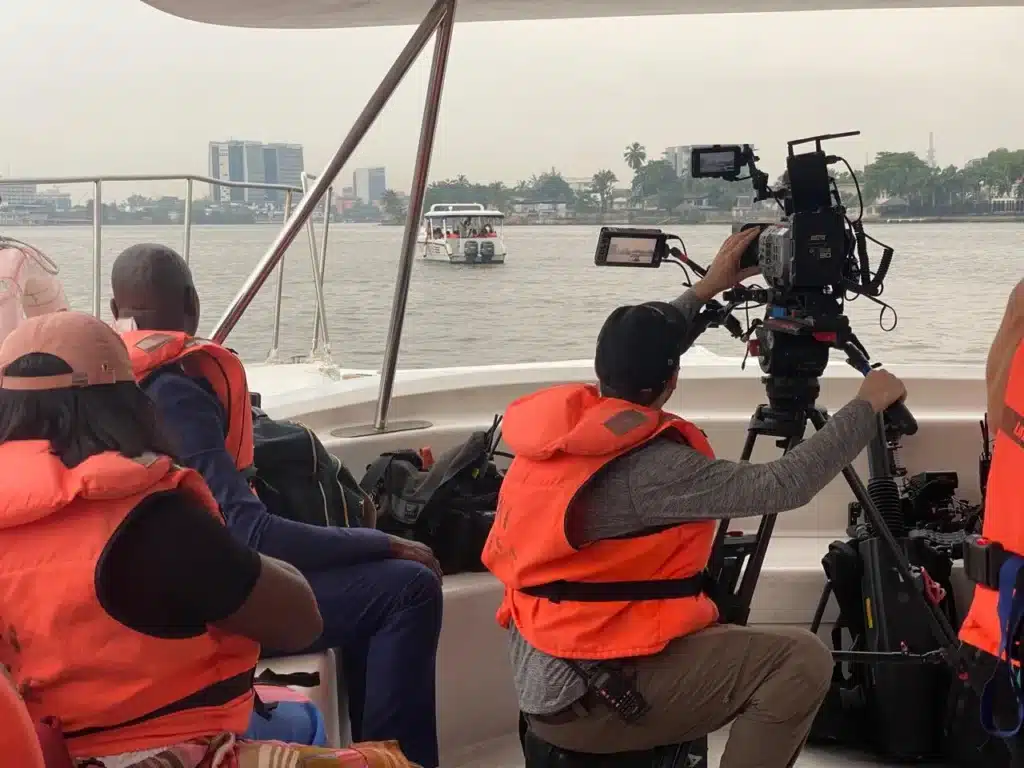
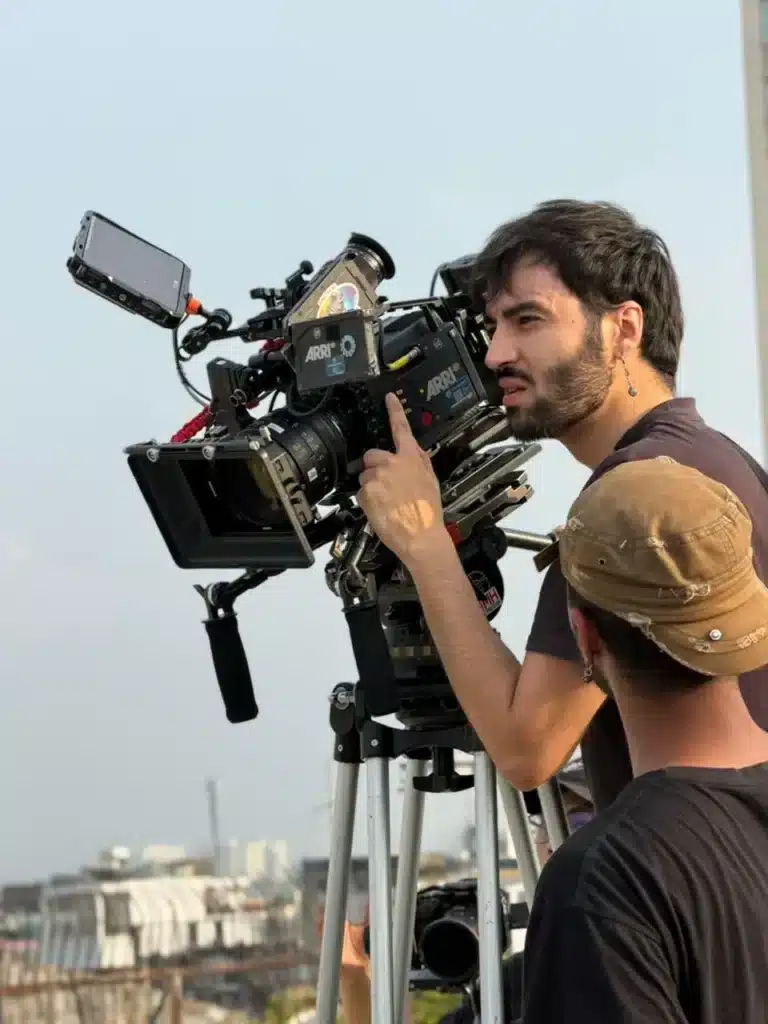
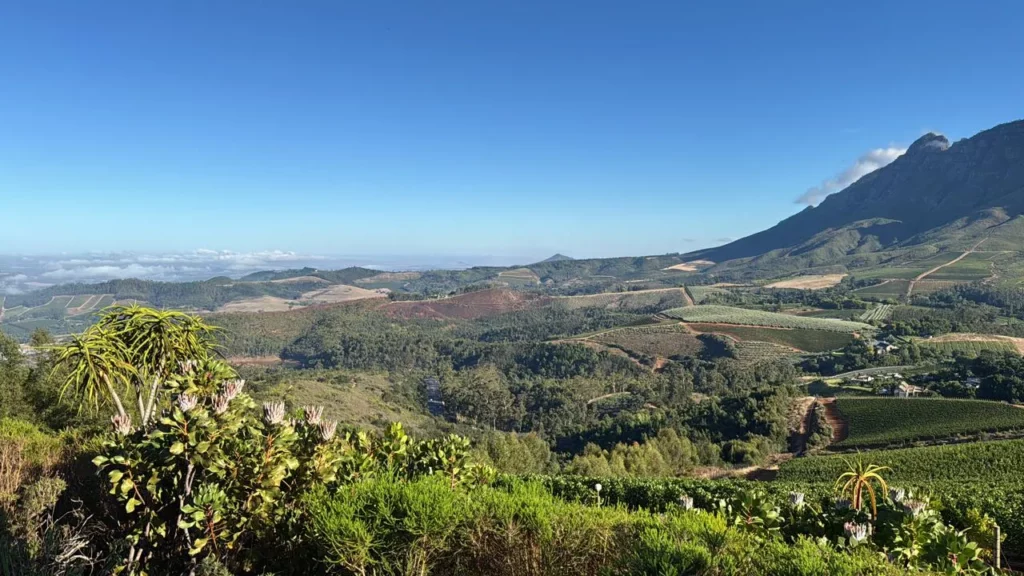
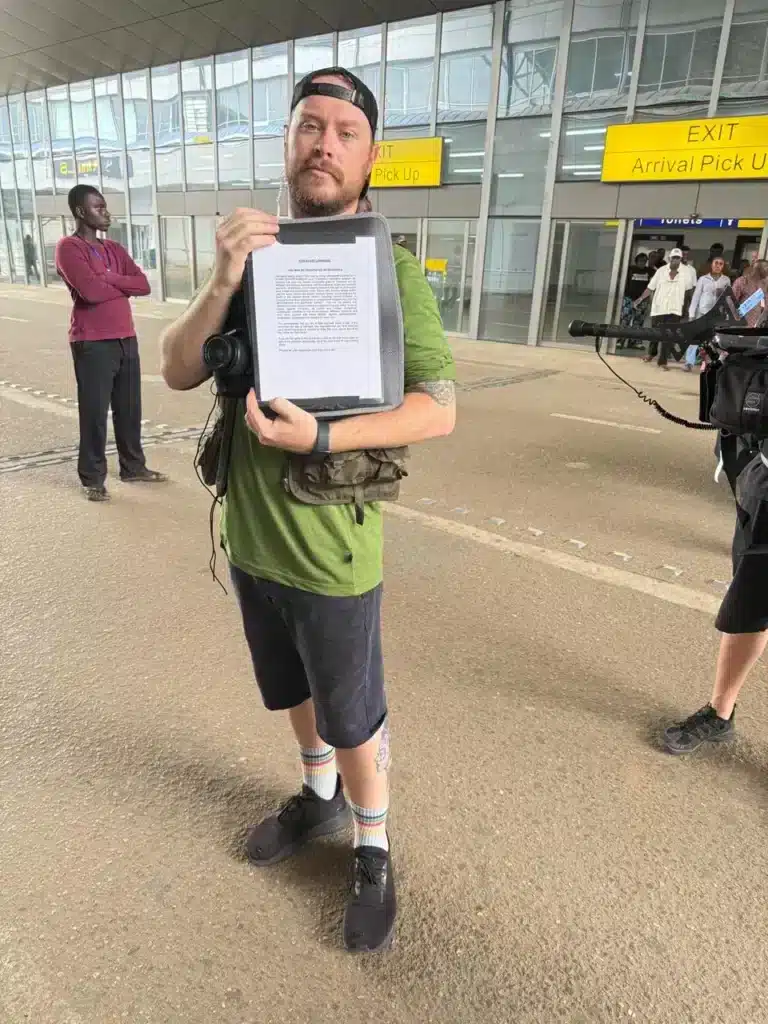
This article was written by Zandri Troskie-Naudé using verified information from relevant national authorities and regional production professionals, the filming environment reflects local regulatory oversight, location authority coordination, and established on-the-ground production capability. With experienced film fixers, comprehensive film production services, and dependable production support, productions operate within a framework built for structured, efficient execution.
Film authorities and industry resources
For producers planning International Production in Angola, official and semi-official sources matter because policy, sector oversight, and administrative expectations can shift. Angola’s creative and audiovisual landscape is currently anchored by public institutions rather than a large, internationally visible one-stop film commission. The most useful approach is to combine official government or ministry-linked sources with an experienced local fixer who understands how those systems work in practice.
- ANICC, Angola’s Agência Nacional das Indústrias Culturais e Criativas, under the Ministry of Culture, which publishes sector updates and currently references regulation tied to the Cinema and Audiovisual Law.
- Angola embassy and consular sources covering tourist visa exemptions and entry conditions.
- PICE, Angola’s official integrated foreign trade platform, relevant for import process visibility and customs workflow context.
- Hoodlum’s Angola production guide and location deck, which consolidate practical filming requirements for international crews.
These sources are useful for orientation, but they do not replace local production coordination. In Angola, the difference between knowing the rule and applying it smoothly is often where the real production value sits.