
Introduction
Canada has long been a favorite destination for filmmakers worldwide, offering breathtaking landscapes, vibrant urban settings, and state-of-the-art production facilities. From the rugged beauty of the Rockies and the vast tundras to bustling cities like Toronto, Vancouver, and Montreal, Canada provides the perfect backdrop for any type of production.
What sets Canada apart is its robust support for the film industry. With some of the most competitive tax incentives globally, including federal and provincial tax credits, productions can recoup a significant portion of their costs. These incentives, combined with a highly skilled, experienced, and multilingual crew base, make Canada a cost-effective and logistically efficient choice for film and TV productions.
Whether you’re filming a feature film, TV series, documentary, or commercial, Canada offers a safe, welcoming, and film-friendly environment that caters to all your creative needs.
Ready to make Canada the home of your next production? Contact us today to learn how we can simplify the process, secure your incentives, and turn your vision into reality.
Country Overview
Canada is a popular destination for international filmmakers, offering a diverse range of locations, favourable tax incentives, and a well-established film industry infrastructure. From lush landscapes to snowy scenes, Canada’s varied geography and climate make it an ideal location for filming.
Geography and Climate
Canada is a vast and geographically diverse country, bordered by the United States to the south, and sharing maritime borders with Greenland (Denmark) to the northeast, and France’s overseas collectivity of Saint-Pierre and Miquelon to the east. The country’s climate varies greatly depending on the region, with temperate climates in the south and polar climates in the north.
Main Cities and Language
The main cities in Canada are Toronto, Montreal, Vancouver, Calgary, and Ottawa, which is the capital city. The two official languages of Canada are English and French, with English being the primary language spoken in most provinces. The local currency in Canada is the Canadian dollar (CAD).
Best Time to Film
- Summer (June to August) is ideal for capturing lush landscapes.
- Winter (December to February) is best for snowy scenes.
- Spring (March to May) and autumn (September to November) can be unpredictable with rapidly changing weather conditions, making outdoor filming challenging.
Visa Requirements
Who needs a visa?
Filming crews traveling to Canada may need to obtain an International Mobility Program (IMP) work permit, a Temporary Resident Visa (TRV), or an Electronic Travel Authorization (eTA), depending on their nationality, length of stay, and specific work activities.
Required documents:
- Valid passport,
- Completed work permit application
- Letter of introduction from the production company
- Proof of qualifications and experience
- Detailed itinerary of the filming schedule.
Processing time:
2-4 weeks
Cost:
Around $155
International Crew Accreditation
Who needs accreditation?
Film crew members typically require accreditation from relevant Canadian unions or guilds, such as the International Alliance of Theatrical Stage Employees (IATSE) or the Directors Guild of Canada (DGC).
Required documents:
- Valid passport
- Proof of qualifications and experience
- Resume
- Letter of introduction from the production company
- Proof of membership in a relevant Canadian union or guild.
Processing time:
2-10 business days
Cost:
$100-$300 per crew member
General Film Permit
Who issues permits?
City or municipal film offices, provincial film commissions, Parks Canada, and the National Film Board of Canada.
Required documents:
- Detailed shoot schedule
- Location maps
- Script excerpts
- Proof of liability insurance
- Completed permit application form.
Processing time:
- 2-5 business days (simple permits)
- 5-10 business days (standard permits)
- 10-30 business days (complex permits)
Cost:
$230 per permit, with additional fees for material changes, cancellations, and extra locations
Private Locations
How to secure locations?
Work with a local fixer to scout and secure private locations, negotiate with property owners, obtain necessary permits, and coordinate logistics.
Cost:
Varies depending on the location and production requirements
Canada offers diverse and unique landscapes, making it an attractive filming location for various productions. Here are some of the best places to film in Canada:
Film Locations
- Natural Wonders
- Banff National Park, Alberta: Breathtaking mountain scenery, glaciers, and turquoise lakes.
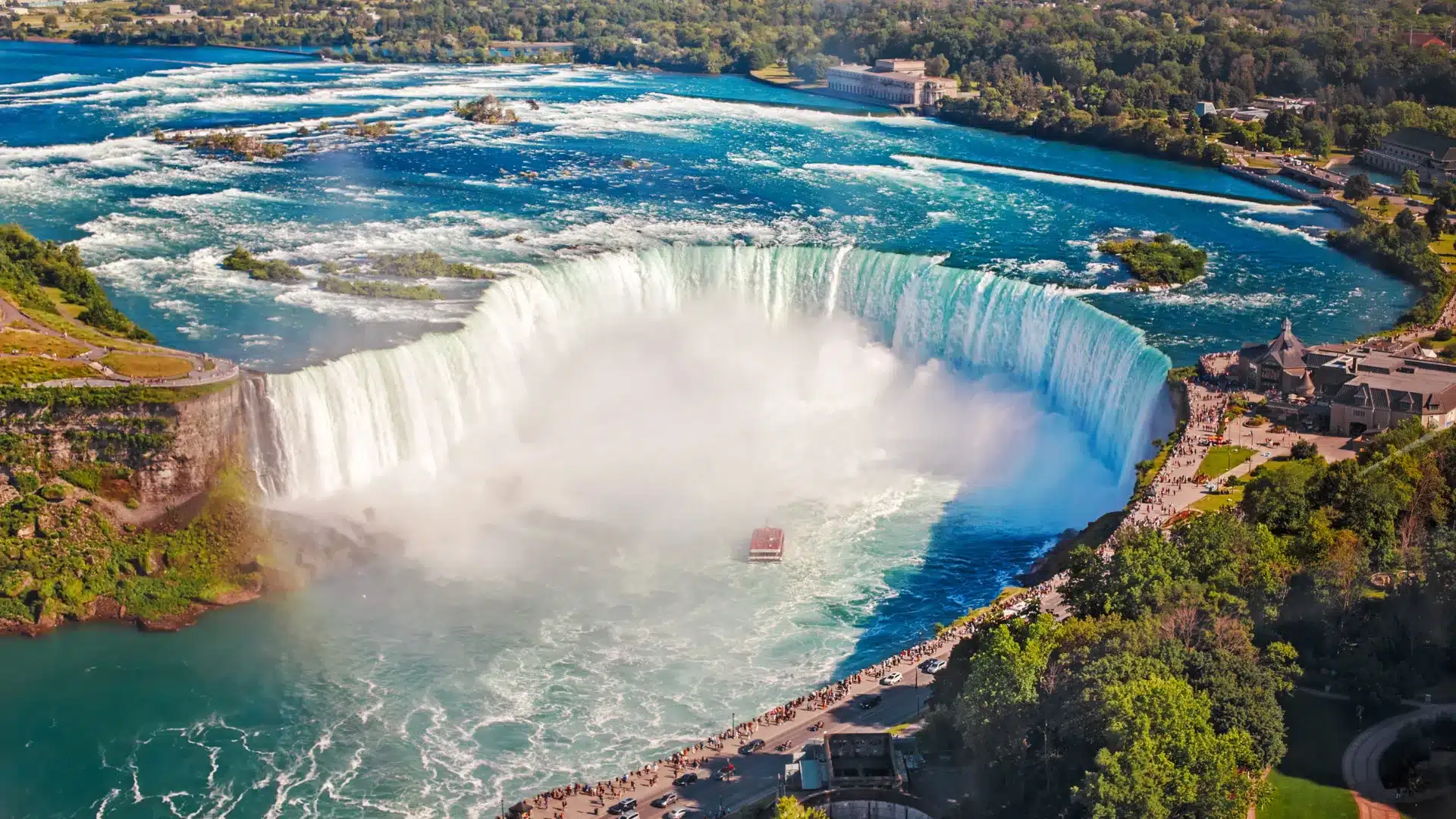
- Niagara Falls, Ontario: Iconic waterfalls and surrounding cityscape.
- Old City of Quebec, Quebec: Historic architecture, cobblestone streets, and picturesque surroundings.
- Tofino, British Columbia: Lush rainforests, rugged coastline, and pristine beaches.
- Bay of Fundy, New Brunswick: Unique tidal landscapes and dramatic coastal scenery.
- Urban Landscapes
- Toronto, Ontario: Diverse neighborhoods, iconic landmarks like the CN Tower, and a vibrant downtown core.
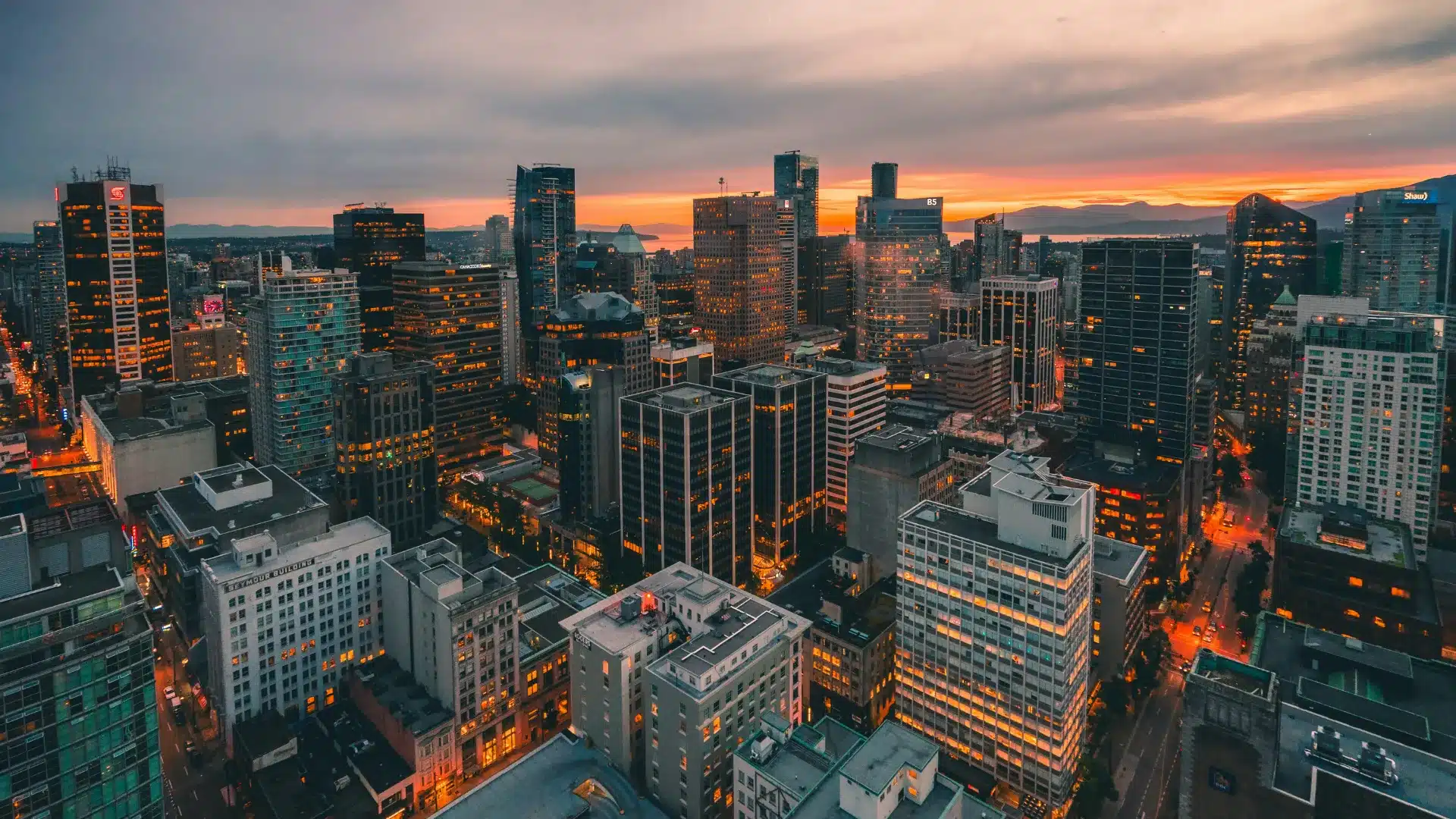
- Vancouver, British Columbia: Modern architecture, scenic waterfront, and surrounding mountains.
- Montreal, Quebec: Historic architecture, lively streets, and a unique blend of French and Canadian cultures.
- Calgary, Alberta: Modern cityscape, scenic river valleys, and nearby mountain ranges.
- Halifax, Nova Scotia: Maritime charm, historic waterfront, and a vibrant arts scene.
- Unique Locations
- Haida Gwaii, British Columbia: Pristine wilderness, rugged coastline, and rich Indigenous culture.
- Churchill, Manitoba: Polar bear capital of the world, unique Arctic landscapes, and Northern Lights.
- Prince Edward Island: Picturesque landscapes, red sand beaches, and charming small towns.
- Okanagan Valley, British Columbia: Scenic lakes, vineyards, and rolling hills.
- Icefields Parkway, Alberta/British Columbia: Breathtaking mountain scenery, glaciers, and turquoise lakes.
These locations offer a mix of natural beauty, urban excitement, and unique cultural experiences, making Canada an attractive destination for filmmakers.
Drone Permit
Drone regulations: Comply with Transport Canada regulations, including obtaining a Special Flight Operations Certificate (SFOC), adhering to airspace restrictions, and following safety guidelines.
Required documents: Completed SFOC application form, proof of liability insurance, drone specifications, pilot certification, and detailed flight plan and risk assessment.
Processing time:
20-120 working days
Cost:
$81 CAD (standard permit), with additional fees for complex operations or expedited processing
Equipment Customs Clearance
Is Canada a Carnet country?
Yes
Required documents:
- Commercial invoice
- Certificate of origin
- ATA Carnet (if applicable)
- Customs declaration form
- Equipment list with serial numbers.
Processing time:
20 minutes to several days
Cost:
$50-$500
Film Rebates and Tax Incentives
What incentives are available?
Canada offers various film and television production incentives, including tax credits and rebates, which can apply to reality TV productions, varying by province.
How to access incentives?
Consult with a local production services company or film commission to determine eligibility and application procedures.
Safety and Security
General overview:
Canada is a film-friendly country with a low risk of crime and violence.
Security measures:
Standard security measures are generally sufficient, but film crews may consider hiring private security personnel for high-value equipment, sensitive locations, or high-profile productions.
By understanding these regulations and requirements, you can ensure a smooth and successful filming experience in Canada. Contact us today for expert production support.