Tahiti is one of the world’s most visually intoxicating production destinations — a place where volcanic mountains plunge into turquoise lagoons, ancient cultural traditions shape everyday life, and sunlight paints the ocean in colours most cinematographers only see in dreams. For filmmakers seeking cinematic purity, human warmth, and a production ecosystem that combines island calm with professional discipline, Tahiti offers a rare blend of beauty and reliability. With structured Production Support Tahiti, deeply knowledgeable Film Fixers in Tahiti, and scalable Film Production Services in Tahiti, international crews can move across islands, reefs, villages, and peaks with confidence.
As the gateway to French Polynesia, Tahiti is more than a tropical paradise. It is a production-ready archipelago supported by local authorities who understand the creative value of global storytelling. Whether you’re filming a travel commercial across teal lagoons, a documentary on Polynesian navigation, a fashion campaign on black-sand beaches, or a feature film set against dramatic volcanic ridges, the combination of natural wonder and professional infrastructure allows crews to execute their vision smoothly and respectfully.
This long-form guide draws on local insight, verified information from Hoodlum’s Tahitian partners, and real production experience across French Polynesia’s islands.
Why Tahiti Is Fast Becoming a Top Global Filming Destination
Tahiti’s rise in the international production world comes down to a perfect triad: visual diversity, cultural depth, and operational clarity. Productions can shift from raw tropical coastline to dramatic mountain pass to intimate village setting within hours, supported by environmentally responsible workflows and regionally experienced teams.
Here’s what keeps Tahiti on the map for directors, showrunners, and producers:
1. Cinematic Landscapes That Feel Unreal
Tahiti’s visual range is astonishing for a relatively compact geographic area.
Crews can access:
- Towering volcanic peaks
- Waterfalls tumbling through rainforest
- Shallow lagoons with infinite visibility
- Black, white, and pink sand beaches
- Coral gardens and reef passes
- Untouched bays framed by dramatic cliffs
- River valleys and cave-fed freshwater pools
- Island villages filled with cultural heritage
With well-coordinated Production Support Tahiti, crews can move through these environments efficiently, respecting both natural ecosystems and community rhythm.
2. Skilled, Bilingual Crews & Growing Film Infrastructure
The region’s film industry has matured significantly, supported by training programs, tourism partnerships, experienced local fixers, and a professional ecosystem strengthened by international shoots.
Departments include:
- Camera
- Lighting & grip
- Drone and aerial specialists
- Water safety teams
- Marine coordinators
- Art, wardrobe, and HMU
- Local talent and extras casting
- Transport and marine logistics
- Production assistants and unit crew
Strong bilingual capacity in French and English allows for smooth communication with international teams. Professional Film Production Services in Tahiti connect all departments into one organised workflow.
3. Culturally Fluent Film Fixers in Tahiti
Filming in Tahiti means working in a space where traditional Polynesian culture is alive, respected, and deeply intertwined with village leadership structures. Local fixers ensure that:
- Cultural etiquette is observed
- Village permissions are secured
- Traditional lands and waters are respected
- Community relationships are honoured
- Environmental limits are followed
- Sacred sites remain protected
- Marine filming is conducted safely
Film Fixers in Tahiti are essential — they are translators, navigators, mediators, and creative problem-solvers who ensure productions maintain harmony with local life.
4. Predictable, Respectful Permitting
Permits in Tahiti are refreshingly clear and relationship-driven.
Your team will collaborate with:
- Local mayors
- Tourism boards
- Environmental authorities
- Property owners
- Marine and lagoon regulators
- Cultural/community leaders
With structured Production Support Tahiti, approvals remain smooth, transparent, and aligned with local expectations.
General timelines:
- Village/town permits: 2–5 days
- Private property: 1–3 days
- Marine/lagoon filming: 3–7 days
- Drone permissions: 4–10 days
- Protected areas: 7–14 days
No guesswork. No bureaucracy overload. Just clear steps guided by experienced teams.
5. Water & Marine Filming Expertise
Tahiti is one of the world’s great marine filming hubs.
The region’s clarity, coral systems, wildlife, and shallow blue-water shelves allow for:
- Underwater cinematography
- Surf films
- Boat-to-boat shooting
- Lagoon steadicam setups
- Drone choreography
- Open-water sequences
- Talent swimming scenes
- Cliff-diving and waterfall action
Film Production Services in Tahiti include safety divers, boat captains, marine spotters, underwater DPs, reef-safe access protocols, and ocean-readiness planning. This is essential for reducing risk while maintaining creative fluidity.
Top Filming Locations in Tahiti
Tahiti’s filming potential extends across multiple islands, each offering different textures, colours, and atmospheres. Below are more than nine key filming zones regularly selected by international productions, all supported by tailored Production Support Tahiti and region-specific Film Fixers in Tahiti.
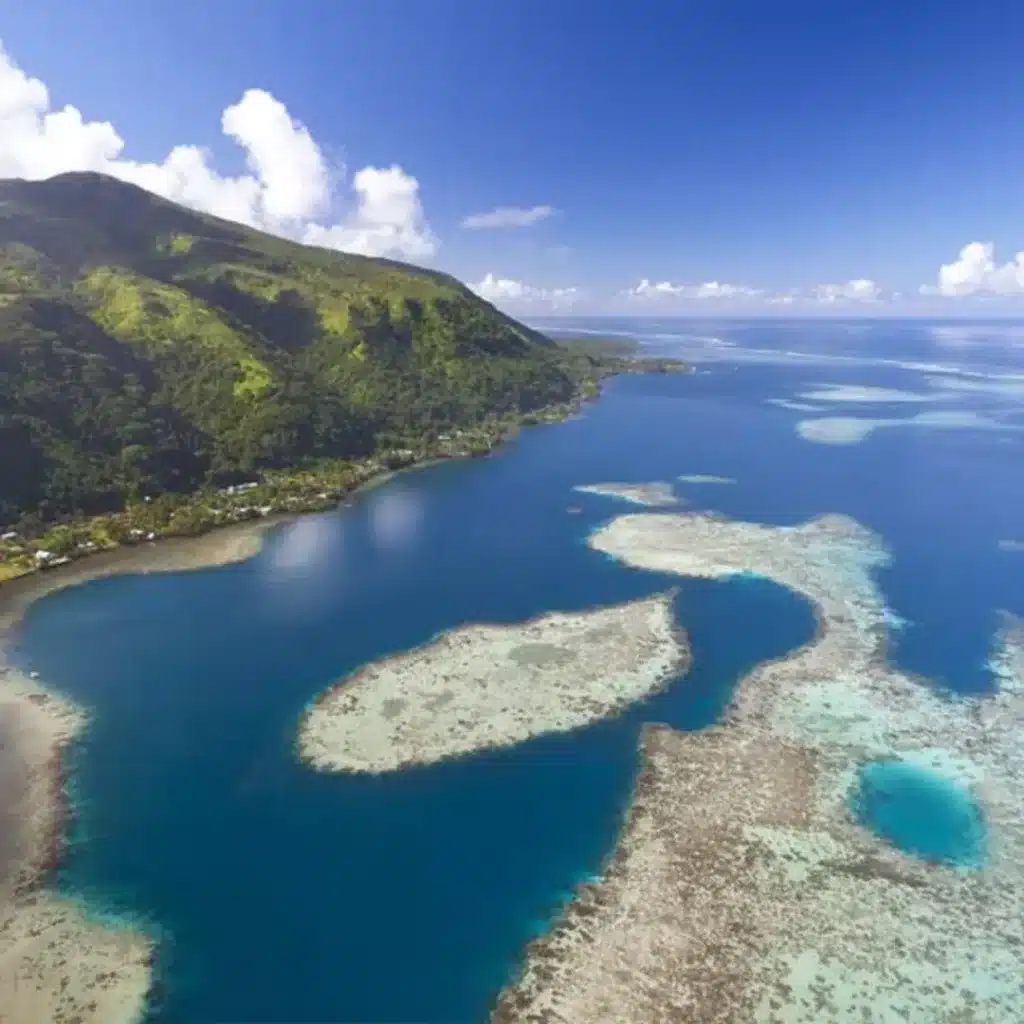
- Tahiti Nui (Main Island)
Urban culture, black-sand beaches, volcanic ridges, and dramatic waterfalls. - Tahiti Iti (The Peninsula)
Untouched coastlines, hidden coves, surf breaks, cliff paths, and rugged wilderness. - Moorea
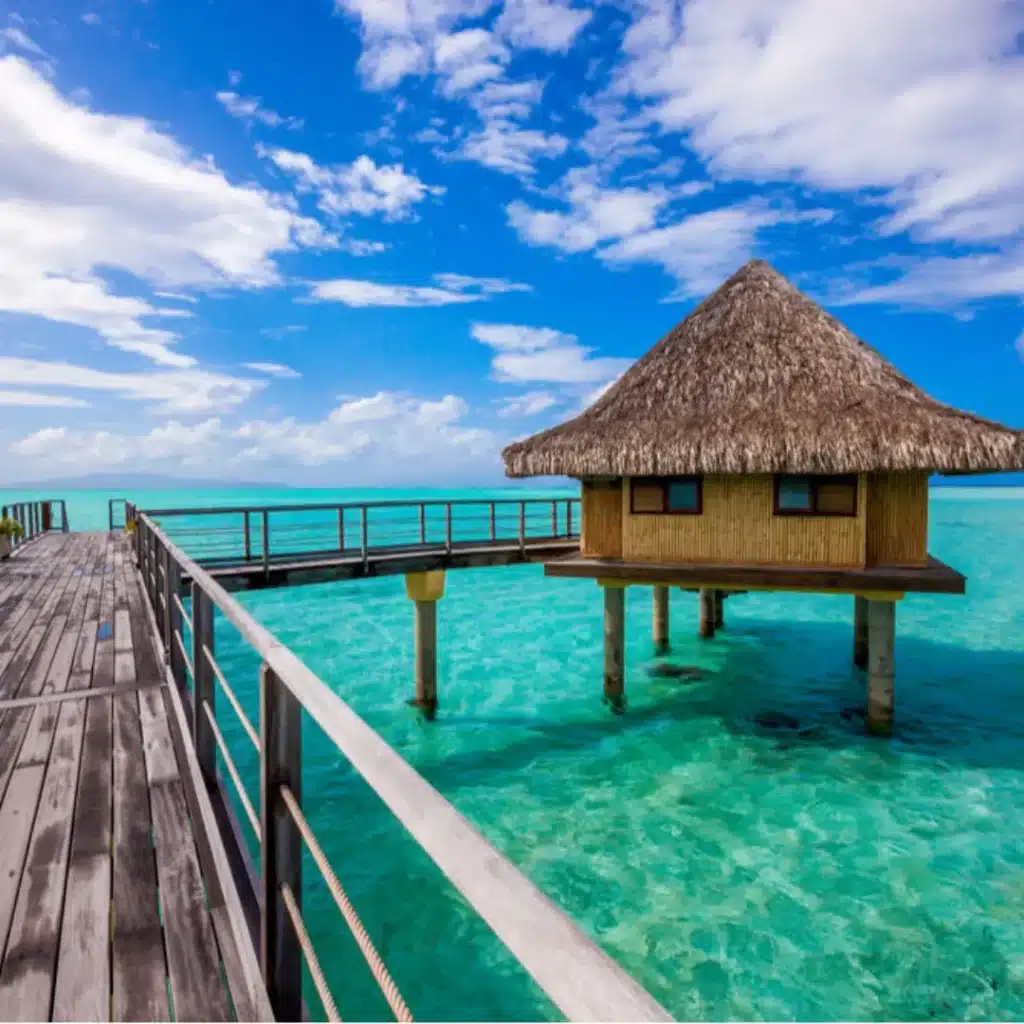
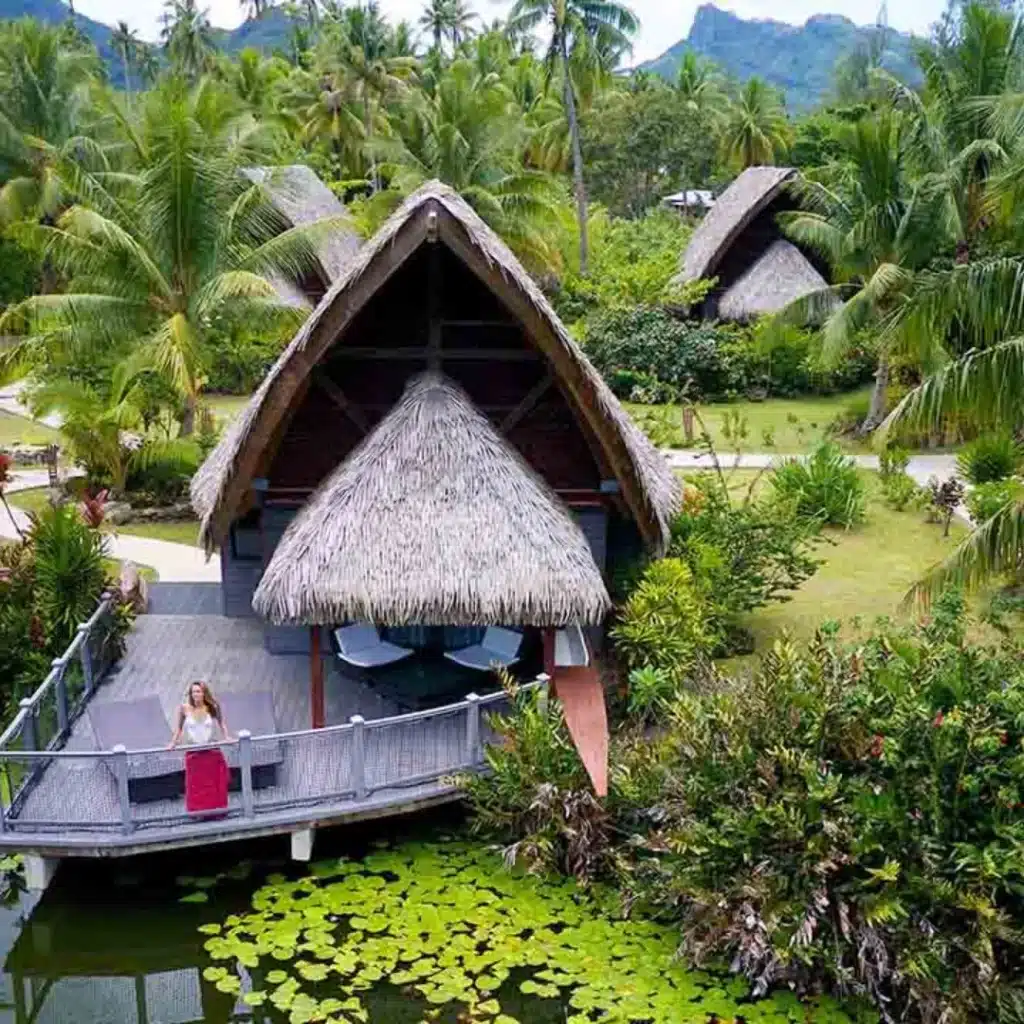
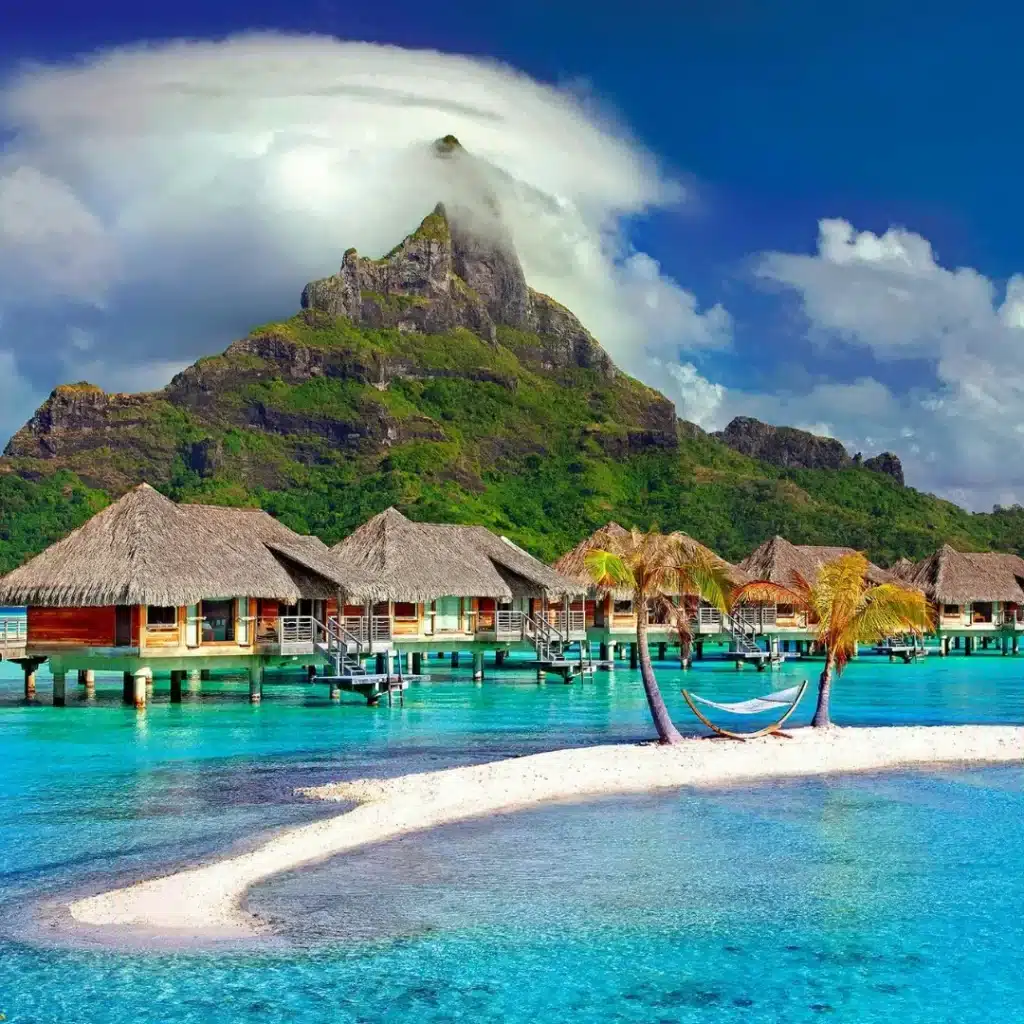
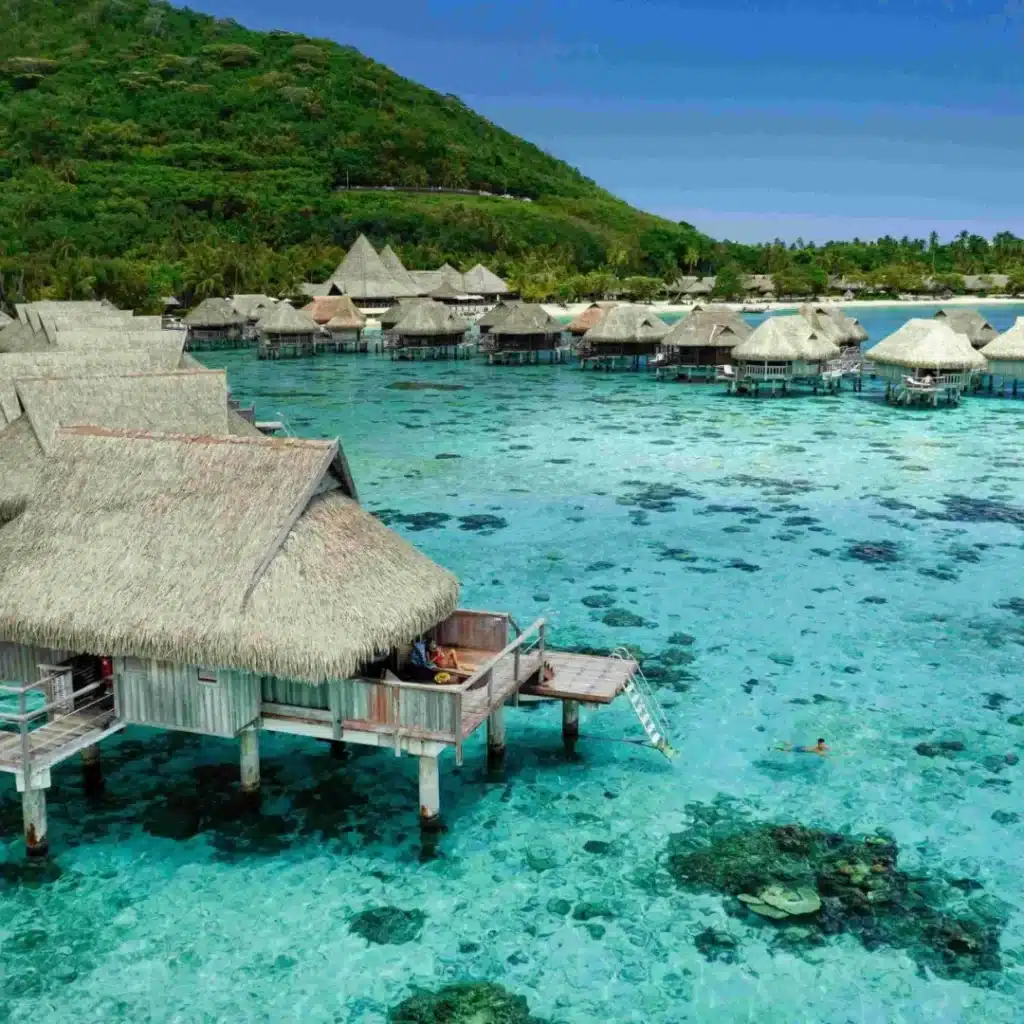
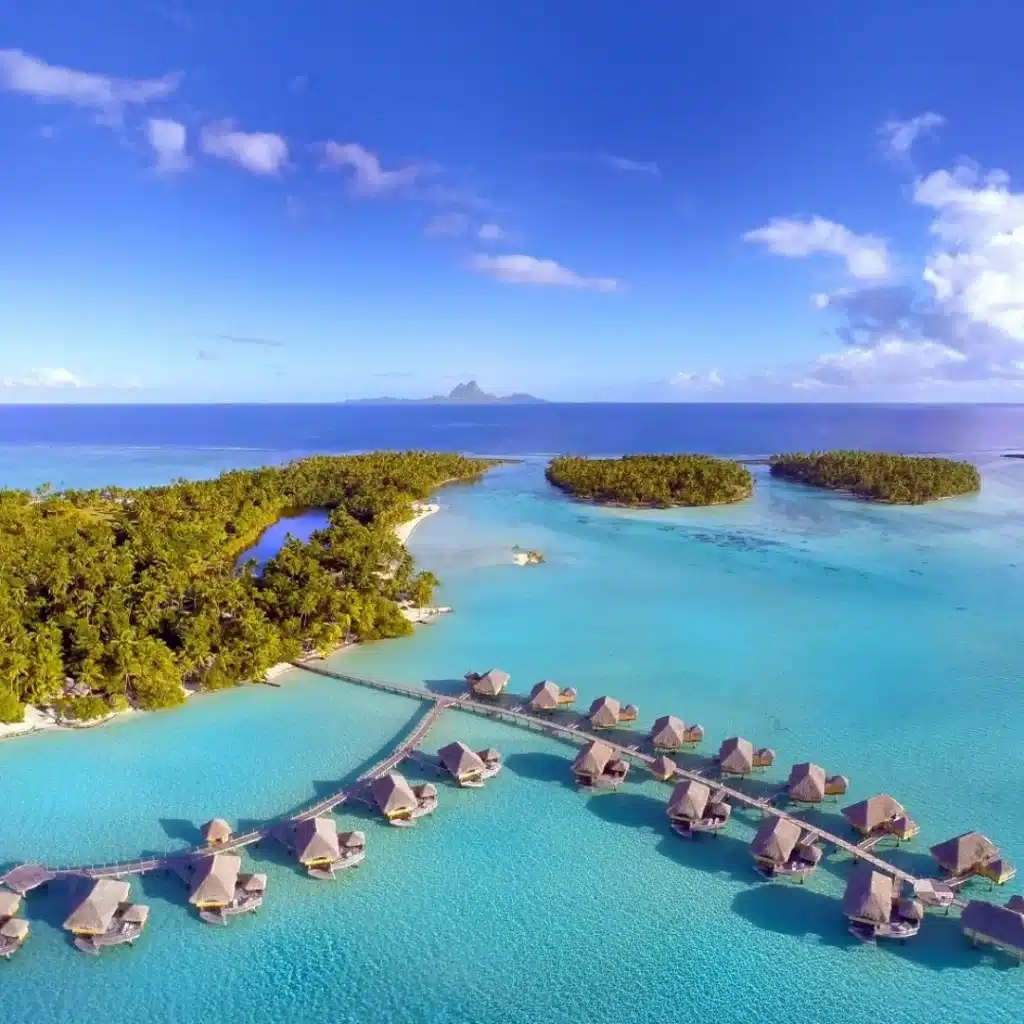
Emerald mountains, blue lagoons, overwater bungalows, lush valleys — ideal for luxury and travel campaigns. - Bora Bora
Iconic turquoise lagoon, reef passes, white-sand motus, five-star resorts, and cinematic water clarity. - Huahine
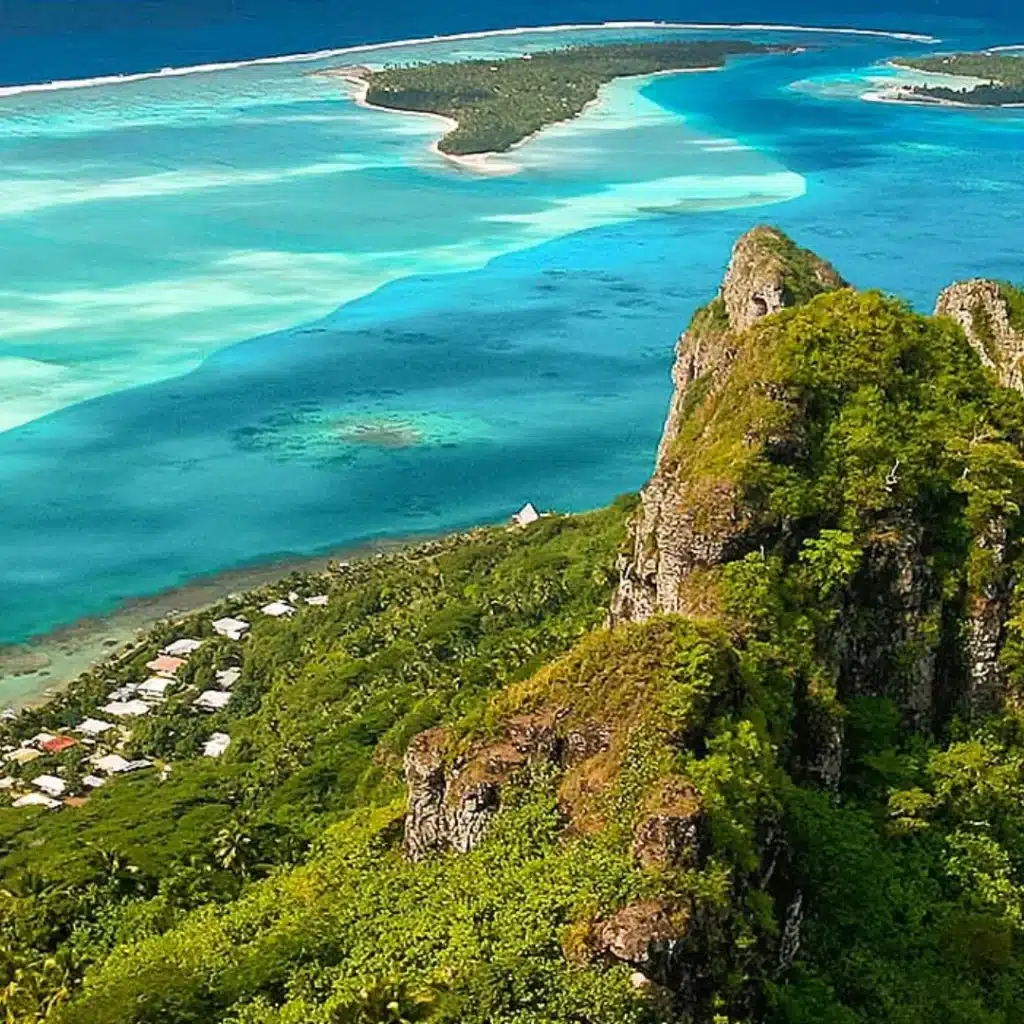
Untouched forests, ancient archaeological sites, village life, and deep cultural roots. - Raiatea
The spiritual heart of Polynesia — sacred sites, navigational heritage, and lush river inlets. - Taha’a
Vanilla plantations, coral gardens, quiet lagoons, and luxury villas. - Maupiti
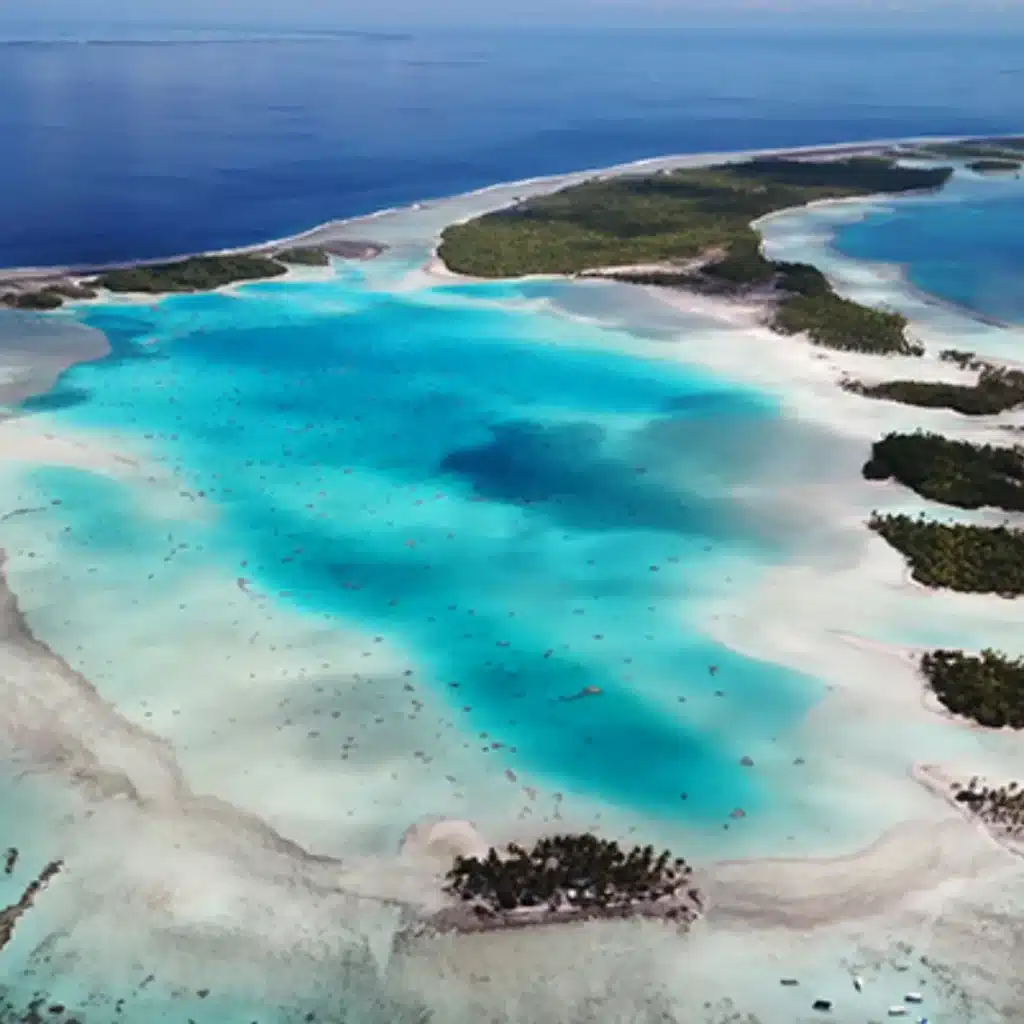
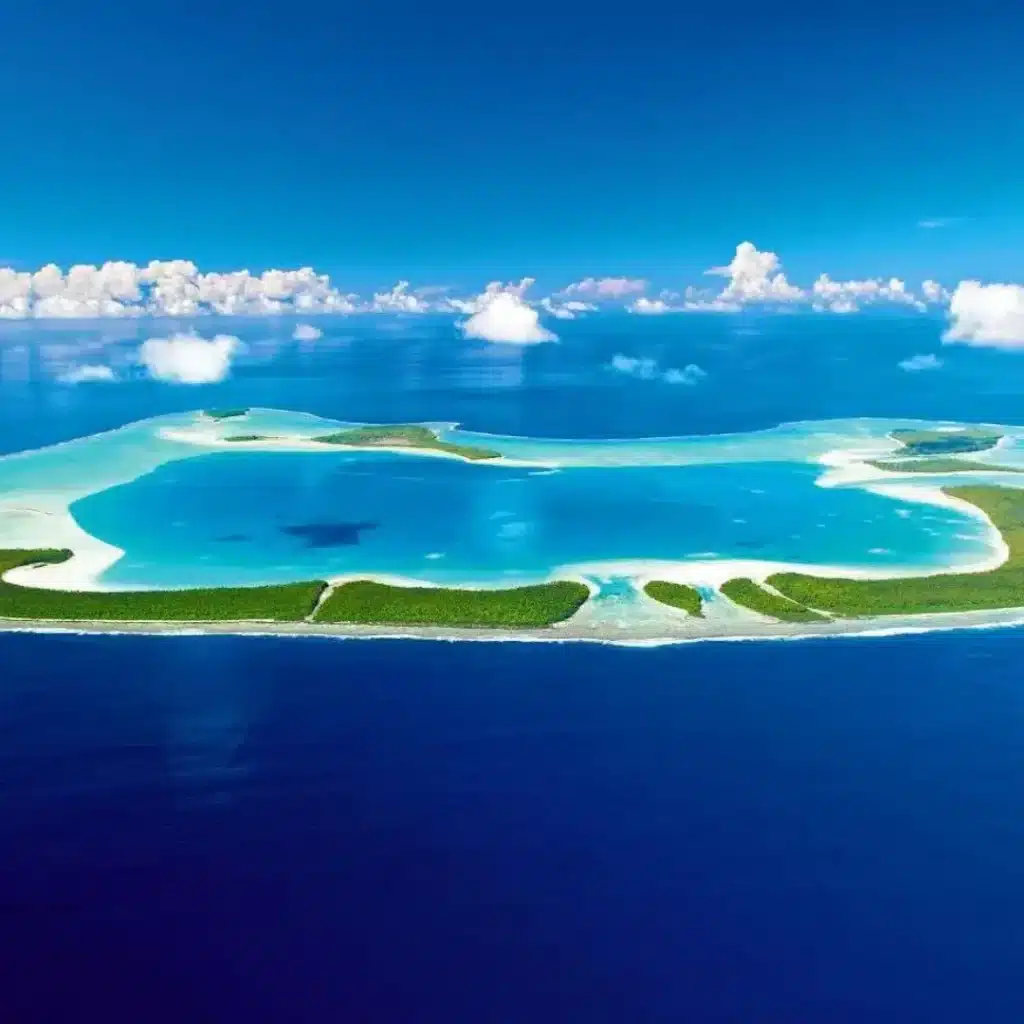
A quieter, simpler version of Bora Bora — breathtaking but more culturally preserved. - Rangiroa (Tuamotu Islands)
One of the world’s top diving destinations — perfect for underwater, wildlife, and open-water sequences. - Hiva Oa (Marquesas Islands)
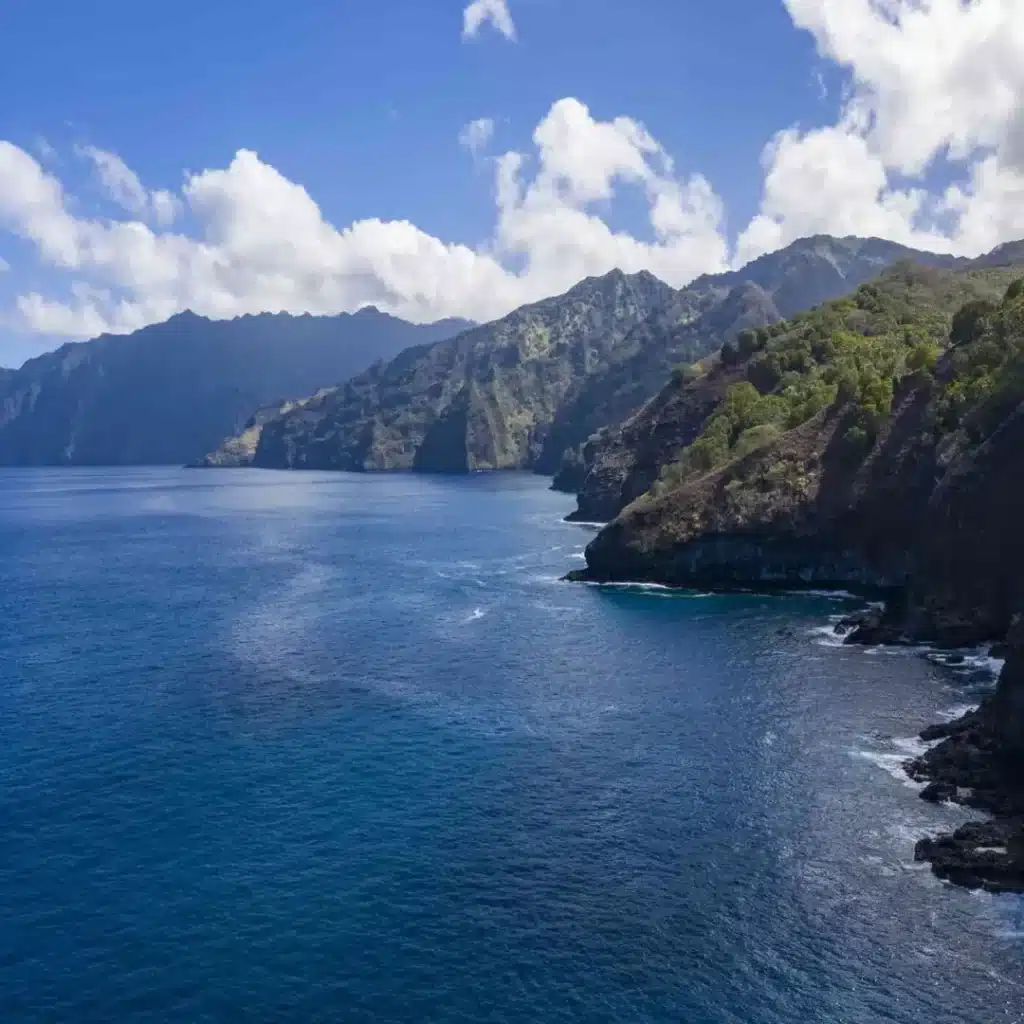
Wild, dramatic, and culturally significant — ideal for narrative cinema or epic documentary work.
Production Logistics in Tahiti — What Filmmakers Must Know
Filming in Tahiti is an extraordinary creative experience, but it comes with very real logistical considerations shaped by ocean geography, cultural rhythm, environmental protection, and island-scale infrastructure. This is why productions lean heavily on structured Production Support Tahiti, regionally fluent Film Fixers in Tahiti, and a coordinated chain of Film Production Services in Tahiti that understand both the opportunities and limitations of working across French Polynesia’s islands.
Tahiti rewards crews who prepare, respect cultural protocols, and adapt to the landscape rather than forcing it to adapt to them. Here’s what shapes a successful shoot on the islands.
Island Transport & Movement Between Locations
Tahiti’s geography demands precise movement planning. Production days often involve:
- Boat-to-boat transfers
- Lagoon crossings
- Inter-island flights
- Outboard transport to motus (tiny islets)
- Reef-channel navigation
- Mountain-road driving
- Weather-modified travel windows
This isn’t a “drive from location to location” environment. It’s a marine and air-based network that requires insider coordination.
Experienced Film Fixers in Tahiti plan these transitions with careful attention to:
- Tide tables
- Wind conditions
- Reef safety
- Local boat schedules
- Airport flight slots
- Inter-island cargo availability
- Community restrictions
- Seasonal changes
Your Production Support Tahiti team ensures movement is safe, efficient, and remains aligned with creative priorities.
Marine Filming — Safety, Crew & Creative Control
Marine filming is one of Tahiti’s greatest strengths, but also one of its most complex disciplines.
Water safety requires:
- Licensed boat captains
- Standby safety divers
- Shallow-water spotters
- Marine coordinators
- Reef-aware navigation
- Weather contingency planning
- Life jackets & emergency protocols
- Water housing for cameras
Tahiti’s waters are warm, clear, and calm in many seasons, making them ideal for:
- Underwater cinematography
- Surf films
- Floating rigs
- Drone sequences
- Talent swimming
- Boat chase scenes
- Overwater stabilization shots
Professional Film Production Services in Tahiti provide marine teams who understand reef protection, underwater behavioural rules, and the subtle mechanics of lagoon filming.
Local Crew Strength — Creative, Skilled & Island-Savvy
Tahiti’s film community is collaborative, growing, and deeply connected to the land and ocean. Local crew strengths include:
- Drone operators
- Underwater DPs
- Boat captains
- Water safety teams
- Lighting technicians
- Camera assistants
- Art & props crew
- HMU artists
- Wardrobe teams
- Location scouts
- Marine wranglers
These teams integrate easily with international crews, providing local intelligence that shapes filming around tides, cultural events, weather, and environmental protection.
Production Support Tahiti strengthens communication between departments, ensuring each shoot day moves smoothly.
Cultural Protocols — The Heart of Responsible Filmmaking
Polynesian culture is rich, proud, and deeply rooted in respect, lineage, and place. Filming in Tahiti requires:
- Courtesy visits to community leaders
- Introductions to landholders
- Permission for sacred areas
- Respect for traditional customs
- Clarity around story intent
- Community engagement
- Responsible representation
This is where Film Fixers in Tahiti are critical.
Their knowledge ensures productions:
- Avoid cultural misunderstandings
- Maintain positive relationships
- Receive genuine support from locals
- Protect cultural authenticity
- Gain access to areas otherwise restricted
Tahiti welcomes filmmakers, but the welcome is shaped by respect.
Environmental Responsibility — Protecting a Precious Ecosystem
Tahiti is home to rare coral systems, protected lagoons, and delicate island ecosystems. Environmental rules are firm and essential.
With professional Film Production Services in Tahiti, productions follow:
- Reef-safe guidelines
- Marine wildlife distance rules
- Waste management systems
- Drone height and distance regulations
- No-disturbance policies for protected flora
- Restrictions on night filming near nesting zones
- Lagoon & marine access permits
- Boat anchoring rules (avoid coral)
Environmental discipline supports both the islands and your schedule — crews who follow the rules gain smoother access and local support.
Weather, Seasons & Scheduling Realities
Tahiti has two primary seasons:
Dry Season (May–October)
- Clear skies
- Ideal sunlight
- Calm water
- Lower rainfall
- Best for commercials and underwater work
Wet Season (November–April)
- Afternoon showers
- Higher humidity
- Stronger winds
- Dramatic lighting
- Lush landscapes
These seasons shape:
- Call times
- Drone plans
- Boat safety
- Talent comfort
- Wardrobe continuity
- Equipment protection
Production Support Tahiti creates adaptable schedules with rain alternatives, tide windows, and backup locations.
Challenges Productions Face — And How Hoodlum Solves Them
- Remote Access
Solution: Local boats, scouting drones, safety marshals. - Weather Shifts
Solution: Real-time forecast tracking, alternate scenes. - Cultural Permissions
Solution: Fixer-led introductions to chiefs and landholders. - Reef Protection
Solution: Marine coordinators + eco-approved practices. - Limited road access on some islands
Solution: 4×4 planning, boat transfers, custom logistics. - Night Shoots in Protected Zones
Solution: Adjusted scenes, controlled lighting plans. - Importing Specialist Equipment
Solution: Customs handling + local rental hybrid workflows.
With coordinated Production Support Tahiti, these challenges become structured, manageable elements rather than production risks.
Do I need a local fixer to film in Tahiti?
Yes. Filming in Tahiti requires the support of experienced Film Fixers in Tahiti, because the region operates through a blend of cultural protocols, landowner permissions, village leadership structures, and environmental regulations. Fixers facilitate introductions to the appropriate community leaders, help navigate respectful engagement with villages, and ensure that sacred or culturally sensitive areas are approached correctly. They also manage communication with authorities, coordinate boat and land logistics, and maintain cultural harmony throughout the shoot. Without a fixer, productions often encounter delays, misunderstandings, or access challenges. With the right fixer, Production Support Tahiti becomes well-structured, culturally aligned, and operationally smooth.
Are permits required for filming in public areas or lagoon environments?
Permits are required for most filming in Tahiti, including beaches, village zones, marine areas, waterfalls, rivers, and any land or waterway controlled by local authorities or cultural boards. Tahitian permitting is clear but relationship-driven, meaning approvals are processed more efficiently when handled by trusted local teams. Your Film Production Services in Tahiti partner handles all interactions with tourism offices, municipal teams, cultural departments, and environmental regulators. Most approvals take two to seven days depending on sensitivity, and productions that follow the correct cultural and environmental process gain much smoother access across different islands. With coordinated Production Support Tahiti, the entire permit chain becomes predictable and respectful of local expectations.
Can I fly a drone in Tahiti?
Yes, drone filming is allowed, but it is regulated by aviation authorities and often requires additional approval in sensitive areas. Drone flights near airports, villages, cultural sites, marine wildlife zones, and protected natural spaces must be requested in advance. Local authorities expect flight plans, safety details, and operating locations before granting clearance. Many productions choose to hire a certified local pilot who understands wind conditions, surf behaviour, reef proximity, and restricted zones. With guidance from your Film Fixers in Tahiti, drone operations become straightforward and safe, allowing you to capture aerial footage without delays or compliance issues.
Is underwater or marine filming complicated?
Marine filming in Tahiti is one of the region’s greatest strengths, but it requires specialist support. Underwater environments, reef systems, and lagoon zones need strict safety oversight, and professional Film Production Services in Tahiti regularly include licensed boat captains, safety divers, underwater camera operators, and marine coordinators. These teams understand local currents, swells, reef health, wildlife behaviour, and the safest times of day to shoot. When proper safety protocols are followed, filming on or under the water becomes highly efficient and creatively rewarding, with water clarity often exceeding thirty metres. Production Support Tahiti ensures marine safety planning is embedded into the schedule from the start so shoots unfold smoothly and responsibly.
Can Tahiti double for other countries?
Yes. Tahiti is one of the world’s most versatile island locations for doubling. Its landscapes are ideal stand-ins for Pacific nations, tropical islands, parts of Southeast Asia, coastal Latin America, and even stylised fantasy worlds. The archipelago’s combination of volcanic ridges, lagoons, beaches, caves, waterfalls, and untouched forests allows filmmakers to craft multiple “countries” within the same production period. With the help of knowledgeable Film Fixers in Tahiti, productions can select locations that mimic specific global looks while benefiting from controlled conditions and strong Production Support Tahiti.
Is Tahiti expensive compared to other island nations?
Tahiti’s costs reflect its island setting, but many productions find it more efficient than expected thanks to smart planning and professional coordination. Transport and accommodation can be comparable to other remote island destinations, but Tahiti’s advantage lies in the quality and reliability of its production crew, marine specialists, and logistical systems. With well-organised Film Production Services in Tahiti, crews benefit from strong local partnerships, combined travel solutions, and time-saving workflows that reduce overruns. The efficiency of Production Support Tahiti ensures budgets stretch further by eliminating unnecessary delays and minimizing the risks associated with island-based filmmaking.
Tahiti is more than an island location — it is a filmmaking experience wrapped in cultural heritage, environmental wonder, and deep creative inspiration. Every ridge, reef, waterfall, valley, and shoreline tells a story, and every community welcomes filmmakers who approach with respect and openness. The cinematic potential is enormous, but the execution requires local intelligence and clear operational structure.
With professionally coordinated Production Support Tahiti, international crews gain:
- Confidence in logistics
- Clarity about permits
- Safety in marine and mountain environments
- Smooth inter-island movement
- Cultural fluency
- Environmental alignment
- Reduced risk
- Increased creative freedom
Pair that with experienced Film Fixers in Tahiti and full-spectrum Film Production Services in Tahiti, and you have a location where even the most ambitious sequences can be captured with grace and precision.
For producers seeking cinematic purity, respectful collaboration, and the thrill of filming in some of the world’s most breathtaking natural environments, Tahiti stands as one of the most rewarding and production-ready island destinations on the planet.
This blog post was written by Zandri Troskie-Naudé using verified information supplied by Hoodlum’s on-ground production partners and publicly available data from national and regional film authorities. The content reflects current industry practices, filming requirements and operational standards followed by professional production teams working across the country.
Film Authorities & Verified Resources
Tahiti’s administrative and environmental structure is unique. Below are the official bodies commonly referenced during production:
- Tahitian Tourism Board (Tahiti Tourisme) – https://tahititourisme.com
- French Polynesia Government – Service of Culture & Heritage – http://culture.gov.pf
- French Polynesia Environment Department (DIREN) – https://www.environnement.pf
These institutions form the framework that Film Fixers in Tahiti and Film Production Services in Tahiti navigate when designing a legally sound and culturally respectful production plan.