Denmark

Hoodlum offers expert film fixer services in Denmark, facilitating international productions of every scale with a full range of services, including location scouting, obtaining permits, full range of logistic support and connecting production teams with local talent and experienced crew.

Ultimate Filming Guide for Denmark

Capital

Copenhagen.

Main Cities

Copenhagen, Aarhus, Odense, Aalborg, Esbjerg.

Local Languages

Danish (official); German is recognized regionally.

Currency

Danish Krone (DKK).

Climate

Temperate oceanic

General Visa Requirements:

Visa requirements depend on the crew’s nationality and the purpose/duration of the stay. EU nationals generally do not require a visa for Denmark. For non-EU nationals, a Schengen visa for short stays or a national visa/residence/work authorization for longer or work-related stays may be required. Work status should be assessed case by case.

Required Documents:

  • Valid passport (issued within the last 10 years and valid for at least 3 months beyond intended stay)
  • Completed and signed visa application form
  • Recent passport-sized photos (biometric format)
  • Proof of visa fee payment
  • Proof of travel medical insurance (coverage of at least €30,000, valid in all Schengen states)
  • Proof of accommodation in Denmark (hotel booking, invitation letter, or rental agreement)
  • Proof of sufficient financial means (bank statements, sponsorship, or payslips)
  • Flight itinerary (round-trip reservation or travel plan)
  • Additional documents depending on visa type (e.g., work contract, university admission letter, marriage certificate, etc.)

Visa Application Process:

  • Fill out the online application form via the official Apply Visa portal.
  • Gather all required documents.
  • Book an appointment at the nearest Danish embassy, consulate, or authorized visa canter.
  • Submit your application and biometric data (fingerprints and photo).
  • Pay the visa fee.
  • Wait for processing and receive your decision.

Application procedures may vary by municipality, and some local systems may require Danish administrative details such as a VAT number or CPR-linked access. This should be confirmed with the relevant municipality or local fixer before planning submissions.

Processing Time:

15–30 days (may vary depending on application type and season).

Cost:

€80 (standard Schengen Visa fee). Certain categories (children, students, researchers, diplomatic passports) may be eligible for reduced or waived fees.

Accreditation Requirements:

  • Accreditation from Danish Film Institute or regional film funds
  • Proof of professional affiliation, film permits, and public liability insurance required

Required Documents:

  • Valid passport
  • Proof of professional affiliation
  • Film permits
  • Public liability insurance
  • Script and storyboard
  • Detailed filming schedule

Processing Time:

2–4 weeks (may vary depending on project scale and documentation completeness).

Cost:

$77–$310 (depending on production type, project size, and duration).

Issuing Organization:

Danish National Police (Rigspolitiet) – in coordination with relevant municipal authorities.

Required Documents:

  • Completed application form
  • Detailed script and storyboard
  • Filming schedule with dates and times
  • Location plans (maps, site details, access points)
  • Proof of insurance (public liability coverage)
  • Crew list and production details
  • Consent from property owners or local municipalities (if applicable)
  • Traffic management plan (if filming affects public roads)

Processing Time:

2–6 weeks (depending on project complexity and municipal approvals).

Cost:

$77–$770 (varies according to location, scale of production, and whether police supervision is required).

Location Scouting / Location Permits Information:

Fixer or location manager secures property owner permissions, negotiates location fees, and coordinates logistics. For heritage sites, museums, or other culturally sensitive venues, additional approval from the Danish Agency for Culture and Palaces may be required. Filmmakers must ensure clear written agreements are signed with property owners, covering usage rights, liability, restoration obligations, and filming schedules.

Location Scouting / Permitting Cost & Processing Time

Case-specific; costs vary depending on the type of property, duration of use, and production requirements. Private residences may charge modest fees, while historic landmarks, cultural venues, or high-demand urban locations can involve higher costs and stricter conditions.

Drone Regulations:

Operators must obtain authorization from the Danish Transport, Construction and Housing Authority and comply with EU drone regulations. Restrictions apply for flights over urban areas, crowds, airports, and sensitive sites. Drone pilots must hold valid EU drone certification and maintain proper insurance coverage.

Drone Importation Regulations:

Temporary importation of drones into Denmark for film production is permitted but subject to customs declaration. All drones must comply with EU technical standards. For productions bringing high-grade drones or multiple units, prior notification to Danish customs is advised.

Permit Issuance:

Drone permits are issued by the Danish Transport Authority following review of the operator’s credentials, insurance, flight plan, and risk assessment. Additional approval may be required from local municipalities or police if filming impacts public spaces.

Timing:

2–4 weeks is recommended for customs clearance and regulatory approvals, though complex cases may take longer. Producers should plan early to avoid delays.

Cost:

$200–$1000, depending on drone type, location, and project complexity. Additional costs may apply if special safety measures or police supervision are required.

Carnet Status:

Denmark accepts ATA Carnets for temporary importation of professional film equipment. Using a Carnet simplifies customs clearance and avoids duties or taxes on gear.

Required Documents:

  • ATA Carnet (if applicable)
  • Detailed equipment list with serial numbers and values
  • Proof of ownership (invoices or company letterhead)
  • Flight itinerary and production schedule
  • Insurance documents for equipment

Issuing Organization:

ATA Carnets are issued by the Danish Chamber of Commerce (Dansk Erhverv) or the Chamber of Commerce in the production’s home country.

Timing:

1–3 hours (at major airports such as Copenhagen Kastrup). Processing may take longer at smaller entry points.

Cost:

$75–$300 (depending on airport, handling agent fees, and volume of equipment).

General Overview:

Denmark is considered one of the safest countries in Europe, with low crime rates and a stable political environment. Emergency services are efficient, and infrastructure is reliable, making it a secure filming destination. Petty crime such as pickpocketing can occur in busy tourist areas, but serious threats are rare.

Security Requirements:

  • Productions must comply with Danish workplace health and safety laws.
  • Risk assessments should be carried out for stunts, large crowds, or use of special effects.
  • Fire safety permits may be required for pyrotechnics or controlled burns.
  • Police notification or supervision is mandatory for filming in sensitive areas (e.g., government buildings, airports, public demonstrations).
  • Productions employing private security must ensure guards are licensed under Danish law.

Rebates/Incentives:

Incentive Overview
Starting in 2026, Denmark will introduce a national production rebate scheme. Eligible film, TV, documentary, and animation projects can reclaim up to 25% of qualified local expenditure incurred in Denmark.

Annual Budget
The scheme has an annual pool of DKK 125 million (≈ €17 million). Of this, DKK 100 million is allocated for live-action films, drama series, and documentaries, while DKK 25 million is reserved for animation projects.

Cap per Production
A maximum rebate of DKK 20 million (≈ €2.7 million) can be awarded to any single production.

Minimum Budgets
Feature films must have a minimum total budget of DKK 25 million. Drama series require at least DKK 15 million, with a minimum spend of DKK 150,000 per broadcast minute. Documentaries need a minimum of DKK 4 million, and animation projects DKK 6.5 million.

Local Spend Requirements
To qualify, productions must spend at least DKK 3 million in Denmark for films, series, and animation, or DKK 1 million for documentaries.

Eligibility Conditions
Applications must demonstrate that at least 70% of financing is confirmed at the time of submission, with a minimum of 25% coming from foreign sources. A cultural and production test will assess Danish and EEA creative participation, number of shoot days in Denmark, and the proportion of budget spent locally.


Meet our Local Team

Denmark

Nawa

Denmark

Tobia

Client Brief

Fill in our client brief and we’ll get back to you with everything you need to start filming in this region.

Selected Work by Our Local Partners in Europe

Services We Provide in Denmark

Accommodation

Airport Protocol & On-Ground Support

Casting & Talent

Catering

Crew Sourcing

Customs Clearance

Drone & Aerial Permits

Drone & Drone Operator

Equipment Rentals

Film Permits

Line Producers & Production Management

Local Film Fixers

Locations / RECCE’s

Logistics

Rebates & Incentives

Research

Risk Management

Security

Set Dressing / Production Design

Transport & Vehicles

Visas & Work Permits

News from the Region

film fixers in Denmark
Film Production Services in Denmark

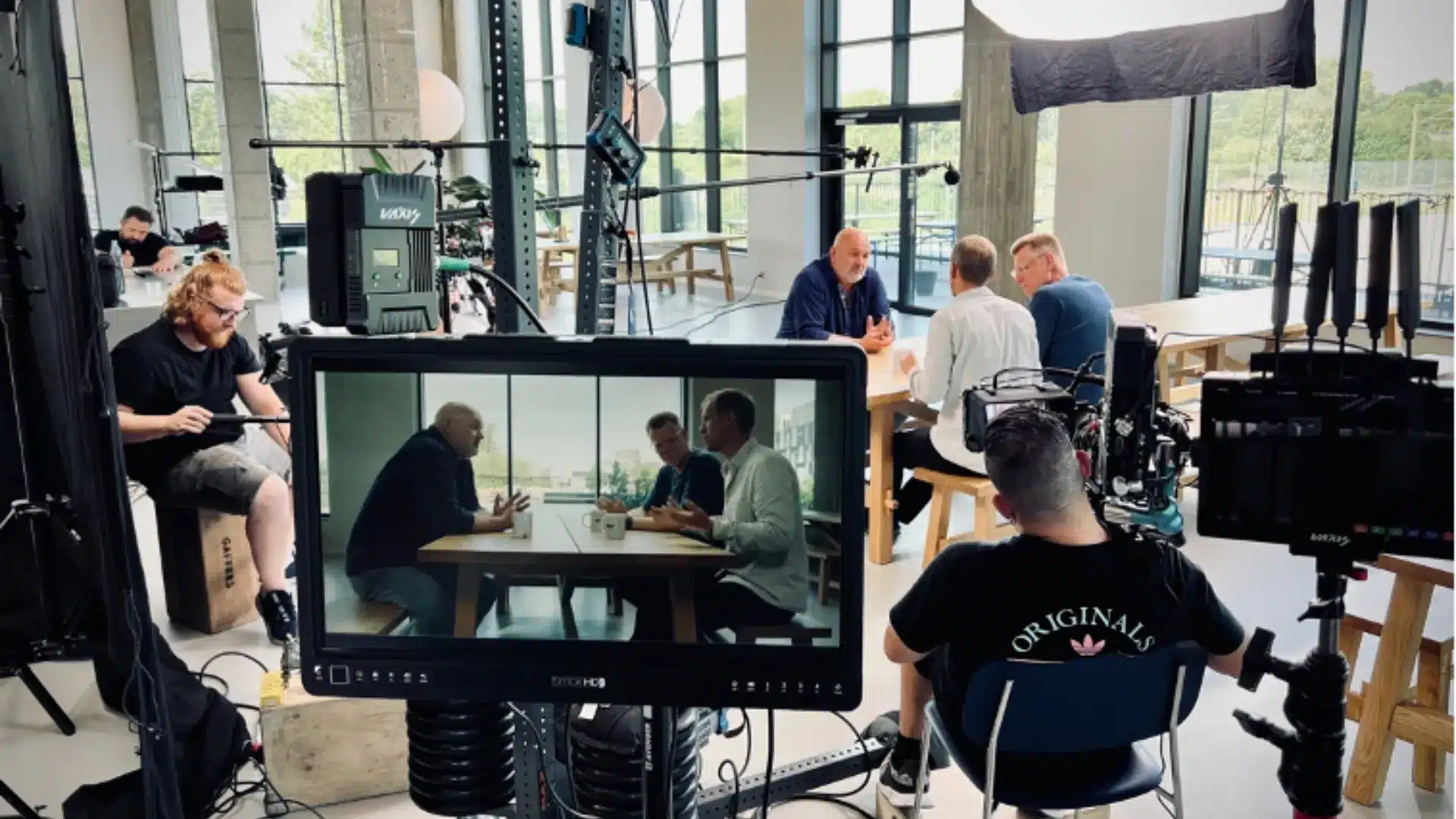
Film Production Services in Denmark are internationally recognised for their precision, transparency, and…
film fixers in Denmark
Production Company in Denmark

Does local production support international reality show production in Denmark? For experienced producers…
film fixers in Denmark
Production Support Denmark

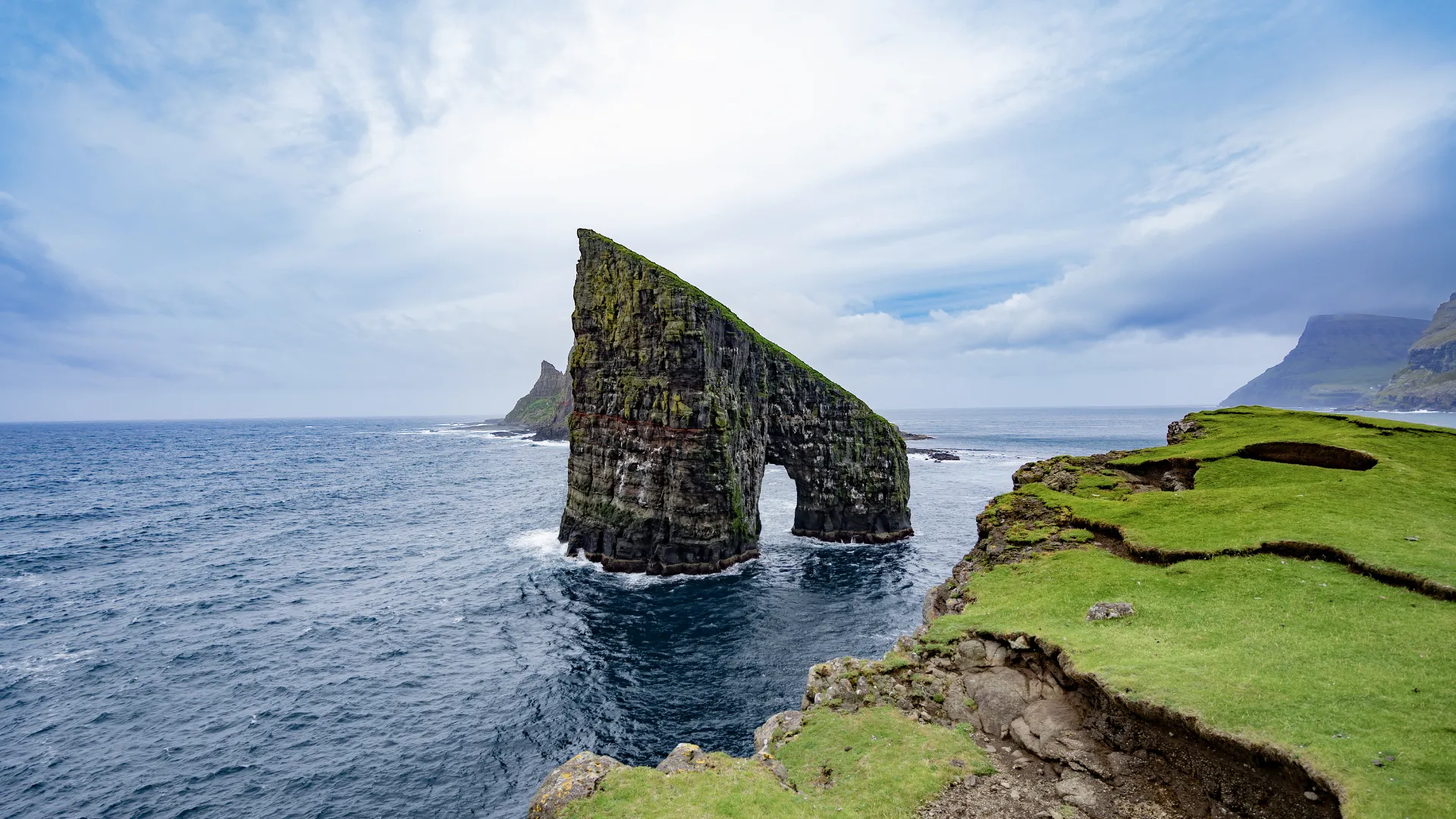
Denmark has established itself as one of Scandinavia’s most dependable destinations for international…