















Bulgaria Filming Locations
Film Production Services in Bulgaria
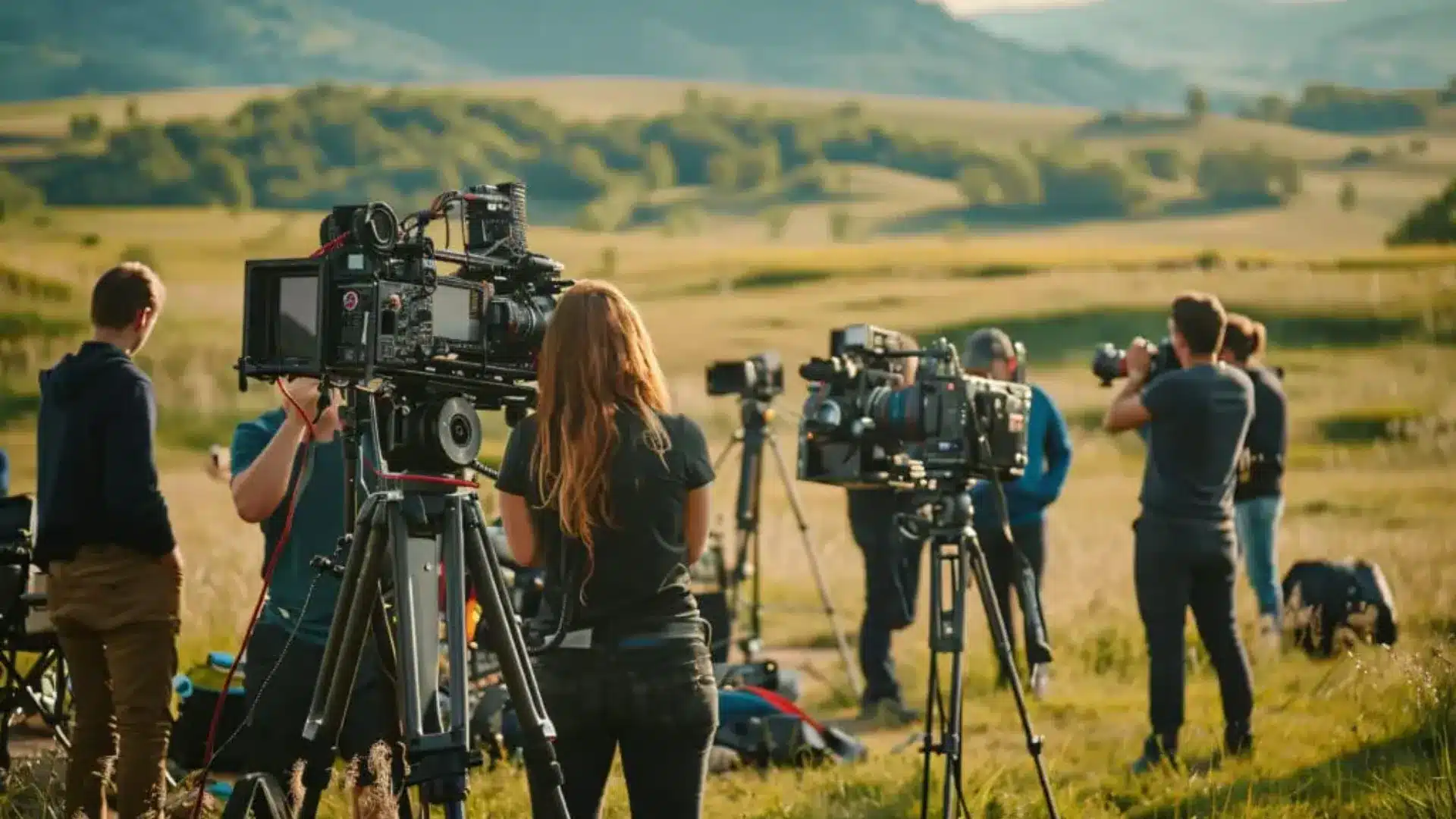
Bulgaria is one of Eastern Europe’s most practical filming destinations, offering international productions a strong mix of studio infrastructure, historic cities, mountain landscapes, forests, coastlines, Soviet-era architecture, modern urban spaces and competitive production costs.
The country is especially useful for productions that need European looks without the higher cost base of Western Europe. Sofia offers city infrastructure, experienced crew, suppliers and studio access, while locations beyond the capital provide medieval towns, monasteries, mountain roads, Black Sea beaches, industrial sites and rural landscapes.
Hoodlum provides Film Production Services in Bulgaria for feature films, television series, commercials, documentaries, branded content, music videos, photography and high-end productions. Our support includes National Film Center coordination, local municipal permits, private location agreements, drone approval guidance, ATA Carnet support, crew sourcing, customs planning, rebate guidance and on-ground production management.
Bulgaria is film-friendly and experienced with international productions, but crews still need the correct visa status, work authorisation, location permits, drone permissions and customs documentation before filming begins.
For producers, the value lies in variety and control. A production can build studio interiors in Sofia, shoot historic streets in Plovdiv, film mountain roads in the Balkan or Rhodope ranges, capture coastline around Varna or Burgas, and use forests, villages or industrial zones for scenes that need a different European tone. The country is compact enough to plan efficiently, but varied enough to support ambitious location-led work.
Why Bulgaria Works for Studios, City Doubles and Location-Led Productions
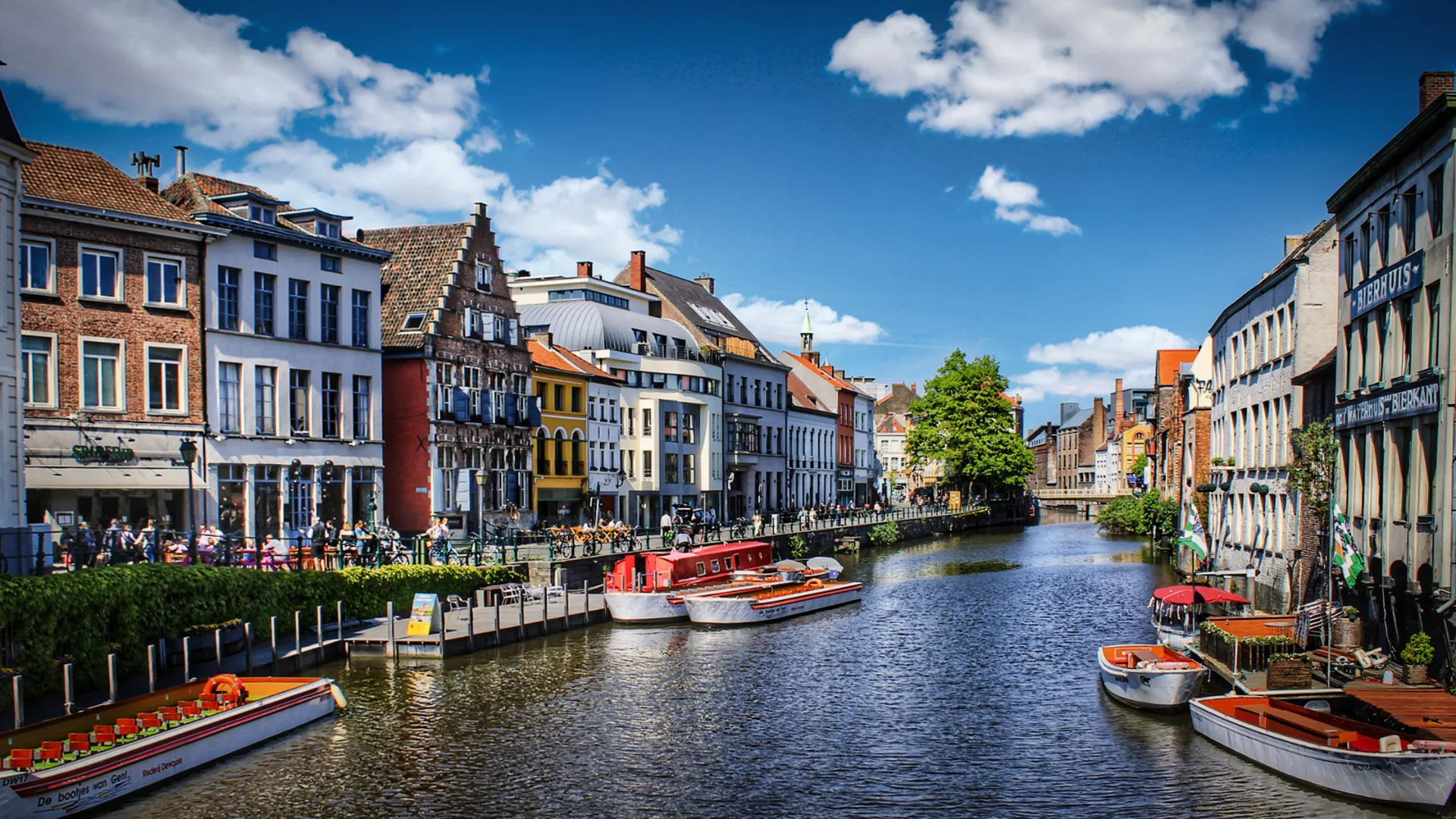
Bulgaria works well because it gives productions flexibility. Sofia can deliver modern offices, residential streets, industrial spaces, government-style buildings, parks, hotels and urban roads. Plovdiv offers historic streets, Roman ruins and old town architecture. Veliko Tarnovo gives productions medieval texture, hills and fortress views, while Varna and Burgas provide access to the Black Sea coast.
The country is especially strong for studio builds, European doubles, action work, commercials, period projects, automotive shoots, fashion campaigns, music videos and lower-cost scripted production.
Bulgaria also benefits from experienced local crew, established production services, strong studio infrastructure and a cash rebate incentive administered through the National Film Center.
The destination is useful for productions that need both controlled filming environments and real locations. A crew can shoot interiors, stunts or set builds under studio conditions, then move into real streets, mountain roads, coastal towns or historic districts without leaving the country. This makes Bulgaria a practical choice for productions that need production value without inflating the schedule.
For international crews, another advantage is the production culture. Local teams are familiar with foreign crew expectations, international paperwork, equipment movement, municipal requirements and the pace of commercial or scripted production. Hoodlum helps connect that experience with the specific needs of each project.
Sofia as the Production Hub
Sofia is the main production centre in Bulgaria. It provides access to crew, suppliers, equipment, studios, hotels, transport, government coordination and international connections.
The city can support modern urban scenes, business districts, residential neighbourhoods, parks, roads, industrial sites and controlled interiors. Sofia is also useful as a base for productions moving to mountain locations, historic towns, rural areas or studio facilities.
For international crews, Sofia is usually the practical anchor of the shoot. It is where many production decisions are coordinated, where local suppliers are easiest to access, and where the crew can build a stable base before moving to other regions.
Sofia is also useful on camera. Depending on the area selected, the city can provide contemporary European streets, older apartment blocks, institutional buildings, commercial districts, public squares, transit routes and industrial edges. This gives productions options for both polished and grittier city visuals.
When working in public areas, productions may need municipal approvals, police coordination, parking support or traffic planning. Hoodlum helps productions assess whether a scene can be managed with a small footprint or whether it needs a more formal permit and public-space plan.
Nu Boyana Film Studios and Bulgaria’s Production Infrastructure
Bulgaria is strongly associated with studio-based production, and Nu Boyana Film Studios is one of the country’s best-known production assets. Studio infrastructure gives productions access to controlled sets, backlots, interiors, technical crew and production facilities.
This makes Bulgaria useful for productions that need controlled environments, set builds, stunt work, action sequences, period streets or large-scale scripted work without relying entirely on public locations.
Studio infrastructure is especially valuable when a production needs privacy, weather control, technical consistency, art department flexibility or repeated scene coverage over multiple days. It can also reduce the pressure on public locations where access, noise, traffic or crowd control may complicate the schedule.
For some projects, the strongest plan is a hybrid approach. Studio work can cover interiors, action elements or set-dependent scenes, while real locations provide city, coast, mountain or historic exteriors. Hoodlum helps productions decide where studio infrastructure will save time and where real locations will add more value on screen.
Plovdiv, Veliko Tarnovo and Historic Bulgarian Locations
Plovdiv is one of Bulgaria’s strongest historic city locations, with Roman ruins, old town streets, colourful architecture and layered urban history. It is useful for travel campaigns, period-inspired scenes, documentaries, commercials and cultural programming.
Veliko Tarnovo offers a very different look, with hillside streets, fortress views and medieval atmosphere. These locations can help productions move beyond Sofia while still keeping access manageable.
Historic towns are particularly useful when a production needs architectural texture without the complexity of a larger capital. They can provide stone streets, old houses, churches, public squares, courtyards, hillsides and scenic viewpoints that feel distinct from Sofia’s urban environment.
These areas may still require municipal permissions, private location agreements, road access planning and crowd management. When filming in older streets or heritage-adjacent locations, productions should also consider vehicle access, equipment loading, power, sound control and restoration responsibilities.
Hoodlum helps productions identify which historic areas can support the creative brief and which ones may become too restrictive for larger setups.
Monasteries, Churches and Cultural Heritage Locations
Bulgaria has a strong cultural and religious heritage, with monasteries, churches, historic monuments and protected sites that can offer major production value. These locations can support documentaries, travel shows, cultural content, period-inspired scenes and visual storytelling that needs a deeper sense of place.
Filming at monasteries, churches or protected heritage sites usually requires careful permission handling. Productions should expect access rules, restricted areas, sensitivity around religious activity, limits on equipment placement and requirements around crew behaviour. Some locations may also restrict commercial use, drone filming, lighting setups or public disruption.
A location may look easy to access during a scout, but filming with crew, cameras, lights and vehicles changes the footprint. Hoodlum helps crews approach these sites respectfully and practically, ensuring that permissions, access times, site rules and production expectations are clear before the filming day.
Mountain Roads, Forests and Rural Production Value
Bulgaria’s mountain regions give productions access to forests, winding roads, villages, snow in season, lakes, rivers and highland landscapes. These areas are useful for automotive shoots, adventure content, tourism campaigns, scripted scenes, fashion films and documentary work.
The Balkan Mountains, Rhodope Mountains and areas around ski resorts can provide very different looks depending on the season. Winter can bring snow, alpine roads and resort infrastructure, while warmer months offer green forests, rural villages, hiking routes and dramatic road movement.
Mountain filming needs planning around road conditions, weather, vehicle access, equipment protection, accommodation, safety and communications. Even when distances are manageable, rural and highland locations can slow a production down if the route is not properly planned.
Hoodlum helps crews build location routes that are visually strong but realistic, especially when a production needs to combine city, studio, mountain and coastal scenes in one schedule.
The Black Sea Coast for Commercial and Tourism Productions
Bulgaria’s Black Sea coast gives productions beaches, ports, resorts, marinas, coastal towns and summer tourism visuals. Varna, Burgas, Nessebar and Sozopol can support tourism campaigns, lifestyle shoots, resort content, fashion films, music videos and travel programming.
Coastal filming should account for seasonality, beach access, hotel permissions, public activity, drone rules and local municipal requirements.
Varna and Burgas are useful production bases for coastal work because they provide city infrastructure, accommodation, transport and access to surrounding beach and port locations. Nessebar and Sozopol offer more historic coastal texture, with old town streets, sea views and heritage character that can work well for travel, culture and lifestyle content.
Summer filming can bring crowds, hotel occupancy and public access issues, while shoulder seasons may offer cleaner control and better availability. Hoodlum helps productions decide whether to film during peak season for atmosphere or outside peak season for greater control.
Schengen Entry and Work Authorisation
Bulgaria is a member of the European Union and part of the Schengen Area for air and sea travel. EU, EEA and Swiss nationals do not require a visa or work permit.
Non-EU nationals may enter visa-free for up to 90 days within a 180-day period, depending on nationality, but paid film work usually requires work authorisation. Long-term or paid productions may require a Type D Long-Stay Visa and work permit arranged through a Bulgarian employer or production partner.
Visa and work authorisation documents may include a valid passport, visa application form, proof of visa fee payment, employment or service contract, production letter, work permit approval, accommodation proof, health insurance, criminal record certificate if requested and customs documentation where applicable.
Processing usually takes 15 to 30 working days. Type D visas may take longer. Costs are generally around USD 100 to USD 150, depending on visa type and nationality.
Film Permits Through the National Film Center
Bulgaria has a well-established filming system. The National Film Center under the Ministry of Culture acts as the primary coordinating body, while local permits may be issued by municipalities, road and traffic authorities or police departments where applicable.
Permit applications usually require a film permit application, script or treatment, synopsis, production schedule, crew list, equipment list, proof of insurance, location list, maps and traffic or public space plans where required.
Processing usually takes 7 to 15 working days. Film permit fees generally range from USD 100 to USD 600, depending on locations, municipal fees and production requirements.
Private Locations and Local Permissions
Private locations are negotiated directly with owners, managers or authorised representatives. The process usually includes location scouting, site visits, technical checks, photography, negotiation and a written location agreement.
Private location fees generally range from USD 50 to USD 500, depending on property type, usage, filming hours, crew size and disruption level.
Private permission does not replace local municipal permits if the shoot affects public areas, roads, parking, traffic or sensitive sites.
Drone Filming in Bulgaria
Drone filming in Bulgaria is regulated and strictly enforced. The issuing authority is the Bulgarian Civil Aviation Administration, and operations must comply with EU EASA regulations.
Commercial drone filming requires drone registration, a licensed operator, authorisation for filming, liability insurance and flight planning. Flights are restricted near airports, military facilities, government buildings and borders.
Drone documentation may include a drone registration certificate, operator licence, flight plan and coordinates, proof of insurance, film permit, location permits and script or storyboard if requested.
Processing usually takes 10 to 20 working days.
ATA Carnets and Equipment Importation
Bulgaria is an ATA Carnet country, and an ATA Carnet is strongly recommended for professional film equipment.
Required customs documents may include an ATA Carnet, detailed equipment list with declared values, commercial invoice where applicable, crew passports, visa or work permits, proof of insurance and a letter of introduction outlining production details.
Customs clearance is handled through the Bulgarian Customs Agency. Processing at the airport or land border usually takes 1 to 4 hours.
With an ATA Carnet, no import duties or VAT apply. Without a carnet, temporary import VAT of 20 percent and customs fees may apply.
Bulgaria’s 25% Film Rebate
Bulgaria offers a cash rebate incentive for qualifying productions. The incentive is administered by the National Film Center and provides up to 25 percent cash rebate on eligible local spend.
Minimum spend thresholds apply, and the rebate is generally available for feature films, television series and high-end productions.
Rebate planning should be discussed early so qualifying spend, local suppliers, production structure and application requirements are aligned before the shoot begins.
Safety, Security and Public Filming
Bulgaria is considered safe, stable and highly film-friendly, with extensive experience hosting international productions.
Police presence may be required for road closures, crowd scenes, weapons, pyrotechnics or large public-facing shoots. Security coordinators are recommended for large-scale productions.
Standard EU workplace safety regulations apply, including insurance, risk assessments, safe equipment handling and crew protection.
When Bulgaria Is the Right Production Choice
Bulgaria is a strong choice when a production needs studio infrastructure, cost-effective European locations, experienced crews, mountain roads, historic towns, Black Sea coastlines, urban doubles, industrial backdrops or rebate potential.
It is especially suitable for feature films, television series, commercials, action work, fashion shoots, music videos, automotive campaigns and high-end scripted productions.
Bulgaria may be less suitable for productions that need instant drone approval, no work authorisation planning or large public setups without municipal coordination.
Common Production Mistakes
Common mistakes include assuming EU access removes work authorisation requirements, leaving Type D visa planning too late, underestimating municipal permit timelines, forgetting road or police approvals, flying drones without proper authorisation, arriving without carnet paperwork and treating private location approval as full filming permission.
Most issues are avoidable when the production partner, permit documents, work authorisation, drone approvals, location agreements and equipment paperwork are aligned early.
How Hoodlum Supports Productions in Bulgaria
Hoodlum provides Film Production Services in Bulgaria for international crews that need practical local coordination from early planning through wrap. Our support covers National Film Center coordination, municipal permits, private location agreements, local fixer services, work authorisation guidance, drone approval support, ATA Carnet preparation, location scouting, rebate guidance, crew sourcing, transport and on-ground production management.
From Sofia and Plovdiv to Veliko Tarnovo, Varna, Burgas, the Black Sea coast, mountain roads, studios and historic locations, Hoodlum helps productions access Bulgaria’s strongest filming environments with the right permits, fixers and production logistics in place.
Frequently Asked Questions
Do international crews need a visa to film in Bulgaria?
EU, EEA and Swiss nationals do not require a visa or work permit. Non-EU nationals may enter visa-free for short stays depending on nationality, but paid production work usually requires work authorisation.
Who coordinates film permits in Bulgaria?
The National Film Center under the Ministry of Culture is the primary coordinating body. Local permits may also be required from municipalities, road authorities, traffic authorities or police departments.
How long do film permits take?
Film permits usually take 7 to 15 working days, depending on the locations and production requirements.
How much do film permits cost?
Film permit fees generally range from USD 100 to USD 600, depending on locations, municipal fees and project scale.
Can productions use drones in Bulgaria?
Yes, but drone filming is regulated by the Bulgarian Civil Aviation Administration and must comply with EU EASA rules. Commercial drone filming requires registration, licensed operation, insurance and approval.
Is Bulgaria an ATA Carnet country?
Yes. Bulgaria accepts ATA Carnets, and they are strongly recommended for temporary importation of professional film equipment.
Does Bulgaria offer film rebates?
Yes. Bulgaria offers up to 25 percent cash rebate on eligible local spend for qualifying productions through the National Film Center.
What are the best filming locations in Bulgaria?
Popular filming areas include Sofia, Plovdiv, Veliko Tarnovo, Varna, Burgas, the Black Sea coast, mountain roads, forests, historic towns, industrial sites and studio facilities.
External Authority Links
- Ministry of Foreign Affairs of Bulgaria
- National Film Center Bulgaria
- Bulgarian Civil Aviation Administration
- Bulgarian Customs Agency
Planning a shoot in Bulgaria? Contact Hoodlum for National Film Center coordination, municipal permits, local fixers, location scouting, ATA Carnet support, drone approvals, rebate guidance and on-ground production management.
You can also view the Hoodlum Film Fixers Bulgaria Google Business Profile for local production details.