
















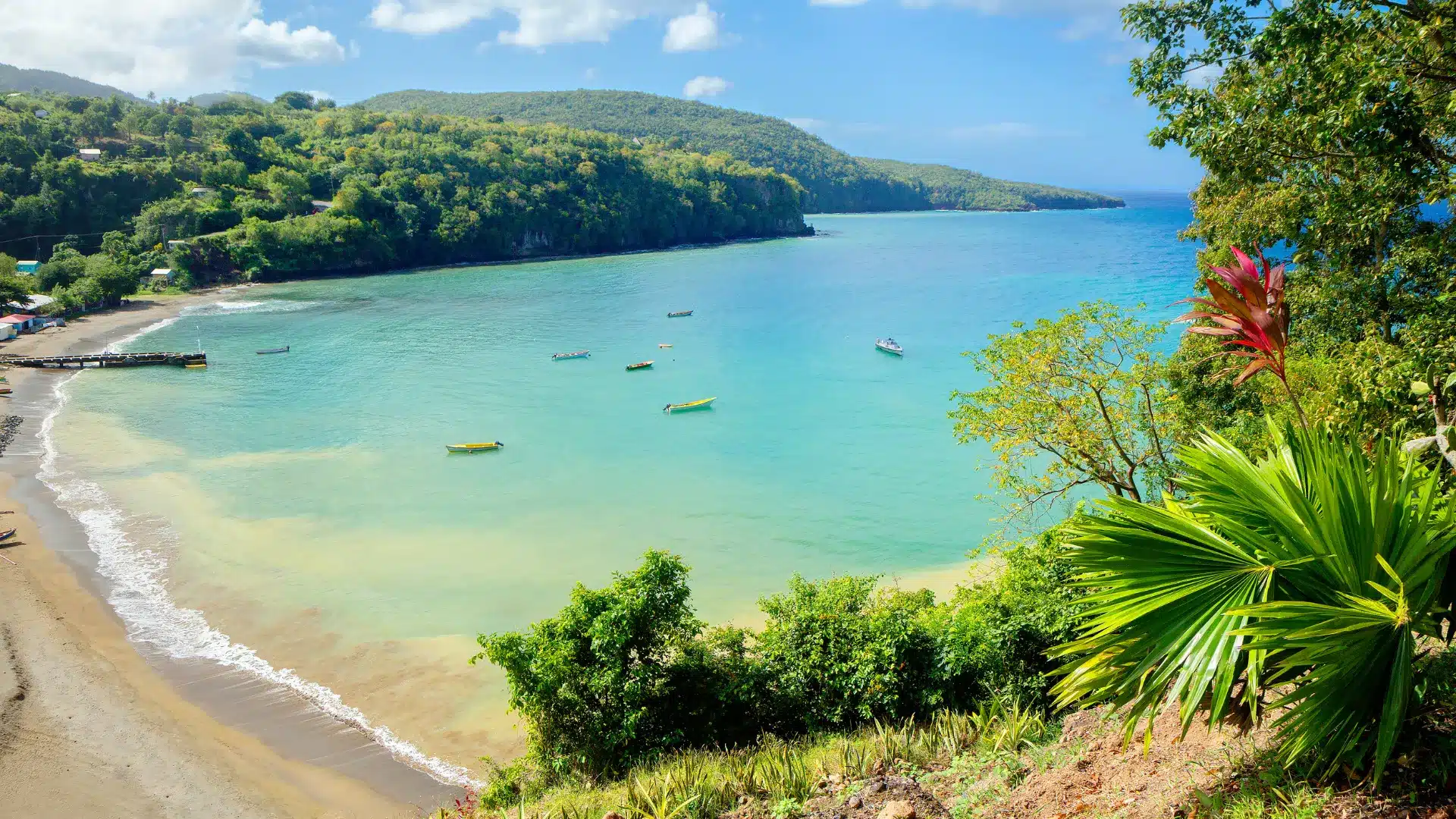
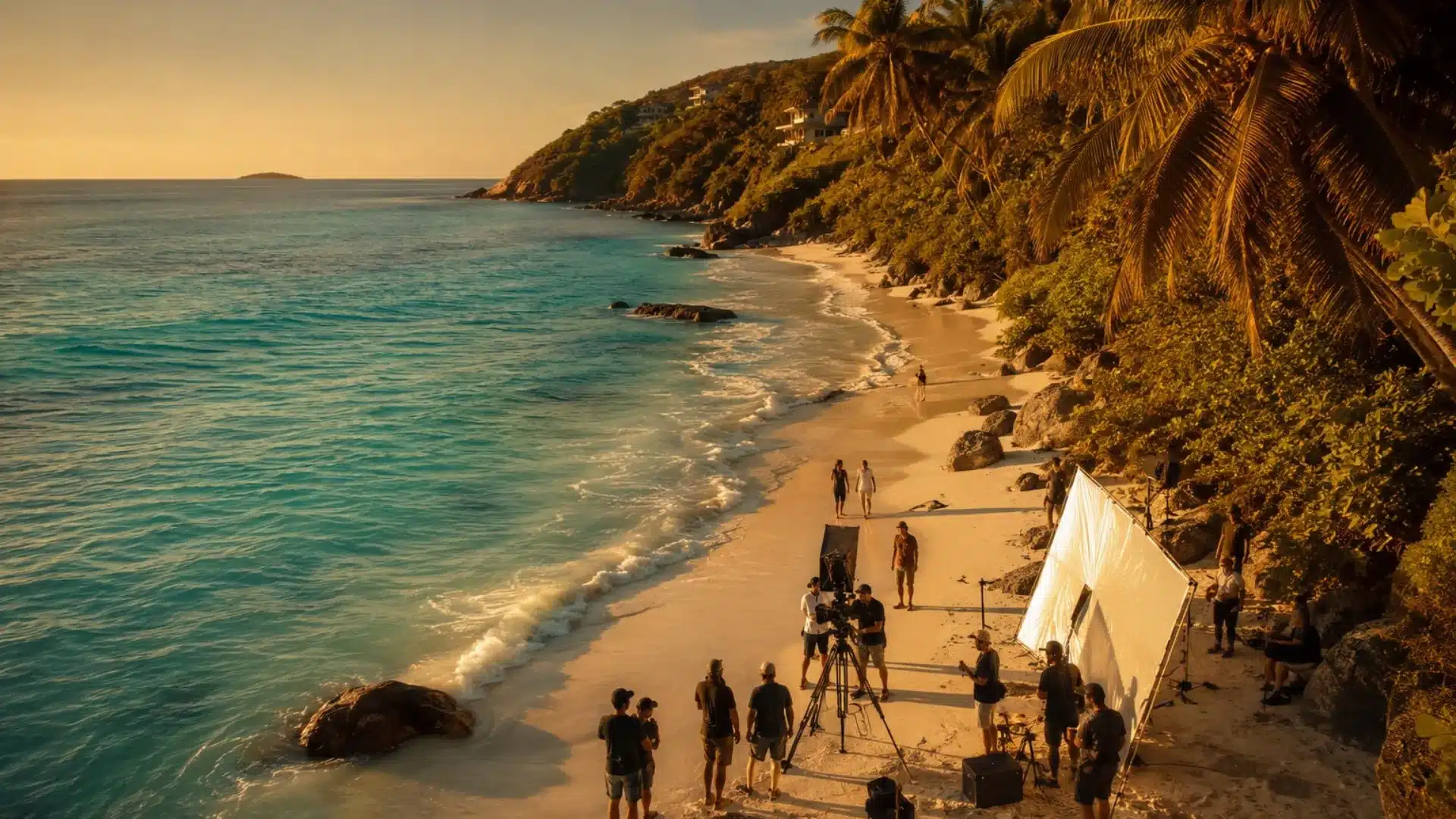
Hoodlum offers expert film fixer services in Cuba, supporting international productions across one of the most visually extraordinary and culturally distinctive filming destinations in the Caribbean. Cuba is the largest island in the Caribbean — a country of colonial cities, tropical coastline, tobacco valleys, mountain ranges, vintage car-lined streets and a visual culture of extraordinary richness that has made it one of the most sought-after production destinations in the region for feature films, commercial campaigns, documentaries, travel programming and music videos.
Havana is the production hub — a UNESCO World Heritage-listed capital of crumbling colonial grandeur, art deco facades, vibrant street life, Malecón seafront and a visual texture that is genuinely unlike any other city in the world. Beyond Havana, the UNESCO World Heritage city of Trinidad offers some of the best-preserved colonial architecture in the Americas, Viñales Valley’s dramatic mogote limestone formations define one of the Caribbean’s most distinctive landscape environments.
Cienfuegos brings a French-influenced waterfront elegance, and the beaches of Varadero and the eastern Oriente region offer a completely different coastal register. Across the island, the combination of Spanish colonial architecture, Soviet-era modernism, classic American automobiles, revolutionary iconography and tropical natural environments gives productions a visual palette that has no equivalent elsewhere.
The Cuban Institute of Cinematographic Art and Industry (ICAIC) is the central authority for international film production approvals, and Cuba is an ATA Carnet country with a structured permit process. The local fixer relationship is particularly important in Cuba — the system is built around in-country coordination, and productions that engage an experienced local partner from the earliest stage will find the approval and logistics process significantly more manageable.
Cuba Film Production Guide for International Crews
Cuba is a Caribbean filming destination that works for a specific and distinctive range of production types — productions that need the visual character of Havana, the colonial heritage of Trinidad and Cienfuegos, the landscape environments of Viñales and the Sierra Maestra, the coastal environments of Varadero and the eastern provinces, or the street and cultural life of a country that exists in a genuinely unique historical and political context. The island is served by José Martí International Airport in Havana and several regional airports including Antonio Maceo International Airport in Santiago de Cuba.
The main production areas include Havana and its multiple distinct neighbourhoods — Habana Vieja (the historic UNESCO core), Centro Habana, Vedado, Miramar and the Malecón seafront boulevard. Beyond Havana, key production environments include Trinidad’s extraordinarily preserved colonial centre, the Viñales Valley UNESCO Cultural Landscape in Pinar del Río province, Cienfuegos’ French-influenced waterfront, Santiago de Cuba’s music and carnival culture, the tobacco farms and mogote landscape of the western provinces, and the beach and coastal environments across the island.
A successful Cuba production is built on an experienced local fixer relationship from the outset. The ICAIC permit process requires thirty days from project submission, passports must be provided at least thirty days before the first filming day, all documentation must be submitted one month in advance, and the visa process is managed by the fixer on arrival on behalf of the crew. Productions that attempt to manage this process without an experienced in-country partner will find it significantly more difficult than destinations with a self-service permit system.
Why Film Production Works Well in Cuba
Cuba works for productions that need a visual environment that is completely distinct from any other Caribbean or international destination — a combination of colonial architectural heritage, vintage American automotive culture, revolutionary visual iconography, tropical nature, Caribbean coastline and a street life of extraordinary warmth and energy that cannot be reproduced elsewhere.
Strong production use cases include:
- Feature film and television drama
- Commercial and advertising campaigns
- Music videos — particularly for Latin, reggaeton and international pop artists
- Documentary and current affairs programming
- Travel and lifestyle content
- Architecture and heritage documentary work
- Nature and landscape filming
- Still photography and fashion campaigns
- Food and cultural storytelling
- Reality and competition formats
- Branded content requiring a distinctive non-generic Caribbean setting
The ICAIC — Cuba’s Film Commission — has a long history of supporting international productions and provides guidance, local crew connections and production support as part of its remit. The local production infrastructure includes experienced Cuban film professionals, equipment rental options and established location relationships that benefit productions working with a knowledgeable local fixer.
Spanish is the official language and English is not as widely spoken in professional contexts as in some other Caribbean destinations, which reinforces the importance of working with a fixer who can handle communication with government authorities, location owners, ICAIC contacts and customs officials throughout the process.
Best Time of Year to Film
Cuba has a tropical climate with a dry season and a wet season. The dry season from December to May offers the most reliable exterior filming conditions — mild temperatures, lower humidity, minimal rainfall and the clearest light for outdoor work across all location types including Havana streets, colonial architecture, landscape environments and coastal locations.
The wet season from June to November brings higher humidity, increased rainfall and hurricane risk. The hurricane season officially runs from June to November, and productions planning to film during this period should build weather contingency into the schedule and budget and confirm insurance coverage for weather-related delays.
Productions should plan for:
- Hurricane season contingency for June to November shoots
- Summer humidity effects on equipment and crew comfort
- High tourist season crowd management at major Havana and Trinidad sites
- Carnival season in Santiago de Cuba — July — extraordinary visual opportunity with specific logistics
- Semana Santa (Holy Week) in Trinidad — significant crowd and access planning required
- New Year celebrations in Havana — one of the most vibrant periods but highly congested
The dry season winter months — particularly January to April — offer the most consistently reliable filming conditions across the full range of Cuba’s production environments.
Visa and Entry Requirements for Crew
Cuba operates a specific visa system for international film crews. Commercial shoots, filming and production require a Business Visa — the D6 Visa (Visa de Negocios). Press projects apply online through the Cuban Embassy. For commercial and production projects, the local fixer manages the visa application process for all crew members on arrival — passports and detailed crew information must be provided to the fixer at least thirty days before the first filming day.
American passport holders should note that the process takes significantly longer — between forty and sixty-five days — and should start the process accordingly with Hoodlum’s in-country team.
Required documentation per crew member:
- Valid passport — minimum three months validity before expiration is considered valid
- Completed visa application form — completed by the fixer on behalf of crew on arrival
- Proof of payment — provided by the fixer on application
- Film project documentation
- Crew list with names, roles and nationalities
- Equipment list
Processing time: Fifteen to twenty days for the visa. The project itself requires thirty days to approve. Passports must be provided at least thirty days before the project’s first filming day.
Estimated cost: USD 50 for press visas. Confirm commercial production visa costs with Hoodlum’s in-country team.
The local fixer manages the visa process for all crew on arrival — this is not a self-service system in the way that many other international destinations operate. Productions must provide Hoodlum with complete crew information, passport details and project documentation well in advance of the thirty-day deadline.
Project Approval and ICAIC Accreditation
There is no standard international crew accreditation in Cuba in the same format as other destinations — the process is project-based rather than crew-based. The entire project must be submitted to and approved by ICAIC before any filming begins. All information must be submitted one month before the first day of filming, including passports for at least the main production leads.
For press projects, accreditation is submitted directly to the Cuban Institute of Cinematographic Art and Industry (ICAIC), which requires authorisation from local authorities for specific filming locations, customs declaration for equipment, and compliance with Cuban regulations.
Required documentation:
- Letter of Intent explaining the project purpose, duration and intended locations
- Proof of financial support — bank statements, sponsor letters or financial guarantees
- Film project synopsis
- Budget breakdown with estimated costs
- Crew list with names, nationalities and roles
- Equipment list
- Passports for main production leads
Issuing authority: Instituto Cubano del Arte e Industria Cinematográfica (ICAIC).
Processing time: Ten to thirty working days. All documentation must be submitted one month before the first filming day.
Estimated cost: USD 200–500 depending on project type and duration.
ICAIC is also a production support resource — not just a permit authority. Productions working with an experienced local fixer who has an established ICAIC relationship will find the accreditation and permit process significantly more manageable.
Film Permits and Production Approval
Film permits in Cuba are issued by ICAIC — the Instituto Cubano del Arte e Industria Cinematográfica. The permit process takes thirty days from submission of a complete application, which means the total pre-production permit timeline in Cuba requires a minimum of one month of confirmed lead time before the first shoot day.
Required documentation:
- Film project synopsis
- Budget breakdown with estimated costs
- Location list
- Crew list
- Equipment list
- Shooting schedule
- Visa and project documentation as required by ICAIC
Processing time: Thirty days.
Estimated cost: USD 220–2,750 depending on project type, scale, locations and duration.
Location-specific filming — particularly in Havana’s historic UNESCO core, at government buildings, military sites, national monuments or sensitive public locations — may require additional authorisation from local authorities beyond the ICAIC permit. Productions should flag all intended locations in the permit application from the outset so the approval covers the full production footprint.
Private Locations, Historic Sites and Street Filming
Private locations in Cuba — including private homes, paladares (private restaurants), colonial mansions, farms, private estates and business premises — require individual written agreements with property owners. The location fee range is wide — from a few hundred to several thousand dollars per day depending on the location’s prominence, accessibility and the production’s requirements.
Key location environments and what access requires:
Habana Vieja (Old Havana) — the UNESCO World Heritage colonial core of Havana, containing some of the most visually distinctive architecture in the Caribbean. Street filming within the historic centre requires ICAIC approval and may require coordination with the Historian’s Office of Havana (Oficina del Historiador de la Ciudad), which manages the restoration and oversight of the historic centre.
The Malecón — Havana’s iconic seafront boulevard, one of the most filmed public spaces in Cuba. Street filming requires ICAIC approval and any road or traffic management needs should be flagged in the permit application.
Trinidad — a UNESCO World Heritage colonial city in central Cuba, among the best-preserved in the Americas. Filming in Trinidad requires ICAIC approval and coordination with local authorities for specific sites within the historic centre.
Viñales Valley — a UNESCO Cultural Landscape in Pinar del Río province, characterised by dramatic mogote limestone formations, tobacco farms and rural village environments. National park and UNESCO landscape status may require additional approvals from conservation authorities.
Classic car and street scenes — vintage American automobiles are one of Cuba’s most requested visual assets. Coordinating classic car scenes requires working with local car owners and cooperatives through the fixer network, as there is no centralised booking system.
A strong location agreement should confirm:
- Approved filming areas
- Shoot dates and hours
- Crew size
- Equipment restrictions
- Any ICAIC or local authority conditions
- Fees and payment terms
- Site restoration responsibilities
Drone Filming Requirements
Drone operations in Cuba have specific requirements that differ significantly from most international filming destinations. Only Cuban drones and Cuban pilots are permitted for standard drone operations. The exception is when a Director of Photography (DOP) requires a specific drone — in that case the DOP may be foreign, but the drone operation still requires Cuban regulatory compliance.
Drone operations require permission from both ICAIC and the Cuban Civil Aviation Authority — the Instituto de Aeronáutica Civil de Cuba (IACC). The drone requirement must be acknowledged and included in the original project submission to ICAIC — it is project-dependent and cannot be added as an afterthought after project approval has been confirmed.
Required documentation for local drone operations:
- Drone Registration Certificate issued by the IACC
- Filming Schedule approved by ICAIC
Required documentation for drone importation:
- Commercial invoice with detailed equipment list and values
- Export declaration from the country of origin
Issuing authority: Instituto de Aeronáutica Civil de Cuba (IACC).
Processing time: Project-dependent — acknowledged upon presenting the project to ICAIC.
Estimated cost: USD 500–2,000 valid for one to six months.
Productions planning drone sequences should include all drone requirements in the original ICAIC project submission. Productions that discover drone requirements after project approval will face additional processing time. The restriction on foreign drones means that productions cannot simply bring their preferred drone kit — the operational equipment will be Cuban, which should be factored into pre-production planning and technical discussions with the DOP.
Equipment Customs Clearance
Cuba is an ATA Carnet country. Professional filming equipment can be imported under the standard ATA Carnet system, which is the most straightforward importation route for equipment entering Cuba. The Carnet must be submitted and presented at entry and exit.
General process:
- Obtain ATA Carnet through the issuing organisation in the crew’s home country
- Present Carnet at Cuban customs on entry — customs stamps the Carnet and removes a counterfoil as proof of entry
- Present Carnet at exit to confirm all equipment is re-exported
Required documentation:
- ATA Carnet covering all filming equipment
- Film permit — authorisation from ICAIC or relevant authorities
- Crew list with names, nationalities and roles
Issuing authority: Aduana General de la República de Cuba (AGRC).
Processing time: Three weeks.
Estimated cost: 2% of the total cost of the equipment to be imported.
Every item listed in the Carnet must match what physically arrives. The three-week processing timeline for Cuban customs clearance is longer than many Carnet countries, which should be factored into the overall pre-production timeline. Productions should ensure that the Carnet is prepared and submitted well in advance of crew arrival.
Safety and Security for Productions
Cuba offers a generally safe filming environment. The Cuban government welcomes international productions, and the combination of ICAIC support and a low-crime environment makes Cuba one of the more straightforward Caribbean destinations from a security perspective. Standard production security precautions are appropriate.
Key safety and security considerations include:
- Hire a trusted local fixer or production assistant to facilitate all logistics and communication throughout the shoot
- Store equipment in locked hotel facilities or secure storage between shoot days
- Use Cuban government-approved security companies for larger productions
- Be aware of currency exchange logistics — Cuba’s monetary system requires specific planning for daily production expenses
- Plan for limited internet connectivity in some locations and periods
- Respect local regulations around filming government buildings, military sites and sensitive public spaces — always film with confirmed ICAIC approval in hand
- Build hurricane season weather contingency for June to November shoots
- Plan for potential logistical delays in a destination where the fixer relationship is central to smooth operations
Film Incentives and Production Benefits
Cuba offers competitive incentives for international productions through ICAIC’s production support framework. The specific incentive structure should be confirmed directly with ICAIC and Hoodlum’s in-country team before budgeting, as the nature and extent of available support depends on the project type, scale, Cuban content and local spend.
Productions should confirm all incentive details in writing before building them into the production budget. The Cuban production environment is one where the fixer and ICAIC relationship can unlock access, facilitation and logistical support that has genuine production value — the nature of that support should be discussed early in the pre-production process.
How the Main Approvals Fit Together
The Cuba production approval process is uniquely integrated compared to most international destinations — the entire project must be submitted to and approved by ICAIC before any other process can be fully confirmed. Visas are managed by the fixer on arrival. The film permit takes thirty days. Drone requirements must be acknowledged in the original project submission. Customs clearance takes three weeks. All of these timelines run from the project submission, which must happen one month before the first filming day.
A complete production plan connects:
- Project submission to ICAIC — one month before filming
- Passports provided to Hoodlum at least thirty days before the first filming day
- D6 Business Visa managed by the fixer on arrival for all crew
- ICAIC film permit — thirty days processing
- ICAIC accreditation and location authority approvals for specific sites
- Drone requirements acknowledged in the original ICAIC project submission
- IACC drone permit where drone operations are included
- ATA Carnet customs clearance — three weeks processing
- Private location agreements for all private location shoot days
- Security and logistics planning aligned with the ICAIC-approved production schedule
Hoodlum’s in-country team manages the coordination of all these processes as one integrated pre-production workflow, which is particularly important in Cuba where the fixer relationship is central to how the system operates.
When Cuba Is the Right Choice
Cuba is the right choice when a production needs a visual environment that is genuinely unlike any other — the colonial grandeur of Havana, the vintage automotive culture, the tropical Caribbean coastline, the UNESCO heritage cities of Trinidad and Cienfuegos, the landscape of Viñales, and a cultural energy of extraordinary warmth and distinctiveness.
It is especially suitable for:
- Feature films and television drama requiring colonial Caribbean or historical settings
- Commercial campaigns needing Havana’s vintage and architectural visual character
- Music videos — particularly Latin, reggaeton and international pop
- Documentary and cultural programming on Cuba, Caribbean history or Latin American subjects
- Travel and lifestyle productions
- Architecture and heritage documentary work
- Still photography and fashion campaigns
- Food and music cultural storytelling
- Nature and landscape filming in Viñales, the Sierra Maestra and coastal environments
It may be less suitable for productions that need very rapid permit turnaround, self-service visa processing, unrestricted drone kit use, or a destination with no language barrier for crews without Spanish or a local fixer. Those situations require additional lead time and stronger local partnership rather than being impossible.
Film production services in Cuba are most effective when the concept fits the island’s genuine strengths: Havana’s visual culture, colonial heritage, vintage automotive character, tropical Caribbean nature and the distinctive human energy of Cuban street and cultural life.
Common Mistakes to Avoid
Most production problems in Cuba come from underestimating the one-month project submission deadline, leaving passport provision too late, failing to include drone requirements in the original project submission, or not factoring the three-week customs clearance timeline into the freight plan.
Avoid:
- Submitting the ICAIC project documentation with less than thirty days before the intended first filming day
- Providing crew passports to Hoodlum less than thirty days before the project start
- Treating drone requirements as a separate follow-up after ICAIC project approval — they must be in the original submission
- Arriving with a Carnet that does not match the actual equipment
- Underestimating the three-week Cuban customs clearance timeline
- Attempting to manage the Cuban visa process independently — the fixer manages this on arrival
- Assuming English-language logistics are sufficient without a Spanish-speaking local fixer
- Planning street and government building filming without ICAIC approval confirmed
- Ignoring hurricane season contingency for June to November shoots
- Underestimating the currency exchange logistics for daily production expenses
How Hoodlum Supports Local Production
Hoodlum’s in-country team provides end-to-end production support for international crews filming across Cuba, from early project submission through on-the-ground execution across all Cuban filming locations.
Support may include:
- In-country fixer coordination across Havana and all Cuban locations
- ICAIC project submission and permit coordination
- D6 Business Visa management for all crew on arrival
- Passport coordination and thirty-day advance submission management
- ICAIC accreditation and press documentation where applicable
- Location research, access and RECCE — Havana filming locations, Trinidad, Viñales, Cienfuegos and beyond
- Drone requirement integration into the original ICAIC project submission
- IACC drone permit coordination
- ATA Carnet customs clearance preparation
- Classic car coordination through local networks
- Local crew and talent sourcing
- Transportation and vetted vehicle hire
- Accommodation sourcing across Cuba
- Currency exchange logistics planning
- Safety and security planning
- Hurricane season contingency planning
- On-the-ground production management
FAQ Section
Do international crews need a visa to film in Cuba? Yes. Commercial production and filming requires a D6 Business Visa (Visa de Negocios). The fixer manages the visa application process for all crew members on arrival — this is not a self-service process. Passports and crew details must be provided to Hoodlum at least thirty days before the first filming day. American passport holders should allow forty to sixty-five days. Processing: fifteen to twenty days for the visa. The project requires thirty days to approve.
How long should productions allow for ICAIC approval? All documentation must be submitted to ICAIC one month before the first filming day. The film permit takes thirty days to process. Passports must be provided at the same time. Allow a minimum of six weeks before the shoot start date to give the full process a comfortable margin. Productions with drone requirements must include them in the original submission.
Can productions use drones in Cuba? Yes, but only Cuban drones and Cuban pilots are permitted for standard operations. A foreign DOP may operate a drone they require, but Cuban regulatory compliance still applies. Drone requirements must be acknowledged in the original ICAIC project submission — they cannot be added after project approval. Permits are issued by the IACC. Estimated cost: USD 500–2,000 for one to six months.
Is Cuba a Carnet country for equipment customs clearance? Yes — Cuba is an ATA Carnet country. Professional filming equipment can be imported under the ATA Carnet system. Customs clearance takes three weeks — significantly longer than most Carnet countries. Cost: 2% of total equipment value. The Carnet must be prepared in advance and freight planning should account for the three-week clearance timeline.
What is ICAIC and what does it do? ICAIC is the Instituto Cubano del Arte e Industria Cinematográfica — Cuba’s Film Commission and the central authority for all international film production approvals in Cuba. It issues film permits, manages project accreditation, oversees location authorisation and provides production support and local crew connections. All international productions must have ICAIC project approval before filming begins.
What are the best filming locations in Cuba? Key production environments include Havana’s Habana Vieja (UNESCO World Heritage), the Malecón seafront boulevard, the colonial city of Trinidad (UNESCO World Heritage), Viñales Valley (UNESCO Cultural Landscape) in Pinar del Río, Cienfuegos’ French-influenced waterfront, Santiago de Cuba’s music and cultural quarter, the beaches of Varadero, and the vintage automotive streetscapes across Havana’s multiple neighbourhoods.
What documents are typically needed? Project submission to ICAIC including synopsis, budget breakdown, crew list, equipment list, location list and shooting schedule. Passports for main production leads. D6 Business Visa documents managed by the fixer. ATA Carnet for all filming equipment. Drone documentation if drone operations are planned.
Authority Links
- Instituto Cubano del Arte e Industria Cinematográfica — ICAIC
- Instituto de Aeronáutica Civil de Cuba — IACC
- Aduana General de la República de Cuba — AGRC
- Hoodlum Film Fixers — Contact
Everything You Need to Know About Filming in Cuba
Filming in Cuba operates on a fundamentally different timeline and process logic from most international filming destinations, and productions that understand that difference from the outset will find Cuba one of the most rewarding and visually extraordinary places to work in the Caribbean.
The one-month ICAIC project submission deadline, the fixer-managed visa process, the thirty-day film permit, the three-week ATA Carnet customs clearance, and the requirement that drone needs be included in the original project submission rather than added later — all of these are not bureaucratic obstacles.
They are the structure within which film production Cuba operates, and working within that structure with an experienced in-country team is what makes Cuba viable. This section consolidates the practical information for international productions planning a Cuba shoot.
ICAIC filming permit Cuba — the central process
The ICAIC filming permit Cuba is the foundational approval for all international productions. ICAIC — the Instituto Cubano del Arte e Industria Cinematográfica, also known as the Cuban Film Commission — is the authority that approves projects, issues permits, supports local crew connections and provides production guidance. Every international production must have ICAIC project approval before filming begins. Everything else — visas, drone approvals, location authority permissions, customs clearance — flows from and depends on the ICAIC project approval being in place.
The Cuba film permit processing time is thirty days from a complete project submission. That thirty-day window starts from the submission of a full documentation package — synopsis, budget breakdown, location list, crew list, equipment list, shooting schedule and passports for main production leads. Incomplete submissions do not start the clock. Productions should submit a complete, well-prepared package in the first submission and allow the full thirty-day window before the first filming day.
Location-specific filming at Habana Vieja, government buildings, military sites, national monuments, Trinidad’s historic centre, Viñales and other managed or sensitive public environments may require additional authorisation from local authorities beyond the ICAIC permit. All intended locations — including sensitive or heritage sites — should be flagged in the original project submission so the approval covers the full production footprint from the start.
Filming in Havana — the production hub and its distinct environments
Filming in Havana is the primary driver for most international productions coming to Cuba, and Havana filming locations offer a visual range within a single city that is genuinely extraordinary. The city’s multiple neighbourhoods each have a distinct visual character — Habana Vieja’s UNESCO colonial core, Centro Habana’s dense urban streetscapes, Vedado’s tree-lined mid-century boulevards and revolutionary monuments, Miramar’s embassy mansions and waterfront, and the Malecón seafront boulevard that runs the length of the city’s northern edge.
Each Havana filming location environment has its own access considerations. Habana Vieja requires coordination with the Historian’s Office of Havana (Oficina del Historiador de la Ciudad), which manages the UNESCO historic centre restoration and oversight. The Malecón requires ICAIC approval and specific road and traffic management planning. Government buildings, military sites and Plaza de la Revolución require specific authorisation beyond the general ICAIC permit and should always be flagged early.
Cuba location scouting across Havana’s environments is most effectively managed by Hoodlum’s in-country fixer team, who know which locations require which specific approvals, can assess crowd management challenges at different times of day, and have the local relationships to make street and private location access workable within the ICAIC-approved production framework.
Trinidad Cuba filming location and Cienfuegos filming location
Beyond Havana, the Trinidad Cuba filming location and the Cienfuegos filming location are the two most requested regional production environments for international crews.
The Trinidad Cuba filming location is among the best-preserved colonial cities in the Americas — a UNESCO World Heritage Site of cobblestone streets, pastel-coloured mansions, terracotta-roofed architecture and a surrounding landscape of sugar plantation ruins, mountain foothills and Caribbean coastline.
For period drama, heritage documentary, commercial campaigns needing colonial Latin American settings, and travel programming, Trinidad Cuba filming location offers a visual depth and authenticity that few locations in the Caribbean can equal. Filming access requires ICAIC approval and coordination with local heritage authorities for specific sites within the historic centre.
The Cienfuegos filming location on Cuba’s southern coast brings a different register — a French-influenced colonial city with a formal grid plan, elegant Prado boulevard, waterfront Malecón and the Palacio de Valle, one of Cuba’s most eclectic architectural landmarks. For productions needing a more refined and formally composed colonial environment than Havana’s energetic density, the Cienfuegos filming location offers a quieter and visually distinctive alternative. ICAIC approval and local authority coordination apply for filming within the historic centre.
Cuba location scouting across both Trinidad and Cienfuegos requires a fixer with specific regional knowledge and local authority relationships outside of Havana, as the approval and access dynamics in regional Cuban cities differ from those in the capital.
Drone permit Cuba IACC — what productions need to know
The drone permit Cuba IACC process has two features that distinguish it from most international drone approval systems. First, only Cuban drones and Cuban pilots are permitted for standard operations. A foreign DOP may operate a specific drone that their work requires, but Cuban regulatory compliance still applies throughout.
Second, and critically, drone requirements must be acknowledged and included in the original ICAIC project submission. Productions that submit their project without flagging drone requirements and then attempt to add drone approval after project confirmation will face additional processing time — the IACC approval is project-dependent and the process starts from the ICAIC project submission, not from a separate follow-up application.
The drone permit Cuba IACC cost ranges from USD 500 to USD 2,000 and is valid for one to six months. The restriction on foreign drones means that productions must plan their aerial sequences with Cuban drone equipment in mind, which should be part of technical pre-production discussions with the DOP before the project is submitted to ICAIC. Hoodlum’s in-country team can advise on the available Cuban drone equipment and pilot network before those technical decisions are made.
Cuba customs clearance ATA Carnet — the three-week timeline
Cuba customs clearance benefits from Cuba’s ATA Carnet membership — professional filming equipment can be imported under the standard Carnet system. However, Cuban customs clearance takes three weeks, which is significantly longer than most other ATA Carnet countries. Productions that plan freight arrival around standard Carnet clearance timelines from other destinations will arrive without cleared equipment if they have not accounted for Cuba’s specific timeline.
The Cuba customs clearance process requires the ATA Carnet, ICAIC film permit authorisation and crew list. The Carnet documentation must match exactly what physically arrives — discrepancies between the Carnet and actual equipment can result in duty being assessed and can extend the clearance process further. The 2% cost on the total equipment value should be factored into the production budget.
Productions should plan freight departure to allow the full three-week Cuba customs clearance window before equipment is needed on set. The Carnet should be prepared well in advance and the equipment list should be finalised before the Carnet is issued. Hoodlum’s in-country team coordinates with Cuban customs authorities as part of the production support process.
Filming visa Cuba — how the fixer-managed process works
The filming visa Cuba process for commercial productions is managed by Hoodlum’s in-country fixer on arrival — it is not a self-service system. Crew members do not apply individually and independently. The fixer completes the D6 Business Visa applications on behalf of all crew members, provides proof of payment as part of the application, and manages the arrival documentation process.
For this system to work, productions must provide Hoodlum with complete crew information — full names, passport details, nationalities and roles — and actual passports for main production leads at least thirty days before the first filming day. American passport holders face a longer processing window of forty to sixty-five days and should ensure their information reaches Hoodlum’s in-country team with that additional time built in.
The filming visa Cuba process is one of the areas where working without an experienced in-country fixer creates the most significant risk. Without the fixer’s local knowledge, government relationships and understanding of the specific documentation requirements, the visa process can become the single point of failure for the entire production timeline.
Caribbean film production guide — Cuba in regional context
For productions building a Caribbean film production guide — comparing Cuba with Jamaica, Trinidad, St Lucia, Barbados and other regional destinations — Cuba occupies a completely distinct position. No other Caribbean island offers the combination of Havana’s visual culture, the colonial heritage concentration of Trinidad Cuba filming location and Cienfuegos filming location, the Viñales Valley landscape, the classic automotive culture, the Soviet-era architectural layer, and the revolutionary iconography that gives Cuba a visual signature unlike any other destination in the hemisphere.
The trade-off for that visual distinctiveness is a production approval process that requires more lead time, more local fixer dependence and more advance planning than most other Caribbean destinations. Productions that have filmed in Jamaica or St Lucia will find Cuba’s ICAIC process, fixer-managed visa system and three-week Cuba customs clearance timeline a different operational experience — but one that is entirely manageable with the right in-country partner and sufficient lead time.
The practical groundwork is always the same: engage Hoodlum’s in-country Cuba film fixer team first, submit the complete ICAIC project documentation one month before the first filming day, include drone requirements in the original submission, provide all crew passports to Hoodlum at least thirty days in advance, prepare the ATA Carnet for Cuba customs clearance with the full three-week timeline accounted for.
Flag all Havana filming locations including Habana Vieja and the Malecón in the project submission, plan Cuba location scouting across Trinidad, Cienfuegos and regional environments with fixer support, and allow a minimum of six to eight weeks of pre-production lead time from first engagement to first filming day.