
















Film Production Services in Estonia
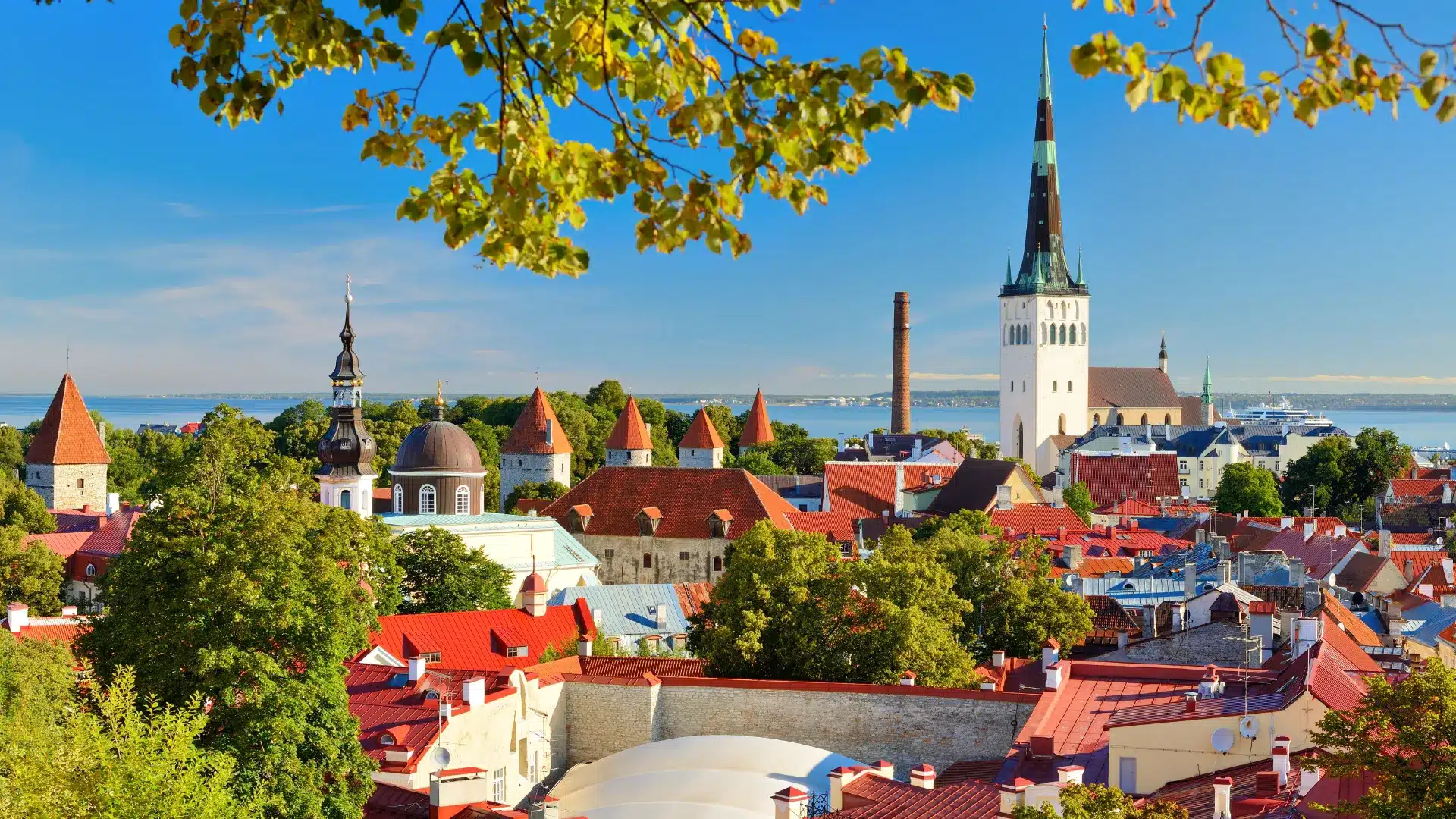
Estonia is one of the Baltic region’s most practical and rewarding filming destinations, combining medieval old-town streets, clean Northern European city visuals, forests, bogs, islands, coastline, Soviet-era and post-industrial architecture and world-leading digital infrastructure into a compact, efficient and increasingly sought-after country. From the UNESCO-listed old town of Tallinn to the university city of Tartu, the spa beaches of Pärnu, the border architecture of Narva and the islands of Saaremaa and Hiiumaa, the country offers an unusually broad range of looks within very short travel distances, now backed by one of Europe’s most competitive cash rebates.
For international crews, Estonia offers a rare blend of flexible filming conditions, strong location variety, an experienced English-speaking crew base and a refreshingly light-touch regulatory environment compared with more bureaucratic destinations. It is one of the few places where a production can shoot medieval streets, modern business districts, deep forest and Baltic coastline within a tight, low-travel schedule, supported by experienced local fixers and a 40% rebate that has drawn major international productions.
Hoodlum provides Film Production Services in Estonia for commercials, documentaries, branded content, factual television, feature films, television drama, travel campaigns, photography and corporate productions. Our team supports visa planning, local fixer services, public and private location access, drone coordination, carnet and customs guidance, crew sourcing, transport, accommodation, safety planning and full on-ground production management. You can see the full scope of what we do and the people behind it on our who we are page.
Estonia rewards productions that arrive with their paperwork in order, even though the country is genuinely straightforward to work in. A general film permit is often not required for public filming, but private locations, restricted areas, drone work, equipment customs, road use, controlled buildings and larger footprints still need careful planning. The most efficient way to handle that, and to capture the rebate, is through an experienced local production partner.
Why Estonia Works for Baltic Visuals, Variety and Value
The country’s biggest production strength is the combination of a compact, efficient production environment, a strong range of looks and a powerful financial incentive. In a single schedule a production can capture a medieval square, a modern office, a port, a deep forest, a bog and a Baltic beach, often within a day’s reach of each other. The compact scale is a genuine advantage for projects with limited shoot days or smaller budgets that still need strong location variety.
Tallinn is the operational hub, but the value sits in the route and the rebate. A commercial might pair the old town with a modern business district and a coastal road. A drama might use Soviet-era and post-industrial locations that double convincingly for Eastern Europe or a past era. A travel piece might move from the city to the islands and the forests. The country is strong because it delivers Baltic and Northern European range, a digital-savvy crew base and a 40% rebate without the long internal travel of larger countries.
The country is especially well suited to:
- Commercials and branded content
- Documentaries and factual entertainment
- Feature films and television drama
- Travel and lifestyle campaigns
- Technology and digital-economy stories
- Baltic period and Soviet-era locations
- Forest, bog and coastal filming
- Photography and corporate films
- Drone-led landscape sequences
Hoodlum’s production support team helps crews decide which locations are practical, where filming can proceed freely, where permission is needed and how to sequence movement between the city, the coast, the forests and the islands.
Tallinn as the Production Base
Tallinn is the natural anchor for most international productions working in the country. It is where crews arrive through a well-connected airport, where suppliers, equipment and production partners are concentrated, and where most permit, customs and incentive coordination begins.
The city is a versatile resource, offering a beautifully preserved medieval old town of cobbled streets and towers alongside modern offices, ports, industrial edges, residential neighbourhoods and nearby coastline, making it especially useful when a project needs both historic and contemporary visuals from one base. Public filming in open areas can often be relatively simple, but footprint matters: a small documentary crew can move with minimal disruption, while a commercial using larger lighting, vehicles, drones, road impact or private interiors needs more planning. Hoodlum uses Tallinn as the practical hub for Film Production Services in Estonia, particularly when a shoot combines old town, city and coast.
Tartu, Pärnu, Narva and Regional Filming
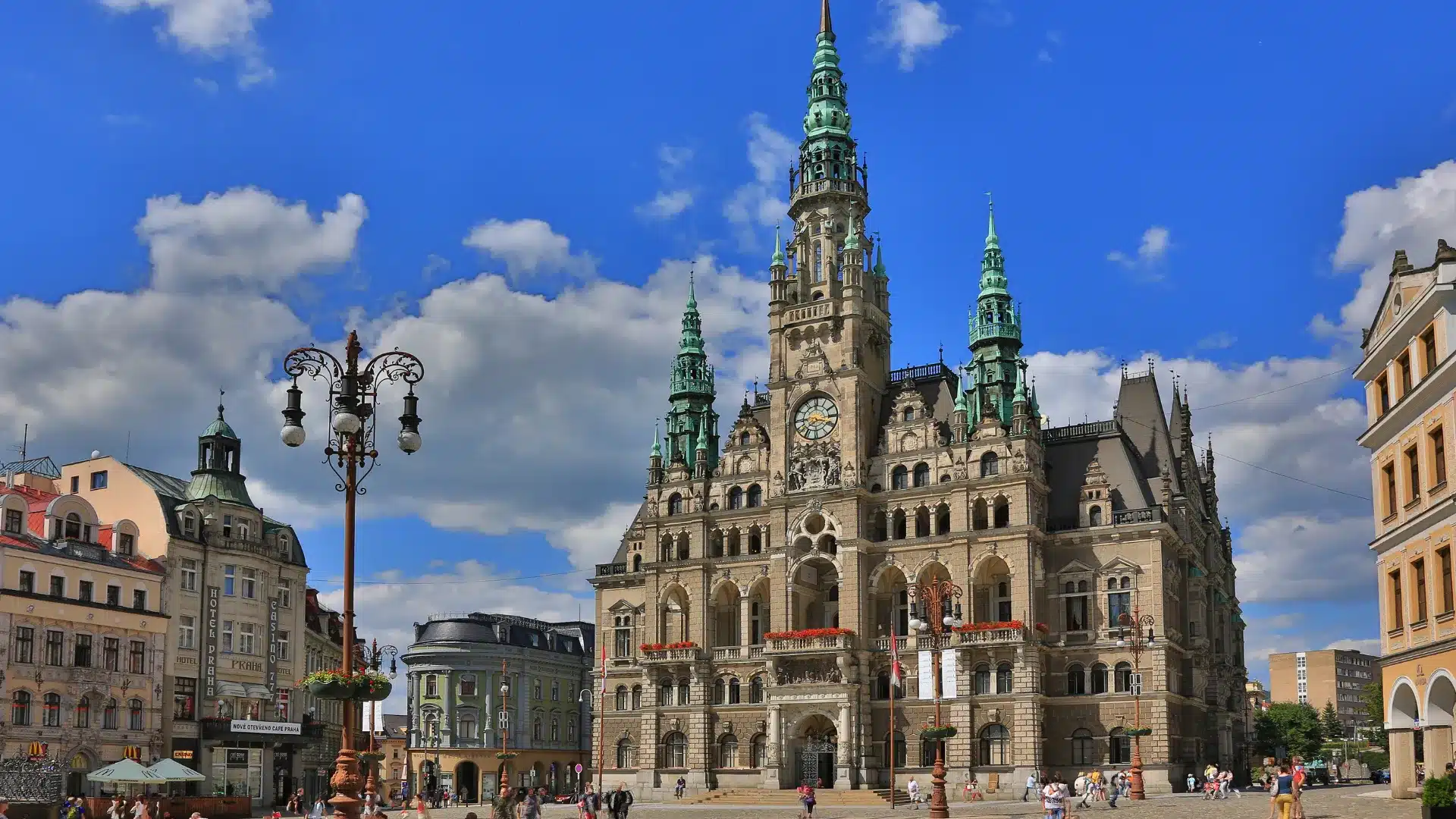
Beyond the capital, the country offers strong regional options for productions that need different looks or a less crowded filming environment. Tartu provides university settings, historic streets, cultural locations and a quieter city atmosphere. Pärnu works well for beaches, spa-town visuals, summer tourism and coastal lifestyle content. Narva, on the eastern border, brings distinctive border-region architecture, industrial history and striking visual contrast, and the nearby Sillamäe has stood in convincingly for a 1930s Soviet city.
These areas suit documentary, cultural, coastal-travel, period and industrial work. Regional shoots are usually manageable, with short travel distances, but permissions still depend on the location, and private buildings, restricted areas, ports, border zones, industrial sites and protected nature areas should be checked before filming. Even where no general permit is required, direct agreement may still be necessary. Hoodlum supports regional filming by identifying practical locations, contacting owners, arranging local support and coordinating transport and accommodation outside the capital.
Islands, Forests and Coastal Filming
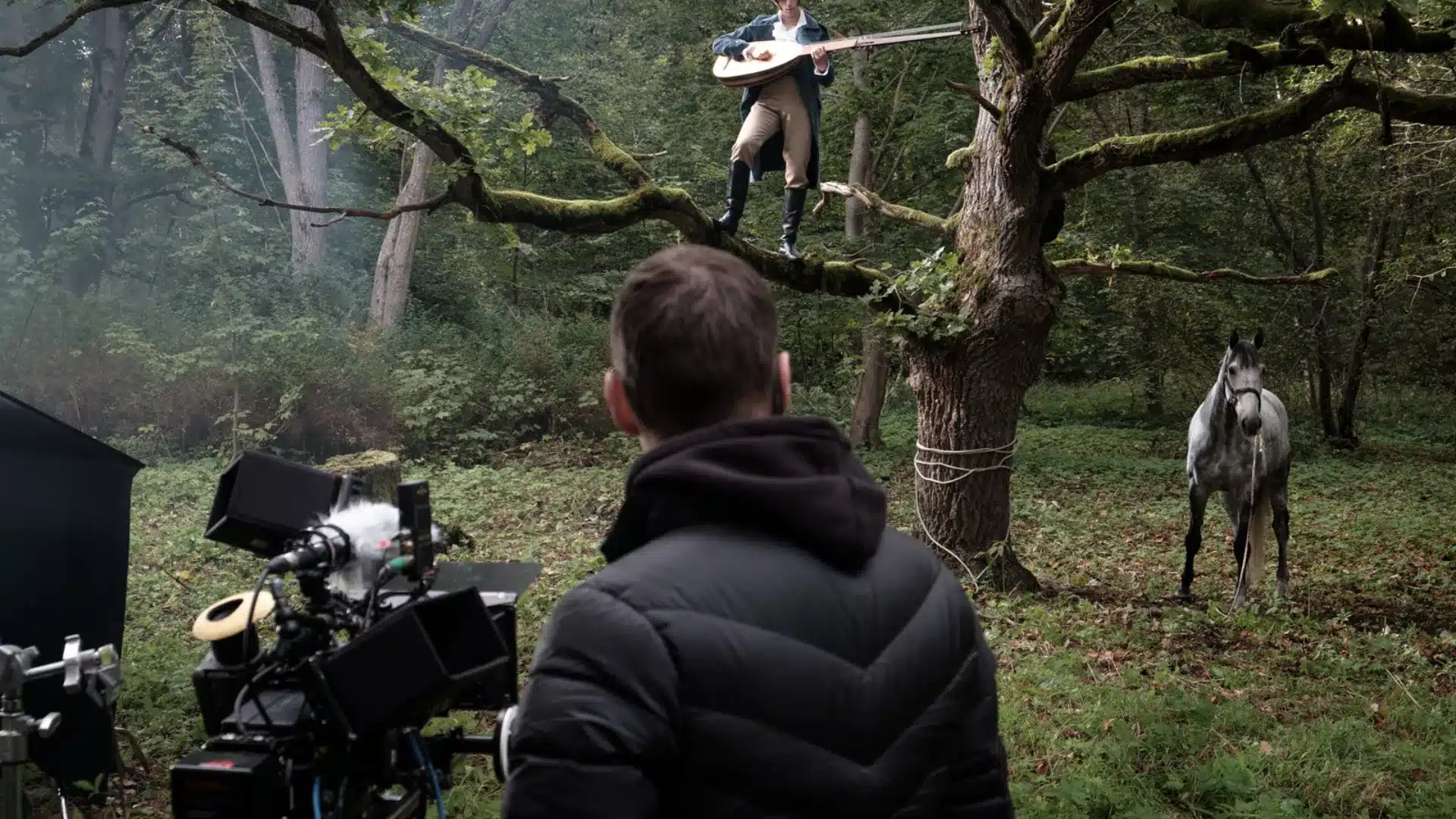
The country is strong for coastal filming, Baltic island locations, forests, bogs, rural roads and quiet natural environments. Saaremaa, Hiiumaa, Lahemaa National Park and other coastal or forested areas can support travel films, nature content, lifestyle campaigns, drone work and photography, with lighthouses, ports, ferry routes and undeveloped landscapes offering an exceptional natural canvas.
Island and rural filming should be planned around transport, ferry schedules, weather, accommodation and equipment movement, and some areas involve private land, protected nature zones, local municipalities or port authorities, so productions should not assume remote locations are automatically available. Hoodlum helps crews scout practical natural and coastal locations, confirm ownership, arrange permissions and plan realistic movement between base, accommodation and filming sites.
Entry, Visas and Crew Documentation
As an EU and Schengen member, Estonia offers straightforward access for many nationalities, but the right route still depends on each crew member’s nationality and length of stay.
Citizens of the EU, EEA and Switzerland may enter and work freely, and UK and US citizens are visa-free for short stays, subject to current entry rules and the ETIAS authorisation once that system applies to Schengen travel. Visa-required crew apply for a Schengen visa in advance, typically processed within around 15 days but longer if documents need review, with fees usually around EUR 80 to 90. Applicants generally provide a passport, application form, photos, travel medical insurance, a flight itinerary, accommodation proof, a production-company letter, a crew list and a filming schedule.
No special working permit or accreditation is generally required for standard international film-crew access, which makes the country practical for documentaries, commercials, branded content and factual work, though crews should keep a clear documentation file for hotels, locations, insurance, customs and any contact with authorities. Hoodlum helps productions prepare consistent visa support documents and keep the crew file organised so owners, authorities and suppliers can quickly understand who is filming, where, when and why.
Film Permits and Public Filming
A general film permit is not normally required for filming in public places, which is a major practical advantage for small and medium productions, especially documentary, travel, light branded content and photography teams. This is one of the country’s defining strengths and a real time-saver.
However, no general permit does not mean every location is automatically available. Prior agreements are needed for private locations and restricted areas, and productions should check permissions where filming could affect public access, involve larger equipment, use drones, film near sensitive locations or require parking, road use, crowd management or controlled access. A small street scene may need little or no approval, while a larger commercial, a restricted-area shoot or a private location can require direct negotiation and additional lead time.
Private locations require direct agreement with the owner, manager or controlling body, covering homes, offices, hotels, restaurants, private land, warehouses, industrial spaces, cultural venues and controlled interiors. A Hoodlum location scout can propose suitable options, after which we negotiate access, dates, crew size, fees and conditions, and secure a written location agreement covering approved areas, access times, parking, restoration, insurance and any content restrictions. Costs depend on the location and filming purpose, and are quoted once the locations are confirmed.
Drone Filming and Aviation Rules
Drone operation is regulated by the Estonian Transport Administration within the harmonised EU EASA framework. Operators should register in advance and comply with EU drone rules and local requirements, and because the process can be complicated for foreign operators, contacting the Transport Administration directly before filming is the practical approach.
Planning should cover operator registration, pilot certification, drone specifications, a flight plan, a risk assessment, insurance, the filming purpose, confirmation of local restrictions and landowner or site permission where required. For a local drone request, productions prepare a detailed memo setting out when and where the drone will fly, who is operating it, what certification is held and what the purpose is, with processing typically taking around three to seven working days at a modest cost. For many international crews, using a locally registered drone operator already familiar with the Estonian process is easier than navigating registration and approval from abroad. Hoodlum helps productions decide between a local operator and importing equipment, and builds the required lead time into the plan.
Equipment Customs Clearance and the ATA Carnet
Estonia is an ATA Carnet country, which makes temporary equipment importation relatively straightforward for productions that prepare properly. An ATA Carnet acts as a single international customs document allowing professional filming gear to be temporarily imported duty-free and tax-free, on the guarantee that it will be re-exported within the validity period, typically up to one year.
The carnet is issued through the Estonian Chamber of Commerce and Industry, and a clean carnet supported by an accurate equipment list with values and serial numbers, a packing list and any required customs declaration keeps the process moving. It is recommended to submit the carnet application at least ten days before the production. For crews travelling within the EU, goods in free circulation move without carnet formalities, so the carnet primarily matters for kit arriving from outside the Union. Importing a drone is generally unproblematic for legitimate, reasonable quantities, though customs, airline battery rules and aviation requirements should still be checked, and bringing a drone in is separate from gaining permission to fly it.
Hoodlum helps productions prepare the carnet, equipment list, values and serial numbers, and coordinates customs timing and arrival plans so camera, lighting, grip, sound and drone equipment clears efficiently.
The Film Estonia Cash Rebate and Regional Funds
Estonia’s headline draw is the Film Estonia cash rebate, administered by the Estonian Film Institute, which was raised to 40% in 2026, up from 30%, positioning the country among the most competitive incentive regimes in the region. The rebate applies to eligible production costs spent locally on parties subject to Estonian taxation, with the rate tied to the level of local spend and Estonian creative involvement, and it supports feature films, feature documentaries, animation films and series, high-end TV drama and the post-production of these works.
Applications are made for international production service or co-production by a company registered in Estonia, so productions work through a local entity, and the cost report is audited within around 30 days of submission. Minimum spend thresholds and eligibility rules apply, so the figures are best confirmed directly and the application structured early. The rebate has helped draw major international productions to the country, and a growing studio base is expanding its capacity further.
Alongside the national rebate, four regional funds add a second financing layer: the Viru Film Fund in the east, the Tartu Film Fund, the Film Fund of Estonian Islands and the Pärnu County Film Fund, each supporting projects that spend in their region, with rebate levels that differ from one fund to the next. These can often be combined with the national rebate and minority co-production support. Hoodlum can help connect productions with the right local production and advisory partners to register, structure qualifying spend and capture the incentive rather than miss it.
Safety, Security and Practical Logistics
The country is considered a very safe and secure country for international film crews, and extraordinary security is generally not needed. Standard production precautions are usually enough, especially for small to medium crews filming in public areas, private locations, city streets or rural environments.
Sensible foundations include equipment security, public liability insurance, road and vehicle safety, weather planning, drone safety, location access control and clear unit management. Dedicated security may be worthwhile for high-value equipment, celebrity talent, overnight gear storage, large public setups or restricted areas, but most shoots simply need good organisation and clear responsibility for gear. Medical infrastructure is good and the country is stable and well-run.
Weather and daylight are the practical variables that most affect a schedule. Estonian winters are cold with short daylight, so exterior work needs cold-weather preparation and contingency planning, while the long summer days are ideal for extended shooting. Hoodlum helps productions build realistic schedules, safety plans and location-specific risk assessments, and folds weather and daylight thinking into the plan from the start.
When Estonia Is the Right Production Choice
Estonia is the right choice when a production needs a compact Baltic base, flexible filming conditions, medieval streets, forests, coastlines, islands, Soviet-era and post-industrial locations, digital infrastructure and a strong 40% cash rebate, all without heavy internal travel. It is especially strong for documentaries, commercials, branded content, travel films, corporate and technology stories, factual television, drama, photography and drone-led landscape coverage.
It may be less suitable for productions that need very large-scale studio infrastructure or warm-weather and wilderness extremes, though studio capacity is expanding quickly. The country is highly workable when visas, private location agreements, restricted-area access, drone coordination, carnet documents, incentive registration and local logistics are handled early.
Common Production Mistakes to Avoid
The most frequent mistakes include:
- Assuming no general permit means no permissions are ever required
- Failing to secure private location agreements or check restricted areas
- Leaving drone registration too late
- Confusing EU EASA rules with local Estonian requirements
- Arriving with incomplete ATA Carnet documents
- Assuming an imported drone can automatically be flown
- Registering for the cash rebate too late to structure spend correctly
- Overbuilding the public-area footprint when a leaner crew would work better
Most of these problems are avoidable by aligning the crew list, visas, private location agreements, restricted-area access, drone plan, carnet, incentive registration and logistics well before the crew travels.
How Hoodlum Supports Productions in Estonia
Hoodlum provides Film Production Services in Estonia for international productions that need reliable support from early planning through to wrap. Our services include visa and Schengen guidance, local fixer support, Tallinn and regional filming coordination, location scouting, private location agreements, restricted-area access planning, crew sourcing, drone planning, Transport Administration communication, carnet and customs preparation, transport, accommodation, safety planning, incentive support and on-ground production management.
From Tallinn, Tartu, Pärnu and Narva to Saaremaa, Lahemaa, the Baltic coastlines, forests, ports, old-town streets and regional roads, we help productions access the strongest filming environments in Estonia with the right permissions, contacts, crew and logistics in place. Planning a shoot? Contact us to talk through permits, visa support, local fixers, location scouting, carnet planning, drone coordination, incentive support and full on-ground production management.
Frequently Asked Questions
Do international crews need a visa to film in Estonia?
EU, EEA and Swiss citizens may work freely, and UK and US citizens are visa-free for short stays, subject to current rules and ETIAS once it applies. Visa-required crew need a Schengen visa, usually processed within around 15 days, with fees around EUR 80 to 90. No special working permit is generally required for standard crew access.
Is a general film permit required?
A general film permit is not normally required for filming in public places, which is a major advantage for smaller productions. However, private locations and restricted areas require prior agreements, and larger footprints, drones, road use or sensitive sites need additional planning.
Who regulates drones?
The Estonian Transport Administration regulates drones within the EU EASA framework. Operators should register in advance, hold the right certification and insurance, and check local restrictions and landowner permission. Using a locally registered operator is often the most practical route, with processing typically three to seven working days.
Is Estonia an ATA Carnet country?
Yes. Temporary importation of professional filming equipment from outside the EU is handled through the ATA Carnet system, issued via the Estonian Chamber of Commerce and Industry, ideally submitted at least ten days before production.
Does Estonia offer a film rebate?
Yes. The Film Estonia cash rebate, managed by the Estonian Film Institute, was raised to 40% in 2026 on eligible local spend, supporting features, documentaries, animation, high-end TV drama and post-production. Applications run through a locally registered company, and four regional funds add further support. Confirm current figures and register early.
What are the best filming locations?
Popular options include Tallinn’s medieval old town and modern districts, the university city of Tartu, the beaches of Pärnu, the border architecture of Narva and Sillamäe, the islands of Saaremaa and Hiiumaa, and Lahemaa National Park’s forests and coast.
Useful Authority Links
- Film Estonia – Estonian Film Institute
- Estonian Transport Administration
- Estonian Chamber of Commerce and Industry – ATA Carnet
- Police and Border Guard Board
- Visit Estonia – Official Tourism
- Estonian Ministry of Foreign Affairs – Visas
Planning a shoot in Estonia? Contact Hoodlum for film permits, location agreements, local fixers, location scouting, customs and ATA Carnet planning, drone coordination, cash-rebate guidance, winter filming support, crew and equipment sourcing and full on-ground production management. You can also view the Hoodlum Film Fixers Estonia Google Business Profile for local production details.