Filming in France
Film Production Services in France
France is one of the world’s most established production territories, with a film culture, crew base, location range and public support system that can handle everything from feature films and television drama to commercials, documentaries, branded content, factual entertainment, fashion campaigns, music videos and photography. France gives international productions a rare mix of cinematic heritage, highly developed infrastructure, experienced local crew, efficient transport, regional production offices, world-recognised locations and one of Europe’s strongest incentive systems.
For international crews, France works best when the production is planned properly from the beginning. Paris alone can deliver controlled interiors, landmark exteriors, contemporary business districts, heritage streets, riverside sequences, fashion settings, museums, hotels, cafés, rooftops and night work. Outside Paris, France opens into Alpine roads, Atlantic coastline, Mediterranean ports, vineyards, châteaux, industrial towns, historic villages, rural farmland, forests, castles, islands and large studio environments. A production can move from a high-security city shoot to a coastal documentary unit, a countryside commercial, a mountain driving sequence or a studio build without leaving the country.
Hoodlum provides Film Production Services in France for international producers who need practical, locally grounded support before the crew lands and throughout the shoot. Our work covers film fixers, permit planning, location scouting, private location agreements, local crew sourcing, production coordination, visa and work-authorisation guidance, drone planning, ATA Carnet and customs support, transport, accommodation, security, public-space coordination and full on-ground management. Productions can see the broader scope of what we do and the team behind the work on our who we are page.
France is not a destination where international crews should expect to arrive and film informally, especially in Paris, protected heritage zones, transport hubs, public roads, coastal areas, airports, ports, monuments, museums, national parks or sensitive urban spaces. The country is film-friendly, but it is also highly regulated. The strongest productions in France are the ones that match the creative plan to the correct permissions, the correct crew-entry route, the correct customs process and the correct local production structure early enough to avoid last-minute disruption.
Why France Works for International Productions
France works for international productions because it combines world-class crew depth with an unusually broad range of production looks. Paris is the obvious first reference point, but France is much more than a capital-city shoot. Marseille, Lyon, Nice, Bordeaux, Lille, Strasbourg, Toulouse, Nantes, Montpellier and Rennes all offer distinct urban textures, architecture, local crew networks and regional access. The countryside adds scale and visual contrast, from the lavender fields of Provence to the wine regions of Burgundy and Bordeaux, the Atlantic coast of Brittany and Normandy, the Alps, the Pyrenees, the Loire Valley, Corsica and the French Riviera.
For feature films and television drama, France offers experienced heads of department, strong production services, recognised studios, post-production facilities and a deep pool of art department, costume, grip, lighting, sound, camera and location professionals. For commercials and branded work, France gives productions controlled access to luxury, fashion, automotive, food, beauty, tourism, architecture and lifestyle environments. For documentaries and factual entertainment, France offers powerful stories around politics, food, history, sport, migration, design, art, technology, agriculture, marine work, conservation, fashion, sport and European identity.
France also has a strong incentive environment. International productions may be able to access the Tax Rebate for International Productions, usually known as TRIP, through the CNC, subject to eligibility, cultural criteria, qualifying expenditure, approval and audit. This makes France especially attractive for larger projects that can structure their local spend properly. Incentive access is not automatic, and the timing matters. Productions considering France should discuss the incentive position before locking budgets, vendors, post-production plans or local spend commitments.
The country is also logistically efficient. High-speed rail, strong road networks, major airports, experienced customs brokers, professional suppliers and regional film-support offices make France workable for complex movement. The challenge is not whether France can support production; it can. The challenge is aligning the creative ambition with the right approvals, the right local partners and realistic lead times.
Paris as a Production Hub
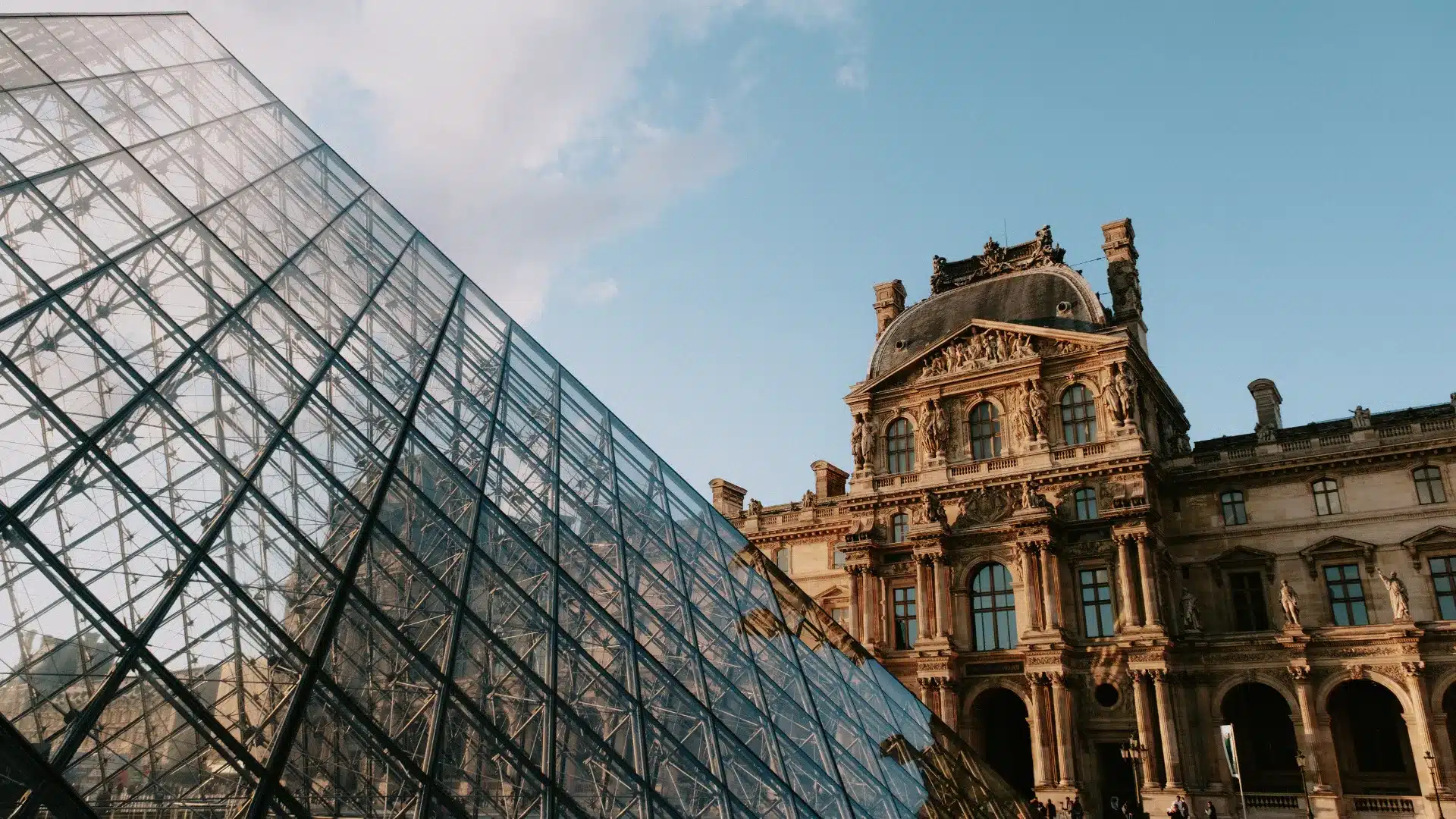
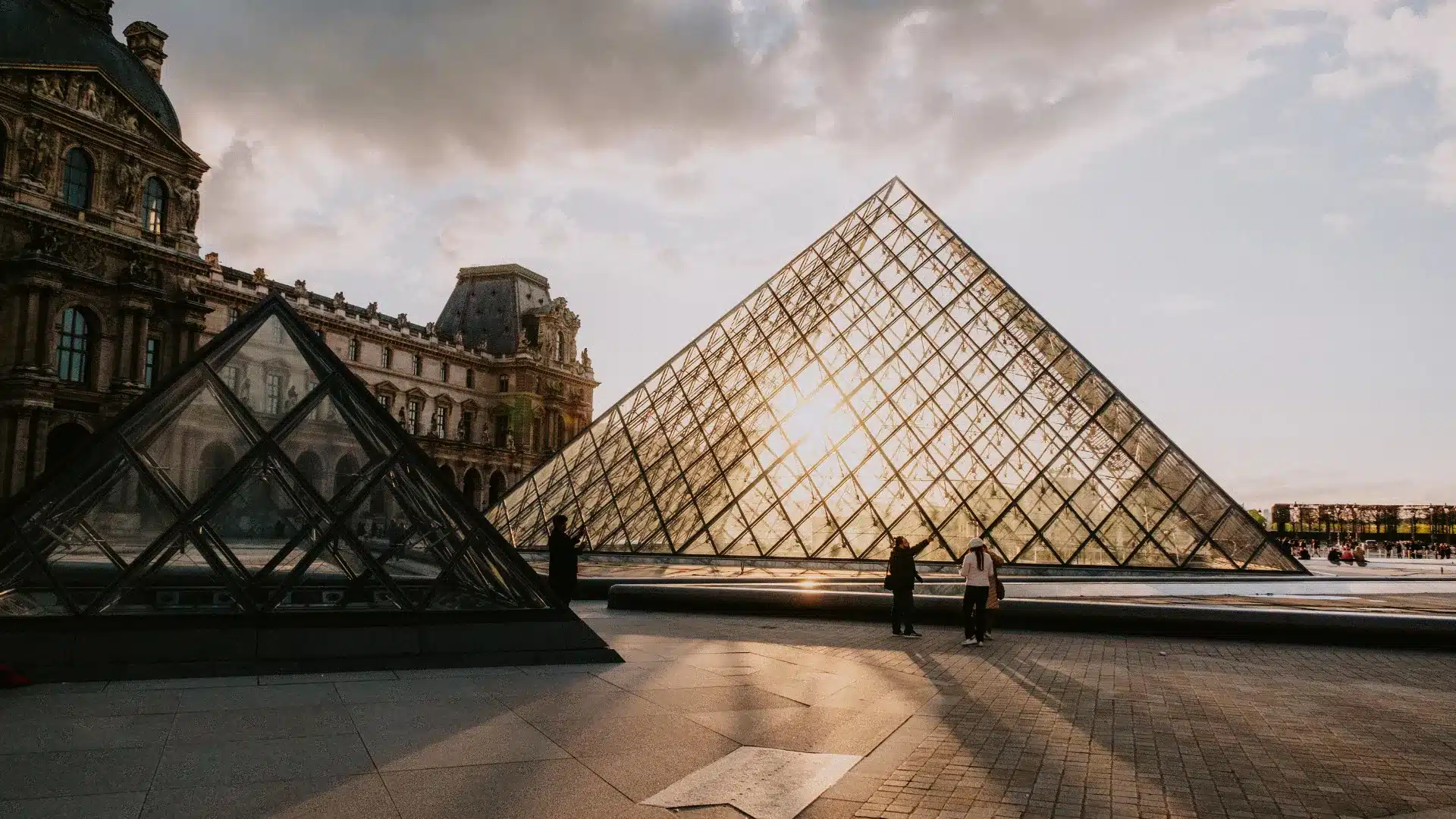
Paris is one of the most filmed cities in the world, but that does not make it simple. France gives productions access to Parisian locations with enormous recognition value, but the city’s density, public sensitivity, security profile and municipal rules mean that planning must be precise.
A Paris shoot might involve streets, bridges, cafés, hotels, apartments, luxury retail, museums, rooftops, the Seine, parks, Metro-adjacent movement, railway stations, government-facing streets, monuments or controlled interiors. Each of these environments has its own practical limitations. A small documentary crew may move very differently from a commercial unit with lighting trucks, generators, picture vehicles and crowd control. A fashion shoot on a quiet private rooftop is not the same as a branded campaign that needs a public square, traffic hold, drone shot or night exterior.
Filming in Paris is commonly coordinated through the relevant municipal and location authorities, with practical guidance available through Film Paris Region and the Paris film office. Depending on the shoot, productions may need to provide a production summary, shooting schedule, location list, crew size, technical footprint, vehicle plan, insurance certificate, risk assessment, public-space requirements and any requests for parking, traffic control or police assistance.
Hoodlum supports Paris production by building the city around the schedule rather than forcing the schedule onto the city. That means confirming what can be filmed, where vehicles can wait, how long a crew can occupy a location, whether public movement needs to be controlled, what local residents or businesses must be notified, how security should be handled and whether there are restrictions around monuments, transport infrastructure, embassies, government buildings or sensitive public spaces.
Paris is often the creative reason for choosing France, but the city rewards discipline. The earlier the production confirms its locations, footprint and timing, the more likely it is that the filming day will stay controlled.
Lyon, Marseille and Regional Production Centres
France has several strong production centres beyond Paris, and each one changes the practical character of a shoot.
Lyon is valuable for drama, documentary, commercials and heritage work. It offers historic streets, old-town texture, rivers, civic buildings, modern districts, industrial surroundings and access into the Rhône-Alpes region. Lyon can also operate as a practical gateway towards Alpine roads, mountain towns and winter environments. For productions needing a French city that does not immediately read as Paris, Lyon gives depth and flexibility.
Marseille brings a completely different energy. It is a port city with Mediterranean light, working docks, hillside neighbourhoods, sea access, multicultural streets, industrial edges and strong urban character. Marseille is especially useful for crime drama, documentary, marine work, commercials and stories that need coastal movement with a harder, more contemporary visual tone. Public-space management in Marseille requires local knowledge, particularly around busy neighbourhoods, port areas, traffic, crowds and waterfront access.
Nice and the French Riviera are strong for luxury, automotive, fashion, tourism, high-end commercial work, yachting, coastal roads, hotel interiors, villas and festival-adjacent filming. Cannes, Antibes, Monaco-adjacent routes and Riviera hill towns can give a production a polished Mediterranean register, but access can become complex during peak tourist periods, major events and festival windows.
Bordeaux, Lille, Toulouse, Strasbourg, Nantes and Montpellier each offer their own regional production value. France is strong because these cities are not interchangeable. Bordeaux gives wine, classical architecture and Atlantic proximity. Lille gives northern European architecture and industrial access. Toulouse offers aerospace, warmer city texture and southern movement. Strasbourg gives Franco-German heritage and European institutional settings. Nantes provides west-coast access and contemporary cultural spaces. Montpellier offers a southern city base with reach towards the Mediterranean, Camargue and Occitanie.
For international productions, the decision is rarely just about the prettiest location. It is about where the crew can base, where permits are realistic, where accommodation can be secured, where suppliers are available and how the production can move efficiently between looks.
Châteaux, Villages and Heritage Locations in France
France is exceptionally strong for heritage filming. Châteaux, abbeys, manors, civic buildings, medieval villages, vineyards, old farms, coastal forts, aristocratic interiors, libraries, galleries, museums and historic streets are spread across the country. These locations are useful for period drama, luxury commercials, fashion campaigns, documentary interviews, food programming, architecture films, music videos and photography.
Heritage locations in France require a careful permissions strategy. A château may be privately owned, state-managed, regionally managed, open to the public, part of a heritage network or subject to conservation rules. A medieval village may involve the mairie, local residents, businesses, parking restrictions, noise limits, road access and heritage protection. A museum or archive may have separate rules around insurance, object protection, lighting, crew size, equipment movement and public access.
Private location agreements are essential. A production usually needs to confirm the shooting dates, hours, rooms or areas included, crew numbers, equipment, power requirements, dressing, art department changes, reinstatement obligations, security, catering, parking, holding areas, toilet access, public closure, owner approvals and location fee. In France, private location costs are often quoted only after the owner or manager has reviewed the production brief, because the impact of a documentary interview is different from a commercial shoot, a fashion unit, a drama scene with set dressing or a night exterior with lighting.
Hoodlum handles location negotiation in France by treating each location as a production environment, not just a backdrop. The goal is to confirm not only whether filming is allowed, but whether the location can actually support the work. That includes load-in routes, unit base options, technical parking, generator placement, floor protection, noise sensitivity, public access, fire safety and whether municipal permission is still required outside the private property.
Coastline, Mountains and Rural Filming
France gives productions a wide range of outdoor environments within one country. The Atlantic coast delivers beaches, cliffs, fishing towns, naval history, windswept roads, ports and island access. Brittany and Normandy are especially strong for coastal drama, documentary, war history, food, agriculture, marine work and weather-driven imagery. The Mediterranean coast offers a warmer, more polished register, with harbours, blue water, villas, coastal highways, resort towns and dry southern landscapes.
The Alps and Pyrenees support winter sports, mountain roads, automotive work, adventure programming, high-altitude documentary, tourism campaigns and survival or expedition-style content. Mountain filming in France requires planning around weather, road access, lift systems, avalanche risk, altitude, parking, equipment movement, rescue access and changing light. Even small crews should treat mountain locations as specialist production environments.
Rural France is equally important. Vineyards, farms, forests, rivers, canals, villages, châteaux, country roads and agricultural settings make France useful for food, lifestyle, documentary, fashion, automotive and narrative work. Rural filming can look simple, but it still needs permissions, landowner agreements, drone checks, vehicle access, local communication and contingency planning. Harvest periods, hunting seasons, protected habitats, agricultural operations and village events can all affect access.
Corsica adds another layer. The island gives France rugged coastline, mountains, villages, sea roads and a distinct visual character, but island logistics are different from mainland work. Travel, accommodation, ferries, local suppliers, drone restrictions, protected areas and road access must be considered early.
Hoodlum supports rural, coastal and mountain shoots in France by building the route around the terrain. That includes local drivers, location scouts, weather planning, safety support, accommodation blocks, technical parking, local permissions, marine coordination, mountain risk planning and realistic travel times between base and location.
Crew Entry, Visas and Work Authorisation
Crew entry into France depends on nationality, role, employment structure, length of stay and whether the crew member is entering from inside or outside the European Union. EU and EEA nationals generally have much simpler movement rights, while non-EU crew may need the appropriate visa or work-authorisation route.
The official starting point for visa planning is France-Visas. Film crew members from outside the EU may need to consider routes such as short-stay visas, long-stay visas or talent-related authorisation depending on the nature and duration of the production. Supporting documents commonly include a valid passport, completed visa form, passport photographs, invitation or engagement letter, proof of role, professional qualifications or experience, production details, financial evidence, insurance and travel information.
France can be efficient, but visa planning should not be left to the end of pre-production. Processing times vary by nationality, consulate, season and document quality. Productions should allow enough time for questions, appointment availability, supporting documentation and any role-specific requirements. A crew member who is technically eligible may still be delayed if the application is incomplete, the letter of invitation is vague, the production details are inconsistent or the planned work does not match the selected route.
Hoodlum helps international producers map the crew list against practical entry requirements. That means identifying who is travelling, where they are travelling from, how long they will stay, what work they will perform, who is engaging them, what documents they need and whether any local payroll, employer-of-record, contracting or production-company structure is required. France is manageable when the crew-entry position is clear early. It becomes difficult when visas, letters, insurance and production documentation are treated as afterthoughts.
Film Permits and Filming Approvals
Film permits in France are location-specific. There is no single permit that automatically covers every public street, monument, road, park, station, building, coastal area or controlled space across the country. Depending on the shoot, approvals may involve the mairie, préfecture, regional film commission, transport authority, police, private owner, heritage authority, port authority, park authority, museum, road authority or site manager.
For public filming, productions generally need to provide a clear production summary, dates, times, locations, crew size, equipment list, vehicle requirements, public impact, insurance, safety plan and any requests for traffic control, parking, crowd management, lighting or special effects. Large-scale drama, commercials, action scenes, vehicle work, stunts, night filming, road closures and filming near sensitive public sites require longer lead times.
In Paris, applications are especially structured because of the density of the city and the public sensitivity of filming. For other municipalities in France, the process may be more localised, but the same principle applies: the authority needs to understand the impact before it grants access. A small factual crew filming handheld interviews can often be treated differently from a full commercial crew with trucks, lighting, generators, cast, extras, dressing and traffic implications.
France rewards accurate paperwork. Permit applications should not understate the footprint. If a production says it has a small crew and then arrives with a larger unit, additional vehicles, larger lighting, playback, drones, picture cars or public disruption, the location can quickly become unworkable. Hoodlum helps productions describe the shoot clearly enough to secure the correct approvals without creating unnecessary alarm or administrative friction.
Private Locations and Location Agreements
Private locations in France are negotiated directly with owners, managers, agencies, hotels, institutions, businesses or estate representatives. The process usually begins with the production brief, creative reference, schedule, crew size, technical needs and intended use. Once the owner understands the impact, the location fee and terms can be confirmed.
A private agreement should cover access times, areas included, preparation and strike time, fees, overtime, deposits, insurance, damage, floor protection, art department changes, dressing, power, catering, toilet access, parking, unit base, security, public access, confidentiality, image rights and reinstatement. For high-value locations such as luxury hotels, designer retail spaces, châteaux, galleries, private villas and heritage interiors, the agreement may also include brand protection, restricted areas, security procedures and approval over how the location is represented.
Private permission does not always replace public permission. A production filming inside a private café may still need municipal approval if equipment, vehicles, lighting, queue lines, crowd control, tables, cables or cast activity spill onto the pavement or road. A private château may still need heritage checks, drone clearance, road coordination or village communication if the shoot affects the surrounding area.
Hoodlum’s fixer-led approach in France is to secure the location on paper and then make it workable on the ground. That means checking access routes, loading restrictions, lift sizes, parking, crew holding, power, noise limits, neighbour sensitivity and whether the production needs a location manager, security, cleaners, medics or technical supervision.
Drone Filming in France
Drone filming in France is regulated under European drone rules and French civil aviation requirements. Professional drone work is not simply a matter of bringing a drone and flying when the weather looks good. Operations may require pilot competency, operator registration, insurance, flight planning, location checks, airspace review and specific authorisation depending on the area and type of operation.
The relevant aviation authority is the Direction Générale de l’Aviation Civile. Drone flights in populated areas, near airports, close to sensitive sites, above certain heights, near crowds or in controlled airspace require careful review. Privacy rules, local restrictions, military zones, police concerns, heritage sites, national parks and urban density can all affect what is possible.
For international productions, the simplest route is often to use a properly licensed local drone operator in France. A local operator will understand DGAC processes, airspace tools, required documentation, insurance, operational categories, restricted zones and realistic lead times. Importing a drone is possible, but it adds customs, compliance, registration and insurance considerations. Drones over certain weight thresholds may require declaration, registration or proof of compliance with EU rules, including CE marking where applicable.
A drone application in France commonly needs a flight plan, coordinates, map of the operating area, pilot documentation, operator registration, proof of insurance, drone specifications, risk assessment and details of the proposed filming. Timelines vary according to complexity, location and authority review. Urban drone work, landmark filming, controlled airspace, night flying, crowd-adjacent work and sensitive sites should be planned well in advance.
Hoodlum supports drone filming in France by helping productions decide whether to bring their own drone team or hire locally, then coordinating the permissions, location integration, flight windows, safety area, communication with ground crew and contingency planning.
Customs, ATA Carnet and Temporary Equipment Importation
France is an ATA Carnet country, which makes it practical for international crews to bring professional filming equipment into the country temporarily when the paperwork is prepared correctly. The ATA Carnet acts as an international customs document for temporary admission, allowing qualifying professional equipment to enter and leave without normal duties and taxes, provided the goods are re-exported within the required period and the carnet is properly stamped.
Customs clearance in France is handled by French Customs, the Direction Générale des Douanes et Droits Indirects. Productions arriving from outside the European Union should prepare detailed equipment lists with serial numbers, values, descriptions, ownership information and insurance. The carnet should match the equipment being carried. Any mismatch between the paperwork and the cases can create delays at arrival or departure.
Crews moving equipment within the EU may have different requirements from crews bringing gear from the United Kingdom, the United States, South Africa, Canada, Australia or other non-EU territories. Even when an ATA Carnet is used, productions should still plan for customs time at the airport, freight terminal or port. Specialist shipments, drones, vehicles, radio equipment, batteries, large lighting packages, grip trucks and high-value camera systems may need extra preparation.
A clean customs plan protects the shoot. France has strong production infrastructure, but customs delays can still affect the first filming day if the carnet is incomplete, the values are inaccurate, batteries are packed incorrectly, drones are not documented, freight arrives separately from the crew or a broker has not been briefed. Hoodlum helps productions prepare carnet lists, coordinate with clearing agents, advise on import timing and align customs movement with the shooting schedule.
Local Crew, Fixers and Production Support
France has a deep and experienced crew base. Camera, lighting, grip, sound, art department, production, locations, wardrobe, hair and makeup, drivers, drone operators, medics, security, translators, runners and assistant directors are widely available, although availability depends on region, season and production scale.
Local crew sourcing in France should be handled with attention to labour practice, language needs, union expectations, working hours, contracts, insurance and regional availability. A Paris-based crew may not be the best solution for a shoot in Marseille, Brittany, Corsica or the Alps if local crew can reduce travel, accommodation, per diems and fatigue. At the same time, specialist crew may need to travel from Paris or another production hub for more technical work.
Film fixers in France are especially valuable because the country’s production systems are sophisticated but fragmented. A fixer or local producer can help identify the correct authority, explain what a permit officer needs to see, negotiate with a private owner, source regional crew, arrange transport, coordinate local accommodation, handle translations, manage releases, communicate with police or municipal teams and keep the shoot practical on the day.
Hoodlum supports productions in France with a production-service model that can scale from a lean fixer-led documentary unit to a larger commercial, television or scripted shoot. The exact structure depends on the brief. A small interview shoot may need a fixer, permits, vehicle, location and local sound recordist. A commercial might need location scouts, production manager, local producer, cast support, art department, catering, security, technical vehicles, accommodation, permits and weather contingency. A drama may need deeper support around location contracts, extras, municipal approvals, road control, parking and longer crew bookings.
Transport, Accommodation and Unit Movement
France has excellent transport infrastructure, but production movement still needs careful planning. High-speed rail can be useful for producers, directors, agency teams and small crews moving between Paris, Lyon, Marseille, Bordeaux, Lille, Strasbourg and other cities. Larger units with equipment, wardrobe, props, lighting, grip and camera packages usually require vans, trucks, drivers and secure parking.
Paris creates particular movement challenges. Traffic, limited parking, loading restrictions, narrow streets, public events, protests, security zones and municipal rules can affect unit timing. A production that looks simple on the call sheet can lose time if vehicles cannot reach the location, cases cannot be loaded safely, or technical parking is not approved. In smaller towns, the challenge may be less about traffic and more about access, local communication, resident sensitivity, road width, parking capacity and noise.
Accommodation in France should be matched to the production route. City shoots may need hotels close to the location or near transport hubs. Rural and mountain shoots may require limited local accommodation, early block bookings and realistic travel times. In high-demand periods such as Cannes, fashion weeks, summer holidays, ski season or major sporting and cultural events, accommodation availability and pricing can change quickly.
Hoodlum plans transport and accommodation in France around production reality: call times, turnaround, unit bases, driver hours, secure storage, crew meals, travel days, weather changes and location moves. Efficient transport is not just a comfort issue; it protects the schedule.
Safety, Security and Risk Planning
France is a stable and highly developed filming destination, but production security should still be assessed properly. The risk profile changes depending on the location, subject matter, equipment value, public visibility, crowd density, political sensitivity, celebrity presence, night filming and whether the shoot involves public roads, stunts, drones, water, mountains or high-value goods.
In Paris and other major cities, productions should think carefully about equipment security, crowd control, public interaction, pickpocketing risk, parking, protests, traffic, sensitive sites and night movement. Valuable camera equipment should not be left exposed in vehicles or uncontrolled public spaces. Larger public shoots may require professional security, police coordination, barriers, signage, marshals or controlled access.
In rural, coastal and mountain areas, the risks are different. Weather, road conditions, tide movement, cold, heat, wind, altitude, water safety, remote access and emergency response times become more important. Mountain filming in the Alps or Pyrenees may require specialist safety advice, rescue planning, suitable vehicles, experienced drivers and weather contingency. Marine filming needs boat safety, life jackets, communications, harbour coordination and realistic wind planning.
Health infrastructure in France is strong, but productions should still carry appropriate insurance, medical support for higher-risk shoots and clear emergency procedures. Hoodlum helps productions create practical safety plans that match the scale of the work rather than overcomplicating small shoots or underplanning larger ones.
Film Rebates and Tax Incentives in France
France offers one of Europe’s most respected production incentive environments. The Tax Rebate for International Productions, commonly known as TRIP, is administered through the CNC and is designed to attract qualifying international film and audiovisual productions to France. The rebate can support eligible expenditure incurred in France, subject to approval, cultural eligibility, production category, minimum spend, audit and compliance.
The incentive is particularly relevant for feature films, high-end television, animation, visual effects and projects that can place meaningful production or post-production spend in France. Productions with substantial French VFX work may be able to access enhanced incentive treatment, subject to current rules and approval. Because incentive rules, caps, rates and qualifying criteria can change, productions should confirm the latest position directly with CNC and specialist incentive advisors before finalising the finance plan.
The key point is that the incentive is not a bonus to think about after the shoot. It should be built into the production structure from the beginning. Local expenditure, supplier contracts, payroll, post-production, audit trails, cultural criteria and approval timing all matter. If a production waits too long, it may lose the ability to structure spend correctly.
Hoodlum can support productions by helping connect the practical production plan with the incentive conversation. That includes identifying which parts of the shoot may sit in France, what local suppliers may be needed, how the schedule affects qualifying spend and which advisors should be involved before the budget is locked.
When France Is the Right Production Choice
France is the right production choice when a project needs established crew, strong infrastructure, recognised locations, heritage access, European city texture, luxury environments, regional variety, high production value and a serious incentive framework. It is especially strong for feature films, television drama, commercials, fashion, automotive, documentary, food programming, factual entertainment, travel content, luxury brands, music videos, photography and post-production-led work.
France is also ideal when the creative requires contrast. A single production can combine Paris streets, a château interior, a Mediterranean road, a mountain pass, a rural village and a studio build. Few countries can offer that range with the same crew depth and transport efficiency.
France may be less suitable for productions that want to operate informally, avoid paperwork, move large units through public spaces at short notice or film landmarks without planning. It is also not always the cheapest European destination. The value of France sits in access, quality, infrastructure, locations, crew depth and incentive potential rather than low-cost production alone.
The best projects for France are those that respect the system, plan early and use local production support to turn creative ambition into a workable schedule.
Common France Production Mistakes
One of the most common mistakes is assuming that France has one central filming permit for everything. It does not. Permissions are location-specific and may involve municipal, regional, transport, police, heritage, private, aviation, customs or national authorities depending on the work.
Another mistake is treating Paris like a normal city location. Paris has its own rhythm, rules, sensitivities and public pressures. Parking, public-space control, landmarks, residents, businesses, embassies, traffic, tourism and security can all affect filming.
Productions also underestimate drone planning. Drone filming in France requires proper aviation review, and urban drone work can be complicated. A drone shot that looks simple creatively may sit inside restricted airspace, near crowds, close to sensitive sites or within a zone that requires specific authorisation.
Visa assumptions can also create problems. Non-EU crew should not assume that short-stay access automatically covers professional filming work. Each crew member’s nationality, role and length of stay should be checked against the correct visa or work-authorisation route.
Customs errors are another common issue. France is an ATA Carnet country, but a carnet only works if the equipment list is accurate, values are correct, serial numbers are included and the crew understands the stamping process at arrival and departure.
Finally, productions sometimes treat private location permission as enough. A private location agreement may secure the interior, but exterior filming, public pavements, road impact, drones, lighting from public space, parking, signage and crowd control may still require separate approvals.
How Hoodlum Supports Productions in France
Hoodlum provides Film Production Services in France for international productions that need practical, experienced support from early planning through wrap. Our team helps producers understand what is realistic, which permissions are required, what lead times should be allowed and how to build a production plan that matches the country.
Support can include film fixers, local producers, location scouts, permit applications, public-space filming coordination, private location negotiations, crew sourcing, supplier sourcing, transport, accommodation, security, drone planning, customs preparation, ATA Carnet support, production management, regional coordination and on-ground troubleshooting.
For Paris shoots, Hoodlum helps productions manage municipal approvals, location access, parking, public-space impact, security, movement and local communication. For regional shoots, we support scouting, local authority contact, crew sourcing, accommodation, route planning and production logistics. For coastal, mountain and rural work, we help productions plan around terrain, weather, access, safety and contingency.
France is a high-value production destination when the groundwork is done properly. Hoodlum’s role is to keep that groundwork practical, clear and production-focused, so international crews can spend less time navigating systems and more time making the work.
Frequently Asked Questions
Do international crews need visas to film in France?
Crew-entry requirements for France depend on nationality, role, length of stay and employment structure. EU and EEA nationals generally have simpler access, while non-EU crew may require a short-stay visa, long-stay visa or talent-related route depending on the production. Applications should be checked through France-Visas before travel.
Who issues film permits in France?
Film permits in France are usually handled by the relevant local authority, site owner, mairie, préfecture, transport body, heritage authority or specialist film office depending on the location. Paris has its own filming procedures, while other cities and regions manage approvals locally. Larger shoots may require police, road, parking or public-space coordination.
Can international productions film in Paris?
Yes, international productions can film in Paris, but the city requires proper planning. Public-space filming, parking, street activity, traffic impact, monuments, drones, night shoots and large crews need appropriate permissions. Private interiors may still require additional approvals if the production affects public space outside the location.
Is France good for drone filming?
France can be good for drone filming, but drone work is regulated by DGAC and European drone rules. Professional drone operations may require registration, pilot competency, insurance, flight planning and specific authorisation depending on the location. Urban flights, restricted airspace, crowds and sensitive sites require particular care.
Is France an ATA Carnet country?
Yes. France accepts ATA Carnets for temporary importation of qualifying professional equipment. Crews arriving from outside the EU should prepare accurate equipment lists, values and serial numbers, and must ensure customs stamps the carnet correctly on entry and exit.
Does France offer film incentives?
Yes. France offers the Tax Rebate for International Productions through the CNC, subject to eligibility, cultural criteria, approval and qualifying French expenditure. Productions should confirm current rates, caps and conditions before budgeting.
What are the best filming locations in France?
The best filming locations in France depend on the project. Paris is strong for landmark city filming, fashion, luxury and heritage. Marseille offers port and Mediterranean urban texture. Lyon gives historic and civic settings. The Riviera supports luxury and coastal work. Brittany and Normandy are strong for Atlantic coast and history. The Alps, Pyrenees, Provence, Bordeaux, Burgundy, the Loire Valley and Corsica all offer distinct production value.
Why use a fixer in France?
A fixer in France helps international productions identify the correct authorities, secure locations, manage permits, source crew, coordinate transport, handle local communication and solve practical issues on the ground. France is production-friendly, but local knowledge saves time and reduces risk.
External Authority Links
France offers exceptional production value, but the strongest shoots are built on clear planning: the right permits, the right local crew, the right customs paperwork, the right drone approvals, the right location agreements and the right route through visas, incentives and regional logistics.
Hoodlum supports international productions across France with film fixers, permit coordination, location scouting, local crew, customs guidance, drone planning, transport, security, accommodation and full on-ground production management. To start planning a shoot in France, contact us with your dates, locations, crew size, equipment plan and creative brief.