











Film Production Services in Malawi
Malawi is one of Southern Africa’s most welcoming and visually versatile filming destinations, offering lake landscapes, wildlife reserves, highlands, tea estates, rural villages, markets, mountain roads and warm community access. For documentaries, conservation films, NGO productions, travel campaigns, commercials and factual television, Malawi gives international crews a strong mix of natural beauty, manageable logistics and authentic human stories.
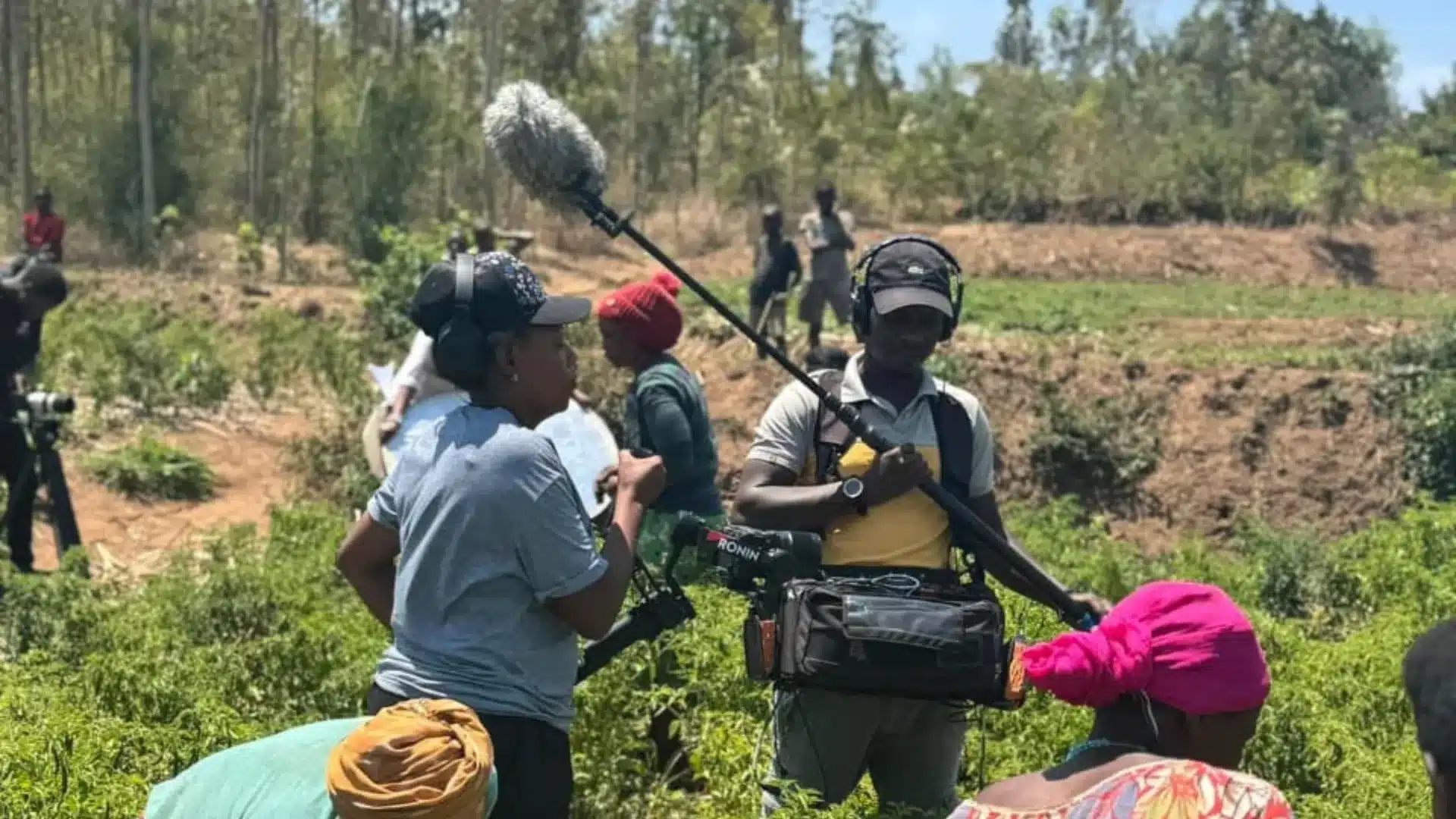
Hoodlum provides Film Production Services in Malawi for documentaries, conservation films, travel campaigns, NGO films and branded content across Lilongwe, Blantyre, Lake Malawi, Liwonde National Park, Nyika National Park, Majete Wildlife Reserve, Mount Mulanje, tea plantations and rural community locations. Our team supports productions with film permit coordination, Ministry of Information accreditation, Malawi Censorship and Control of Entertainment Board liaison, location scouting, wildlife filming approvals, temporary import permit and customs planning, drone permit support, local fixers, crew sourcing, transport logistics and full on-ground production management.
Malawi is often considered one of the safer and more approachable production environments in Africa, but international crews still need proper planning. Foreign media and documentary teams require accreditation, professional filming needs approval, drones require prior authorisation, and wildlife or national park filming involves additional permits. Remote areas may also require careful planning around transport, accommodation, communications, medical access and security.
For productions looking for lake visuals, conservation stories, rural access, wildlife locations and lower-cost Southern African production options, Malawi can be an excellent choice when paperwork and logistics are handled early.
Why Film Production Works Well in Malawi
Malawi works well for productions that need natural landscapes, warm community access, lake environments, wildlife, rural life and compact regional movement. It is especially valuable for documentaries, NGO films, conservation projects and travel programming where authenticity matters more than heavy infrastructure.
The destination is especially suitable for:
- Documentary filming
- NGO and impact films
- Conservation productions
- Travel campaigns
- Commercials
- Branded content
- Wildlife filming
- Rural community stories
- Lake-based filming
- Factual television
- Human-interest stories
- Regional Southern African production routes
Lilongwe is the main administrative base and useful for government liaison, crew coordination and interviews. Blantyre offers commercial, urban and institutional locations. Lake Malawi is the country’s major visual asset, with beaches, fishing communities, boats, islands, resorts and water-based filming opportunities. Liwonde, Nyika and Majete provide wildlife and conservation value, while Mount Mulanje and the tea-growing regions offer highland roads, plantation visuals and mountain landscapes.
Malawi’s production strength is its blend of accessibility and intimacy. It can support stories that feel grounded, human and visually rich without requiring the same scale of infrastructure found in larger production hubs.
Best Time of Year to Film
Malawi has a subtropical climate, with a rainy season from November to April and a drier, more practical filming season from May to October. The best filming period depends on whether the production needs lake clarity, dry roads, green landscapes, wildlife access or highland conditions.
Productions should plan around:
- Rainy season road conditions
- Lake weather and water movement
- Wildlife visibility
- Heat in lower-lying areas
- Cooler conditions in highland regions
- Remote road access
- Accommodation availability
- Drone approval timelines
- Customs clearance planning
- Community access schedules
May to October is generally the strongest filming window for travel content, wildlife, conservation projects and road-based shoots. The rainy season can still create lush landscapes and strong atmosphere, but it may complicate rural access and transport.
Hoodlum helps productions assess the right filming window and build realistic schedules around weather, roads, wildlife and lake conditions.
Visa Requirements for Crew
International crew require valid passports with at least six months validity. Many nationalities can apply through the Malawi eVisa system or obtain a visa on arrival, depending on eligibility.
Typical visa documentation may include:
- Valid crew passport
- Letter from production company or employer confirming purpose of travel
- Return or onward travel details
- Passport photo, where required
- Supporting production documentation, where relevant
E-visa processing usually takes around 3 to 5 working days. Visa on arrival may be issued at the airport for eligible nationalities.
Visa costs are generally estimated between USD 50 and USD 150, depending on nationality and duration.
Yellow fever vaccination is required if arriving from a risk country. Malaria precautions are recommended, especially outside major urban areas and near lake or wildlife regions.
Hoodlum helps productions prepare visa support documents, crew travel information and production letters so entry paperwork supports the filming schedule.
International Crew Accreditation
Foreign media and documentary crews require press or media accreditation. Accreditation is handled through the Malawi Department of Information and Ministry of Information.
This accreditation is particularly important for documentaries, news-style projects, NGO films, contributor-led stories and foreign media crews.
Typical accreditation documentation may include:
- Project synopsis
- Crew passports
- Crew CVs or resumes
- Letter from production company or employer
- Equipment list
- Shooting schedule
- Proposed locations
- Production purpose
Processing takes a minimum of 2 to 3 weeks. Costs are estimated at approximately USD 200 to USD 400.
Accreditation should be handled early, especially if the project involves public institutions, communities, government-related subjects, social issues, wildlife, border areas or sensitive content.
Hoodlum helps productions prepare accreditation documents so the project synopsis, crew list, equipment list and location schedule are consistent across all submissions.
Film Permits and Production Approval
Professional filming approvals are handled through the Malawi Censorship and Control of Entertainment Board and the Ministry of Information. Additional permissions may be required depending on location, subject matter and production activity.
Typical film permit documentation may include:
- Project synopsis
- Crew passports
- Letter from production company or employer
- Shooting schedule
- Location list
- Equipment list
- Crew details
- Local fixer or production support information
Processing takes a minimum of 2 to 3 weeks. Costs vary depending on the production and are assessed case by case.
Important restrictions apply. Filming in government buildings, military zones, airports and border areas requires special permission. Wildlife and national park filming also requires additional permits.
A production in Malawi works best when locations are listed clearly from the start. A lakeside documentary, wildlife sequence, rural community shoot, government interview, commercial location and drone flight may each require different permission steps.
Hoodlum helps crews route applications through the correct authorities and coordinate location-specific approvals before filming begins.
Filming in Lilongwe
Lilongwe is the capital and a practical base for many productions. It offers government access, administrative offices, hotels, residential areas, roads, markets, interview spaces and crew coordination options.
Useful Lilongwe filming looks include:
- Government and institutional settings
- Markets and street life
- Hotels and controlled interiors
- Residential neighbourhoods
- Roads and transport movement
- NGO and development-sector spaces
- Interview locations
- Urban documentary scenes
Lilongwe is useful for documentaries, NGO films, factual television, interviews, commercial work and productions requiring government or institutional context.
The main planning issues are permits, traffic, public filming access, equipment security, sound control, parking and local liaison.
Hoodlum helps crews manage Lilongwe schedules, locations, interviews and authority coordination.
Filming in Blantyre
Blantyre is the country’s major commercial centre and offers a different urban texture from Lilongwe. It can support business settings, commercial districts, institutional locations, streets, residential areas and regional access to southern locations.
Blantyre is useful for:
- Corporate filming
- Documentary interviews
- Commercials
- NGO productions
- Urban inserts
- Regional travel routes
- Institutional filming
- Controlled interior locations
The city can also act as a base for productions moving toward Mount Mulanje, tea estates or southern rural locations.
Hoodlum helps productions identify suitable Blantyre locations, coordinate permissions and plan movement between city and regional shoot days.
Filming Lake Malawi
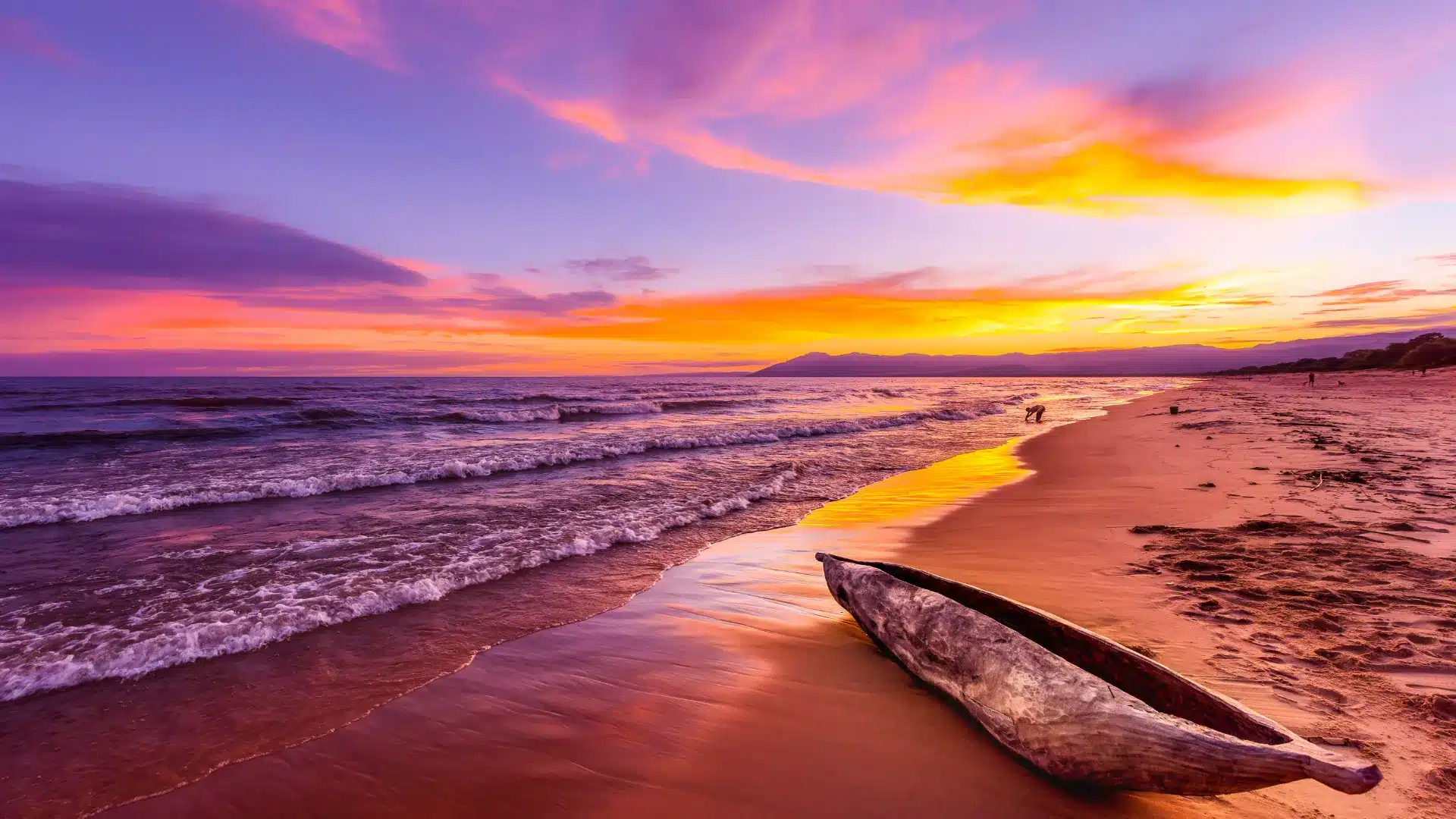
Lake Malawi is the country’s most important visual asset. It can provide beaches, fishing communities, boats, islands, resorts, water movement, village access, sunsets, travel imagery and environmental stories.
Lake-based filming may involve:
- Boat coordination
- Local community permissions
- Resort or lodge agreements
- Marine safety planning
- Weather and wind checks
- Equipment protection
- Drone authorisation, where relevant
- Transport to lakeshore areas
- Contributor consent
Lake Malawi is especially valuable for travel campaigns, NGO films, documentaries, branded content, conservation stories and tourism-led productions.
Water-based production needs practical planning. Crews should consider boat loading points, life jackets, weather changes, equipment waterproofing, backup travel time and local community liaison.
Hoodlum supports lake logistics, boat sourcing, local permissions, safety planning and on-ground coordination.
Filming in National Parks and Wildlife Areas
Wildlife and conservation filming is one of Malawi’s strongest production opportunities. Liwonde National Park, Nyika National Park and Majete Wildlife Reserve can support conservation stories, safari visuals, environmental documentaries and travel programming.
Wildlife filming may require:
- Film permits
- Wildlife authority approvals
- Park or reserve permissions
- Conservation fees
- Guide or ranger support
- Vehicle access
- Lodge coordination
- Drone restrictions review
- Safety planning
- Environmental compliance
Liwonde is valuable for riverine wildlife and conservation projects. Nyika offers highland grasslands and dramatic landscapes. Majete has strong conservation and wildlife recovery stories.
Productions should allow extra lead time for national park filming. These locations are not ordinary landscapes. They are managed environments with conservation rules, safety considerations and access restrictions.
Hoodlum helps crews coordinate park permissions, guides, vehicles, accommodation and wildlife-safe production planning.
Filming Mount Mulanje, Highlands and Tea Estates
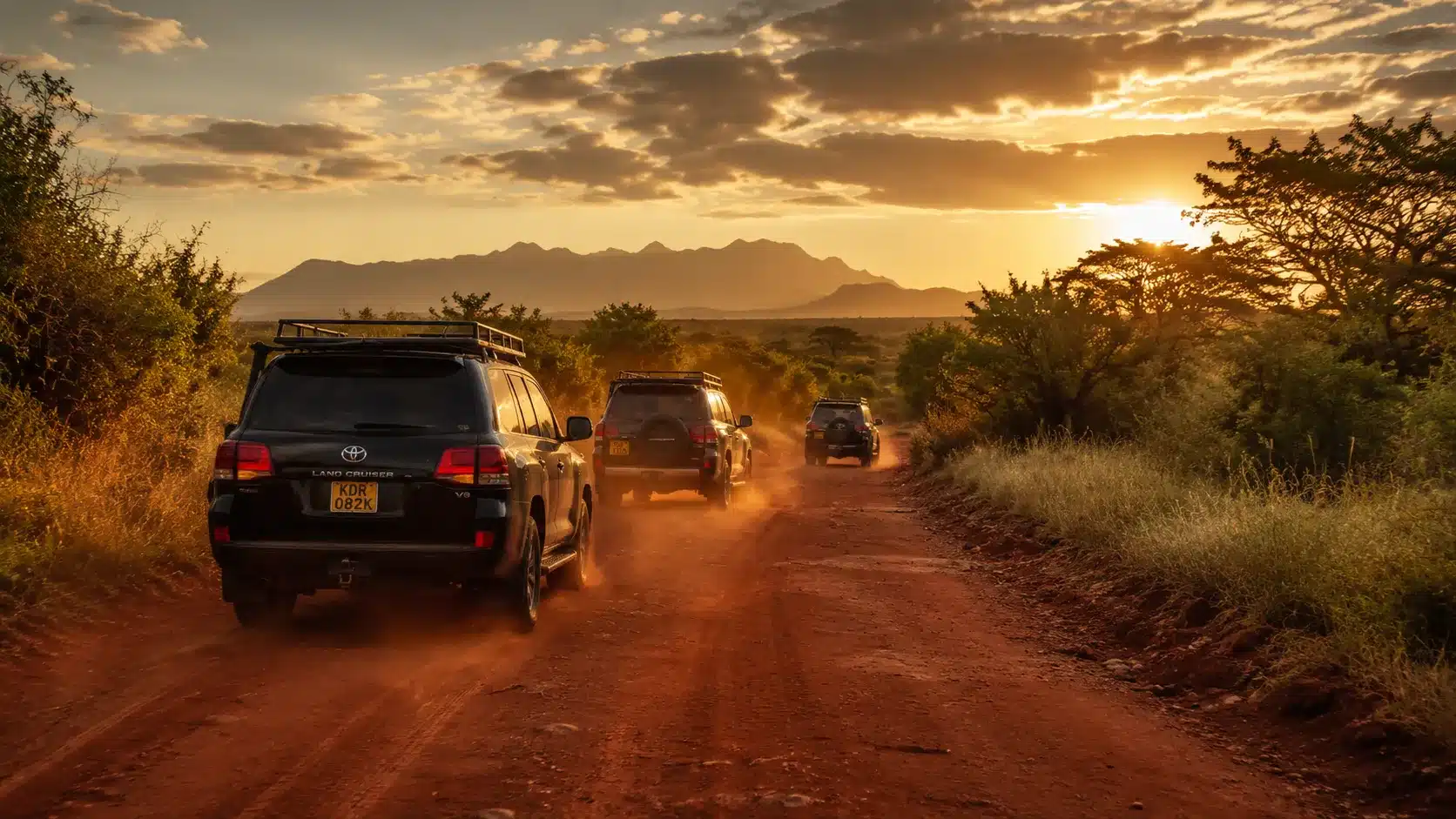
Mount Mulanje and Malawi’s highland areas provide mountain roads, forested slopes, tea plantations, rural landscapes and cooler climate visuals. These locations are useful for travel campaigns, commercials, documentaries, adventure content and agricultural stories.
Highland filming may involve:
- Private estate permissions
- Local authority approvals
- Community liaison
- Weather planning
- 4×4 access
- Foot access in some areas
- Safety planning
- Equipment protection from rain and mist
Tea estates and agricultural areas can offer strong visual production value, but access should be negotiated with owners or managers.
Hoodlum helps productions coordinate estate agreements, local fixers, transport and practical location planning.
Private Locations and Community Access
Private location filming requires permission from the property owner and/or local authority. Community engagement is often important when filming in rural areas.
Private and community locations may include:
- Homes
- Farms
- Lodges
- Resorts
- Schools
- Clinics
- Churches
- Community centres
- Tea estates
- Commercial interiors
- Rural villages
Costs are negotiated case by case and depend on the location, crew size, duration, exclusivity and production activity.
Written agreements are recommended. They should confirm:
- Shoot dates and hours
- Approved filming areas
- Crew size
- Equipment access
- Parking and loading
- Fees and payment terms
- Community expectations
- Privacy requirements
- Restoration responsibilities
- Drone use, where relevant
Hoodlum helps productions handle community liaison and private location access respectfully and clearly.
Drone Permits
Drone use is regulated, and both import and operation require prior approval from the Malawi Civil Aviation Authority. Local drone availability is limited, so importing may be recommended where drone footage is central to the creative plan.
Typical drone documentation may include:
- Equipment kit list
- Serial numbers
- Purchase or replacement value
- Flight plan
- Purpose of use
- Operator details
- Proposed locations
- Production schedule
- Permit or accreditation details
Processing takes a minimum of 2 to 3 weeks. Costs are estimated at approximately USD 200 to USD 500.
Drone use in urban areas and near airports is restricted. Unauthorised drone use may result in fines or confiscation.
Productions should also check whether drone use is permitted in national parks, wildlife areas or community locations. Aviation approval may not be the only permission required.
Hoodlum helps productions prepare MCAA applications, assess drone feasibility and coordinate flight planning with location permissions.
Equipment Customs Clearance
Malawi accepts ATA Carnets, and an ATA Carnet is recommended for temporary import of professional film equipment.
With a carnet, temporary import is generally straightforward. Without a carnet, a temporary import permit may be required.
Typical customs documentation may include:
- ATA Carnet, where applicable
- Equipment kit list
- Serial numbers
- Purchase or replacement values
- Total declared value
- Production support letter
- Crew details
- Permit or accreditation documents, where relevant
Customs clearance is handled by the Malawi Revenue Authority. Processing is typically handled on arrival or within 1 to 2 days, depending on equipment volume and documentation quality.
Costs vary. A contingency of USD 300 to USD 1,000 is recommended. A local fixer is recommended to assist with customs clearance.
Hoodlum helps productions prepare equipment lists, coordinate customs planning and avoid delays at arrival.
Film Rebates and Tax Incentives
Malawi does not currently have a formal film rebate system based on the supplied production guidance.
Production value is usually built through lower relative costs, accessible communities, lake landscapes, wildlife locations and manageable permitting with the right local support.
Before budgeting, productions should confirm:
- Visa costs
- Accreditation fees
- Film permit costs
- National park or wildlife fees
- Private location fees
- Drone permit costs
- Customs clearance costs
- Temporary import permit fees
- Local fixer rates
- Transport and driver costs
- Security costs
- Accommodation and lake logistics
Hoodlum helps productions understand the real local cost structure and avoid assumptions around incentives that do not currently apply. Malawi’s position is unusual in the region — several neighbouring territories do operate formal incentive programmes, and you can compare them on our film incentives hub.
Safety and Security
Malawi is considered one of the safest countries in Africa for filming. Standard precautions are still recommended, especially in urban areas, public locations, markets, remote areas and equipment-heavy shoots.
Basic security may be recommended depending on location. Security personnel costs are estimated at approximately USD 80 to USD 150 per person per day.
Safety considerations include:
- Petty crime in urban areas
- Equipment security
- Vetted drivers
- Local fixer support
- Remote travel planning
- Lake safety
- Wildlife safety
- Malaria precautions
- Medical access
- Communications in remote areas
Remote areas may require logistical planning around road access, accommodation, medical support, fuel and communications.
Hoodlum helps crews build practical security and safety support into the schedule without overcomplicating the production.
Infrastructure and Local Production Notes
English is the official language, while Chichewa is widely spoken. Translators or local fixers may still be useful for rural locations, community filming and contributor-led stories.
The local currency is the Malawian Kwacha.
Production infrastructure is limited but growing. Basic crew and equipment may be available locally, while high-end gear may need to be imported.
Infrastructure considerations include:
- Limited high-end equipment availability
- Need for imported specialist kit
- Road travel between regions
- Lake transport planning
- Rural accommodation limits
- Mobile coverage variation
- Backup power in some locations
- 4×4 vehicles for remote areas
Hoodlum helps productions decide what can be sourced locally and what should be imported, then aligns equipment planning with customs requirements.
How the Main Approvals Fit Together
One approval does not unlock the whole production.
A visa may allow crew to enter Malawi, but it does not approve filming. Media accreditation through the Department of Information supports foreign media activity, but it does not replace film permits. A film permit from the Malawi Censorship and Control of Entertainment Board or Ministry of Information may approve the production, but it does not automatically cover national parks, private properties, drone flights or restricted areas. A private location agreement may allow access to a property, but community engagement may still be needed. A temporary import permit may clear equipment into the country, but it does not confirm where that equipment can be used. MCAA drone approval must be handled separately.
A complete production plan connects:
- Visa or eVisa requirements
- Department of Information accreditation
- MCCEB and Ministry of Information filming approvals
- Location-specific permissions
- National park and wildlife approvals
- Private owner agreements
- Community consent
- MCAA drone approval
- Malawi Revenue Authority customs clearance
- MRA temporary import permit documentation
- Security and health planning
- Local fixer support
Hoodlum keeps these moving parts aligned so the crew can focus on filming instead of discovering, lakeside, that one missing approval has turned into a very small thundercloud.
When This Destination Is the Right Choice
Malawi is a strong choice when a production needs lake landscapes, wildlife, welcoming communities, rural stories, lower-cost regional production, conservation themes and manageable Southern African access.
The destination is especially suitable for:
- Documentary filming
- NGO films
- Conservation productions
- Travel campaigns
- Commercials
- Branded content
- Wildlife stories
- Rural community filming
- Lake-based sequences
- Factual television
- Human-interest stories
The country may be less suitable for productions that need extensive high-end equipment locally, formal rebate structures, instant drone approvals or heavy studio infrastructure. Those shoots may still be possible, but they require early planning and realistic equipment support.
For many international crews, Malawi works best when used for its natural strengths: Lake Malawi, welcoming communities, conservation locations, highland landscapes and straightforward access with local support.
Common Mistakes to Avoid
Common mistakes include:
- Assuming visa on arrival applies to all nationalities
- Leaving media accreditation too late
- Forgetting crew CVs or resumes
- Submitting vague filming locations
- Treating government buildings as ordinary locations
- Filming near airports or border areas without special permission
- Assuming national park access is automatic
- Bringing drones without MCAA approval
- Flying drones near airports or urban areas
- Arriving without serial numbers and equipment values
- Assuming an ATA Carnet will clear equipment — Malawi is not a carnet country
- Underestimating rainy season road delays
- Not planning malaria precautions
- Working without a local fixer
Most issues are preventable with early paperwork, accurate equipment lists and experienced local support.
How Hoodlum Supports Local Production
Hoodlum provides practical support for international crews filming in Malawi, from early planning through shoot execution. The aim is to make the production workable before the crew lands and keep each moving part aligned once filming begins.
Support may include:
- Visa and eVisa guidance
- Department of Information accreditation
- MCCEB permit coordination
- Ministry of Information liaison
- Location research and scouting
- Private location negotiations
- Community access support
- National park and wildlife approvals
- Lake logistics
- Boat and transport coordination
- Local fixer services
- Crew and supplier sourcing
- Drone permit planning
- MCAA coordination
- Temporary import permit and bonded agent coordination
- Malawi Revenue Authority customs planning
- Security coordination
- Health and malaria planning
- On-ground production management
Film production in Malawi requires more than beautiful lake views and welcoming communities. A successful shoot needs accreditation, film permits, location access, customs planning, drone approval, health precautions, transport logistics and reliable local coordination.
Hoodlum helps productions reduce risk, avoid unsupported assumptions and plan the shoot as a practical operation from the first stage of prep.
FAQ
Do international film crews need a visa for Malawi?
Visa requirements depend on nationality. Many nationalities can apply through the Malawi eVisa system or obtain a visa on arrival. Crew should travel with passports valid at least six months and a letter from the production company confirming the purpose of travel.
How long does a Malawi eVisa take to process?
Around three to five working days. Visa on arrival is generally issued at the airport for eligible nationalities. Costs run approximately USD 50 to 150 depending on nationality and duration.
Is media accreditation required to film in Malawi?
Yes. Foreign media and documentary crews require accreditation through the Malawi Department of Information or the Ministry of Information. This matters particularly for documentaries, news-style projects, NGO films and contributor-led stories.
How long does Malawi media accreditation take?
A minimum of two to three weeks, at approximately USD 200 to 400. Start it early if the project involves public institutions, communities, government subjects, social issues, wildlife, border areas or sensitive content.
Who issues film permits in Malawi?
Filming approvals are handled through the Malawi Censorship and Control of Entertainment Board and the Ministry of Information. Processing takes a minimum of two to three weeks and fees are assessed case by case.
Can productions film in Malawi’s national parks?
Yes, but wildlife and national park filming requires additional permits, wildlife authority approvals, conservation fees and usually ranger or guide support. Liwonde, Nyika and Majete all need extra lead time beyond the standard film permit.
Can foreign crews fly drones in Malawi?
Yes, with prior approval. Both drone import and drone operation require authorisation from the Malawi Civil Aviation Authority, taking a minimum of two to three weeks at approximately USD 200 to 500. Urban areas and airport proximity are restricted, and unauthorised use can result in fines or confiscation.
Is an ATA Carnet accepted in Malawi?
No. Malawi is not an ATA Carnet country. Film equipment enters on a temporary importation permit approved by the Malawi Revenue Authority and arranged in advance through a bonded customs agent. A non-refundable fee is assessed against the total declared value of the equipment. Do not plan around a carnet being honoured.
Does Malawi offer film rebates or tax incentives?
No. Malawi does not currently operate a formal rebate, tax credit or cash incentive programme. Value comes from lower relative costs, community access and location quality rather than from an incentive. Compare territories that do offer incentives on our film incentives hub.
Is Malawi safe for film crews?
Malawi is considered one of the safer countries in Africa for filming. Standard precautions still apply in urban areas and on equipment-heavy shoots, and security personnel run approximately USD 80 to 150 per person per day where required. Remote work needs planning around roads, medical access, fuel and communications.
Why use a local fixer?
A local fixer helps manage permits, accreditation, customs, drones, locations, community access, lake logistics, transport, security and daily production support.
External Authority Links
- Malawi eVisa portal
- Malawi Department of Information
- Ministry of Information
- Malawi Censorship and Control of Entertainment Board
- Malawi Civil Aviation Authority
- Malawi Revenue Authority Customs
Planning a shoot in Malawi? Contact Hoodlum for Department of Information accreditation, MCCEB filming permits, Ministry of Information liaison, local fixers, Lake Malawi logistics, wildlife filming approvals, temporary import permit and customs planning, MCAA drone coordination, location scouting, security support and full on-ground production management. You can also view the Hoodlum Film Fixers Malawi Google Business Profile for local production details.