















Film Production Services in Uganda
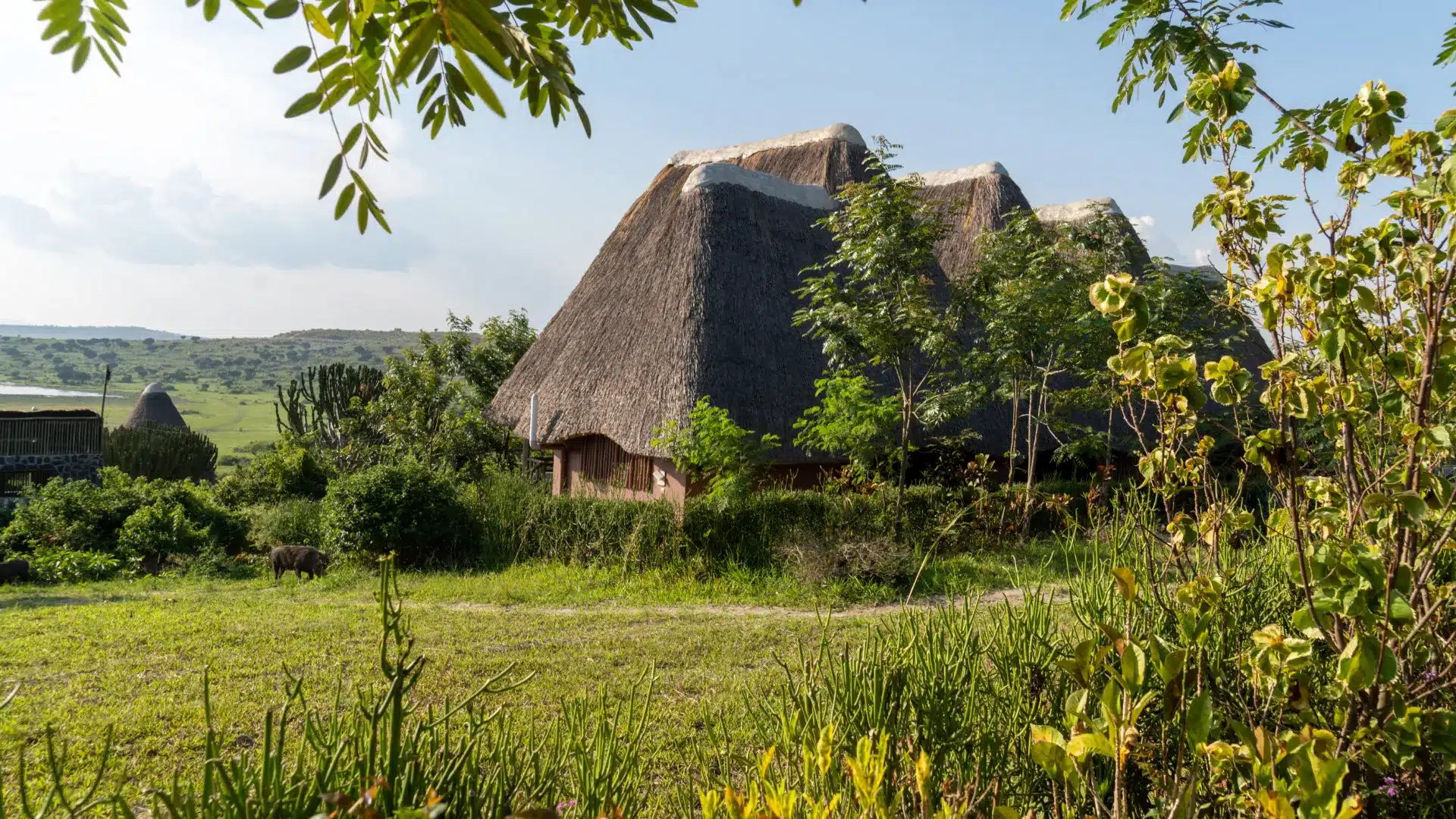
Uganda gives international productions a layered East African filming environment built around lakes, forests, mountain regions, wildlife reserves, national parks, rural communities, urban energy and conservation stories. It is especially valuable for productions that need human stories, biodiversity, natural scale and access to real communities.
For documentary, factual, commercial and NGO crews, the country offers a strong mix of texture and story. A production can work from Kampala or Entebbe, then move toward national parks, lakeside regions, rainforest locations, rural roads, agricultural areas or conservation landscapes depending on the creative route.
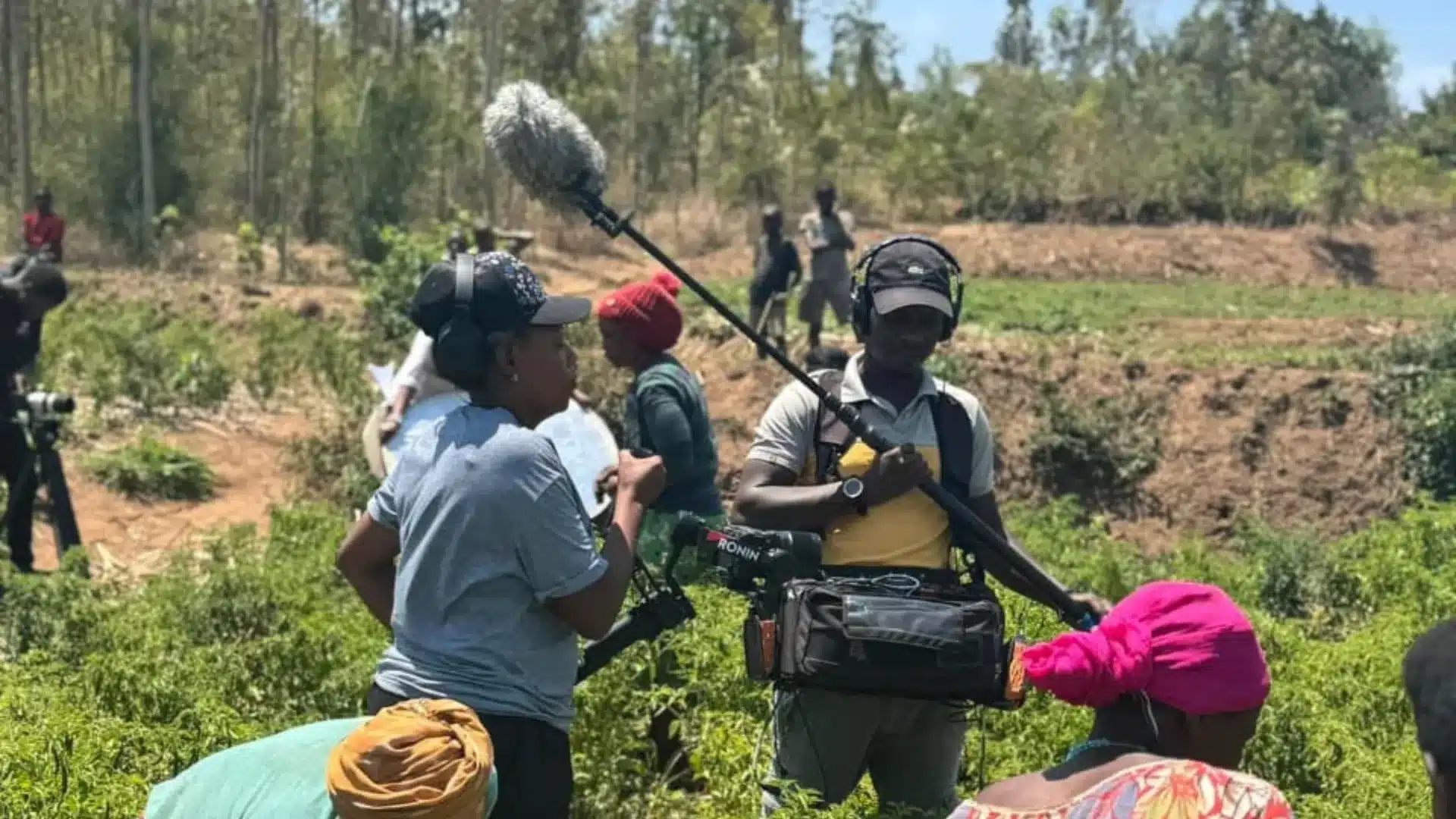
Hoodlum provides Film Production Services in Uganda for documentaries, commercials, factual entertainment, travel campaigns, conservation films, NGO projects, branded content, photography, feature projects and television productions. Our support covers e-Visa guidance, work permit coordination, film permit applications, local fixers, location scouting, wildlife authority liaison, drone planning, ATA Carnet support, safety planning and on-ground production management.
The country is workable for international crews, but professional filming must be properly authorised. Visitor status does not permit paid work, and productions should align visas, work permits, filming approvals, equipment documents and health requirements before travel.
Why This Destination Works for Story-Driven Productions
Uganda is often strongest when the production needs more than a scenic backdrop. Its filming value sits in the combination of people, place, wildlife, conservation, development, landscape and movement.
The country can support intimate documentary work, high-impact conservation stories, health and education projects, tourism content, lake and forest filming, cultural sequences and public-interest productions. It is also useful for crews needing grounded African environments rather than highly polished or over-controlled visuals.
The destination is especially strong for:
- Documentary filming
- NGO and development stories
- Conservation programming
- Wildlife and national park filming
- Travel and tourism campaigns
- Commercials and branded content
- Factual entertainment
- Photography campaigns
- Health, education and impact projects
- Rural and community-led stories
- Adventure and expedition content
Hoodlum’s Production Support Uganda team helps crews decide which regions are practical, which authorities are involved and how to structure movement between cities, rural areas, protected environments and community locations.
Kampala and Entebbe as Production Gateways
Kampala and Entebbe are the practical starting points for many international productions working in Uganda. Entebbe is important for crew arrival, customs handling, airport logistics and movement into the wider country. Kampala provides urban filming options, production coordination, accommodation, suppliers, local crew, fixers and government-facing support.
Kampala offers a busy East African city environment with roads, markets, offices, residential areas, hotels, cultural locations, public institutions and commercial spaces. It can work well for documentary coverage, NGO interviews, corporate content, city scenes, public-interest stories and general production logistics.
Entebbe can support airport-linked production movement, lakeside visuals, administrative coordination and access to Lake Victoria settings. Together, Kampala and Entebbe give productions a practical base before moving into wildlife areas, rural routes or regional filming locations.
National Parks, Wildlife and Conservation Access
Wildlife and conservation filming can be one of Uganda’s biggest production strengths, but it requires careful planning. National parks, reserves and protected areas usually involve additional approvals beyond the general film permit.
The Uganda Wildlife Authority may need to be involved for filming in national parks, conservation areas and wildlife-linked locations. Productions should allow longer lead times for these environments, especially where access, guides, rangers, park fees, vehicles, safety and environmental restrictions need to be coordinated.
These locations are especially valuable for:
- Conservation documentaries
- Wildlife programming
- Tourism films
- NGO and environmental stories
- Photography campaigns
- Adventure and expedition projects
- Natural landscape sequences
Filming in protected areas should allow at least 4 to 6 weeks for coordination. Hoodlum helps productions manage wildlife authority liaison, route planning, ranger or guide support, location access, crew movement and safety considerations.
Lakes, Forests and Rural Production Routes
Beyond its parks and cities, Uganda offers strong filming value through Lake Victoria, forested regions, agricultural areas, rural communities, roadside environments, hills, rivers and villages. These locations can support documentary work, development stories, commercial sequences, travel campaigns and photography.
Rural and community filming should be handled carefully. Permissions may be required from private landowners, community leaders, local municipalities or relevant institutions. Productions should also plan for transport, accommodation, power, communications, medical access and local liaison support.
This is where a strong fixer network becomes essential. Hoodlum helps crews identify suitable locations, coordinate community access, negotiate permissions and build realistic field schedules that account for movement, weather and local conditions.
e-Visa and Crew Entry Planning
Most foreign nationals, including UK, EU, US, Canadian and Australian passport holders, require a visa before travelling to Uganda. The country operates an online e-Visa system, and visas on arrival are generally not standard without prior approval.
Tourist visas are typically issued for up to 90 days, but visitor status does not permit paid work. Professional filming and paid production activity require appropriate work permits and filming authorisation.
Typical visa and entry requirements include:
- Valid passport with at least 6 months validity
- Completed online visa application
- Passport-sized photograph
- Invitation letter or production support letter
- Proof of accommodation
- Proof of onward or return travel
- Yellow Fever vaccination certificate
- Proof of fee payment
- Travel medical insurance, recommended
e-Visa processing typically takes 3 to 7 working days. Visa fees vary by nationality and type.
Work Permits for International Crew
Foreign cast and crew require work permits to undertake paid filming activities in Uganda. Productions should operate through a Ugandan-registered production company or a licensed local fixer or service company.
Work permits are coordinated through the Directorate of Citizenship and Immigration Control, with the Ministry of Gender, Labour and Social Development involved where applicable. Requirements depend on the crew member’s role, duration of stay and local labour considerations.
Typical work-related documentation may include:
- Work permit application
- Passport copy
- Role confirmation letter
- Invitation or production support letter
- Crew details
- Production company or local partner information
- Supporting documents linked to the filming activity
Work permits and filming approvals should allow 3 to 6 weeks minimum, depending on the scope and documentation. Fees are assessed case by case.
Hoodlum helps productions align crew roles, immigration requirements, local partner details, production documents and filming approvals before travel.
UCC Film Permit Process
Professional filming in Uganda is regulated through the Uganda Communications Commission, which is responsible for licensing and regulating film production.
The general film permit is the core approval for professional production activity. Additional permissions may be required from local municipalities, the Uganda Wildlife Authority for national parks, and other relevant authorities where sensitive, public or protected locations are involved.
Typical film permit requirements include:
- Production title and synopsis
- Full script, often required for review
- Producer and director details
- Shooting schedule and locations
- Cast and crew list
- Passport details for foreign nationals
- Equipment list
- Insurance details
- Local production partner details
Standard permits typically require 2 to 4 weeks. National parks, protected areas and sensitive locations require additional coordination and longer lead time.
Film permit fees vary depending on location, duration, equipment scale and government or wildlife authority involvement.
Private, Community and Local Permissions
Private location filming is negotiated directly with property owners, managers or authorised representatives. Rural and community locations may require additional permission from community leaders, local authorities or institutions.
Hoodlum helps productions scout suitable locations, negotiate access, confirm fees, secure written permissions and coordinate local liaison support.
Private and community access may be required for:
- Homes and farms
- Hotels and lodges
- Schools and clinics
- Community spaces
- Cultural sites
- Religious sites
- Rural land
- Municipal areas
- Roads or public-facing locations
Location costs vary depending on ownership, duration, usage, crew footprint and disruption level. Costs are confirmed once locations are selected.
Private permission does not replace the UCC film permit or any required wildlife, municipal or authority approval.
Drone Filming and Aerial Restrictions
Drone operations are regulated by the Uganda Civil Aviation Authority. Prior authorisation is mandatory for all commercial drone filming.
Restrictions apply near airports, military installations, government facilities, national parks and wildlife reserves. Drone use in conservation areas may require longer lead time and additional coordination.
Typical drone approval requirements may include:
- Production details
- Approved film permit, where applicable
- Drone specifications
- Flight locations and dates
- Purpose of drone use
- Pilot information
- Insurance or operating documents, where applicable
Drones must be declared on arrival, and prior written approval from the Uganda Civil Aviation Authority is required before importation and operation. Operating without approval may result in confiscation or penalties.
Applications are reviewed case by case. Productions should allow 10 to 20 working days minimum, with longer lead times for conservation areas. Fees depend on airspace, scope and duration.
Equipment Customs and ATA Carnet Use
Uganda accepts ATA Carnets, which can simplify temporary importation of professional filming equipment.
Carnets are cleared at entry and exit points. For larger shipments, specialist equipment or multi-case camera packages, a local customs broker or production partner is recommended to help manage documentation and inspection requirements.
Typical equipment import considerations include:
- ATA Carnet documents
- Detailed equipment list
- Serial numbers
- Declared values
- Crew or carrier details
- Entry and exit clearance
- Local customs handling, where required
Clearance is handled at entry, and timing depends on shipment size, inspection requirements and documentation quality. Carnet issuance fees apply in the country of origin, and local customs handling fees may apply.
Hoodlum helps productions prepare equipment documentation, coordinate customs support and reduce arrival-day friction.
Safety, Health and Remote Filming
Uganda is generally stable for filming, but regional conditions can vary. Major cities and established filming regions are workable, while remote wildlife areas require stronger logistical and safety planning.
Remote shoots should account for vehicle reliability, communications, accommodation, weather, medical access, park rules, local liaison, evacuation options and travel time. Wildlife filming also requires guide or ranger coordination and careful crew briefing.
Health planning is important. A Yellow Fever vaccination certificate is mandatory. Malaria prevention is recommended in certain regions, and travel medical insurance is strongly advised. Medical evacuation planning is recommended for remote shoots.
Hoodlum advises on security, movement, medical planning and practical safety according to the route, subject matter and crew size.
Film Incentives and Production Support
Uganda does not currently operate a formal national cash rebate programme comparable to European incentive models. Support is primarily facilitation-based through regulatory and government coordination.
Available support may include:
- Permit facilitation
- Location access coordination
- Wildlife authority liaison
- Local fixer support
- Production service coordination
- Government-facing guidance where applicable
International productions should work with a Ugandan-registered production company or licensed local service partner to access the correct facilitation and regulatory pathways.
When This Country Is the Right Production Choice
Uganda is the right choice when a production needs documentary depth, conservation access, national parks, community stories, wildlife environments, lakeside visuals, rural locations or strong NGO and development context.
It is especially strong for documentary films, impact content, conservation programming, factual television, branded campaigns, tourism content, photography and stories that need real human texture alongside natural landscapes.
It may be less suitable for productions that need instant wildlife access, informal paid filming, unapproved drone work or complex remote movement without planning.
The country works best when visas, work permits, UCC filming permissions, wildlife approvals, drone permissions, health requirements and customs documents are prepared early.
Common Production Mistakes
Common mistakes include assuming a visitor visa allows paid production work, leaving work permits too late, underestimating wildlife authority timelines, trying to fly drones without prior authorisation, forgetting Yellow Fever requirements, arriving with incomplete equipment documents and treating rural or community locations as informal access points.
Productions also sometimes underestimate remote logistics. Park areas, conservation environments and rural locations need careful planning around vehicles, guides, accommodation, safety, medical access and communications.
Most issues can be avoided by coordinating immigration, filming permits, wildlife approvals, drone permissions, equipment documents and local fixer support before travel.
How Hoodlum Supports Productions
Hoodlum provides Film Production Services in Uganda for international crews that need experienced local coordination from early planning through wrap. Our support covers e-Visa guidance, work permit coordination, UCC filming permissions, wildlife authority liaison, location scouting, private and community permissions, drone planning, ATA Carnet support, customs coordination, local crew sourcing, transport, accommodation, safety advice and on-ground production management.
From Kampala and Entebbe to national parks, Lake Victoria, forest regions, rural communities and conservation routes, Hoodlum helps productions access the country’s strongest filming environments with the right permits, fixers and logistics in place.
FAQ
Do international crews need a visa to film in Uganda?
Yes. Most foreign nationals require a visa prior to travel. The country operates an online e-Visa system, and visas on arrival are generally not standard without prior approval.
Can crew film on a tourist visa?
No. Visitor status does not permit paid work. Filming and paid production activity require appropriate work permits and filming authorisation.
Do foreign crew need work permits?
Yes. Foreign cast and crew require work permits to undertake paid filming activities.
Who issues film permits?
The Uganda Communications Commission is responsible for licensing and regulating film production. Additional approvals may be required from local municipalities or the Uganda Wildlife Authority.
How long do film permits take?
Standard permits typically require 2 to 4 weeks. National parks, protected areas or sensitive locations may require 4 to 6 weeks.
Can productions film in national parks?
Yes, but additional approvals are required. Wildlife and conservation areas should be planned well in advance through the relevant authority.
Can productions use drones?
Yes, but prior authorisation is mandatory for commercial drone filming. Drone operations are regulated by the Uganda Civil Aviation Authority.
Can drones be imported?
Drones must be declared on arrival, and prior written approval is required before importation and operation. Unapproved operation may result in confiscation or penalties.
Does the country accept ATA Carnets?
Yes. Uganda accepts ATA Carnets for temporary importation of professional filming equipment.
Are there formal film incentives?
There is no formal national cash rebate programme comparable to European models. Support is mainly facilitation-based through regulatory and government coordination.
External Authority Links
- Uganda e-Visa Portal
- Directorate of Citizenship and Immigration Control
- Uganda Communications Commission
- Uganda Civil Aviation Authority
- Uganda Wildlife Authority
Planning a shoot in Uganda? Contact Hoodlum for e-Visa guidance, work permit support, UCC film permits, local fixers, wildlife authority liaison, drone coordination, ATA Carnet support and on-ground production management. You can also view the Hoodlum Film Fixers Uganda Google Business Profile for local production details.