
Introduction
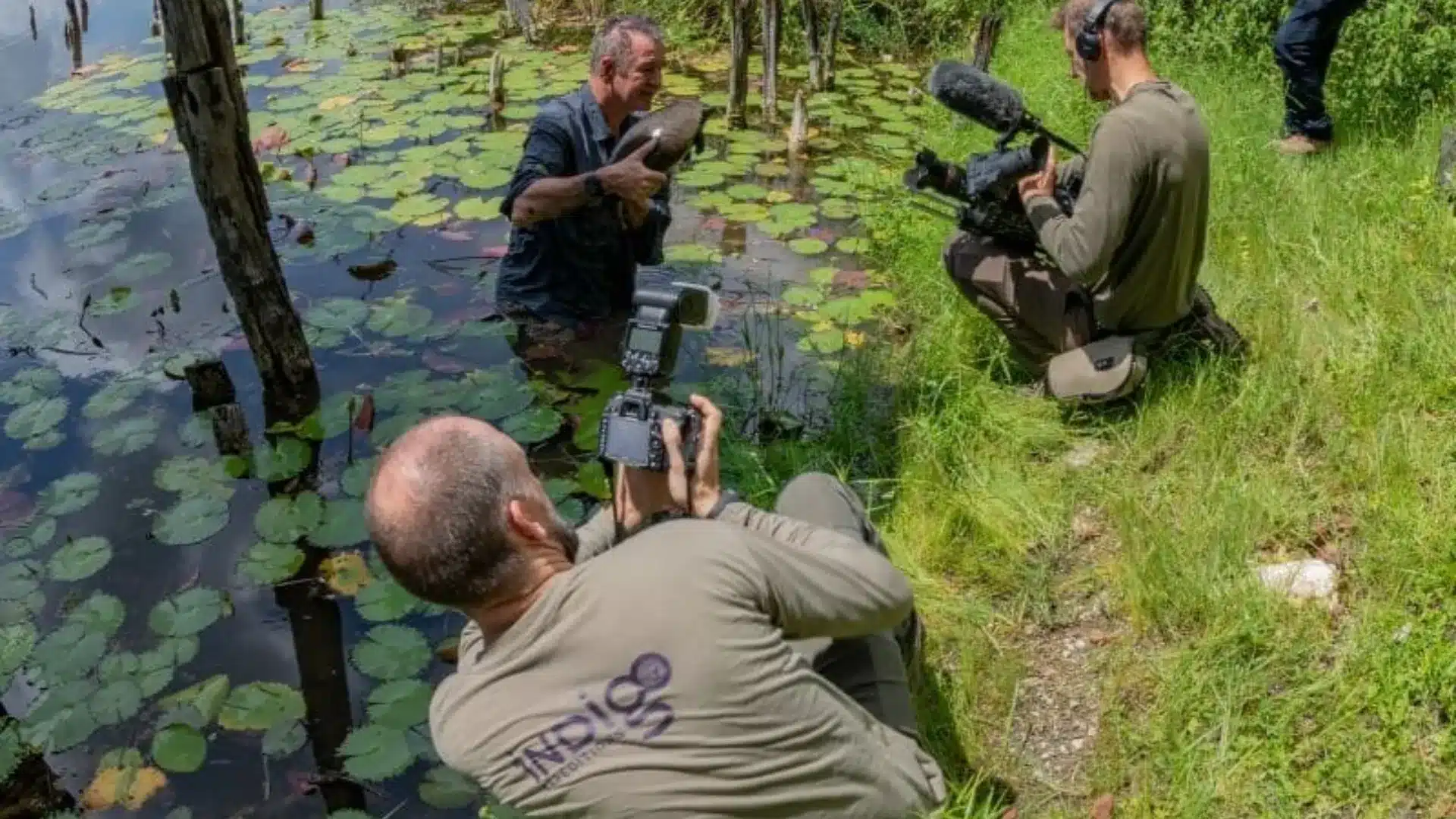
Hoodlum provides exceptional film fixer services in Guatemala, offering complete production support for international film and television crews. With our extensive local knowledge and hands-on experience, we manage every element of your shoot—from obtaining permits and assisting with visas to location scouting, sourcing crew, renting equipment, handling customs, arranging transportation, organizing accommodation, and supporting post-production.
Guatemala’s stunning and varied landscapes—from lush rainforests and ancient ruins to volcanic mountains and vibrant colonial cities—serve as the perfect backdrop for commercials, feature films, TV series, documentaries, reality shows, and still photography projects.
Planning a shoot in Guatemala? Hoodlum takes care of the logistics, ensuring smooth operations from securing permits and visas to coordinating equipment rentals, transportation, and accommodations. Let us handle the details while you focus on making your creative vision a reality. Contact us today for seamless, expert production support in Guatemala.
Country Overview
This region offers a diverse range of landscapes, cultures, and experiences, making it an attractive location for filmmakers. Here’s an overview of filming in Guatemala:
- Diverse Landscapes – Guatemala boasts a variety of landscapes, including volcanic highlands, tropical rainforests, and Pacific coastlines.
- Rich Cultural Heritage – A mix of Mayan, Spanish, and African influences provides unique backdrops and storytelling opportunities.
- Friendly and Welcoming People – Guatemalans are known for their hospitality and welcoming nature.
- Relatively Low Costs – Guatemala offers more affordable filming costs compared to other Central American countries.
- Government Support – The Guatemalan government provides tax incentives and streamlined permitting processes to support film productions.
- Language Considerations – Spanish is the predominant language, though many Guatemalans speak some English. Hiring local translators may be necessary.
Major Cities
This region is home to several major cities, including:
- Guatemala City
- Quetzaltenango
- Escuintla
- Zacapa
- Jalapa
- Mazatenango
- Antigua Guatemala
- Panajachel
- Chichicastenango
- Flores
- San Pedro La Laguna
- Cobán
Borders and Language
This region shares borders with:
- Mexico
- Belize
- Honduras
- El Salvador
The official language is Spanish, but 23 Mayan languages, Garífuna, and Xinca are also spoken, making a total of 26 languages in the country.
Currency
The official currency is the Guatemalan Quetzal (GTQ), with an exchange rate of approximately 7.6 GTQ per 1 US$.
Climate
- Spring (March to May) – Mild temperatures (70-80°F/21-27°C) with minimal rainfall.
- Summer (June to August) – Warm (80-90°F/27-32°C) with increased humidity and heavy rains.
- Autumn (September to November) – Comfortable (70-80°F/21-27°C) with decreasing humidity.
- Winter (December to February) – Cooler (60-70°F/16-21°C) with minimal rainfall.
Popular Filming Locations
- Antigua – A colonial city with cobblestone streets, historic buildings, and a vibrant cultural scene.
- Lake Atitlán – A picturesque lake surrounded by three volcanic peaks and traditional Mayan villages.
- Tikal National Park – A UNESCO World Heritage Site featuring one of the largest and most impressive Mayan archaeological sites.
- Pacific Coast – A scenic coastline with black sand beaches, volcanic rocks, and vibrant surf towns.
Film-Friendly Services
- Local Fixers and Production Companies – Many local companies offer fixer services, equipment rental, and production support.
- Equipment Rental – Film equipment is available for rent in Guatemala City and Antigua.
- Crew and Talent – Guatemala has a growing film industry with skilled local crew members and talent.
Permits and Regulations
- Film Permits – Required for filming in public spaces, national parks, and archaeological sites.
- Customs Regulations – Temporary importation of film equipment is allowed but subject to regulations and permits.
- Tax Incentives – Available for productions that hire local crew members and use local services.
General Requirements for Filming
Visa Application
Apply via the Guatemalan Immigration Authority’s website under “Visa de Trabajo” (Work Visa) for film activities.
Required Documentation:
- Passport (valid for at least 6 months)
- Letter from production company detailing purpose, locations, and crew members
- Proof of payment for visa fee ($50-$100)
- Health insurance (advised but not obligatory)
- Equipment and materials list
- Tax payment proof (if applicable)
Specific Film Crew Requirements
- Film Permit Application – Obtainable from the Guatemalan Institute of Cinema (ICINE) or Ministry of Culture.
- Script and Storyboard – Rough copies are acceptable.
- Shooting Schedule – Dates, times, and locations must be included.
- Crew and Equipment List – Passports, positions, and serial numbers.
- Liability Insurance – Recommended but not mandatory.
- Environmental Impact Assessment – Required for filming in protected areas.
Timing and Costs
- Visa Application: 5-10 business days, $50-$150
- Provisional Import Document: Apply at least one month in advance
- Film Permit: Free but requires a registration process
Accreditation and Permits
ICINE Registration:
Not required
Accreditation Fee:
Not applicable
Permit Authorities:
- Ministerio de Cultura y Deportes – Cultural or historical locations
- Instituto Guatemalteco de Turismo – Tourist areas
- ICINE – Potential registration requirements
Temporary Film Gear Import Regulations
Guatemala is a carnet country, meaning film gear can be temporarily imported without duties under the ATA Carnet System. Importation is regulated by the Guatemalan Customs Authority (SAT):
Carnet Requirements:
Apply for an ATA Carnet through the Guatemalan Chamber of Commerce or a local customs broker.
Temporary Import Regulations:
- Obtain a Temporary Import Permit from the Guatemalan Customs Authority.
- Provide a detailed inventory of film equipment, including serial numbers, descriptions, and values.
- Attach a commercial invoice listing the equipment’s value, weight, and dimensions.
- Declare equipment at customs upon arrival and departure.
- Ensure all equipment is re-exported within the authorized timeframe (6-12 months).
- Non-compliance can result in penalties, fines, or confiscation of equipment.
Additional Considerations
- Insurance – Recommended for equipment loss, theft, or damage.
- Customs Broker – Hiring a local broker is advised for smoother importation.
- Local Fixer/Production Company – Partnering with local professionals ensures compliance with regulations.
- Planning Ahead – Allow sufficient time for carnet application and import permits.
Conclusion
Guatemala offers a unique and diverse range of filming locations, a rich cultural heritage, and a relatively low-cost environment. While some logistical challenges exist, the country’s supportive government policies, experienced film industry professionals, and stunning backdrops make it an increasingly popular filming destination for international productions.
For further assistance, connect with our local experts to ensure a smooth production process in Guatemala.