

Panama offers one of the most distinctive production landscapes in Central America, combining tropical rainforest, modern skyline, colonial architecture, dual coastlines, and globally recognized maritime infrastructure within one compact and highly connected territory. Hoodlum provides end-to-end Film Production Services in Panama, helping international producers manage permits, customs, environmental compliance, infrastructure access, and multi-region logistics with clarity and control.
For international productions, Panama delivers a rare mix of visual diversity and operational efficiency. From Panama City’s high-rise skyline and the preserved streets of Casco Viejo to canal-side industrial zones, Pacific and Caribbean coastlines, rainforest reserves, and interior mountain terrain, the country can support feature films, streaming projects, commercials, documentaries, and infrastructure-led narratives with strong production value. Hoodlum helps turn that variety into a workable production system, allowing overseas teams to film efficiently, compliantly, and with realistic scheduling.
Whether the project requires urban density, jungle terrain, marine access, canal infrastructure, or colonial settings, Panama offers substantial creative range when the right local coordination is in place.
Why Film in Panama
Panama combines Central American biodiversity with international urban infrastructure in a way few markets can match. The contrast between dense jungle canopy, colonial districts, and contemporary glass towers gives productions strong visual range within a single jurisdiction.
Key filming environments include:
- tropical rainforest and jungle
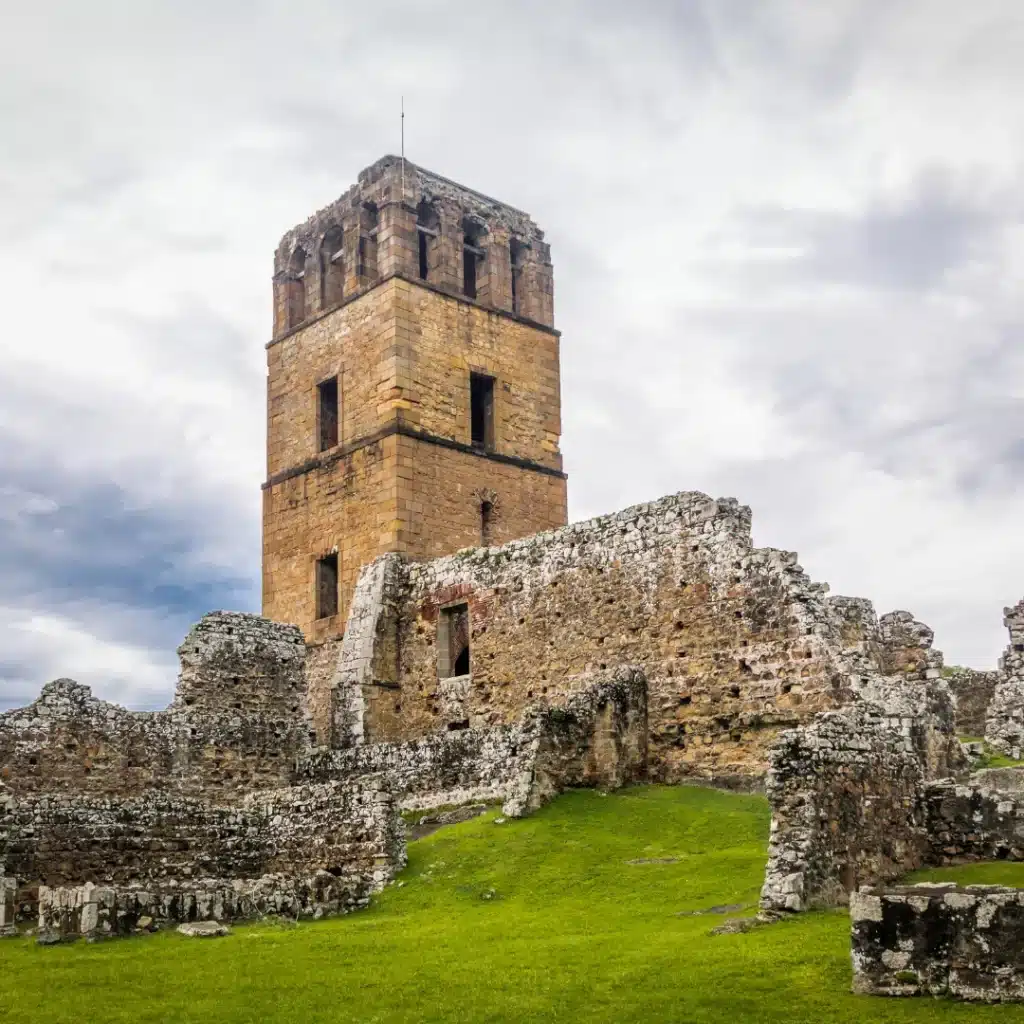
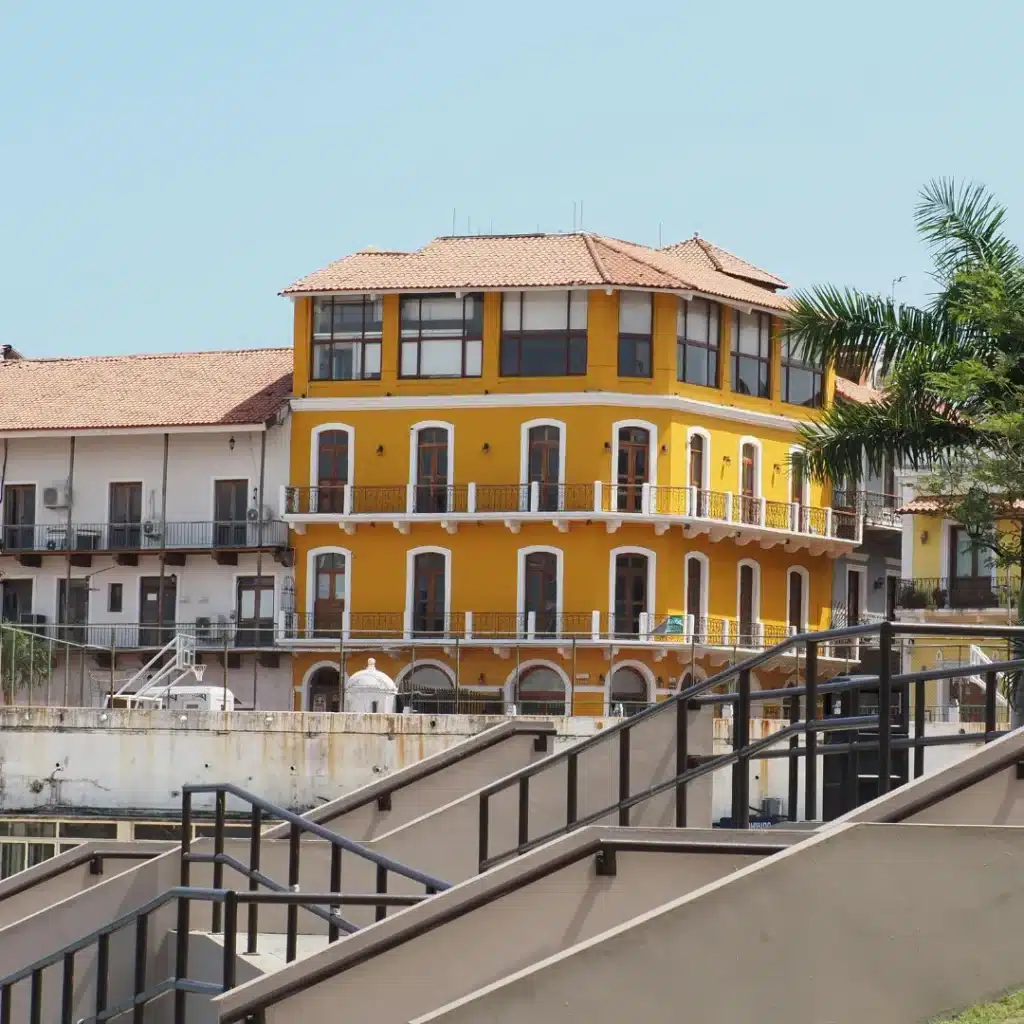
- colonial-era plazas and architecture
- contemporary high-rise skyline
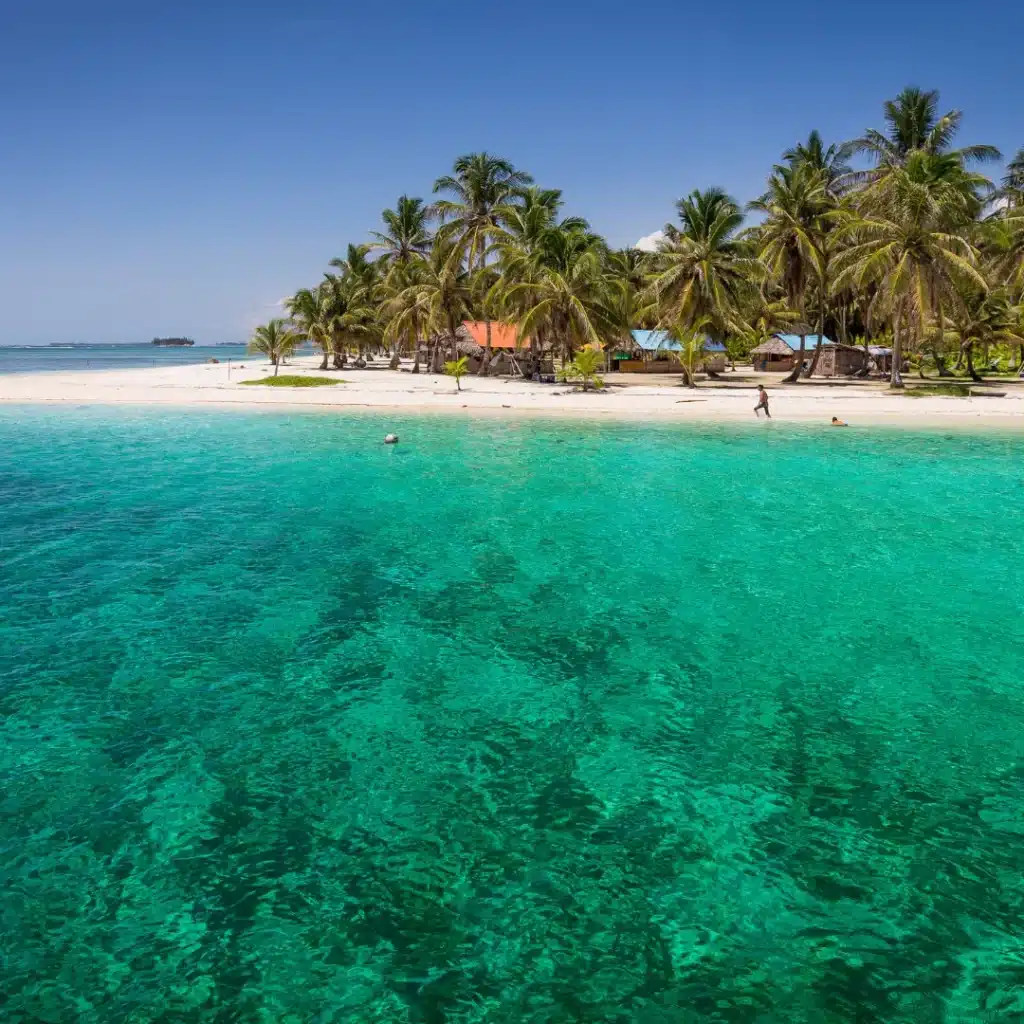
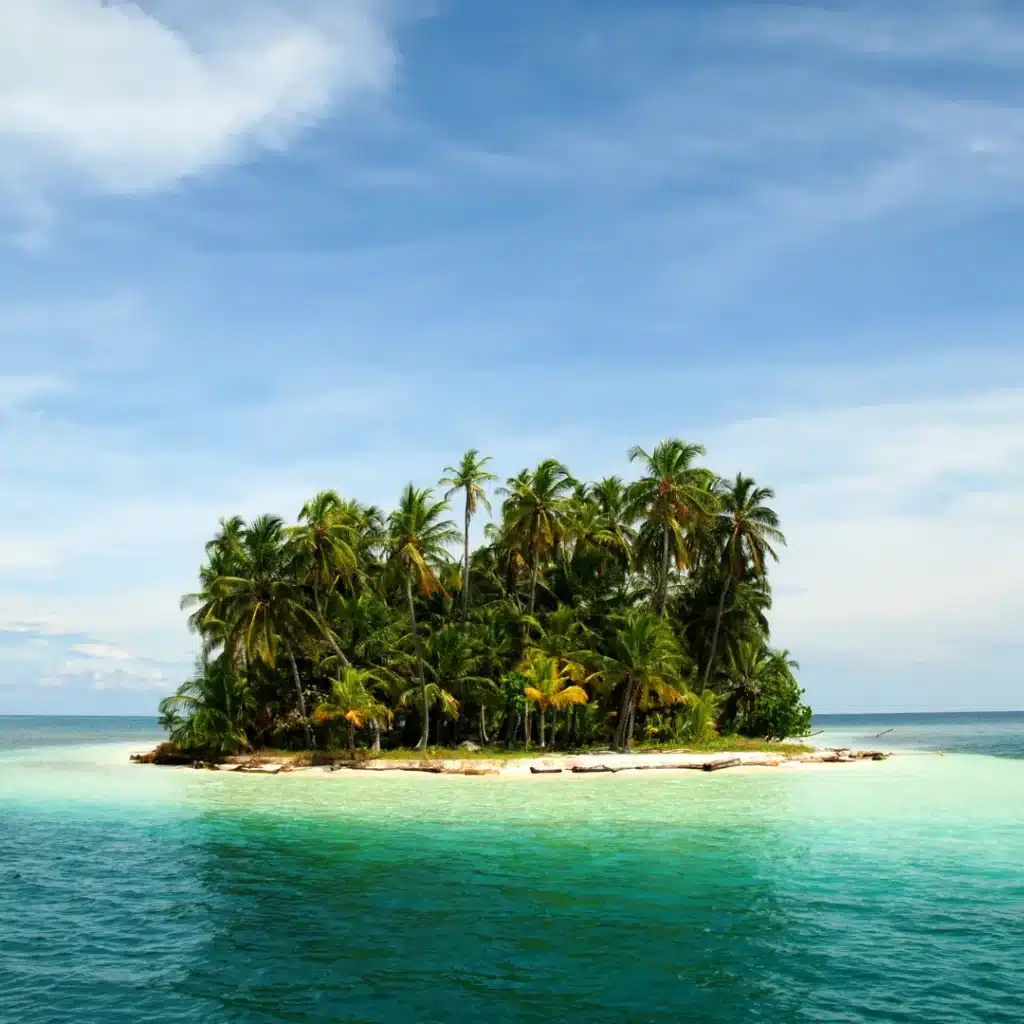
- Pacific and Caribbean beaches
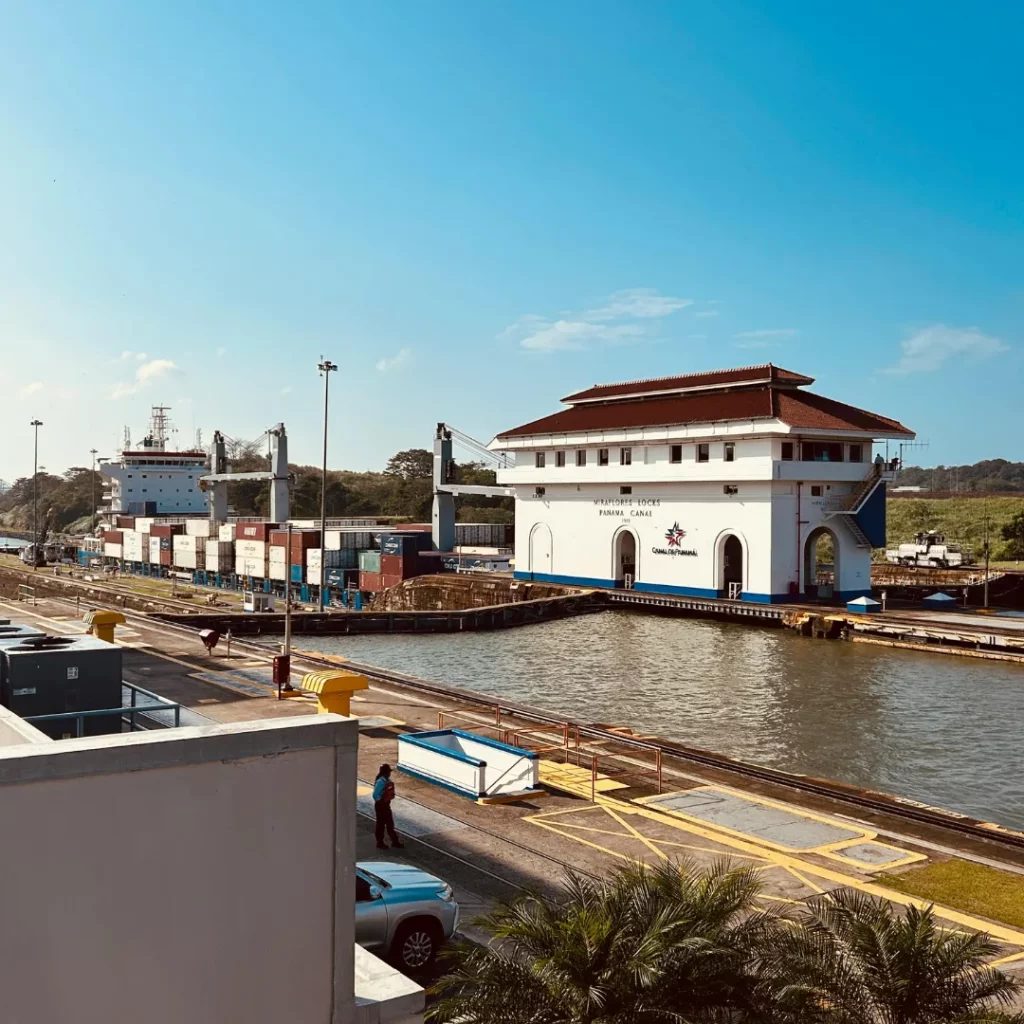
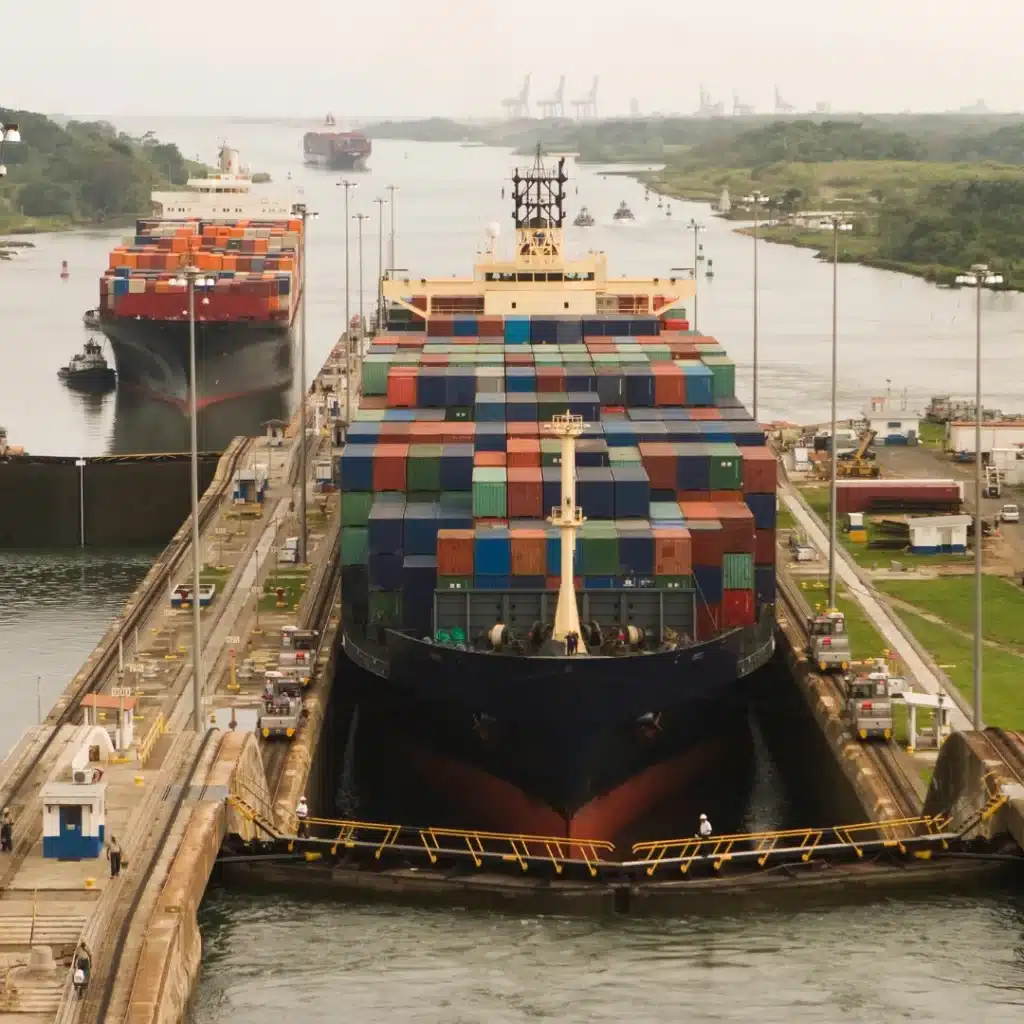
- canal and port infrastructure
- mangroves and wetlands
- mountainous interior terrain
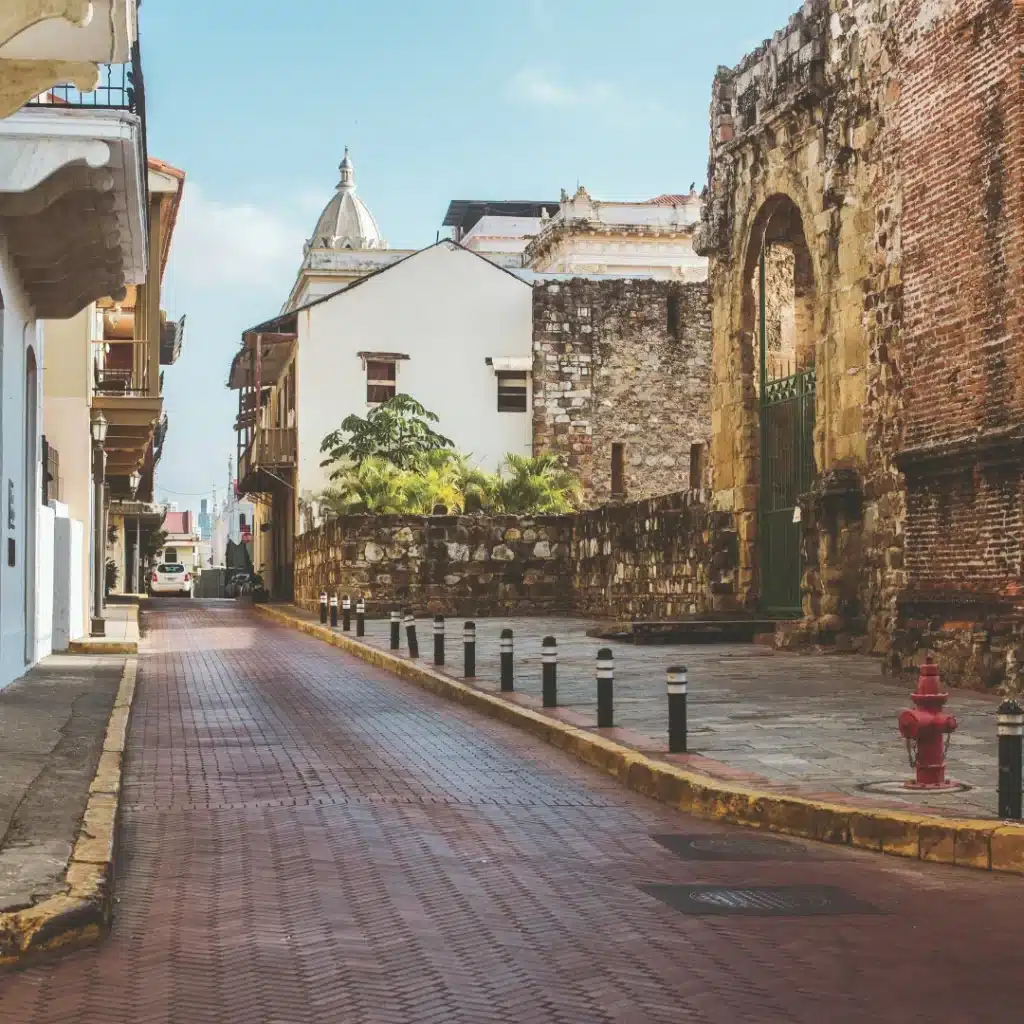
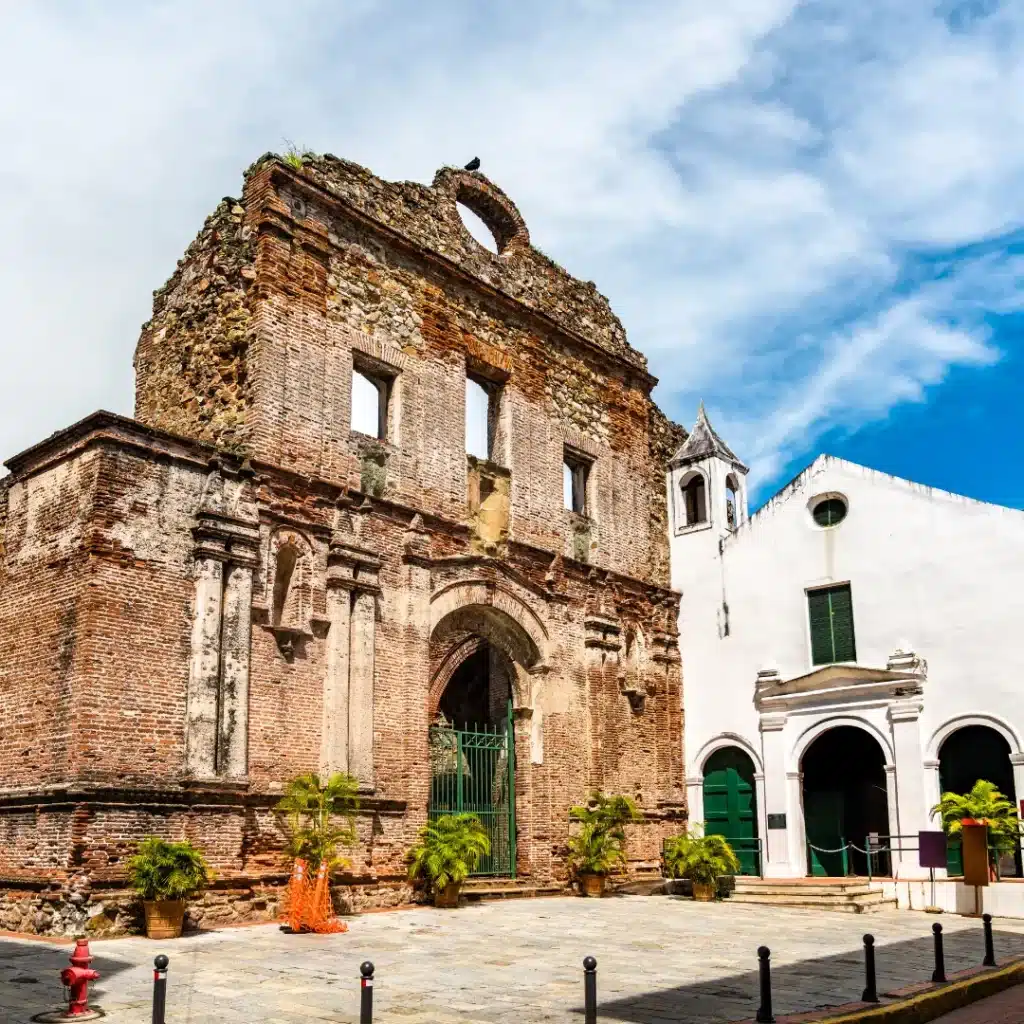
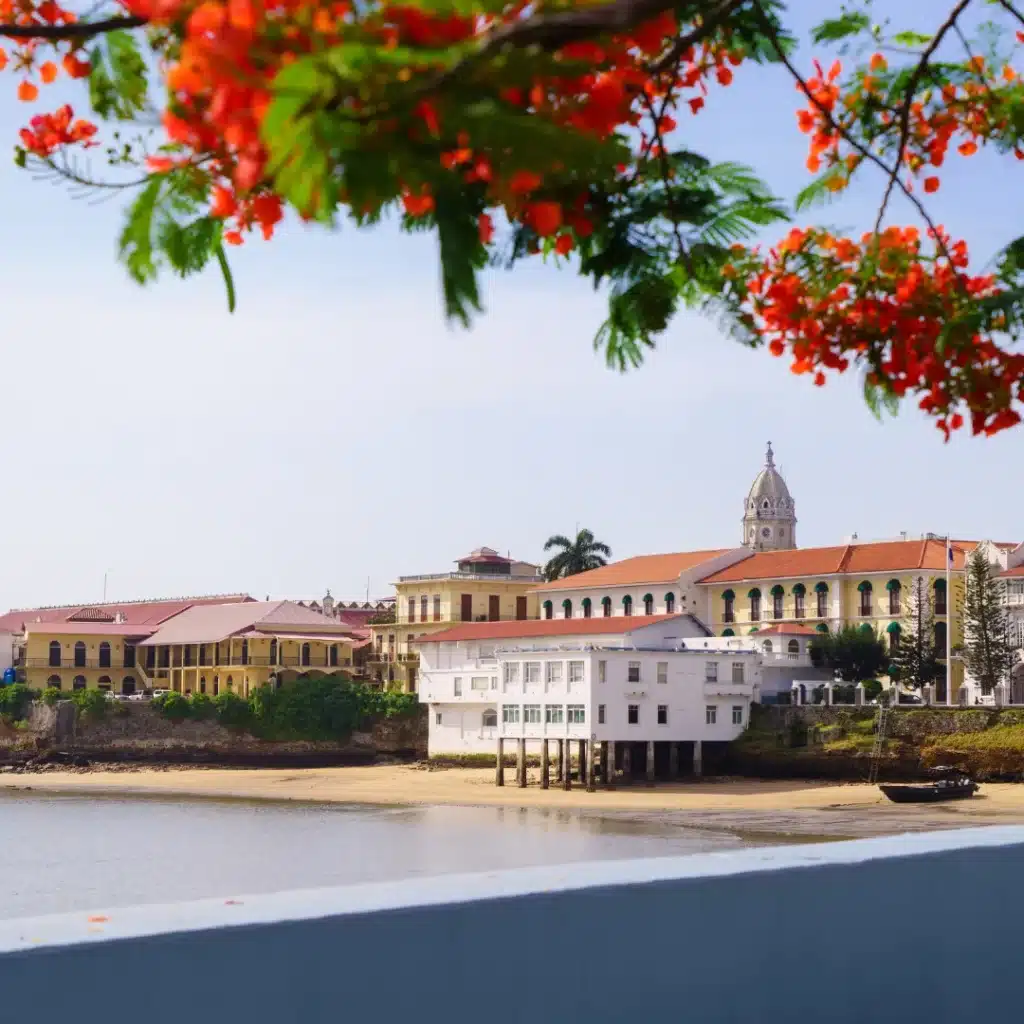
Panama City offers a metropolitan look comparable to larger Latin American capitals, while Casco Viejo provides preserved colonial streets suitable for historical, period, or culturally layered work. The Panama Canal and surrounding port facilities add industrial and maritime visuals that are difficult to replicate elsewhere. Panama’s compact geography also allows productions to move between rainforest, city, and coastline within short travel windows, which supports efficient sequencing and reduced relocation pressure.
The appeal is not only visual. Panama also benefits from international connectivity, manageable logistics, and incentive potential, making it a strong option for producers who need both flexibility and structure.
Why Producers Choose Hoodlum for Production Support in Panama
Panama is highly attractive for production, but the country’s value depends on how well infrastructure access, environmental compliance, customs handling, and regional scheduling are managed together.
Hoodlum provides Production Support Panama by connecting those moving parts into one practical operating framework. For international producers, that means:
- clearer permit pathways
- earlier authority engagement
- stronger customs and temporary import coordination
- better sequencing between city, canal, rainforest, and coast
- smoother crew and equipment movement
- consistent operational oversight from prep through wrap
In Panama, local production support is especially valuable because the most visually rewarding environments often involve added administrative or environmental layers. Hoodlum helps productions navigate those layers without losing momentum or clarity.
Production Support Panama
Delivering effective Production Support Panama requires coordination across national film authorities, canal administration, municipal offices, environmental agencies, customs authorities, and civil aviation bodies.
Hoodlum approaches the country as a connected production environment, integrating permit structuring, environmental compliance, and regional sequencing into one system. That allows productions to preserve creative ambition while maintaining logistical precision and regulatory control.
This support typically includes:
- location research across urban, jungle, and coastal regions
- technical recces and terrain feasibility assessments
- incentive eligibility evaluation
- municipal permit coordination
- canal authority engagement where required
- environmental permit applications
- drone authorization planning
- customs documentation preparation
- budget forecasting aligned with terrain and movement logistics
- local crew and supplier sourcing
- on-set production supervision
- wrap reporting and incentive documentation
For projects entering Panama from abroad, the key value is not just access to these services. It is having them handled cohesively so the production remains stable from initial planning through final closure.
Pre-production in Panama
Pre-production is where operational clarity is established and many of the country’s key advantages are either unlocked or lost.
Support during prep may include:
- location research across jungle, urban, and coastal zones
- technical recces and terrain feasibility planning
- incentive eligibility review
- municipal permit coordination
- canal and infrastructure authority engagement
- environmental applications where required
- drone planning
- customs documentation
- budget forecasting aligned with terrain access and travel movement
Early authority engagement is especially important when filming near canal, port, or protected environmental zones. Hoodlum helps international producers build these dependencies into the prep phase early, reducing timeline uncertainty and improving production control.
Production phase support
During principal photography, Panama benefits from strong urban infrastructure, manageable national distances, and access to visually contrasting environments. The main challenge is keeping administrative, environmental, and logistical layers aligned across different terrains.
Hoodlum’s production support typically includes:
- local crew sourcing and coordination
- equipment freight and terrain transport planning
- government and authority liaison
- street closures and traffic coordination
- marine filming alignment
- rainforest access oversight
- on-site production management
Rainforest filming may require a controlled crew footprint, defined access routes, and careful weather monitoring. Urban work may need traffic planning and public-space approvals. Infrastructure-led shoots near canal or port environments often require additional security and boundary controls. Hoodlum manages these real-world conditions so productions can maintain momentum without compromising compliance.
Post-production and wrap support
Wrap in Panama is not just administrative housekeeping. It is an important part of protecting long-term access, regulatory closure, and financial predictability.
Wrap support may include:
- permit reporting documentation
- payroll reconciliation
- vendor settlement
- equipment export coordination
- incentive documentation submission
- structured archiving of production records
Clear documentation during wrap supports financial control and helps ensure productions close out responsibly with both authorities and local stakeholders.
Film Fixers in Panama
Experienced Film Fixers in Panama do more than open doors. They help international productions move through a layered administrative landscape involving municipal authorities, canal administration, environmental agencies, port operators, customs, and aviation regulators.
Depending on the project, productions may need to coordinate with:
- Panama Film Commission
- Panama Canal Authority
- municipal film offices
- environmental agencies
- civil aviation authority
- customs and immigration services
Hoodlum’s fixer support in Panama includes bilingual documentation, transparent budgeting, realistic schedule forecasting, and practical working knowledge of how urban, rainforest, and infrastructure-based filming differ operationally. This becomes especially valuable on projects where a missed approval or poorly sequenced move can quickly affect the schedule.
Filming Regulations and Permits in Panama
Most professional productions in Panama require municipal authorization for public-space filming. Additional approvals may apply when operating near the Panama Canal, in port facilities, or within protected rainforest and wetland environments.
Core regulatory considerations may include:
- municipal filming permits
- canal or infrastructure permissions
- environmental approvals for parks, wetlands, or reserves
- drone authorizations based on airspace and proximity to infrastructure
- customs procedures for temporary imports
- reporting obligations tied to incentive eligibility
Early permit planning supports schedule reliability and reduces avoidable friction. Hoodlum manages these approval pathways on behalf of international producers so compliance is built into the production plan instead of becoming a reactive problem during the shoot.
Incentives and Financial Framework
Panama offers incentive mechanisms designed to attract international film and television production. Qualifying projects may benefit from rebates or tax incentives, provided the production meets compliance requirements and applicable spend thresholds.
A typical incentive structure may involve:
- project registration before principal photography
- defined qualifying spend categories
- local payroll verification
- structured accounting documentation
- disciplined expense tracking throughout production
Early integration of incentive planning into budget modeling improves financial clarity and helps producers understand what level of local spend, documentation, and reporting discipline will be needed to protect eligibility. Hoodlum helps connect the finance workflow to the production workflow so incentive planning remains practical, not abstract.
Rainforest and Jungle Operations
Panama’s rainforest environments are among its strongest visual assets. They provide dense canopy, river systems, humid tropical terrain, and wildlife-rich habitats suited to adventure, documentary, branded, and commercial storytelling.
Jungle filming often requires:
- controlled access route planning
- rainfall and weather monitoring
- humidity management for equipment
- defined staging zones to protect vegetation
- wildlife safety protocols
- flexible scheduling during rainy periods
Environmental compliance in protected areas is closely monitored, so productions need careful planning around both physical access and ecological impact. Hoodlum helps producers structure jungle work in a way that protects the schedule, the crew, and the location itself.
Canal and Infrastructure Filming
The Panama Canal is one of the world’s most recognizable infrastructure systems, and it gives Panama a production asset that is both visually distinctive and logistically sensitive.
Filming near canal zones may require:
- security clearance procedures
- defined filming perimeters
- restricted drone operations
- maritime traffic awareness
- safety compliance documentation
Port facilities and shipping terminals may also require operator coordination, access control, and insurance verification. Hoodlum helps productions assess which infrastructure environments are realistically filmable, what permissions are required, and how to align authority engagement with the production schedule. In canal and port zones, early planning is not optional. It is central to success.
Coastal and Marine Production
Panama offers both Pacific and Caribbean coastlines, giving productions access to varied marine aesthetics within one national framework. The Pacific side provides expansive beaches and surf zones, while the Caribbean coast offers tropical waters and distinct cultural atmosphere.
Marine filming may require:
- harbor authority coordination
- tide and wave monitoring
- reef and mangrove compliance
- defined boat staging areas
- weather contingency planning
Localized weather variation between coasts can also create useful scheduling flexibility. Hoodlum coordinates marine logistics, environmental alignment, and vessel planning so coastal shoots remain operationally stable as well as visually strong.
Urban and Colonial District Filming
Panama City provides one of the region’s strongest contemporary urban skylines, while Casco Viejo offers preserved colonial streets and plazas with distinctive architectural character.
Urban filming typically requires:
- municipal permits
- traffic coordination
- defined equipment placement
- crowd management planning
- realistic call sheet timing
The city’s compact scale can support efficient movement between districts, but careful scheduling is still important, especially in high-traffic or tourist-heavy zones. Hoodlum helps productions balance access, control, and schedule practicality when filming in both contemporary and colonial urban environments.
Climate and Seasonal Planning
Panama operates within a tropical climate defined mainly by dry and rainy seasons rather than major temperature shifts. Temperatures stay fairly consistent throughout the year, but rainfall patterns significantly affect production planning.
Key considerations often include:
- dry-season scheduling for outdoor continuity
- rainy-season flexibility for morning and afternoon sequencing
- localized weather differences between Caribbean and Pacific zones
- humidity management for camera and sound equipment
- accommodation and transport pressure during tourism peaks
The dry season generally offers more stable road access and predictable shooting conditions, while the rainy season can still be workable when the schedule is structured around concentrated downpours and flexible location planning. Hoodlum factors seasonal patterns into equipment planning, travel windows, and location sequencing so environmental conditions support, rather than disrupt, the production plan.
Studio Infrastructure and Controlled Builds
Panama’s studio ecosystem is smaller than some major Latin American hubs, but it continues to expand, particularly around Panama City. The country offers adaptable warehouse spaces and controlled interiors suitable for commercials, interviews, corporate productions, and selected narrative builds.
Controlled environments may include:
- converted warehouse sound stages
- climate-managed interiors
- modular set construction areas
- production offices integrated with studio spaces
Hybrid models are common in Panama. Exterior jungle, canal, and coastal scenes are captured on location, while interiors are built in controlled environments to reduce weather variability and sound challenges. Hoodlum helps align studio use with permit timing, construction requirements, and the broader shoot schedule so controlled builds serve the production practically.
Infrastructure and Crew Capacity
Panama maintains a skilled and bilingual workforce used to international collaboration. The market has developed particular strength in urban coordination, marine logistics, and rainforest access planning.
Crew and infrastructure strengths include:
- location management across city and jungle environments
- marine coordination and vessel scheduling
- production management and cost tracking
- bilingual communication across Spanish and English
- access to professional digital cinema systems and specialty rigs
- manageable temporary import frameworks when planned early
Panama’s role as a global shipping hub is also a significant logistical advantage. Equipment import and export can be handled efficiently when documentation is structured correctly. Hoodlum uses Panama City as a centralized production base for multi-region shoots, helping keep payroll, permitting, customs, and field deployment aligned from one operational hub.
Health, Safety, and Operational Control
Strong safety planning is essential when operating in rainforest, marine, or infrastructure-adjacent environments. In Panama, productions often need risk systems that address environmental and industrial factors at the same time.
Safety planning may include:
- heat and humidity exposure management
- hydration protocols and shaded staging
- wildlife interaction guidelines
- river current and surf condition safety
- industrial and infrastructure zone compliance
- marine vessel safety briefings
- emergency medical response coordination
Jungle terrain may also require insect mitigation protocols and clearly defined movement routes to reduce both environmental disturbance and crew risk. Hoodlum helps productions tailor safety planning to the actual location mix and daily shoot realities, protecting continuity while keeping operational standards high.
When Hoodlum Is Especially Valuable in Panama
Hoodlum becomes especially valuable when the production involves operational complexity rather than simple location access.
This includes:
- projects filming near the Panama Canal or port infrastructure
- jungle and rainforest shoots in protected areas
- marine or dual-coast filming
- productions requiring environmental permits
- multi-region schedules combining city, coast, and rainforest
- shoots involving drones near infrastructure or controlled airspace
- international productions relying on customs efficiency and structured documentation
- projects needing disciplined authority engagement from the start
In these situations, experienced production support in Panama directly affects schedule stability, compliance, and overall logistical efficiency.
Film Production Services in Panama with Hoodlum
Productions operating in Panama benefit most when infrastructure compliance, environmental permits, customs planning, and incentive structuring are integrated into early development. The country offers concentrated visual diversity and strong connectivity, but those advantages work best when matched with disciplined planning and reliable local execution.
Hoodlum provides Film Production Services in Panama that help international producers work efficiently, stay compliant, and make full use of the country’s urban, coastal, jungle, and infrastructure-based production value. From early prep through final wrap, our role is to simplify complexity and make Panama work as a production-ready system.
Frequently Asked Questions
Do I need a permit to film in Panama?
Most professional productions require municipal authorization, with additional approvals often needed for infrastructure zones, protected areas, or specialized filming activity.
Are incentives available?
Yes. Panama offers incentive mechanisms for qualifying productions, subject to eligibility requirements and documentation compliance.
Can drone filming be approved?
Yes. Drone operations are regulated and generally require authorization, particularly near infrastructure, urban zones, or controlled airspace.
Is filming near the Panama Canal possible?
Yes. Filming near canal zones is possible, but it requires structured authority coordination, defined filming perimeters, and compliance with security and safety requirements.
Are international crews allowed to operate locally?
Yes. International productions typically collaborate with locally registered production partners who help facilitate compliance, coordination, and on-the-ground delivery.
Why use a local fixer in Panama?
A local fixer helps international producers navigate municipal permits, environmental compliance, customs workflows, canal or port coordination, and practical day-to-day logistics across very different filming terrains.
Is Panama good for jungle and marine filming?
Yes. Panama offers strong rainforest and coastline environments, but these shoots require weather planning, environmental controls, transport structure, and safety systems to work efficiently.
Plan Your Production
From jungle canopy and colonial plazas to modern skyline and global maritime infrastructure, Panama offers concentrated visual diversity supported by international connectivity and manageable regional movement.
If your project needs reliable local execution, structured authority coordination, and a production framework that can handle rainforest, city, coastline, and infrastructure logistics together, Hoodlum can build a compliant and efficient system tailored to filming in Panama.
Film Locations in Panama

This guide was prepared by the Hoodlum Film Fixers team using official government resources and consultation with trusted local production partners. Our combined operational experience ensures international producers receive accurate, up-to-date guidance when planning film production in Panama.