Film Fixers in Dominican Republic: Ultimate Guide for International Crew
The Dominican Republic is one of the most established filming destinations in the Caribbean and Latin America, offering Caribbean coastlines, colonial architecture, tropical interiors, modern urban environments, and studio-ready infrastructure within one compact and production-friendly territory. Hoodlum provides end-to-end Film Production Services in Dominican Republic, helping international producers manage incentives, permits, customs, coastal logistics, and large-scale shoot coordination with clarity and control.
For international productions, the country offers a rare combination of visual range, financial upside, and operational maturity. From white-sand beaches and turquoise waters to Santo Domingo’s historic core, rainforest interiors, mountain regions, and controlled studio facilities, the Dominican Republic can support features, streaming series, commercials, branded campaigns, and long-form television with strong production value. Hoodlum helps turn that potential into a workable production system, allowing overseas teams to film efficiently, compliantly, and with realistic budget control.
Whether the project requires location variety, water-based filming, studio builds, or incentive-driven scheduling, the Dominican Republic offers a strong platform for international production when the right local systems are in place.
Why Film in Dominican Republic
The Dominican Republic combines Caribbean aesthetics with experienced crew networks, tax incentives, and established production infrastructure. That makes it one of the region’s most practical destinations for international shoots that need both visual appeal and operational reliability.
Key filming environments include:
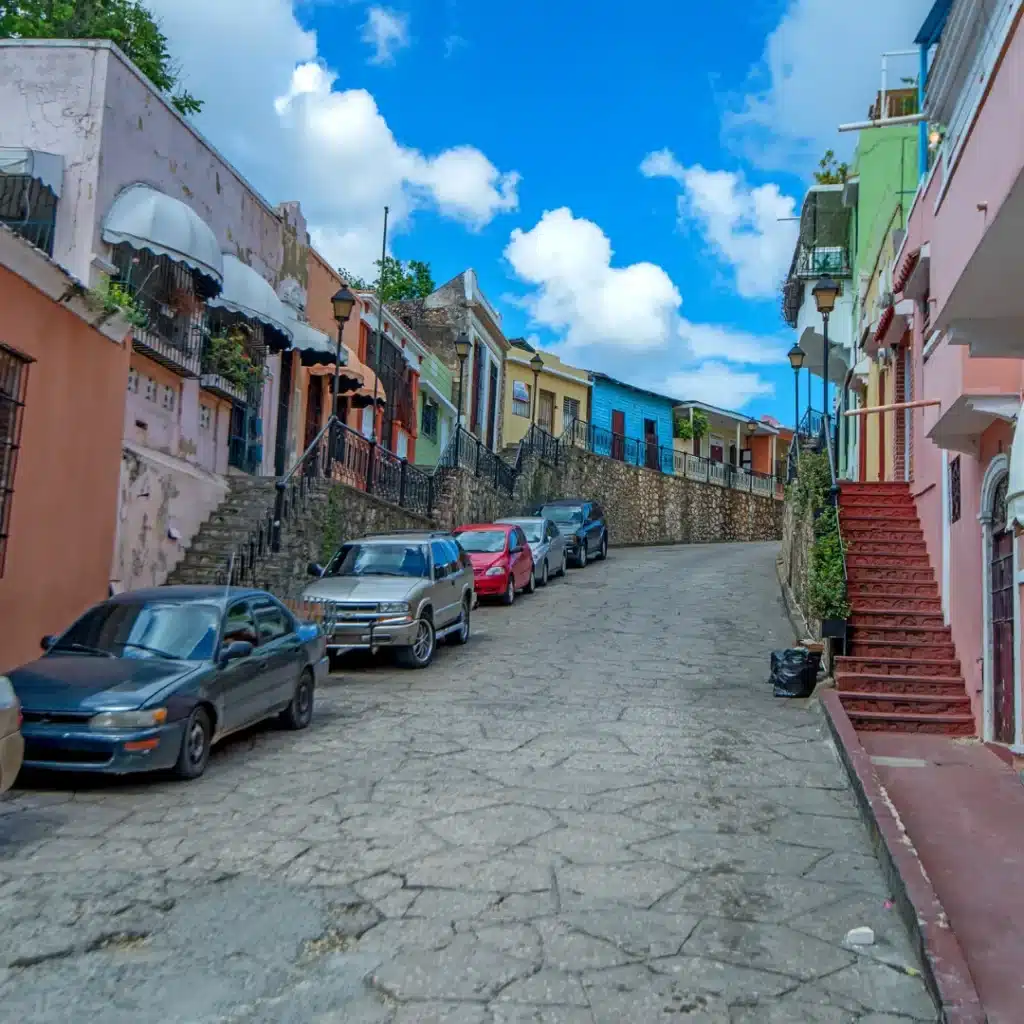
- colonial-era streets and plazas
- modern city skylines
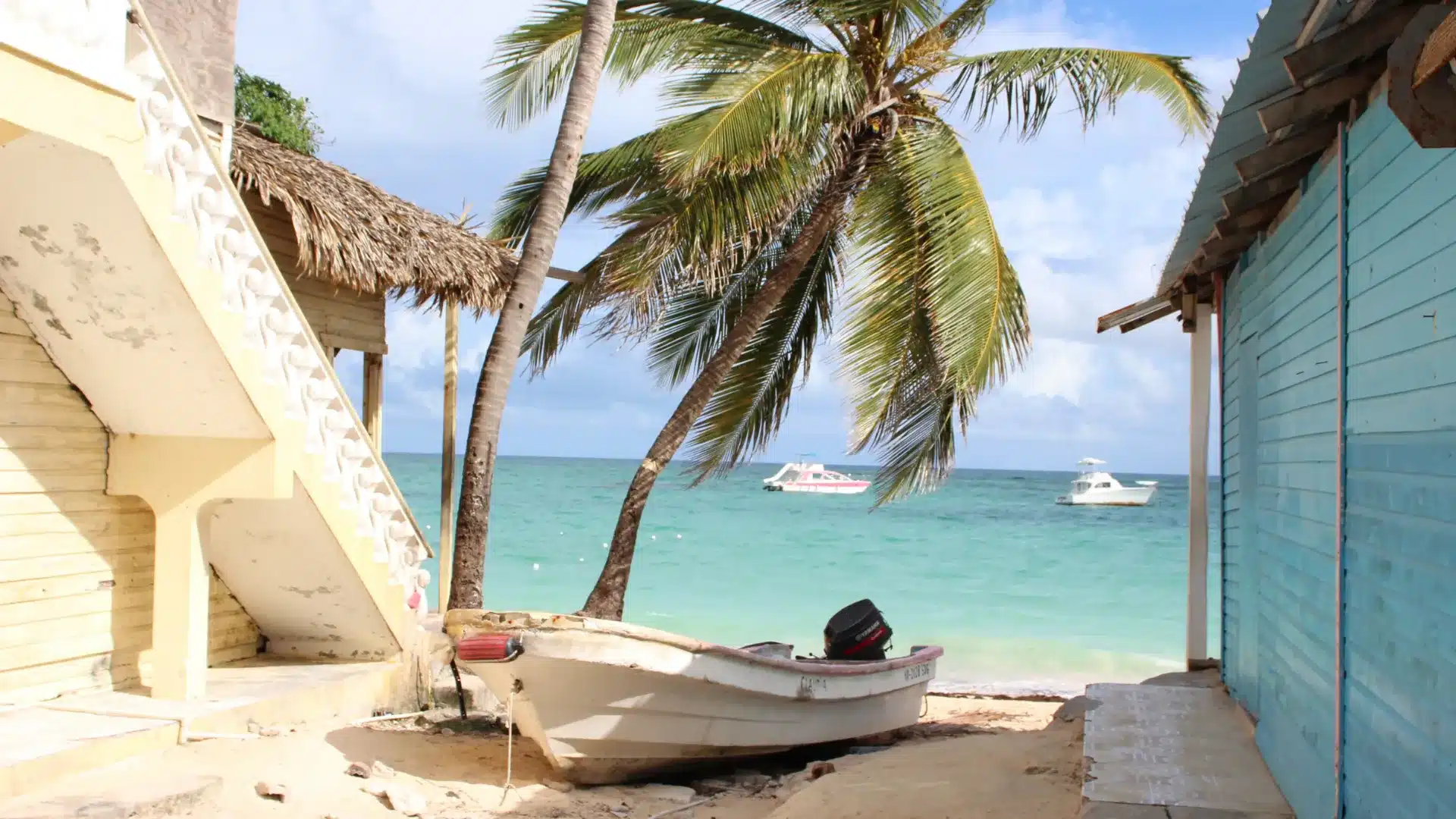
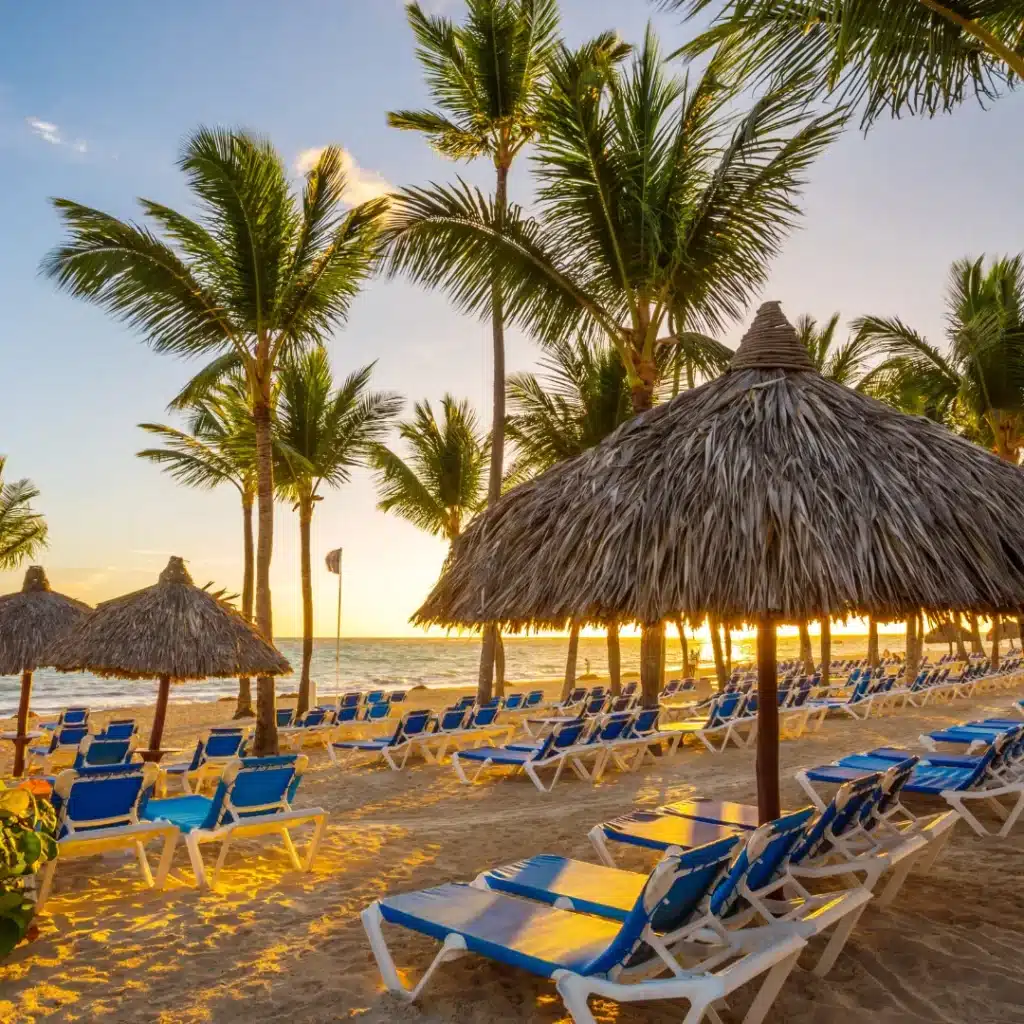
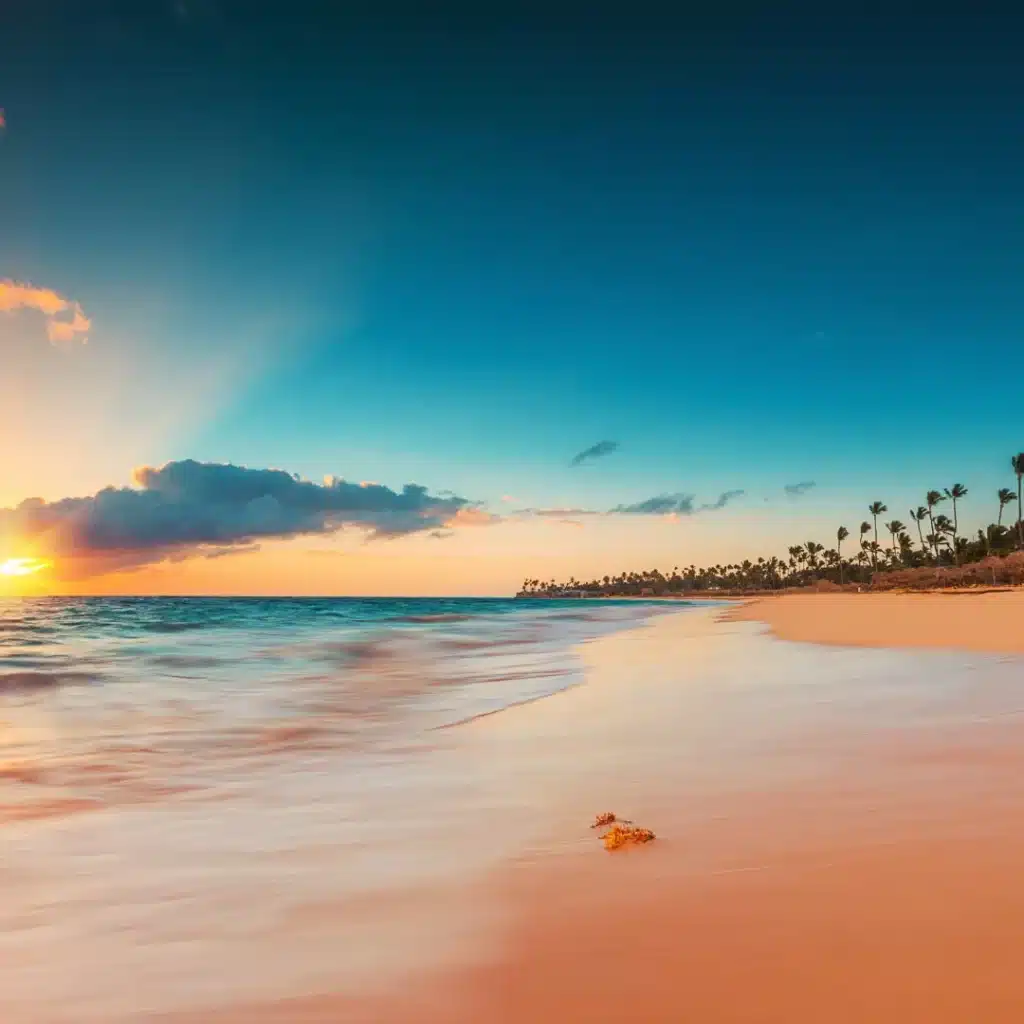
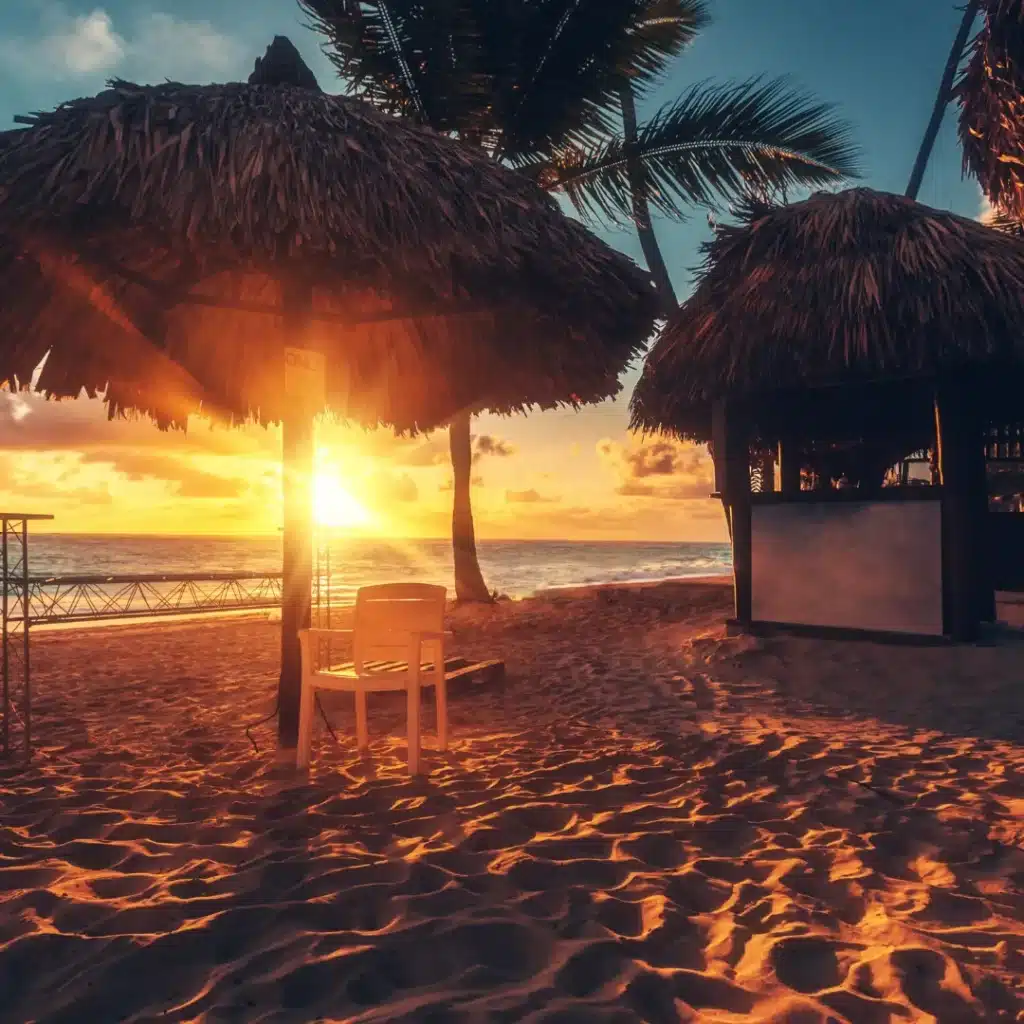
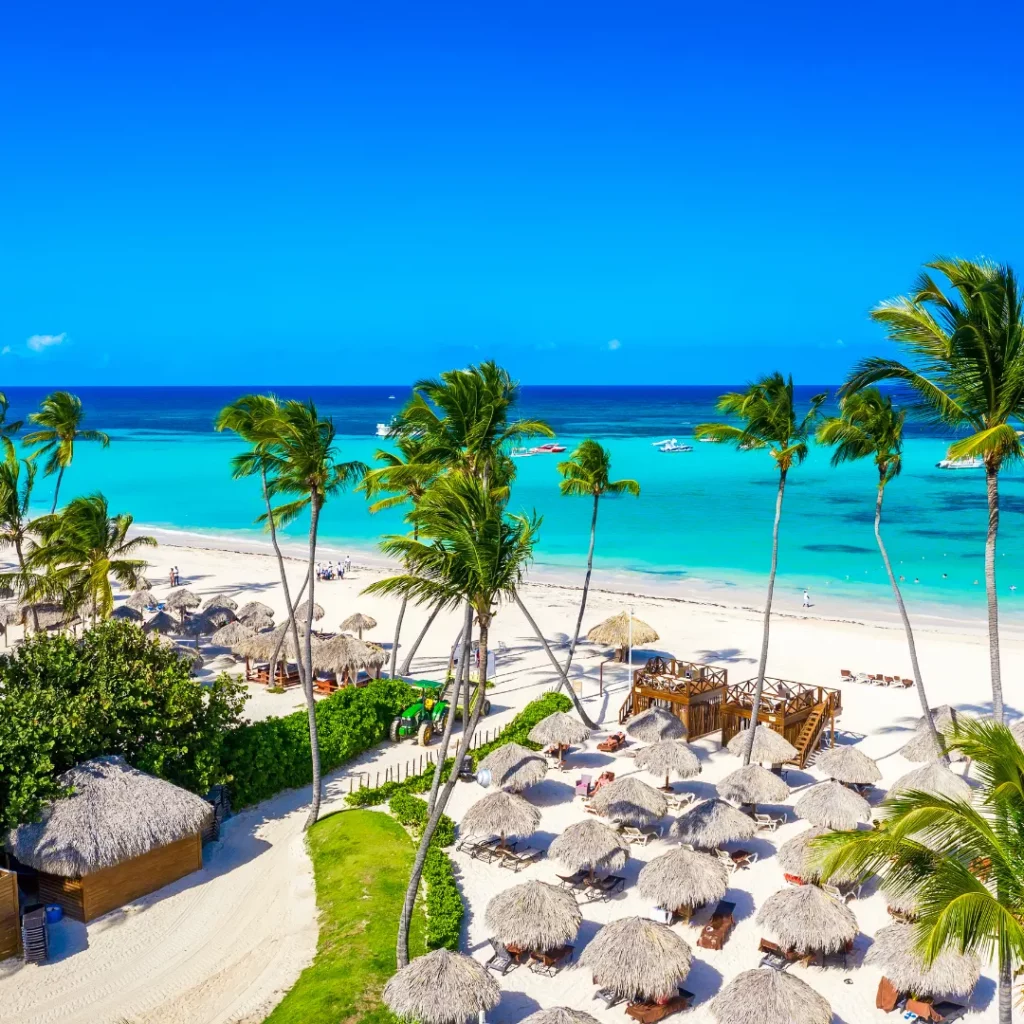
- tropical beaches and coastal cliffs
- rainforest interiors and waterfalls
- rural and agricultural landscapes
- purpose-built studio facilities
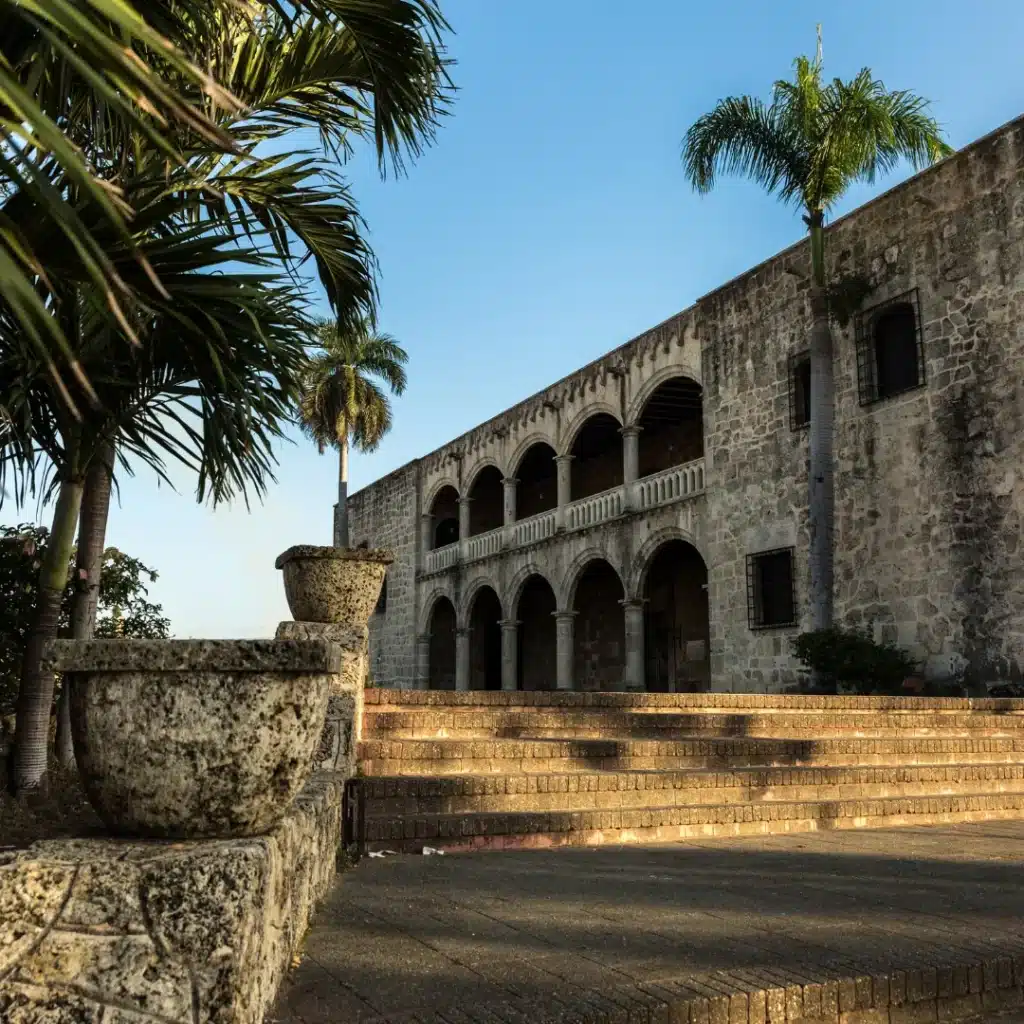
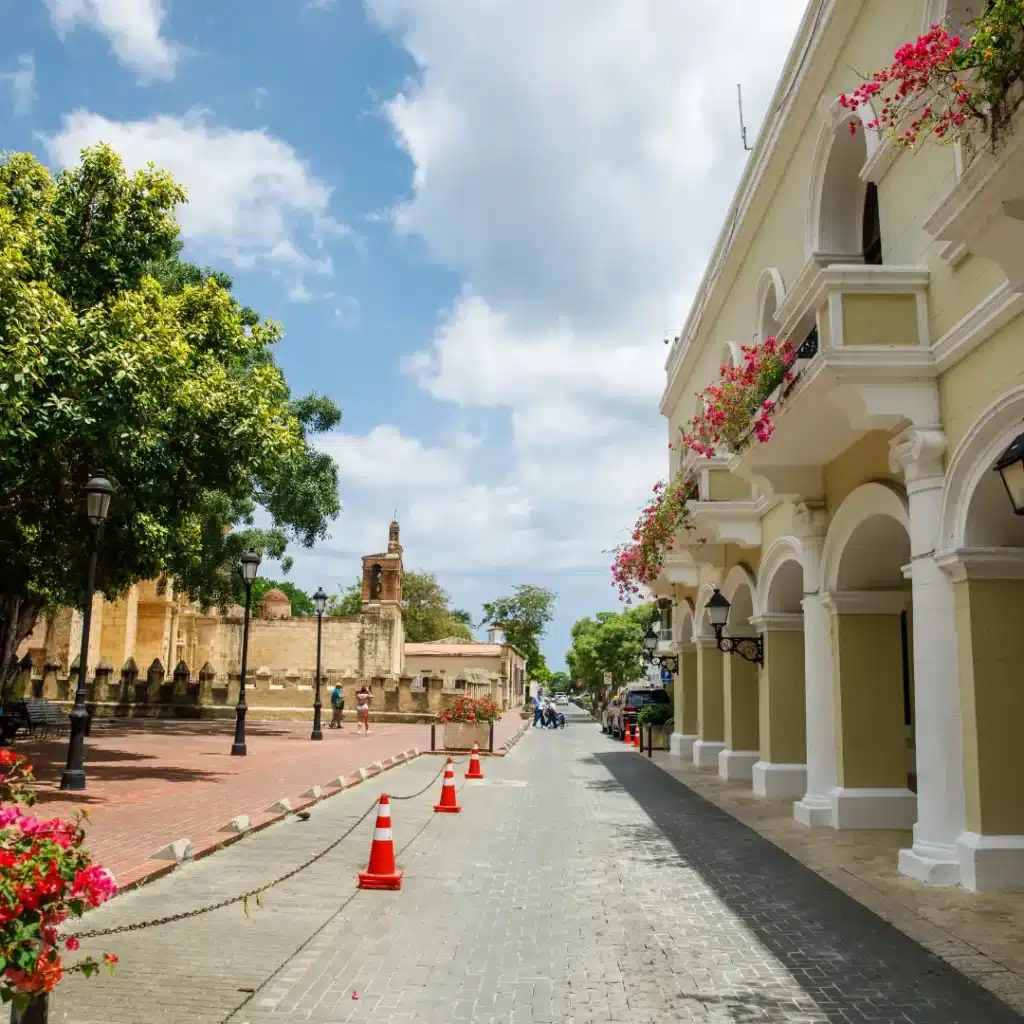
Santo Domingo offers colonial architecture, government buildings, and urban density suitable for contemporary or period work. Punta Cana and the eastern coastline provide resort settings, beaches, and controlled luxury environments. Interior regions add mountains, waterfalls, and rural landscapes, giving producers a broad visual palette within one jurisdiction. Travel between major filming zones is generally manageable by road, which helps reduce internal complexity and supports efficient location sequencing.
The appeal is not only visual. It is also financial. Competitive incentives, an experienced workforce, and scalable infrastructure have helped position the Dominican Republic as a reliable base for international studio projects and location-driven productions alike.
Why Producers Choose Hoodlum for Production Support in Dominican Republic
The Dominican Republic is highly attractive for production, but successful shoots still depend on more than access to good locations. Incentive qualification, municipal permissions, customs handling, marine coordination, studio planning, and realistic inter-region scheduling all need to work together.
Hoodlum provides Production Support Dominican Republic by connecting those moving parts into one practical operating framework. For international producers, that means:
- incentive planning linked to the actual budget
- clearer permit pathways
- stronger customs and import coordination
- better sequencing across urban, coastal, and interior locations
- smoother crew, equipment, and vendor management
- consistent operational oversight from prep through wrap
The country offers strong opportunities, but those opportunities become far more usable when the project is managed through one experienced local production structure rather than fragmented suppliers and reactive decision-making.
Production Support Dominican Republic
Delivering effective Production Support Dominican Republic requires coordination across national film authorities, customs agencies, municipal offices, private landowners, marine stakeholders, and studio facilities.
Hoodlum approaches the country as a connected production environment, integrating incentive strategy, permit compliance, logistics, and location sequencing into one system. That structure helps international teams preserve creative momentum while maintaining financial and regulatory control.
This support typically includes:
- early production planning and budget alignment
- location research across regions
- permit and authority coordination
- incentive eligibility assessment
- customs and temporary import workflows
- studio and facility booking
- drone planning
- local crew and supplier sourcing
- on-set production supervision
- wrap reporting and rebate documentation
For projects entering the country from abroad, the main value is not simply access to these services. It is having them managed cohesively so the project remains workable from first recce to final audit.
Pre-production in Dominican Republic
Pre-production is where financial and operational clarity are established.
Support during this phase may include:
- location research across the country
- technical recces and feasibility studies
- incentive eligibility assessment
- permit application coordination
- customs documentation preparation
- studio and facility booking
- drone authorization planning
- budget forecasting aligned with rebate structures
Incentive programs typically require early registration and structured reporting, so integrating incentive thinking into early budgeting is essential. Hoodlum helps producers build that discipline into prep from the start, reducing the risk of documentation gaps or unrealistic assumptions later in the project.
Production phase support
During principal photography, the Dominican Republic benefits from experienced local crews, adaptable studio capacity, and strong location variety. The challenge is keeping all operational layers aligned across coastal, urban, and interior environments.
Hoodlum’s production support typically covers:
- local crew sourcing across departments
- equipment rental and freight coordination
- government and authority liaison
- traffic management planning
- marine filming coordination
- on-site production supervision
- day-to-day location and logistics support
Urban filming may require municipal approvals for road use or public-space occupation. Coastal productions often require environmental sensitivity, marine coordination, and careful weather planning. Hoodlum manages these realities in real time so productions can keep moving without sacrificing compliance.
Post-production and wrap support
Wrap is not just an administrative phase. It is a key part of protecting both incentive recovery and stakeholder relationships.
Wrap support may include:
- incentive reporting documentation
- payroll reconciliation
- vendor settlement
- equipment export coordination
- permit closure procedures
- archiving of production records
Clear wrap systems help protect rebate eligibility, reduce disputes, and support stronger financial close-out once filming is complete.
Film Fixers in Dominican Republic
Experienced Film Fixers in Dominican Republic do more than facilitate access. They help productions move efficiently through the country’s incentive, permitting, and logistical systems while maintaining realistic schedules and transparent local coordination.
Depending on the project, productions may need to work with:
- national film authorities
- municipal offices
- private property stakeholders
- customs agencies
- studio operators
- aviation authorities for drone activity
- marine vendors and coastal stakeholders
Hoodlum’s fixer support in Dominican Republic includes bilingual communication, budgeting clarity, timeline forecasting, and strong working knowledge of incentive reporting procedures. In a high-volume production environment, that precision can materially influence both efficiency and financial recovery.
Filming Regulations and Permits in Dominican Republic
Most professional productions in Dominican Republic require formal authorization through national film authorities, with additional municipal approvals depending on the location and shoot impact.
Core regulatory considerations may include:
- public-space filming authorization
- municipal approvals for traffic or street use
- drone authorizations under aviation rules
- customs procedures for temporary imports
- environmental or marine permissions where relevant
- structured reporting requirements for incentive-qualifying productions
Early regulatory engagement helps stabilize timelines and reduces avoidable production friction. Hoodlum manages these approval pathways on behalf of international producers so compliance is built into the production plan rather than handled reactively.
Incentives and Tax Credit Framework
The Dominican Republic’s incentive framework is one of its strongest production advantages. Qualifying projects may benefit from significant tax incentives or rebates on local spend, provided the production meets eligibility rules and maintains disciplined documentation.
A typical incentive workflow may include:
- minimum local spend thresholds
- registered production entity requirements
- detailed expense tracking
- local payroll compliance
- project registration before principal photography
- audit-ready reporting after completion
Early registration and accurate budgeting are critical. Hoodlum helps producers structure the project so the incentive is treated as a real financial asset rather than an uncertain upside. By linking accounting workflows, payroll structuring, and local spend tracking from the beginning, productions are better placed to protect cash flow, reporting accuracy, and eventual recovery.
Advanced incentive planning
Productions that approach incentive structuring proactively can improve overall financial efficiency without compromising operational control.
Good practice usually includes:
- separating qualifying and non-qualifying costs early
- assigning financial oversight to a dedicated line producer or controller
- maintaining clean payroll records for local hires and contracted services
- preserving organized vendor invoice trails
- building reimbursement timing into financing assumptions
Incentive reimbursement may follow a formal audit process after production completion, so timing matters. Integrating that reality into the financing model helps protect liquidity and investor expectations.
Studio Infrastructure and Controlled Environments
The Dominican Republic offers access to established studio facilities capable of supporting controlled interior shoots, large-scale builds, and hybrid location-stage workflows.
Available infrastructure may include:
- sound stages
- backlot environments
- water tanks
- post-production support
- reliable technical power and crew support
Productions that require both on-location authenticity and controlled technical environments benefit from integrating studio planning early. Hoodlum helps align stage availability, technical requirements, and schedule design so studio work supports the broader production framework rather than sitting outside it.
Large-Scale Studio Builds and Water Tank Capability
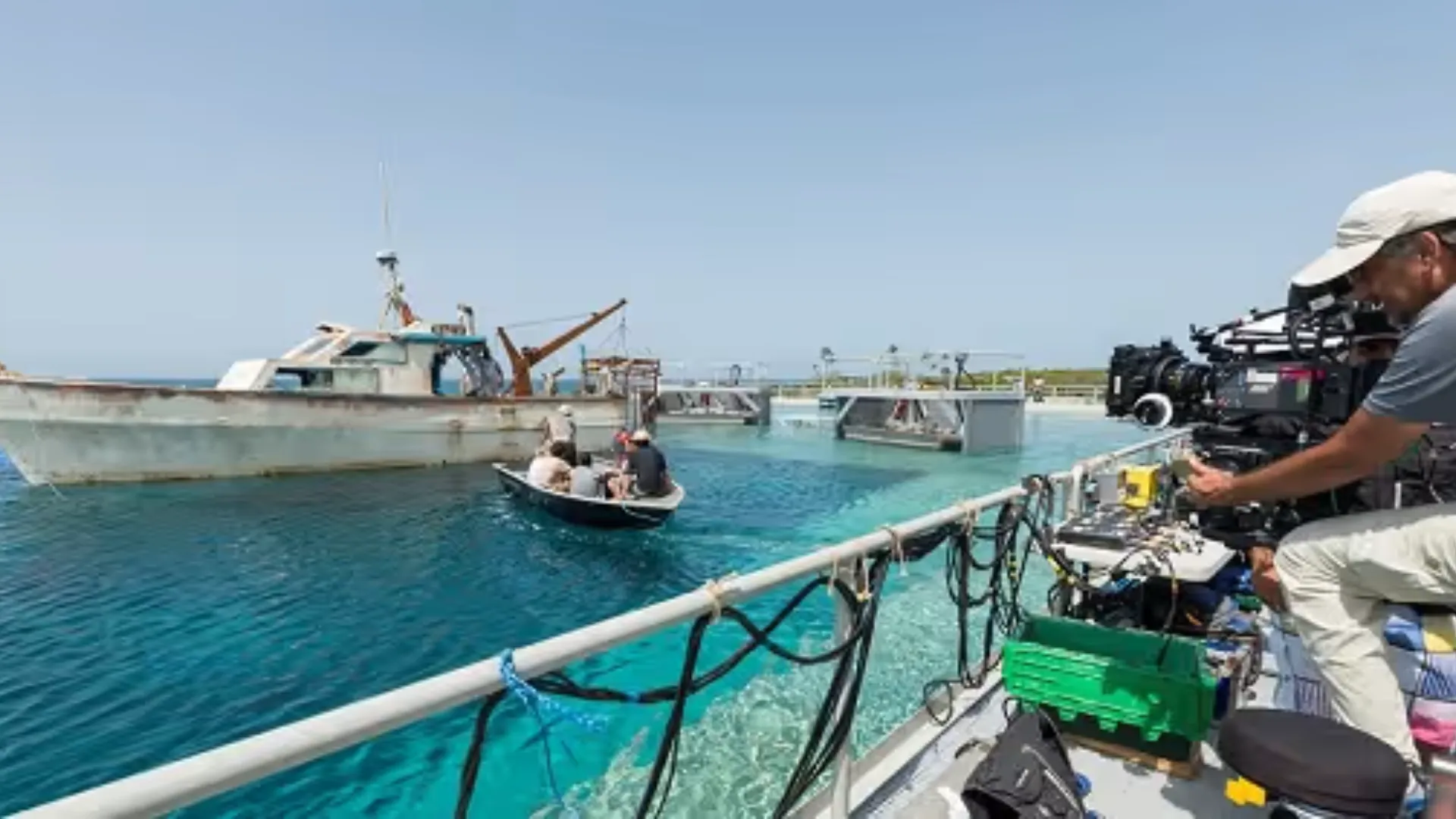
The country has hosted substantial international projects requiring large set construction and water-based filming environments. Water tanks allow productions to create marine sequences in safer and more controlled conditions than open sea environments can usually provide.
This is particularly useful for:
- repeatable marine visuals
- safety-sensitive water work
- lighting-controlled aquatic scenes
- large-scale feature and series production
Backlot environments can also be adapted for period builds, urban replications, or custom-designed sets. Hoodlum helps producers combine coastal location work with controlled stage-based production in a way that improves schedule reliability and technical consistency.
Coastal and Marine Production Considerations
Caribbean coastlines are central to many productions in the Dominican Republic, but marine filming requires additional structure.
Typical considerations include:
- licensed vessel hire
- reef protection standards
- tidal scheduling
- water safety supervision
- hurricane season contingency planning
Advance marine planning helps protect both equipment and schedule. Hoodlum coordinates vessel access, environmental requirements, weather monitoring, and local marine logistics so coastal shoots remain safe, compliant, and production-ready.
PRIVATE AND HERITAGE FILM LOCATIONS IN DOMINICAN REPUBLIC
Location Scouting / Permitting Cost & Processing Time: The DGCINE shooting permit covers public locations and establishes the legal framework for the shoot — it does not cover private location fees, which are negotiated separately with owners. Santo Domingo’s Zona Colonial (a UNESCO World Heritage Site) requires coordination with the Ministerio de Cultura and the relevant municipal authority in addition to the DGCINE permit — allow additional lead time and budget for heritage zone access.
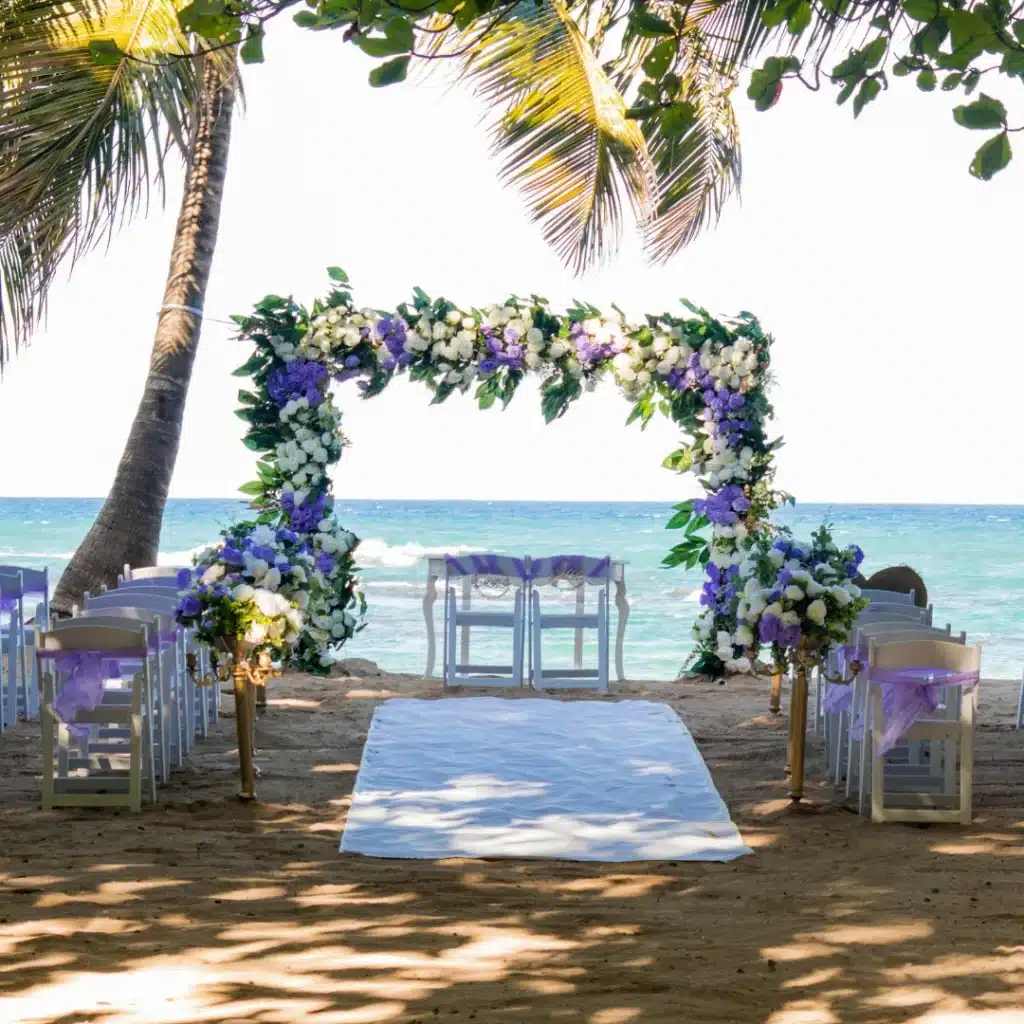
Resort and hotel locations are negotiated through the property’s sales or PR department; expect a location day rate or minimum accommodation/F&B spend arrangement rather than a simple access fee. Remote beach and coastline locations on the north coast and Samaná peninsula may involve negotiation with local community associations or private landowners, with fees typically modest but requiring advance arrangement through a local fixer.
STUDIO AND PRODUCTION INFRASTRUCTURE IN THE DOMINCIAN REPUBLIC
Studio and Production Infrastructure The Dominican Republic has more developed production infrastructure than any other Caribbean territory, which is a significant part of why it has attracted major studio features consistently over two decades.
Key facilities:
- Pinewood Dominican Republic Studios (formerly Deschamps Studios), located near Santo Domingo: large-format stage facilities, backlot areas and production support infrastructure comparable to mid-tier international studio facilities. Features, streaming series and large commercial productions have used this facility as their base. Confirm current availability and capacity directly — facility use is in high demand during the DR’s peak filming season (November to April).
- Location infrastructure: Santo Domingo has a functioning rental house ecosystem — camera packages, lighting, grip, expendables and production vehicles are available through established suppliers. For specialist or high-end equipment beyond what local rental houses carry, Santo Domingo is well connected to Miami (approximately 3.5 hours by air), which serves as the equipment sourcing hub for productions that need to import specific items.
- Local crew depth: The DR has the deepest local crew pool in the Caribbean, built over decades of major production activity. DoPs, gaffers, grips, art department, stunt coordinators, special effects supervisors (Fernando’s credits speak to this directly), location managers and line producers with major international credits are available. For large features and streaming series, the entire below-the-line crew can be locally sourced at highly competitive rates. For smaller productions, partial local crewing significantly reduces freight and travel costs.
GETTING AROUND THE DR
Getting Around the Dominican Republic The DR is the largest country in the Caribbean by land area and inter-city travel times matter for production planning.
International airports: Las Américas International (SDQ) near Santo Domingo is the main hub for crew and equipment freight. Punta Cana International (PUJ) is the largest airport by passenger volume and the entry point for east coast shoots. La Isabela (JBQ) is Santo Domingo’s domestic and charter airport, useful for light aircraft movement of small equipment packages. Puerto Plata (POP) and El Catey/Samaná (AZS) serve the north coast.
Road travel: Santo Domingo to Punta Cana is approximately 2.5 hours by road on the autopista. Santo Domingo to Puerto Plata is approximately 3 hours. Santo Domingo to Samaná is approximately 2.5 hours via the northern highway. The Cordillera Central interior requires more time and different vehicles. Productions covering multiple regions should plan overnight bases in each region rather than commuting — daily 5-hour round trips are not a sustainable production model.
Equipment freight: Large equipment packages arriving at SDQ move to locations by production truck. Freight arriving at PUJ for Punta Cana shoots can be cleared locally. Productions shooting across multiple regions should plan a single consolidated customs clearance at their primary entry point and then move equipment by road — re-clearance for inter-region movement within the country is not required once equipment is legally imported under the DGCINE shooting permit.
Urban and Colonial Environment Operations
Santo Domingo’s colonial district is one of the country’s strongest assets for period and heritage-driven production. It offers historic architecture and distinctive urban texture, but filming in heritage areas may require added municipal coordination and preservation alignment.
Urban operations also need realistic planning around:
- traffic density
- access windows
- public interface
- call sheet timing
- municipal permissions
Hoodlum helps productions work within these constraints while preserving both schedule efficiency and the value of the location itself. Early coordination with local authorities is especially important in heritage and high-traffic zones.
Climate and Seasonal Planning
The Dominican Republic’s tropical climate is a major production advantage, but seasonal conditions still affect scheduling, insurance, logistics, and continuity.
Planning should account for:
- hurricane season exposure
- rainfall variability
- storm monitoring
- humidity and heat management
- accommodation pressure during peak tourism periods
Building seasonal awareness into pre-production helps strengthen schedule resilience and reduces exposure to avoidable disruptions. Hoodlum factors these variables into production design, location sequencing, and contingency planning so weather becomes a manageable variable rather than a destabilizing one.
Health, Safety, and Operational Control
Clear safety systems are essential to maintaining continuity on international shoots. In the Dominican Republic, risk planning often needs to address environmental, urban, and marine conditions together.
Safety planning may include:
- heat and humidity exposure management
- marine safety
- traffic management
- equipment security
- emergency response coordination
- clear reporting lines and communication systems
Hoodlum supports productions with practical risk frameworks tailored to the script, the location mix, and the pace of the schedule. That allows crews to work efficiently while maintaining strong operational control.
Workforce Depth and Crew Continuity
The Dominican Republic maintains a robust crew base across camera, lighting, grip, art department, and location management. Repeated international productions have strengthened technical depth and familiarity with global workflows.
This benefits productions through:
- experienced local department support
- smoother integration with visiting creative leads
- stronger knowledge continuity on larger projects
- more efficient onboarding for returning or multi-phase productions
Hoodlum helps build crew structures that balance local expertise with the needs of international departments, improving both coordination and cost efficiency. Defined hierarchies and clear departmental communication become especially valuable on multi-unit or high-complexity shoot days.
Regional Production Hub Advantage
Beyond individual shoots, the Dominican Republic works well as a regional production hub. Its position in the Caribbean supports international freight movement, cast travel, and centralized operations while still giving access to varied coastal, urban, and studio environments.
Producers using the country as a hub benefit from:
- consolidated logistics
- experienced vendors
- road-based inter-region transitions
- incentive alignment in one jurisdiction
- scalable support for projects of different sizes
By combining incentive strength, studio capacity, and mature crews, the Dominican Republic can support everything from boutique commercial work to large-scale studio features with notable financial and operational stability.
When Hoodlum Is Especially Valuable in Dominican Republic
Hoodlum becomes especially valuable when the production involves operational complexity rather than straightforward location access.
This includes:
- incentive-driven international productions
- coastal or marine filming
- urban shoots requiring municipal coordination
- heritage or colonial district filming
- hybrid studio-and-location schedules
- larger projects needing structured customs workflows
- productions balancing multiple filming regions in one schedule
- shoots requiring disciplined financial reporting and rebate protection
In these situations, experienced production support in Dominican Republic directly affects schedule reliability, compliance, and financial efficiency.
Film Production Services in Dominican Republic with Hoodlum
Productions operating in Dominican Republic benefit most when incentive alignment, municipal coordination, customs planning, and coastal logistics are built into the project from the earliest stages. The country offers strong visual and financial value, but that value is best unlocked through structured planning and disciplined execution.
Hoodlum provides Film Production Services in Dominican Republic that help international producers work efficiently, stay compliant, and maximize both production value and incentive recovery. From prep through final wrap, our role is to simplify complexity and make the country work as a production-ready system.
Frequently Asked Questions
Do I need a permit to film in Dominican Republic?
Most professional productions require authorization through national film authorities and, depending on the location or filming activity, additional municipal approvals.
Are film incentives available in Dominican Republic?
Yes. The country offers competitive tax incentive programs for qualifying productions, subject to eligibility requirements and documentation compliance.
Can drone filming be approved?
Yes. Drone operations are regulated and require authorization under national aviation rules, especially when filming in sensitive or controlled areas.
Is the Dominican Republic suitable for large-scale studio productions?
Yes. Established studio facilities, water tank capability, and experienced crew networks make the country suitable for large-scale international projects.
Can international crews operate locally?
Yes. International productions typically work with locally registered production partners who help manage compliance, coordination, and local delivery.
Why use a local fixer in Dominican Republic?
A local fixer helps international producers manage permits, municipal coordination, customs processes, incentive documentation, and day-to-day operational problem-solving. That support becomes especially valuable on multi-location or incentive-driven shoots.
Is the Dominican Republic good for coastal and marine filming?
Yes. The country offers strong Caribbean marine environments, but these shoots require vessel coordination, weather planning, safety oversight, and environmental alignment to work efficiently.
Plan Your Production
From Caribbean coastlines and colonial architecture to water tanks, rainforest interiors, and studio-ready environments, the Dominican Republic offers high production value within a stable and incentive-friendly framework.
If your project needs reliable local execution, structured incentive planning, and coordinated delivery across coastal, urban, and studio environments, Hoodlum can build a compliant and efficient production system tailored to the realities of filming in Dominican Republic.
Film Locations in Dominican Republic

This guide was prepared by the Hoodlum Film Fixers team using official government resources and consultation with trusted local production partners. Our combined operational experience ensures international producers receive accurate, up-to-date guidance when planning film production in Dominican Republic.