For a smooth filming experience, a police escort or security is recommended in public spaces to manage crowds. Private security and bouncers are readily available in major cities. Additionally, special precautions are taken to ensure women’s safety.
Mumbai
Delhi, Bangalore, Hyderabad, Kolkata, Chenna
Hindi / Bengali / Marathi
Indian Rupee
Hot & Humid
India offers two distinct visa categories for foreign film crews: the “J” Journalist Visa and the “F” Film Visa, each designed for different types of productions. The “J” Visa covers news features, current affairs, documentaries, music videos, commercials, and similar content. The “F” Visa is intended for reality shows, feature films, drama series, and television productions. Both visas require advance application and government review, and although they are not overly complicated, they take significantly longer than a standard tourist visa. “J” Visa applications are handled through the Ministry of External Affairs (MEA), while “F” Visa applications are submitted through the Film Facilitation Office (FFO). Approvals may involve multiple ministries, and early submission is essential, as review can take several weeks.
A filming permit is compulsory in India for both commercial and non-commercial shoots. Regulations may vary by region and project type, making it essential for your fixer to liaise with authorities to determine which licenses, letters, and authorisations are required. Accreditation forms part of the broader permitting process and must be completed before filming can begin.
The permits are issued by the Central Board of Film Certification (CBFC), Ministry of Information & Broadcasting, and the National Film Development Corporation of India (NFDC).
To apply, you will need a letter requesting authorization, a list of filming equipment, shooting locations, and the production duration.
Please use this link to fill in the form online for Film Permit Application: https://www.mea.gov.in/documentary-filming-in-india.htm
Private filming locations in India are arranged through a fixer who negotiates directly with property owners regarding terms, permissions, and logistics. Agreements depend on the nature of the shoot and specific location sensitivities.
Fully negotiable based on owner approval and production needs.
India has strict UAV regulations, making it difficult for foreign crews to obtain drone permits. Productions are strongly encouraged to use a local licensed drone operator with a locally registered drone.
Drone importation is highly restricted. Equipment must be pre-declared, and full serial-number lists must be sent to airport customs for authorisation. In most cases, importation is not permitted.
Drone import is not allowed, therefore no import permit is issued.
Drone import is not allowed, therefore no import permit is issued.
The cost for obtaining the necessary permits and authorization is approximately $1500 - $5000.
Yes — India accepts ATA Carnets.
Airport Customs Department
India is vast and culturally diverse, offering countless unique filming locations. Many regions are safe, while others require caution or local guidance. With proper planning, a knowledgeable fixer, and situational awareness, crews can film smoothly and safely. Large expat communities and foreign crews are common in major cities.
For a smooth filming experience, a police escort or security is recommended in public spaces to manage crowds. Private security and bouncers are readily available in major cities. Additionally, special precautions are taken to ensure women’s safety.
India currently does not offer national film rebate incentives.
India
New Dheli
India
Fill in our client brief and we’ll get back to you with everything you need to start filming in this region.















International productions working in India rely on structured production support in India to…
India is one of the world’s most visually dynamic and culturally diverse production…
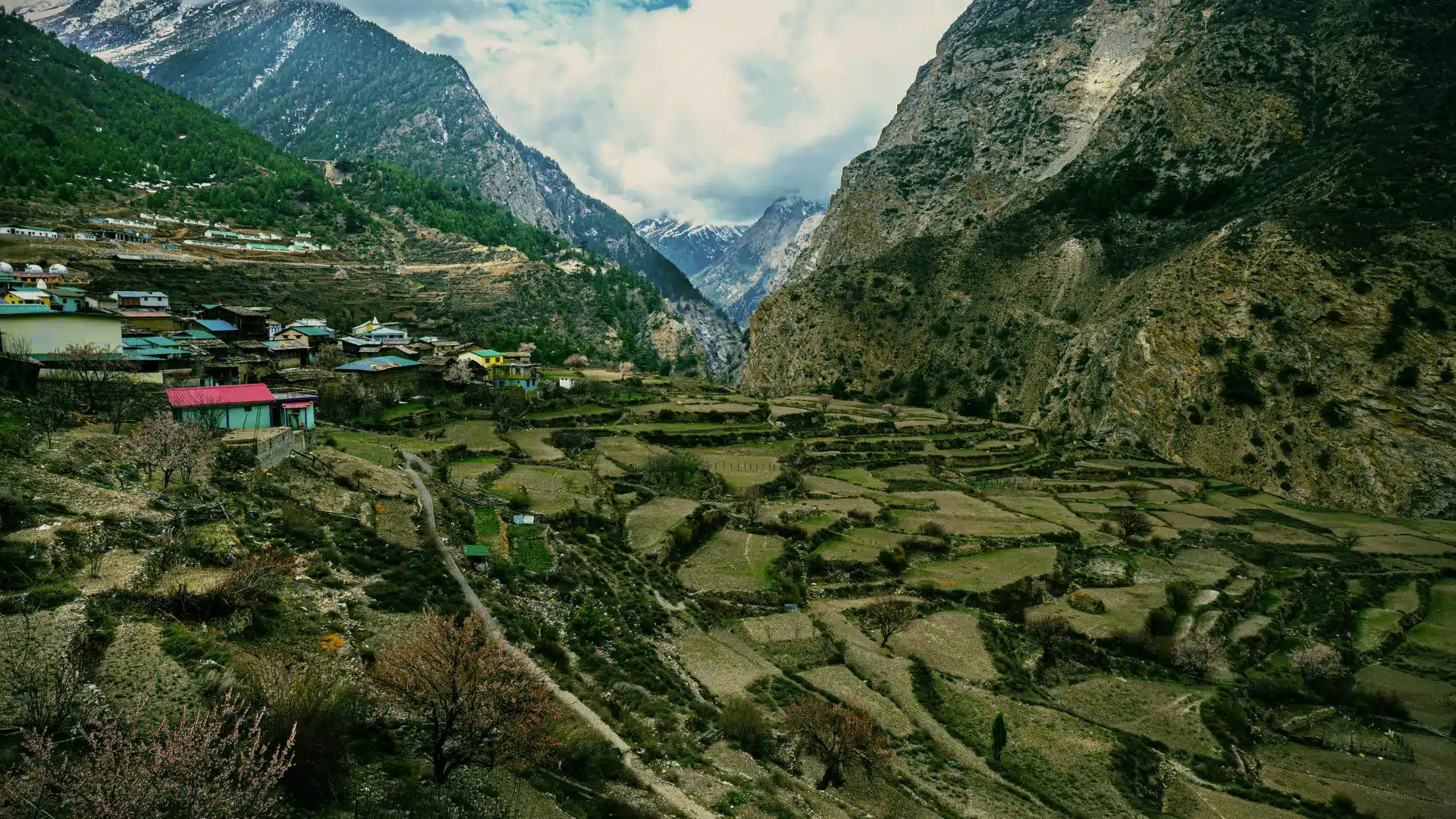
Film Production Services in India support one of the most diverse, large-scale, and…
Hoodlum offers expert film fixer services in India, supporting international productions across one of the world’s most visually diverse and cinematically rich filming destinations.
India is a subcontinent of extraordinary range — the Mughal architecture of Rajasthan’s palaces and forts, the backwaters and spice gardens of Kerala, the Himalayan peaks of Ladakh and Himachal Pradesh, the colonial waterfronts of Mumbai and Kolkata, the temple corridors of Tamil Nadu, the tea gardens of Darjeeling, the desert dunes of the Thar, the beaches of Goa, and the sacred ghats of Varanasi at dawn. No other single country on earth offers this breadth of visual environment within one administrative system.
India also has the world’s largest film industry by volume — Bollywood in Mumbai, Tollywood in Hyderabad, Kollywood in Chennai, and dozens of regional industries across the country. The crew ecosystem, equipment infrastructure, location management knowledge and production support network that have grown around these industries make India one of the most practically capable filming destinations in Asia for international productions of every scale.
India offers two distinct visa categories for film crews — the J Visa for journalism, documentary and commercial work, and the F Visa for feature films, drama series, reality shows and television productions. Film permits are issued through the Central Board of Film Certification, the Ministry of Information and Broadcasting, and the National Film Development Corporation of India. India is an ATA Carnet country. DGCA drone permits apply to aerial work.
India is a South Asian filming destination of unmatched visual diversity, serving productions across every genre from major feature films and luxury commercial campaigns to wildlife documentaries, travel programming and factual entertainment.
The country is served by major international airports in Mumbai, Delhi, Bengaluru, Hyderabad, Chennai, Kolkata and Kochi, with domestic flight connections to smaller regional airports across the subcontinent. India’s railway network — one of the world’s largest and most extensive — provides an alternative logistics option for productions working across multiple regions.
The main production centres are Mumbai (the commercial and feature film capital), Delhi (the national capital with its Mughal and colonial heritage), Jaipur and Rajasthan (palaces, forts, desert and traditional culture), Goa (coastal and colonial Portuguese heritage), Kerala (backwaters, spice plantations and tropical forest), Ladakh (high-altitude mountain desert), and Tamil Nadu (Dravidian temple architecture and coastal environments).
A successful India production requires parallel management of multiple approval processes. The visa category must match the production type. Film permits involve multiple central and state-level authorities. DGCA drone approvals can take two to eight weeks depending on location. ATA Carnet customs clearance takes approximately five working days. And location access often requires coordination with both central and local state authorities simultaneously.
Hoodlum manages those parallel processes so the crew arrives with everything in place.
India works for productions that need visual environments of extraordinary range, depth and authenticity — from Mughal palaces and Himalayan glaciers to tropical backwaters and ancient temple corridors — combined with a local production infrastructure of genuine scale and experience.
Strong production use cases include:
India’s domestic film industry — the world’s largest by production volume — means that local crew, equipment rental, location management and production support infrastructure exist at genuine scale across multiple cities. Productions can find experienced department heads, specialist crew, grip and lighting equipment and production vehicles at competitive rates in Mumbai, Delhi, Bengaluru, Hyderabad and Chennai.
English is widely spoken in professional and government contexts, which simplifies communication with permit authorities, location managers and production partners considerably.
India’s climate varies significantly by region, altitude and season. October to March is generally the best window across most of the country — dry conditions, comfortable temperatures and clear skies.
Regional seasonal considerations:
Productions working across multiple regions should plan seasonal timing individually for each location rather than treating India as a single climate zone.
India offers two distinct visa categories for film crews, and the correct category depends on the nature of the production.
J Visa (Journalist Visa) — covers filming for news features, current affairs, documentaries, music videos, commercials and similar content. Apply at the nearest Indian Embassy or Consulate. Valid for three months from the date of issuance (not from the date of entry).
F Visa (Film Visa) — covers filming for feature films, drama series, reality shows, TV shows and similar productions. Applications are processed through the Film Facilitation Office (FFO), cleared through the Ministry of Information and Broadcasting. Processing takes approximately three weeks.
Required documentation for both visa types:
Estimated cost: Approximately USD 225 for both visa types.
Selecting the correct visa category is essential. Productions that apply for the wrong category — documentary crews applying for J Visas when they should apply for F Visas, or commercial crews applying vice versa — create problems that are difficult to resolve after arrival.
Hoodlum helps productions confirm the correct visa category for each crew member’s role and the nature of the production before applications are submitted.
A filming permit is mandatory for all types of filming in India — commercial and non-commercial. Regulations around filming licences can change, and it is essential to confirm the required authorisations with the relevant authorities for each specific project.
Required documentation:
Processing time: Three to five working days.
Estimated cost: USD 500–2,000 depending on the number of crew members.
India’s permit requirements involve both central government authorities and state-level authorities depending on the locations. Filming in different states may require separate state government permissions in addition to central permits. Productions working across multiple states must plan for multiple simultaneous state-level permit processes.
Film permits in India are issued by the Central Board of Film Certification (CBFC), the Ministry of Information and Broadcasting, and the National Film Development Corporation of India (NFDC).
Required documentation:
Processing time: Approximately two weeks.
Estimated cost: USD 400 for a 30-day permit. USD 3,000 for fast-track permit processing.
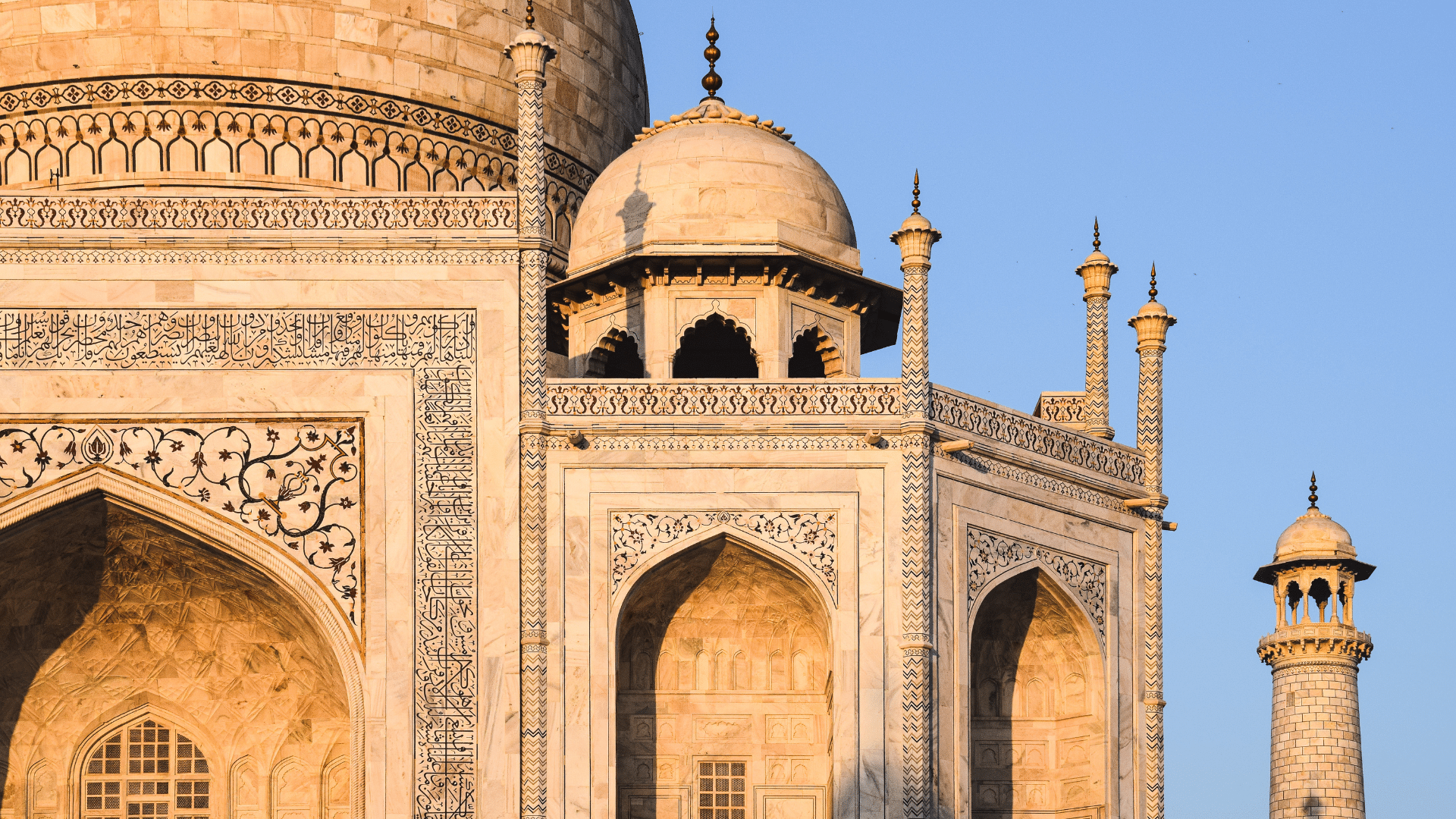
The fast-track option significantly reduces waiting time for productions with tight pre-production windows. For productions planning to film at protected monuments and archaeological sites managed by the Archaeological Survey of India (ASI) — including the Taj Mahal, Red Fort, Qutub Minar, Hampi and dozens of other heritage sites — separate ASI permissions are required in addition to the central film permit.
State-level authorities issue their own filming permissions for state-managed heritage sites, national parks and wildlife reserves. These run as additional parallel processes.
Hoodlum helps productions identify the full permission picture for their specific location list and manage all central, state and heritage authority processes simultaneously.
Mumbai — India’s commercial capital and the centre of the Hindi film industry. The Gateway of India, Marine Drive, Dharavi, the Art Deco Marine Lines boulevard, Bandra’s churches and Portuguese architecture, the Dharavi township, the fishing villages of Versova and Madh Island, and the film studios of Film City and Mehboob Studios give productions an extraordinary urban range. Marine Drive and gateway area filming requires Mumbai Police coordination.
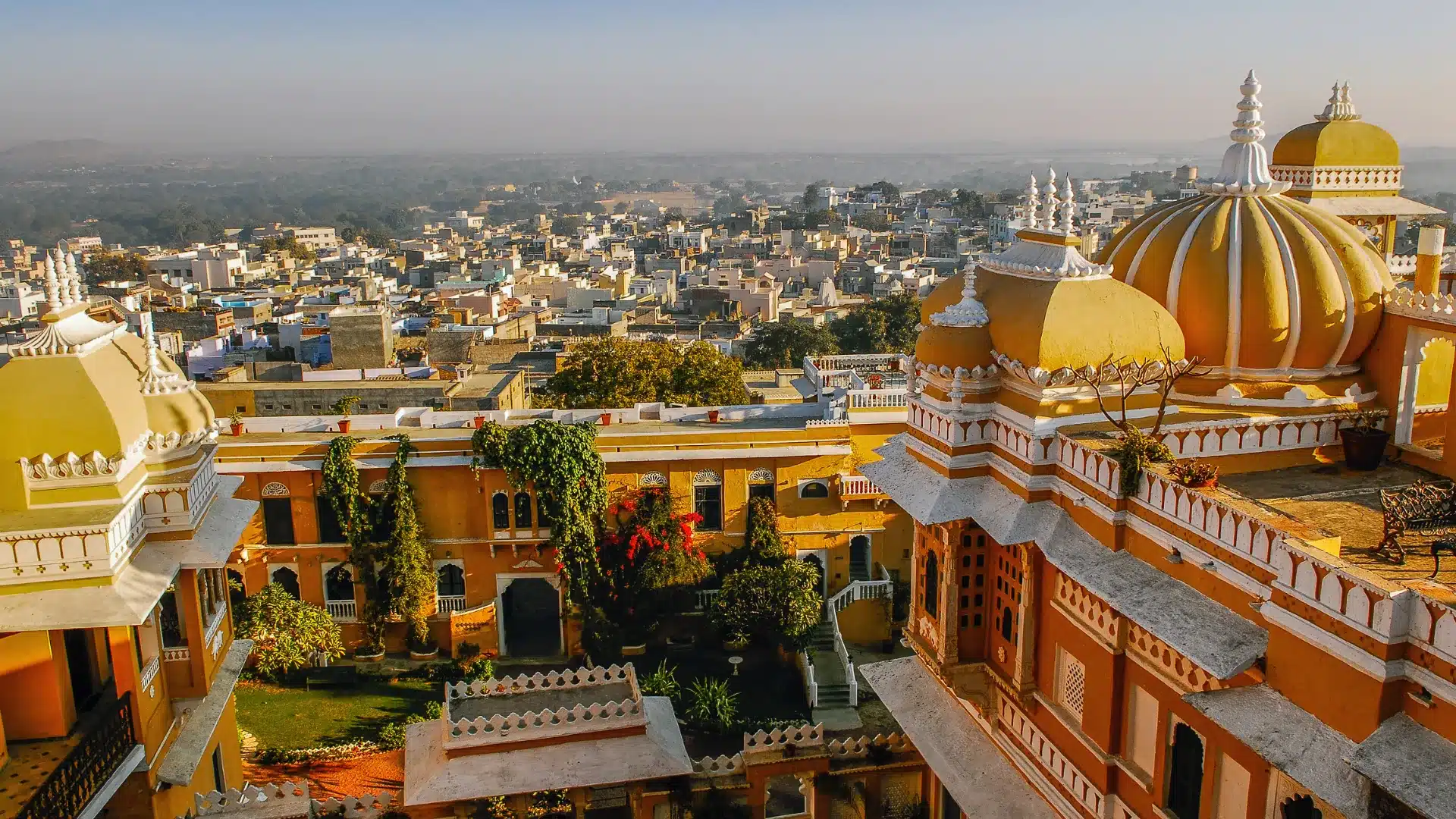
Rajasthan — India’s most requested filming region for international productions. Jaipur’s Pink City, Jodhpur’s Blue City, Udaipur’s lake palaces, Jaisalmer’s golden fort and desert, the Ranthambore tiger reserve and the painted havelis of Shekhawati. Private palace and haveli access requires individual agreements. Heritage site filming requires ASI or Rajasthan state authority permission.
Kerala — the backwaters around Alleppey and Kumarakom, the tea gardens of Munnar, the Periyar wildlife reserve, the beaches of Kovalam and Varkala, and the Chinese fishing nets of Kochi waterfront. Houseboat location logistics require individual operator agreements.
Ladakh — high-altitude desert mountain landscape, Buddhist monastery environments, pangong Lake and the Nubra Valley. Foreign nationals require Inner Line Permits for some Ladakh districts. Altitude acclimatisation planning essential for all locations above 3,500 metres.
Varanasi — the sacred city on the Ganges, home to the ghats where cremations, bathing rituals and religious ceremonies take place continuously. One of the most culturally sensitive filming environments in India. Strict protocols around filming cremations and religious rituals.
Goa — Portuguese colonial architecture in Old Goa, beach environments across the north and south coast, jungle and river environments inland. Coastal filming requires local authority coordination.
Tamil Nadu — Dravidian temple corridor architecture at Madurai, Thanjavur and Mahabalipuram. Tamil Nadu government permissions required for temple filming.
Darjeeling and northeast India — the tea gardens of Darjeeling, the Buddhist monasteries of Sikkim, the wildlife parks of Assam. Protected area and wildlife reserve permits required.
Drone operations in India are regulated by the Directorate General of Civil Aviation (DGCA). Drone import, registration and operational permits are all managed through DGCA.
Required documentation (local drone operations):
Required documentation (drone importation):
Issuing authority: Directorate General of Civil Aviation (DGCA).
Processing time: Two to eight weeks depending on filming location and city. This is a significant range. Productions should plan for the maximum timeline of eight weeks and confirm current processing times with Hoodlum before committing drone days to the schedule.
Estimated cost: Approximately USD 1,000 for permits and authorisation.
India has extensive no-fly zones around airports, military installations, government buildings, border areas and certain heritage sites. Drone operations above protected monuments, national parks and wildlife reserves require additional permissions from the relevant managing authority.
The variable processing time — two to eight weeks — reflects regional differences in DGCA processing capacity. Drone applications for shoots in remote or sensitive areas should be initiated as early as possible. Do not commit aerial sequences to the schedule without confirmed DGCA approval.
India is an ATA Carnet country. Professional filming equipment can be imported under the standard ATA Carnet system.
Required documentation:
Issuing authority: Airport Customs Department.
Processing time: Approximately five working days.
Estimated cost: Approximately USD 500.
Equipment imported via different entry points — Mumbai, Delhi, Bengaluru, Chennai — should have documentation reflecting the correct arrival location. Productions splitting equipment arrivals across multiple airports should prepare separate documentation for each arrival.
All items should be listed with serial numbers and values. Incomplete lists are the most common cause of customs delays in India.
India is a vast and diverse country. Many areas are safe and welcoming for international productions. Some areas and circumstances require additional planning and precautions.
Key safety and security considerations include:
India does not currently offer a national film rebate incentive programme. The financial case for filming in India is built primarily on competitive production costs — crew rates, location fees, equipment rental, accommodation and catering compare very favourably with Western production markets.
Some individual states and production hubs offer specific facilitation or incentive arrangements. Productions should confirm current availability of any state-level support with Hoodlum before budgeting.
J or F Visa (correct category by production type), CBFC and Ministry film permit, state-level filming permissions, ASI heritage site approvals, DGCA drone permit, ATA Carnet customs clearance and private location agreements are all separate processes. None covers the others.
A complete production plan connects:
Hoodlum manages all of these as one integrated pre-production workflow.
India is the right choice when a production needs a combination of Mughal heritage architecture, Himalayan mountain environments, tropical backwaters, desert landscapes, ancient temple corridors, vibrant megacity environments and one of the world’s most experienced and cost-competitive local production crews.
It is especially suitable for:
It may be less suitable for productions requiring very rapid central permit turnaround or single-authority approval systems — India’s layered central, state and site-specific permit structure requires genuine multi-authority management across parallel processes.
Avoid:
Support may include:
What visa do international film crews need for India? India has two visa categories for film crews. The J Visa covers journalism, documentaries, commercials and music videos. The F Visa covers feature films, drama series, reality shows and television productions. Selecting the wrong category creates problems on arrival. Processing: J Visa three months validity from issuance; F Visa approximately three weeks. Cost: approximately USD 225 for both.
How long should productions allow for film permits? The central film permit takes approximately two weeks. However, state-level permissions, ASI heritage site approvals and national park permits run as additional parallel processes. Allow four to six weeks minimum before the first filming day for all parallel processes to complete. DGCA drone approvals require two to eight weeks and should be initiated first.
Do productions need separate permissions for each Indian state? Yes. Filming in different states requires state government permissions in addition to the central CBFC and Ministry permit. Productions working across multiple states must manage multiple simultaneous state-level permit processes.
Can productions film at the Taj Mahal and other heritage sites? Heritage sites managed by the Archaeological Survey of India (ASI) — including the Taj Mahal, Red Fort, Qutub Minar, Hampi and many others — require specific ASI permissions in addition to the general film permit. These are separate processes. ASI permissions should be initiated in parallel with the central film permit.
Can productions use drones in India? Yes, but DGCA approval is required and processing takes two to eight weeks depending on location. Drone importation requires serial numbers and equipment details submitted to airport customs for authorisation. Cost: approximately USD 1,000. Initiate drone applications first given the variable processing timeline.
Is India a Carnet country? Yes — India is an ATA Carnet country. Customs clearance takes approximately five working days at a cost of approximately USD 500. Complete equipment lists with serial numbers and values are required.
Does India offer a film rebate? India does not currently offer a national film rebate programme. Some states offer specific facilitation. The financial advantage is primarily cost-competitive production infrastructure rather than formal rebate structure.
What are the best regions to film in India? Rajasthan for palace, fort and desert environments. Kerala for backwaters, tea gardens and tropical forest. Ladakh for Himalayan mountain desert. Varanasi for sacred Ganges ghat environments. Goa for colonial Portuguese coastal heritage. Mumbai for megacity commercial production. Tamil Nadu for Dravidian temple architecture. Each region has distinct permit, seasonal and logistics requirements.
Filming in India rewards productions that understand the layered, multi-authority nature of the permit system before pre-production begins.
The central film permit, the state-level permissions for each state where filming takes place, the ASI heritage site approvals for protected monuments, the DGCA drone permit and the ATA Carnet customs clearance are all separate processes managed by different authorities. None covers the others. A production that receives its central CBFC permit and considers all approvals complete has missed the most complex parts of the permission picture for any multi-location India shoot.
Understanding that structure, and running all parallel processes simultaneously with enough lead time, is what separates productions that arrive ready to work from ones that spend their first week resolving paperwork.
The India film permit is issued by the Central Board of Film Certification, the Ministry of Information and Broadcasting, and the National Film Development Corporation of India. Processing takes approximately two weeks from a complete application — faster than many comparable Asian filming destinations.
The standard 30-day permit costs USD 400. A fast-track permit costs USD 3,000 and significantly reduces the processing timeline for productions with tight pre-production windows.
Required documentation includes a letter requesting authorisation, filming equipment list, shooting locations and production duration. This documentation should be complete and accurate in the first submission.
The central permit covers general filming activity in India. It does not cover filming in specific states, which require separate state government permissions. It does not cover ASI-protected heritage sites, which require specific ASI approval. It does not cover national parks and wildlife reserves, which require park authority permits. Productions should plan all three as parallel processes from the outset.
The filming visa India process has a critical decision point that must be resolved before any visa application is submitted: which category applies to the production?
The J Visa covers journalism, documentaries, commercials, music videos and current affairs content. It is applied for directly at the nearest Indian Embassy or Consulate and is valid for three months from the date of issuance — not from the date of entry.
The F Visa covers feature films, drama series, reality shows and television productions. Applications are processed through the Film Facilitation Office and cleared via the Ministry of Information and Broadcasting. Processing takes approximately three weeks.
Both visas cost approximately USD 225. The distinction matters because applying for the wrong category — a documentary crew applying for F Visas, or a feature film crew applying for J Visas — creates complications on arrival that are difficult to resolve in-country.
Hoodlum confirms the correct visa category for every production before applications are submitted, based on the nature of the content, the crew roles and the production’s intended output.
Mumbai filming locations give productions access to India’s most diverse and production-ready urban environment. The commercial capital of India and the home of Bollywood, Mumbai offers the Bandra-Kurla corporate corridor, Marine Drive, the Art Deco Marine Lines waterfront, the colonial Victoria Terminus (CST) station, the Gateway of India and waterfront, the Dharavi township, the Portuguese fishing villages of Versova and Madh Island, and the major film studio infrastructure of Film City, Mehboob Studios and Natraj Studios.
Mumbai’s local crew base is the deepest and most internationally experienced in India. Department heads, specialist crew, experienced location managers, grip and lighting equipment and production vehicles are available at scale. Productions based in Mumbai for commercial and feature work will find the local production ecosystem supports them at a level comparable to major European and Asian production centres.
State-level permissions from the Maharashtra government apply to Mumbai filming alongside the central CBFC permit.
Rajasthan is India’s most requested filming region for international productions and one of the most visually distinctive locations in Asia.
Jaipur’s Pink City streets, the blue-washed hillside of Jodhpur and the Mehrangarh Fort above it, the lake palaces of Udaipur, the golden sandstone fort at Jaisalmer rising from the Thar Desert, the painted havelis of Shekhawati, the tiger reserve at Ranthambore — each offers a visual character that has appeared in international features, luxury campaigns, documentary films and fashion campaigns for decades.
Most major Rajasthan palace and fort locations are privately owned by royal families, managed as heritage hotels, or administered by state authorities. Individual written location agreements are required for most significant shoot environments. Heritage site filming at ASI-managed sites requires specific ASI permission. State heritage site filming requires Rajasthan state government coordination.
Hoodlum has established relationships with Rajasthan palace and haveli owners, ASI contacts and state authorities built through years of coordinating India location scouting across the region.
The DGCA drone permit India process takes two to eight weeks depending on the filming location and city. This variability — a range of six weeks — is the most significant planning uncertainty in India drone production, and it should be managed by assuming the maximum and confirming current timelines with Hoodlum as early as possible.
Drone applications should be initiated first in the pre-production calendar — before the central film permit, before visa applications, and before any other approval process. A drone application started the same week as the central permit application will still be within its processing window when everything else is confirmed.
Drone operations above ASI-protected monuments, national parks, wildlife reserves, military installations, airports and border areas require additional permissions from the relevant managing authority beyond the DGCA permit. Productions planning aerial work at the Taj Mahal, Ranthambore, Ladakh border areas or other sensitive locations must confirm those specific location permissions separately.
Drone importation requires serial numbers and a detailed equipment list submitted to airport customs for pre-authorisation. This should be prepared and submitted well before departure.
Kerala is among India’s most distinctive and most requested filming environments for international travel, lifestyle, wellness and nature productions.
The houseboat-filled backwaters of Alleppey and Kumarakom — palm-lined canals, rice paddy reflections and the vast Vembanad Lake — are unlike any other filming environment in India. The tea gardens of Munnar, rolling across high-altitude hillside in the Western Ghats, provide a landscape of extraordinary calm visual quality. The Periyar Tiger Reserve gives wildlife productions elephant, tiger and birdlife access within a managed forest environment. The fishing villages and Chinese fishing nets of Kochi’s Fort district, the colonial Portuguese architecture of Mattancherry and the vibrant Jewish Quarter give the city a layered heritage character distinct from any other Indian port.
State-level Karnataka and Kerala government permissions apply to filming across both states. Houseboat logistics and backwater access require individual operator coordination.
India customs clearance for filming equipment is supported by India’s ATA Carnet membership. Processing takes approximately five working days at a cost of approximately USD 500.
Complete equipment lists with serial numbers and values are required. Incomplete lists are the most common cause of customs delays in India. Every item — cameras, lenses, drones, batteries, lighting, grip, sound equipment, monitors and specialist gear — should be listed clearly before departure.
Productions bringing equipment into India through multiple entry airports — Mumbai for some crew, Delhi for others — should ensure documentation reflects the correct arrival location for each item. Mismatches between the Carnet and the actual entry port create clearance complications.
India location scouting at continental scale requires a fixer team with genuine regional knowledge across multiple states, climate zones and cultural contexts.
Rajasthan’s palace location management, Kerala’s backwater logistics, Ladakh’s altitude and restricted area permits, Tamil Nadu’s Dravidian temple authority relationships, Mumbai’s state-level commercial production coordination, Varanasi’s cultural sensitivity protocols and Delhi’s central heritage authority contacts are each distinct bodies of local knowledge that cannot be replicated generically.
Productions working across multiple Indian regions need a fixer who knows the specific permit routes, authority relationships, logistics realities and cultural protocols of each location — not a single-city expert stretched across unfamiliar territory.
Hoodlum’s India fixer network covers the full national geography with genuine regional depth, ensuring that location scouting recommendations reflect actual access conditions, real permit timelines and honest logistics realities across every Indian filming environment.
An India film fixer confirms the correct visa category for every crew role, submits the central CBFC and Ministry film permit, simultaneously initiates state government permissions for every state in the location list, coordinates ASI heritage site approvals for each protected monument, initiates DGCA drone applications first given the variable timeline, prepares ATA Carnet documentation, manages palace and haveli location agreements in Rajasthan, coordinates backwater and houseboat logistics in Kerala, plans Ladakh Inner Line Permits and altitude acclimatisation, coordinates police escort and crowd management for public location shoots, and plans multi-region logistics across a subcontinent where regional climate, permit processes and cultural protocols vary as significantly as they do between separate countries.
Film production India works most efficiently when Hoodlum is engaged four to six weeks before the first filming day at minimum. That window allows the central permit, state permissions, ASI approvals, drone applications and visa processes to run in parallel rather than sequentially.
Hoodlum provides full production support for international crews across all India filming locations — from early research and India location scouting through permit coordination, heritage site access, drone planning, customs clearance and on-the-ground production management across Mumbai, Rajasthan, Kerala, Delhi, Ladakh and all regional environments. For enquiries, visit hoodlum.tv/contact-us.
For productions building a South Asia film production guide — comparing India with Sri Lanka, Nepal, Bhutan, Bangladesh and Pakistan — India occupies a position of unmatched scale, visual diversity and production infrastructure depth.
It is the only South Asian country that combines Mughal palace heritage, Himalayan mountain environments, tropical backwaters, desert landscapes, ancient Dravidian temple corridors, a coastal range from the Arabian Sea to the Bay of Bengal, and the world’s largest film industry as a production support ecosystem — all within a single administrative framework with English-speaking government contacts and an established international production track record.
The trade-off is a permit system that requires multi-authority, multi-state management and a production team experienced in running parallel approval processes across different central, state and heritage authorities simultaneously.
Productions that plan correctly — visa category confirmed first, DGCA drone applications initiated immediately, central and state permits running in parallel, ASI heritage approvals alongside them, ATA Carnet documentation complete before freight is packed, and Hoodlum’s regional fixer network engaged across every location on the shot list — will find India delivers production value on a scale and at a cost that no comparable destination anywhere in the world can match.