

















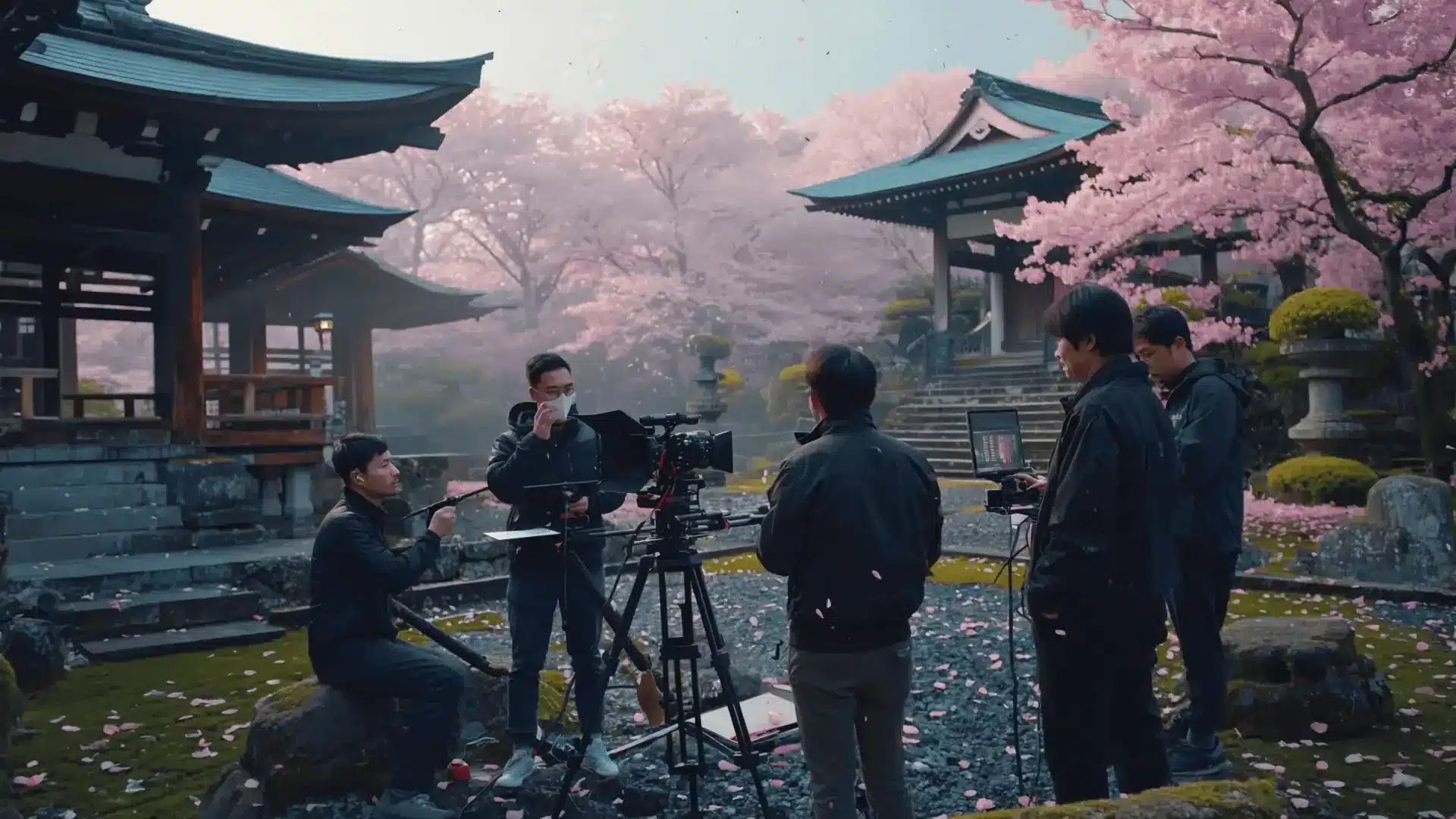
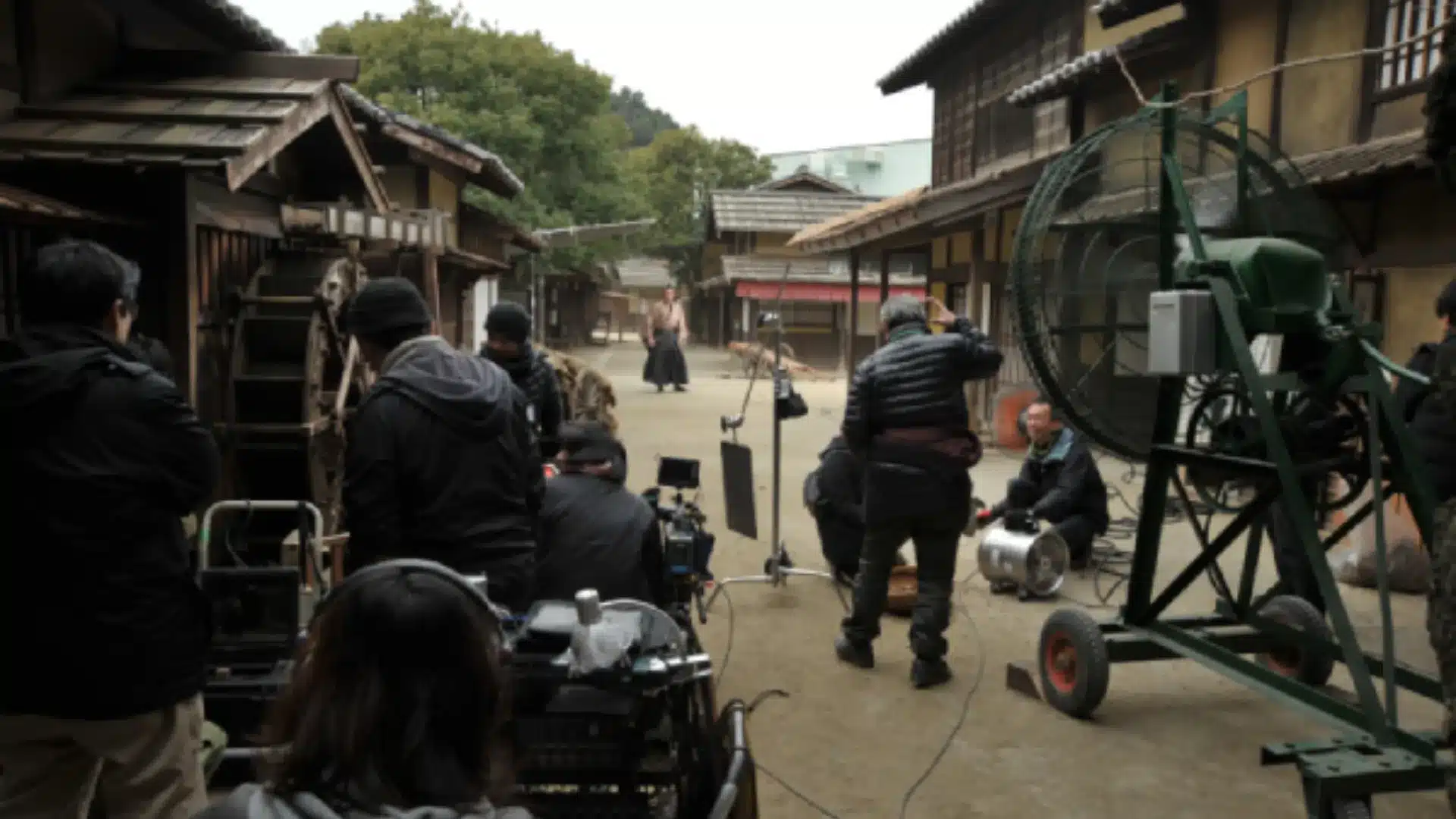
Hoodlum provides practical, fixer-led Film Production Services in Japan for international commercials, documentaries, factual television, branded content, feature films, streaming productions, music videos and stills campaigns. Japan can support filming across Tokyo, Yokohama, Osaka, Kyoto, Nara, Hokkaido, Nagano, Tohoku, Kyushu, the Seto Inland Sea and Okinawa, but the production plan must connect immigration status, local film commission support, police road-use permits, private location agreements, heritage access, drone approvals, ATA Carnet customs clearance, transport and detailed on-ground coordination. Hoodlum manages local producers, bilingual fixers, crew, permits, locations, equipment, vehicles and full production logistics through one locally controlled production plan.
Hoodlum’s international production services connect the creative brief with Japan’s municipal, prefectural, aviation, customs, property and cultural requirements before the crew travels.
Why Film Production Works Well in Japan
Japan offers a rare combination of dense modern cities, controlled commercial interiors, traditional architecture, mountain environments, volcanic terrain, snow, forests, industrial zones, rail infrastructure, fishing ports, agricultural areas and subtropical islands. The country can support high-end commercials, automotive projects, technology campaigns, fashion, food, factual series, documentary interviews, travel formats, scripted scenes and international co-productions that need a recognisable location identity and technically reliable production support.
The strongest advantage is not only visual range. Japan has experienced technical crew, advanced camera and lighting suppliers, established studios, disciplined transport systems and a national network of regional film commissions. The Japan Film Commission acts as a national first point of contact and connects productions with more than 130 regional film commissions, while the Japan Location Database allows producers to research locations and regional support before a recce. These resources are useful, but they do not replace the permissions of the police, road administrator, municipality, property owner, railway company, temple, shrine, park office, airport, port or other authority controlling the actual location.
Tokyo is the main operating base for many international productions in Japan. It offers the country’s deepest concentration of producers, bilingual coordinators, directors, camera crew, sound recordists, gaffers, grips, art departments, stylists, casting agencies, studios, equipment rental houses and post-production facilities. It can provide contemporary offices, luxury retail, residential neighbourhoods, neon commercial streets, elevated roads, waterfront architecture, industrial zones, traditional districts, controlled rooftops, hotels and private interiors.
Tokyo’s visual density also creates operational limits. Shibuya, Shinjuku, Ginza, Akihabara and other high-traffic districts are not informal backlots. Public space is busy, pedestrian control is limited, road permissions are handled locally and some high-profile areas are difficult to secure for disruptive filming. The Tokyo Location Box supports productions with location information and authority coordination, but applications still need accurate maps, camera positions, crew numbers, equipment footprints, timings, traffic impacts and safety plans. A smaller unit working from an authorised private property can sometimes achieve a more workable urban shot than a large crew attempting to control a major pavement or intersection.
Yokohama, Chiba, Saitama, Ibaraki and the wider Kanto region can extend a Tokyo schedule with ports, warehouses, modern civic architecture, suburban roads, coastal industrial sites, airports, open campuses, residential areas and production-friendly municipal locations. These areas may offer more controllable alternatives to central Tokyo while remaining within reach of the capital’s crew and supplier base. A location that doubles for Tokyo is only useful if the transport, parking, holding, power and permit conditions are stronger than the original city location, so Hoodlum compares creative value with the actual operating plan.
Osaka and Kobe provide a different urban production profile. Osaka can support commercial streets, food markets, nightlife, elevated transport, river corridors, dense neighbourhoods, modern business districts and controlled interiors. Kobe adds port infrastructure, waterfront architecture, slopes, residential districts and industrial context. The Kansai region has experienced crews and suppliers, but city, police, port, railway and private permissions remain location-specific. Public filming in busy entertainment or shopping districts should be designed around local operating windows rather than assuming that the street can be closed around the production.
Kyoto and Nara are important for productions that need traditional streets, machiya townhouses, gardens, temples, shrines, historic compounds, forest approaches and preserved urban texture. They are also among the most sensitive filming environments in Japan. Many temples and shrines are privately administered religious properties. UNESCO-listed and nationally designated cultural sites may have additional restrictions, visitor obligations and conservation controls. The Agency for Cultural Affairs protects nationally important cultural properties, while the owner, custodian, municipality or site administration usually controls practical access. Productions should expect limits on tripods, lighting, rigging, smoke, wardrobe areas, visitor interruption, drones and physical contact with historic surfaces.
Heritage access in Japan depends on trust, clear editorial information and a realistic equipment footprint. A general production letter will not automatically open a temple, shrine, palace, castle or historic garden. The local fixer should explain the script, intended representation, distribution, crew size, dates, equipment, insurance and restoration plan. Some locations may only allow a recce or a compact documentary unit. Others may approve controlled commercial work outside public hours. Hoodlum develops alternative locations and set-based options so the production is not dependent on one culturally sensitive site.
Hokkaido offers snow, winter roads, ski environments, volcanic landscapes, open agricultural land, coastal towns, fishing ports, forests and lower-density city environments around Sapporo, Hakodate and Asahikawa. It is relevant to automotive work, winter apparel, food, nature, factual television and scripted projects. Winter production requires snow vehicles, cold-weather camera planning, heated holding, battery management, road monitoring and weather contingency. Remote access can be reliable by international standards, but heavy snow, wind and road closures can still affect company moves.
Nagano, Niigata, Yamanashi and the Japanese Alps can provide mountain roads, ski areas, lakes, forests, traditional villages and high-altitude environments closer to the main Tokyo and Nagoya production corridors. Tohoku adds rural towns, coastline, agriculture, forests, winter landscapes and lower-density regional cities. Mountain and rural filming in Japan still requires owner or municipal consent, parking plans, safe roadside operations and respect for working farms, villages and local residents. A scenic route may not have a legal camera position, grip access or a safe place for production vehicles.
Kyushu can support volcanic landscapes, hot-spring towns, cities, industrial sites, agriculture, forests, coastal roads and island access. Fukuoka is a practical southern production base with crew, accommodation, transport and regional flight connections. Kagoshima, Kumamoto, Nagasaki, Oita and Miyazaki offer distinct regional environments, but volcanic activity, ferries, weather, remote roads and protected landscapes should be assessed before the shooting order is fixed.
Okinawa gives Japan a subtropical production option with beaches, coral-water environments, islands, coastal roads, military-adjacent zones, resort properties and distinctive local architecture. The region is relevant to swimwear, lifestyle, travel, marine, conservation and commercial work. Okinawa filming can involve separate island transport, ferry or flight capacity, typhoon exposure, protected marine areas and controlled airspace. Military facilities and surrounding areas are sensitive, and a location agreement or local film commission introduction does not override aviation, security or property restrictions.
Japan works best when creative development and operational planning happen together. Hoodlum’s Japan production support guide explains how municipal permissions, location management, bilingual coordination, transport and technical planning fit into international production. The earlier a producer identifies the real camera position, crew footprint, road impact and intended use, the more accurately the local team can confirm what is achievable.
Best Time of Year to Film in Japan
Japan has four distinct seasons, but conditions vary substantially between Hokkaido, the main island of Honshu, the Sea of Japan coast, the Japanese Alps, Kyushu and Okinawa. A countrywide schedule should not use one weather assumption for every region.
Spring and autumn are often the most manageable periods for exterior filming in central Japan. Temperatures can be comfortable and the seasonal look can support commercial, lifestyle, travel and scripted work. These periods are also popular with domestic and international visitors. Cherry blossom windows are brief and crowded, while autumn foliage locations can have strict access and visitor-management conditions. A production should not book a famous seasonal location on the assumption that public access can be controlled.
Early summer brings the rainy season to much of Japan, although timing differs by region. High summer can involve heat, humidity and strong sun, especially in Tokyo, Osaka, Kyoto and southern Japan. Heat planning should include shorter exterior blocks, shade, hydration, cooling areas, medical readiness and realistic resets for wardrobe, makeup and technical departments.
Typhoons can affect Japan from summer into autumn, with the greatest operational exposure often in southern and coastal regions. Flights, ferries, trains and road movement may be disrupted even when the filming location itself is not directly affected. Winter can be highly productive for Hokkaido, Nagano, Niigata and Tohoku, but snow continuity, road access, avalanche awareness, daylight hours and equipment protection must be planned properly.
Productions filming in Japan should plan around:
- Cherry blossom and autumn foliage crowd pressure
- Golden Week, Obon and New Year travel demand
- The rainy season and exterior weather cover
- Summer heat and humidity in major cities
- Typhoon risk for coastal and island schedules
- Snow, ice and shorter daylight in winter regions
- Festival dates, school calendars and local events
- Railway, ferry and domestic flight capacity for regional moves
The Japan Meteorological Agency provides official weather, earthquake, volcano and severe-weather information. Hoodlum uses the location schedule, not only the national forecast, to build weather options, travel buffers and crew-welfare planning.
Visa and Entry Requirements for Crew
Japan’s entry requirements depend on nationality, residence, length of stay and the activity each crew member will perform. Some passport holders can enter Japan without a visa for a short stay, but visa exemption generally applies where the visitor will not engage in income-earning activity. The Ministry of Foreign Affairs visa guidance should be checked for every nationality before flights are confirmed.
A tourist or short-term visitor route should not be assumed to cover commercial production work. Japan’s Immigration Services Agency specifically lists advertising activity, film or broadcast production, commercial photography and commercial recording under the criteria for the status of residence known as Entertainer. That does not mean every foreign producer, client, technician, journalist or documentary crew member uses the same category. The correct status depends on the role, contract, remuneration, duration, commissioning structure and activity in Japan.
Where an Entertainer visa is appropriate, a Japanese receiving organisation may need to support a Certificate of Eligibility application. The Ministry of Foreign Affairs Entertainer visa page lists a passport, application form, photograph and Certificate of Eligibility among the standard documents, with contracts, CVs and evidence of professional history required in relevant cases. Processing without a Certificate of Eligibility can require substantially more documentation and may take longer.
Typical production entry information may include:
- Passport details and nationality
- Crew role and department
- Employment or service contract
- Japanese receiving company or production partner
- Project synopsis and distribution information
- Shooting and travel dates
- Schedule of activities in Japan
- Accommodation and domestic travel plan
- Remuneration arrangements
- Equipment and drone responsibilities
- Certificate of Eligibility, where required
- Invitation and guarantee documents, where applicable
Hoodlum helps productions map each crew member to the proposed activity and coordinate with the Japanese production partner before travel. The aim is to keep immigration documents, permit applications, crew lists, contracts and call dates consistent. A last-minute role change can affect more than the call sheet if the person’s immigration status was prepared for a different activity.
International Crew Accreditation and Work Permissions
Japan does not operate one universal international film-crew accreditation card that replaces immigration, permits and location approvals. International productions usually work through a Japanese production company, service producer, line producer or bilingual fixer who can support immigration documents, contracts, municipal applications, police liaison and communication with local stakeholders.
The Immigration Services Agency’s Entertainer criteria for film and commercial production include movie production, broadcast production, advertising activity and commercial photography. Applications can require evidence of the applicant’s professional history, the specific activity, period, position and remuneration, information about the receiving organisation and a detailed activity schedule. The production should confirm the correct route with qualified immigration support rather than treating the category name as a complete answer.
Foreign journalists, news camera crews, photographers, performers, presenters, directors, agency personnel and technical crew may have different immigration considerations. Unpaid attendance, client observation and active production work are not necessarily treated in the same way. Crew members should not describe the purpose of travel differently across the visa file, customs declaration and film-permit applications.
Typical crew documentation may include:
- Master crew list with roles and nationalities
- Passport scans and contact information
- Contracts or letters of engagement
- CVs and professional credits
- Production company and Japanese partner details
- Shooting schedule and location list
- Accommodation and travel plan
- Insurance certificates
- Equipment responsibilities
- Health and emergency information
Hoodlum coordinates the production file through our Film Production Services in Japan so the information submitted to immigration, film commissions, owners, police, customs and aviation authorities remains aligned.
Film Permits and Production Approval
Japan does not have one national permit that authorises filming everywhere. The Japan Film Commission can provide national guidance, regional introductions, location information and support in identifying local production companies. Regional film commissions can help with municipal locations, public institutions and local authority communication. The final approval still comes from the body that controls the road, park, building, railway, port, airport, cultural site or private property.
A permit strategy should start with a location-control map. Each proposed shot should identify the camera position, subject, equipment, crew, public impact, vehicle plan and controlling stakeholder. A wide shot from a private rooftop, a camera on a public pavement and a vehicle-mounted shot on a road can involve three different permissions even when they capture the same building.
For road filming, a road-use permit from the relevant police chief may be required. In Tokyo, official guidance also explains that a road-occupation permit from the road administrator may be needed when equipment or structures continuously occupy the road. A road-use permit is not the same as permission to close the street. Major downtown road closures are difficult because of traffic, security and public impact. The Tokyo Location Box road-filming guidance gives a useful example of the documents normally expected, including a precise map, layout and detailed description of the filming method.
Other production elements may trigger additional approvals:
- Traffic or pedestrian management
- Parking reservation and unit-base use
- Fire, smoke, artificial weapons or special effects
- Night work, noise or strong lighting
- Cranes, tracking vehicles or structures
- Filming inside public buildings
- Railway station, train, metro or platform access
- Airport, port and border-related locations
- Parks, beaches, rivers and protected landscapes
- Police, fire or emergency-service support
Permit processing time depends on the authority, location and complexity. Tokyo’s road guidance describes a three-to-five-day issuance period after a complete submission in some cases, but a production should allow more time for consultation, revision and separate road-administrator approval. Heritage sites, transport operators, special effects, major public areas and multi-agency shoots can require significantly longer.
Hoodlum translates the creative plan into an authority-ready production file. We prepare maps, diagrams, crew and vehicle lists, insurance, safety plans, schedules, script extracts, resident notices and technical descriptions. We also confirm what the permit does not cover so that the production does not arrive with approval for filming but no legal place to park, light, load or hold the crew.
Private Locations and Location Agreements
Private locations in Japan are negotiated with the owner, tenant, operator or authorised management company. These may include homes, offices, hotels, restaurants, shops, factories, warehouses, farms, studios, rooftops, schools, hospitals, sports facilities, resorts and private transport environments. A signed agreement should be completed before the production commits travel, art work or specialist equipment.
A Japan location agreement should confirm:
- Approved dates, hours and access routes
- Areas included and excluded
- Crew, cast and vehicle numbers
- Parking, loading and holding arrangements
- Power, water and facility use
- Equipment, rigging and floor protection
- Art dressing and restoration
- Noise, lighting and neighbourhood rules
- Fire, smoke, food or special-effects restrictions
- Security, privacy and confidentiality
- Brand, signage and artwork clearance
- Fees, overtime and cancellation terms
- Insurance and damage procedures
Commercial properties may require approvals from the building owner, tenant, management association and security company. Residential areas can be sensitive to noise, parking and visible production activity. A private agreement does not authorise the crew to place equipment on the public pavement, direct traffic or fly a drone over neighbouring property.
Temples, shrines, castles, gardens and traditional buildings require a culturally informed approach. Many are active religious or community spaces rather than static heritage attractions. The production should explain costume, dialogue, scene context, props, camera movement and intended distribution. Some properties will reject content that conflicts with religious use or public reputation. Hoodlum provides bilingual location management and ensures the international team understands behavioural, footwear, food, touching, photography and access restrictions before the technical recce.
Railway and transport filming is also property-controlled. Stations, trains, platforms, depots and trackside areas are managed by their operators, and filming may need safety supervision, restricted hours, technical review and a substantial lead time. A public ticket does not create a commercial filming right. Hoodlum develops transport alternatives, controlled platforms, heritage railways, sets or private vehicles where the operational limits of the first-choice location do not fit the scene.
Drone Filming Requirements
Professional drone filming in Japan is regulated under the Civil Aeronautics Act and related rules administered by the Ministry of Land, Infrastructure, Transport and Tourism. The official DIPS 2.0 system handles unmanned aircraft registration, flight permission and approval applications, flight-plan notifications and other procedures.
Unmanned aircraft weighing 100 grams or more are subject to the registration system. An unregistered aircraft may not be flown, and the aircraft generally needs its registration ID displayed and a remote ID function unless an exemption applies. Registration is only the first step. Specified flights can require prior permission or approval, including operations in controlled airspace or densely inhabited districts and certain methods such as night, beyond-visual-line-of-sight or close-proximity flight.
The MLIT flight-permission portal advises applicants to submit at least ten working days before the scheduled flight. More time may be needed where the application is incomplete, the operation involves airport airspace, the location is sensitive or coordination with an airport office is required.
Typical drone planning includes:
- Japanese registration status and remote ID
- Aircraft make, model, weight and serial number
- Pilot information and qualifications
- Insurance
- Exact coordinates, route, altitude and operating dates
- Airspace and airport checks
- Safety perimeter and third-party controls
- Spotters and communication procedures
- Flight permission or approval, where required
- Flight-plan notification
- Property-owner permission
- Municipal, park, heritage or police coordination
- Weather limits and emergency procedures
A DIPS approval does not grant access to the take-off site and does not replace the property owner’s consent. It also does not override local ordinances, national-park controls, temple restrictions, event rules or security limitations. Tokyo, Osaka, airport regions and densely inhabited areas often require a highly controlled plan. For many urban shoots, a locally registered aircraft and experienced Japanese operator can be more practical than importing a foreign drone and building the compliance structure from the beginning.
Hoodlum coordinates drones as part of the full production schedule. We compare the creative need with legal airspace, property access, public control, weather and alternative equipment such as cranes, cable systems or elevated private positions. The aim is to secure the shot without making the entire day dependent on an approval or weather condition that cannot be controlled.
Equipment Customs Clearance
Japan accepts ATA Carnets for the temporary admission of professional equipment. Japan Customs explains that an ATA Carnet can replace national customs documents and act as security for eligible temporarily imported goods, including professional equipment, provided the carnet is valid and the goods are re-exported in accordance with the rules.
Camera, sound, lighting, grip, data, drone and specialist equipment should be listed accurately. Each serialised item should match the carnet or temporary import documents. Consumables, giveaways, items left in Japan and equipment intended for sale are not treated in the same way as professional gear that will be re-exported.
Typical customs preparation includes:
- ATA Carnet issued in the country of origin
- Detailed equipment list
- Serial numbers, quantities and values
- Ownership or rental documentation
- Production invitation or local partner letter
- Crew member responsible for the carnet
- Freight or airline details
- Drone registration and import information
- Restricted-item permits, where applicable
- Re-export and exit-port plan
Japan Customs also provides temporary-admission procedures outside the ATA system in qualifying cases, but these can involve national documents, security and more detailed coordination. The chosen route should be confirmed before freight is booked. A carnet only works when it is presented and endorsed correctly at export, import, re-export and final return. Missing a customs stamp can create a claim even when the equipment physically left Japan.
Productions should distinguish accompanied baggage from freight. A large camera package, lithium batteries, radio equipment, vehicles or specialist rigs may need airline, dangerous-goods, communications or broker planning in addition to customs clearance. Hoodlum checks local rental alternatives and the cost of importing versus sourcing in Japan. Tokyo and Osaka have strong equipment markets, but specialised lenses, motion-control systems, underwater equipment, large cranes or unusual vehicles should be reserved early.
Safety and Security for Productions
Japan is a structured production environment, but safety planning still needs to address natural hazards, urban density, transport, heat, winter weather, water, mountains and the actual technical activity. Earthquakes can occur without warning. Typhoons, heavy rain, snow, volcanic alerts, heat and coastal hazards can disrupt access and transport. The production should monitor official information from the Japan Meteorological Agency and follow local emergency instructions.
Urban filming requires controlled equipment movement and respect for public flow. Narrow pavements, station entrances, bicycle traffic, deliveries and residential access can conflict with the production footprint. Heavy cases should not be left unattended, and vehicle doors, cables and lighting stands must not obstruct public movement. Local security may be useful for high-value equipment, talent protection or controlled commercial properties, but the main safety tool is a well-designed location plan.
Mountain, snow and coastal shoots require specialist risk assessment. Winter roads need suitable vehicles and drivers. Alpine locations may require guides, avalanche awareness and weather limits. Marine work needs vessel, tide, rescue and communications planning. Remote island schedules should include medical access and evacuation options.
Crew welfare in Japan should also account for long travel days, railway timing, heat, language, dietary needs and the expectation that locations will be handed back exactly as agreed. Neighbour and owner relationships can be damaged by small breaches such as blocking a doorway, filming beyond the agreed time or leaving marks on a protected surface. Hoodlum briefs each department on the location conditions rather than relying on the production office to solve issues after they occur.
Insurance should match the activity. Public liability, workers’ compensation, equipment, vehicles, drones, marine work, special effects and property damage may require different cover. A location or authority may request a Japanese-language certificate or specific insured party. Hoodlum coordinates insurance requirements with the permit and contract process so that a missing endorsement does not delay access.
Japan Film Incentive and Large-Scale Production Support
Japan has developed national support for large-scale international audiovisual productions, but the programme should be treated as an application-based subsidy rather than an automatic rebate available to every shoot. The current Ministry of Economy, Trade and Industry content-support menu includes support for large-scale live-action production involving a Japanese production company working with or commissioned by an overseas studio.
The current programme information lists a subsidy rate of one-half and a maximum of JPY 1.5 billion per project. It also lists domestic production expenditure of at least JPY 800 million among the principal scale criteria for the large-production support route. Application rounds, deadlines, eligible costs, assessment criteria, funding availability and project conditions can change, so the active Japanese-language guidelines take precedence.
The earlier JLOX+ location incentive was operated by the Visual Industry Promotion Organization with Japan Film Commission coordination. It required a Japanese applicant and supported selected international productions with substantial local expenditure. The current structure continues the principle that an overseas production normally needs a qualifying Japanese production partner to apply and administer the subsidy.
A producer should not insert the headline percentage into the finance plan before confirming:
- The current application round is open
- The project meets scale and market criteria
- A qualifying Japanese applicant is attached
- The production and financing structure is eligible
- The Japan spend meets the relevant threshold
- Costs fall within the approved period
- Contracts, invoices and payments meet the rules
- Audit, reporting and promotional obligations are understood
- Cash flow can carry the project before final payment
Japan also has regional support offered by some prefectures, cities and film commissions. This may include location support, introductions, reduced public-location fees, local grants or other non-tax assistance. Regional support is not uniform and may be limited by fiscal year, content, applicant type or local economic impact.
Hoodlum helps productions model Japan with and without incentive support. We can coordinate a Japanese production structure, local budget, crew plan, supplier contracts, location schedule and documentation process. For smaller commercials, documentaries and branded projects, the national large-scale subsidy may not apply, but Japan can still be viable because of location value, local crew, equipment access and efficient technical execution.
How the Main Approvals Fit Together
The main Japan approvals are connected, but none replaces the others.
Visa exemption or a visa deals with entry and immigration status. It does not approve filming. A relationship with Japan Film Commission or a regional film commission helps identify locations and authorities, but it does not override the police, municipality, road administrator, property owner or transport operator. A road-use permit does not provide a private unit base. A location agreement does not authorise equipment on the public pavement. A DIPS approval does not grant take-off access. An ATA Carnet clears equipment temporarily but does not authorise its use at a protected location. Incentive approval does not replace permits, immigration, insurance or customs.
A complete production plan connects:
- Ministry of Foreign Affairs and Immigration Services Agency requirements for crew entry and work status
- Japan Film Commission and regional film commission coordination
- Municipal approvals for public locations and facilities
- Police road-use permits and road-administrator permissions
- Private owner, building manager and neighbourhood agreements
- Railway, airport, port and transport-operator approvals
- Cultural-property, temple, shrine and heritage access
- National park, environmental and local landscape controls
- MLIT and DIPS 2.0 drone procedures
- Japan Customs and ATA Carnet clearance
- Insurance, safety, emergency and restoration plans
Hoodlum keeps the dates, locations, crew, equipment and production description consistent across each approval. This is especially important in Japan because one creative change can affect several locally controlled permissions. Moving the camera by twenty metres may shift the shoot from private land to a public road, from one police jurisdiction to another or into a different airspace condition.
When Japan Is the Right Choice
Japan is a strong production choice when a project needs a highly recognisable Asian setting, advanced urban infrastructure, modern architecture, rail and technology context, traditional streets, controlled commercial interiors, winter landscapes, mountains, volcanic terrain, coastal environments or subtropical islands. It is particularly relevant to technology, automotive, fashion, food, luxury, travel, documentary, factual television, streaming and feature work that benefits from Japan’s visual identity.
Japan works best for productions that can prepare detailed location plans and respect local operating structures. The country rewards accurate call times, compact footprints, clear diagrams, bilingual communication and careful restoration. It is less suitable for a production that needs to improvise disruptive public filming, change roads and drone coordinates at the last minute or assume that a famous location will close around the camera.
Japan can also be cost-effective when the production uses local crew, equipment and controlled alternatives intelligently. It may become expensive when an international unit imports unnecessary gear, moves too many people through crowded cities, books famous locations without a fallback or treats overtime and late changes casually. Hoodlum’s production support in Japan is designed to test these assumptions before the budget is committed.
For multi-country projects, Hoodlum compares Japan with other Asian production environments through our global production network. We assess location match, immigration, crew, equipment, incentives, customs, drones, language, season and permit complexity. When Japan is the right choice, we build the local structure around the project rather than forcing the project into a generic service package.
Common Mistakes to Avoid
One common mistake is assuming that visa-free entry means a crew member can perform commercial production work. Immigration status must be checked against the actual activity, contract and remuneration.
Another mistake is looking for one Japan-wide filming permit. Japan Film Commission and regional film commissions provide valuable support, but the owner or authority controlling each location still decides access. Roads, parks, stations, temples, offices and private rooftops are separate permission routes.
Productions also underestimate road-use requirements. A small handheld unit may be manageable, but tripods, lights, vehicles, crowd impact and traffic control can trigger police and road-administrator procedures. A permit to use a road is not permission to close it.
Drone planning is frequently left too late. Aircraft weighing 100 grams or more must be registered, specified flights can require approval, and DIPS applications should normally be submitted at least ten working days before the flight. Property, park and heritage consent remains separate.
Customs mistakes can be expensive. Equipment lists with missing serial numbers, incorrect values or unclear ownership create pressure at entry. A carnet that is not endorsed correctly can create a financial claim after the shoot.
Heritage access is another risk. A temple, shrine or cultural property may restrict commercial content, lighting, tripods, drones, wardrobe, visitor interruption and physical contact. The production needs a culturally clear request and a genuine alternative location.
International teams sometimes over-rely on trains for equipment movement. Japan’s passenger rail network is excellent, but a production carrying cases, wardrobe and technical equipment may still need vans, freight delivery, parking and load-in planning. Peak-hour movement can be impractical.
Finally, productions can underestimate the consequences of small schedule changes. In Japan, owner availability, police jurisdiction, railway windows and local staffing are often tied to exact times. Hoodlum identifies decision deadlines and protects the permit structure from late creative drift.
How Hoodlum Supports Local Production
Japan has an experienced production sector with bilingual producers, directors, assistant directors, camera operators, focus pullers, DITs, sound recordists, gaffers, grips, art departments, stylists, hair and makeup, casting teams, location managers, drivers, translators, drone operators and post-production specialists. Tokyo has the broadest supplier base, with strong capability also available in Osaka, Kyoto, Fukuoka, Sapporo and other regional hubs.
A local fixer is essential when a shoot involves multiple municipalities, culturally sensitive properties, public filming, contributors or regional travel. The fixer identifies who controls the location, makes the correct introduction, translates the production purpose, coordinates recces and ensures the international team understands the agreed conditions. A Japanese line producer then connects permits, contracts, suppliers, labour, transport, accommodation, accounts and safety to the overall schedule.
Hoodlum’s international production services scale to the project. A two-person documentary unit may need research, interviews, translation, permits, transport and customs support. A commercial may require casting, location builds, traffic control, multiple vehicles, equipment, agency handling and strict client review. A feature or streaming project may need a Japanese co-producer, incentive planning, studios, large local departments and multi-prefecture logistics.
Our Japan support can include:
- Japanese service producer and line producer coordination
- Bilingual film fixers and production coordinators
- Immigration and crew documentation support
- Japan Film Commission and regional film commission liaison
- Municipal and police permit applications
- Road-use and public-space planning
- Private location research and agreements
- Temple, shrine and cultural-property enquiries
- Railway, airport, port and controlled-site coordination
- Casting, contributors and local research
- Local crew and equipment sourcing
- DIPS 2.0 and drone-operator coordination
- ATA Carnet and temporary import planning
- Vehicles, drivers, accommodation and catering
- Safety, weather and emergency planning
- Incentive feasibility and Japanese partner coordination
- On-set production management and wrap reconciliation
Hoodlum begins with the brief, intended locations, dates, crew nationalities, equipment, drone requirements, distribution and budget. We then map the authority route and identify the decisions that must be made before recce, permit submission, travel and equipment booking. This prevents a location option from staying in the deck after it has become operationally unrealistic.
For a Japan production assessment, contact Hoodlum with the synopsis, schedule, target locations, crew list, equipment plan and aerial requirements. We will structure the local production route around the actual project rather than offering a generic list of services.
FAQ Section
Do international film crews need a visa to film in Japan?
It depends on nationality and activity. Some nationals can enter Japan visa-free for short stays where they will not undertake income-earning activity. Commercial film, broadcast, advertising and photography work may require an appropriate work status, including the Entertainer category in relevant cases. Each crew role should be checked before travel.
Is there one national film permit for Japan?
No. Japan Film Commission provides national guidance and connects productions with regional film commissions, but the authority or owner controlling each road, park, building, station, temple, port, airport or private property issues the relevant permission.
How long do film permits take in Japan?
Timelines vary. A straightforward private agreement may move quickly, while roads, railways, cultural sites, special effects, airports and major public locations need more time. Tokyo’s road guidance gives three to five days after complete submission for some road-use permits, but consultation and related approvals should begin earlier.
Can productions film on streets in Tokyo?
Yes, subject to the location and filming method. A road-use permit from the relevant police chief may be required, and a separate road-occupation permit may be necessary where equipment or structures occupy the road. Major closures in central districts are difficult, so a local fixer should test the camera position and public impact early.
Can foreign productions use drones in Japan?
Yes, but unmanned aircraft weighing 100 grams or more are subject to registration. Specified flights may require prior MLIT permission or approval through DIPS 2.0, and flight-plan notification may also be required. Property, park, heritage and local permissions remain separate.
Is Japan an ATA Carnet country?
Yes. Japan accepts ATA Carnets for eligible professional equipment temporarily imported and re-exported. The carnet and serialised equipment list must be accurate and properly endorsed at each customs stage.
Can crews film at temples and shrines?
Potentially, but access is controlled by the owner or religious institution. Commercial context, crew size, equipment, wardrobe, lighting, drones, visitor impact and intended representation can all affect approval. A local introduction and clear written request are essential.
Does Japan offer a film rebate or incentive?
Japan currently offers application-based support for qualifying large-scale live-action productions. The current METI support menu lists a subsidy rate of one-half and a maximum of JPY 1.5 billion per project, subject to scale, Japanese applicant, assessment, eligible cost and current call requirements.
What is the best production base in Japan?
Tokyo is the main base for many international shoots because it has the strongest crew, equipment, studio, casting and post-production network. Osaka, Kyoto, Fukuoka and Sapporo are useful regional bases depending on the location plan.
Why use a local fixer in Japan?
Japan’s approvals are local, detailed and culturally specific. A fixer identifies the controlling authority, communicates in Japanese, arranges recces, supports permits, manages contributors and protects the production from misunderstandings around roads, property, public behaviour, heritage and schedule changes.
External Authority Links
- Japan Film Commission
- Japan Location Database
- Ministry of Foreign Affairs of Japan – Visa Information
- Immigration Services Agency – Entertainer Status for Film and Commercial Production
- Tokyo Location Box
- Tokyo Location Box – Filming on Roads
- Ministry of Land, Infrastructure, Transport and Tourism – Drone Rules
- DIPS 2.0 Drone Portal
- Japan Customs – Temporary Admission Procedures
- Agency for Cultural Affairs
- Ministry of the Environment – National Parks of Japan
- Ministry of Economy, Trade and Industry – Content Industry Support
- Japan Meteorological Agency
Planning a shoot in Japan? Contact Hoodlum for ward and prefectural film permits, location agreements, temple and shrine authorisations, local fixers, customs and ATA Carnet planning, drone coordination, cultural protocol, crew and equipment sourcing, transport logistics and full on-ground production management. You can also view the Hoodlum Film Fixers Japan Google Business Profile for local production details.