Film Production Services in Romania
Hoodlum provides practical, fixer-led Film Production Services in Romania for international productions that need permits, local crew, location access, customs, drones, transport, incentives guidance and full production support. Romania is a strong European filming destination with experienced local crew, a wide variety of locations, Schengen access, ATA Carnet customs procedures, EU drone regulation and a cash rebate incentive that can support eligible international productions.
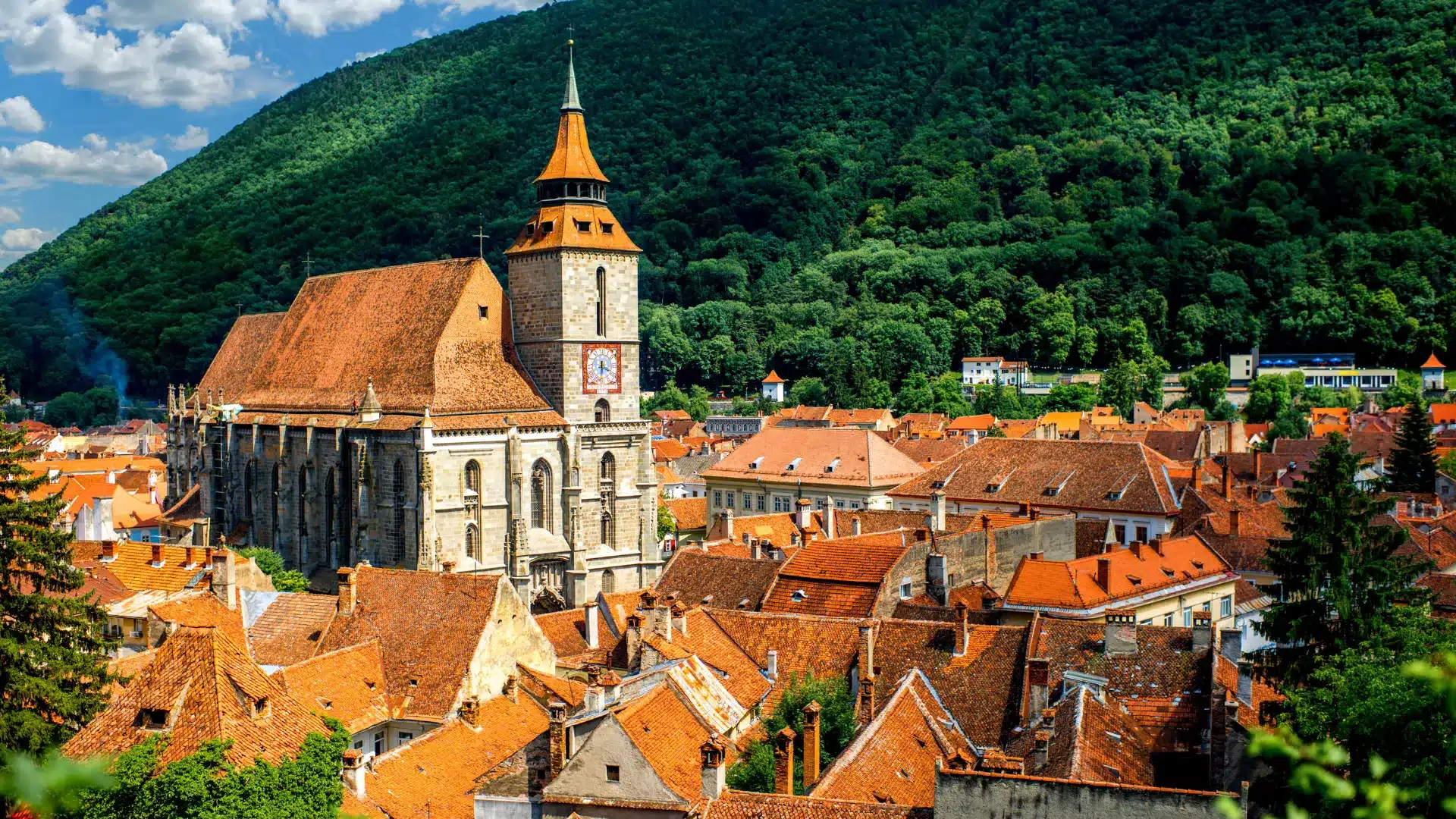
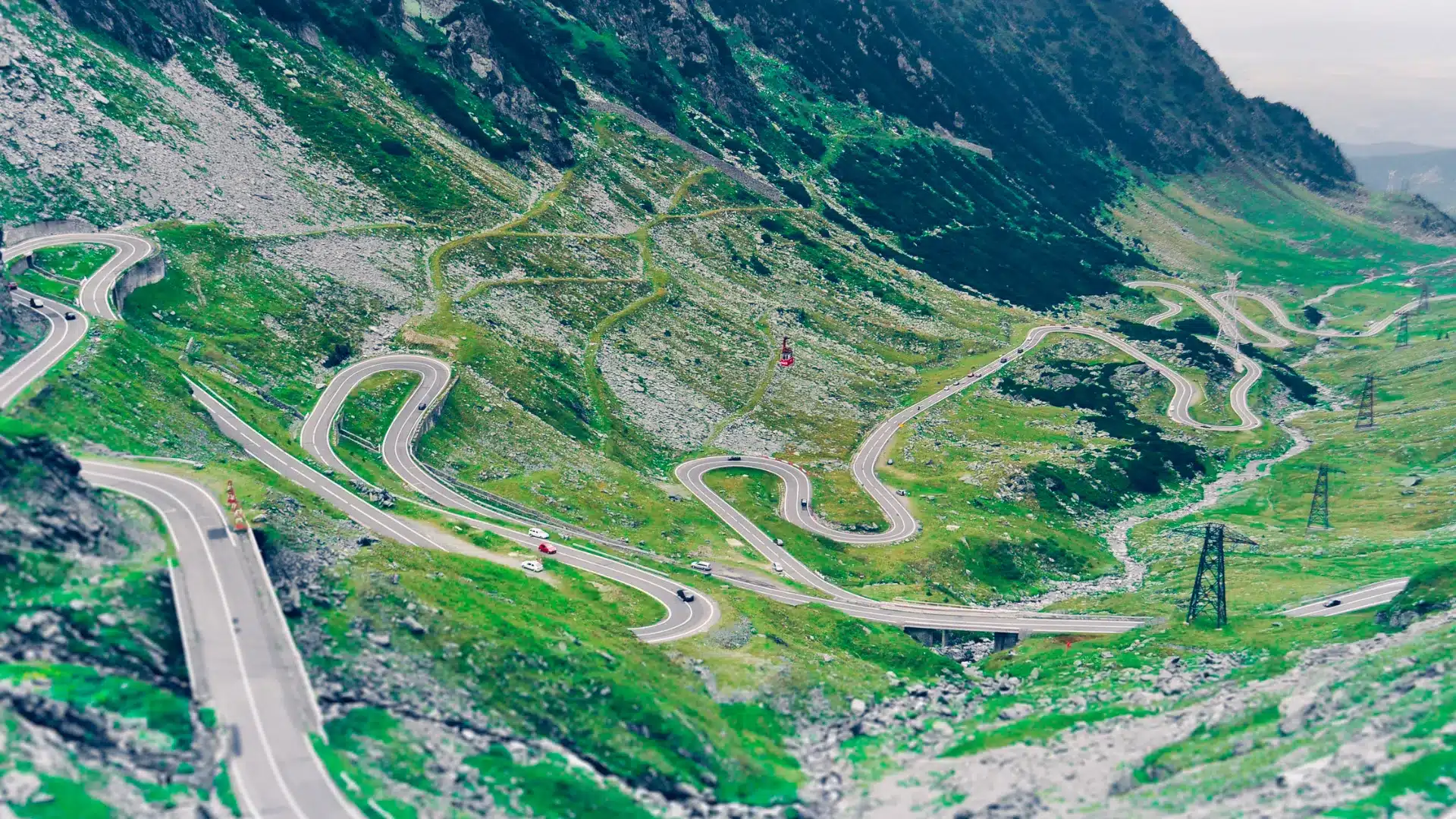
Romania can support documentary, factual television, commercials, branded content, feature films, TV series, high-end drama, post-production, VFX, travel, automotive, reality, corporate, lifestyle and field-based productions. The country offers production environments across Bucharest, Transylvania, mountain roads, forests, castles, villages, historic towns, Black Sea locations, industrial spaces, studios, public streets, private properties, roads, protected areas and heritage sites. This variety makes Romania practical for productions that need multiple looks within one country.
Romania is part of the Schengen Area. Short stays are governed by Schengen rules, with up to 90 days permitted in any 180-day period depending on nationality. Long-stay requirements, work authorisation and professional crew activity should be confirmed case by case, especially for paid film and television work. Standard film permits are coordinated through the Romanian Film Commission, with local municipalities, property owners, police, heritage authorities and other bodies involved depending on the shoot.
Hoodlum supports productions in Romania with visa guidance, work authorisation checks, local fixer and line producer coordination, Romanian Film Commission liaison, municipal permits, private location negotiation, drone planning under EU rules, ATA Carnet customs support, crew sourcing, transport, accommodation, rebate guidance, safety planning and complete on-the-ground production management. Romania works best when permits, immigration, customs, drone permissions and incentive planning are all aligned before production begins.
Why Romania Works for International Productions
Romania works for productions that need European production infrastructure, versatile locations, experienced local crew and competitive operating costs. The country can provide city streets, rural settings, mountain roads, forests, castles, studios, industrial sites, Black Sea coastal locations, period architecture and controlled private properties within one production plan.
Bucharest is the main production base. It offers the strongest access to local crew, fixers, production companies, studios, hotels, transport, government liaison, equipment suppliers, post-production contacts and airport arrivals. From Bucharest, productions can move to Transylvania, mountain regions, heritage towns, rural areas, coastal locations or industrial zones depending on the schedule.
Romania is also attractive for eligible productions because of its cash rebate scheme. The Romania Film Incentive is designed to attract international film, television and high-end production work, with a cash rebate of up to 35% of eligible Romanian spend. The scheme has been revised in recent years, so productions should confirm current availability, caps, eligibility and administration before budgeting around it.
The country is generally safe and production-friendly, but location-specific planning is still important. Urban shoots may require municipal permissions, road control or police support. Heritage sites, protected areas and drone flights may require longer lead times. Hoodlum helps producers structure the shoot so that permits, local crew, customs, drone approvals and rebate documentation are handled properly.
Bucharest as the Main Production Base
Bucharest is the main production hub for international crews filming in Romania. It provides access to local production companies, fixers, line producers, technical crew, studios, accommodation, transport, equipment suppliers, post-production services, government liaison and municipal permit coordination.
The city can support documentary interviews, commercial shoots, branded content, road work, street scenes, interior filming, institutional access, offices, hotels, industrial spaces, public spaces and private locations. Bucharest also provides a practical base for casting, equipment testing, logistics meetings, location recces and onward travel to regional locations.
Filming in Bucharest may require municipal permits, police support, traffic coordination, public property permissions or private owner agreements depending on the production footprint. Small documentary crews may operate more lightly, while commercials, vehicle work, crowd scenes, lighting rigs, road closures or drone filming require more formal coordination.
Hoodlum supports Bucharest-based production with local fixer services, Romanian line producer coordination, municipal applications, police liaison, private location negotiation, local crew sourcing, transport, accommodation and daily production management. A well-organised Bucharest base helps crews move efficiently into regional filming.
Transylvania, Castles, Roads and Regional Filming
Romania’s regional filming value is one of its strongest advantages. Transylvania, mountain roads, forests, rural villages, castles, fortified towns, historic streets and protected landscapes can all support visually distinctive production work.
Regional filming may involve local municipalities, heritage authorities, private owners, road departments, police, protected area managers or tourism bodies. Castles, heritage locations and protected sites often require additional lead time and careful technical planning around access, equipment footprint, lighting, public visitors and preservation rules.
Mountain and road filming should be planned around weather, safety, vehicle requirements, permissions, drone restrictions and travel time. A route that appears simple on a map may require more time due to terrain, seasonal conditions, tourist traffic or access limitations.
Hoodlum supports regional Romania filming with location scouting, route planning, local authority coordination, private owner negotiation, crew logistics, accommodation, transport, police support and realistic scheduling. Romania can be very efficient when regional movement is planned with local knowledge.
Crew Entry and Visa Requirements for Romania
Romania is part of the Schengen Area. Short stays are generally governed by Schengen rules, with up to 90 days permitted in any 180-day period depending on nationality. Visa requirements depend on crew nationality and travel history.
For stays over 90 days, a national long-stay D-type visa may be required. These visas are typically issued for specific purposes such as work, family reunification or other long-term categories and are usually valid for up to one year. Residence permit registration may be required after entry.
Visa applications are handled through Romanian diplomatic missions and consulates. Online appointment systems may vary by country. Standard visa documentation typically includes a passport or travel document, completed visa application, appointment confirmation, biometric photo, proof of fee payment, travel medical insurance and supporting documents depending on the purpose of travel. For Schengen applications, travel medical insurance should typically provide minimum coverage of EUR 30,000, subject to confirmation with the relevant consulate.
Supporting documents for production travel may include invitation letters, contracts, accommodation details, production letters, local partner confirmations and schedule information. Schengen visa decisions are commonly issued within 15 calendar days, although processing can take longer depending on the consulate and the complexity of the case. The current Schengen Type C visa fee is EUR 90 for adults and EUR 45 for children aged 6 to 11.
Hoodlum supports productions by helping crews identify the correct visa route, prepare production letters, coordinate local invitation support and align travel documentation with permits, customs and work authorisation requirements.
Work Authorisation and Crew Accreditation in Romania
Work authorisation in Romania depends on crew nationality, activity, duration and production structure. Certain short-term business or artistic activities may be exempt, but film and television crew requirements should be confirmed case by case.
In practice, international productions rely on a Romanian line producer or fixer to confirm the correct immigration and labour route for each crew member. This is especially important for paid crew, long stays, commercial productions, union or payroll structures, rebate-eligible projects and productions using Romanian suppliers.
Romania does not operate a single universal crew accreditation system for all standard productions. Instead, production authorisation is generally managed through filming permits, location permits, local production company coordination and, where relevant, work authorisation or local registration requirements.
Hoodlum supports crew compliance by coordinating with local Romanian partners, checking the production activity, reviewing crew roles and ensuring that immigration, permit and labour requirements are addressed before travel. This helps avoid confusion between visa-free travel, short-stay filming and paid professional work.
Film Permits in Romania
The Romanian Film Commission provides guidance and coordination for filming in Romania, working alongside national and local authorities. Depending on the shoot, permits may also involve municipalities, police, public property administrators, road authorities, protected area bodies, heritage authorities or private owners.
Typical film permit documentation includes production title, producer and director details, synopsis, scene descriptions, shooting dates, filming locations, crew and cast lists, equipment and vehicle lists, insurance documentation and any special requirements such as road closures, police support or use of public property.
Permit timing varies by location and authority. Urban locations, protected areas, heritage sites, public property, roads and complex multi-location shoots usually require longer lead times. Simple private locations may move faster, while shoots requiring police, traffic control or heritage approval should be planned early.
Permit costs depend on location, municipality and services requested. Public property use, road closures, police presence, specialist access, heritage locations and extended filming hours may create additional fees.
Hoodlum supports Romanian film permits by preparing production information, location lists, equipment lists, insurance documents, schedules, municipal applications and special access requests. A clear permit file helps local authorities understand the production footprint and speeds up coordination.
Private Locations and Owner Agreements
Private location access in Romania is negotiated directly with property owners and varies widely depending on usage and impact. Private locations may include apartments, houses, offices, hotels, restaurants, castles, estates, farms, warehouses, factories, studios, private roads, forests, commercial buildings and rural properties.
The process usually begins with location scouting and selection. Once a location is chosen, the fixer or location manager negotiates with the owner, assesses technical requirements and prepares a written location agreement. The agreement should cover access dates, filming hours, fees, permitted areas, insurance, property protection, parking, power, restoration, overtime, confidentiality and cancellation terms.
Costs vary based on location type, duration, crew size, equipment footprint, exclusivity, disruption, access restrictions and owner expectations. Some locations are straightforward, while heritage or high-value properties may require more detailed negotiation and supervision.
Hoodlum supports private location filming by scouting options, negotiating with owners, arranging agreements, coordinating technical recces and managing access on filming days. Romania offers excellent private location variety when negotiations are handled clearly.
Public Filming, Roads and Police Coordination
Public filming in Romania may require municipal permission, police coordination and public safety planning. Streets, squares, parks, roads, bridges, public buildings, transport hubs and state-managed spaces should be checked early.
Police presence may be required for road closures, traffic control, crowd scenes, vehicle work, public safety management or high-profile filming. Production vehicles, lighting, generators, camera rigs, drones and large crews may affect permit requirements.
Urban filming should consider parking, pedestrian flow, noise, public visibility, equipment security, business disruption and working hours. A small documentary crew may need fewer formal arrangements than a commercial crew using lighting, grip, roads or public property.
Hoodlum supports public filming by coordinating with municipalities, police departments, local fixers and line producers. Clear planning helps Romanian public filming run smoothly and keeps the crew compliant on the day.
Drone Filming in Romania
Romania follows EU drone regulations under Implementing Regulation (EU) 2019/947. Drone operations fall under Open, Specific or Certified categories depending on risk, aircraft, location and operation type. The Romanian Civil Aeronautical Authority, known as AACR, oversees drone regulation.
Most professional filming in urban areas, near people, in controlled airspace or using heavier drones will typically fall under the Specific category. This usually requires an operational authorisation and airspace coordination. Requirements, timelines and costs depend heavily on category, airspace and risk assessment.
Drone operators must comply with EU operator registration and pilot competency requirements. Flights near airports, controlled airspace, people, sensitive infrastructure, public gatherings or restricted locations may require additional planning and approval.
Hoodlum supports drone filming in Romania by coordinating with qualified operators, assessing airspace, preparing operational documentation, aligning drone plans with film permits and checking whether the operation falls under Open, Specific or Certified rules. Drone approvals should be treated case by case rather than assumed.
Drone Importation into Romania
Romania does not generally require a special import permit for drones in most cases, but operator registration, pilot competency and operational authorisation requirements apply under the EU framework.
Drone equipment should still be listed in the production equipment documentation and, where applicable, included in the ATA Carnet. Technical specifications, serial numbers, proof of ownership or rental and insurance documentation may be needed for customs, insurance and operational planning.
If the production uses a local Romanian drone operator, importation may not be necessary. Local operators can often simplify compliance, airspace coordination and pilot competency requirements.
Hoodlum helps productions decide whether to import drone equipment or use a local operator. For professional filming, the drone plan should be aligned with location permits, airspace coordination, insurance and the filming schedule.
Equipment Customs Clearance in Romania
Romania accepts ATA Carnets for professional equipment. Temporary import via ATA Carnet is standard practice and strongly recommended for international crews bringing cameras, lenses, lighting, sound, grip, drones, data equipment and specialist production gear.
Typical customs documentation includes the ATA Carnet issued in the country of origin and standard customs procedures on entry and exit. Carnet processing is handled at entry and exit points, and timing depends on shipment size, port, airport, equipment volume and documentation accuracy.
With an ATA Carnet, no import duties are normally payable for temporary import. Without a Carnet, temporary import taxes may apply and are assessed case by case. Carnet issuance costs are paid in the home country, with logistics and shipping fees handled separately.
Hoodlum supports equipment customs clearance by coordinating Carnet documentation, equipment lists, serial numbers, values, arrival details and local logistics. Romania’s customs process is workable and familiar for international crews when paperwork is prepared properly.
Local Crew, Fixers and Production Support
Romania has a strong local production base with experienced line producers, fixers, camera crews, sound teams, lighting technicians, production managers, location managers, drivers, art department support, drone operators, post-production contacts and VFX facilities.
A Romanian fixer or line producer helps coordinate permits, local crew, locations, customs, drones, vehicles, police support, private owner negotiations, accommodation, production services, incentive compliance and regional logistics. For international crews, the local partner is also important for work authorisation and rebate planning.
Productions may bring key creative leads while using Romanian teams for production management, crew, locations, transport and technical support. For rebate-eligible projects, Romanian crew, local labour, Romanian goods and services, equipment rentals, location rentals and post-production spend may form part of qualifying local expenditure.
Hoodlum helps build the right Romanian production structure for each shoot. A documentary, commercial, feature film, branded campaign, TV series, automotive shoot or regional travel project will each require a different combination of local support.
Transport, Accommodation and Regional Logistics
Romania offers strong transport options for crews moving between cities, towns, mountain areas, rural locations and studios. However, regional logistics should still be planned carefully around roads, weather, distances, filming hours, vehicle needs and equipment volume.
Productions may need vans, trucks, passenger vehicles, camera cars, 4×4 vehicles, drivers, parking permits, road permissions, police support and secure equipment movement depending on the shoot. Mountain areas and winter conditions can affect access and timings.
Accommodation is widely available in Bucharest and major cities, while smaller towns, rural locations and remote areas may need earlier booking. Accommodation should be selected around crew call times, transport routes, equipment security, parking and proximity to locations.
Hoodlum supports transport and accommodation by coordinating vehicles, drivers, route planning, hotels, local crew movement and daily schedules. Romania is efficient when movement is planned realistically and locations are grouped properly.
Film Rebates and Tax Incentives in Romania
Romania offers a cash rebate scheme aimed at attracting international film, television and high-end productions. The scheme has undergone revisions in recent years, so confirmation with the relevant authorities is essential before budgeting around it.
The Romania Film Incentive is administered by the Office for Film and Cultural Investments, known as OFIC, in coordination with the Romanian Ministry of Culture. Key features include a cash rebate of up to 35% of eligible Romanian spend, subject to current programme rules and confirmation.
Eligible formats may include feature films, TV series, documentaries, animation, commercials, post-production and VFX, although categories should be confirmed per project. A cultural test is required. Eligible spend may include Romanian goods and services, Romanian crew and labour, equipment and location rentals in Romania, and post-production or VFX performed in Romania.
International production companies filming in Romania, co-productions with Romanian partners and EU-registered companies producing in Romania may be able to apply. The typical process involves pre-approval before principal photography, production and spend tracking during the shoot, audit or verification of eligible spend and rebate payment after approval and audit completion.
Documentation usually required includes script, shooting schedule, budget, finance plan, crew lists, payroll, invoices, proof of Romanian expenditure, contracts and bank transfer evidence. Application review can take several weeks, and rebate payment is generally after completion and audit, often several months later.
Hoodlum supports productions by helping coordinate early rebate planning with Romanian partners, ensuring spend is tracked separately and aligning permits, visas, work authorisation, contracts, payroll and local expenditure documentation with incentive requirements.
How Rebates Fit With Permits and Visas
The Romanian film rebate is separate from visas, work authorisations, filming permits and drone approvals. Productions should not assume that incentive approval replaces any other production requirement.
For rebate eligibility, qualifying spend should be incurred and documented in Romania. Contracts should clearly reference Romania as the place of service, and local payroll and taxation rules should be followed. Rebate compliance should be planned before shooting begins, not reconstructed after wrap.
A Romanian line producer or fixer should be engaged early to help coordinate permits, immigration, work authorisation, rebate compliance and documentation. Productions should also confirm current incentive availability, caps and requirements with OFIC before budgeting.
Hoodlum helps productions connect incentive planning with practical production logistics. The strongest rebate results come from organised documentation, clear contracts and accurate spend tracking from the start.
Safety and Security in Romania
Romania is generally considered safe for international productions. Standard big-city precautions apply, especially around pickpocketing in tourist areas, transport hubs and busy public spaces.
Most productions do not require specialist security, but equipment security, crowd control, road safety and public filming management should still be considered. Police support may be needed for road closures, crowd scenes, vehicle filming or public safety.
Rural, mountain or winter shoots should consider weather, terrain, road conditions, medical access, vehicle suitability and communications. Heritage locations and tourist sites may require additional access control to protect both the site and the production.
Hoodlum supports safety planning by coordinating local fixers, police where required, equipment security, transport safety and location-specific risk checks. Romania is a safe and film-friendly country when standard production precautions are applied.
Health and Insurance Planning
Productions filming in Romania should prepare health insurance, public liability insurance, equipment insurance and any project-specific cover needed for permits, locations, drones or road work.
Schengen visa applications may require travel medical insurance with minimum coverage of EUR 30,000, subject to confirmation with the relevant consulate. Production insurance may also be required for permits, private locations, public property use and drone operations.
Crew health planning is generally straightforward, but mountain, winter, road or remote filming may require additional preparation. Productions should plan for weather, long travel days, safe driving, warm clothing, hydration, first aid and emergency contacts.
Hoodlum helps productions align insurance documentation with permit applications, location agreements, customs paperwork, drone approvals and visa requirements.
When Romania Is the Right Production Choice
Romania is the right production choice when a project needs European infrastructure, versatile locations, skilled crew, competitive costs, castles, forests, villages, mountain roads, studios, urban texture, Black Sea access, post-production options or cash rebate potential.
The country is well suited to projects that need to combine multiple looks in one production schedule. Bucharest, Transylvania, mountain passes, rural areas, industrial spaces and heritage locations can work together when permits and logistics are planned properly.
Romania is less suitable for productions that need last-minute complex road closures, unplanned drone operations in controlled airspace, rapid access to heritage locations without approval or incentive claims without proper documentation.
Hoodlum helps producers assess whether Romania fits the creative, budget, schedule and compliance needs of the project. When Romania is the right choice, we provide the fixer-led support needed to keep the shoot efficient and properly documented.
Common Romania Production Mistakes
A common mistake is assuming Schengen entry automatically covers all professional filming activity. Visa-free or short-stay entry may be allowed, but work authorisation and production activity should still be checked case by case.
Another mistake is leaving urban or heritage permits too late. Municipalities, public property managers, police and heritage authorities may require additional lead time.
Productions also sometimes underestimate EU drone rules. Professional filming often falls under the Specific category and may require operational authorisation and airspace coordination.
Customs can cause delays if the ATA Carnet or equipment list is incomplete. Romania accepts ATA Carnets, but the equipment list should be accurate and ready for entry and exit procedures.
The rebate is another area where productions can make mistakes. The incentive should be applied for before principal photography, and Romanian spend should be tracked carefully from the start.
Finally, productions may underestimate regional logistics. Mountain roads, winter conditions and rural access can affect filming days even when locations appear close on a map.
How Hoodlum Supports Productions in Romania
Hoodlum supports productions in Romania with practical, fixer-led production services for international crews. We help coordinate the approvals, local relationships and logistics needed to film efficiently across the country.
Our support includes visa guidance, work authorisation checks, Romanian line producer coordination, Romanian Film Commission liaison, municipal permits, police coordination, private location negotiation, heritage and protected area support, local crew sourcing, drone planning under EU rules, Romanian Civil Aeronautical Authority coordination, ATA Carnet and customs support, transport, accommodation, incentive planning, OFIC guidance, spend tracking support and daily production management.
We help productions prepare production titles, producer and director details, synopses, scene descriptions, shooting dates, location lists, crew and cast lists, equipment and vehicle lists, insurance documentation, road closure requests, police support requests, Carnet materials, drone documentation, rebate files and local spend records.
Romania is a highly practical production destination when permits, customs, drones and incentives are planned properly. Hoodlum provides the on-ground support needed to keep international crews documented, mobile and ready to film.
FAQ
Do film crews need a visa for Romania?
Romania is part of the Schengen Area, so short-stay visa requirements depend on nationality. Eligible travellers can stay up to 90 days in any 180-day period under Schengen rules.
What if crew need to stay longer than 90 days?
A national long-stay D-type visa may be required for stays over 90 days, usually linked to a specific purpose such as work or residence.
How long does a Schengen visa decision take?
Schengen visa decisions are commonly made within 15 calendar days, though they may take longer depending on consulate and case complexity.
How much is a Schengen visa for Romania?
The current EU-wide Type C visa fee is EUR 90 for adults and EUR 45 for children aged 6 to 11.
Do film crews need work authorisation in Romania?
Work authorisation depends on activity, duration and nationality. Film and television crew requirements should be checked case by case through a Romanian line producer or fixer.
Who coordinates film permits in Romania?
The Romanian Film Commission provides guidance and coordination with national and local authorities.
What documents are needed for a film permit?
Typical documents include production title, producer and director details, synopsis, shooting dates, locations, crew and cast lists, equipment and vehicle lists, insurance documents and any road closure or police requests.
How long do Romanian film permits take?
Timing varies by location and authority. Urban, protected or heritage locations usually require longer lead times.
Can film crews use drones in Romania?
Yes, but Romania follows EU drone regulations. Most professional filming may fall under the Specific category and require operational authorisation and airspace coordination.
Who regulates drone operations in Romania?
Drone operations are overseen by the Romanian Civil Aeronautical Authority, known as AACR.
Is Romania an ATA Carnet country?
Yes. Romania accepts ATA Carnets for professional filming equipment.
How does customs clearance work in Romania?
Temporary import via ATA Carnet is standard practice. Processing is handled at entry and exit points and depends on shipment size and airport or port conditions.
Does Romania offer a film rebate?
Yes. Romania offers a cash rebate scheme of up to 35% of eligible Romanian spend, subject to current programme rules and confirmation.
Who administers the Romania film incentive?
The scheme is administered by the Office for Film and Cultural Investments, in coordination with the Romanian Ministry of Culture.
Is Romania safe for filming?
Yes. Romania is generally safe, with standard big-city precautions recommended in tourist areas and transport hubs.
External Authority Links
- Romanian Ministry of Foreign Affairs Visa Portal
- Romanian Film Commission
- Romanian Civil Aeronautical Authority
Contact Hoodlum today for expert Film Production Services in Romania, including fixer support, film permits, crew sourcing, drone permissions, customs clearance, location access and complete on-the-ground production management. For more information, visit the Hoodlum Film Fixers Romania Google Business Profile.