















Filming in South Africa
Film Production in South Africa
South Africa is one of the most established production destinations in Africa, offering world-class crews, diverse locations, strong equipment infrastructure, experienced service companies, major city backdrops, coastal roads, deserts, winelands, townships, wildlife regions, studios and competitive film incentives. For commercials, feature films, documentaries, television series, branded content, reality formats and stills campaigns, South Africa gives international productions exceptional visual range with a mature production ecosystem.
Hoodlum provides Film Production Services in South Africa for commercials, documentaries, feature projects, television productions, reality series and branded content across Cape Town, Johannesburg, Durban, Soweto, the Garden Route, the Cape Winelands, the Karoo, Kruger region and coastal locations. Our team manages FIVA letter support, municipal film permits, Gauteng Film Commission coordination, location scouting, ATA Carnet customs planning, SACAA drone coordination, local crew sourcing, security planning, transport logistics and full on-ground production management.
South Africa is highly experienced with international production, but it still requires proper coordination. Productions should plan early for visa status, FIVA letters, municipal permits, public-space approvals, drone permissions, ATA Carnet documentation, security requirements, private location agreements and incentive cash-flow planning.
Hoodlum helps international crews connect the creative plan with South Africa’s permitting, customs, locations, safety and logistics requirements before production begins.
Why Film Production Works Well in South Africa
South Africa works well for productions that need visual variety, experienced crews and strong production infrastructure. A single production can move between city streets, beaches, mountains, vineyards, highways, deserts, townships, wildlife areas, studios and controlled interiors with the right planning.
The destination is particularly strong for:
- Commercials and branded content
- Feature films and TV series
- Documentary filming
- Reality television
- Stills campaigns
- Automotive shoots
- Fashion and lifestyle content
- Wildlife and conservation films
- Travel campaigns
- Coastal and mountain locations
- Urban and township filming
- Studio and controlled set work
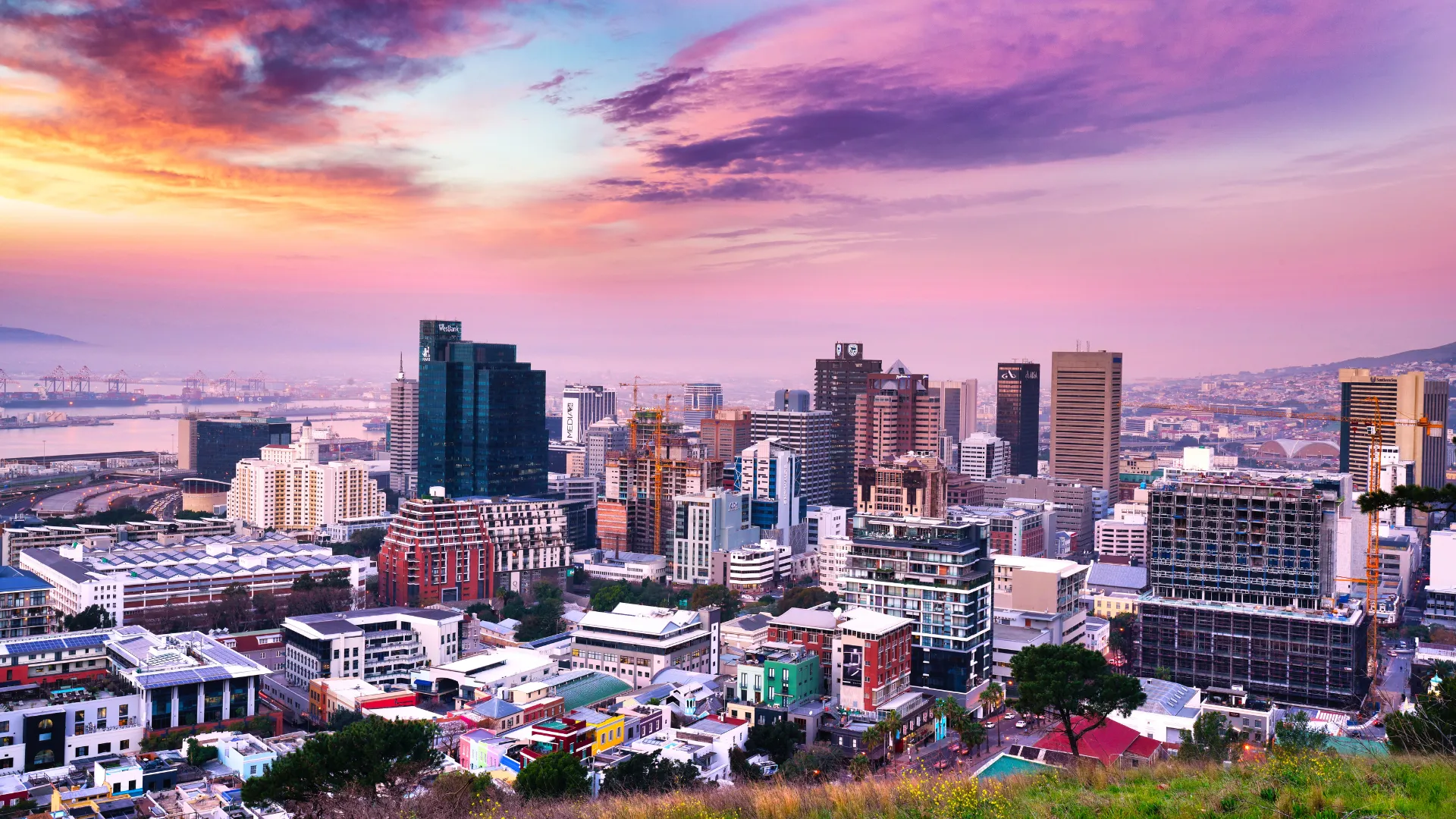
Cape Town is one of the strongest production bases in the southern hemisphere, with beaches, mountains, modern interiors, historic streets, studios, crews and equipment suppliers. Johannesburg offers city scale, Soweto locations, business districts, industrial sites, highways and strong documentary access. Durban adds warm coastal visuals, port infrastructure and Indian Ocean energy.
The strength of South Africa is range. It can double for multiple regions, support high-end production standards and offer both wild landscapes and polished city infrastructure in one country.
Best Time of Year to Film
South Africa has regional climate variation, so the best filming window depends on the location and creative brief. Cape Town has a Mediterranean climate, with dry summers and wetter winters. Johannesburg has summer rainfall and generally clear, dry winters. KwaZulu-Natal is warmer and more humid, while desert and Karoo regions have stronger temperature extremes.
Productions should plan around:
- Cape Town wind conditions
- Winter rain in the Western Cape
- Summer thunderstorms in Johannesburg
- Heat in the Karoo and desert regions
- Safari season and wildlife timing
- Peak tourism periods
- Public holidays and school holidays
- Road movement between cities and regions
- Security planning for certain locations
Cape Town is often strongest for summer commercials, coastal content and lifestyle work. Johannesburg can be practical year-round, with dry winter months often useful for city and documentary filming. Wildlife and conservation projects should plan around animal movement, reserve access and seasonal conditions.
Hoodlum helps crews assess the right filming window for each region and build weather, light, safety and travel contingency into the schedule.
Visa Requirements for Crew
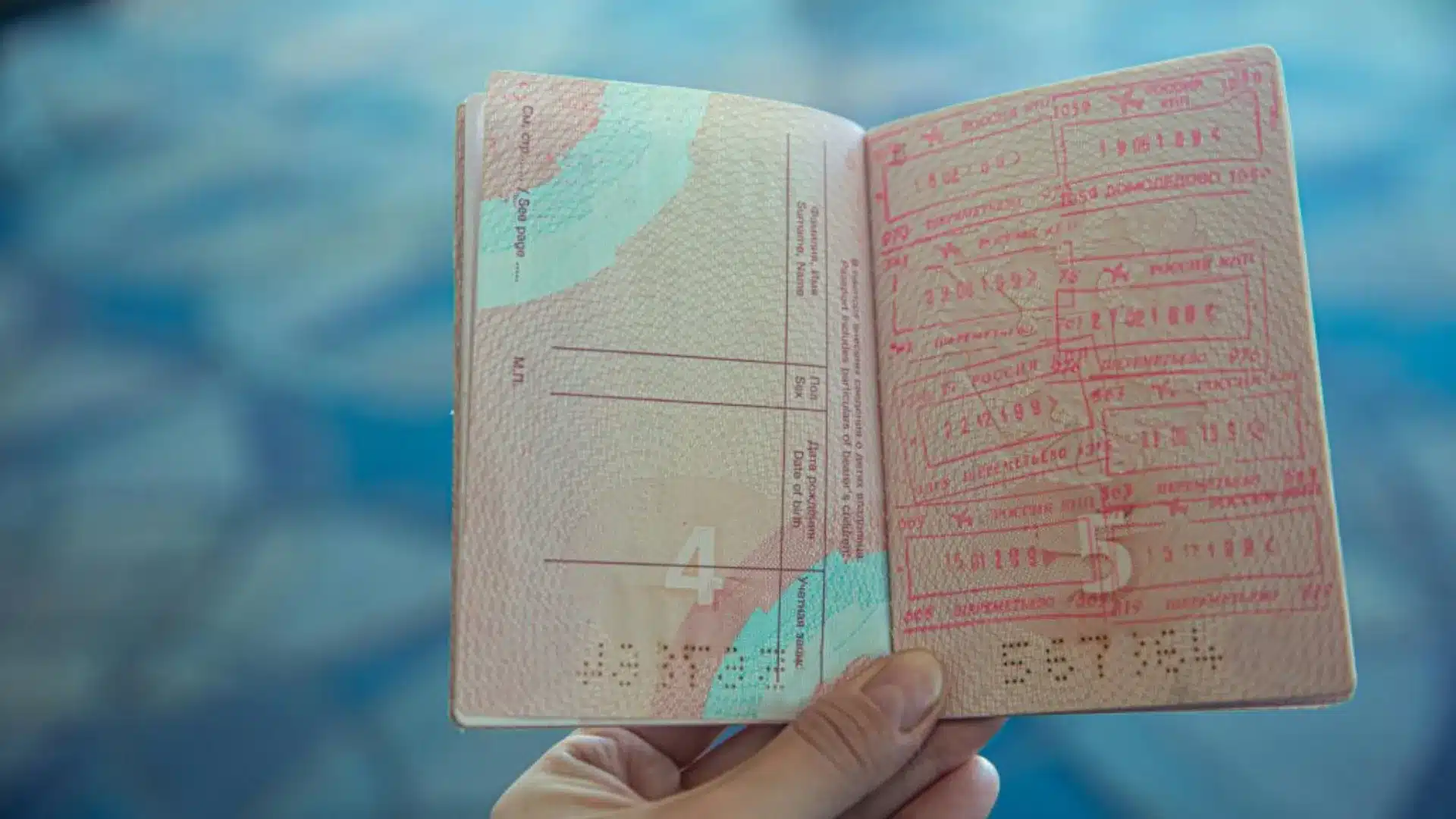
Visa requirements depend on nationality, length of stay and production activity. Some nationalities are visa-exempt for short stays, while others need to obtain a Visitor’s Visa or relevant visa before travel through a South African diplomatic mission or the e-visa system.
Crew should check exemption status through the Department of Home Affairs before confirming travel. Visa-exempt entry may support short stays, but productions should still prepare supporting documents where crew are entering for professional production activity.
Typical visa documentation may include:
- Flight itinerary or confirmed return ticket
- Proof of accommodation
- Letter outlining purpose and duration of stay
- Proof of financial means
- Yellow fever vaccination certificate, if arriving from a high-risk country
- Passport copy
- Production support letter, where required
- Invitation or local partner letter, where relevant
Processing times vary by country and visa type. Visa fees also vary depending on visa category and place of application.
Hoodlum helps visiting crews prepare supporting documentation so that entry requirements, production purpose, crew roles and shoot dates are aligned before travel.
International Crew Accreditation and FIVA Letters
The FIVA letter, or Film Industry Visa Assistance letter, is a key supporting document for foreign crew, cast and talent travelling for production work. It helps facilitate visa applications and is issued through a registered production company such as Hoodlum.
FIVA support may be relevant for:
- Foreign crew
- Foreign cast
- Presenters
- Talent
- Specialist technicians
- Directors and producers
- Commercial and television crews
Required documentation usually includes:
- Passport copy for each crew member
- Residential address for each crew member
- Role or designation for each crew member
- Production details
- Local production company information
Processing is typically around 48 hours. The indicative cost is R690 per application.
For crews of 10 people or fewer, a tripod is typically not required where filming is handheld. In some Gauteng cases, filming may proceed under an Indemnity Form issued by the Gauteng Film Commission. The Gauteng Film Commission Indemnity Form is currently issued at no charge.
Hoodlum coordinates FIVA letters, crew documentation and relevant Gauteng Film Commission paperwork so visiting teams can move through the approval process cleanly.
Film Permits and Public Locations
South Africa does not have one single national film permit. Film permits are issued at municipal level, depending on the filming location. This means a shoot in Cape Town, Johannesburg, Durban, Soweto, the Winelands or another municipality may involve different permit routes, requirements and timelines.
Typical public-location permit requirements may include:
- Application submitted through a local production partner
- Detailed shoot synopsis
- Location details
- Crew size
- Equipment details
- Dates and times
- Parking and loading requirements
- Road or traffic impact, if applicable
- Public liability insurance
- Security or crowd control plan, where required
Processing is typically 5 to 7 working days, depending on complexity, location and authority involvement.
Costs vary depending on location and shoot requirements. For example, Soweto permits may cost approximately R29,000, with final costs confirmed once shoot details and locations are submitted.
Hoodlum manages municipal permit submissions, authority liaison and public-space coordination so the production has the right approvals before the crew arrives on location.
Filming in Johannesburg and Soweto
Johannesburg is one of South Africa’s most important production cities. It offers business districts, urban roads, industrial sites, residential neighbourhoods, rooftop views, music culture, township locations, highways, studios and documentary access.
Soweto is a major filming location with deep cultural and historical significance. Shoots in Soweto may require:
- Gauteng Film Commission permit
- Letter of permission from the local councillor
- Wayleave permit from Johannesburg Roads Agency, where road access or public infrastructure is affected
- Location-specific permissions
- Community liaison
- Security planning
Johannesburg public spaces usually require permits, especially where traffic, public access, parking, crowd movement or equipment setup is involved.
Hoodlum helps productions plan Johannesburg and Soweto shoots with realistic movement, community permissions, municipal approvals and security requirements in place.
Filming in Cape Town, Durban and Regional Areas
Cape Town is one of the strongest filming hubs in Africa. It offers beaches, mountains, roads, studios, modern interiors, historic streets, vineyards, coastal drives and high-end production infrastructure. It is especially strong for commercials, stills, lifestyle, automotive, feature films and television work.
Durban offers warm coastal visuals, port environments, city streets, beach culture and access to KwaZulu-Natal landscapes. The Garden Route, Winelands, Karoo and Kruger region add rural, wildlife, desert, mountain and conservation value.
Regional filming can support:
- Coastal roads
- Wine estates
- Safari and wildlife locations
- Desert roads
- Township scenes
- Mountain landscapes
- Farms and rural roads
- Beaches and marine visuals
- Highways and automotive routes
- Controlled private locations
Regional production needs planning around distance, permits, accommodation, safety, animal access, weather, transport and location control. Hoodlum helps crews design schedules that match the geography instead of treating the map like elastic.
Private Locations
Private location filming is managed through a local production partner. This may include homes, farms, hotels, restaurants, studios, estates, vineyards, offices, warehouses, beaches under private management and commercial interiors.
The private location process usually includes:
- Location sourcing
- Owner negotiation
- Site visits and technical checks
- Rate confirmation
- Written location agreement
- Access planning
- Security requirements
- Restoration terms
Private location costs vary depending on the property, shoot duration, exclusivity, crew size, equipment footprint and location owner.
Written location agreements are strongly recommended. They should confirm:
- Shoot dates and hours
- Approved areas
- Crew size
- Parking and loading
- Equipment access
- Generator use
- Noise restrictions
- Drone use, where relevant
- Fees and payment terms
- Overtime
- Security needs
- Restoration responsibilities
Hoodlum manages sourcing, negotiation and permissions so private locations support the actual shoot rather than only looking good in a deck.
Drone Filming Requirements
Drone filming in South Africa is regulated and requires proper permits. Drone operations are overseen by the South African Civil Aviation Authority.
Drone filming is not permitted near airports, government buildings or restricted areas unless the correct permissions are in place. Productions should use a licensed local drone operator and arrange approvals through a local production partner.
Drone requirements may include:
- Licensed local drone operator
- Flight plan
- Location details
- Safety documentation
- Insurance
- Film permit or location approval
- Drone importation permit, where foreign drone equipment is brought in
- SACAA compliance
Drone importation also requires permits. Processing is typically around 7 working days, with costs based on project scope and provided by quotation.
Hoodlum helps productions assess drone feasibility, coordinate licensed local operators and align SACAA requirements with the wider permit and location plan.
Equipment Customs Clearance
South Africa accepts ATA Carnets. An ATA Carnet is strongly recommended for temporary import of professional film equipment, especially for camera, lighting, grip, sound, drone and specialist technical packages.
The carnet must be issued in the country of origin. Equipment lists should include serial numbers and declared values.
Typical documentation may include:
- ATA Carnet
- Detailed equipment list
- Serial numbers
- Declared values
- Proof of ownership or rental agreement
- Insurance documentation
- Crew travel details
- Production support letter, where relevant
For non-carnet imports, temporary import permits may be required on a case-by-case basis. Customs handling depends on shipment details, airport or freight process, inspection requirements and paperwork accuracy.
Hoodlum helps productions prepare equipment lists, coordinate customs planning and reduce the risk of gear delays on arrival.
Film Rebates and Tax Incentives
South Africa offers competitive film incentives for qualifying productions. Incentives may include up to 35% rebate on qualifying local production expenditure for local productions and a 25% rebate for qualifying foreign productions.
Additional benefits may apply for:
- Local hiring
- Black Economic Empowerment compliance
- Qualifying local spend
- Eligible production activity
Productions should confirm current incentive rules, eligibility, thresholds, qualifying spend and application requirements before budgeting.
An important cash-flow note: there are currently significant delays in rebate payouts, with a backlog in processing. Applicants should anticipate extended reimbursement timelines and plan cash flow accordingly.
Incentives do not replace visas, FIVA letters, film permits, drone approvals, customs clearance, location agreements or safety planning. Each process must still be handled separately.
Hoodlum helps productions understand the incentive position, prepare realistic budgets and avoid relying on rebate timing that may not match production cash-flow needs.
Safety and Security for Productions
Security planning is recommended for the safe handling of crew, equipment and vehicles. South Africa is an experienced production destination, but safety requirements vary by city, location, time of day and shoot scale.
Security considerations may include:
- Professional security personnel
- Risk assessments by location
- Secure transport for crew and equipment
- Equipment supervision
- Route planning
- Crowd management
- Night shoot planning
- Public-space control
- Parking and loading security
- Communication between drivers, fixers and production
Large public shoots, night work, high-value equipment, township filming, remote roads and wildlife or conservation locations may require additional planning.
Hoodlum helps productions assess risk, coordinate security and build practical safety measures into the production schedule.
How the Main Approvals Fit Together
The biggest mistake visiting crews make is assuming that one approval covers the whole production. It does not.
Visa-exempt entry may allow a crew member to enter South Africa, but it does not replace production documentation. A FIVA letter may support a visa application, but it does not replace municipal film permits. A municipal permit may approve one public location, but it does not automatically cover another city, road, township or private property. A Gauteng Film Commission Indemnity Form may support a small crew in a specific context, but it does not replace every approval. An ATA Carnet may support equipment entry, but it does not approve drone use. SACAA drone permissions must be handled separately.
A proper production plan connects every approval:
- Visa status confirms who can enter and under what conditions.
- FIVA letters support crew visa applications.
- Municipal permits confirm public-location access.
- Gauteng Film Commission documentation supports relevant Gauteng shoots.
- Councillor letters support certain Soweto permissions.
- JRA wayleaves support road-related activity where required.
- Private agreements confirm property access.
- Drone approvals confirm aerial filming permissions.
- Customs clearance confirms how equipment enters and exits.
- Security planning confirms how the shoot operates safely.
Hoodlum’s role is to connect these moving parts into one practical production plan so the crew can focus on filming instead of wrestling with a permit hydra in three provinces at once.
When This Destination Is the Right Choice
South Africa is a strong choice when a production needs experienced crews, world-class locations, city scale, beaches, mountains, deserts, wildlife, studios, strong equipment infrastructure and established international production support.
The destination is especially suitable for:
- Commercials and branded content
- Feature films and TV series
- Documentary filming
- Reality television
- Stills campaigns
- Automotive shoots
- Wildlife and conservation films
- Fashion and lifestyle content
- Travel campaigns
- Urban and township scenes
- Coastal and desert locations
- High-end international service production
The country may be less suitable for productions that need instant permits, unmanaged public-space filming, unsupported security planning or rebate cash flow with quick reimbursement. Those shoots may still be possible, but they require early coordination and realistic budgeting.
For many international crews, the destination works best when used for its natural strengths: experienced crews, diverse locations, reliable production infrastructure and strong local management.
Common Mistakes to Avoid
Small mistakes can create avoidable delays.
Avoid:
- Assuming visa exemption removes all paperwork
- Forgetting FIVA letter requirements
- Leaving municipal permits until the final week
- Treating one city permit as valid nationwide
- Forgetting Soweto councillor letters where required
- Missing JRA wayleave requirements for road activity
- Treating drone approval as automatic
- Using unlicensed drone operators
- Arriving without ATA Carnet documentation for major equipment
- Booking private locations without written agreements
- Underestimating city traffic and movement times
- Ignoring location-specific security needs
- Budgeting around fast rebate payouts
Most issues are preventable with early paperwork, accurate documentation and experienced local production support.
How Hoodlum Supports Local Production
Hoodlum provides practical support for international crews filming in South Africa, from early planning through shoot execution. The aim is to make the production workable before the crew lands and keep every moving part aligned once filming begins.
Support may include:
- Local fixer services
- FIVA letter support
- Municipal film permit coordination
- Gauteng Film Commission liaison
- Soweto councillor letter coordination
- JRA wayleave support
- Location research and scouting
- Private location agreements
- Crew and supplier sourcing
- Drone planning
- SACAA coordination
- ATA Carnet customs support
- Transport coordination
- Security planning
- Accommodation support
- Rebate guidance
- On-ground production management
Film production in South Africa requires more than strong locations and experienced crews. A successful shoot needs accurate visa support, municipal permits, drone compliance, customs planning, security awareness, realistic logistics and reliable local coordination.
Hoodlum helps productions reduce guesswork and plan the shoot as a practical operation from the first stage of prep.
FAQ
Do international crews need a visa?
Visa requirements depend on nationality. Some nationalities are visa-exempt for short stays, while others must apply for a Visitor’s Visa or relevant visa before travel.
What is a FIVA letter?
A FIVA letter is a Film Industry Visa Assistance document that supports visa applications for foreign crew, cast and talent. It is issued through a registered production company such as Hoodlum.
How long does a FIVA letter take?
FIVA letters typically take around 48 hours to process once the required passport, address and role details are supplied.
Does South Africa have a national film permit?
No. Film permits are issued at municipal level depending on the filming location.
How long do public-location permits take?
Public-location permits typically take 5 to 7 working days, depending on location, complexity and authority requirements.
Are extra permissions needed for Soweto?
Yes. Soweto shoots may require Gauteng Film Commission approval, a councillor permission letter and a Johannesburg Roads Agency wayleave where road activity is involved.
Can productions use drones?
Yes, but drone use is regulated by the South African Civil Aviation Authority. A licensed local operator and the correct permissions are required.
Is an ATA Carnet accepted?
Yes. South Africa accepts ATA Carnets for temporary import of professional filming equipment.
Does South Africa offer film rebates?
Yes. Incentives may include a 25% rebate for qualifying foreign productions and up to 35% for qualifying local production expenditure, but current payout delays should be factored into cash-flow planning.
Is security required?
Security is recommended where necessary, especially for high-value equipment, public spaces, night shoots, township filming, remote areas and larger crews.
External Authority Links
- Department of Home Affairs
- Department of Home Affairs visa exemption list
- Gauteng Film Commission
- Johannesburg Roads Agency
- South African Civil Aviation Authority
- South African Revenue Service / Customs
- Film incentive authorities
- Municipal film permit offices
Planning a shoot in South Africa? Contact Hoodlum for FIVA letter support, municipal film permits, Gauteng Film Commission coordination, Soweto councillor letters, JRA wayleave support, local fixers, location scouting, ATA Carnet customs planning, SACAA drone coordination, security planning, rebate guidance and full on-ground production management. You can also view the Hoodlum Film Fixers South Africa Google Business Profile for local production details.