















Film Production Services in Rwanda
Rwanda is one of Africa’s most organised and secure filming destinations, offering international productions clean urban infrastructure, dramatic highland landscapes, conservation access, lake environments, national parks and efficient government-facing processes.
For film, television, documentary and commercial crews, Rwanda’s biggest strength is control. The country is compact, well connected and logistically manageable, which makes it useful for productions that need multiple visual environments without the sprawl, uncertainty or long-distance movement found in larger territories.
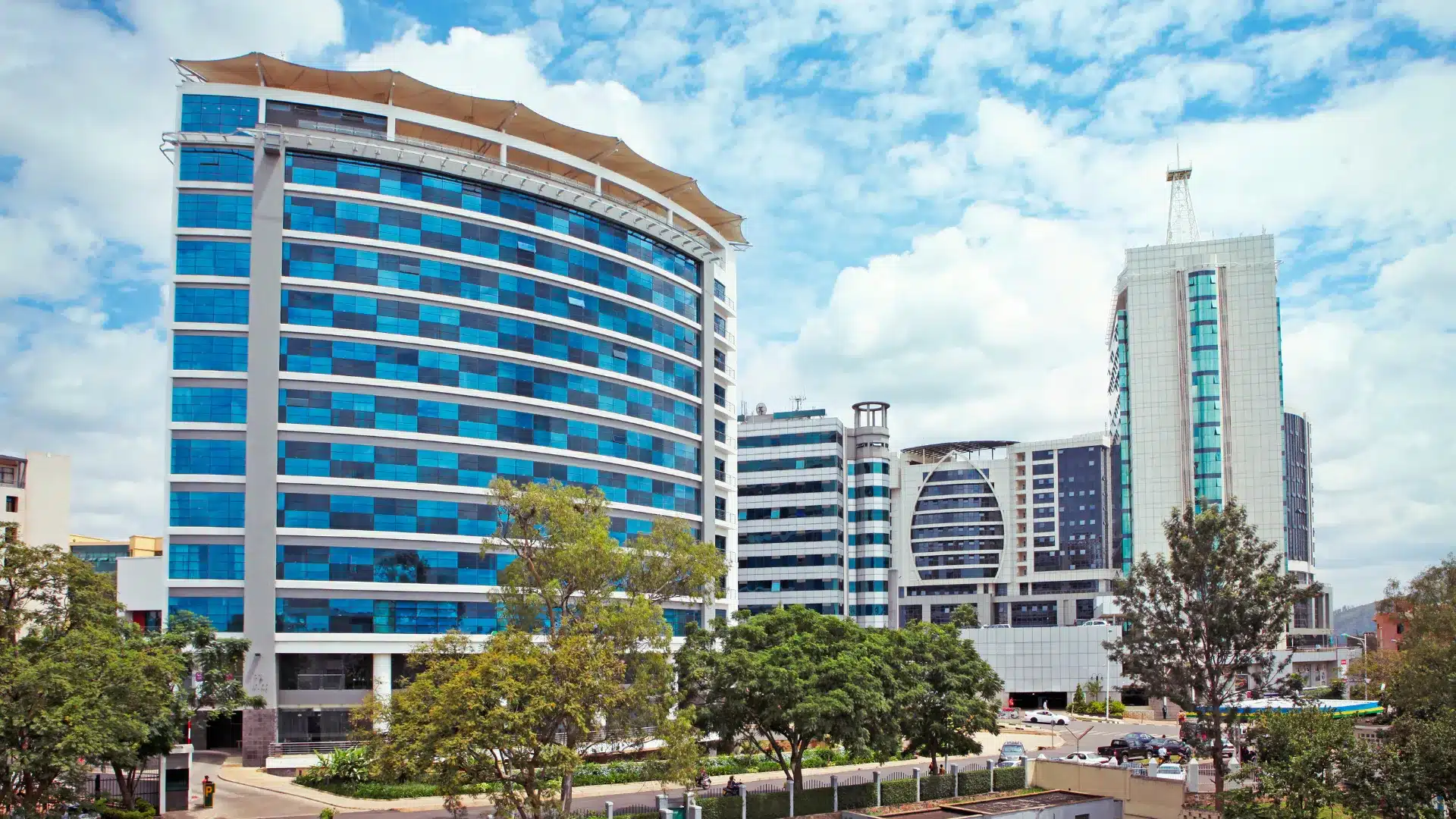
Kigali is the natural production base. From the capital, crews can access modern city visuals, government and institutional settings, hotels, conference spaces, residential areas, cultural locations and business districts. Beyond Kigali, the country opens into misty mountain roads, tea plantations, volcanic landscapes, rainforest, lakeside towns, wildlife parks and conservation-led filming environments.
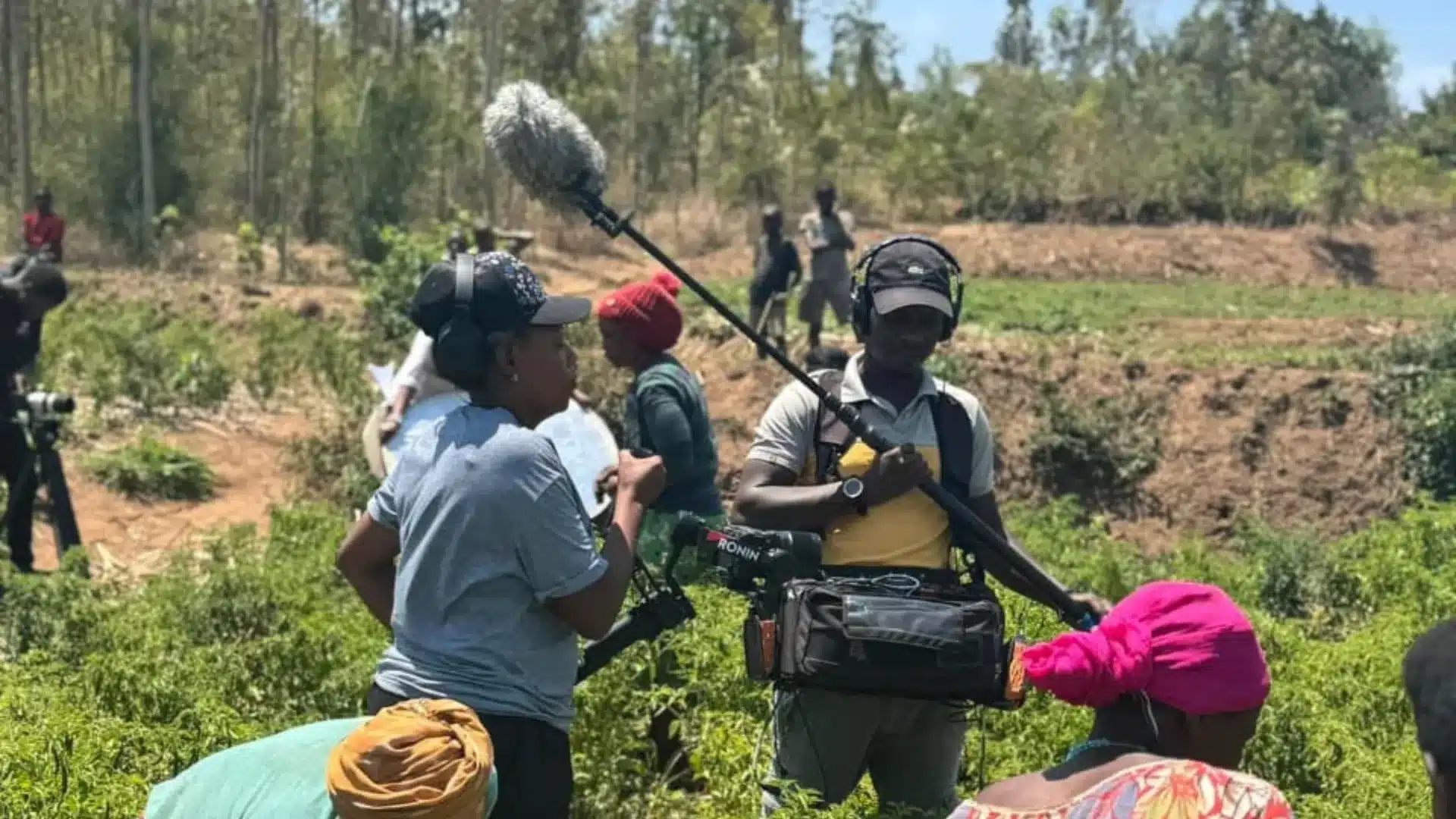
Hoodlum provides Film Production Services in Rwanda for documentaries, commercials, branded content, NGO films, factual entertainment, travel campaigns, conservation stories, photography, feature projects and television productions. Our support covers business visa guidance, temporary work permit coordination, Film Office permits, private location permissions, drone planning, customs clearance, local fixers, transport, crew sourcing, accommodation, security advice and on-ground production management.
Rwanda is production-friendly when permissions are handled correctly, but it is not a destination for informal filming. Foreign crew should enter with the right visa purpose, approved filming documents, work authorisation, customs paperwork and drone approvals where required.
Why the Country Works for Streamlined, Location-Led Productions
Rwanda is known as the Land of a Thousand Hills for good reason. The geography gives productions rolling green landscapes, layered hills, volcanic skylines, lakes, forests, cultivated terraces, tea estates and clean urban backdrops within a relatively compact production radius.
This makes Rwanda especially strong for productions that need visual variety without a heavy multi-country footprint. A shoot can base in Kigali, move into highland landscapes, film at Lake Kivu, build conservation sequences around national parks and still keep logistics tighter than in many larger African production environments.
The country is especially strong for documentary filming, NGO and development stories, conservation programming, travel and tourism campaigns, commercials, branded content, factual entertainment, photography campaigns, corporate films, health projects, education content and nature-led productions.
Hoodlum’s Production Support Rwanda team helps crews decide which locations are practical, what permissions are needed and how to structure movement between Kigali, parks, lakes, private sites and sensitive institutional spaces.
Kigali as the Production Anchor
Kigali is the centre of most international production activity in Rwanda. It is clean, organised, secure and relatively easy to navigate, making it a strong base for crews that need hotels, suppliers, fixers, drivers, government-facing coordination, production offices and reliable day-to-day logistics.
The city offers contemporary African urban visuals without the chaos often associated with larger capitals. Productions can capture business districts, modern roads, residential neighbourhoods, cultural spaces, markets, hotels, restaurants, conference venues, public institutions and controlled city movement.
Kigali is also important because many permissions, meetings and production clearances begin there. Visa support, work permit alignment, film permit submissions, equipment documentation, drone planning and customs coordination are easier to manage when the production is anchored in the capital.
For commercial, documentary, NGO, corporate and factual projects, Kigali can function as both a filming location and a production nerve centre.
Volcanoes, Conservation and Mountain Filming
Rwanda’s volcanic north is one of the country’s most distinctive filming environments. The area around Volcanoes National Park offers dramatic mountain scenery, conservation stories, forested slopes, rural communities, tourism infrastructure and access to one of Rwanda’s most globally recognised visual identities.
This region is valuable for conservation documentaries, tourism campaigns, natural-history adjacent projects, impact films and branded content that needs scale, mist, green highland atmosphere and conservation context.
Filming in conservation areas requires careful planning. Productions may need additional approvals, ranger coordination, strict access rules, environmental sensitivity, controlled movement and realistic timing around weather, terrain and park requirements.
Hoodlum helps productions plan mountain and conservation filming with the right permits, local guides, transport, accommodation, safety planning and authority coordination before the crew leaves Kigali.
Lake Kivu and Western Rwanda
Lake Kivu gives Rwanda a softer, water-led production identity. The lake region can support travel films, tourism campaigns, lifestyle content, documentaries, wellness brands, photography, resort filming and stories that need calm water, shoreline communities, hills, boats and lakeside towns.
Gisenyi, Kibuye and Cyangugu each offer different production textures, from resort-style lakefront visuals to quieter rural and community-based settings. The western route can also be useful for productions wanting road movement, hillside views and a contrast to Kigali’s urban polish.
Filming around Lake Kivu should account for location ownership, boat permissions, weather, water safety, accommodation logistics, drone approvals and local authority coordination where public spaces or community access are involved.
Akagera, Nyungwe and Rwanda’s Natural Range
Akagera National Park gives Rwanda an eastern savannah and wildlife environment that feels very different from the country’s green hills and volcanic north. It can support conservation stories, tourism campaigns, wildlife sequences and landscape-led filming.
Nyungwe National Park, in the southwest, brings rainforest, canopy, tea estates, biodiversity and a cooler, more atmospheric visual palette. This area is strong for nature programming, conservation content, travel films, photography and projects that need dense forest rather than open savannah.
Both regions require proper planning. National parks, protected areas and conservation-linked locations are not treated like ordinary private locations. Productions should expect additional permissions, timing considerations, guide or ranger coordination, vehicle planning and environmental rules.
Hoodlum helps international crews build realistic routes around the park system, balancing creative ambition with permit timing, road movement, weather and access control.
Business Visa Planning
International film and television crew entering Rwanda for professional filming should apply for a Business Visa. Tourist visas are not suitable for professional filming or media-related work.
The country offers visa on arrival for many nationalities, while business visas may also be applied for online before travel. Each crew member must apply individually, and the visa purpose should reflect business or professional activity.
Typical business visa requirements include a passport with at least 6 months validity, passport-style photograph, Letter of Invitation from the local production partner, accommodation confirmation and travel itinerary or flight details.
The business visa supports entry into Rwanda, but it does not replace the film permit, temporary work authorisation, drone approval or customs clearance.
Processing for an online application is usually 3 to 5 working days. Visa on arrival may be issued at entry depending on nationality. The indicated cost is USD 50 for a single-entry Business Visa, subject to nationality and confirmation at the time of application.
Temporary Work Permit for Foreign Crew
Foreign film crew carrying out professional filming activity in Rwanda require temporary work authorisation in addition to the business visa.
The relevant authorisation is a Temporary Work Permit, Category H for short-term assignment, issued by the Directorate General of Immigration and Emigration. This must align with the approved filming permit and the production dates.
Typical temporary work permit documents include the approved Film Permit, passport copy, passport-style photograph, CV, resume, portfolio or IMDb link, a letter confirming the crew member’s role on the production and estimated arrival and departure dates.
Processing is approximately 7 to 14 working days, subject to approval. The indicative cost is approximately USD 100 to USD 150 per crew member, with the final fee confirmed at the time of application.
Hoodlum helps productions align the business visa, temporary work permit, film permit, crew list, travel dates and role letters so the immigration file remains consistent.
Rwanda Film Office Permits
Professional filming in Rwanda requires a General Film Permit issued through the Rwanda Film Office under the Rwanda Development Board.
The film permit is the core production approval for international crews working in the country. It should be prepared before filming begins and must align with the crew list, work authorisation, locations, schedule and equipment documentation.
Typical film permit requirements include a project synopsis or treatment, full script where applicable, shooting schedule and filming dates, list of filming locations, full cast and crew list with nationalities, production company details and equipment list where applicable.
Processing is usually 5 to 10 working days. Fees are project-dependent, with an indicative range of USD 200 to USD 500.
Hoodlum prepares the Rwanda Film Office permit file with clear dates, locations, crew information, production purpose and supporting documents to reduce back-and-forth and keep the shoot moving.
Private Locations and Institutional Access
Rwanda has a wide range of private, institutional and controlled filming locations. These may include hotels, offices, homes, roads, cultural spaces, restaurants, farms, conference venues, schools, clinics, NGOs, businesses and government-linked sites.
Private location filming is negotiated directly with the owner, manager or authorised representative. Hoodlum sources and scouts locations, negotiates fees, secures written permissions and confirms access rules before the shoot.
Additional approvals may be required for government buildings, hotels, public-interest sites, sensitive locations, institutional spaces, public crowd scenes, road control and locations involving community access.
Location fees vary depending on the location type, filming duration, production footprint, disruption level and usage. Costs are quoted once the locations are confirmed.
Private permission does not replace the Rwanda Film Office permit. It works alongside the national film approval and any additional site-specific permissions.
Drone Filming in Rwanda
Drone use in Rwanda is highly regulated and governed by the Rwanda Civil Aviation Authority. Flying without approval is strictly prohibited.
Productions should not assume that drone filming can be arranged casually or close to the shoot date. Drone approvals need advance planning, especially when flights involve public spaces, controlled areas, national parks, urban zones, roads, hotels, sensitive locations or imported equipment.
Typical drone approval requirements include the approved Film Permit, drone specifications including make, model and serial number, purpose of drone use, flight locations and dates, pilot licence where applicable and insurance where applicable.
Drone importation also requires advance approval. Unauthorised drones may be confiscated on arrival, so Hoodlum strongly recommends using locally licensed drone operators wherever possible.
Drone approvals should allow at least 2 to 4 weeks. Costs vary depending on drone type, locations and duration of use, and are confirmed upon application.
Customs Clearance for Film Equipment
Rwanda is not an ATA Carnet country. Temporary importation of professional filming equipment is permitted, but it must be supported by the correct documentation.
Customs clearance is handled through Rwanda Customs under the Rwanda Revenue Authority. With pre-approved paperwork, same-day clearance may be possible, but crews should not arrive with professional equipment without preparation.
Typical customs documents include an approved Film Permit, detailed equipment list, serial numbers, equipment values and passport copies of equipment carriers.
A customs bond or deposit may be required. Clearing agent fees vary depending on the volume and value of equipment.
Hoodlum helps productions prepare equipment lists, values, customs documentation, clearing agent coordination and arrival planning so cameras, lenses, sound gear, lighting equipment and specialist kit can move through the airport smoothly.
Safety, Security and Controlled Filming Conditions
Rwanda is considered one of the safest countries in Africa, with Kigali and major filming areas generally regarded as secure and well managed. This makes the country attractive for productions that need predictable movement, controlled logistics and authority-supported filming.
For standard filming, private security is generally not required. However, police support or additional security coordination may be needed for road control, public crowd scenes, sensitive locations, government-linked sites or productions with a larger public footprint.
Medical planning should account for the crew’s travel history, route and filming regions. A Yellow Fever certificate is required if arriving from an endemic country. Recommended vaccinations may include Hepatitis A, Typhoid and Tetanus or TDap. Malaria prophylaxis may be recommended in some regions.
Hoodlum advises on security and medical planning according to the route, filming subject, crew size, public visibility and location sensitivity.
When Rwanda Is the Right Production Choice
Rwanda is the right choice when a production needs strong organisation, safe logistics, clean city visuals, highland scenery, conservation access, national parks, lake settings, institutional filming, NGO stories or a compact African production route.
It is especially strong for documentaries, branded content, tourism campaigns, conservation stories, impact films, corporate productions, health and development programming, photography and projects that need authority coordination handled with care.
The country may be less suitable for productions that need casual last-minute drone flying, unplanned public filming, informal professional entry or large-scale equipment imports without customs preparation.
It works best when the business visa, temporary work permit, Film Office permit, drone approvals, customs paperwork and location permissions are prepared early.
Common Production Mistakes
Common mistakes include arriving on a tourist visa for professional filming, assuming visa on arrival replaces work authorisation, leaving the Temporary Work Permit too late, treating drone work as a last-minute add-on, importing drones without approval, filming in institutional or government-linked spaces without additional permission, and arriving with equipment before customs paperwork has been prepared.
Productions also sometimes underestimate how controlled the filming environment can be. The country is efficient and supportive, but paperwork, authority alignment and location permissions need to be respected.
Most problems can be avoided by aligning the crew list, business visa purpose, temporary work permit, film permit, location schedule, drone plan and customs documentation before travel.
How Hoodlum Supports Productions
Hoodlum provides Film Production Services in Rwanda for international crews that need experienced local coordination from development through wrap. Our support covers business visa guidance, Temporary Work Permit coordination, Film Office permits, location scouting, private location agreements, drone planning, customs clearance, clearing agent coordination, local crew sourcing, transport, accommodation, safety advice and on-ground production management.
From Kigali and Lake Kivu to Volcanoes National Park, Akagera, Nyungwe and the highland routes, Hoodlum helps productions access the country’s strongest filming environments with the right permits, fixers, customs planning and logistics in place.
FAQ
Do international crews need a visa to film in Rwanda?
Yes. International film and television crew entering Rwanda for professional filming should apply for a Business Visa. Tourist visas are not appropriate for professional filming or media-related work.
Does Rwanda offer visa on arrival?
Rwanda offers visa on arrival for many nationalities. Business visas can also be applied for online before travel. Eligibility and fees depend on nationality.
Do foreign film crew need work authorisation in Rwanda?
Yes. Foreign crew conducting professional filming activities require a Temporary Work Permit, Category H for short-term assignment, issued by the Directorate General of Immigration and Emigration.
Who issues film permits in Rwanda?
Film permits are issued through the Rwanda Film Office under the Rwanda Development Board.
How long does a Rwanda film permit take?
Film permit processing usually takes 5 to 10 working days, provided the application documents are complete.
How much does a Rwanda film permit cost?
Fees are project-dependent. The indicative range is USD 200 to USD 500, with final costs confirmed according to the production.
Can productions use drones in Rwanda?
Yes, but drone use is highly regulated by the Rwanda Civil Aviation Authority. Flying without approval is strictly prohibited.
Should productions import drones into Rwanda?
Drone importation requires advance approval, and unauthorised drones may be confiscated on arrival. Using a locally licensed drone operator is usually the safer production route.
Is Rwanda an ATA Carnet country?
No. Rwanda is not an ATA Carnet country. Temporary importation is possible with the correct customs documentation.
What are the best filming locations in Rwanda?
Key filming areas include Kigali, Volcanoes National Park, Lake Kivu, Akagera National Park, Nyungwe National Park, tea estates, highland roads, cultural locations and institutional spaces.
External Authority Links
- Rwanda Directorate General of Immigration and Emigration
- Rwanda Development Board
- Rwanda Film Office
- Rwanda Civil Aviation Authority
- Rwanda Revenue Authority
- Visit Rwanda
Planning a shoot in Rwanda? Contact Hoodlum for business visa guidance, temporary work permit support, Rwanda Film Office permits, local fixers, location scouting, drone coordination, customs clearance and on-ground production management. You can also view the Hoodlum Film Fixers Rwanda Google Business Profile for local production details.