


















Film Production Services in Eswatini
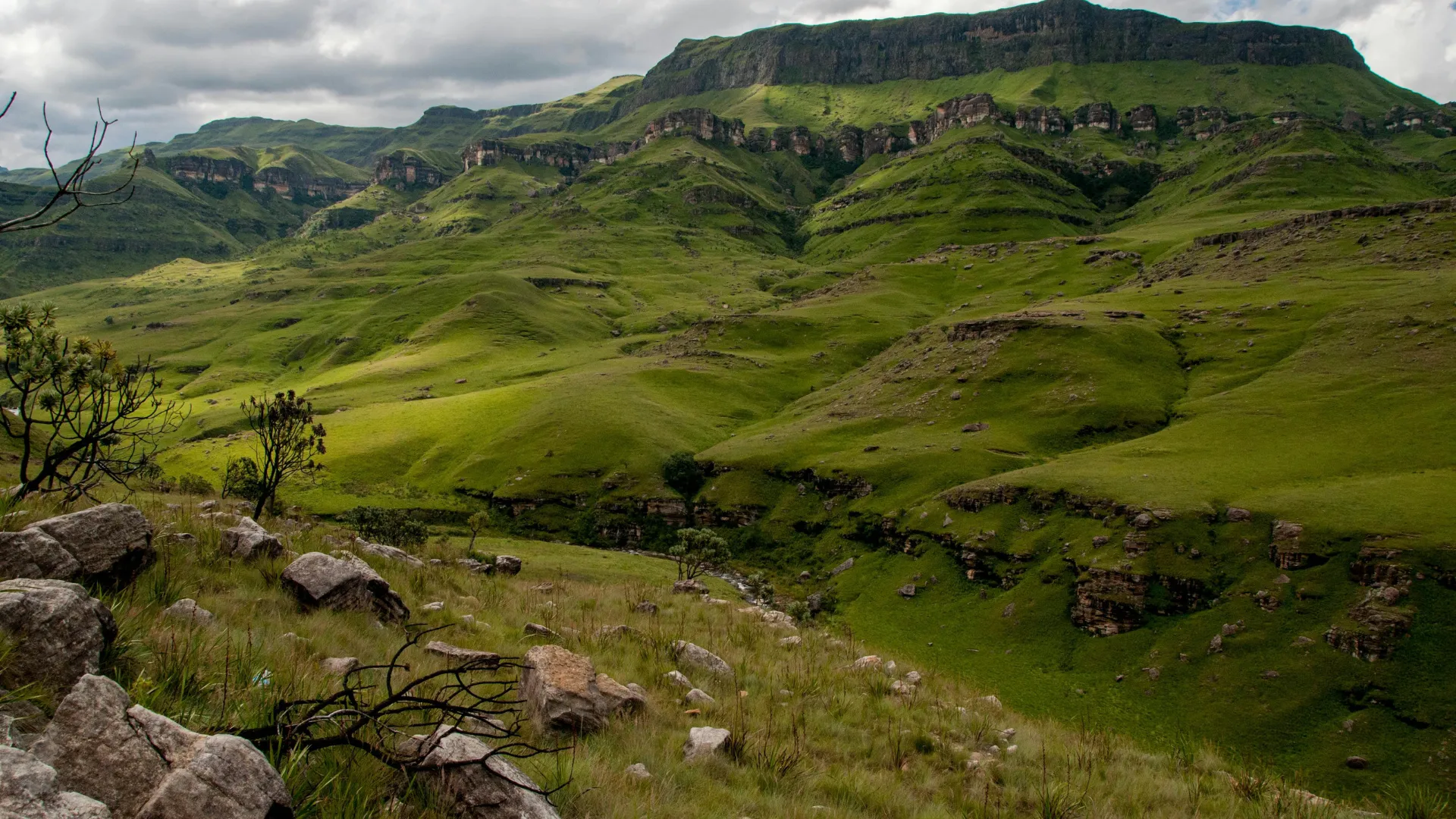
Eswatini, formerly known as Swaziland, is a compact Southern African filming destination with strong cultural identity, mountain scenery, wildlife reserves, traditional ceremonies, rural roads, valleys, craft markets and accessible production routes. For documentaries, commercials, cultural films, travel campaigns, conservation content and branded productions, Eswatini offers a practical blend of visual variety and manageable movement between locations.
Hoodlum provides Film Production Services in Eswatini for documentaries, cultural films, commercials, travel campaigns and conservation productions across Mbabane, Manzini, Ezulwini Valley, Hlane Royal National Park, Mlilwane Wildlife Sanctuary and traditional cultural locations. Our team manages Ministry of ICT film permits, local fixer coordination, private location access, SWACAA drone permissions, ATA Carnet customs planning, crew sourcing, equipment documentation, security support and full on-ground production management.
Eswatini is generally workable for international crews, but professional filming still requires proper approvals. Productions should plan for visa checks, filming permits, drone import permissions, equipment customs documentation, private location agreements and on-set security where needed. Cultural filming also requires sensitive local coordination, especially around ceremonies, traditional spaces and community access.
Why Film Production Works Well in Eswatini
Eswatini works well for productions that need a compact Southern African location with cultural depth, wildlife access, mountain roads and rural texture. Its size is a major production advantage. Crews can move between city settings, valleys, reserves, markets and cultural locations without the heavy internal travel demands of larger countries.
The destination is especially suitable for:
- Documentary filming
- Cultural films
- Commercials
- Travel campaigns
- Conservation productions
- Branded content
- Wildlife reserve filming
- Rural community stories
- Traditional ceremony coverage
- Mountain and valley landscapes
- Regional Southern Africa production routes
Mbabane offers administrative, urban and interview locations. Manzini provides commercial activity, markets and movement. Ezulwini Valley is useful for hotels, cultural sites, roads, tourism visuals and controlled production access. Hlane Royal National Park and Mlilwane Wildlife Sanctuary provide wildlife and conservation value, while traditional cultural locations offer strong documentary and travel-film potential.
Best Time of Year to Film
Eswatini can be filmed year-round, but productions should plan around seasonal weather, road access, wildlife conditions and event calendars. Outdoor shoots, drone work and reserve filming benefit from stable weather and clear visibility.
Productions should plan around:
- Rainfall and road conditions
- Heat in lower-lying areas
- Cooler weather in highland regions
- Wildlife visibility
- Cultural event timing
- Drone permit timelines
- Customs processing
- Public holidays
- Private location availability
- Security planning for city shoots
The drier months are often more practical for travel, wildlife, commercial and outdoor filming. Wetter periods can provide greener landscapes, but productions should build in flexibility for roads, weather and exterior schedules.
Hoodlum helps crews assess the best filming window for each location and production type.
Visa Requirements for Crew
Eswatini offers visa-free entry to citizens of many countries, including most Commonwealth countries, the USA, Japan, most European Union countries and certain other nationalities. Visa on arrival may also be available and is generally valid for 30 days. If the country of origin is not on the visa-exempt list, a visa is required.
Even where a visa is not required, crews should keep supporting travel and production documents on hand.
Typical visa or entry documentation may include:
- Passport valid for at least six months beyond exit date
- At least two blank passport pages
- Proof of onward and return flights
- Hotel booking confirmation
- Proof of travel purpose
- Production company profile
- Shoot synopsis
- Letter of invitation
- Proof of sufficient funds
- Medical card
- Yellow Fever certificate, where applicable
Visa processing may take 1 to 2 weeks where required. The supplied guidance lists no visa cost for standard processing.
Entry permission does not replace filming approval. Professional production activity still requires the correct film permits and location permissions.
International Crew Accreditation
International crew accreditation is not required in Eswatini based on the supplied production guidance. However, productions should keep key documents available throughout the shoot.
Recommended documents include:
- Treatment or synopsis of what will be filmed
- Passport scans for each crew member
- Visa scans, where applicable
- Equipment list
- Equipment values
- Serial numbers
These documents may be needed for film permits, customs, drone permissions or authority checks.
Hoodlum helps productions organise crew and equipment documentation so the shoot remains clean from permit application through arrival and wrap.
Film Permits and Production Approval
Film permits are issued through the Ministry of ICT, meaning the Ministry of Information, Communication and Technology. This is the key authority for professional filming permissions.
Permit processing usually takes 5 to 10 working days, or around 2 weeks.
Typical permit documentation may include:
- Passport copies for all crew members
- Passport photo for each crew member
- Filming dates
- Filming locations in Eswatini
- Brief description of the shoot
- Detailed equipment list
- Equipment serial numbers
- Equipment values
- Letter of invitation
The listed film permit cost is approximately USD 200. The supplied guidance also notes a 15% tax based on equipment value, which should be considered during customs and budget planning.
A strong application should be specific. Locations, dates, crew names and equipment should match the production’s actual movement plan.
Hoodlum helps productions prepare Ministry of ICT permit submissions and coordinate updates if locations or dates change.
Filming in Mbabane and Manzini
Mbabane and Manzini are the main urban production centres. They are useful for interviews, commercial settings, streets, markets, offices, transport movement and administrative access.
Mbabane can support:
- Government-adjacent locations
- Hotels and interiors
- Roads and city movement
- Interview setups
- Documentary context
- Production administration
Manzini can support:
- Markets
- Commercial streets
- Public movement
- Transport scenes
- Local business settings
- Urban documentary visuals
Most crime risk is concentrated in cities, so crews should use sensible precautions, secure equipment and consider private security for public-facing shoots.
Filming in Ezulwini Valley
Ezulwini Valley is one of the country’s most useful filming regions. It offers hotels, roads, cultural sites, tourism locations, markets, craft settings and scenic valley backdrops.
This region can support:
- Travel campaigns
- Cultural films
- Commercials
- Branded content
- Lifestyle scenes
- Documentary interviews
- Tourism visuals
Ezulwini is also practical because accommodation, restaurants and controlled locations are more accessible than in remote areas.
Hoodlum helps productions secure location permissions, private agreements and transport planning in the valley.
Filming Wildlife and Conservation Locations
Eswatini has strong wildlife and conservation locations for a compact country. Hlane Royal National Park and Mlilwane Wildlife Sanctuary are valuable for conservation stories, travel productions, wildlife inserts and lodge-based filming.
Wildlife filming may require:
- Film permit approval
- Reserve permission
- Conservation fees
- Guide or ranger coordination
- Vehicle access
- Safety briefing
- Drone restrictions review
- Accommodation planning
- Environmental compliance
Wildlife locations should not be treated as ordinary landscapes. Crews must work within reserve rules and safety protocols.
Hoodlum helps productions coordinate reserve access and wildlife-safe filming plans.
Filming Cultural Locations
Cultural filming is one of Eswatini’s strongest production opportunities. Traditional ceremonies, craft markets, rural communities and cultural sites can add powerful visual and editorial value.
Cultural filming may require:
- Local fixer coordination
- Community liaison
- Traditional authority permission
- Clear explanation of project purpose
- Respectful filming practices
- Contributor consent
- Location-specific access planning
Productions should avoid treating cultural spaces as open sets. Local context matters, and permissions should be handled carefully.
Hoodlum helps productions approach cultural filming respectfully and practically.
Private Locations
Private locations are negotiated by the local fixer with the private owner. This may include homes, lodges, farms, hotels, commercial interiors, craft spaces, rural properties and private roads.
The fixer will present the shoot synopsis and budget to the private owner, then negotiate access and fees.
Private location agreements should confirm:
- Shoot dates and times
- Approved filming areas
- Crew size
- Equipment access
- Parking and loading
- Fees and payment terms
- Overtime
- Drone use, where relevant
- Restoration responsibilities
- Security requirements
Hoodlum helps productions secure private locations and ensure owner agreements align with the wider film permit.
Drone Permits
Drone use is allowed, but operators must follow Eswatini drone laws. Drones should not be flown over people, large crowds, airports, aircraft operating areas, government facilities, military facilities or sensitive sites. Flights should take place during daylight and in good weather conditions.
Drone permits are handled by Eswatini Civil Aviation, also known as SWACAA.
Drone importation requires an import licence from SWACAA before entering the country. A drone importation certificate may be issued along with the film permit.
Typical local drone documentation may include:
- Completed application form
- Two passport-sized photos
- Covering letter from production house
- Original police clearance from country of origin
- Qualification certificate or pilot licence
- Medical certificate
- Drone make and serial number
- Shoot synopsis
- Details of where the drone will operate
Drone permits are included with film permits on request and may range from USD 100 to USD 300. Processing takes approximately 2 weeks.
Hoodlum helps productions coordinate SWACAA requirements, drone import permissions and location-specific flight planning.
Equipment Customs Clearance
Eswatini is an ATA Carnet country. Productions should still prepare detailed equipment documentation for temporary import of filming equipment.
Typical customs documentation may include:
- Crew member passports
- Stamped visas, valid for at least six months where applicable
- Commercial invoice
- Air waybill
- Import request for filming equipment
- Detailed equipment list
- Serial numbers
- Equipment values
- ATA Carnet, where applicable
Customs clearance is handled through airport customs. Processing usually takes 1 to 2 working days.
The listed cost is 15% of equipment value, so productions should confirm whether this applies as a tax, deposit or clearance-related charge before arrival.
Hoodlum helps productions prepare equipment lists, customs documents and arrival planning so gear movement does not delay the shoot.
Film Rebates and Tax Incentives
Eswatini does not currently offer a formal film rebate or tax incentive programme based on the supplied production guidance.
Productions should budget around permits, private locations, equipment customs costs, drone permissions, security, local fixer support, transport, accommodation and crew sourcing.
Before budgeting, productions should confirm:
- Film permit costs
- Equipment value charges
- Drone permit costs
- Private location fees
- Security costs
- Local fixer rates
- Transport costs
- Accommodation
- Customs handling
- ATA Carnet requirements
Hoodlum helps productions understand the real cost structure and avoid assumptions around incentives that do not currently apply.
Safety and Security
Eswatini is generally workable for filming, but most crime occurs in cities. Petty theft and pickpocketing can occur, especially in busier urban areas. Crews are unlikely to encounter problems on guided activities, but standard safety precautions are recommended.
Crews should:
- Seek local advice before walking in cities
- Avoid wearing valuables openly
- Carry only necessary cash
- Avoid walking after dark
- Use taxis or vetted transport at night
- Keep equipment supervised
- Use private security where appropriate
The supplied guidance recommends a private security company qualified to handle on-set security.
Hoodlum helps productions coordinate private security, vetted drivers and practical movement plans.
How the Main Approvals Fit Together
One approval does not unlock the whole production.
Visa-free entry or visa on arrival may allow crew into Eswatini, but it does not approve filming. A Ministry of ICT film permit supports production activity, but it does not automatically secure private locations, drone import approval or customs clearance. A private owner agreement may allow access to a property, but the shoot still needs to match the film permit. SWACAA drone permission is separate from general filming approval unless specifically included. ATA Carnet customs handling allows equipment entry, but it does not approve where gear may be used.
A complete production plan connects:
- Crew entry requirements
- Film permit through the Ministry of ICT
- Location list and shoot dates
- Private location agreements
- SWACAA drone permission
- Drone import licence
- Equipment list with serial numbers
- ATA Carnet customs documents
- Security planning
- Local fixer coordination
Hoodlum keeps these moving parts aligned so the crew can focus on filming instead of chasing paperwork through the hills like a runaway call sheet.
Common Mistakes to Avoid
Common mistakes include:
- Assuming visa-free entry applies to every nationality
- Forgetting passport validity and blank pages
- Travelling without supporting production documents
- Leaving film permits too late
- Submitting vague location details
- Forgetting equipment values and serial numbers
- Assuming crew accreditation is required when it is not
- Bringing a drone without SWACAA import approval
- Flying drones near restricted areas
- Assuming drone permits are automatic
- Ignoring the 15% equipment value cost
- Treating ATA Carnet as the only customs requirement
- Skipping private security for public shoots
- Working without a local fixer
Most issues are preventable with early documentation, clear location planning and experienced local support.
How Hoodlum Supports Local Production
Hoodlum provides practical support for international crews filming in Eswatini, from early planning through shoot execution.
Support may include:
- Visa and entry guidance
- Letter of invitation support
- Ministry of ICT film permit coordination
- Location research and scouting
- Private location negotiations
- Cultural access support
- Wildlife location coordination
- Local fixer services
- Crew and supplier sourcing
- Drone permit planning
- SWACAA coordination
- Drone import licence support
- ATA Carnet customs planning
- Equipment documentation
- Security coordination
- Transport logistics
- On-ground production management
Film production in Eswatini requires more than compact geography and strong cultural locations. A successful shoot needs permits, drone planning, customs documentation, private access, security awareness and reliable local coordination.
Hoodlum helps productions reduce risk, avoid unsupported assumptions and plan the shoot as a practical operation from the first stage of prep.
FAQ
Do international crews need a visa?
Visa requirements depend on nationality. Many Commonwealth, US, Japanese and EU nationals do not require visas, while others must apply online.
Is visa on arrival available?
Yes, visa on arrival is listed as available and valid for 30 days.
Is crew accreditation required?
No. International crew accreditation is not required based on the supplied guidance.
Who issues film permits?
Film permits are issued through the Ministry of ICT.
How long do film permits take?
Permit processing usually takes 5 to 10 working days, or around 2 weeks.
Can productions use drones?
Yes, but drone use is regulated and requires permission through Eswatini Civil Aviation.
Is drone importation allowed?
Yes, but an import licence from SWACAA must be obtained before entering the country.
Is Eswatini an ATA Carnet country?
Yes. Eswatini is an ATA Carnet country.
Are there film rebates?
No formal rebate or tax incentive is currently listed in the supplied production guidance.
Is Eswatini safe for filming?
It is generally workable, but city crime can occur. Private security is recommended for production activity where needed.
External Authority Links
- Eswatini online visa application
- Kingdom of Eswatini visa guide
- Ministry of ICT
- Eswatini Civil Aviation Authority
Planning a shoot in Eswatini? Contact Hoodlum for Ministry of ICT film permits, visa guidance, local fixers, cultural access, wildlife location coordination, private location negotiation, ATA Carnet customs planning, SWACAA drone permissions, security support and full on-ground production management. You can also view the Hoodlum Film Fixers Eswatini Google Business Profile for local production details.