For enhanced safety, it is recommended to engage a private security company.
Maseru
Maseru, the capital and largest city of Lesotho
The official languages are Sesotho and English.
The Loti (LSL)
Lesotho experiences all four seasons, each bringing distinct weather patterns.
Identify Visa Type:
Begin your application from:
Once you are ready to apply, you can download the visa application form , complete it, print the complete form and bring it with you to the Visa Application Centre (together with the documents required for the Visa category chosen) for submission.
Book an appointment:
Pay your fees:
Once you have made your application, you will need to pay your visa application fee. If you download the form to print and bring to the Visa Application Centre, payment will be made at the time of your appointment .
You can pay the visa fee at the visa application centre in cash/QR.
Visit a Visa Application Centre:
You’ll have to submit your completed visa application form at the Visa Application Centre in person.
Find out What happens at the Visa Application Centre.
Track your application:
You will receive an email update when your decision has been returned to the Visa Application Centre. If you can’t access email easily, or would like more detailed tracking information, you may also be able to get updates by SMS sent directly to your phone. Check whether this service is available at the Visa Application Centre you are visiting.
You can also track your visa application status online. Use the Reference Number present on the invoice/receipt issued by the Visa Application Centre along with your last name to access this service.
Collect your passport:
International crew accreditation is not necessary in Lesotho. Relevant visas and travel documentation are sufficient for entry.
International crew accreditation is not necessary in Lesotho. Relevant visas and travel documentation are sufficient for entry.
Film permits in Lesotho are managed through government channels, with the government eager to support exposure and filmmaking in the country. Local authorities are responsible for issuing these permits. There is a designated council or office that oversees the permitting process.
Securing a private filming location in Lesotho involves the Fixer acting as an intermediary between the film crew and the property owner. The Fixer will negotiate terms, obtain necessary permits, and ensure all local regulations are followed to facilitate a smooth filming process.
Hoodlum will negotiate cost directly with private owner.
Drone use is permitted in Lesotho, but operators must adhere to several regulations when flying within the country. It is essential for drone operators to comply with all relevant drone laws.
Permission for drone importation will be granted alongside the general film permit.
Required Documentation for Drone Importation
Drone permits are issued by Civil Aviation Lesotho.
The approval process may take up to 1 month.
Not available
Lesotho is not a Carnet country.
E-Clearance certificates must be submitted online at least 3 days prior to entry into Lesotho.
Customs clearance is issued by Revenue Services Lesotho (RSL) at the Maseru Bridge or Maputosoe Bridge.
Lesotho is generally regarded as a safe destination for travelers. While it has long been a refuge from the challenges affecting much of Africa, the country still faces its own challenges, including crime (both petty and violent), health concerns, and poverty.
No film rebate/incentive available for Lesotho.
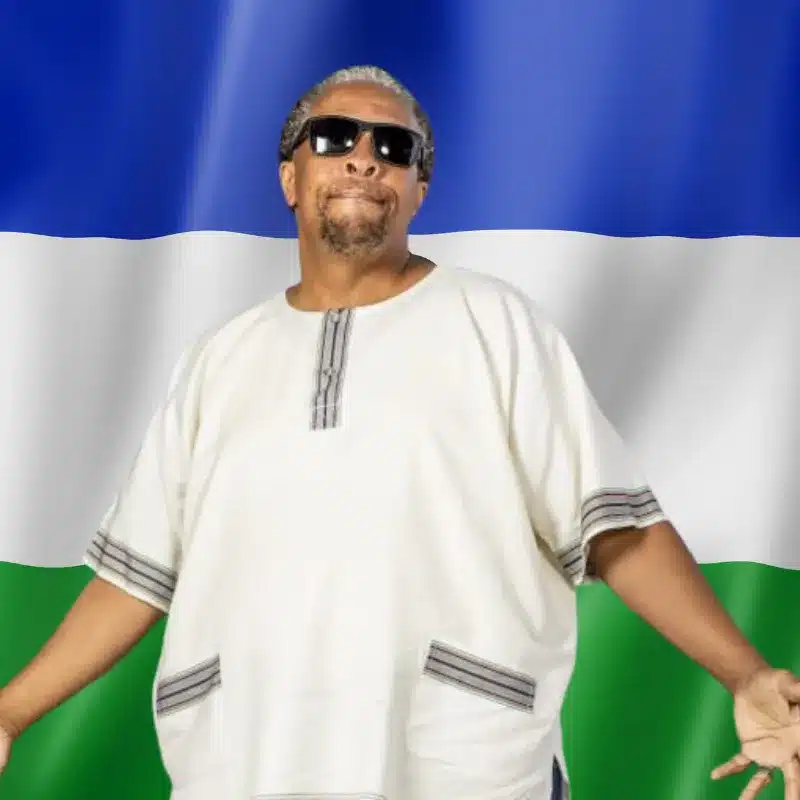
Fill in our client brief and we’ll get back to you with everything you need to start filming in this region.
















Filming in Southern Africa invites filmmakers to explore spectacular deserts, thriving cities, and…
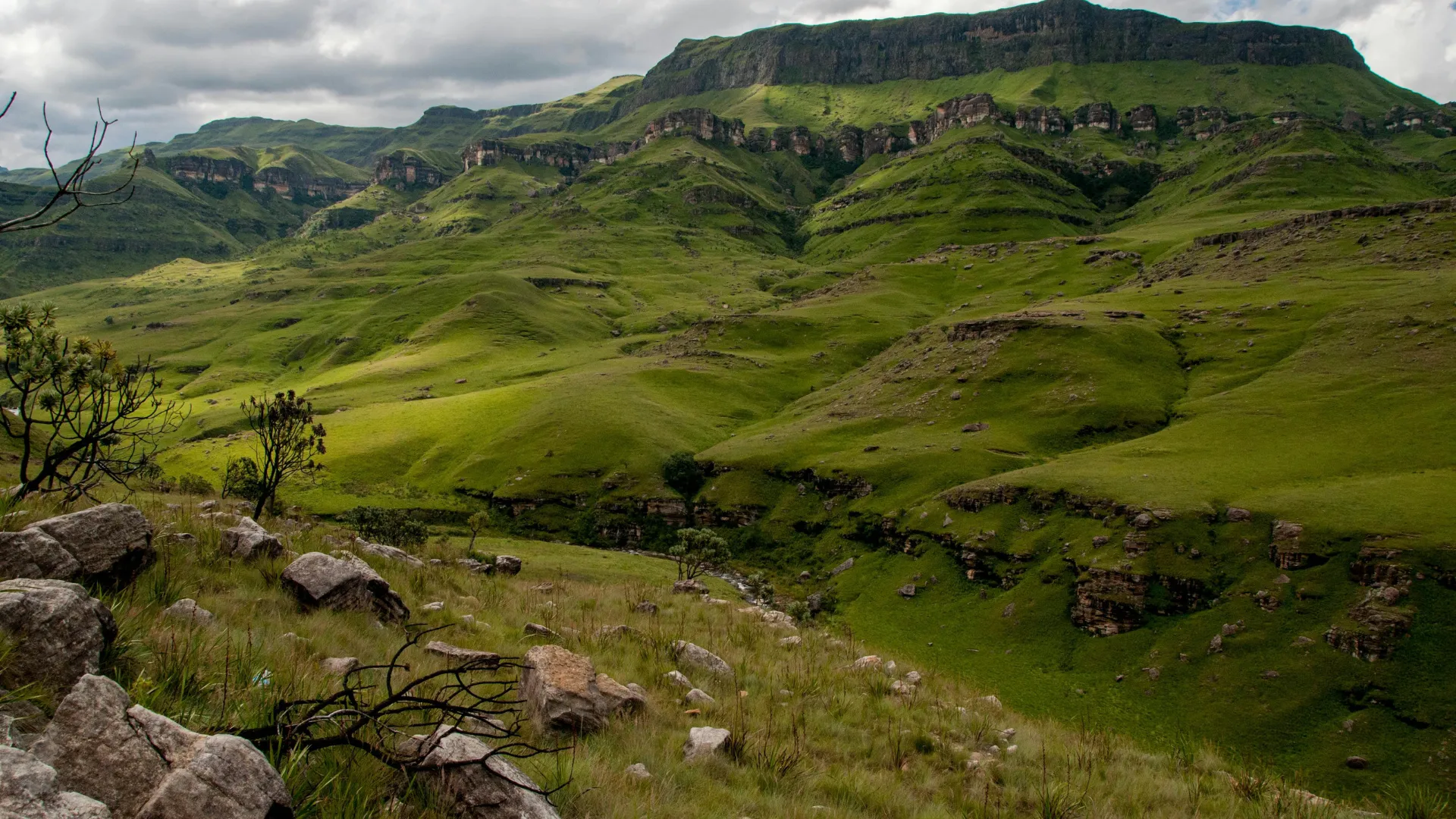
Lesotho is one of Southern Africa’s most distinctive filming destinations, offering high-altitude landscapes, mountain roads, waterfalls, rural villages, dramatic passes, dams, open skies and rugged terrain that feels unlike anywhere else in the region. For documentaries, commercials, adventure content, travel campaigns, branded films and location-led productions, Lesotho gives international crews access to powerful mountain visuals within a compact but logistically demanding production environment.
Hoodlum provides Film Production Services in Lesotho for documentaries, commercials, adventure content, travel campaigns and branded productions across Maseru, Semonkong, Maletsunyane Falls, Thaba Bosiu, Katse Dam, highland roads and mountain village locations. Our team manages filming permissions, government liaison, local authority coordination, mountain logistics, local fixers, location scouting, drone coordination, customs planning, transport support, crew sourcing and on-ground production management.
Lesotho is generally welcoming to international productions and government exposure is often encouraged, but filming still requires proper approvals. Productions should plan for visas where applicable, government-level film permits, private location agreements, drone permissions, customs clearance, e-Clearance certificates, local fixer support and mountain safety planning.
For crews looking for dramatic elevation, remote roads, waterfalls, dams, rural communities and cinematic highland backdrops, Lesotho is a strong production choice when travel, weather and permits are planned early.
Lesotho works well for productions that need mountains, highland roads, rural access and landscapes with a sense of scale. The country is completely surrounded by South Africa, which can make regional production routing practical, especially for crews already working through Johannesburg, Bloemfontein, Durban or Cape Town.
The destination is especially suitable for:
Maseru is the main production base and entry point for many crews. Semonkong and Maletsunyane Falls provide dramatic waterfall and mountain visuals. Thaba Bosiu offers historical and cultural value. Katse Dam and the highland routes provide infrastructure, roads, water and large-scale landscape opportunities.
The production value lies in altitude and texture. Lesotho’s roads, passes and villages can give a shoot a strong sense of place, but they also require practical planning around weather, vehicles, access and safety.
Lesotho’s climate is strongly shaped by altitude. Conditions can change quickly in the mountains, and productions should plan for colder temperatures than nearby lowland regions.
Productions should plan around:
The drier months can be practical for road movement, landscape filming and adventure content. Winter can provide dramatic cold-weather visuals, but it may introduce access issues, snow, ice and shorter daylight windows. Summer can offer greener landscapes, but rain can affect roads and mountain schedules.
Hoodlum helps productions choose the right filming window for the visual brief and build realistic contingency around mountain conditions.
All foreign visitors require a valid passport, and the passport should be valid for at least six months. Citizens from some countries do not require a visa and will receive an entry permit on arrival. This includes nationals of the UK, USA, Australia, Canada and South Africa.
Where a visa is required, typical documentation may include:
Visa processing is generally between 2 and 3 working days. Costs are listed at approximately R900 to R1,000.
Visa applications can be made through the VFS Global Lesotho visa platform where applicable.
Entry permission does not replace filming approval. Professional production activity still requires the relevant filming permissions and location access.
Hoodlum helps productions confirm crew entry requirements, prepare invitation letters and align travel documents with the production schedule.
International crew accreditation is not required in Lesotho based on the supplied production guidance. Relevant visas and travel documentation are generally considered adequate from an entry perspective.
However, crews still need to be declared as part of the film permit process. Passport scans, crew photos, visa scans and equipment lists are included in the film permit documentation.
Typical crew information may include:
Hoodlum helps productions prepare crew documents so the film permit, customs process and drone applications all match the same production plan.
Film permits are managed through government-level relationships and local authorities. The supplied guidance notes that the government is generally keen to welcome exposure, but approvals still need to be handled properly.
Permits are issued by government authorities to allow filming of motion pictures. A council or office handles film permits, and obtaining permits is part of the location scouting process, usually managed by the location manager or local fixer.
Typical film permit documentation may include:
Permit processing is approximately 2 to 3 weeks. The listed permit cost is R1,100.
Location details matter. A shoot in Maseru, a mountain village, Semonkong, a dam area, a public road, a heritage site or a private lodge may each involve different local authority coordination.
Hoodlum helps productions identify the correct permit route, prepare applications and coordinate with local government contacts before filming begins.
Maseru is the capital and main production base. It offers entry logistics, hotels, government access, roads, urban visuals, markets, commercial interiors, residential areas and practical crew coordination.
Useful Maseru filming looks include:
Maseru is useful for documentaries, interviews, commercial content, arrival scenes, government liaison and production prep before moving into rural or mountain locations.
The main planning issues are permits, public filming access, traffic, parking, sound, equipment security and local authority coordination.
Hoodlum helps productions manage Maseru schedules, local permissions and movement into highland regions.
Semonkong is one of Lesotho’s strongest filming areas, especially because of Maletsunyane Falls. The waterfall is a major visual asset for travel campaigns, adventure productions, commercials, documentary sequences and landscape-led filming.
Semonkong filming may involve:
Maletsunyane Falls offers dramatic vertical scale, mist, cliffs, highland light and strong natural production value. However, crews should plan carefully around access, safety, weather, viewing points and equipment movement.
Hoodlum helps productions coordinate Semonkong access, local permissions, safety planning and practical filming routes.
Thaba Bosiu is an important historical and cultural location. Productions filming there should treat it as more than a scenic site. It may require cultural awareness, local authority permissions and respectful access planning.
Thaba Bosiu can support:
Filming heritage locations may require additional coordination beyond a general permit, depending on the production activity.
Hoodlum helps crews confirm access rules, local permissions and cultural considerations before filming.
Katse Dam and the highland routes provide major visual production value. These locations can support infrastructure stories, travel campaigns, road sequences, drone-style landscapes with approval, documentary scenes and commercial visuals.
Highland filming may involve:
Mountain roads can be visually spectacular, but they are not casual logistics. Crews should allow realistic travel times and consider fuel, weather, road surface, communications and emergency support.
Hoodlum helps productions build mountain routes that are practical, not just beautiful on a map.
Privately owned locations are negotiated by the local film fixer and the private owner. This may include lodges, homes, farms, commercial interiors, rural properties, private roads or tourism locations.
Costs are negotiated directly between the fixer and the owner, depending on the location, duration, crew size, equipment footprint and access requirements.
Written agreements are recommended. They should confirm:
Hoodlum helps productions negotiate private access and confirm whether additional local authority permissions are required.
Drone use is allowed in Lesotho, but operators must follow local drone laws. Drone importation permission may be issued along with the general film permit.
The issuing authority is Civil Aviation Lesotho.
For local drone operations, requirements may include:
The supplied guidance notes that Lesotho strongly insists on using local drone operators. This is important for production planning. Using a local operator may simplify compliance and reduce the risk of import or approval delays.
For drone importation, documentation may include:
Processing may take up to 1 month. The listed cost is approximately R250.
Drone planning should start early, especially for mountain locations, dams, villages and public roads. Weather and wind are also important in highland environments.
Hoodlum helps productions assess whether a local drone operator or imported drone is the best route, then coordinates the relevant applications with the wider film permit process.
Lesotho is not a Carnet country. Productions should not rely on standard ATA Carnet processes for temporary import of film equipment.
A 15% provisional tax may be charged on goods or gear, refundable on exit. This applies as a temporary import-style process for non-Carnet equipment movement.
Required documentation includes e-Clearance certificates filled online before entry. These should be completed approximately 3 days prior to entering Lesotho.
Customs clearance is handled by Revenue Services Lesotho at points such as Maseru Bridge and Maputsoe Bridge.
Typical customs documentation may include:
Processing is generally 3 to 7 working days. Costs should be confirmed with Revenue Services Lesotho.
Productions entering via South Africa should also consider freight or customs coordination on the South African side to speed up processing.
Hoodlum helps productions prepare equipment documentation, complete e-Clearance steps and coordinate border logistics.
Lesotho does not currently offer a formal film rebate or tax incentive programme based on the supplied production guidance.
Productions should not build budgets around rebate recovery. Cost planning should focus on permits, location fees, transport, local fixers, accommodation, drone approvals, customs costs, refundable provisional tax, private security and mountain logistics.
Before budgeting, productions should confirm:
Hoodlum helps productions understand the real local cost structure and avoid assumptions around incentives that do not currently apply.
Lesotho is generally considered safe to travel in, but productions should still plan for crime, health, poverty-related risk and remote-area logistics. The supplied guidance recommends using a private security company.
Security and safety planning may include:
Crime risks can include petty and violent crime. Productions carrying high-value gear should use sensible equipment security, especially in public areas or at night.
The mountain environment creates additional production risks, including weather changes, road conditions, altitude, cold and limited access to services.
Hoodlum helps productions plan both location security and environmental safety so the crew can operate confidently.
Lesotho’s production infrastructure is smaller than South Africa’s, so crews often combine local support with imported equipment or regional suppliers. Its proximity to South Africa can be a production advantage, especially for equipment, crew movement and regional logistics.
Infrastructure considerations include:
English is widely used in formal and production contexts, while Sesotho support is valuable for community access and rural locations.
Hoodlum helps productions decide what can be sourced locally and what should be brought in, then aligns equipment planning with customs requirements.
One approval does not unlock the whole production.
Visa-free entry or an entry permit may allow a crew member to enter Lesotho, but it does not approve filming. A film permit supports production activity, but it does not automatically secure every private location, drone approval or customs clearance. A private owner agreement may provide property access, but local authority permission may still be required. Drone importation permission may be linked to the film permit, but Civil Aviation Lesotho requirements must still be followed. Customs clearance through Revenue Services Lesotho allows equipment entry, but it does not confirm where that equipment may be used.
A complete production plan connects:
Hoodlum keeps these moving parts aligned so the production does not get stuck on a mountain pass with a perfect shot, a locked drone and a missing customs form.
Lesotho is a strong choice when a production needs mountain landscapes, waterfalls, highland roads, rural communities, dams, altitude, dramatic weather and a Southern African location with a distinct visual identity.
The destination is especially suitable for:
The country may be less suitable for productions that need extensive local production infrastructure, instant drone approvals, Carnet-based customs entry or low-risk mountain logistics without local support. Those shoots may still be possible, but they require early coordination and realistic planning.
For many international crews, Lesotho works best when used for its natural strengths: high-altitude landscapes, dramatic roads, waterfalls, cultural sites, compact geography and access through South Africa.
Common mistakes include:
Most issues are preventable with early paperwork, accurate equipment lists and experienced local coordination.
Hoodlum provides practical support for international crews filming in Lesotho, from early planning through shoot execution. The aim is to make the production workable before the crew crosses the border and keep each moving part aligned once filming begins.
Support may include:
Film production in Lesotho requires more than beautiful mountains and open roads. A successful shoot needs permits, customs planning, drone coordination, private location access, mountain logistics, security support and reliable local guidance.
Hoodlum helps productions reduce risk, avoid unsupported assumptions and plan the shoot as a practical operation from the first stage of prep.
Visa requirements depend on nationality. Nationals of the UK, USA, Australia, Canada and South Africa are listed as receiving entry permits on arrival.
Where a visa is required, processing is generally between 2 and 3 working days.
No. The supplied guidance states that international crew accreditation is not required, and relevant visas and travel documents are adequate.
Film permits are handled through government-level relationships and local authorities.
Film permits take approximately 2 to 3 weeks.
Yes, drone use is allowed, but operators must follow local laws and obtain permission through Civil Aviation Lesotho.
Yes. The supplied guidance notes that Lesotho strongly insists on using local drone operators.
No. Lesotho is not a Carnet country.
A 15% provisional tax may be charged and refunded on exit. e-Clearance certificates should be completed before entry.
No formal rebate or tax incentive is currently listed in the supplied production guidance.
The country is generally considered safe, but private security is recommended, and crews should plan around crime risk, health considerations and mountain conditions.
A local fixer helps manage government permits, private locations, drones, e-Clearance, customs, mountain logistics, security and daily production support.
Planning a shoot in Lesotho? Contact Hoodlum for film permits, government liaison, local fixers, mountain logistics, private location access, e-Clearance customs planning, Civil Aviation Lesotho drone coordination, local drone operators, 4×4 transport, security support and full on-ground production management. You can also view the Hoodlum Film Fixers Lesotho Google Business Profile for local production details.