Mozambique stretches along the Indian Ocean like a storyboard already half drawn. Coral archipelagos. Long empty beaches. Colonial architecture. Mangroves, savannah, bustling port cities. It is visually generous and geographically varied.
But filming in Mozambique is not simply about choosing a beautiful coastline and rolling camera.
It is about understanding how the country works operationally. Who issues permissions. How regional authorities function. Where infrastructure supports production and where planning must compensate. What the rhythm of travel really feels like between provinces. How safety, access, and logistics interlock.
This guide is written as a grounded production overview for international producers evaluating Mozambique seriously, not casually.
For a full service overview, visit our Mozambique filming guide
Understanding the Landscape of Filming in Mozambique
Mozambique offers scale without saturation. Unlike heavily commercialised coastlines elsewhere, many coastal filming locations in Mozambique remain visually clean and flexible.
The film industry in Mozambique has developed through documentary, wildlife, NGO, tourism, and commercial production. It is not a studio driven ecosystem. It is a location driven one.
That distinction defines everything.
Filming in Mozambique works best when grounded in:
- Natural landscape storytelling
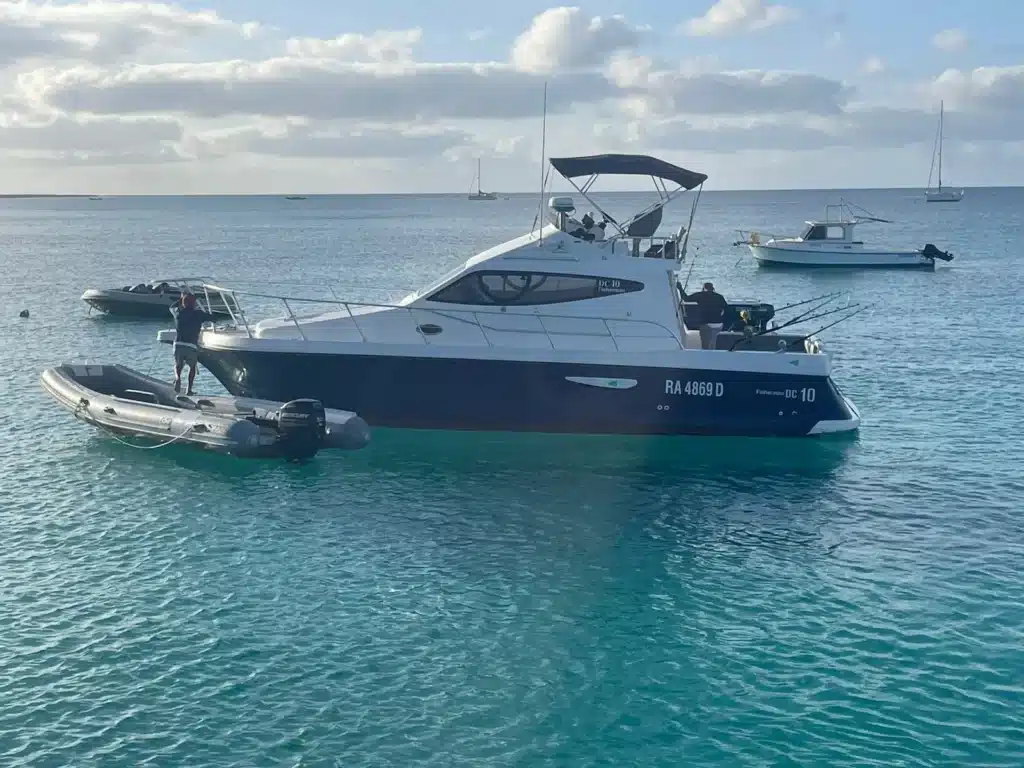
- Marine and island settings
- Conservation narratives
- Cultural authenticity
- Large scale coastal visuals
Production logistics in Mozambique are shaped by geography. The country is long and regionally diverse. Travel between the north and south often requires internal flights. Road infrastructure varies. Weather patterns must be factored seasonally.
Strong coordination is what transforms this geography into opportunity.
Production Logistics in Mozambique: Planning with Geography in Mind
Effective production logistics in Mozambique begin with regional clustering.
Maputo functions as the administrative and operational anchor. It offers the strongest access to authorities, accommodation, and travel infrastructure. Most productions base initial coordination here.
From Maputo, filming in Mozambique typically expands into one of several key corridors:
- Vilanculos and the Bazaruto Archipelago
- Inhambane and Tofo Beach
- Gorongosa National Park
- Pemba and the northern coastline
- Quirimbas Archipelago
Understanding travel time between these regions is essential. Mozambique is not compact. Marine transfers, domestic flights, and regional road conditions directly affect schedule design and budget for filming in Mozambique.
The smartest productions sequence locations logically rather than hopping across the country.
Key Filming Locations in Mozambique
Mozambique’s range of environments is its strongest creative asset.
- Maputo
Urban architecture, port environments, colonial facades, government buildings, markets, and beachfront promenades. - Maputo Special Reserve
Coastal dunes and wildlife landscapes near the capital. Requires conservation oversight. - Vilanculos
Gateway to the Bazaruto Archipelago and a strong base for marine production. - Bazaruto Archipelago
White sandbanks, clear water, dune systems, and high end coastal visuals. - Tofo Beach
Renowned for marine biodiversity including whale sharks and manta rays. - Inhambane
Historic Portuguese architecture blended with coastal access. - Gorongosa National Park
A conservation flagship with structured wildlife filming access. - Pemba
Dramatic northern coastline and growing tourism infrastructure. - Quirimbas Archipelago
Remote islands with striking visual isolation. Logistically demanding but highly cinematic.
These coastal filming locations in Mozambique provide extraordinary variety within one national territory.
Film Permits in Mozambique
Filming in Mozambique is regulated by the National Institute of Audiovisual and Cinema (INAC), the official issuing authority for film approvals.
This centralised structure creates clarity for international producers.
Required Documentation
Applications for film permits in Mozambique typically require:
- Film synopsis
- List of international crew members
- Equipment list including serial numbers
- Budget allocated for expenditure within Mozambique
Processing time is approximately two weeks, provided documentation is complete.
Cost Structure
Permit fees are calculated at 1% of the production budget to be spent in Mozambique, with a minimum payment of 8,500 meticais (approximately 130 USD).
Transparency in budgeting simplifies approvals and avoids administrative delays.
Shooting permits in Mozambique are not informal permissions. They are structured approvals issued through INAC, and all productions should secure clearance prior to principal photography.
Drone Filming Regulations in Mozambique
Drone work is permitted but tightly regulated.
Drone filming regulations in Mozambique fall under the authority of the Instituto Nacional de Aviação Civil (INAC), the national aviation authority.
To secure drone approval, productions must submit:
- Valid drone pilot license
- Drone specifications including model, serial number, weight, and technical details
- Proposed flight schedule
- GPS coordinates of flight locations
- Proposed flight time and altitude
Applications are typically processed within approximately two weeks.
Permit fees range between 300 and 350 USD.
Drone filming regulations in Mozambique must be respected carefully, especially in coastal, urban, or conservation zones. Drones should not be brought into the country without confirmed authorization.
Visa and Entry Requirements
Mozambique introduced important entry changes that directly impact production planning.
As of April 24, 2025, citizens of 29 previously visa-exempt countries must now secure an Electronic Travel Authorization (ETA) before arrival.
The affected countries include the United Kingdom, United States, Canada, Belgium, Denmark, Finland, France, Germany, Italy, Japan, Netherlands, Norway, Portugal, Spain, Sweden, Switzerland, United Arab Emirates, among others.
The ETA is mandatory for legal entry. It is not a visa but a pre-travel registration requirement.
ETA Application Requirements
Applicants must provide:
- Invitation letter from a Mozambican host organisation or hotel booking
- Financial documents showing means of support
- Passport information
- Return ticket
- Accommodation details
Applications must be submitted online at least 48 hours before departure via:
The ETA is valid for three months from approval date.
Processing is typically rapid when documents are complete.
For film crews, entry approval does not replace filming authorization. Film permits in Mozambique and drone permits must still be secured separately.
Hiring Local Crew in Mozambique
Hiring local crew in Mozambique strengthens both operations and permit processes.
The film industry in Mozambique includes experienced:
- Fixers
- Production managers
- Location managers
- Translators
- Marine coordinators
- Drivers and logistics teams
Hiring local crew in Mozambique improves communication with provincial authorities and communities, particularly outside Maputo.
Authorities also expect productions to operate through recognised local coordination.
Infrastructure for Film Production in Mozambique
Infrastructure for film production in Mozambique varies by region.
Maputo offers:
- International airport access
- Reliable accommodation
- Administrative offices
- Core production coordination
Vilanculos and Inhambane provide strong tourism infrastructure supporting island and coastal shoots.
Remote areas such as Quirimbas or Niassa require advanced logistical preparation.
Understanding infrastructure for film production in Mozambique ensures realistic scheduling and accurate budget forecasting.
Safety for Film Production in Mozambique
Safety for film production in Mozambique depends on location.
Urban filming in Maputo requires standard metropolitan precautions. Remote and marine locations require:
- Weather monitoring
- Marine safety planning
- Wildlife awareness
- Medical access assessment
- Structured transport coordination
Professional risk assessment ensures safety for film production in Mozambique remains proactive rather than reactive.
Budget for Filming in Mozambique
The budget for filming in Mozambique is influenced primarily by geography and travel.
Key cost drivers include:
- Domestic flights
- Marine transfers
- Accommodation in remote regions
- Permit fees
- Aviation approvals for drones
Urban filming is comparatively controlled in cost. Island and conservation shoots increase logistical expenditure.
Clear production logistics in Mozambique planning prevents escalation.
Regional Perspective Within Southern Africa
If your production spans multiple Southern African territories, understanding how each country operates on the ground helps shape smarter scheduling and budget decisions.
Line Production in Madagascar involves layered coordination across ministries and conservation authorities, particularly when filming in protected environments. The reward is ecological diversity that feels visually unmatched.
Production in Namibia is known for expansive desert control, established infrastructure, and streamlined permitting across remote terrain.
Compared to these markets, filming in Mozambique offers a different operational rhythm. Its coastline stretches for thousands of kilometres, marine logistics play a central role, and permits are structured through a defined national audiovisual authority. Coastal access, island environments, and conservation areas sit within one framework, allowing productions to move from urban Maputo to remote archipelagos with structured oversight.
For productions seeking ocean scale, wildlife integration, and Indian Ocean light within Southern Africa, filming in Mozambique positions you inside a coastal production ecosystem that is both visually expansive and administratively clear.
FAQ
How long do film permits in Mozambique take?
Approximately two weeks, provided documentation is complete.
What are the drone filming regulations in Mozambique?
Drone use requires aviation authority approval, detailed flight plans, and payment of a 300 to 350 USD permit fee.
Is hiring local crew in Mozambique required?
While not always legally mandatory, operating through local coordination is essential for permit facilitation and authority engagement.
What is the budget structure for filming in Mozambique?
Film permits are calculated at 1% of the local production budget, with a minimum of 8,500 meticais.
Is Mozambique safe for international productions?
Yes, when proper logistics, regional planning, and safety assessments are implemented.
Filming in Mozambique is not about volume production. It is about environment. Coastline. Light. Scale.
With structured permits through INAC, clear drone regulations, organised production logistics in Mozambique, and grounded local crew integration, the country operates within a reliable framework.
For international producers seeking coastal scope and operational clarity within Southern Africa, Mozambique offers both.
Explore our full Mozambique country page.
Previous Work We’ve done
This article was written by Zandri Troskie-Naudé using verified information from relevant national authorities and regional production professionals, the filming environment reflects local regulatory oversight, location authority coordination, and established on-the-ground production capability. With experienced film fixers, comprehensive film production services, and dependable production support, productions operate within a framework built for structured, efficient execution.