Filming in Ireland Requirements are less about one national “film permit” and more about proving you have permission for the ground you’re standing on, the activity you’re doing, and the impact you’ll create. Ireland is famously film-friendly, but when your location list includes popular heritage sites or spiritual places, the rules get more specific, the sensitivities increase, and approvals can hinge on tone, safety, and public disruption.
Hoodlum is the practical shortcut through the complexity. We run Filming in Ireland Requirements as a controlled workflow: feasibility checks, stakeholder mapping, permissions strategy, risk documents, schedules, and on-ground coordination. If you want a solid baseline of what’s typically involved, start with Hoodlum’s Ireland production guide and service scope here: http://hoodlum.tv/where-we-work/film-production-support-in-ireland/.
This blog focuses on whether you are allowed to film at the kinds of locations crews actually ask for: castles, monastic ruins, pilgrimage routes, ancient sites, cliffs, forests, and city streets. Along the way, we’ll cover Location Management in Ireland as the discipline that keeps access stable, and Drone Filming in Ireland as the element most likely to introduce a hard “no” if it’s not planned early.
1) Filming in Ireland Requirements begin with one question: who controls the location?
If your shoot includes a popular or spiritual location, Filming in Ireland Requirements start with control, not aesthetics. In Ireland, control typically falls into one or more of these buckets:
- Local authorities (city and county councils)
- Heritage site managers (including state heritage portfolios)
- Protected area and wildlife authorities (for sensitive habitats and species)
- Private owners (estates, farms, businesses, religious bodies, event venues)
- Transport and aviation stakeholders (roads, rail, ports, airports)
- On-site operations (security, visitor services, facilities teams)
Location Management in Ireland is the act of building that control map early, then turning it into a permission plan the schedule can actually survive.
Hoodlum’s approach is to validate the “permission reality” before the shot list becomes emotionally attached to a specific spot. It’s much easier to adjust a creative treatment than to un-sell a location the day before filming.
2) Are you allowed to film at Ireland’s iconic and spiritual locations?
Yes, often, but not automatically. The practical answer is: you’re allowed to film when the controlling authority agrees, and that agreement is influenced by impact, timing, and suitability.
Heritage sites and ancient monuments
Many of the locations productions think of as “spiritual” or culturally sensitive are also protected heritage sites. In those cases, Filming in Ireland Requirements typically involve a formal request, supporting documents, fees, and site-specific restrictions.
Ireland’s Office of Public Works heritage services (Heritage Ireland) manages a large portfolio of major historic sites and invites filming enquiries, while also noting that site-specific restrictions may apply and that certain themes will not be accommodated. Their guidance also points to requirements like event management plans, risk assessments, and method statements depending on activity.
What this means for Location Management in Ireland:
- Some sites will approve straightforward filming with tight controls.
- Some sites may refuse if the proposal conflicts with the site’s integrity or purpose.
- You need to plan for supervision requirements, limitations on set-up complexity, and public access considerations.
If you’re targeting spiritually significant landscapes or ancient sites, Hoodlum will pressure-test the idea early: can it be approved, can it be controlled, and can you film it without changing what makes it sacred in the first place?
Religious sites, active places of worship, and pilgrimage routes
Permission is usually possible, but it’s relationship-driven and schedule-sensitive. Filming in Ireland Requirements here are rarely solved by a single form. Expect:
- restricted windows around services or events
- limits on equipment footprint
- consent and privacy considerations
- clear conduct rules for cast and crew
Location Management in Ireland is critical here because a “yes” can quickly become a “not today” if the crew arrives without the agreed boundaries.
High-footfall tourist sites
You may be allowed to film, but how you film matters. The most common approvals constraints are:
- no disruption to visitor flow
- no blocking of access points
- limited time windows (early mornings, off-peak periods)
- strict rules on signage, crowd control, and security
This is where Hoodlum’s on-ground management matters: approvals are one thing, real-world execution is another.
3) Requirements for cities and public streets
For public streets, you’ll usually deal with local authority rules. Dublin is a useful example because the Dublin City Film Office explicitly states that anyone filming in the public domain or on Council-owned property must obtain a permit from Dublin City Council.
Dublin City Film Office guidance also notes lead times (depending on traffic/pedestrian impacts) and encourages early contact during pre-production to avoid expensive mistakes.
How Hoodlum handles this part of Filming in Ireland Requirements:
- We define your public impact honestly (parking, kit on pavement, traffic control, lighting stands, drones, crowd management).
- We build a realistic submission timeline.
- We design a street plan that meets permit conditions, not just the shot’s ideal framing.
Location Management in Ireland is what keeps street filming from becoming a chain of last-minute compromises.
4) Location Management for sensitive landscapes and protected wildlife
Spiritual locations often overlap with sensitive environments. If your film involves wildlife interaction or filming near breeding sites, Filming in Ireland Requirements can include licensing.
The National Parks and Wildlife Service (NPWS) states that a licence may be needed for photographing or filming protected wild animals on or near the breeding place of such animals, and notes processing time expectations for licence applications.
Practical implications for Location Management in Ireland:
- Your schedule may need to avoid certain times of year or certain zones.
- Your camera position may be constrained to avoid disturbance.
- Your story plan may need adjustment if licensing or access isn’t feasible within your timeline.
Hoodlum treats this as part of feasibility. If the story needs wildlife at a sensitive time, we plan the legal and ethical path early, or we propose safer alternatives that still deliver the story.
5) Drone Filming in Ireland: the rule that changes everything
Drone Filming in Ireland is the quickest way to turn an otherwise simple location day into a complex compliance day. It can also be the quickest way to get a hard “no” at heritage sites, crowded public areas, or near sensitive wildlife, even if your ground filming is approved.
At the national level, the Irish Aviation Authority (IAA) sets out operator registration requirements and directs operators to its MySRS platform, stating that if you own a drone over 250g or if it has a camera, you are legally required to register as an operator.
The IAA also clarifies that non-EU residents operating in Ireland must register with the IAA if Ireland is the first EU country where they intend to operate, and that registration is then valid across Europe under the EASA framework.
What Drone Filming in Ireland means on real productions:
- You plan the drone component at the same time as location permissions, not after.
- You assume extra stakeholder coordination near airports, crowds, or controlled sites.
- You treat the drone plan as part of the safety and risk pack, not a creative afterthought.
Hoodlum’s approach to Drone Filming in Ireland is to design an aerial intent that can be approved and safely executed, then pair it with a ground plan that still works if weather or restrictions force the drone to stand down.
6) Requirements for “popular or spiritual” shortlists
Below are the common categories producers ask for, and what typically decides whether you are allowed to film.
Ancient sites and heritage precincts
Decision factors:
- suitability and tone relative to site objectives
- footprint size and set-up complexity
- public access impact and supervision needs
Heritage Ireland’s filming guidance notes that some themes will not be accommodated and that site restrictions may apply, with documentation like risk assessments and method statements potentially required.
How Hoodlum handles it:
- We submit a clear, respectful proposal and align the filming method to the site’s tolerance.
- We keep the footprint tight and the schedule realistic.
- We plan alternative angles or nearby doubles if approvals are uncertain.
Castles, estates, and privately controlled landmarks
Decision factors:
- owner approval and fee agreement
- public liability insurance
- access windows and protection of grounds
- noise and lighting limits
Location Management in Ireland is the key here because private locations often approve quickly when the plan is clean and professionally presented.
Clifftops, coastal paths, and high-exposure landscapes
Decision factors:
- safety plan quality
- weather contingency
- public interface and risk of disruption
Drone Filming in Ireland can add complexity here due to wind and safety limits, so Hoodlum plans aerial days with conservative thresholds and fallback ground coverage.
Monastic ruins, holy wells, cemeteries, and pilgrimage contexts
Decision factors:
- respect and conduct
- privacy and community considerations
- restrictions on equipment, lighting, and public flow
Filming in Ireland Requirements here are as much cultural as administrative. Hoodlum’s method is to keep operations quiet, respectful, and predictable.
7) The operational documents that unlock approvals
For popular or spiritual locations, Location Management in Ireland is often judged by what you submit, not what you promise.
The documents that commonly move approvals forward include:
- schedule and location plan
- unit footprint plan (where you stand, where you park, where you hold)
- public liability insurance certificate
- risk assessment and method statement
- event management plan (when requested)
- drone operator details and flight intent, if Drone Filming in Ireland is part of the shoot
- community notification plan when filming near residents
Heritage Ireland guidance explicitly points to documents such as event management plans, site-specific risk assessments, and method statements depending on the filming request.
Dublin City Film Office guidance highlights permitting for filming in the public domain and encourages early engagement to minimise scheduling changes.
Hoodlum’s job is to build these packs so they’re coherent and location-specific, not generic.
8) How Hoodlum keeps it feasible without gambling
Drone Filming in Ireland is often feasible, but it’s rarely “casual” on professional productions. Hoodlum keeps it feasible by:
- establishing operator compliance early via IAA processes
- checking whether the location authority tolerates drones at all (many sensitive sites do not)
- designing an aerial plan that fits the site’s safety and public access realities
- building a ground coverage plan that still delivers if drones are grounded
The operational truth: Drone Filming in Ireland should never be the only way your scene works. Hoodlum structures drone use as an enhancement, not a single point of failure.
9) Hoodlum’s operational playbook for Filming in Ireland
If your question is “are we allowed to film here?”, the fastest path to a reliable answer is a structured process, not guesswork.
Here’s how Hoodlum runs Filming in Ireland Requirements for high-demand and spiritual locations:
Step 1: feasibility scan
- confirm the controlling authority for each location
- identify sensitivities (heritage restrictions, wildlife, public footfall, local rules)
Step 2: permissions strategy
- define which approvals are mandatory, which are advisable, and which are optional
- sequence requests based on lead time and location sensitivity
Step 3: location method design
- shrink the footprint where needed
- design a public interface plan
- define crew conduct rules for sensitive contexts
Step 4: risk and documentation pack
- produce location-specific risk assessments and method statements
- include drone intent and operator compliance details when Drone Filming in Ireland is planned
Step 5: on-ground execution
- run Location Management in Ireland actively on the day: arrivals, parking, boundaries, security coordination, and public flow
- protect the location relationship so the permission stays valid for the full schedule
For Ireland-specific services and a quick operational reference, Hoodlum’s Ireland page and location deck are the best starting points:
- http://hoodlum.tv/where-we-work/film-production-support-in-ireland/
- http://hoodlum.tv/wp-content/uploads/2025/09/Ireland-Location-Deck.pdf
And for broader regional context on how Hoodlum supports productions across Europe (including Ireland), see:
Production-focused FAQs
Do Filming in Ireland Requirements include one national permit for all locations?
Usually not. Many permissions are location and authority specific. For example, Dublin City Film Office states you need a Dublin City Council permit for filming in the public domain or on Council-owned property.
Are you allowed to film at major historic sites in Ireland?
Often yes, but it depends on the site and proposal. Heritage Ireland notes site-specific restrictions may apply and some themes are not accommodated.
What makes a spiritual or sensitive location more likely to refuse filming?
High public sensitivity, risk to site integrity, unsuitable themes, or an operational footprint that can’t be controlled. Heritage Ireland’s guidance highlights suitability considerations and documentation requirements
What’s the baseline rule for Drone Filming in Ireland?
Operator compliance and safe operating rules come first. The IAA states operator registration is required if you own a drone over 250g or if it has a camera.
I’m not an EU resident. Can I do Drone Filming in Ireland?
The IAA states non-EU residents are required to register with the national aviation authority of the first EU country where they intend to operate, which would be the IAA for Ireland, and that registration is valid across Europe.
When do wildlife considerations change Filming in Ireland Requirements?
If filming risks disturbing protected animals near breeding places, NPWS notes you should apply for a licence.
Previous Work Done by Hoodlum
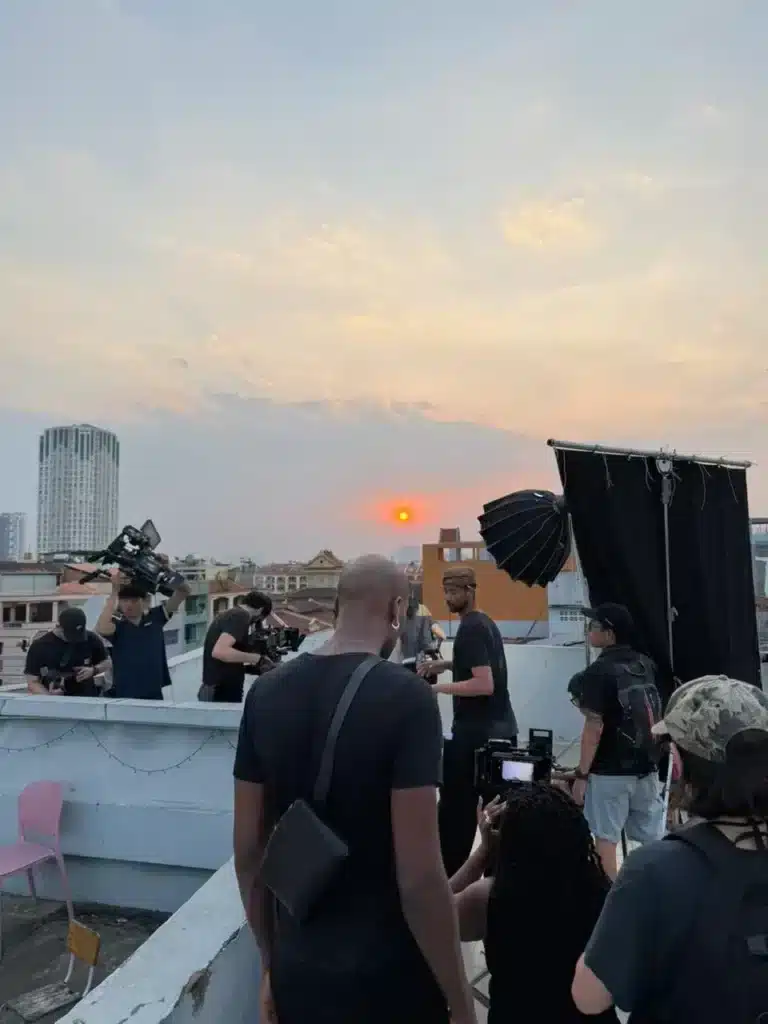
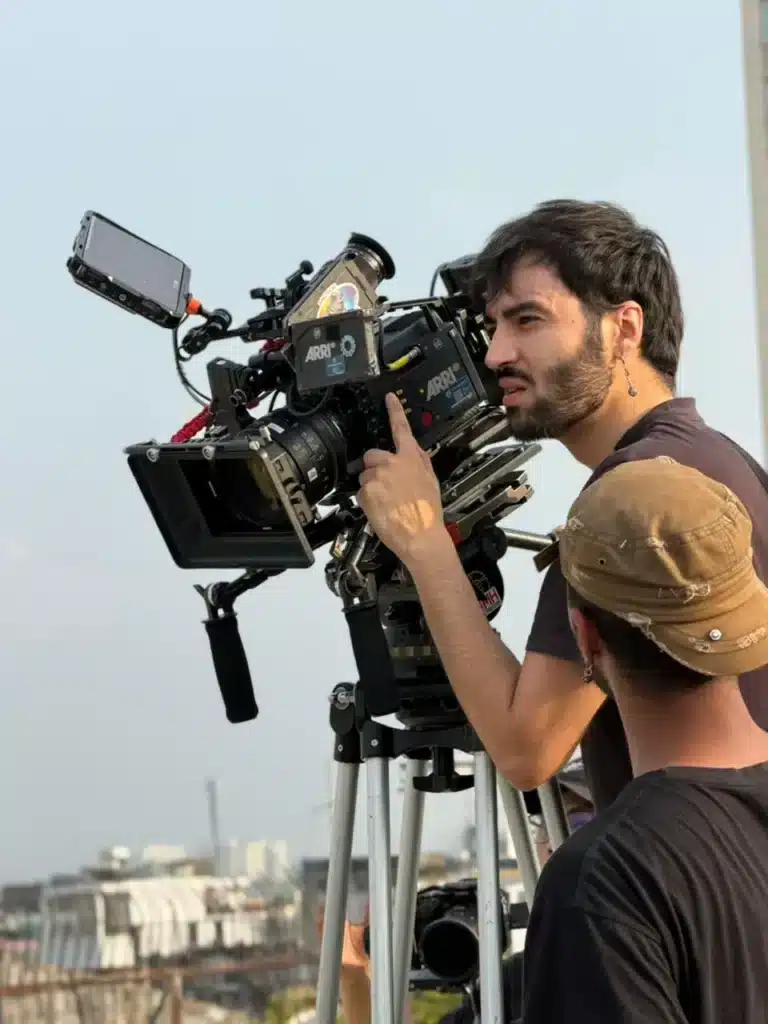
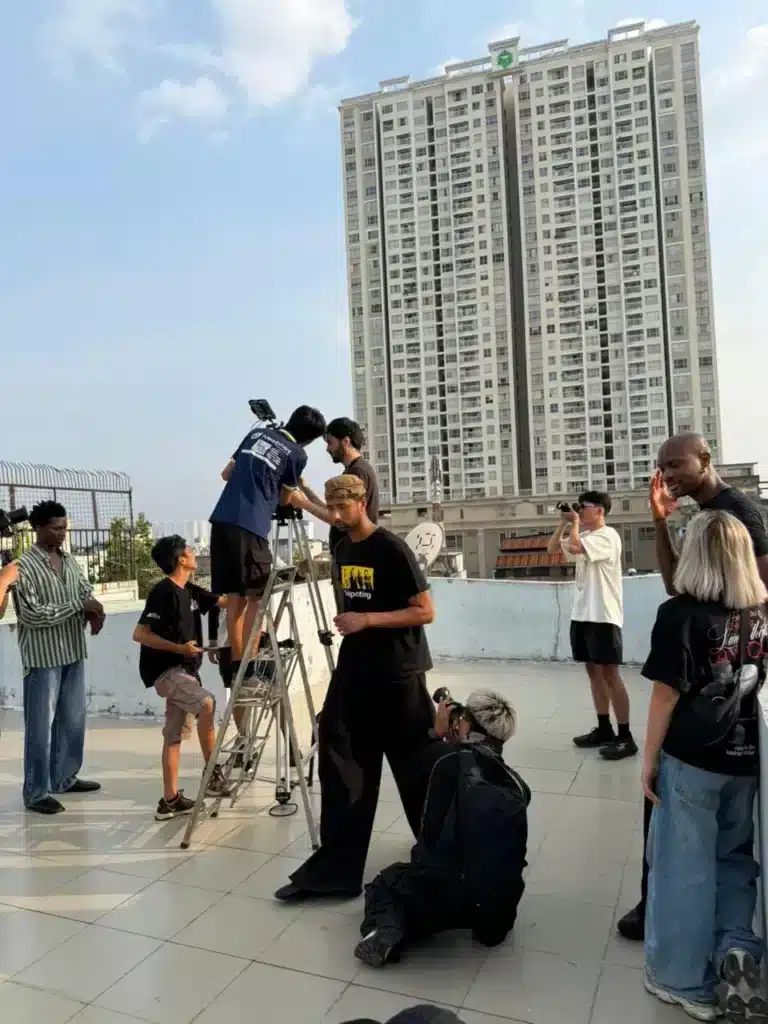
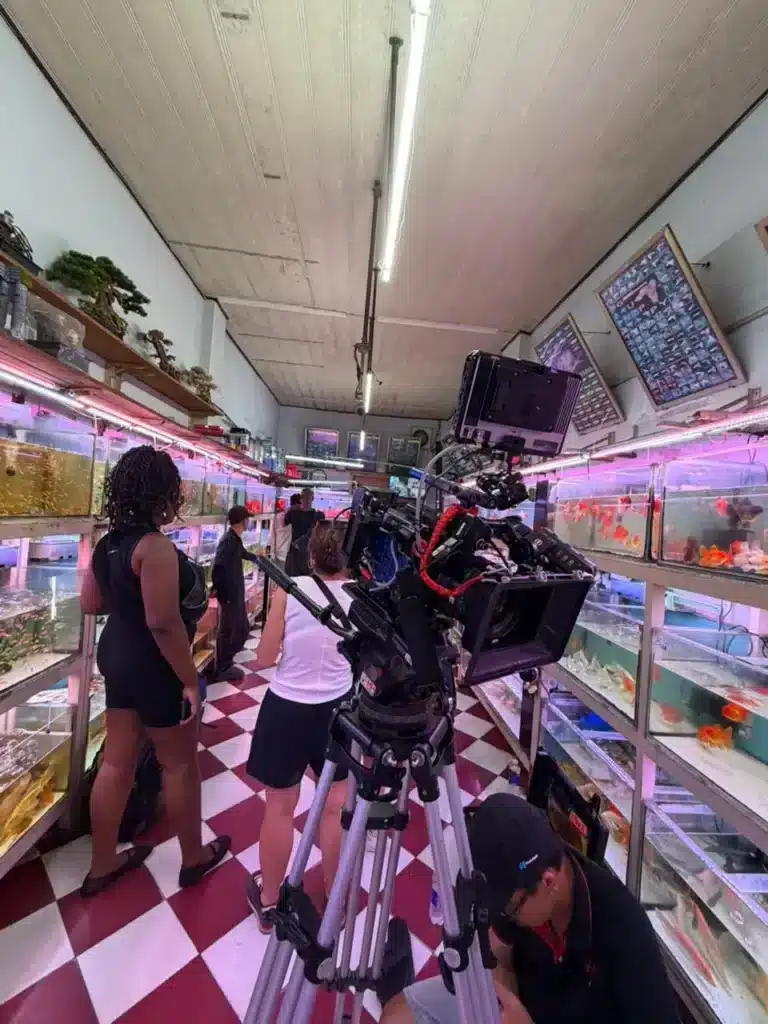
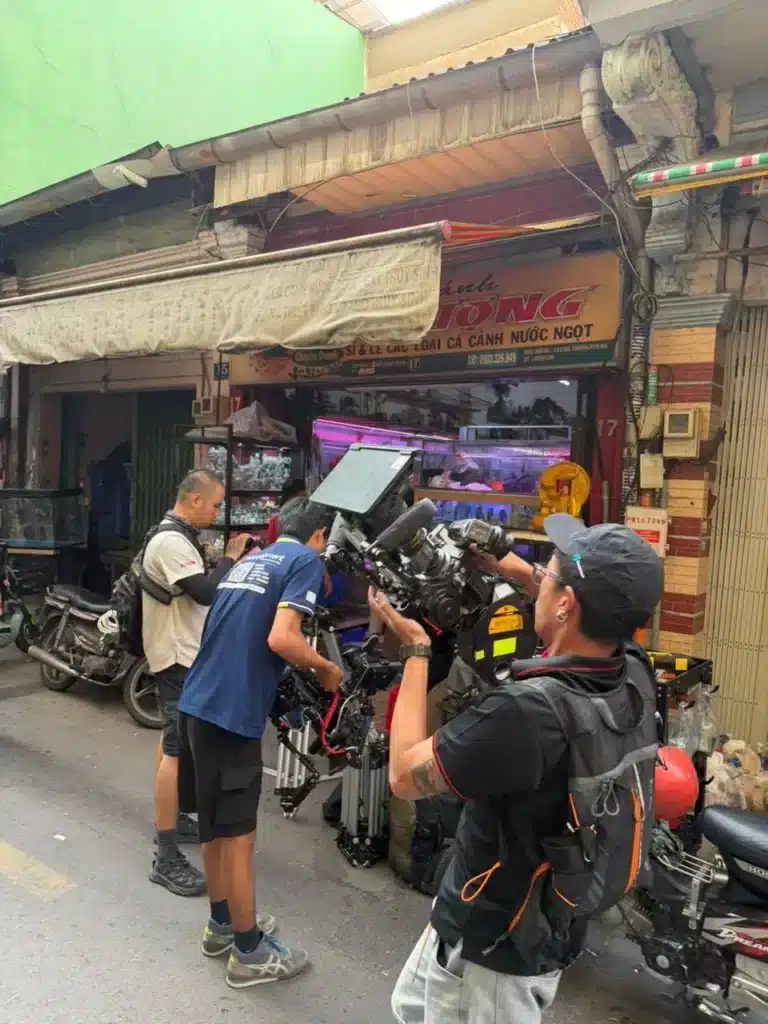
This article was written by Zandri Troskie-Naudé using verified information from relevant national authorities and regional production professionals, the filming environment reflects local regulatory oversight, location authority coordination, and established on-the-ground production capability. With experienced film fixers, comprehensive film production services, and dependable production support, productions operate within a framework built for structured, efficient execution.
Film Authorities and Industry Resources
Official resources that commonly shape Filming in Ireland Requirements and location permissions:
- Dublin City Film Office FAQs on filming permits for the public domain
- Heritage Ireland (Office of Public Works) filming and photography guidance for historic sites
- Irish Aviation Authority drone registration guidance (MySRS)
- NPWS licence guidance for filming protected wild animals near breeding places
Use these as your ground truth, then match them to your specific location list and activity footprint to confirm what is allowed.