Line Producer in Guatemala is often the difference between a production that runs smoothly and one that struggles with logistics, permits, and crew coordination. Guatemala offers extraordinary filming opportunities, from colonial architecture and dramatic volcanoes to dense jungle environments and historic archaeological sites. But turning those creative opportunities into a functioning production requires experienced local coordination.
For producers and executive producers planning a shoot in Central America, the value of strong local leadership becomes clear very quickly. Managing locations, securing permits, sourcing Local Film Crew in Guatemala, and coordinating Film Logistics in Guatemala all require a practical understanding of how the country operates on the ground.
That is why many international productions rely on an experienced line producer to connect the creative plan with real-world production logistics.
1. Guatemala becomes far easier to schedule with the right local lead
The strongest argument for hiring local production support is schedule control. Guatemala offers a compact but varied production landscape, where urban districts, colonial architecture, lakes, volcanic zones, and jungle environments can sit within a single shooting strategy. That creates real value for producers, but only if the sequence of moves, prep days, permit windows, vehicle strategy, and department timing are managed by someone who understands how the country actually functions on the ground.
A local production lead helps prevent classic foreign-production drag: unrealistic drive assumptions, underbuilt turnaround time, location recce drift, and permissions that are technically possible but not practically aligned with your shooting plan. Instead of treating Guatemala like a generic regional service market, they build the calendar around access realities, geography, departmental readiness, and local escalation channels.
This matters even more when your production plan depends on Local Film Crew in Guatemala joining at different stages, or when Film Logistics in Guatemala involve split-unit movement, airport cargo timing, protected-area access, or drone prep. The earlier this intelligence enters the job, the less budget disappears into preventable friction.
2. Local crew work better when there is strong on-ground coordination
International producers rarely hire local crew only to fill bodies. They hire Local Film Crew in Guatemala because local technicians, coordinators, drivers, fixers, art support, and logistics staff help the production move with confidence and speed. Hoodlum’s Guatemala pages position crew sourcing and production management as core services, which is exactly the right framing. The real value is not merely access to names on a call sheet. It is knowing which crew can work at the level your job requires, in the region your job requires, with the temperament your job requires.
A strong local lead handles that translation layer. They can assess which department heads should be local, which roles should remain international, and where hybrid staffing makes the most sense. They can also align Local Film Crew in Guatemala with your shooting format, pace, safety standards, turnaround expectations, and reporting structure. That avoids one of the most expensive hidden problems on overseas shoots: hiring capable people into an operating model that was never properly localized.
For executive producers, this is where the budget starts behaving better. Local Film Crew in Guatemala often reduce travel, accommodation, and per diem pressure while improving responsiveness during prep and shoot days. But the savings only become real when someone local is actively managing crew selection, rate logic, departmental communication, and substitutions if the schedule shifts.
3. Film logistics need local oversight, not just a transport spreadsheet
Film Logistics in Guatemala can look manageable from afar because the country is not enormous. In practice, however, logistics are where international productions either gain flow or lose days. Airport handling, customs steps, local road conditions, municipality timing, security support, location access, weather patterns, and gear routing all affect what your day really costs.
A local production manager is central to Film Logistics in Guatemala because logistics are never just about moving kit from point A to point B. They involve sequencing arrivals, paperwork readiness, broker coordination where needed, transport selection, storage assumptions, re-export planning, and fallback options when schedules shift.
When you pair that leadership with experienced Local Film Crew in Guatemala, you create a far stronger logistics spine. Department heads know what is moving, transport knows why it matters, location teams know when access must be locked, and producers can make decisions with better cost visibility. Good Film Logistics in Guatemala do not announce themselves with drama. They quietly protect your footage, your overtime, and your sanity.
4. Permits and permissions need realism, not fantasy timelines
There is no magic permit wand in Guatemala. What there is, instead, is a practical network of authorities, institutions, and location-specific approvals that need to be approached correctly. Hoodlum’s Guatemala guidance highlights the importance of local coordination for permits, archaeology-sensitive areas, customs procedures, and municipal engagement. That kind of multi-channel permitting environment is exactly why local management matters.
If your production touches archaeological or heritage-sensitive sites, the operational tone changes immediately. Guatemala actively protects archaeological assets and heritage sites under national law. Productions planning access near protected heritage zones need guidance early, not after the creative deck is approved.
The same applies to protected natural areas. Depending on where the project is shooting, productions may need to consider protected-area authorities, tourism-related oversight, or site-specific approvals. For producers, that means Film Logistics in Guatemala and permission strategy often overlap. Local oversight keeps those conversations coordinated rather than fragmented.
5. Drone work is one of the clearest reasons to bring in local production support
Every producer loves drone footage until drone compliance arrives wearing steel boots. In Guatemala, drone registration and special-operation guidance can require advance planning, especially for regulated operations. That alone makes local production support critical for aerial work.
Drone permissions are not an isolated technical department issue. They connect to location access, local authority awareness, crowd management, safety planning, transport timing, and weather windows. When Film Logistics in Guatemala already involve remote sites or tight day sequencing, a missed drone permit can knock over an entire shooting day like a row of expensive dominoes.
An experienced local team also helps align your drone operator, Local Film Crew in Guatemala, and location staff around what is actually approved. That matters in heritage areas, tourist zones, and protected environments where operational sensitivity is high.
6. Local crew improve decision-making, not just execution
A lot of blog content about local crew treats them like manpower. That misses the real point. Local Film Crew in Guatemala strengthen decision-making on recce days, tech scouts, shoot days, and contingency calls. They know how long a move really takes. They know which suppliers are dependable. They know where municipal coordination tends to move quickly and where it needs more lead time.
This is why the relationship between local management and Local Film Crew in Guatemala is so valuable. The lead producer on the ground is not working in isolation. They are activating local intelligence across transport, permits, location support, equipment, and production services. For producers and executive producers, that means fewer blind spots and better real-time choices.
The same logic applies to Film Logistics in Guatemala. Logistics improve when local departments speak the same operational language and report into someone who understands both the international brief and local execution. It is a coordination model, not just a staffing model.
7. Better local management protects the budget by protecting the plan
When producers look at a service market, they often focus first on visible savings: local crew, regional sourcing, fewer international hotel nights, more efficient transport. Those are real advantages. But the deeper value is budget protection through operational discipline.
Every production has invisible leak points. A permit lands late. Equipment is held because paperwork was incomplete. A protected-area shoot needs more coordination than expected. A drone application misses the timing threshold. A crew move is built around a theoretical drive time instead of an actual one. Film Logistics in Guatemala can either multiply those problems or absorb them, depending on who is controlling the workflow.
That is why experienced producers increasingly treat local production leadership as a strategic hire, not a service extra. The same goes for Local Film Crew in Guatemala and Film Logistics in Guatemala. When those three elements are coordinated early, the country becomes faster to prep, easier to scale, and more predictable to budget.
Production-Focused FAQs
What does a line producer in Guatemala actually do?
They typically manage local budgeting inputs, crew hiring, schedule logic, permits coordination, transport planning, vendor handling, customs preparation, and on-ground problem solving. On international shoots, they are the key bridge between the producer’s plan and local execution realities.
Why not manage Local Film Crew in Guatemala remotely?
You can manage parts of a production remotely, but Local Film Crew in Guatemala perform best when a local production lead aligns rates, availability, departmental communication, and workflow expectations. That helps producers avoid mismatched hires, poor timing, and preventable delays.
Are Film Logistics in Guatemala complicated for foreign productions?
Film Logistics in Guatemala are manageable, but they become more complex when shoots involve customs, multiple locations, drone use, protected areas, or heritage-sensitive sites. That is why local oversight is so valuable.
Is drone filming straightforward in Guatemala?
Drone filming requires planning. Local support helps make sure aerial work is integrated into the broader shoot schedule and location strategy rather than handled as a last-minute technical add-on.
Why is Local Film Crew in Guatemala important for executive producers?
For executive producers, Local Film Crew in Guatemala improve responsiveness, reduce unnecessary travel costs, and strengthen decision-making on the ground. The value is not just lower spend. It is better production control.
Do Film Logistics in Guatemala affect budgeting that much?
Yes. Film Logistics in Guatemala directly affect move times, transport costs, accommodation strategy, customs timing, gear handling, and day-by-day efficiency. When those logistics are coordinated properly, the budget behaves more predictably.
Working with the right local production partner is not just about convenience. It is what helps international producers turn Guatemala’s visual range into a shoot that is achievable, compliant, and cost-aware. It helps structure Local Film Crew in Guatemala into a high-functioning team, and it keeps Film Logistics in Guatemala connected to reality instead of optimism.
For producers and executive producers, that is the real commercial case. Guatemala can deliver exceptional screen value, but only when the groundwork is done properly. The productions that move best are the ones that invest early in local management, build around reliable Local Film Crew in Guatemala, and treat Film Logistics in Guatemala as a strategic production function.
Previous Work Done by Hoodlum
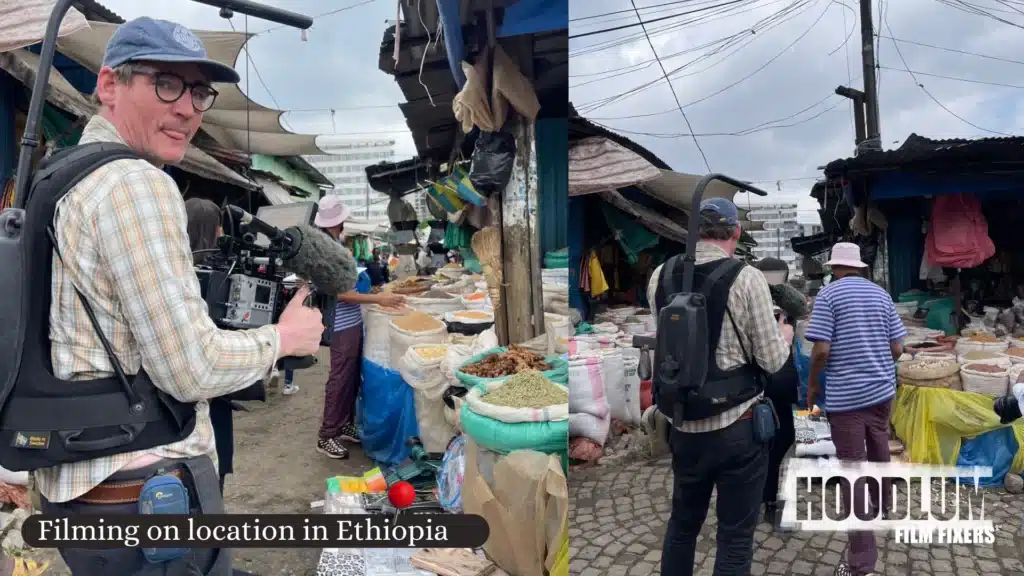
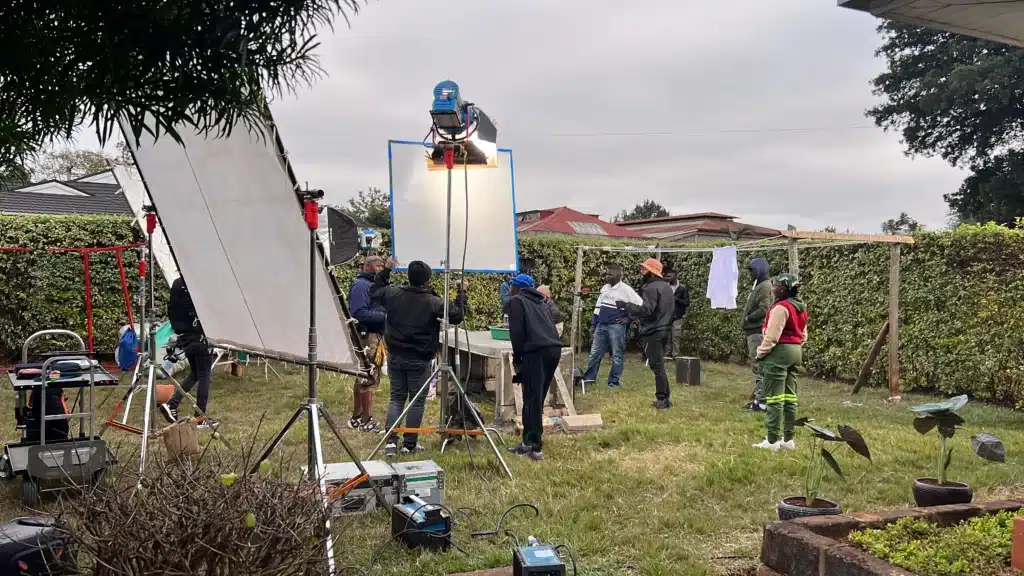
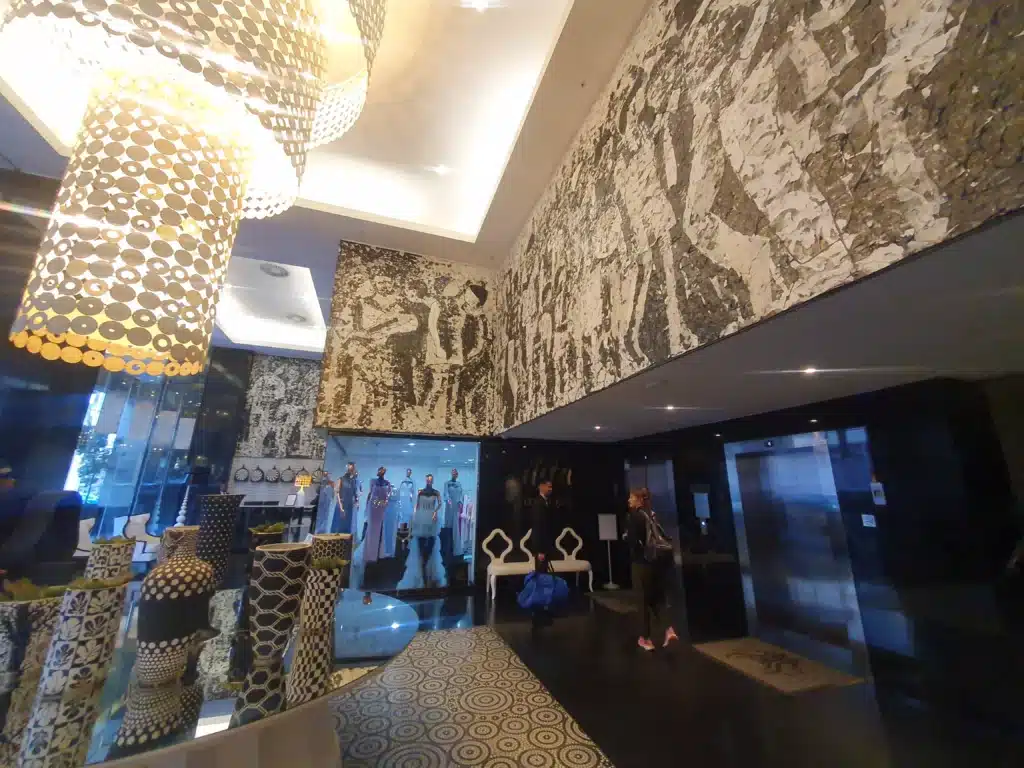
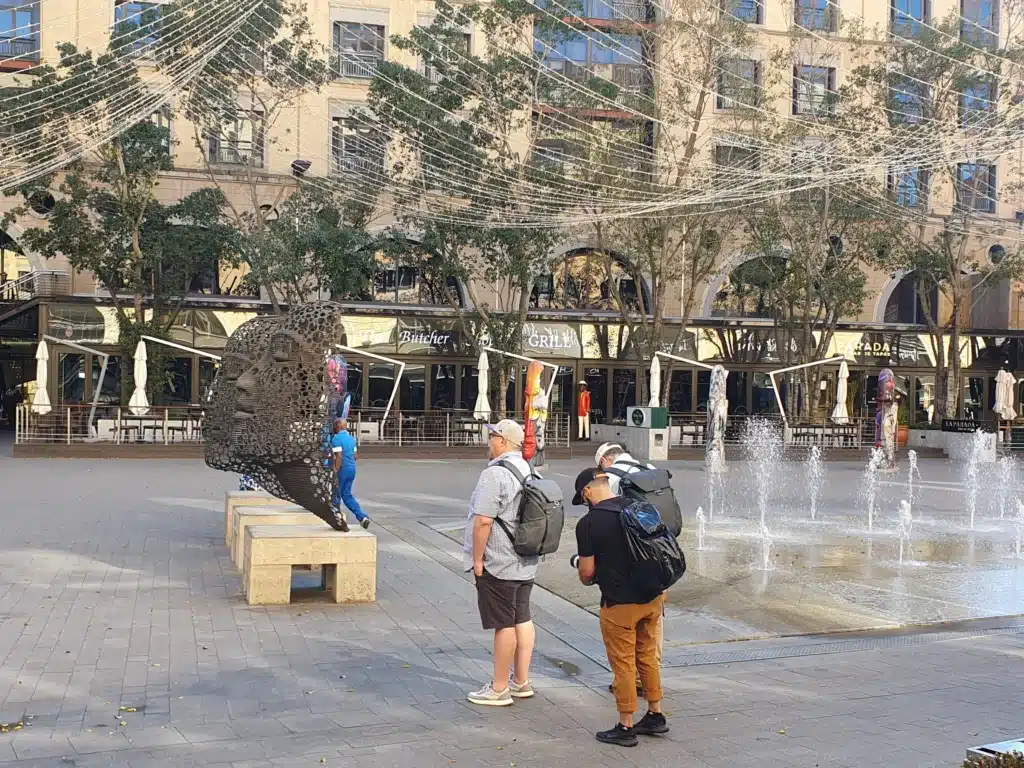
This article was written by Zandri Troskie-Naudé using verified information from relevant national authorities and regional production professionals, the filming environment reflects local regulatory oversight, location authority coordination, and established on-the-ground production capability. With experienced film fixers, comprehensive film production services, and dependable production support, productions operate within a framework built for structured, efficient execution.
Film Authorities and Industry Resources
Guatemala is not a market where a single generic approvals path covers every production. The practical route often depends on location type, drone use, customs needs, heritage sensitivity, and whether the shoot touches protected natural areas or tourism-heavy destinations. That makes official institutions especially important during prep.
- Dirección General de Aeronáutica Civil (DGAC)
- Superintendencia de Administración Tributaria (SAT)
- Instituto Guatemalteco de Turismo (INGUAT)
- Consejo Nacional de Áreas Protegidas (CONAP)
- Ministerio de Cultura y Deportes
For producers, the practical takeaway is simple: official resources matter, but they work best when filtered through a knowledgeable local team that can sequence them against the schedule, the locations, and the actual production plan.