


















Filming in St Barths – A Complete Production Guide
St Barths, officially Saint Barthélemy, offers a polished Caribbean production environment with a look that feels both exclusive and cinematic. The island combines turquoise water, yacht-filled harbours, upscale villas, designer retail streets, volcanic hillsides, and tightly managed beaches, giving producers a luxury visual palette in a compact footprint. As a French overseas collectivity in the Caribbean, it also benefits from a familiar administrative framework, even though it sits outside the Schengen Area for immigration purposes.
Hoodlum supports international shoots in destinations like this with on-the-ground coordination, production support, and fixer services that help crews move cleanly through permits, private access, logistics, and aviation rules. For producers planning commercials, branded content, documentaries, fashion campaigns, or premium unscripted projects, St Barths can deliver a high-end look with relatively short travel distances between locations.
Film Production Services in St Barths
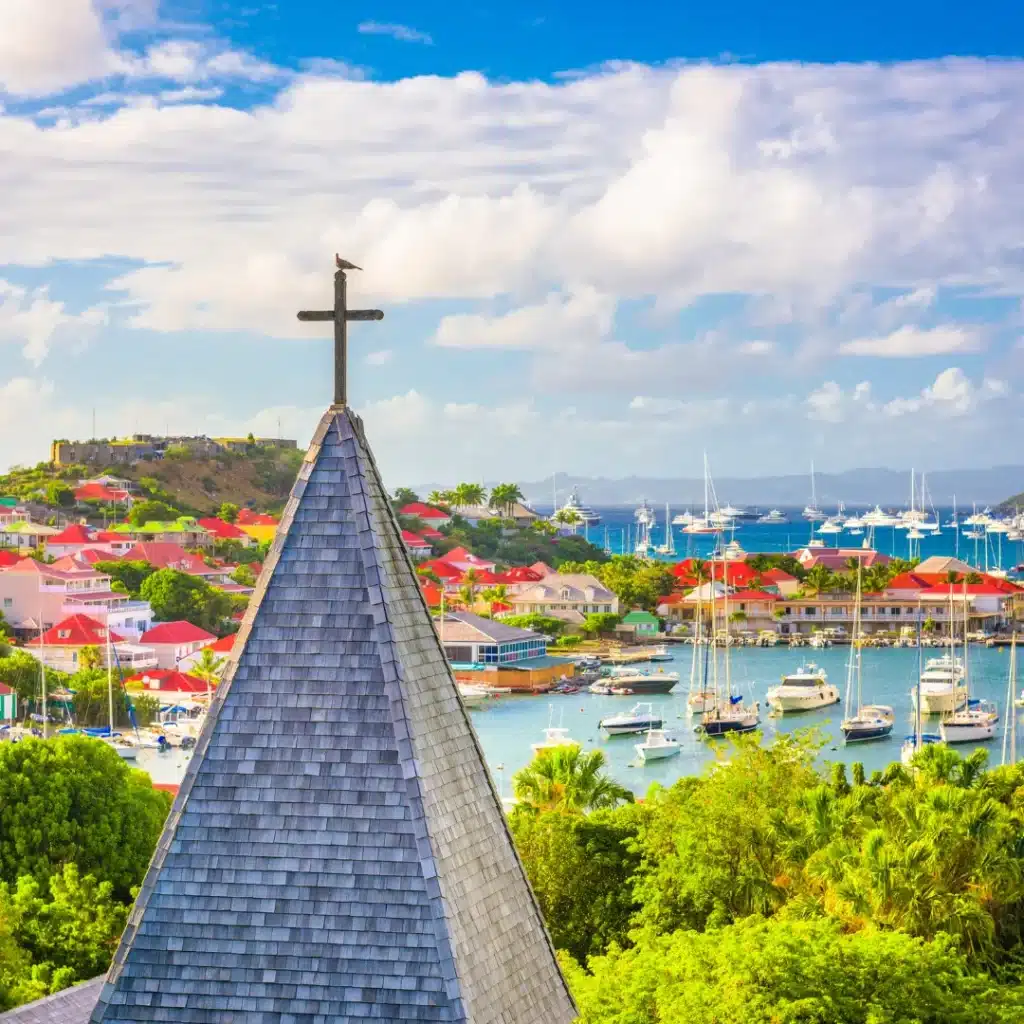
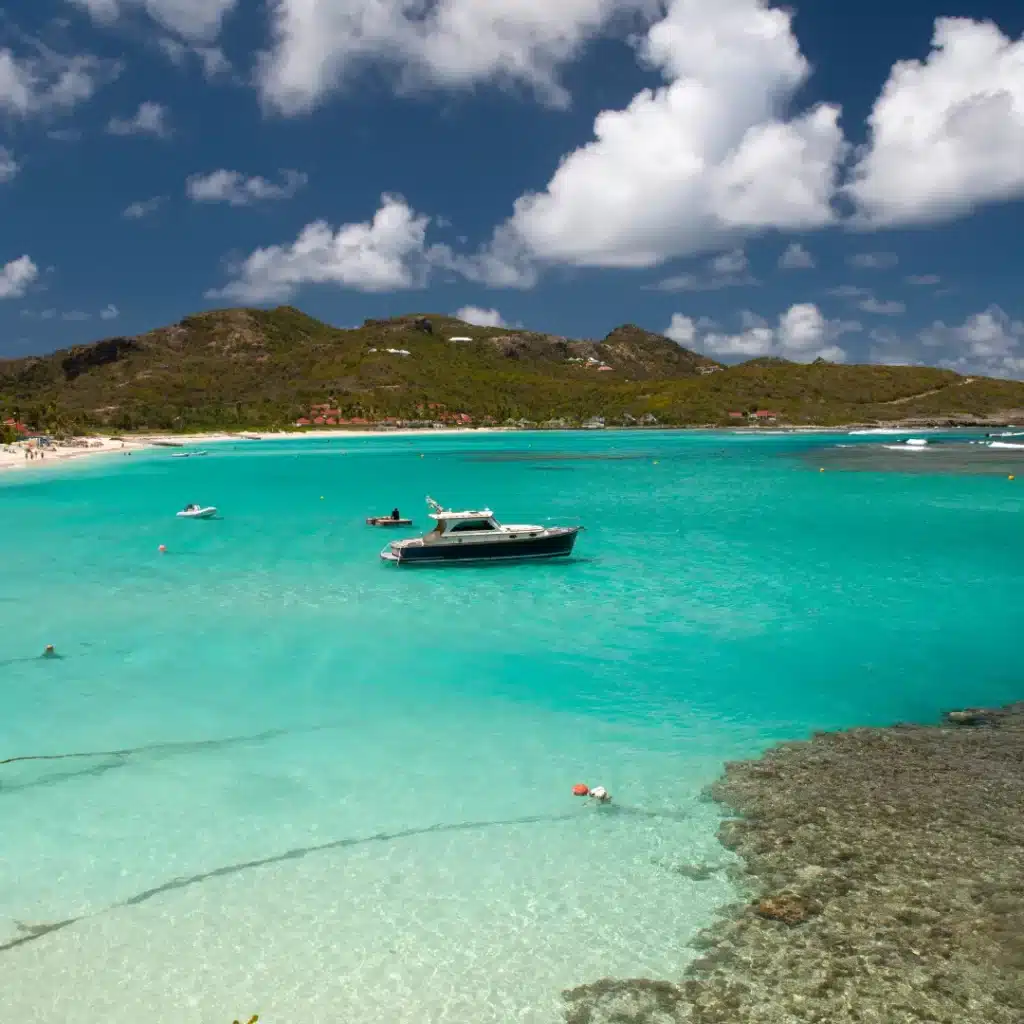
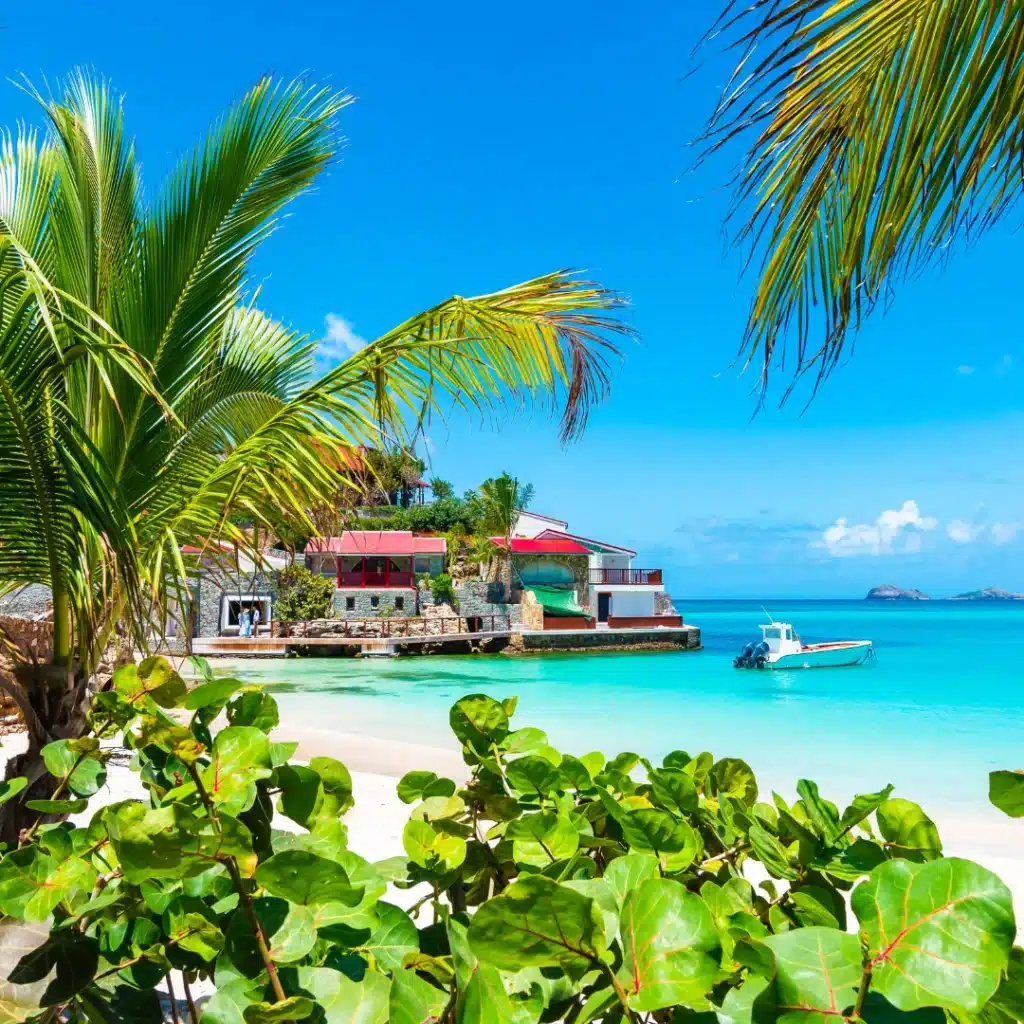
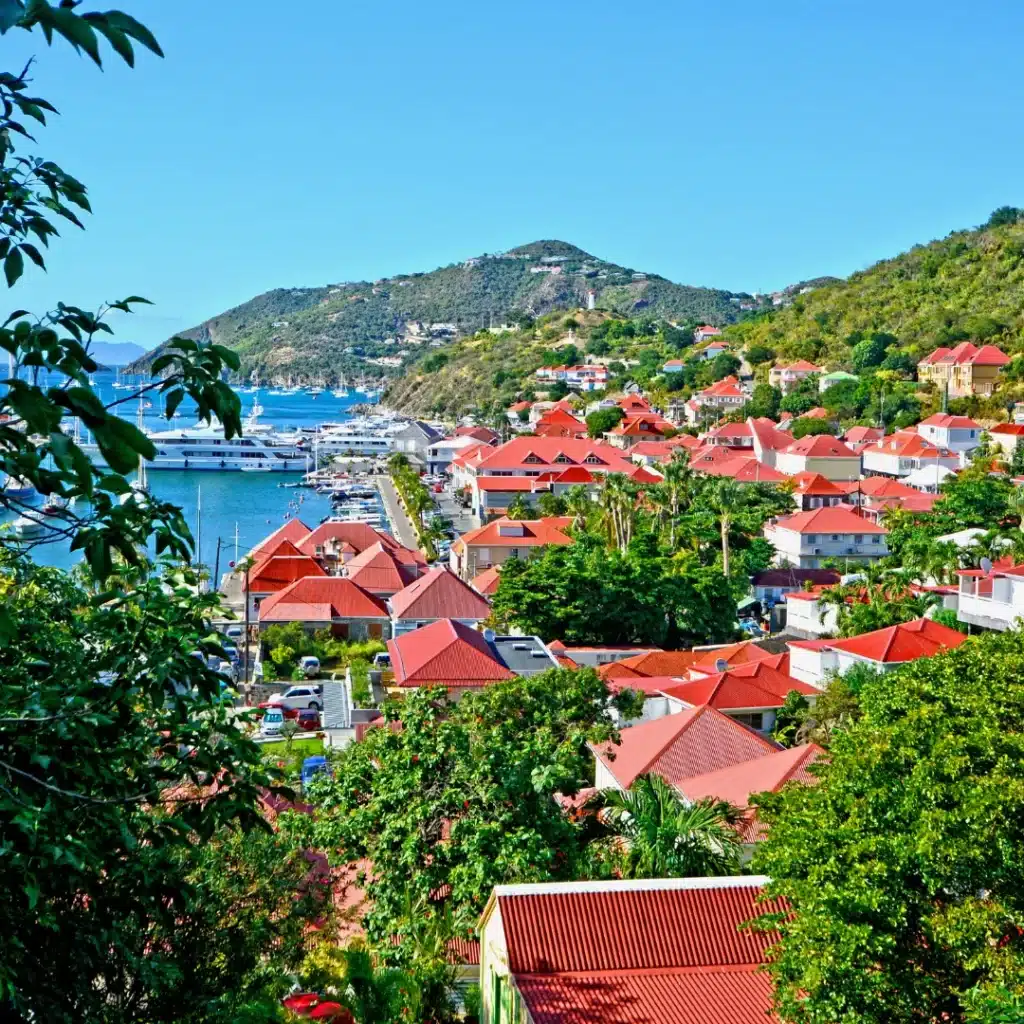
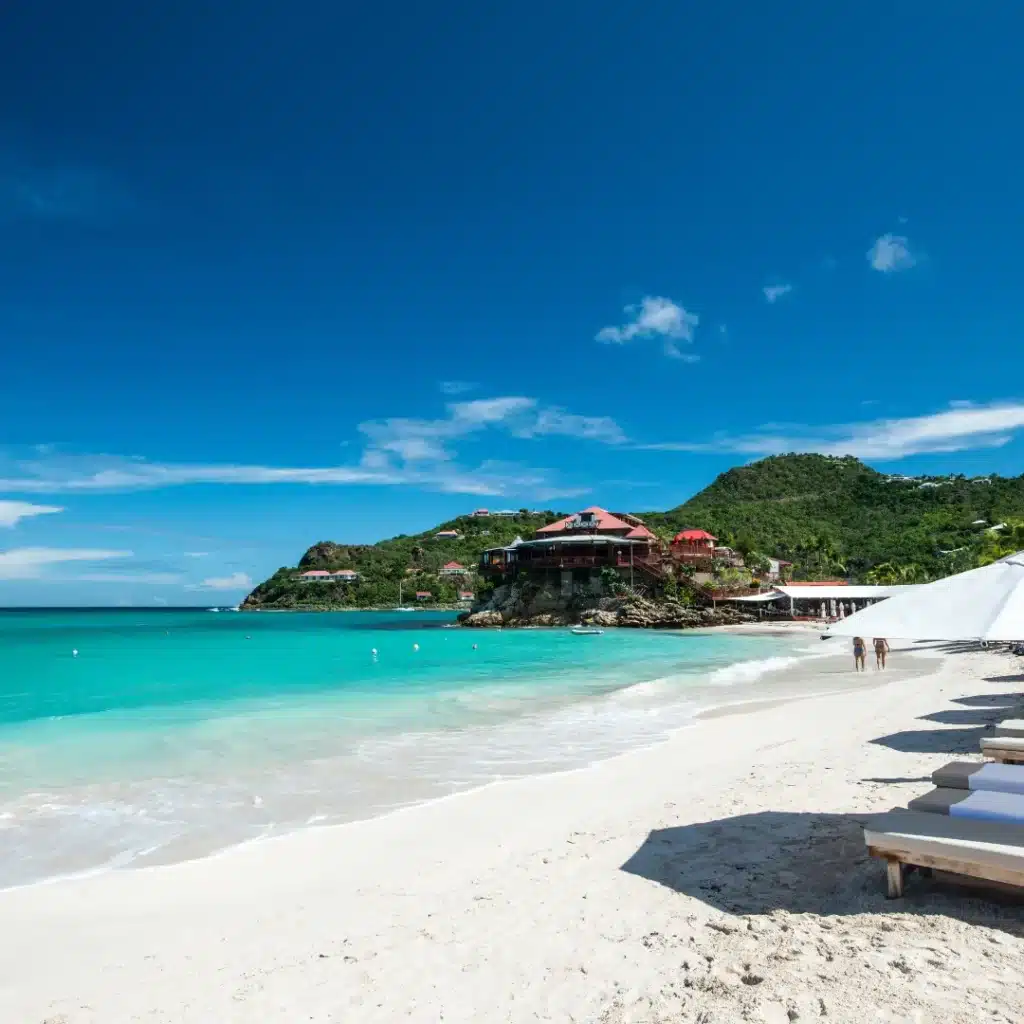
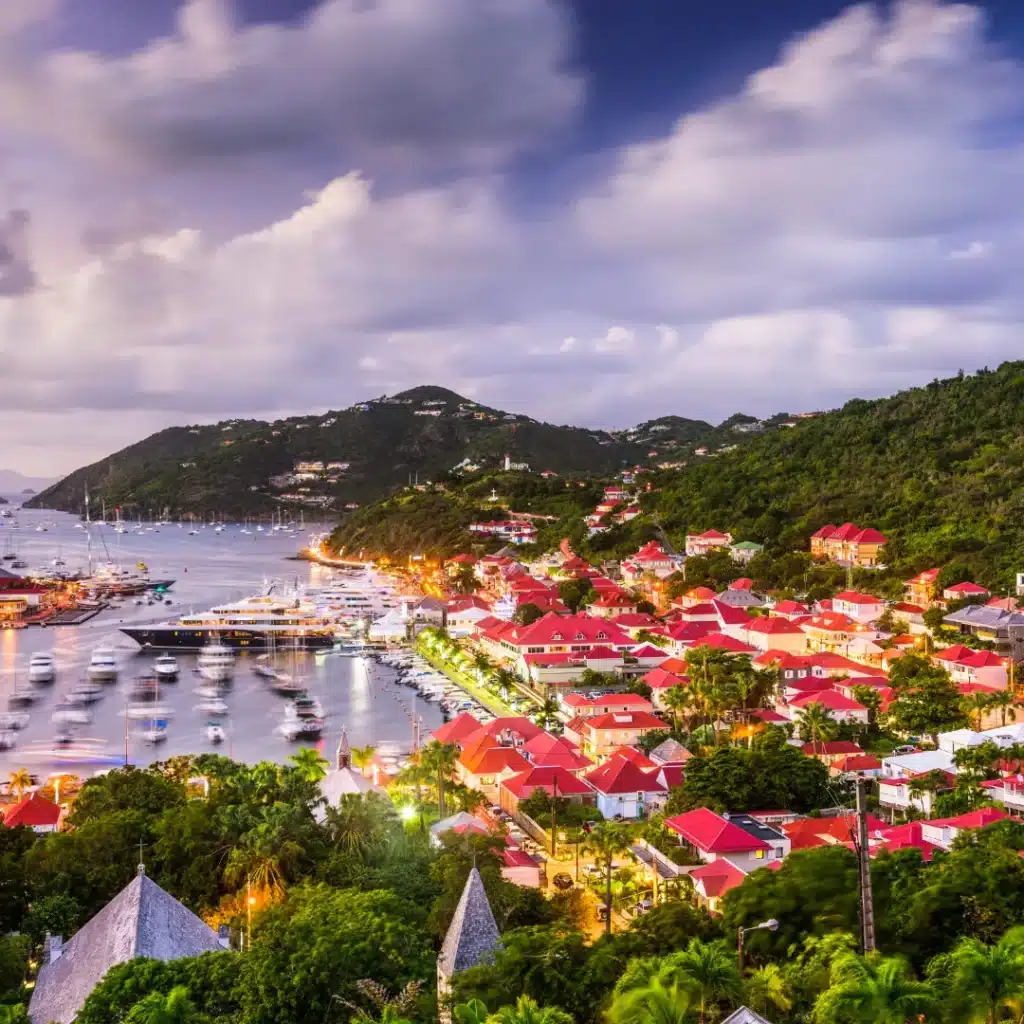
St Barths is small, but it punches far above its size on screen. The island’s visual identity is instantly premium: white yachts, red-roofed harbour views, luxury villas, hillside roads, beach clubs, and French-Caribbean architecture all sit within short driving distances of one another.
High-End Visual Range
Productions can capture:
- Luxury marinas and superyachts
- Boutique harbour streets and waterfront promenades
- Upscale villas and resort environments
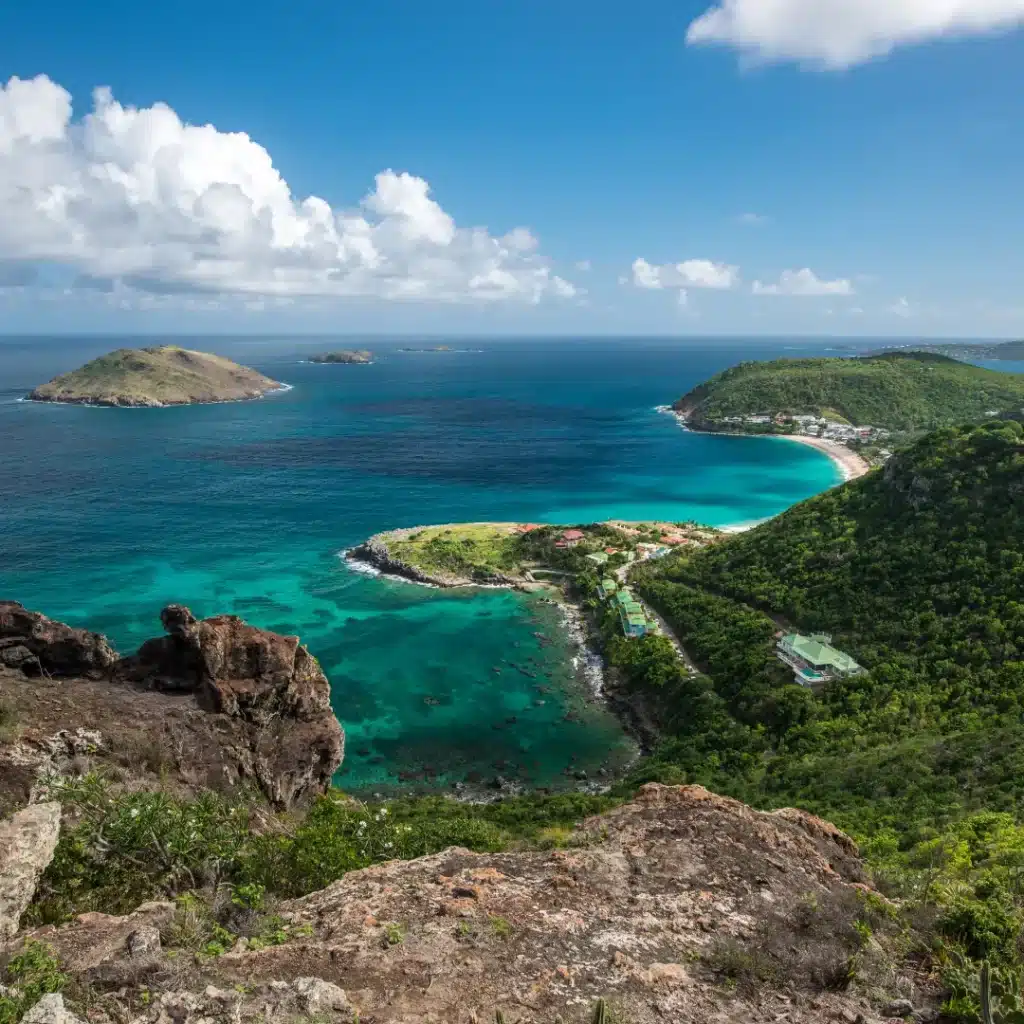
- Coastal roads with open sea views
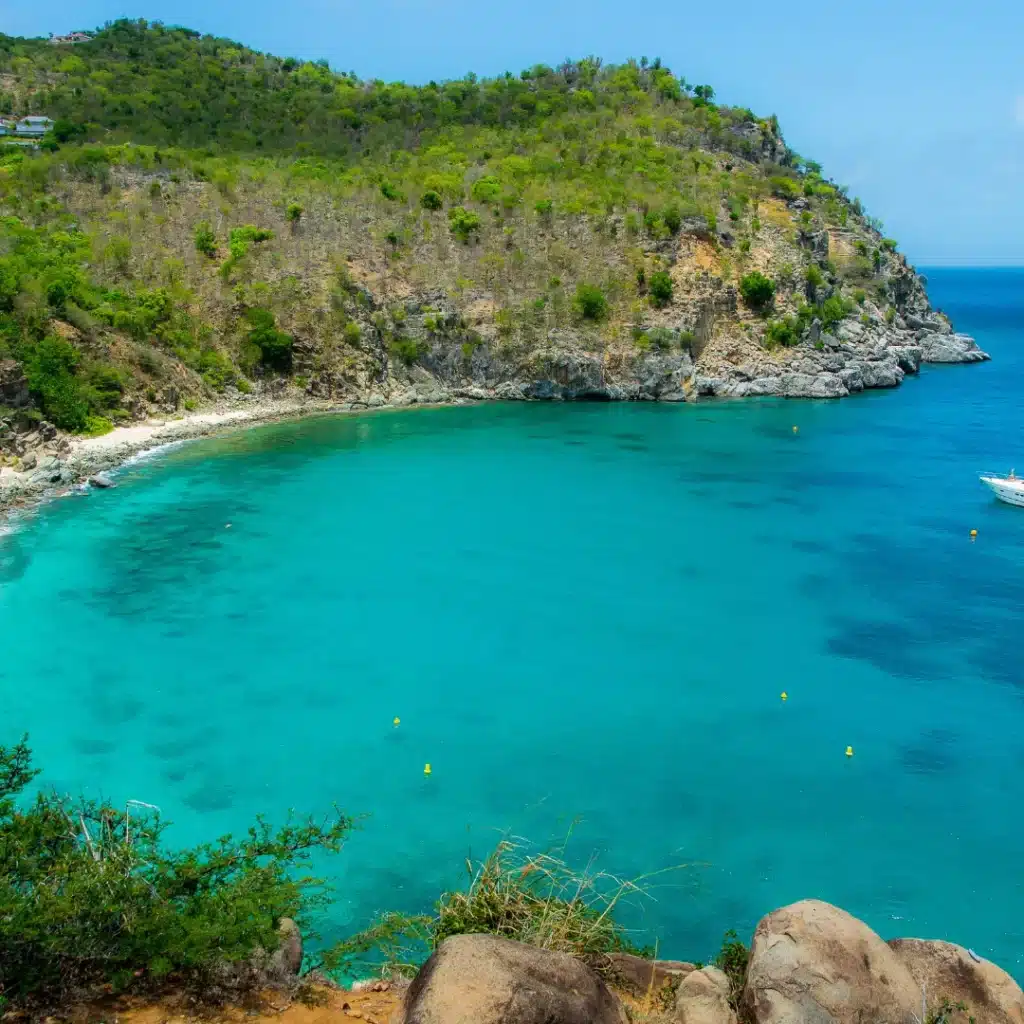
- Beaches and rocky shoreline textures
- Tropical hillsides and polished residential zones
That makes the island especially strong for:
- Fashion and beauty shoots
- Travel commercials
- Premium reality and lifestyle formats
- Luxury hospitality campaigns
- Branded content
- Editorial documentary sequences with an upscale Caribbean feel
Compact and Efficient
Because the island is compact, location moves can be relatively efficient when well planned. This matters on shorter shooting schedules, where the ability to stack multiple looks into one day can protect both time and budget.
Safe and Production-Friendly
St Barths is generally regarded as very safe and production-friendly. The bigger production issue is less about crime and more about island capacity: infrastructure is limited, logistics must be booked early, and peak tourism periods can put pressure on access, accommodation, and transport. That makes prep the secret engine room of a successful shoot.
Filming Requirements and Local Regulations
Filming in St Barths is manageable, but it is not casual. Productions should treat immigration, work status, filming approvals, customs, and drone permissions as separate tracks that need to align before cameras roll.
Entry and Work Status
St Barths is linked to France politically, but for immigration it sits outside the Schengen framework. Many nationalities can enter visa-free for short stays, often up to 90 days depending on nationality, but visitor status does not automatically authorize paid filming activity. Productions involving paid foreign crew may need temporary work authorization alongside local filming approvals. General public-service guidance for France’s administrative system is available through the French government portal, and customs treatment for Saint-Barthélemy is handled under French procedures.
For practical production planning, that means international teams should not assume that a tourist-style arrival is enough just because entry itself may be visa-free. A local fixer or service company should help confirm the correct route for each crew member.
Film Permits
Filming permissions are coordinated through the Collectivité de Saint-Barthélemy, with additional coordination sometimes needed depending on where and how you are filming. Public areas, beaches, port zones, busy town centres, or transport-sensitive areas can trigger additional review and longer lead times.
For most shoots, permit applications should include:
- Production title and synopsis
- Producer and director details
- Shooting schedule and locations
- Cast and crew list
- Equipment list
- Insurance documentation
- Local fixer or service company details
A sensible planning window is 2 to 3 weeks minimum, with more time for public-space filming, marina access, traffic-sensitive areas, or anything involving complex logistics.
Private Locations
One of St Barths’ biggest production strengths is its privately managed location stock: villas, hotels, beach clubs, restaurants, and luxury hospitality spaces. These can look extraordinary on camera, but access is commercial, negotiated, and highly relationship-driven.
Private filming usually requires:
- Written owner permission
- A negotiated location fee
- Insurance documentation
- Clear scope of use
- Timing rules for crew, vehicles, sound, and guest impact
For premium properties, the negotiation itself often matters as much as the budget. A local fixer helps prevent friction, especially when filming in high-value hospitality environments.
Drone Filming in St Barths
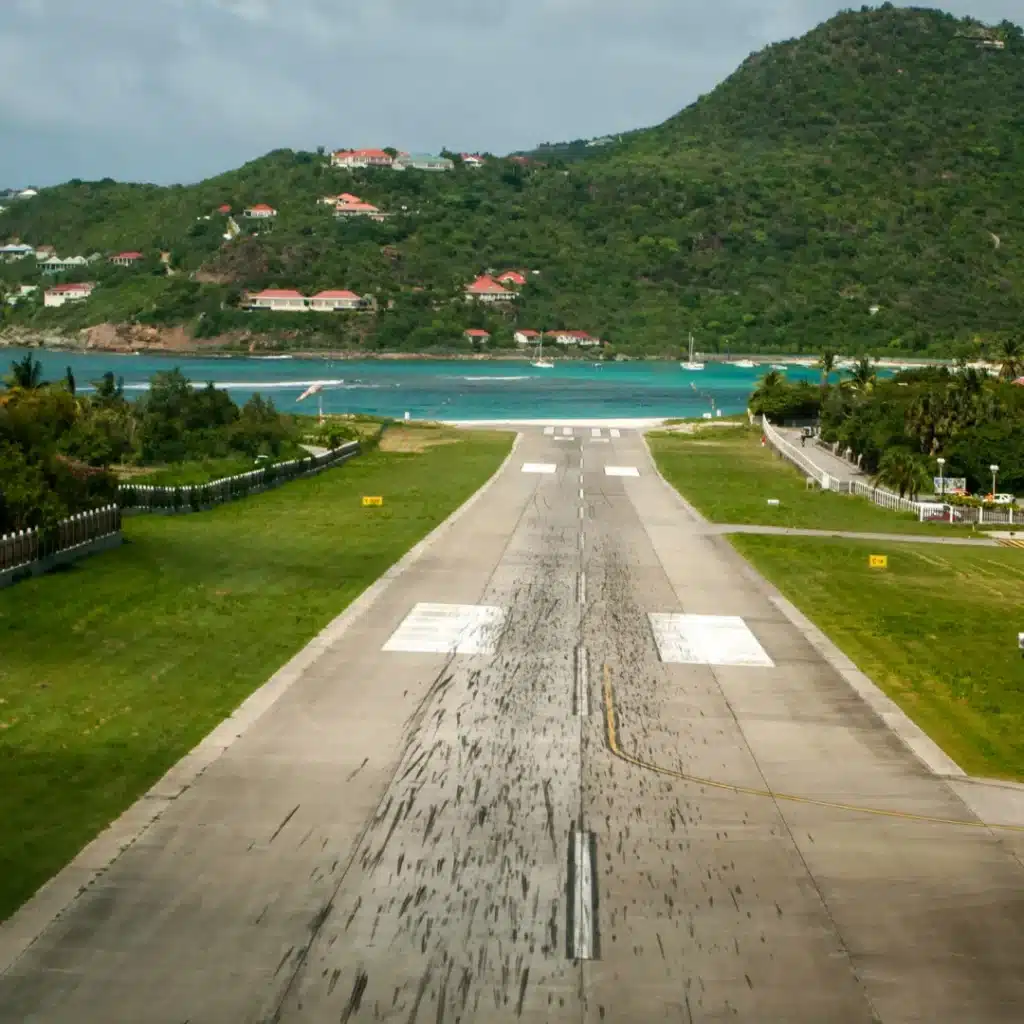
Drone filming follows French and EU aviation rules. Professional drone activity is not something to improvise. Commercial operations generally require prior authorization, and restrictions apply near airports, heliports, ports, urban areas, and crowded public environments. France’s ecological transition ministry publishes professional drone guidance under the DGAC framework, and EU rules distinguish between open and specific categories of operation depending on risk profile.
For productions, the practical takeaways are:
- commercial drone filming should be approved in advance
- some operations may fall under stricter “specific” category requirements
- crowded beach and harbour environments need careful planning
- operator registration and compliance may be required even for temporary foreign use
- island airspace sensitivities can affect where and when you can fly
Productions should generally allow 10 to 15 working days for review, and longer if the operation is complex.
Equipment Customs and Carnets
St Barths accepts ATA Carnets through French customs procedures. Because Saint-Barthélemy is treated as a territory outside the EU customs territory for certain customs and tax purposes, producers should plan equipment movement carefully, especially when transiting through nearby islands such as St Martin. French customs guidance explicitly identifies Saint-Barthélemy among territories excluded from the EU customs territory in this context.
For shoots moving kit into St Barths, that usually means:
- use an ATA Carnet where possible
- keep equipment lists clean and consistent
- coordinate the actual point of customs processing in advance
- expect island logistics to matter just as much as the paperwork itself
A local broker or production partner can save an astonishing amount of time here. Customs paperwork loves precision and punishes improvisation.
Production Services in St Barths
St Barths is not a place where international crews should arrive and “figure it out on the ground.” The island rewards planning. Hoodlum-style production support in a destination like this usually focuses on making a small island behave like a controlled set.
Core Production Support
Production support typically includes:
- permit coordination
- local fixer services
- location scouting and negotiations
- accommodation booking
- vehicle and boat logistics
- equipment coordination
- local authority liaison
- drone and customs coordination
- schedule planning around tourism and traffic pressure
Local Fixers in St Barths
A good fixer in St Barths does more than translate logistics. They help productions move through a landscape where access depends on timing, relationships, and local sensitivity.
They usually handle:
- permit paperwork
- communications with local authorities
- private location negotiations
- marina, villa, and resort coordination
- customs support
- schedule problem-solving
- local etiquette and working norms
That role becomes especially important when shooting in high-end hospitality spaces, luxury residential areas, or busy public waterfront zones.
Transport, Logistics, and Accommodation
Island logistics are the main operational puzzle in St Barths. The destination is polished, but it is still a small island with limited infrastructure capacity.
What Producers Should Expect
- accommodation should be booked early
- vehicle availability can tighten during busy periods
- premium locations may have narrow access windows
- marine logistics may be required for some visual concepts
- ferry and air transfer routing via nearby hubs can shape call times and freight planning
This is one of those destinations where great prep feels invisible on set, which is exactly the point.
Best Types of Productions for St Barths
St Barths works especially well for:
- luxury commercials
- travel and hospitality campaigns
- fashion editorials
- premium reality formats
- lifestyle and celebrity-led content
- automotive shoots with controlled coastal movement
- documentary sequences needing an affluent Caribbean setting
For productions that need industrial zones, heavy build infrastructure, or broad urban variety, the island is less suitable. St Barths is a scalpel, not a hammer.
Safety and Security
St Barths is generally very safe, and that is one of its strongest advantages for overseas producers. The bigger risks are operational rather than security-driven: congestion during peak periods, limited storage and staging space, and the need to keep equipment movement discreet in active tourist areas.
A strong operating approach includes:
- securing permits well in advance
- keeping gear movement organized and discreet
- scheduling around peak visitor traffic
- confirming customs and drone approvals before travel
- using local support for any public-facing or sensitive location
Working with Hoodlum in St Barths
For island shoots, the difference between smooth and chaotic is usually not the creative. It is the choreography. Hoodlum’s role is to build that choreography in advance so producers can stay focused on story, visuals, and performance rather than wrestling with access, timing, or paperwork.
That includes:
- full production support in St Barths
- film production services in St Barths
- experienced film fixers in St Barths
- local coordination with authorities and property owners
- practical support for customs, locations, and aviation rules
FAQs – Filming in St Barths
Do I need a visa to film in St Barths?
Many nationalities can enter visa-free for short stays, but visa-free entry does not automatically authorize paid filming activity. Work authorization may still be required depending on nationality, role, and production setup.
Is St Barths part of Schengen?
No. Although St Barths is linked to France, it is outside the Schengen Area for immigration purposes. Customs treatment also has specific overseas-territory considerations under French rules.
Who handles filming permits?
Filming permissions are coordinated through the Collectivité de Saint-Barthélemy, with added coordination sometimes needed for ports, airports, police, and public-space-sensitive locations.
Can I fly a drone?
Yes, but commercial drone filming generally requires prior approval and must comply with French and EU aviation rules. Restrictions apply in crowded, urban, and aviation-sensitive areas.
Does St Barths accept ATA Carnets?
Yes. ATA Carnets are accepted through French customs procedures, but routing and customs handling should be planned carefully, often via the point of entry in the region.
Is St Barths safe for international crews?
Yes. It is generally considered very safe and production-friendly, though island logistics and limited infrastructure capacity make early planning important.
What kinds of projects work best in St Barths?
Luxury commercials, travel content, fashion shoots, hospitality campaigns, premium reality, and yacht or villa-based productions tend to work especially well.
Location Hotspots

This guide was written by the Hoodlum team using information from local authorities in St Barths and our trusted production partners on the island. Our combined knowledge helps filmmakers access accurate, practical, and up-to-date guidance when planning production in St Barths.
Film Authorities and Industry Resources
For St Barths, productions usually need to think in layers rather than relying on one single national-style film office. Local filming coordination sits with Saint-Barthélemy’s own authorities, while drone operations and certain administrative rules flow through French systems. The result is workable, but it rewards early prep and a local partner who knows where each approval lane begins and ends.
- Collectivité de Saint-Barthélemy for local administration and filming coordination.
- French public administration portal for official administrative guidance and public-service procedures.
- French DGAC / ecological transition ministry for professional drone operations and aviation compliance.
- French customs for equipment movement and overseas customs treatment.
Taken together, these are the key reference points productions should use alongside a local service company or fixer when planning a shoot in St Barths.