


















Trinidad & Tobago

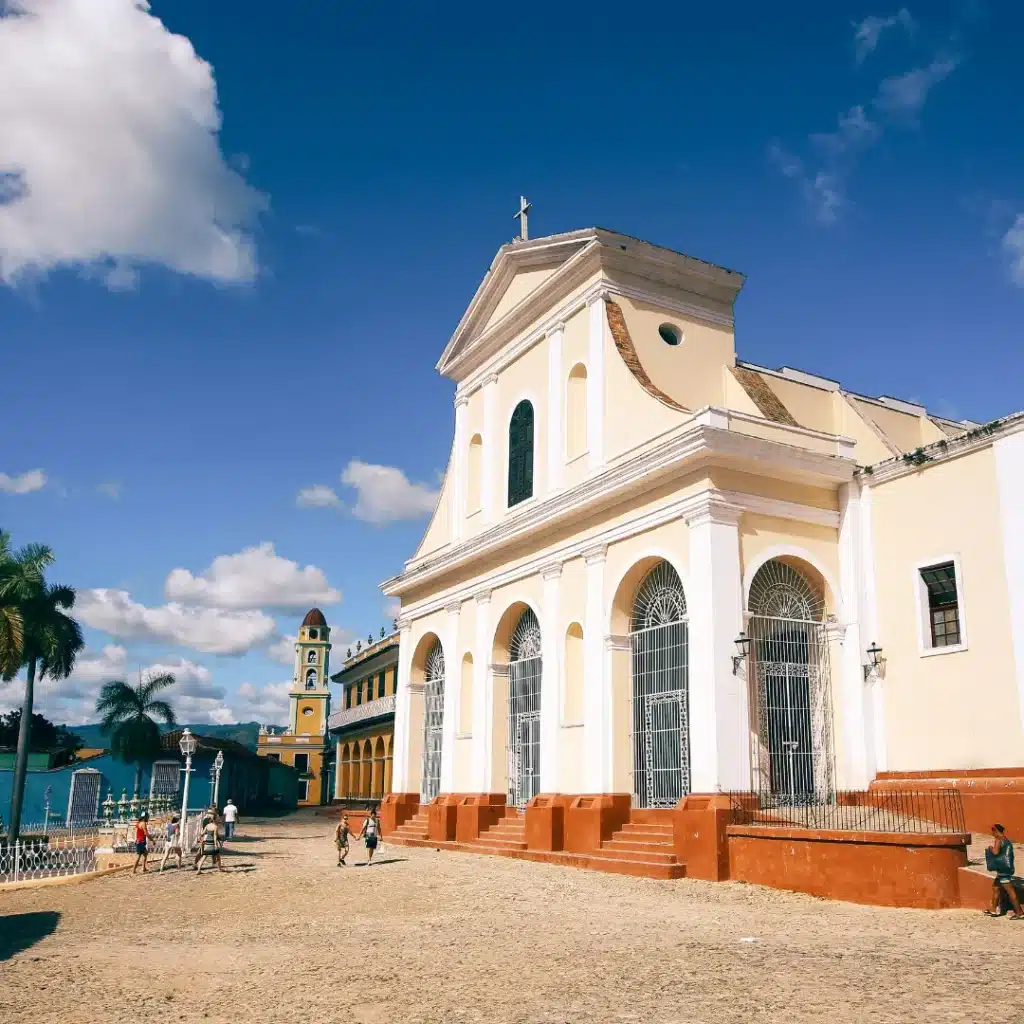
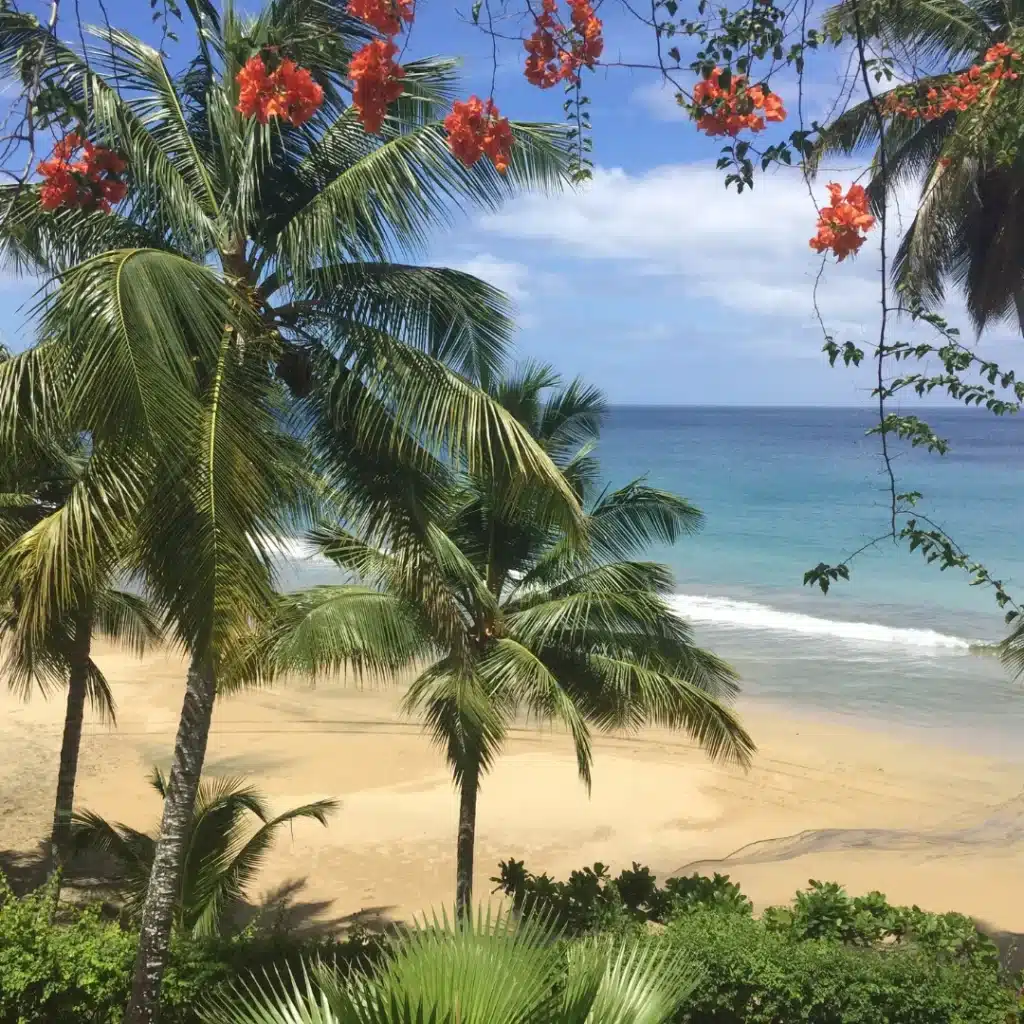
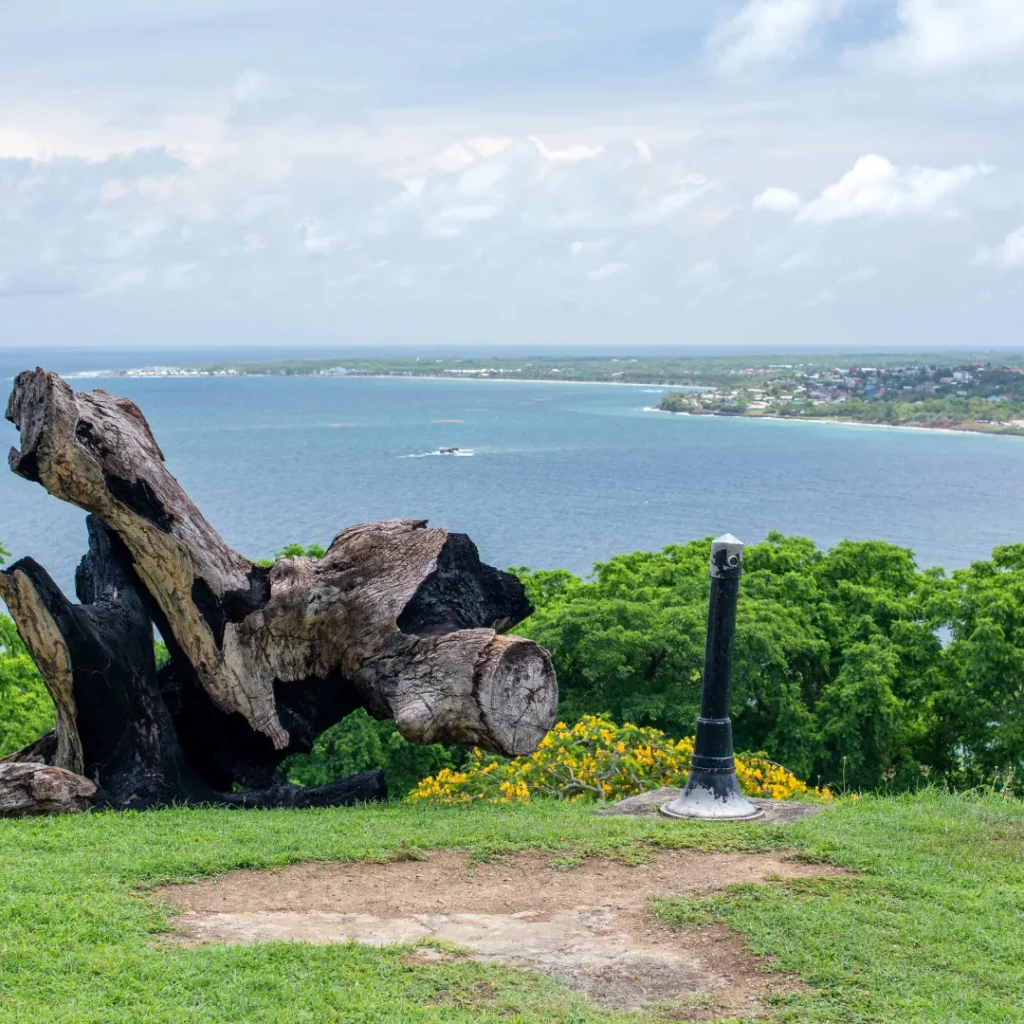
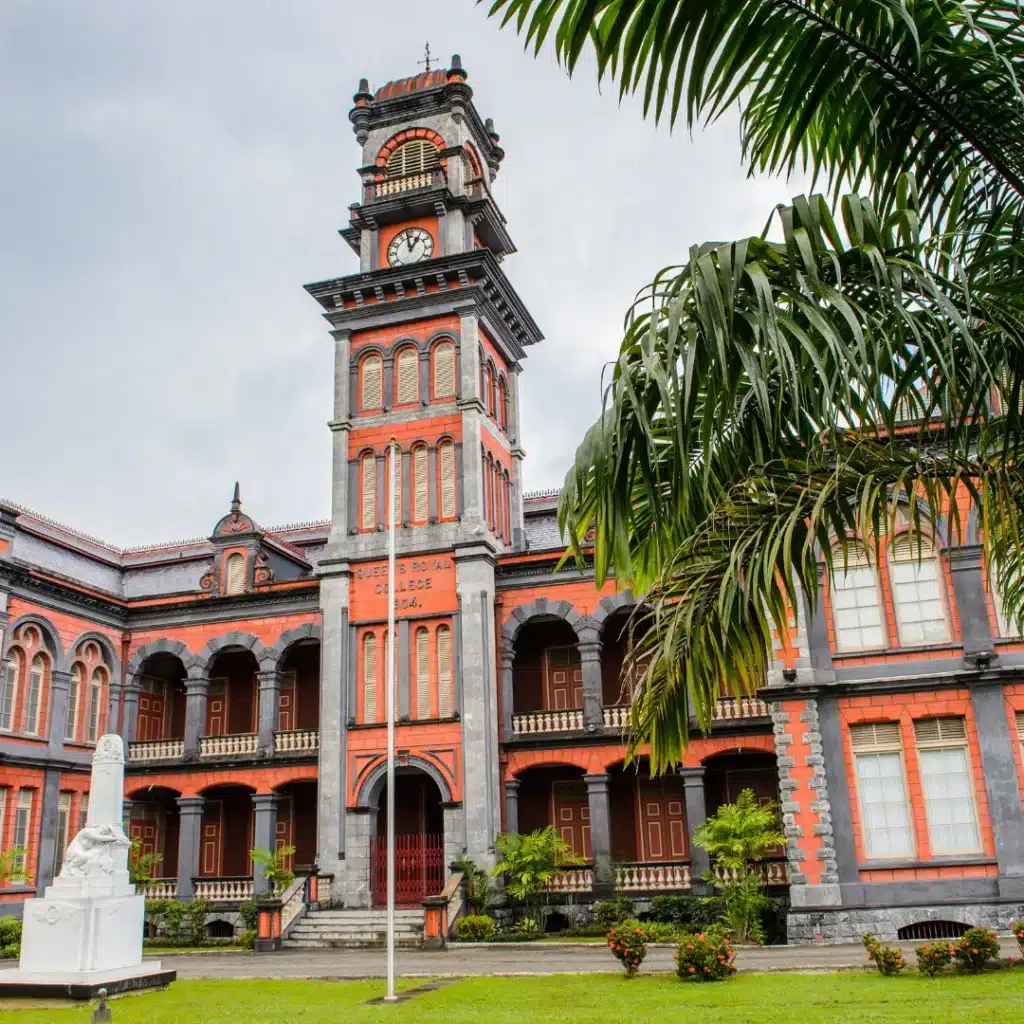
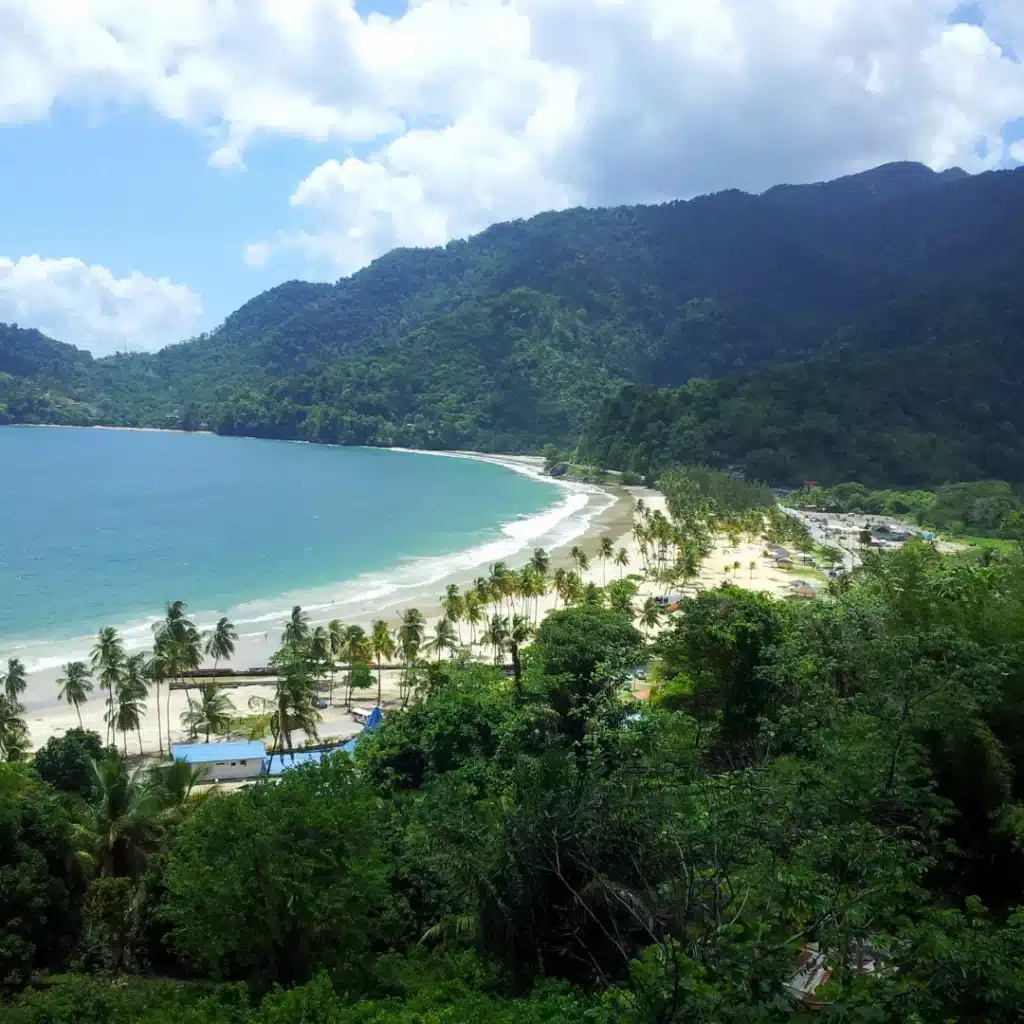
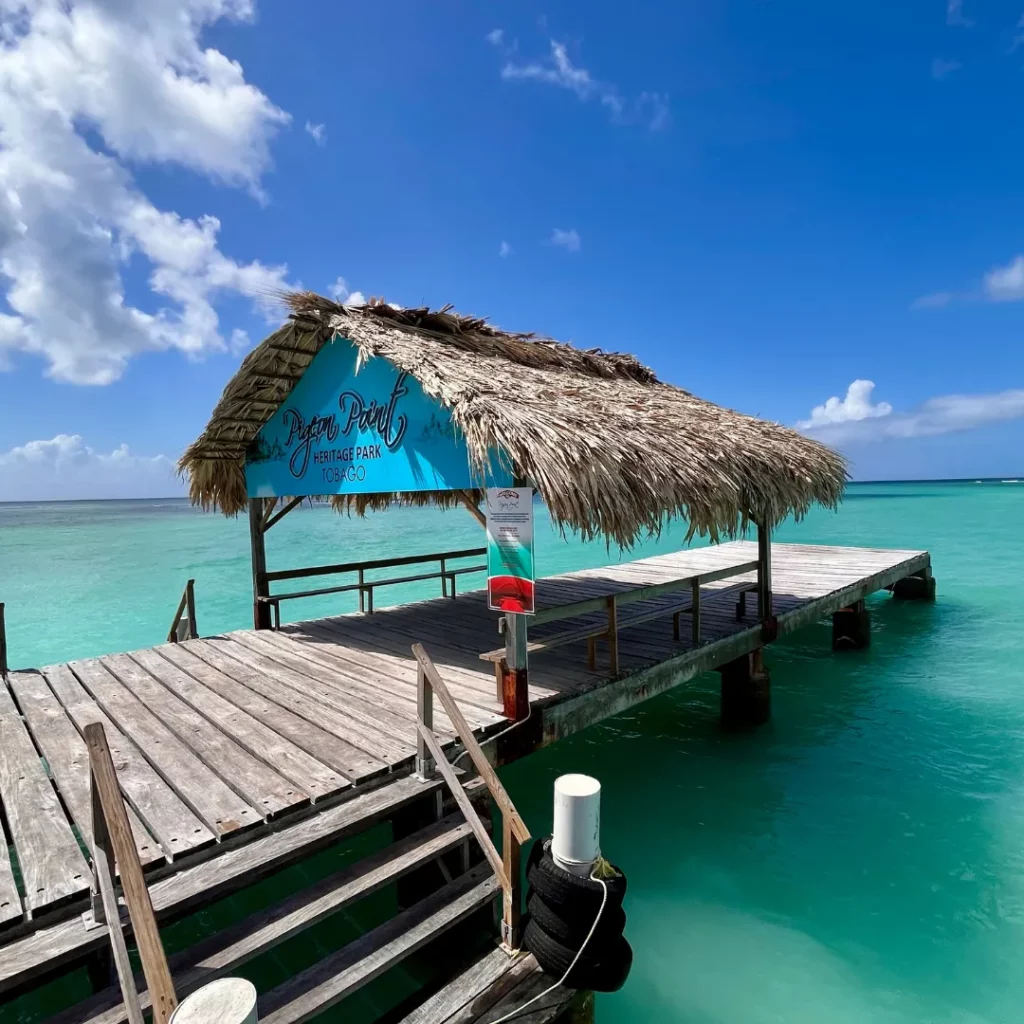
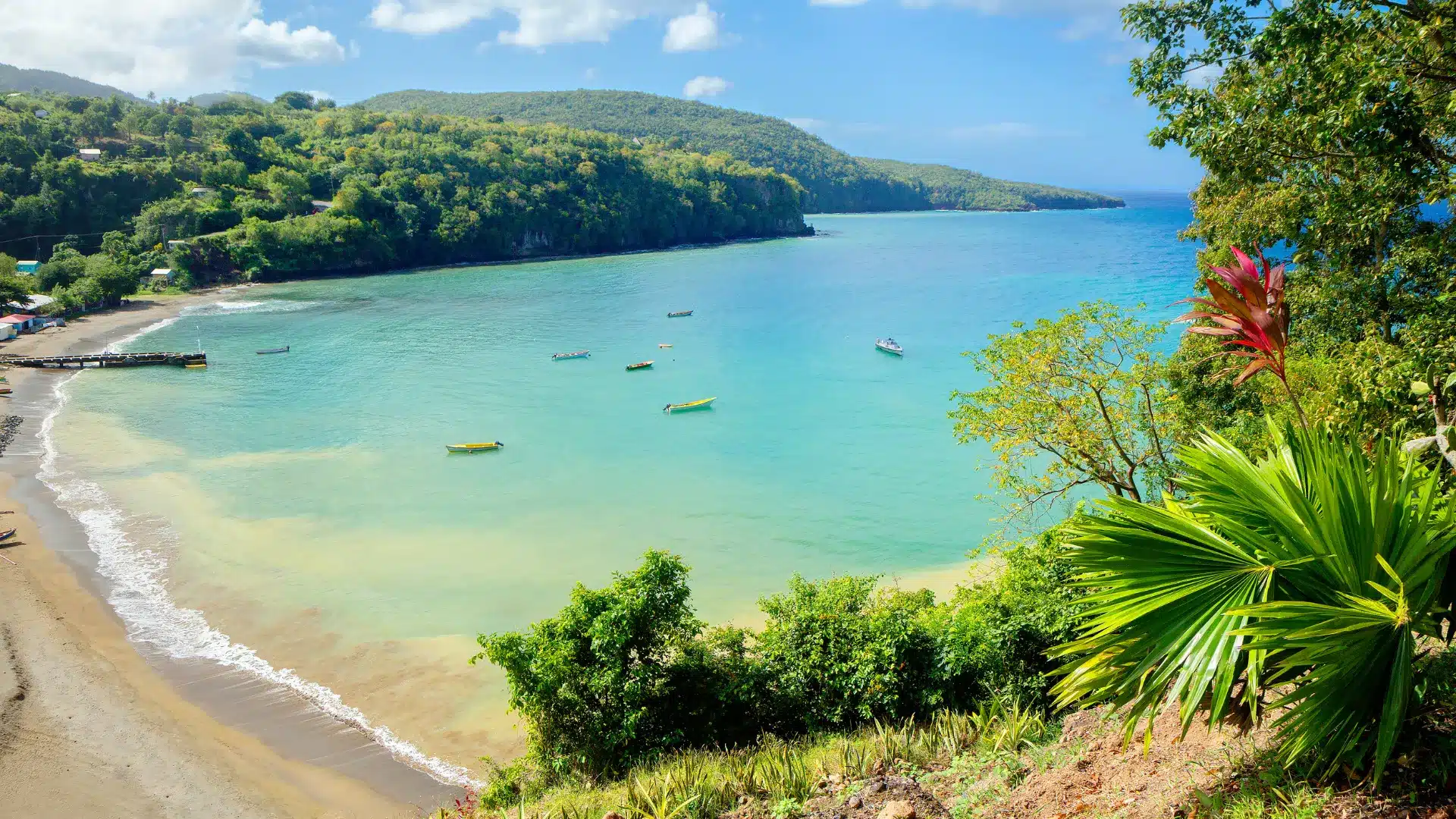
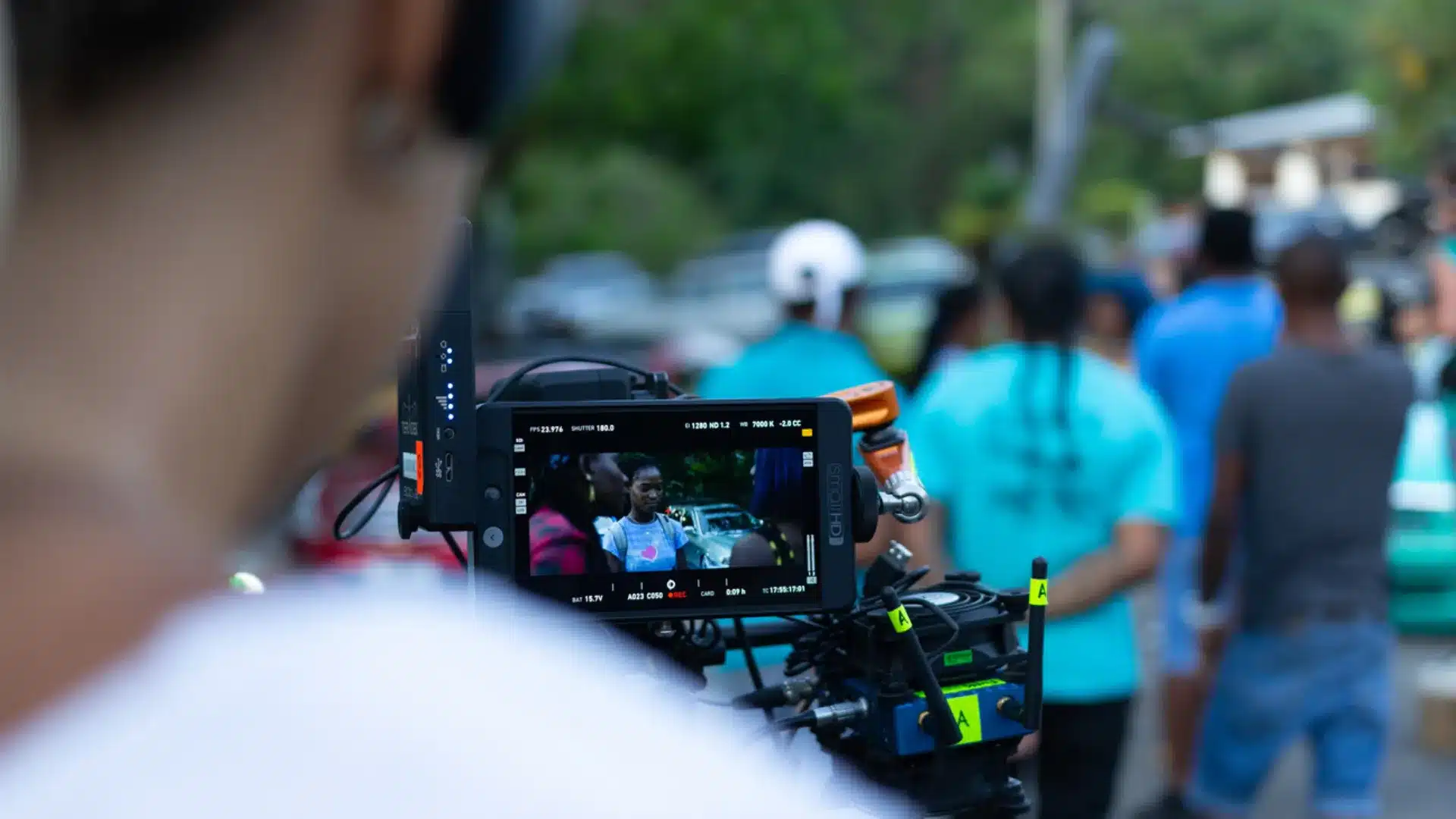
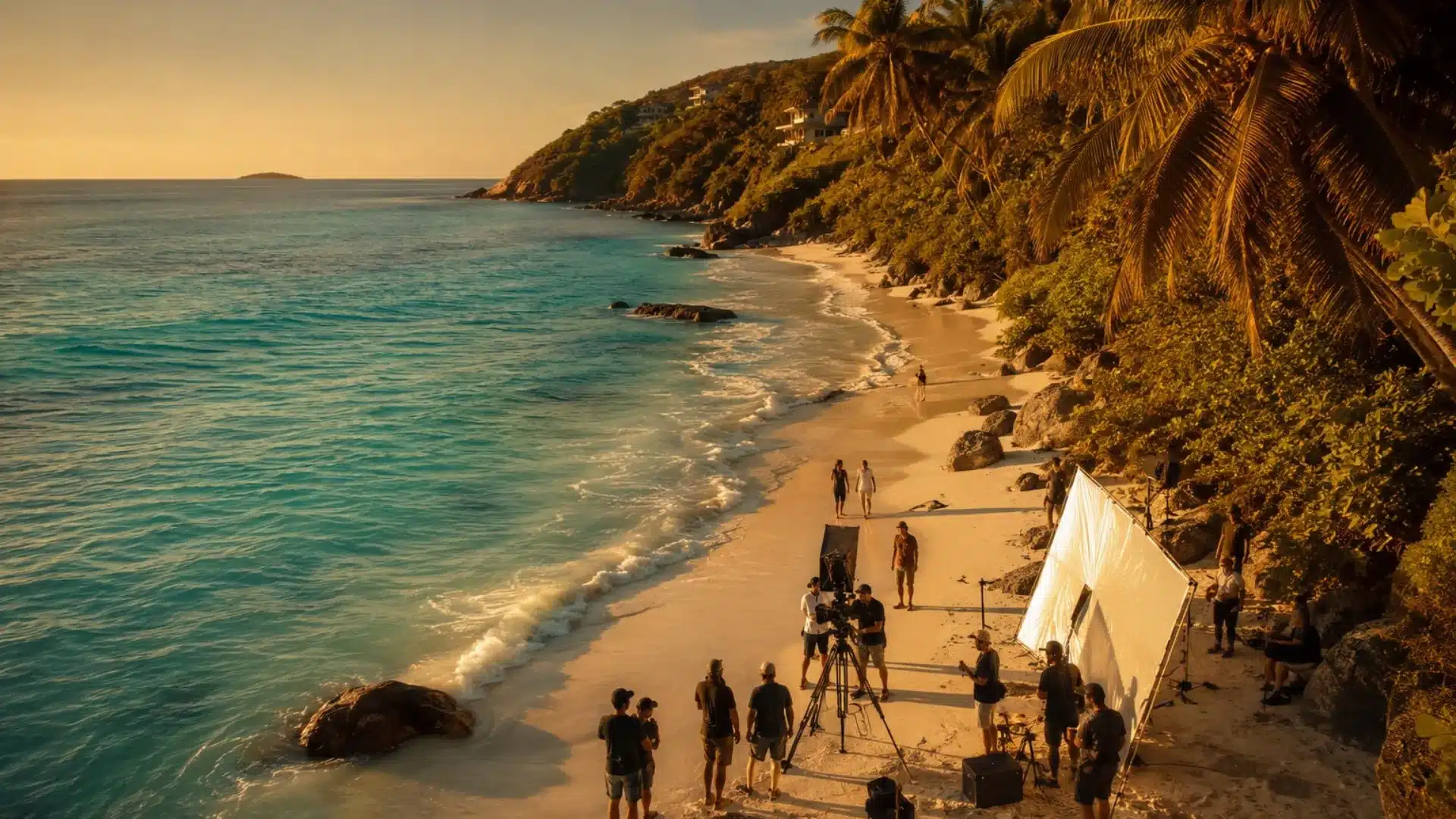
Hoodlum's film fixers in Trinidad and Tobago support international productions across two islands with more visual range than their size suggests. Port of Spain's carnival streets and colonial Savannah, the Caroni Swamp, Maracas Bay, the Northern Range rainforest, and Tobago's reef-fringed beaches and unspoiled Crown Point coastline — all of it accessible through FilmTT, with a 35% local expenditure rebate and an established crew base that can service features, documentaries and commercials from first permit to final wrap.

Ultimate Filming Guide for Trinidad & Tobago

Capital

Port of Spain

Main Cities

San Fernando, Chaguanas, Arima, Scarborough (Tobago)

Local Languages

English (official), Trinidadian Creole, Tobagonian Creole, Hindi influences

Currency

Trinidad and Tobago Dollar (TTD)

Climate

Tropical

General Visa Requirements:

Trinidad & Tobago is not part of the Schengen Area. Many nationalities, including UK, EU, US, Canadian, CARICOM and other passport holders, may enter Trinidad & Tobago visa-free for short stays, typically for up to 90 days depending on nationality. The permitted length of stay is confirmed by Immigration on arrival. Visitor status does not automatically permit paid work. Filming or paid production activity requires appropriate work permits and filming approval before the production begins. Professional filming, commercial production, paid crew activity, or extended production stays should be confirmed with Immigration, FilmTT, and a local Trinidad & Tobago production partner before crew travel.

Required Documents:

Typical documentation may include:

  • Valid passport
  • Completed visa application, where required by nationality
  • Proof of accommodation
  • Proof of onward or return travel
  • Production contract or invitation letter
  • Work permit application for paid activity
  • Police certificate, for longer stays
  • Proof of fee payment
  • Travel medical insurance, recommended

Visa Application Process:

  • Visa-free nationals granted entry on arrival
  • Standard visa applications submitted prior to travel where required
  • Work permit applications submitted to the Ministry of National Security, Immigration Division
  • Applications coordinated through a locally registered Trinidad & Tobago production company

Official reference:
https://www.immigration.gov.tt/

Processing Time:

Visa-free entry is generally granted on arrival for eligible nationals. Standard visa processing, where required, typically takes approximately 2–4 weeks. Work permits typically take approximately 3–6 weeks, depending on production scope, crew role, duration, application completeness, and authority review. Productions should allow additional lead time for filming permits, drone approvals, customs clearance, public-location filming, road closures, police coordination, or large crew movement.

Cost:

Visa fees vary by nationality. Work permit fees vary depending on duration, crew role, nationality, and application route. Costs should be confirmed through Immigration or a local production partner before application.

Accreditation Requirements:

Foreign cast and crew require work permits to undertake paid filming activities in Trinidad & Tobago.

Productions typically operate through a locally registered Trinidad & Tobago production company, with work permit applications submitted to the Ministry of National Security through the Immigration Division.

Required Documents:

Productions may be asked to provide:

  • Crew list
  • Passport copies
  • Production title and synopsis
  • Production company details
  • Producer and director details
  • Shooting schedule
  • Location list
  • Equipment list
  • Insurance details
  • Production contract or invitation letter
  • Local production partner details
  • Work permit application forms, where required

Processing Time:

Productions should allow approximately 3–6 weeks for work-permission coordination. Larger crews, complex immigration requirements, public-location shoots, or productions involving multiple departments may require additional preparation time.

Cost:

Costs vary depending on work permit type, duration, crew size, nationality, and government processing requirements.

Issuing Organization:

Trinidad & Tobago does not have a single standalone film commission in the same format as some other territories.

Filming coordination is typically facilitated by CreativeTT – FilmTT, the national agency supporting the film sector.

FilmTT:
https://www.filmtt.co.tt/

FilmTT works alongside relevant ministries, municipal authorities, location owners, and public agencies to coordinate approvals.

Required Documents:

Typical filming permit requirements include:

  • Production title and synopsis
  • Producer and director details
  • Production company details
  • Shooting schedule
  • Filming dates
  • Location list
  • Cast and crew list
  • Equipment list
  • Vehicle list, where applicable
  • Insurance details
  • Local production partner details
  • Drone details, where applicable
  • Public-space, road, police, traffic, port, airport, or municipal requirements, where applicable

Processing Time:

Permit timelines vary depending on location, public authority involvement, police support, road closures, drone operations, and production complexity. Productions should allow 2–4 weeks minimum, and longer for complex shoots involving public disruption, controlled locations, multiple authorities, road use, ports, airports, or large production footprints.

Cost:

Fees vary depending on location, duration, crew size, production footprint, and government services required. Private location fees, police services, traffic control, security, municipal services, drone approvals, customs handling, and specialist access costs are usually quoted separately.

Location Scouting / Location Permits Information:

Private-location filming in Trinidad & Tobago requires direct permission from the relevant property owner, manager, commercial property operator, landholder, resort, hotel, estate, industrial site, or location representative.

Permissions, fees, and timelines are negotiated directly with private property owners.

Private-location filming may require:

  • Written location agreement
  • Owner or manager approval
  • Public liability insurance
  • Commercial use approval
  • Location fee
  • Access schedule
  • Parking, transport, or unit base planning
  • Security or property supervision
  • Site-specific safety requirements
  • Restoration and clean-up commitments

Location Scouting / Permitting Cost & Processing Time

Costs vary depending on property type, exclusivity, duration, crew size, commercial use, safety requirements, and operational impact.

Drone Regulations:

Drone operations in Trinidad & Tobago are regulated by the Trinidad and Tobago Civil Aviation Authority.

Prior approval is mandatory for commercial drone filming.

Restrictions apply near:

  • Airports
  • Government facilities
  • Security facilities
  • Urban areas
  • Public gatherings
  • Sensitive infrastructure
  • Ports and industrial sites
  • Controlled or restricted airspace

Productions should not operate drones without written aviation approval and any required location permissions.

Drone Importation Regulations:

Drones must be declared on arrival.

Prior authorisation from the Trinidad and Tobago Civil Aviation Authority is required before operation.

Productions should travel with:

  • Drone make, model, and serial number
  • Proof of ownership
  • Pilot credentials
  • Insurance documentation
  • Flight plan
  • Risk assessment
  • Production schedule
  • Location approvals
  • Customs declaration, where applicable
  • Aviation approval, where applicable

Permit Issuance:

Commercial drone approvals are handled by:

Trinidad and Tobago Civil Aviation Authority
https://www.caa.gov.tt/

Timing:

Productions should allow approximately 10–20 working days for drone approval.

Cost:

Fees depend on production scope, airspace, location, duration, and approval requirements.

Carnet Status:

Trinidad & Tobago accepts ATA Carnets for temporary professional filming equipment.

ATA Carnets are recommended for the temporary import of professional camera, lighting, grip, sound, drone, and technical equipment.

Required Documents:

Temporary import of professional filming equipment can be handled via ATA Carnet and cleared at entry and exit points.

A local customs broker may be recommended for larger shipments, freight movements, specialist equipment, or complex equipment packages.

Typical documentation includes:

  • ATA Carnet
  • Commercial invoice
  • Detailed equipment list
  • Serial numbers
  • Equipment values
  • Crew passport copies
  • Production letter
  • Filming permit or support letter
  • Shipping documents, where applicable
  • Customs declaration, where required

Issuing Organization:

Clearance is handled on arrival.

Timing:

Timing depends on shipment size, arrival method, documentation quality, customs workload, inspection requirements, and whether the equipment is hand-carried or freighted. Hand-carried equipment may clear more quickly if paperwork is complete. Larger shipments and freight movements should be pre-cleared where possible.

Cost:

Carnet issuance fees apply in the country of origin. Local customs handling fees, customs broker fees, freight costs, inspection fees, or administrative charges may apply depending on the shipment and import route.

General Overview:

Trinidad & Tobago has established production experience and can support a wide range of international shoots, including commercial, documentary, television, film, industrial, urban, coastal, and cultural productions.

Standard precautions are recommended, particularly in certain urban areas, public locations, night shoots, industrial areas, and locations where camera equipment is visible.

Security Requirements:

For larger productions, Hoodlum may recommend local security, overnight equipment security, police coordination, traffic control, crowd management, transport support, industrial site supervision, or additional on-ground production management.

Rebates/Incentives:

Trinidad & Tobago offers a cash rebate incentive designed to attract international productions.

The incentive is administered by FilmTT / CreativeTT and is structured to support qualifying local production expenditure.

Administered By

FilmTT / CreativeTT
https://www.filmtt.co.tt/

Key Features

  • Rebate type: Cash rebate
  • Rate: Up to 35% of eligible local spend
  • Structure: Tiered depending on production type and spend level
  • Minimum spend: Project-dependent and should be confirmed with FilmTT
  • Eligible formats may include feature films, TV series, documentaries, animation, and commercials

Eligible Spend

Eligible Trinidad & Tobago expenditure may include:

  • Local crew and services
  • Equipment rentals
  • Accommodation
  • Transport
  • Production services and facilities
  • Post-production services carried out locally

Only eligible Trinidad & Tobago expenditure qualifies.

Who Can Apply

International productions working through a locally registered production company may apply, subject to eligibility and approval.

How It Works

The typical incentive process includes:

  1. Pre-approval: Application submitted before principal photography.
  2. Production & Accounting: Eligible local spend is tracked during production.
  3. Audit / Review: Costs are reviewed by FilmTT.
  4. Rebate Payment: Rebate is paid after approval and verification.

Typical Documentation

Typical application documentation may include:

  • Script
  • Shooting schedule
  • Detailed budget
  • Cast and crew lists
  • Contracts
  • Invoices
  • Proof of payment
  • Local production company details
  • Production schedule
  • Eligible spend breakdown

Indicative Timelines

Application review may take approximately 4–8 weeks.

Rebate payment is usually made following audit, approval, and verification.

The rebate should not be assumed until confirmed in writing through FilmTT or the relevant local production partner.

Meet our Local Team

Trinidad & Tobago

Lisa

Lisa is a Trinidad & Tobago-based film and TV producer, director and media entrepreneur with credits spanning internationally distributed features, Caribbean-wide TV series and music video productions. Her work includes Hero: The Extraordinary Life of Mr. Ulric Cross (Producer), Home Again (Producer), Girlfriends’ Getaway (Producer), PAN! Our Music Odyssey (Line Producer), Forward Home (Co-Executive Producer), I’ll Write (Director) and Tribes (Producer, TV Series).
Trinidad - Lisa

Lisa

Lisa is a Trinidad & Tobago-based film and TV producer, director and media entrepreneur with credits spanning internationally distributed features, Caribbean-wide TV series and music video productions. Her work includes Hero: The Extraordinary Life of Mr. Ulric Cross (Producer), Home Again (Producer), Girlfriends’ Getaway (Producer), PAN! Our Music Odyssey (Line Producer), Forward Home (Co-Executive Producer), I’ll Write (Director) and Tribes (Producer, TV Series).

Client Brief

Fill in our client brief and we’ll get back to you with everything you need to start filming in this region.

Services We Provide in Trinidad & Tobago

Accommodation

Airport Protocol & On-Ground Support

Casting & Talent

Catering

Crew Sourcing

Customs Clearance

Drone & Aerial Permits

Drone & Drone Operator

Equipment Rentals

Film Permits

Line Producers & Production Management

Local Film Fixers

Locations / RECCE’s

Logistics

Rebates & Incentives

Research

Risk Management

Security

Set Dressing / Production Design

Transport & Vehicles

Visas & Work Permits

News from the Region

Film Permits in Trinidad & Tobago

Trinidad & Tobago moves with rhythm. Steelpan, Carnival, late-afternoon light over Port of…

Cayman Islands film incentives
Caribbean film incentives

Caribbean film incentives have made the region one of the most competitive places…

Film Tax Incentives
Caribbean film tax incentives

C 2026 Production Guide — Caribbean Region Caribbean FilmTax Incentives& Rebates The…

Trinidad and Tobago offers one of the most diverse filming environments in the Caribbean, supported by competitive incentive programs and English-speaking crews. Our Film Production Services in Trinidad and Tobago are structured for international producers navigating national permitting systems, incentive qualification, customs procedures, and multi-island logistics.

From the energy-driven urban environment of Port of Spain to Tobago’s beaches and rainforest reserves, the country provides varied visual settings within a compact twin-island jurisdiction. Successful production depends on early incentive alignment, structured authority engagement, and realistic sequencing between islands.

Whether supporting feature films, commercial campaigns, streaming projects, documentary productions, or large-scale event coverage, we build operational systems that balance creative ambition with financial efficiency and regulatory compliance.

Start Your Production

Why Film in Trinidad and Tobago

Trinidad and Tobago combines urban density, industrial infrastructure, and lush natural terrain within a single country framework.

Trinidad provides:

  • Modern cityscapes and business districts
  • Port and industrial facilities
  • Energy-sector infrastructure
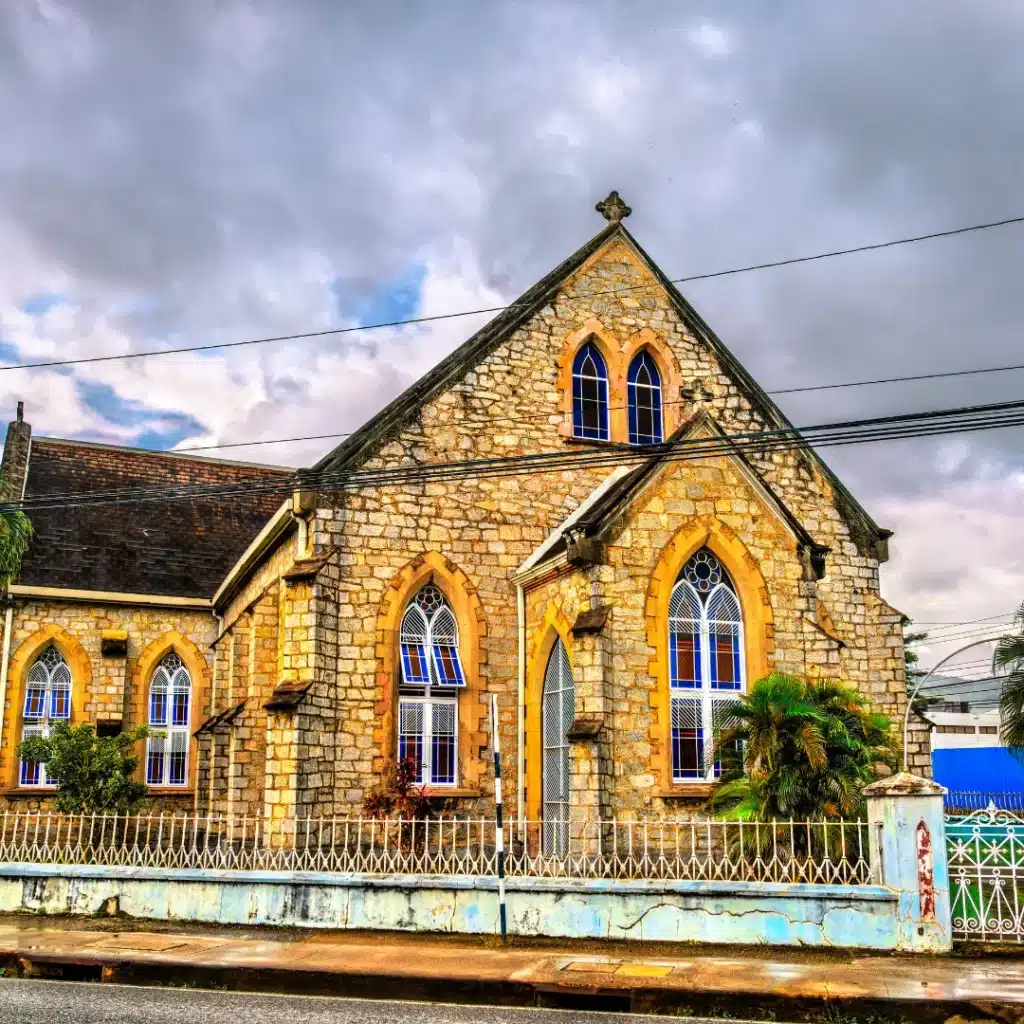
  • Colonial-era architecture
  • Swampland and rainforest

Tobago offers:

  • White-sand beaches
  • Coral reefs
  • Waterfalls
  • Protected rainforest
  • Resort environments

This dual-island structure allows productions to achieve strong environmental contrast without leaving the jurisdiction. Travel between the islands is accessible by domestic flight or ferry, enabling structured sequencing.

The country’s cultural vibrancy, particularly during Carnival season, offers visually dynamic street environments and large-scale event potential.

Production Support Trinidad and Tobago

Delivering effective Production Support Trinidad and Tobago requires coordination across national film authorities, customs agencies, municipal offices, and private stakeholders on both islands.

Our approach integrates incentive planning, permitting compliance, and island sequencing.

Pre-Production

Preparation establishes financial and operational clarity.

  • Location research across Trinidad and Tobago
  • Technical recces and feasibility assessments
  • Incentive eligibility evaluation
  • Permit application coordination
  • Customs documentation preparation
  • Drone authorization planning
  • Budget forecasting aligned with rebate structures

Incentive frameworks require formal registration and structured expense tracking. Early submission improves predictability.

Production

Principal photography benefits from experienced local crews and manageable inter-island transport.

  • Local crew sourcing and department coordination
  • Equipment rental and freight management
  • Government liaison oversight
  • Traffic and public space coordination
  • Marine filming alignment
  • On-site production supervision

Urban filming in Port of Spain may require municipal approvals, while Tobago-based shoots require coordination with local authorities and resort stakeholders.

Post & Wrap

Administrative discipline ensures incentive compliance.

  • Incentive reporting documentation
  • Payroll reconciliation
  • Vendor settlement
  • Equipment export coordination
  • Permit closure procedures

Clear wrap systems protect financial recovery and regulatory alignment.

Film Fixers in Trinidad and Tobago

Experienced Film Fixers in Trinidad and Tobago understand the layered coordination required across two distinct islands with separate logistical considerations.

Productions may engage with:

  • National film commission representatives
  • Municipal authorities
  • Port authorities
  • Industrial site operators
  • Environmental agencies
  • Resort and private landowners

Local coordinators support transparent budgeting, bilingual documentation where required, and structured scheduling across both islands.

In an environment combining urban density with protected natural areas, early communication reduces administrative friction.

Filming Regulations & Permits

Filming in Trinidad and Tobago typically requires authorization from national film authorities. Public space filming, industrial site access, drone use, and marine operations require formal approval.

Drone operations are regulated and subject to aviation authority guidelines. Industrial or port-based filming may require additional security clearance and site-specific safety compliance.

Equipment imports are handled through customs procedures aligned with temporary import frameworks.

Productions seeking incentives must comply with structured reporting and audit processes.

Early regulatory engagement protects production timelines.

Incentives & Production Rebate Framework

Trinidad and Tobago maintains competitive incentive programs aimed at attracting international productions. Qualifying productions may receive rebates on eligible local spend, subject to minimum thresholds and documentation compliance.

Incentive structuring involves:

  • Formal project registration
  • Defined qualifying spend categories
  • Local payroll and vendor verification
  • Structured accounting and reporting

Early integration of incentive planning into budget development enhances financial predictability.

Accurate documentation and compliance discipline protect rebate recovery.

Industrial & Energy Sector Filming

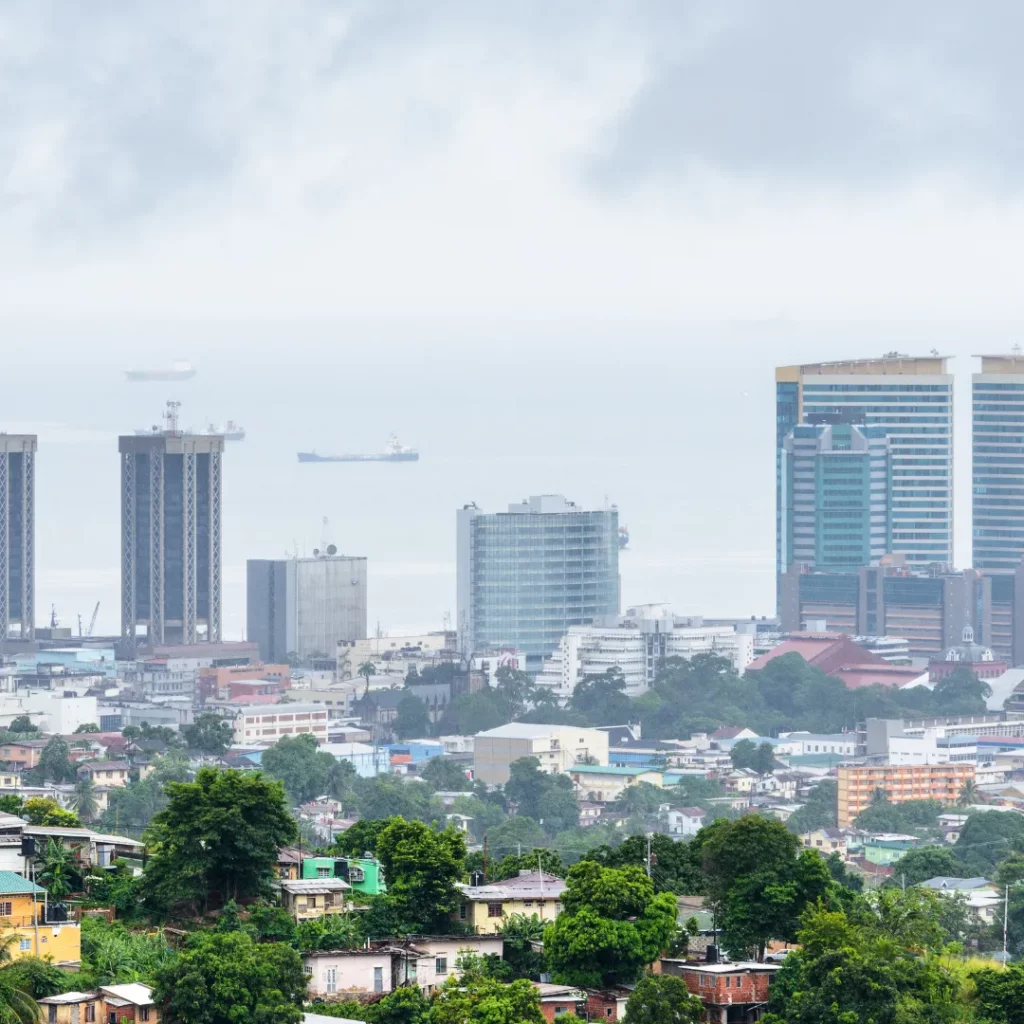
Trinidad’s industrial landscape provides unique visual environments rarely found in Caribbean jurisdictions. Refineries, port facilities, shipyards, and energy infrastructure offer distinctive backdrops for commercial and narrative projects.

Filming in industrial zones requires:

  • Security clearance coordination
  • Site safety briefings
  • Operational schedule alignment
  • Equipment access planning

Advance engagement with site operators ensures production does not disrupt active industrial operations.

Coastal & Marine Production Considerations

Both islands offer strong coastal visuals. Marine filming requires vessel coordination, weather monitoring, and reef protection compliance.

Considerations may include:

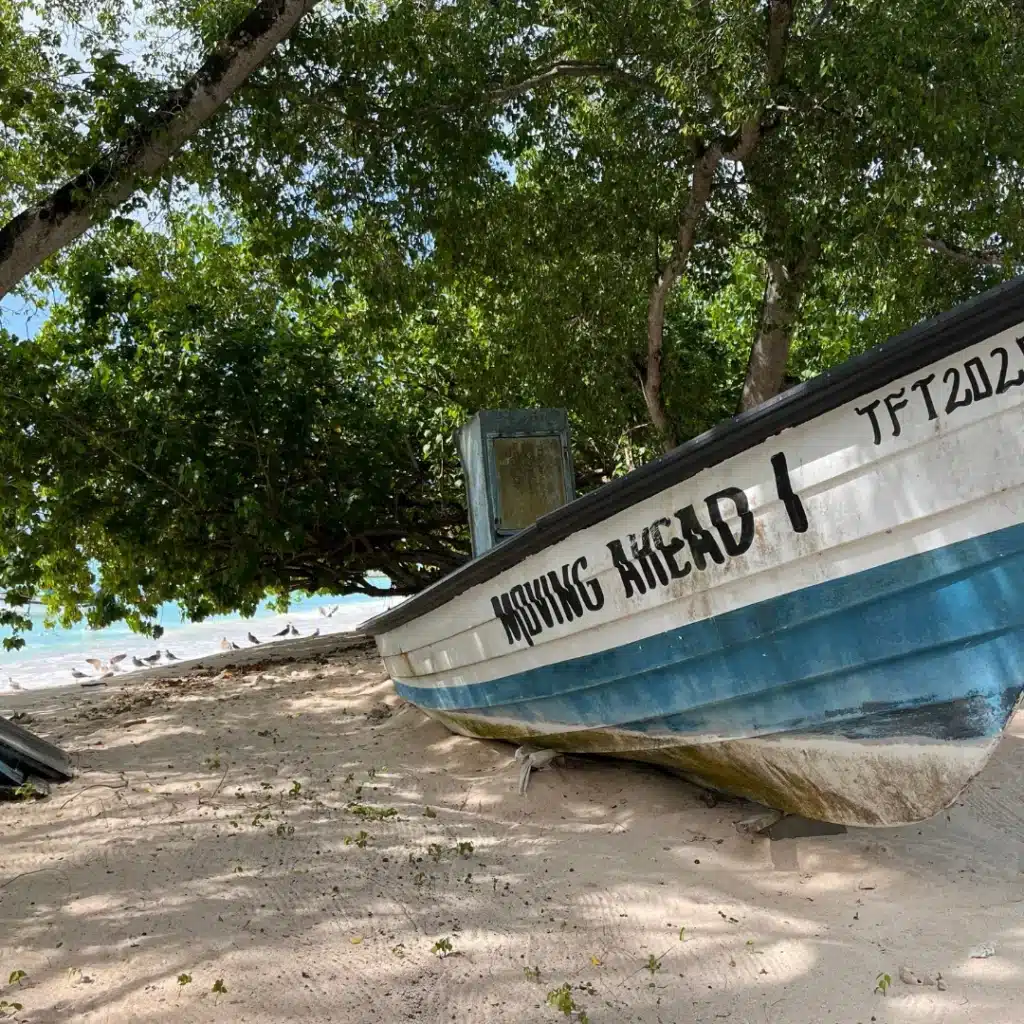
  • Licensed vessel hire
  • Tide scheduling
  • Environmental alignment
  • Water safety supervision
  • Hurricane season planning

Tobago’s marine environments are often used for resort and tourism-focused productions.

Rainforest & Protected Area Operations

Tobago’s Main Ridge Forest Reserve is one of the oldest protected rainforest reserves in the Western Hemisphere. Alongside Trinidad’s Northern Range and interior waterfall regions, these environments offer dense canopy coverage, river systems, and elevated terrain that provide cinematic natural scale.

However, rainforest filming requires structured preparation. Technical recces should evaluate:

  • Access road conditions and vehicle suitability
  • Load-in feasibility for equipment transport
  • Safe staging areas for crew and gear
  • Rainfall patterns and runoff behavior
  • Wildlife presence and environmental sensitivities

Humidity levels can affect camera performance, sound equipment reliability, and electrical systems. Waterproof housing, silica storage solutions, and controlled staging tents are often integrated into planning.

Filming in protected areas may require coordination with environmental authorities, forestry departments, or reserve management bodies. Permit conditions may define maximum crew size, restricted zones, operating hours, and environmental safeguards.

Controlled crew movement protocols, waste management procedures, and vegetation protection measures are typically required. Productions that demonstrate environmental responsibility preserve long-term filming access and strengthen relationships with regulatory bodies.

Advance coordination ensures creative objectives align with conservation priorities.

Carnival & Event-Based Production

Trinidad’s Carnival is one of the most visually dynamic cultural events in the Caribbean. Costuming, live music, parades, and large-scale street participation create high-impact production opportunities.

However, filming during Carnival requires early and structured coordination. Productions should engage with:

  • Event organizers and band leaders
  • Municipal authorities
  • Police and security services
  • Sound system operators
  • Community stakeholders

Crowd density can be significant, requiring defined camera zones, controlled equipment footprint, and safety perimeters. Productions often deploy multiple lightweight units to maintain mobility in high-traffic environments.

Sound coordination is also critical. Live performance environments may involve overlapping audio sources, requiring structured sound planning or post-production strategies.

Accommodation and transport logistics should be secured well in advance, as peak festival demand significantly increases occupancy rates and traffic congestion.

For narrative productions seeking Carnival backdrops, planning must balance authenticity with operational control.

Climate & Seasonal Planning

Trinidad and Tobago maintains a tropical climate with relatively consistent temperatures year-round, though rainfall intensity varies seasonally.

The wet season typically brings short but heavy rainfall periods, particularly affecting rainforest and waterfall locations. Call sheets should incorporate buffer time for weather interruptions, especially in interior terrain.

Hurricane season planning remains essential, even if direct impact frequency varies year to year. Insurance coverage, storm monitoring systems, and contingency sequencing should be structured during pre-production.

Heat exposure and humidity influence crew welfare planning. Hydration stations, shaded holding areas, and adjusted shooting windows during peak midday heat improve efficiency and reduce fatigue.

Peak tourism and festival seasons may affect accommodation pricing and availability. Early room block reservations across both islands prevent last-minute compression.

Weather resilience is built during budgeting and scheduling phases, not during production reaction.

Infrastructure & Crew Capacity

Trinidad and Tobago maintains a strong local crew base across camera, lighting, grip, art department, production management, and location coordination roles. Repeated international productions have strengthened technical proficiency and workflow familiarity.

English is the primary language, simplifying documentation, contract negotiation, and department communication for international teams.

Equipment rental providers support a broad range of commercial and narrative production formats. Standard camera, lighting, and grip packages are accessible locally. Larger builds or specialized rigs may require freight coordination or early reservation.

Studio spaces and adaptable warehouse facilities can be utilized for controlled interior builds, rehearsal space, or equipment staging.

Centralizing production offices in Port of Spain allows efficient oversight, particularly for multi-island projects. Administrative coordination, incentive documentation, and departmental leadership can be managed centrally while location units deploy across both islands.

With structured planning and experienced coordination, Trinidad and Tobago supports projects ranging from boutique commercial shoots to large-scale multi-week productions with operational stability.

Health, Safety & Operational Control

Structured safety frameworks protect operational continuity.

Risk planning may address:

  • Heat and humidity exposure
  • Industrial site safety compliance
  • Marine safety
  • Traffic management
  • Emergency response coordination

Clear reporting lines and safety briefings support daily operational discipline.

Film Production Services in Trinidad and Tobago

Productions operating in Trinidad and Tobago benefit from integrating incentive structuring, industrial coordination, and inter-island sequencing into early planning stages. Travel between Trinidad and Tobago should be scheduled to minimize freight duplication.

Transparent budgeting, disciplined documentation, and proactive authority engagement reduce administrative friction.

When creative ambition aligns with structured financial planning and realistic logistical sequencing, Trinidad and Tobago offers strong Caribbean production value within a stable and English-speaking regulatory framework.

Frequently Asked Questions

Do I need a permit to film in Trinidad and Tobago?

Most professional productions require authorization from national film authorities, particularly for public, industrial, or marine filming.

Are incentives available?

Yes. Incentive programs are available subject to eligibility requirements and documentation compliance.

Can drone filming be approved?

Drone operations require authorization under national aviation regulations.

Is filming across both islands complex?

Inter-island transport requires structured sequencing, but travel is manageable with early planning.

Are international crews allowed to operate locally?

International crews typically collaborate with locally registered production partners who facilitate compliance and coordination.

Plan Your Production

From industrial ports and urban streets to rainforest reserves and Caribbean beaches, filming in Trinidad and Tobago offers dynamic visual range supported by structured planning and incentive alignment.

If you are preparing a project in Trinidad and Tobago, our team can build a compliant, efficient production framework aligned with regulatory standards and financial objectives.

Request Production Support

Film Locations in Trinidad and Tobago
This guide was prepared by the Hoodlum Film Fixers team using official government resources and consultation with trusted local production partners. Our combined operational experience ensures international producers receive accurate, up-to-date guidance when planning film production in Trinidad and Tobago.

Useful Links – Trinidad and Tobago Film Authorities