

















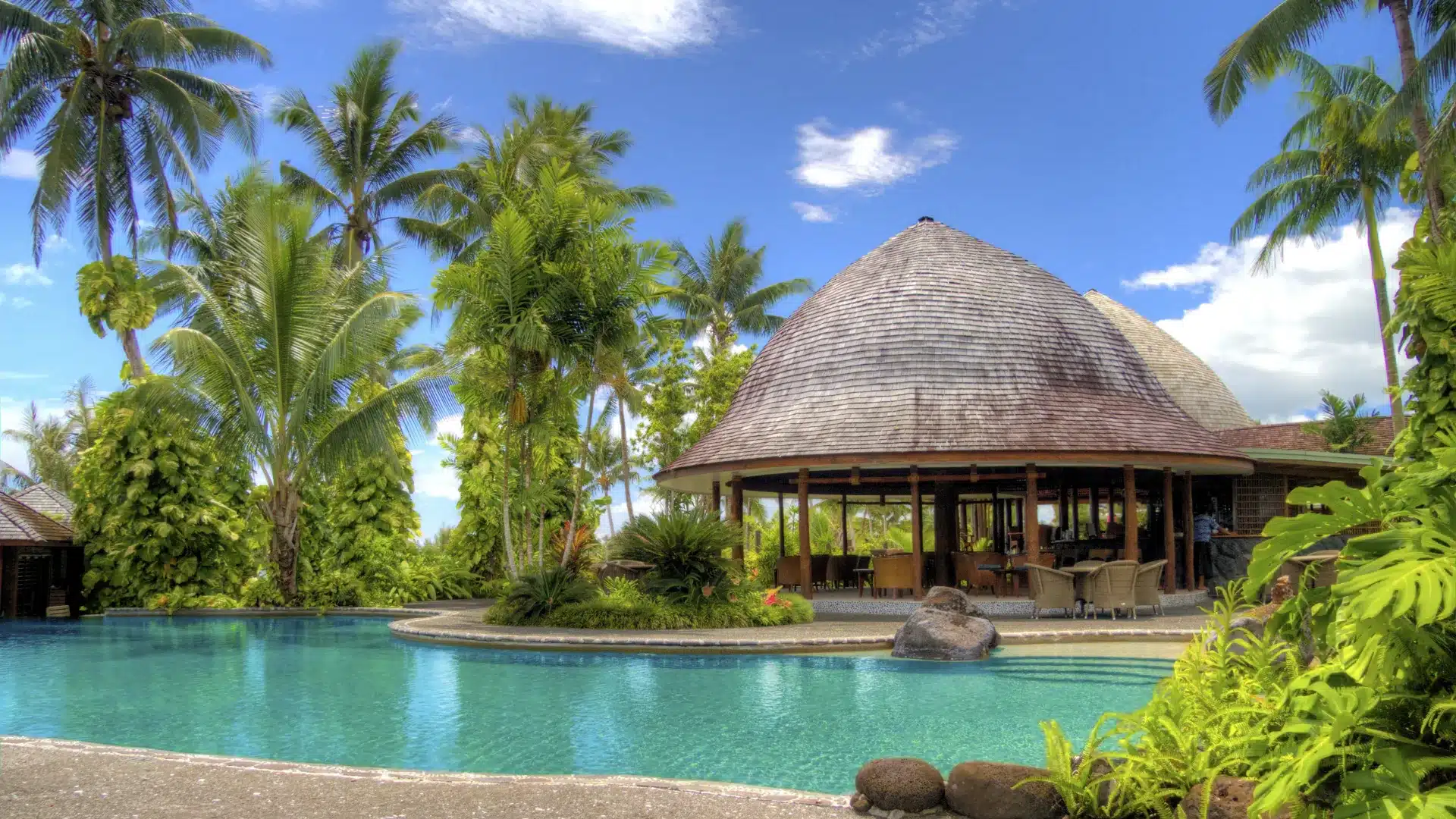
Film Production Services in Samoa
Hoodlum provides practical, fixer-led Film Production Services in Samoa for international productions that need permits, local crew, location access, customs, drones, transport, security and full production support. Samoa is a highly workable Pacific production destination for documentary, factual television, travel, commercial, branded, cultural, NGO, conservation, tourism, lifestyle and field-based productions, but professional filming still requires careful planning around visas, commercial filming permits, crew accreditation, village access, drone approvals, ATA Carnet customs procedures, local protocols and island logistics.
Samoa offers production environments across coastal roads, villages, beaches, waterfalls, forest areas, private properties, tourism locations, marine access, public spaces and controlled cultural settings. It can work well for productions that need island-based storytelling, community access, traditional environments, conservation themes, travel content, hospitality locations or natural exterior filming. However, filming in Samoa should be approached respectfully and through the correct local channels. Village permissions, community liaison, environmental care and clear local coordination are important parts of the production process.
Film crews travelling to Samoa typically require a valid passport and visitor’s permit, which may be obtained on arrival depending on nationality and travel conditions. Commercial filming may require a special permit from the Samoan government. Film permits are typically issued by the Samoa Tourism Authority in conjunction with the Ministry of Commerce, Industry and Labour and the Ministry of Natural Resources and Environment. Crew accreditation may be handled through the Ministry of Commerce, Industry and Labour. Drone operations require approval from the Samoa Civil Aviation Authority, and equipment customs clearance is managed by the Samoa Customs Service under the Ministry of Revenue.
Hoodlum supports productions in Samoa with visa and visitor permit guidance, film permit coordination, crew accreditation, fixer services, village and private location access, local crew sourcing, drone permit planning, ATA Carnet and customs support, accommodation, transport, security liaison, community coordination and complete on-the-ground production management. Samoa can be an efficient and production-friendly filming destination when permissions, local relationships and logistics are planned before the crew arrives.
Why Samoa Works for International Productions
Samoa works for productions that need Pacific island environments, community access, coastal roads, village settings, marine access, waterfalls, forests, tourism locations and cultural context. It can be especially relevant for documentary, travel, NGO, conservation, commercial, branded and lifestyle productions that need a strong island setting with manageable logistics.
Samoa’s production value comes from its combination of accessible locations and local cultural depth. Many filming environments require local introductions and respectful coordination rather than simple location booking. Village access, community permissions and local protocols should be managed through an experienced fixer or production partner.
The production process in Samoa is relatively straightforward when documents are prepared early. Film crew visas or permits can take 2 to 4 weeks, film permits can take 2 to 6 weeks, drone permits can take 7 to 14 working days and customs clearance can take 1 to 3 working days. Timelines may vary depending on project complexity, location sensitivity and authority requirements.
Hoodlum helps productions assess what can be sourced locally, what should be imported, which authorities need to approve the shoot and how to build a practical island schedule. Samoa works best when the production combines clear paperwork with respectful local liaison.
Apia and Main Island Production Logistics
Apia is usually the main production base for international crews filming in Samoa. It provides the strongest access to accommodation, transport, local fixers, government liaison, customs coordination, suppliers, communications and production support. Most crews will use Apia as the operational base even when filming across different parts of the islands.
Apia can support interviews, offices, hotels, public spaces, private locations, government-facing meetings, logistics coordination, crew arrivals, customs follow-up and permit management. It is also a practical base for organising onward movement to coastal, rural, village or marine locations.
Filming in and around Apia should still be properly coordinated. Public locations, government buildings, roads, tourism sites, markets, businesses and cultural spaces may require approvals. A local fixer helps identify whether the Samoa Tourism Authority, Ministry of Commerce, Industry and Labour, Ministry of Natural Resources and Environment, village representatives or private owners need to be involved.
Hoodlum supports Apia-based production with fixer services, permit coordination, local crew sourcing, accommodation, vehicles, customs support, private location access and daily production management. A well-organised Apia base helps crews move efficiently across the wider filming schedule.
Village, Coastal and Community Filming in Samoa
Village and community access is an important part of filming in Samoa. Productions should not assume that a public-looking location is available without local permission. Village structures, community leaders, landowners, families and local representatives may need to be consulted before filming.
Coastal, cultural and village locations can be strong for documentary, travel, NGO and branded content, but they need careful liaison. A fixer can help explain the project, introduce the crew, negotiate permissions, manage expectations and coordinate filming in a respectful way.
Community filming should be planned around local protocols, privacy, cultural sensitivity, filming times, access routes, parking, equipment footprint and contributor consent. Productions should avoid arriving with cameras before permissions and introductions have been handled.
Hoodlum supports village and community filming by coordinating local liaison, permissions, introductions, location agreements, transport and shoot-day logistics. In Samoa, respectful access is not just good practice; it is central to making the production work.
Crew Entry and Visa Requirements for Samoa
Film crews travelling to Samoa typically require a valid passport and visitor’s permit. A visitor’s permit may be obtained on arrival depending on nationality and travel eligibility. Commercial filming activities may require a special permit from the Samoan government.
Crew applying for a visa or permit may need to provide a valid passport, completed application form, proof of onward travel, proof of sufficient funds, a detailed itinerary and a letter explaining the purpose of the filming project. The production letter should clearly explain the company, crew, project scope, locations, filming dates and intended activity.
Processing time for a film crew visa or permit is typically around 2 to 4 weeks, although timing can vary depending on the complexity of the application and the specific requirements of the Samoan government. Productions should allow additional time if commercial filming approvals, crew accreditation or drone permissions are being processed at the same time.
The cost of a visa or permit for a film crew in Samoa typically ranges from WST 100 to WST 500, or approximately USD 37 to USD 185, depending on permit type and duration of stay.
Hoodlum supports crew entry planning by preparing production letters, travel itineraries, proof of onward travel, crew details, permit references and local support documentation. Entry planning should be aligned with film permits, crew accreditation and customs requirements.
International Crew Accreditation in Samoa
Film crew members working in Samoa may require accreditation from the Ministry of Commerce, Industry and Labour. This process typically involves proof of identity, qualifications, experience, payment of the required fee and a background check.
Crew accreditation documents may include a valid passport, proof of identity, qualifications and experience, police clearance certificate, completed application form and payment of the required fee. Requirements may vary depending on the production type, crew role, duration and government assessment.
Processing time for crew accreditation is usually around 2 to 5 working days, but this can vary depending on the complexity of the application and specific authority requirements. Costs typically range from WST 50 to WST 200, or approximately USD 18 to USD 74, depending on accreditation type and duration of stay.
Crew accreditation should match the film permit, visa or visitor permit, customs documentation and production schedule. Crew names, roles, passport details and dates should be consistent across all submissions.
Hoodlum supports accreditation by preparing crew lists, passport details, role information, experience summaries, police clearance requirements and local authority submissions. Proper crew accreditation helps ensure the production is documented and ready to work legally.
Film Permits in Samoa
Film permits in Samoa are typically issued by the Samoa Tourism Authority in conjunction with the Ministry of Commerce, Industry and Labour and the Ministry of Natural Resources and Environment. The exact route may depend on the project type, locations, environmental impact, commercial nature and whether village, protected or public sites are involved.
A film permit application typically requires a completed application form, detailed script and storyboard, location schedule, proof of insurance, list of crew and cast members, and a letter explaining the purpose and scope of the project. Productions should also prepare a project synopsis, equipment list, proposed dates, village or private location details and drone information if relevant.
Film permit processing usually takes around 2 to 6 weeks. Timing can vary depending on project complexity, location sensitivity, environmental requirements and the specific needs of the Samoan authorities.
The cost of a film permit in Samoa typically ranges from WST 500 to WST 5,000, or approximately USD 185 to USD 1,850, depending on production type, location and duration of filming.
Hoodlum supports Samoa film permit applications by preparing application forms, scripts, storyboards, schedules, insurance documents, crew and cast lists, location information, production letters and local authority submissions. A clear permit file helps keep the approval process efficient.
Private Locations and Owner Agreements
Private location filming in Samoa is arranged through a local fixer or location scout. The fixer assists with location scouting, permit applications, logistics and liaison with local authorities, vendors, owners and communities.
Private locations may include homes, resorts, beaches, restaurants, gardens, plantations, commercial spaces, roads, tourism locations, cultural sites or private land. Some locations may also require village or community permission, even where the property appears privately managed.
The cost of a private film location in Samoa cannot be determined until the production schedule, location requirements, duration of filming and specific needs are received. Fees may depend on access, exclusivity, disruption, crew size, equipment, privacy, power, parking, security and community liaison.
A written location agreement should confirm filming dates, access hours, permitted areas, fees, owner restrictions, insurance, property protection, restoration, parking, power, overtime and cancellation terms. Hoodlum supports private location filming by scouting options, negotiating permissions, arranging agreements and coordinating shoot-day access.
Public Filming and Local Authority Coordination
Public filming in Samoa should be coordinated through the appropriate local authorities and local fixer support. Public spaces, roads, beaches, village areas, government buildings, markets, natural sites, protected areas and tourism locations may require permits or local approval.
The Samoa Tourism Authority, Ministry of Commerce, Industry and Labour, Ministry of Natural Resources and Environment, village leaders, police, landowners or private managers may need to be consulted depending on the location.
Crews should carry permits, accreditation documents, passports, visitor permits, insurance, equipment lists, local fixer contacts and location permissions while filming. This helps explain the production if approached by authorities, community representatives or property managers.
Hoodlum supports public filming by identifying permission requirements, coordinating local liaison, managing community contact and briefing crews on location-specific rules. In Samoa, local access depends on both official permission and respectful communication.
Drone Filming in Samoa
Drone operations in Samoa are regulated by the Samoa Civil Aviation Authority. Commercial drone use requires prior approval and permits, adherence to airspace restrictions and compliance with safety guidelines and regulations.
Drone permits in Samoa are issued by the Samoa Civil Aviation Authority. Applications typically require a completed application form, drone specifications, proof of liability insurance, pilot certification, flight plan, location permissions and any other supporting documentation requested by the authority.
Processing time for a drone permit is typically around 7 to 14 working days, but timing can vary depending on application complexity and Samoa Civil Aviation Authority requirements. Costs typically range from WST 100 to WST 500, or approximately USD 37 to USD 185, depending on permit type, flight duration and other requirements.
Drone filming should be coordinated with location permissions, village access, environmental considerations and the wider film permit. Flying near airports, villages, crowds, sensitive sites, protected areas or government locations may require additional review or may be restricted.
Hoodlum supports drone filming by preparing drone specifications, pilot documents, insurance, flight plans, location permissions and Civil Aviation Authority submissions. In Samoa, drone filming should be approved before the shoot day and aligned with local permissions.
Drone Importation into Samoa
Drone importation into Samoa is regulated by Samoa Customs and the Civil Aviation Authority. Importation may require prior clearance, permits, compliance with regulations, payment of applicable duties and taxes, and confirmation that safety and security standards are met.
Drone importation documents may include a commercial invoice, bill of lading, packing list, certificate of origin and technical specifications of the drone. The drone should also be included in the main equipment list and any ATA Carnet where applicable.
Productions should not travel with undeclared drone equipment. Drone batteries, accessories, serial numbers and values should be listed clearly in customs documentation. Airline battery carriage requirements should also be checked before travel.
Hoodlum supports drone importation by coordinating customs documentation, aviation requirements, equipment lists, technical specifications and permit materials. Drone importation should be handled before departure, not negotiated at the airport.
Equipment Customs Clearance in Samoa
Samoa is a Carnet country. Productions bringing professional filming equipment should obtain an ATA Carnet before arrival, present it to customs upon entry, use the goods for the specified purpose and period, and re-export the goods before the Carnet expires. This helps avoid duties and taxes for temporary importation.
Film crews entering Samoa may require documents such as a commercial invoice, packing list, certificate of origin, ATA Carnet, customs declaration form, detailed equipment list and personal effects list. The equipment list should include cameras, lenses, sound gear, lighting, batteries, grip, drones, data systems and any specialist production equipment.
Customs clearance is issued by the Samoa Customs Service, which is part of the Ministry of Revenue. Clearance typically takes around 1 to 3 working days, but timing can vary depending on shipment complexity, documentation accuracy and other factors.
The cost of customs clearance in Samoa typically ranges from WST 50 to WST 500, or approximately USD 19 to USD 185, depending on the type and value of goods and other relevant factors.
Hoodlum supports customs clearance by preparing ATA Carnet materials, equipment lists, serial numbers, values, commercial invoices, packing lists, certificates of origin, customs declaration forms and local customs liaison. Accurate customs documentation helps prevent arrival delays and equipment holds.
Local Crew, Fixers and Production Support
Local fixer support is essential for filming in Samoa. A fixer helps coordinate visitor permits, commercial filming approvals, crew accreditation, film permits, village access, private locations, customs, drones, transport, accommodation, local crew, security and daily logistics.
A Samoa fixer may support Samoa Tourism Authority permits, Ministry liaison, Civil Aviation Authority drone approvals, Samoa Customs coordination, community introductions, village permissions, location scouting, vendor coordination and shoot-day troubleshooting.
Local crew and equipment availability may be more limited than in larger production hubs. Productions should confirm what can be sourced locally and what needs to be imported. Specialist camera, lighting, drone, grip or data equipment may need to travel with the crew and be documented for customs.
Hoodlum helps build the right local production structure for each Samoa shoot. A documentary, village-based project, travel film, branded campaign, conservation shoot or tourism commercial will each need a different mix of fixer support, local crew, permits and logistics.
Transport, Accommodation and Island Logistics
Transport in Samoa should be planned around island roads, location distance, crew size, equipment volume, weather, village access and filming schedule. Productions may need local drivers, vans, 4×4 vehicles, secure equipment transport and route planning.
Accommodation should be arranged early and selected around location access, equipment storage, power, parking, crew comfort and travel time. Productions filming in multiple regions should plan accommodation and transport together to avoid unnecessary daily movement.
Island logistics should include equipment protection, charging, data backup, fuel, food, water, weather cover, call times, local liaison, road access and contingency time. Exterior filming, coastal work and drone operations should account for wind, rain and changing weather conditions.
Hoodlum supports transport, accommodation and island logistics by coordinating vehicles, drivers, hotels, local crew, route planning, location access and daily production management. Samoa shoots are most efficient when movement is realistic and local coordination is strong.
Safety and Security in Samoa
Samoa is generally a safe filming destination, but productions should still plan for equipment security, public filming control, crowd management, weather, road travel, marine safety and local liaison. High-value equipment and public-facing shoots may benefit from additional security support.
Film productions in Samoa are advised to hire local security personnel or work with reputable security companies where needed. Security support may include on-set security, crowd control, asset protection and liaison with local authorities.
Security planning should be proportionate to the production. A small documentary crew may only need local guidance and equipment watch, while a commercial or branded shoot with larger equipment, public visibility or multiple locations may need more formal asset protection.
Hoodlum supports security planning by assessing locations, coordinating local personnel, briefing crews and planning equipment protection. In Samoa, security is generally manageable when the crew works respectfully and locally.
Health, Weather and Production Planning
Productions filming in Samoa should prepare for island weather, heat, humidity, rain, sun exposure, insects, marine activity and outdoor working conditions. Crews should seek travel health advice before departure and carry appropriate insurance and first-aid resources.
Weather can affect filming days, especially for exterior, marine, drone and remote-location work. Productions should plan backup timings, weather cover, waterproof cases, data protection, sun protection and hydration.
Village and community filming should also account for local schedules, cultural expectations, ceremonies, religious observances and community availability. Flexibility is important.
Hoodlum supports health and weather-aware scheduling by coordinating accommodation, transport, contingency planning, location timing and practical field logistics. In Samoa, production days work best when the schedule respects both weather and local rhythm.
Film Rebates and Tax Incentives
Samoa offers a film rebate of up to 40% of qualified production expenditure through the Samoa Film Commission’s Film Incentive Scheme. Productions should confirm current eligibility, qualifying spend, minimum requirements, application deadlines, documentation requirements and payment process before budgeting around the incentive.
The incentive may be relevant for productions with qualifying local spend in Samoa, including services, accommodation, crew, locations, transport, equipment, suppliers and other approved production costs. The exact structure should be confirmed locally.
The film rebate is separate from visitor permits, commercial filming approvals, crew accreditation, drone permits and customs clearance. Productions should not assume that incentive approval replaces any operational permit.
Hoodlum supports incentive planning by helping productions coordinate local partners, track qualifying spend, prepare documentation and align the production budget with current Samoa Film Commission requirements. Incentive planning should begin before filming starts.
When Samoa Is the Right Production Choice
Samoa is the right production choice when a project needs Pacific island environments, village access, cultural context, coastal roads, waterfalls, beaches, marine settings, conservation stories, tourism content or community-based filming. It is suitable for documentary, travel, branded, commercial, factual, NGO and lifestyle productions that can work respectfully with local communities.
The country is best suited to productions that can allow 2 to 4 weeks for visa or filming permit planning, 2 to 6 weeks for film permits, 2 to 5 working days for crew accreditation, 7 to 14 working days for drone permits and 1 to 3 working days for customs clearance.
Samoa is less suitable for productions that need last-minute village access, unapproved drone filming, unsupported community filming, heavy equipment imports without customs documents or schedules that ignore local protocol. The production process is straightforward when handled properly, but local relationships matter.
Hoodlum helps producers assess whether Samoa fits the creative, budget, schedule and logistical requirements of the project. When Samoa is the right location, we provide the fixer-led support needed to keep the production compliant, respectful and ready to film.
Common Samoa Production Mistakes
A common mistake is assuming a visitor’s permit is enough for commercial filming. Professional filming may require a special permit from the Samoan government and coordination with local authorities.
Another mistake is leaving film permits too late. Processing can take 2 to 6 weeks depending on project complexity, location and authority requirements.
Productions also sometimes underestimate village and community permissions. Local liaison is essential for respectful access and smooth filming.
Drone planning is another frequent issue. Commercial drone operations require approval from the Samoa Civil Aviation Authority, and drone importation must be coordinated with customs and aviation authorities.
Customs should also be prepared properly. Samoa is a Carnet country, but crews still need accurate ATA Carnet documentation, equipment lists, commercial invoices, packing lists and customs declaration forms.
Finally, productions may overlook security. Samoa is generally safe, but local security or crowd control may be useful for larger public-facing shoots or high-value equipment.
How Hoodlum Supports Productions in Samoa
Hoodlum supports productions in Samoa with practical, fixer-led production services for international crews. We help coordinate the approvals, local relationships and logistics needed to film efficiently and respectfully.
Our support includes visitor permit guidance, special filming permit coordination, Samoa Tourism Authority liaison, Ministry of Commerce, Industry and Labour coordination, Ministry of Natural Resources and Environment liaison, crew accreditation, private location negotiation, village access, local fixer services, drone permit planning, Samoa Civil Aviation Authority coordination, ATA Carnet and customs support, Samoa Customs Service liaison, local crew sourcing, transport, accommodation, security planning, incentive guidance and daily production management.
We help productions prepare passports, application forms, proof of onward travel, proof of funds, itineraries, production letters, scripts, storyboards, location schedules, insurance documents, crew and cast lists, drone specifications, pilot certifications, flight plans, commercial invoices, bills of lading, packing lists, certificates of origin, ATA Carnets and customs declaration forms.
Samoa can be a strong Pacific production destination when permits, community access, drones, customs and island logistics are handled early. Hoodlum provides the on-ground support needed to keep international crews documented, mobile and ready to film.
FAQ
Do film crews need a visa for Samoa?
Film crews typically require a valid passport and visitor’s permit. Depending on nationality, the visitor’s permit may be obtained on arrival.
Is a special permit required for commercial filming?
Commercial filming may require a special permit from the Samoan government.
How long does a film crew visa or permit take?
Processing typically takes around 2 to 4 weeks, depending on application complexity and government requirements.
How much does a visa or permit cost?
Costs typically range from WST 100 to WST 500, or approximately USD 37 to USD 185, depending on permit type and duration.
Is crew accreditation required in Samoa?
Film crew members may require accreditation from the Ministry of Commerce, Industry and Labour.
How long does crew accreditation take?
Crew accreditation usually takes around 2 to 5 working days.
How much does crew accreditation cost?
Crew accreditation typically ranges from WST 50 to WST 200, or approximately USD 18 to USD 74.
Who issues film permits in Samoa?
Film permits are typically issued by the Samoa Tourism Authority in conjunction with the Ministry of Commerce, Industry and Labour and the Ministry of Natural Resources and Environment.
How long does a Samoa film permit take?
Film permits usually take around 2 to 6 weeks depending on project complexity and location.
How much does a Samoa film permit cost?
Film permit costs typically range from WST 500 to WST 5,000, or approximately USD 185 to USD 1,850.
Can film crews use drones in Samoa?
Yes, but commercial drone operations require approval and permits from the Samoa Civil Aviation Authority.
How long does a drone permit take?
Drone permits usually take around 7 to 14 working days.
How much does a drone permit cost?
Drone permit costs typically range from WST 100 to WST 500, or approximately USD 37 to USD 185.
Is Samoa an ATA Carnet country?
Yes. Samoa is a Carnet country.
How long does customs clearance take?
Customs clearance usually takes around 1 to 3 working days.
Who handles customs clearance in Samoa?
Customs clearance is handled by the Samoa Customs Service, which is part of the Ministry of Revenue.
Does Samoa offer a film rebate?
Yes. Samoa offers a film rebate of up to 40% of qualified production expenditure through the Samoa Film Commission’s Film Incentive Scheme.
Is Samoa safe for filming?
Samoa is generally safe, but local security may be recommended for on-set security, crowd control and asset protection depending on the shoot.
External Authority Links
- Samoa Tourism Authority
- Ministry of Commerce, Industry and Labour
- Ministry of Natural Resources and Environment
Contact Hoodlum today for expert Film Production Services in Samoa, including fixer support, film permits, crew sourcing, drone permissions, customs clearance, location access and complete on-the-ground production management. For more information, visit the Hoodlum Film Fixers Samoa Google Business Profile.