


















Film Production Services in Hawaii
Hoodlum provides practical, fixer-led Film Production Services in Hawaii for international productions that need permits, local crew, location access, customs, drones, transport, security and full production support. Hawaii is a highly experienced production environment with established film infrastructure, skilled local crew, island-specific permitting systems, state and county filming rules, FAA-regulated drone operations, US customs procedures and a refundable tax credit incentive for qualifying productions.
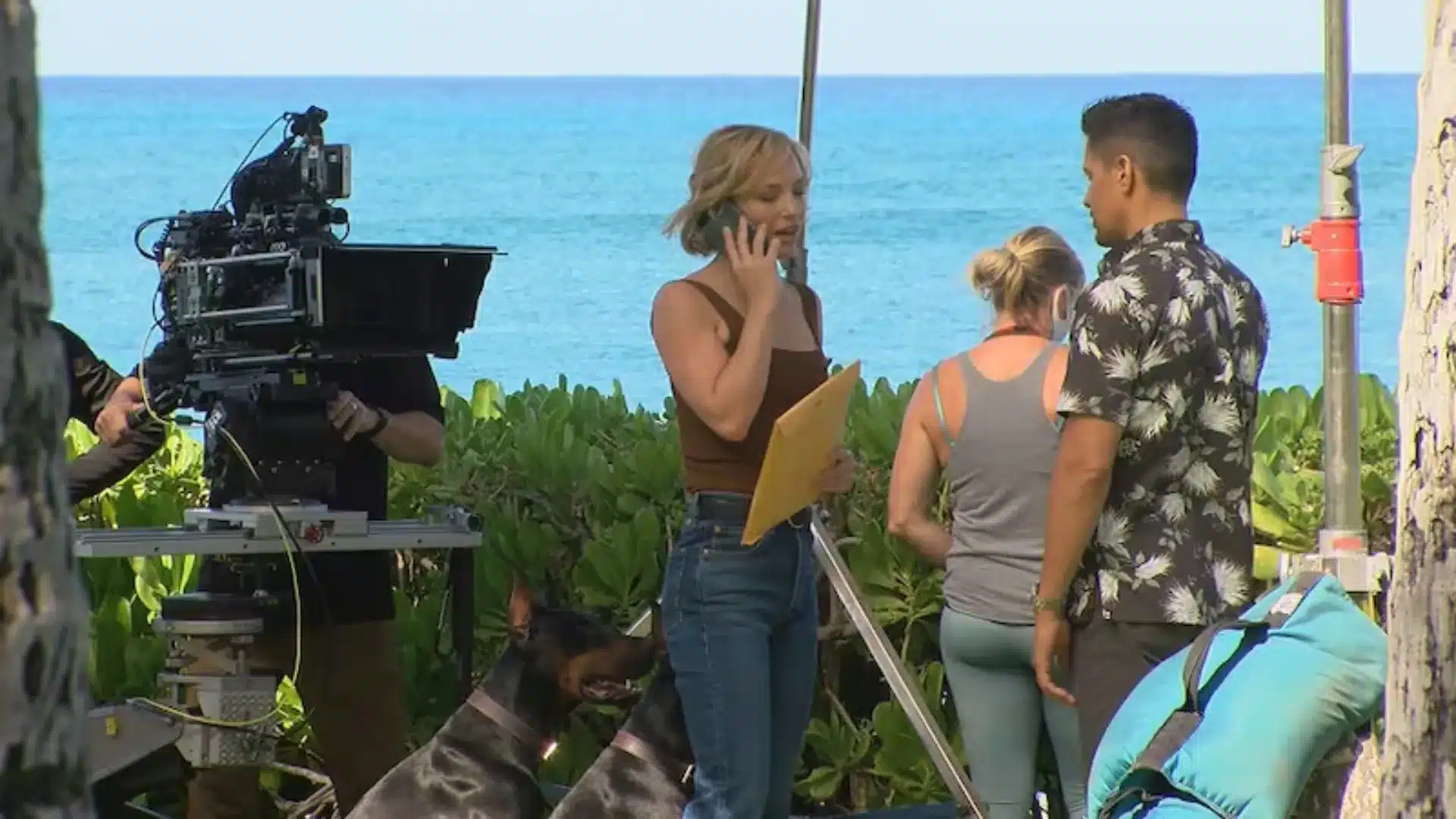
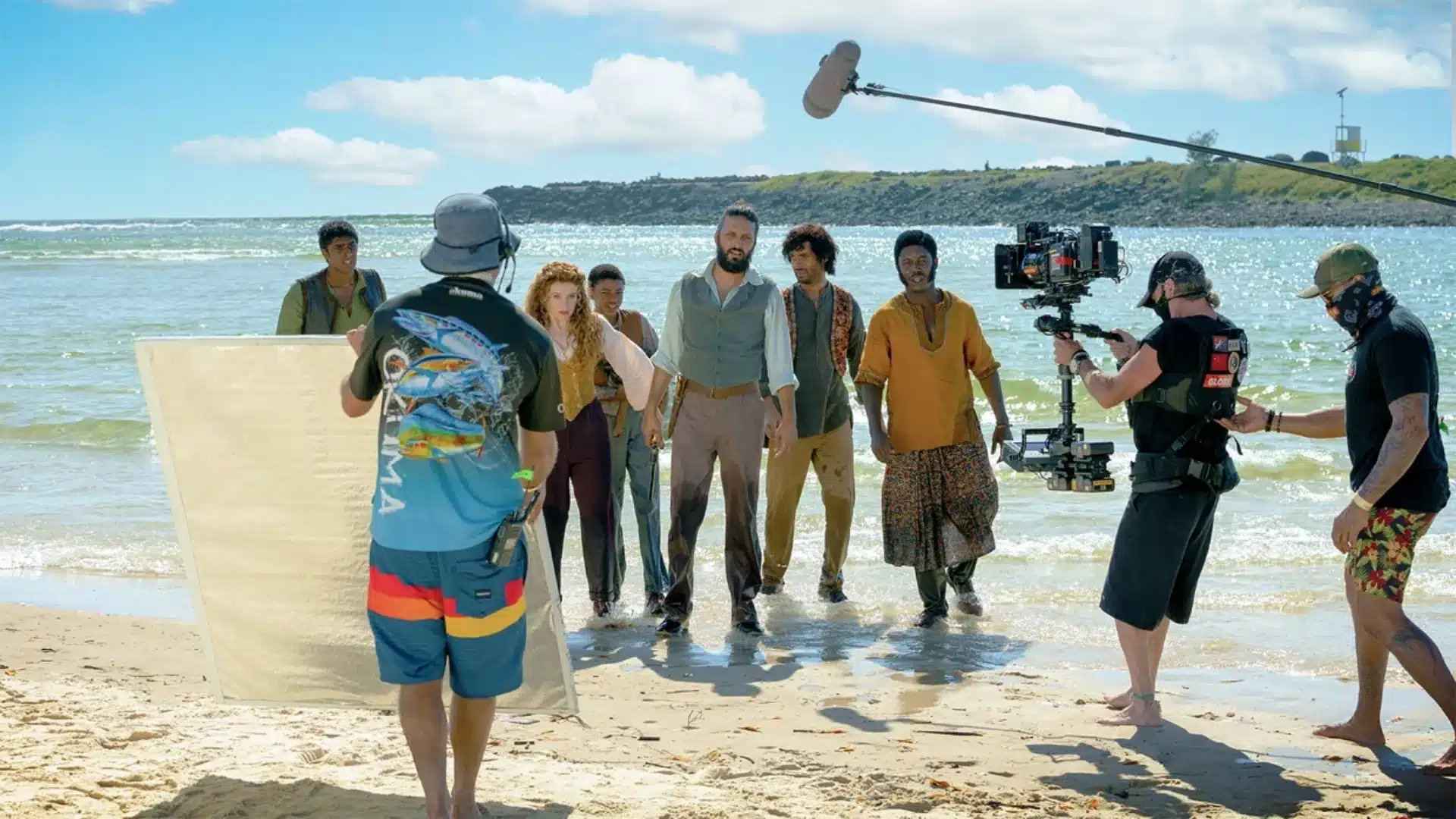
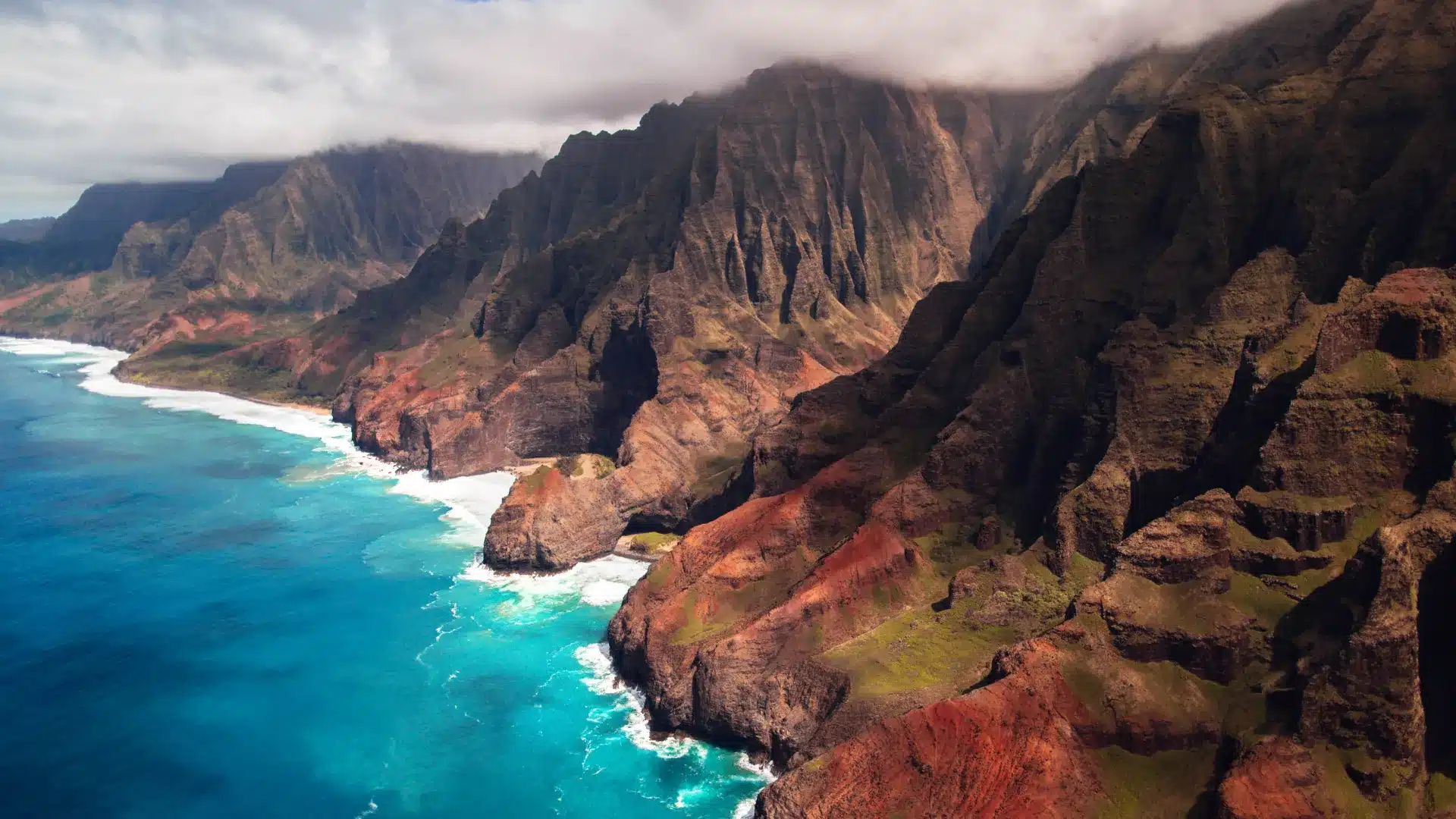
Hawaii can support documentary, factual television, commercials, branded content, travel, lifestyle, sports, marine, conservation, reality, scripted, corporate and field-based productions. Across Oahu, Maui, Kauai, Hawaii Island and smaller island locations, productions can access urban streets, roads, beaches, forests, volcanic terrain, resorts, marine environments, private properties, ports, public parks, military-adjacent areas, national park locations and controlled commercial settings. Each island has its own practical production rhythm, permit requirements, transport considerations and local access rules.
Film crews travelling to Hawaii enter the United States and must comply with US visa and immigration requirements. Depending on nationality, role and production activity, crew may need a non-immigrant visa such as a B1 business visa, an O1 visa for individuals with extraordinary ability, or another appropriate US visa classification. Productions should confirm the correct immigration route before travel, especially for paid professional work. Film permits in Hawaii are issued through the Hawaii Film Office and relevant local authorities. Drone operations must comply with FAA requirements and may also require coordination with the Hawaii Department of Transportation, particularly for restricted airspace, public property, sensitive ecosystems or commercial filming activity.
Hoodlum supports productions in Hawaii with visa guidance, film permit coordination, local fixer services, location scouting, private location negotiation, local crew sourcing, drone permit planning, FAA compliance support, customs documentation, ATA Carnet support, transport, accommodation, security planning, tax credit guidance and complete on-the-ground production management. Hawaii works efficiently for international crews when immigration, permits, customs, drones, locations and island logistics are planned before arrival.
Why Hawaii Works for International Productions
Hawaii works for productions that need experienced US-based production infrastructure combined with island locations, marine access, resort environments, road filming, conservation settings, sports access, lifestyle locations, cultural context and controlled outdoor environments. The state is familiar with international film, television, commercial and documentary crews, but productions still need to follow US immigration rules, local permit systems and island-specific access requirements.
Hawaii is not a single-location production environment. Oahu, Maui, Kauai and Hawaii Island each offer different logistics, crew access, road networks, accommodation options, permit requirements and production advantages. Oahu is often the strongest hub for crew, equipment, government liaison and urban production. Maui and Kauai can be strong for resort, road, coastal, conservation and controlled exterior filming. Hawaii Island can support volcanic, rural, coastal and field-based production, subject to permissions and safety planning.
The Hawaii Film Office provides a central point for production coordination, but many shoots will also require county permits, state land permissions, private property agreements, park approvals, road permissions, drone approvals or special clearances for restricted areas. Productions involving national parks, military bases, airports, harbours, protected ecosystems or culturally sensitive locations should plan longer lead times.
Hoodlum helps producers build a realistic Hawaii schedule around the right island base, crew sourcing, permits, drones, customs, equipment movement, tax credit requirements, security and daily logistics. Hawaii is highly workable, but the best production results come from early coordination and detailed local planning.
Oahu as a Main Production Base
Oahu is often the most practical production base for international crews filming in Hawaii. It provides the strongest access to local crew, suppliers, accommodation, vehicles, production offices, airport arrivals, customs handling, government liaison, urban settings, commercial spaces, beaches, military-adjacent locations, roads and studio-style support.
Honolulu can support interviews, branded content, street filming, business locations, hotels, resorts, public spaces, infrastructure, port-related settings, transport hubs and controlled private locations. It is also a useful coordination base for multi-island shoots because of its flight connections and production resources.
Filming on Oahu may require permits through the Hawaii Film Office, county agencies, private owners, public property managers, police or transportation authorities depending on the location and production footprint. Larger shoots involving roads, traffic control, drones, beaches, public areas, lighting or equipment staging should be planned with enough lead time.
Hoodlum supports Oahu production with local fixer services, permit coordination, location scouting, crew sourcing, transport, accommodation, private location negotiation, drone planning, security and daily production management. Oahu can be an efficient hub when local approvals and access are organised before the crew lands.
Maui, Kauai and Hawaii Island Filming
Maui, Kauai and Hawaii Island each require specific production planning. Crews should consider island access, transport, accommodation, weather, location permissions, environmental restrictions, local crew availability, equipment movement and emergency planning before confirming a schedule.
Maui can support resort filming, coastal roads, marine access, private properties, commercial locations, public spaces and controlled exterior filming. Shoots may need careful coordination around tourism operations, guest privacy, public access and environmental restrictions.
Kauai can support productions requiring smaller communities, rural roads, coastlines, forested locations, private land, resort spaces and controlled natural environments. Access can depend heavily on location-specific permissions, local conditions and environmental considerations.
Hawaii Island can support volcanic terrain, rural environments, roads, coastline, conservation areas, towns, ports and field-based filming. Productions should plan carefully around safety, distance, weather, road conditions, park rules and protected environments.
Hoodlum supports multi-island filming by coordinating island-specific fixers, transport, accommodation, equipment movement, permits and local crew. Hawaii productions are strongest when the schedule respects the practical differences between each island.
Crew Entry and Visa Requirements for Hawaii
Film crew members travelling to Hawaii enter the United States and must comply with US visa rules. Depending on nationality, purpose of travel, production role and whether the crew member is being paid, a non-immigrant visa may be required. Common options can include the B1 business visa or the O1 visa for individuals with extraordinary ability, but the correct route should be confirmed before travel.
Visa applications typically require a valid passport, completed visa application form, letter of introduction from the production company, detailed itinerary, proof of financial support and any supporting documents required for the visa category. The production company letter should explain the project, crew role, filming dates, locations, purpose of travel and whether the crew member will be paid.
Visa processing can take approximately 1 to 3 months, depending on visa category, embassy appointment availability, nationality and case complexity. Productions should avoid leaving visa planning until the final stage of pre-production.
For a B1 business visa, the application fee is listed at USD 160, with a reciprocity fee of USD 160, creating a total of approximately USD 320 where applicable. Fees may vary depending on nationality and current US consular rules.
Hoodlum supports visa planning by helping productions prepare production letters, schedules, itineraries, crew role details and supporting documentation. US immigration requirements should be checked early, particularly for professional crew, paid work, longer stays or complex production structures.
International Crew Accreditation in Hawaii
Film crew members working in Hawaii may require accreditation or production registration through the Hawaii Film Office, depending on the nature of the production, location access and permit requirements. Accreditation typically involves submitting an application, providing proof of identity and qualifications, and paying an accreditation fee.
Crew accreditation documents may include a valid passport, proof of identity, proof of qualifications or experience, résumé or CV, and a completed accreditation application form. These documents help confirm the crew’s professional role and support the permit process.
Crew accreditation usually takes approximately 2 to 5 business days to process, though timing can vary depending on application complexity and how quickly required documents are submitted. Costs typically range from USD 25 to USD 50 per person, depending on accreditation type and production duration.
Crew accreditation should be aligned with visas, insurance, permit applications, location permissions and call sheets. Crew names, roles, travel dates and insurance details should be consistent across all production documents.
Hoodlum supports crew accreditation by preparing crew information, passport details, role descriptions, CVs, application forms and Hawaii Film Office submissions. Proper crew documentation helps keep the production compliant and ready to work on arrival.
Film Permits in Hawaii
Film permits in Hawaii are issued by the Hawaii Film Office, which coordinates and issues permits for film, television and commercial productions throughout the state. Depending on location, productions may also need approvals from county offices, state agencies, private owners, police, transportation departments, park authorities, harbour authorities, national park managers or military-related offices.
Film permit applications typically require a completed permit application form, proof of liability insurance, detailed shooting schedule, location map and certificate of workers’ compensation insurance. Productions should also prepare crew lists, equipment lists, vehicle information, drone details, road requirements and any special access requests where relevant.
Hawaii film permits typically take 3 to 10 business days, depending on the location, production size and complexity. More complex shoots involving public property, roads, beaches, protected areas, drones, crowd control, military or national park locations may require longer lead times.
Film permit costs typically range from USD 25 to USD 1,000, depending on location, scope, duration and services requested. Additional costs may apply for police support, park access, road control, location management, security, staffing or special use requirements.
Hoodlum supports Hawaii film permits by preparing applications, insurance documents, schedules, maps, workers’ compensation certificates, location details and local authority submissions. A clear permit file helps production activity move smoothly across the islands.
Private Locations and Owner Agreements
Private location filming in Hawaii is arranged through local scouting, owner negotiation and written location agreements. A fixer or location manager helps scout suitable locations, secure permissions, coordinate logistics and manage communication between the production team and property owners or managers.
Private locations may include homes, resorts, hotels, restaurants, farms, estates, offices, commercial spaces, beaches with private access, boats, private roads, gardens, industrial sites or controlled interiors. Many private locations also require consideration of insurance, parking, crew access, neighbourhood impact and environmental care.
The cost of a private film location in Hawaii often cannot be determined until the production schedule is received. Location fees, staffing, cleaning, overtime, parking, equipment needs, exclusivity, privacy, restoration, security and access requirements can all affect the final price.
A written location agreement should confirm filming dates, access hours, permitted areas, fees, insurance requirements, parking, power, equipment storage, property protection, restoration, overtime, cancellation terms and owner restrictions. Hoodlum supports private location filming by scouting options, negotiating terms, arranging agreements and managing shoot-day access.
Public Filming, Beaches, Parks and Roads
Public filming in Hawaii may require permits from the Hawaii Film Office, county authorities, state agencies, park offices, transportation departments, police or other local bodies. Beaches, roads, parks, public buildings, trails, harbours, airports, streets and state-managed locations should all be checked before filming.
Beach and park filming may involve environmental restrictions, public access requirements, cultural considerations, wildlife protection, parking limits and equipment restrictions. Productions should avoid assuming that a small crew can film without permission in a public or natural location.
Road filming, traffic control, moving vehicles, public safety activity and larger crews may require police support, traffic plans and additional permits. Productions should plan road work early, especially on smaller islands where road closures or controlled traffic can affect local communities.
Hoodlum supports public filming by identifying the correct permit route, coordinating with the Hawaii Film Office, counties, police, state agencies and local contacts. Public filming in Hawaii works best when the production footprint is clear and local impact is managed carefully.
Drone Filming in Hawaii
Drone operations for film and photography in Hawaii must comply with Federal Aviation Administration regulations, state laws and location-specific restrictions. Drone operations may require permits from the Hawaii Department of Transportation in coordination with the FAA, particularly for commercial drone use, restricted airspace or public property.
Drone operators should comply with FAA certification, drone registration, airspace rules, visual line-of-sight requirements, altitude limits, privacy rules and restrictions on flying over populated areas or sensitive ecosystems. Flights near airports, military bases, national parks, protected wildlife areas, crowded beaches or controlled public spaces may be restricted or require additional approval.
Drone permit documentation typically includes a completed permit application form, proof of liability insurance, FAA certification or licence, drone registration documentation and a detailed flight plan or operations manual. Productions should also prepare location permissions and film permit references.
Drone approvals can take approximately 7 to 30 days depending on location, airspace, authority review and complexity. Typical costs range from USD 25 to USD 500 depending on permit type, airspace and operational requirements.
Hoodlum supports drone filming by coordinating with licensed operators, preparing flight plans, insurance, FAA documentation, registration, permit applications and location permissions. In Hawaii, drone planning should be integrated with the film permit, location access and environmental restrictions.
Drone Importation into Hawaii
Drone importation into Hawaii follows US customs and aviation rules. Drones should be declared where required, comply with FAA regulations and meet Hawaii Department of Agriculture requirements. Certain imports may require declarations or permits depending on equipment type and associated materials.
Import documentation for drones may include a commercial invoice, bill of lading, FAA registration documentation, proof of ownership and a completed Hawaii Department of Agriculture Plant and Animal Declaration Form where applicable. Productions should also prepare technical descriptions, serial numbers, values and battery details.
Drone batteries and accessories should be documented clearly and airline rules should be checked before travel. Any drone brought into Hawaii should also be aligned with FAA registration, insurance, pilot certification and filming permits.
Hoodlum supports drone importation by coordinating equipment lists, customs declarations, FAA compliance materials, ownership documentation and location-specific permissions. Crews should not assume drone use is allowed simply because the equipment has entered the state.
Equipment Customs Clearance in Hawaii
Hawaii is part of the United States, and US Customs and Border Protection handles customs clearance. ATA Carnet procedures can be used for temporary importation of professional filming equipment into the United States, including equipment brought to Hawaii.
Film crews arriving in Hawaii may need to present documents such as a commercial invoice, bill of lading, customs declaration form and detailed inventory of equipment including serial numbers and values. An ATA Carnet can help support temporary importation and re-export of professional equipment without paying duties or taxes when used correctly.
Customs clearance timing can vary depending on shipment size, value, complexity, inspection requirements and port or airport processing. Timelines should be planned in advance, especially for freight shipments, high-value equipment packages or specialist gear.
Costs can range from approximately USD 500 to USD 2,000 or more depending on equipment value, shipment complexity, broker services, storage, handling and logistics. Productions should confirm the customs route before shipping equipment.
Hoodlum supports customs planning by preparing equipment inventories, serial numbers, values, Carnet documentation, commercial invoices, customs declaration materials and local logistics. Hawaii customs planning should begin early when the production is shipping significant equipment rather than carrying a small crew package.
Local Crew, Fixers and Production Support
Hawaii has a strong local production ecosystem with experienced crew, fixers, location managers, drone operators, marine coordinators, production managers, drivers, assistants, camera crew, sound teams, lighting crew, security contacts and local suppliers.
A Hawaii fixer helps coordinate visas, permits, crew accreditation, local authorities, private locations, public access, drones, customs, transport, accommodation, security and island-specific logistics. Local fixers are especially useful when the shoot involves multiple islands, public locations, beaches, roads, national parks, military-adjacent areas, marine work or sensitive environments.
International crews may bring key creative and technical leads while hiring local support for production management, location access, drivers, assistants, drone work, marine logistics and local liaison. Using local crew can also support efficient permitting, cultural awareness and practical access.
Hoodlum helps build the right Hawaii production structure for each shoot. A small documentary, high-end commercial, sports shoot, resort campaign, marine sequence, conservation film or multi-island production will each require a different mix of local support.
Transport, Accommodation and Island Logistics
Transport in Hawaii should be planned around island geography, traffic, parking, equipment volume, crew size, call times, ferry or flight requirements, accommodation and filming locations. Productions may need vans, trucks, production vehicles, drivers, boat transport, parking permits, secure storage and inter-island freight coordination.
Accommodation should be booked early and selected around location access, crew call times, parking, equipment security, production office needs and transport efficiency. Resort or high-demand areas may require longer lead times and additional location coordination.
Multi-island shoots require careful scheduling. Moving crew and equipment between Oahu, Maui, Kauai and Hawaii Island can involve flights, baggage limitations, freight timing, customs or cargo handling, local vehicle sourcing and duplicate equipment planning.
Hoodlum supports transport and accommodation by coordinating vehicles, drivers, hotels, boats, inter-island movement, parking, equipment transfers and daily logistics. Hawaii shoots are most efficient when island movement is planned around real travel time and local constraints.
Marine, Sports and Field Production
Hawaii is frequently used for marine, surf, sports, conservation, travel and field-based production. These shoots require additional planning around safety, permits, weather, water conditions, boats, rescue support, specialist crew, insurance and equipment protection.
Marine filming may require boat operators, water safety teams, lifeguards, divers, marine coordinators, permits, environmental awareness and clear communication systems. Equipment should be protected from salt, humidity, sand and spray.
Sports or field filming may involve public spaces, beaches, roads, permits, crowd control, talent safety, medical support and weather contingencies. Productions should also consider cultural and environmental sensitivity when filming in natural or community spaces.
Hoodlum supports marine and field production by coordinating local specialists, permits, safety teams, boat logistics, weather planning and equipment protection. Hawaii can deliver strong production value when the field plan is built around safety and location rules.
Film Rebates and Tax Incentives in Hawaii
Hawaii offers a film rebate in the form of a refundable tax credit designed to attract film, television and media productions to the state. Productions should confirm current eligibility, spend requirements, caps, application process, qualifying costs and documentation rules before budgeting around the incentive.
The incentive may help offset production costs for qualifying productions that spend in Hawaii and comply with state requirements. Local spend, crew, vendors, accommodation, transport, rentals, post-production and other categories may be relevant depending on programme rules.
The rebate is separate from visas, film permits, crew accreditation, customs, drone approvals and location permissions. Productions must still manage all operational approvals independently.
Hoodlum supports productions by helping coordinate local partners, incentive guidance, cost tracking, documentation planning and production logistics. Incentive planning should begin before filming so that eligible spend is tracked properly from the start.
Safety and Security in Hawaii
Hawaii is generally a safe and established production environment, but productions should still plan for standard security, insurance, equipment protection, location access and public safety. High-value equipment, public-facing filming, night work, crowded locations, isolated areas or multi-island movement may require additional security support.
Film productions in Hawaii typically require standard security measures including liability insurance, location permits and on-set security personnel where appropriate. Additional requirements may apply for sensitive or restricted areas such as military bases, national parks, airports, harbours or protected environments.
Security planning should include equipment storage, vehicle security, public access control, crowd management, weather risk, marine safety, emergency contacts and production insurance. For larger shoots, security should be integrated into the call sheet and location plan.
Hoodlum supports safety planning by coordinating local security, police support where required, equipment storage, crowd control, marine safety and location-specific risk planning. Hawaii is production-friendly, but the strongest shoots still use professional safety and security procedures.
Environmental and Cultural Considerations
Hawaii has important cultural and environmental considerations for film crews. Productions should respect Native Hawaiian cultural sites, community spaces, protected ecosystems, beaches, reefs, wildlife areas, national parks and private land.
Filming in sensitive locations may require additional permissions, cultural consultation, environmental restrictions or location-specific rules. Crews should avoid disrupting wildlife, damaging vegetation, blocking public access or treating cultural spaces as generic backdrops.
Drone use, marine filming, beach setups, road work and large crews should be planned carefully to minimise impact. Local fixers and location managers can help identify sensitive areas and advise on respectful production conduct.
Hoodlum supports responsible production by coordinating cultural awareness, environmental planning, location restrictions and local liaison. In Hawaii, respectful access is essential for both production success and community trust.
When Hawaii Is the Right Production Choice
Hawaii is the right production choice when a project needs US-based production infrastructure with island locations, experienced local crew, marine access, sports settings, resort environments, beaches, roads, volcanic terrain, conservation context, travel content or Pacific-region production value.
The state is best suited to productions that can plan immigration, permits, customs and drones properly. Visa processing can take 1 to 3 months, film permits usually take 3 to 10 business days, crew accreditation can take 2 to 5 business days, drone approvals can take 7 to 30 days and customs planning should begin early for shipped equipment.
Hawaii is less suitable for productions that need informal filming on public land, unapproved drone flights, last-minute visa arrangements, unsupported national park access, restricted military locations without clearance or complex multi-island movement without logistics planning.
Hoodlum helps producers assess whether Hawaii fits the creative, schedule, budget and operational requirements of the project. When Hawaii is the right location, we provide the fixer-led support needed to keep the production compliant, mobile and ready to film.
Common Hawaii Production Mistakes
A common mistake is underestimating US visa requirements. International crew may need a B1, O1 or other visa route depending on role, nationality and production activity, and processing can take 1 to 3 months.
Another mistake is assuming public filming can happen without permits. Beaches, roads, parks, state land, county land and public spaces often require approvals.
Productions also sometimes underestimate drone rules. Drone filming must comply with FAA regulations, state requirements, location permissions and environmental restrictions.
Customs can also cause delays when equipment inventories, serial numbers, Carnet documents or shipment paperwork are incomplete. This is especially important for freight and high-value equipment.
Private locations are another common issue. Costs cannot be confirmed without a production schedule, specific location needs, staffing requirements and equipment details.
Finally, productions may underestimate multi-island logistics. Inter-island movement can affect equipment, crew, vehicles, hotels, permits and daily call times.
How Hoodlum Supports Productions in Hawaii
Hoodlum supports productions in Hawaii with practical, fixer-led production services for international crews. We help coordinate the approvals, local relationships and logistics needed to film efficiently across the islands.
Our support includes visa guidance, Hawaii Film Office permit coordination, crew accreditation, private location scouting, owner negotiation, county and state permit support, drone permit planning, FAA compliance coordination, Hawaii Department of Transportation liaison where required, ATA Carnet and customs support, US Customs and Border Protection coordination, local crew sourcing, transport, accommodation, marine logistics, security planning, tax credit guidance and daily production management.
We help productions prepare passports, visa application support letters, production introductions, itineraries, financial support documents, accreditation forms, CVs, permit applications, liability insurance, workers’ compensation certificates, shooting schedules, location maps, drone registrations, FAA certification, flight plans, commercial invoices, bills of lading, customs declarations, equipment inventories and serial number lists.
Hawaii is a strong production destination when visas, permits, customs, drones and island logistics are handled early. Hoodlum provides the on-ground support needed to keep international crews documented, compliant and ready to film.
FAQ
Do film crews need a visa for Hawaii?
International crew entering Hawaii must comply with US visa rules. Depending on nationality, role and activity, crew may need a non-immigrant visa such as a B1 or O1.
How long can US visa processing take?
Visa processing can take approximately 1 to 3 months depending on category, nationality and appointment availability.
How much does a B1 business visa cost?
The listed B1 business visa cost is USD 160 application fee plus USD 160 reciprocity fee, totalling approximately USD 320 where applicable.
Is crew accreditation required in Hawaii?
Crew accreditation or production registration may be required through the Hawaii Film Office depending on the production and permit route.
How long does crew accreditation take?
Crew accreditation typically takes 2 to 5 business days.
How much does crew accreditation cost?
Crew accreditation typically ranges from USD 25 to USD 50 per person.
Who issues film permits in Hawaii?
Film permits are issued by the Hawaii Film Office, with additional approvals from county, state, private or federal authorities where required.
How long does a Hawaii film permit take?
Film permits typically take 3 to 10 business days, depending on location and complexity.
How much does a Hawaii film permit cost?
Permit costs typically range from USD 25 to USD 1,000 depending on scope, location and services required.
Can film crews use drones in Hawaii?
Yes, but drone operations must comply with FAA regulations, state requirements and location-specific restrictions.
How long do drone approvals take?
Drone approvals can take approximately 7 to 30 days depending on airspace, location and complexity.
How much does a drone permit cost?
Drone permit costs typically range from USD 25 to USD 500 depending on the operation.
Who handles customs clearance in Hawaii?
Customs clearance is handled by US Customs and Border Protection.
Can productions use an ATA Carnet in Hawaii?
Yes. ATA Carnet procedures can be used for temporary importation of professional equipment into the United States, including Hawaii.
How much can customs clearance cost?
Costs can range from approximately USD 500 to USD 2,000 or more depending on equipment value, shipment complexity and services required.
Does Hawaii offer a film rebate?
Yes. Hawaii offers a refundable tax credit for qualifying productions, subject to current programme rules and eligibility requirements.
Is Hawaii safe for filming?
Hawaii is generally safe and production-friendly, but crews should use standard security, equipment protection and location-specific safety planning.
When is additional security required?
Additional security may be required for high-value equipment, public-facing shoots, night work, crowded locations, marine filming, military-adjacent areas or national park locations.
External Authority Links
Contact Hoodlum today for expert Film Production Services in Hawaii, including fixer support, film permits, crew sourcing, drone permissions, customs clearance, location access and complete on-the-ground production management. For more information, visit the Hoodlum Film Fixers Hawaii Google Business Profile.