















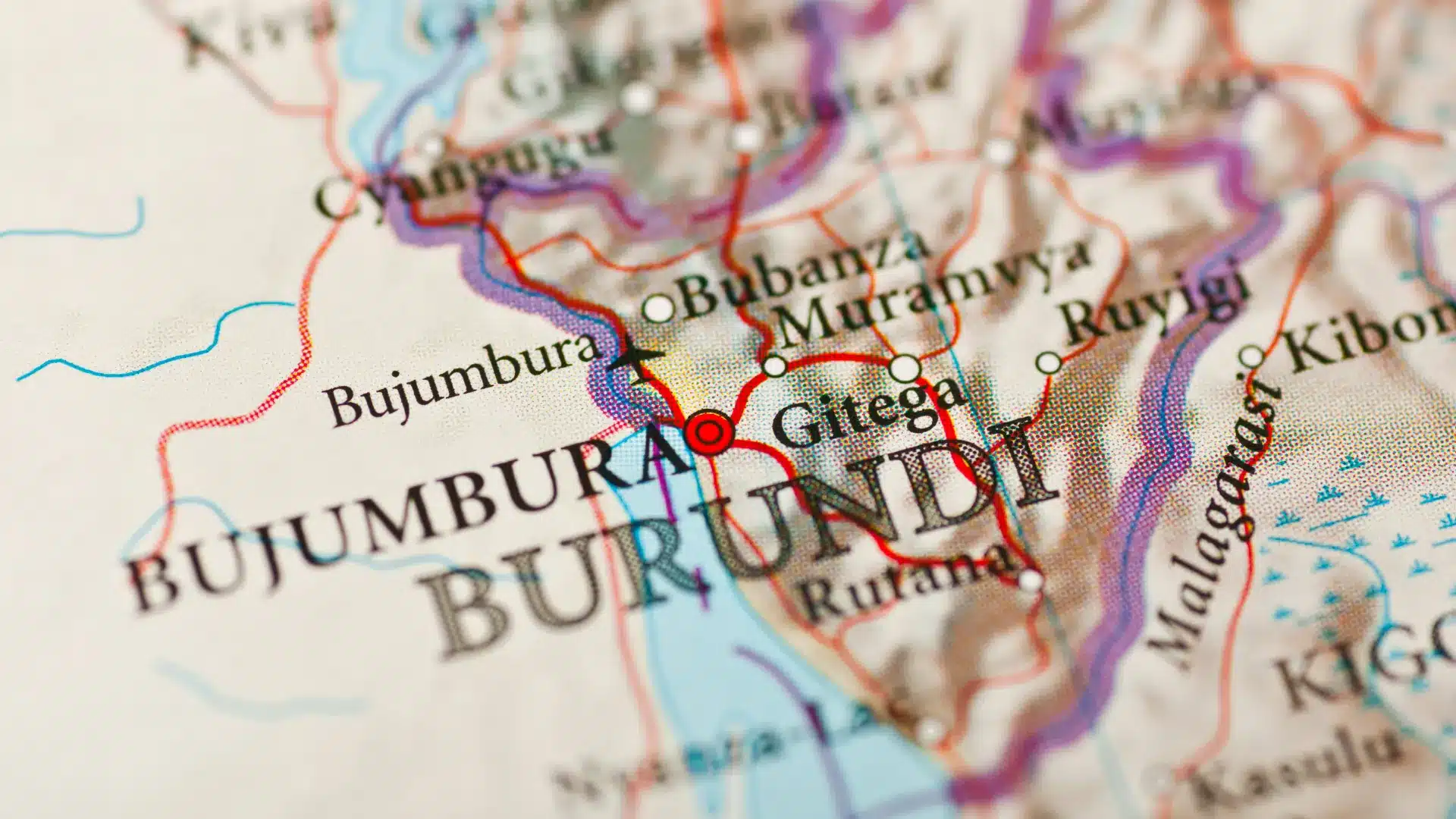
Film Production Services in Burundi
Hoodlum provides practical, fixer-led Film Production Services in Burundi for international productions that need permits, local crew, location access, customs, drones, transport, security and full production support. Burundi is a compact East African production environment where international crews can operate effectively with the right local fixer support, press accreditation, equipment planning, safety coordination and clear permissions for filming locations.
Burundi can support documentary, factual television, NGO, development, humanitarian, current affairs, cultural, commercial, branded, environmental and field-based productions. The country offers production environments around Bujumbura, Lake Tanganyika, rural communities, institutional spaces, public locations, private properties, agricultural regions, hill country, road corridors and development project sites. However, Burundi has limited production infrastructure, so international crews should plan early around imported equipment, specialist crew needs, local permissions, police support and weather conditions.
Burundi generally uses press or media accreditation instead of a traditional film licence. This accreditation is required before importing filming equipment and is usually arranged with local authorities and government media offices. General filming approvals may involve the Ministry of Communication or Media, and the National Office of Tourism depending on the type of production. Film crews should also prepare for visa entry, yellow fever vaccination requirements, non-Carnet customs procedures, drone approval through the Civil Aviation Authority of Burundi and security support where appropriate.
Hoodlum supports productions in Burundi with visa guidance, press accreditation, filming permission support, local fixer services, private location access, drone permit planning, equipment customs clearance, local crew sourcing, transport, accommodation, police liaison, safety planning and complete on-the-ground production management. Burundi can be a practical filming destination when documentation, equipment, security and local access are planned before the crew travels.
Why Burundi Works for International Productions
Burundi works for productions that need East African access, compact movement, contributor-led filming, development stories, cultural context, NGO environments, lake and hill-country locations, institutional interviews or controlled documentary access. The country can be relevant for productions covering humanitarian projects, agriculture, health, education, community development, environmental issues, social stories, regional affairs, branded content and factual programming.
Bujumbura is usually the main production base for international crews. It provides the most practical access to airport arrivals, accommodation, local fixers, authority coordination, transport, equipment customs clearance and crew support. From Bujumbura, productions may travel to rural areas, Lake Tanganyika locations, private sites, development projects, public spaces or regional communities depending on the approved filming plan.
Burundi’s main production challenge is not size; it is infrastructure. Local production resources and specialist equipment rental options are limited, so crews often need to import the equipment they require. This makes press accreditation and customs documentation especially important. Productions should prepare detailed kit lists, serial numbers and purchase or replacement values before travel.
The country can be manageable for crews that plan carefully. Visa entry may be available on arrival or through a Burundian embassy, press accreditation requires at least two weeks, drone permits require around two weeks, and equipment is usually cleared on arrival when the documentation is in place. Hoodlum helps producers turn these requirements into a practical production schedule.
Bujumbura as the Main Production Base
Bujumbura is the primary production base for most international shoots in Burundi. It is the most practical location for arrivals, accommodation, fixer meetings, authority liaison, equipment customs clearance, transport allocation, security planning and controlled filming. Many productions will use Bujumbura as the hub even when filming elsewhere in the country.
The city can support interviews, institutional filming, hotel-based production activity, private locations, public-space filming, contributor meetings, government-facing coordination and local production logistics. It is also the strongest base for arranging vehicles, police support, accommodation, local assistants and equipment handling.
Filming in Bujumbura should still be properly approved and locally coordinated. Public spaces, government buildings, military sites, airports, border facilities and politically sensitive locations require careful handling. Filming government buildings, military installations, airports or border facilities is prohibited without explicit permission.
Hoodlum supports Bujumbura-based production with local fixer services, press accreditation support, location access, transport, accommodation, equipment clearance, local crew sourcing, police coordination and daily production management. A well-organised Bujumbura base gives international crews a stronger platform for filming across Burundi.
Lake Tanganyika, Rural Communities and Field Locations
Burundi can offer practical production value around Lake Tanganyika, rural communities, agricultural areas, roads, hills, public spaces and development project sites. These locations may be relevant for NGO films, documentary stories, humanitarian content, environmental projects, agricultural features, education stories, health programming and cultural filming.
Field filming requires a realistic approach to transport, road timing, weather, accommodation, communications, local permissions and equipment movement. Even though Burundi is geographically compact, road conditions, rain, terrain and local access can affect the filming day. Productions should avoid schedules that assume every location can be reached quickly or filmed informally.
Community filming should be arranged through local fixers and relevant local authorities where required. Consent, introductions and expectations matter, especially for contributor-led filming or sensitive topics. Political and cultural topics may require additional approvals and should be assessed early.
Hoodlum supports field filming in Burundi by coordinating local contacts, route planning, transport, police support where needed, private owner permissions and community access. The production plan should be practical, locally informed and flexible enough to manage weather or access changes.
Crew Entry and Visa Requirements for Burundi
Film crews entering Burundi should travel with valid passports, with at least six months’ validity recommended. A letter from the production company or employer confirming the purpose of travel is also required. Crew members must carry a yellow fever vaccination certificate, as yellow fever vaccination is required for all crew.
Visas may be available on arrival at the airport or through a Burundian embassy before travel. Where crews apply in advance, processing can take up to approximately two weeks. Productions should confirm the correct entry route before booking travel, especially if several crew members are travelling from different countries.
Typical visa documents include crew passports, a letter from the production company or employer and yellow fever vaccination certificates. The listed visa cost is USD 100, paid by the client on arrival. Visa information is available through the Burundian embassy visa services: http://burundiembassy-usa.com/index.php/en/consular-services/visa-services
Hoodlum supports productions by helping align visa documentation with the filming plan. The employer letter, purpose of travel, crew details, accommodation, accreditation and equipment import plan should all be consistent before the crew arrives.
Press Accreditation and International Crew Permissions
Burundi generally uses press or media accreditation instead of a traditional film licence. This accreditation is central to the production process and should be arranged before the crew travels with filming equipment. Accreditation is required before importing filming equipment.
Press accreditation is usually arranged with local authorities and government media offices. The process typically requires a letter from the production company or employer, crew CVs or résumés, project synopsis and crew passports. These documents help establish who is filming, what the production is about and why the crew is entering Burundi.
Processing takes a minimum of two weeks. The approximate cost is USD 300. Productions should allow additional time if the subject matter is sensitive, if the crew is large, if locations include government or restricted areas, or if the shoot involves political or cultural themes.
Hoodlum supports press accreditation by helping prepare the employer letter, project synopsis, crew passport documents and crew CVs. We also coordinate with local authorities and government media offices so that the accreditation process supports the wider production plan.
Film Permits and Government Approvals in Burundi
Burundi typically uses press accreditation in place of a separate film licence, but filming approvals may still involve the Ministry of Communication or Media, and the National Office of Tourism depending on the production type. Productions should not assume that press accreditation automatically covers every filming location or subject.
Processing time for general approval is a minimum of 14 working days and may be longer depending on project sensitivity. Required documents typically include a project synopsis, crew passports, letter from the production company or employer, and a filming schedule and locations where available.
Filming government buildings, military installations, airports or border facilities is prohibited without explicit permission. Productions should also take care with political and cultural topics, which may require additional approvals.
Hoodlum supports Burundi filming approvals by identifying the relevant authority route, preparing the project documents, coordinating with local fixers and confirming whether additional location-specific permissions are required. In Burundi, the production should be transparent, properly documented and locally supported before filming begins.
Private Locations and Owner Permissions
Private location access in Burundi is arranged through direct permission from the property owner or relevant local authority. A local fixer helps identify the correct owner, explain the production and negotiate access. Private locations may include homes, offices, hotels, commercial properties, farms, compounds, private land, cultural spaces or controlled interiors.
Costs are negotiated with the owner and are generally provided on request. Fees may depend on the location, duration of filming, crew size, equipment footprint, privacy requirements, disruption, parking, power, security needs and whether the production requires exclusive access.
A private location agreement should clarify filming dates, access hours, permitted areas, payment terms, property protection, privacy, equipment storage, crew conduct and any restrictions on the final footage. Where a private location is connected to sensitive subject matter, community access or local authority oversight, additional coordination may be needed.
Hoodlum supports private location access by negotiating with owners, arranging permissions, coordinating the filming day and making sure the location plan fits the wider accreditation, security and logistics structure.
Public Filming and Restricted Locations
Public filming in Burundi should be handled with local support. Streets, markets, roads, public institutions, community spaces, transport areas and government-adjacent locations may require permission or local authority awareness depending on the production’s subject and visibility.
Certain locations are sensitive. Filming government buildings, military installations, airports or border facilities is prohibited without explicit permission. Productions should also be cautious around political activity, security personnel, public demonstrations, official buildings and culturally sensitive topics.
Crews should carry press accreditation, passports, visa documentation, employer letters, local fixer contact details and equipment documentation while filming. This helps explain the production if questioned by local authorities or site representatives.
Hoodlum supports public filming in Burundi by briefing the crew, identifying restricted areas, coordinating with local contacts and ensuring that filming activity stays within the approved permissions. Public filming is most practical when it is planned, documented and locally managed.
Drone Filming in Burundi
Drone importation is allowed in Burundi, but drone operations require a permit. Formal drone regulation may be limited, but approval is still required before operating drones for production. Drone permits are issued through the Civil Aviation Authority of Burundi.
Local drone operators and drone equipment are generally not available, so productions usually need to import drone equipment if aerial filming is required. This makes drone planning important because the drone must be documented for both aviation approval and equipment customs clearance.
Drone permit applications typically require an equipment kit list, serial numbers and purchase value. Processing takes approximately two weeks. The listed drone permit cost is USD 400.
Drone flights should be planned carefully and should avoid sensitive locations, including military sites, government facilities, airports and border areas unless explicit permission has been granted. Productions should also consider privacy, public safety, insurance, weather and local authority awareness.
Hoodlum supports drone filming by helping prepare the kit list, serial numbers, values and aviation permit materials. We also help assess whether drone filming is practical for the specific locations and whether additional local permissions may be needed.
Drone Importation into Burundi
Drone importation is allowed in Burundi, but productions should not bring drone equipment without preparing the correct documentation. Local drone rental options are generally limited, so importing a drone may be necessary for productions that require aerial filming.
Drone equipment should be included in the production equipment kit list, with serial numbers and purchase or replacement value. This documentation is used for both drone approval and customs clearance. The drone should also be connected to the press accreditation file where required.
Because Burundi is not an ATA Carnet country, drone importation should be planned through the same non-Carnet process as other professional filming equipment. Productions should prepare for customs review on arrival and allow a contingency budget for possible duties or administrative fees.
Hoodlum helps productions align drone importation with press accreditation, aviation approval and customs clearance. This reduces the risk of delays at arrival and helps ensure that aerial filming is properly authorised.
Equipment Customs Clearance in Burundi
Burundi is not an ATA Carnet country. Productions cannot rely on a Carnet for temporary importation of professional film equipment. Press accreditation generally allows temporary import of filming equipment, making accreditation an important part of customs planning.
Required customs documentation includes a detailed equipment kit list with serial numbers and purchase or replacement values. This should include cameras, lenses, sound equipment, lighting, batteries, grip, data systems, drones and any specialist production gear.
The Burundi Revenue Authority handles customs clearance. Equipment is usually cleared on arrival when documentation is complete. Although there is no official fee listed, productions are advised to carry a contingency budget of approximately USD 1,000 for possible duties or administrative fees.
Local equipment rental options are very limited, so most productions import their own equipment. This makes accurate kit lists, serial numbers, values and accreditation especially important.
Hoodlum supports customs clearance by helping prepare the kit list, values, serial numbers, press accreditation documentation and arrival coordination. In Burundi, customs planning should be completed before the crew travels, especially for specialist or high-value equipment.
Local Crew, Fixers and Production Support
Local fixer support is essential for filming in Burundi. A fixer helps coordinate press accreditation, local authority communication, private locations, customs clearance, drone permits, transport, accommodation, security support, police liaison and daily production logistics.
Burundi has limited production infrastructure. Specialist crew and equipment may need to be sourced from neighbouring countries, depending on the production format. International crews should not assume that specialist camera, lighting, sound, drone or grip equipment can be rented locally at short notice.
A Burundi fixer may support employer letters, project synopsis preparation, crew passport coordination, location scouting, owner negotiations, government media office communication, Civil Aviation Authority drone applications, Burundi Revenue Authority customs clearance and armed police support.
Hoodlum helps build the right local team for each Burundi shoot. A documentary, NGO film, commercial production, drone-supported shoot, field project or politically sensitive story will each require a different level of local support. The production structure should match the project’s access, security and equipment needs.
Transport, Accommodation and Field Logistics
Transport in Burundi should be planned around location access, road conditions, weather, crew size, equipment volume, security requirements and regional travel. Productions may need vetted drivers, reliable vehicles, secure equipment transport, route planning and contingency time.
Accommodation should be selected around safety, parking, power, equipment storage, communications and proximity to filming locations. Bujumbura is usually the most practical base for international crews, while field shoots may require careful planning around local accommodation options.
Field logistics should include charging, data backup, equipment protection, weather cover, food, water, medical planning, local authority contacts and police support where recommended. Rainy seasons can affect movement and exterior filming, particularly between February and May and between September and November.
Hoodlum supports transport, accommodation and field logistics by coordinating drivers, vehicles, hotels, local crew, police support, equipment movement and daily production schedules. Burundi can be efficient when logistics are planned around local infrastructure and weather.
Safety and Security in Burundi
Burundi is generally workable for production teams but requires careful planning. Hiring one to two armed police officers during filming is recommended. This support can help with public-facing shoots, equipment protection, local access and crew safety.
The approximate cost for armed police support is USD 100 to USD 150 per officer per day. The number of officers required will depend on the location, crew size, equipment value, subject matter and public visibility of the shoot.
Productions should avoid filming sensitive locations such as military sites, government facilities, airports and border areas without explicit permission. Political and cultural topics may require additional approvals, so these should be discussed early in pre-production.
Security planning should include route assessment, public filming control, equipment protection, local authority awareness, accommodation safety, emergency contacts and crew briefings. Hoodlum supports productions by coordinating police support, local fixer guidance, location assessments and proportionate safety planning.
Health and Medical Planning
Yellow fever vaccination is required for all crew entering Burundi. Crew members should carry their vaccination certificates and ensure they are valid before travel.
Productions should also seek professional travel health advice before filming. Depending on the schedule and locations, crews may need malaria prevention, insect protection, hydration planning, medical kits, food and water precautions, emergency contacts and insurance support.
Burundi has a tropical climate, with rainy seasons from February to May and September to November. Weather can affect roads, exterior filming, equipment protection and crew welfare. Productions should plan rain cover, dry storage, waterproof cases and practical clothing for fieldwork.
Hoodlum helps productions integrate health planning into travel, accommodation, transport and field logistics. Crew safety and medical readiness are part of keeping the production schedule stable.
Weather, Climate and Production Planning
Burundi has a tropical climate. Rainy seasons typically run from February to May and from September to November. These periods can affect road access, rural movement, sound recording, exterior continuity, drone operations and equipment protection.
Productions filming during the rainy seasons should build in contingency time and prepare weather protection for cameras, lenses, sound equipment, lighting, batteries and data systems. Rural roads and field locations may be more difficult to access after heavy rain.
Dryer periods may be more practical for exterior filming, travel and fieldwork, although productions should still check location-specific conditions before confirming dates. Weather can affect schedule reliability, especially when filming in rural areas or with limited daylight windows.
Hoodlum supports weather-aware scheduling in Burundi by advising on routes, access, equipment protection and contingency planning. A realistic schedule reduces the risk of losing filming days to avoidable weather disruption.
Film Rebates and Tax Incentives
No formal film rebate or tax incentive is listed for Burundi. Productions should not budget around a local rebate unless a current incentive programme is confirmed through official channels.
Budgeting for Burundi should focus on operational costs: visas, press accreditation, local fixer support, private location fees, drone permits, equipment customs contingency, transport, accommodation, police support, imported equipment, specialist crew and field logistics.
Because local equipment rental options are limited, equipment import and customs planning can be a significant part of the budget. Productions should also account for armed police support where recommended.
Hoodlum helps productions build realistic Burundi budgets by identifying the true cost drivers before the crew travels. In Burundi, production value comes from access, careful local coordination and practical execution rather than incentive-based financing.
When Burundi Is the Right Production Choice
Burundi is the right production choice when a project needs East African access, Bujumbura-based production support, Lake Tanganyika locations, rural community filming, NGO or development stories, cultural access, agricultural settings, controlled interviews or field-based documentary value.
The country is best suited to productions that can prepare documents early and work through local fixers. Visas may be available on arrival, but advance applications can take up to two weeks. Press accreditation takes a minimum of two weeks. Drone permits take around two weeks. Equipment is usually cleared on arrival when documentation is complete.
Burundi is less suitable for productions that need extensive local equipment rental, last-minute accreditation, unapproved drone work or informal filming near sensitive locations. The country is workable, but approvals and local coordination matter.
Hoodlum helps producers assess whether Burundi fits the project’s creative, budget, schedule and security requirements. When Burundi is viable, we provide the fixer-led support needed to keep the production compliant and operational.
Common Burundi Production Mistakes
A common mistake is expecting a traditional film licence process. Burundi generally uses press or media accreditation instead of a traditional film licence, and this accreditation is required before importing filming equipment.
Another mistake is underestimating equipment limitations. Local equipment rental options are very limited, so productions usually need to import their own equipment and prepare detailed kit lists with serial numbers and values.
Productions also sometimes leave drone planning too late. Drone importation is allowed, but drone permits through the Civil Aviation Authority of Burundi take approximately two weeks and require kit lists, serial numbers and purchase values.
Customs planning can also be overlooked. Burundi is not an ATA Carnet country, and temporary import relies on press accreditation and equipment documentation. A contingency budget of approximately USD 1,000 is recommended for possible duties or administrative fees.
Security is another common issue. Hiring one to two armed police officers is recommended, especially for public-facing filming, equipment protection or sensitive locations.
Finally, productions sometimes film near restricted locations without explicit permission. Government buildings, military installations, airports and border facilities should be avoided unless approvals are confirmed.
How Hoodlum Supports Productions in Burundi
Hoodlum supports productions in Burundi with practical, fixer-led production services for international crews. We help coordinate the approvals, local relationships and logistics needed to film efficiently and responsibly.
Our support includes visa guidance, employer letter coordination, press accreditation, government media office liaison, film permission support, private location negotiation, local fixer services, drone permit planning, Civil Aviation Authority coordination, equipment customs clearance, Burundi Revenue Authority liaison, local crew sourcing, transport, accommodation, armed police support, safety planning and daily production management.
We help productions prepare crew passports, employer letters, yellow fever certificates, project synopses, crew CVs, filming schedules, location lists, equipment kit lists, serial numbers, purchase or replacement values and drone documentation required for the production process.
Burundi can be practical for international crews when the shoot is properly prepared and locally supported. Hoodlum provides the on-ground production management needed to keep crews documented, mobile, protected and ready to film.
FAQ
Do film crews need a visa for Burundi?
Yes. Film crews need valid entry documentation for Burundi. Visas may be available on arrival at the airport or through a Burundian embassy before travel.
How long does a Burundi visa take?
If applied for in advance, visa processing can take up to approximately two weeks.
How much does a Burundi visa cost?
The listed visa cost is USD 100, paid by the client on arrival.
Is yellow fever vaccination required for Burundi?
Yes. Yellow fever vaccination is required for all crew entering Burundi.
Does Burundi issue traditional film licences?
Burundi generally uses press or media accreditation instead of a traditional film licence.
Is press accreditation required in Burundi?
Yes. Press accreditation is required and should be arranged before importing filming equipment.
How long does Burundi press accreditation take?
Press accreditation takes a minimum of two weeks.
What documents are required for Burundi press accreditation?
Documents typically include a letter from the production company or employer, crew CVs or résumés, project synopsis and crew passports.
Who handles filming approvals in Burundi?
Approvals may involve the Ministry of Communication or Media and the National Office of Tourism depending on the production type.
Can film crews use drones in Burundi?
Yes, but a drone permit is required through the Civil Aviation Authority of Burundi.
How long does a Burundi drone permit take?
A Burundi drone permit takes approximately two weeks.
How much does a Burundi drone permit cost?
The listed drone permit cost is USD 400.
Is Burundi an ATA Carnet country?
No. Burundi is not an ATA Carnet country.
How does equipment customs clearance work in Burundi?
Press accreditation generally allows temporary import of filming equipment. Crews should prepare detailed kit lists with serial numbers and purchase or replacement values.
Who handles customs clearance in Burundi?
Customs clearance is handled by the Burundi Revenue Authority.
Are local equipment rentals available in Burundi?
Local equipment rental options are very limited, so productions usually import their own equipment.
Is security recommended for filming in Burundi?
Yes. Hiring one to two armed police officers during filming is recommended.
How much does police support cost in Burundi?
Armed police support costs approximately USD 100 to USD 150 per officer per day.
Does Burundi offer film rebates?
No formal film rebate or tax incentive is listed for Burundi.
External Authority Links
Contact Hoodlum today for expert Film Production Services in Burundi, including fixer support, film permits, crew sourcing, drone permissions, customs clearance, location access and complete on-the-ground production management. For more information, visit the Hoodlum Film Fixers Burundi Google Business Profile.