
















Filming in Kenya
Kenya is one of East Africa’s strongest filming destinations, with a production identity built around wildlife, conservation landscapes, Nairobi city energy, Great Rift Valley scenery, Indian Ocean coastlines, savannahs, private conservancies and well-established local crew support.
For international crews, Kenya offers a rare combination of strong logistics and high-value natural locations. A production can base in Nairobi, access studios, suppliers and crew, then move into the Maasai Mara, Amboseli, Laikipia, Samburu, Lake Naivasha, Lake Nakuru, Tsavo, Mount Kenya or the coast depending on the creative route.
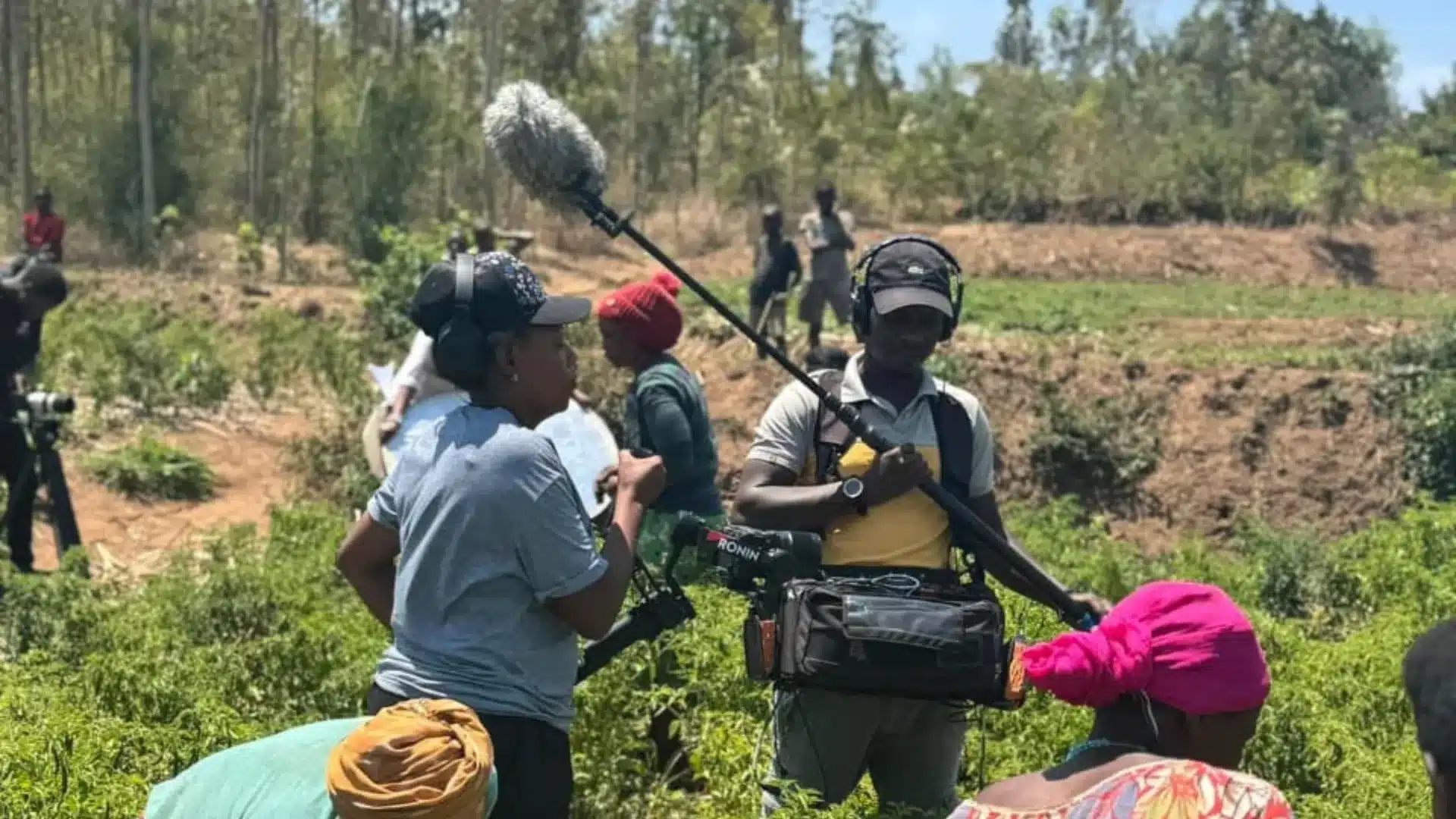
Hoodlum provides Film Production Services in Kenya for documentaries, commercials, factual entertainment, conservation stories, travel campaigns, branded content, photography, feature projects and television productions. Our team supports KFCB film permits, Special Pass applications, eTA documentation, customs clearance, drone planning, private location agreements, local fixers, transport, security planning and on-ground production management.
Kenya is production-friendly when the paperwork is handled correctly, but it is not a destination for informal arrivals. Foreign crew need the correct eTA, Special Pass, film permit and customs planning before filming begins.
Why Kenya Works for Wildlife, Conservation and Location-Led Productions
Kenya’s biggest production strength is its range of real environments. The country can deliver globally recognised wildlife reserves, private conservancies, modern city coverage, lakes, forests, mountains, drylands, beaches, ports, tea estates, cultural locations and high-end safari lodges within a workable production plan.
Nairobi is the operational centre, but Kenya’s production value sits in the route. A wildlife documentary might move from Nairobi to the Maasai Mara and Laikipia. A commercial could combine city scenes, a Great Rift Valley road, a conservancy lodge and Indian Ocean coastline. A factual series may need access to communities, NGOs, conservation partners, public spaces and government-linked permissions.
Kenya is especially strong for:
- Wildlife documentaries
- Conservation programming
- Safari and travel campaigns
- Commercials and branded content
- Factual entertainment
- NGO and impact films
- Photography campaigns
- Automotive shoots
- Sports and endurance content
- Coastal lifestyle shoots
- Feature and television projects
Hoodlum’s Production Support Kenya team helps crews decide which locations are practical, what permissions are needed and how to structure movement between Nairobi, conservation areas, private locations and the coast.
Nairobi as the Production Nerve Centre
Nairobi is the natural base for most international productions working in Kenya. It is where crews usually arrive, where major suppliers and production partners are based, and where permit, immigration and customs coordination begins.
The city gives productions contemporary East African urban visuals, business districts, roads, markets, hotels, restaurants, studios, residential areas, art spaces, tech environments and access to Nairobi National Park just outside the city. This makes Nairobi unusually versatile. It can serve as a production base, city location and wildlife-adjacent visual environment in the same schedule.
Nairobi also matters logistically. Crew accommodation, vehicle hire, fixers, clearing agents, drone operators, local producers, medical support and security planning are easier to coordinate from the capital. Hoodlum uses Nairobi as the practical anchor for Film Production Services in Kenya, especially when a shoot needs to travel into parks, conservancies or remote regions.
Maasai Mara, Amboseli and Safari Filming
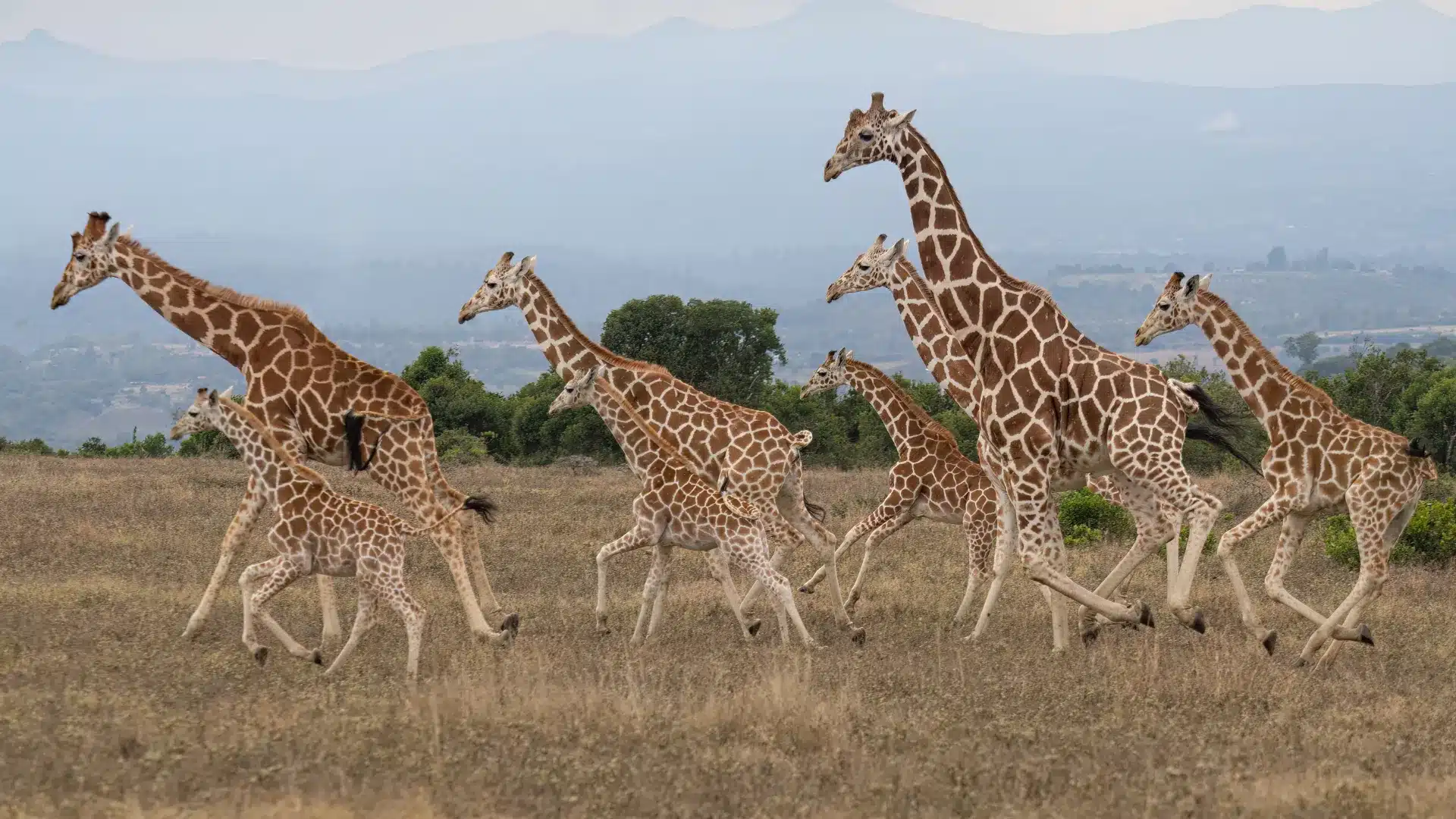
Kenya’s safari locations are among the country’s strongest production assets. The Maasai Mara offers open savannah, wildlife movement, lodges, river crossings, conservancies and one of the most recognisable natural landscapes in Africa. Amboseli adds elephants, open plains and views of Mount Kilimanjaro when conditions allow.
These areas are especially valuable for wildlife documentaries, travel content, conservation stories, luxury campaigns, tourism films and brand work that needs iconic East African scenery. Filming in these environments requires more than a general permit. Productions may need park or conservancy access, lodge permissions, vehicle coordination, ranger or guide support, wildlife-safe protocols and careful timing around animal movement, weather and tourist activity.
Hoodlum helps crews manage the difference between a beautiful safari location and a workable filming day. The route, vehicles, guide team, accommodation, batteries, data management, food, water, communications and safety plan all need to hold together once the crew leaves Nairobi.
Laikipia, Samburu and Northern Kenya
Laikipia and Samburu give Kenya a different production texture from the Maasai Mara. Laikipia is known for private conservancies, ranch landscapes, conservation projects, lodges, dryland terrain and wildlife access with strong production control. Samburu brings semi-arid scenery, distinctive wildlife, river landscapes and a northern Kenya atmosphere that feels more rugged and less familiar than the classic safari postcard.
Northern Kenya can be powerful for documentaries, conservation films, expedition content, fashion shoots, automotive work and stories that need scale, heat, dust, road movement and remote-location atmosphere. These areas require tighter planning around transport, security advice, fuel, communications, medical cover, accommodation and weather.
Hoodlum supports crews by building local fixer, driver, ranger, lodge and security coordination into the plan before the shoot moves north.
Great Rift Valley, Lakes and Highlands
The Great Rift Valley gives Kenya strong road, landscape and lake options. Lake Naivasha, Lake Nakuru, Elementaita, Hell’s Gate, Mount Longonot and surrounding highland areas can support documentaries, commercials, travel shows, cycling or endurance content, automotive sequences, lifestyle shoots and natural-history coverage.
These locations are useful because they are more accessible from Nairobi than deeper safari or coastal routes, while still offering a strong sense of space. Lake settings, escarpment views, geothermal terrain, roads, farms, lodges and wildlife-adjacent locations can all be integrated into a practical shoot plan.
The highlands and Mount Kenya region add forests, mountain roads, tea estates, farms, lodges and cooler visual tones. Hoodlum helps productions decide whether the Rift Valley and highlands can deliver the creative need without adding the cost and movement of more remote routes.
Kenya’s Coast: Mombasa, Diani, Lamu and Watamu
Kenya’s coast adds a completely different visual identity to the country. Mombasa, Diani, Watamu, Malindi and Lamu can support Indian Ocean beaches, Swahili architecture, ports, old town streets, dhows, coral coastlines, resort environments, marine conservation, fishing communities and tropical lifestyle imagery.
The coast works well for tourism campaigns, resort shoots, branded content, documentary sequences, marine stories, fashion films and travel programming. Lamu is especially distinctive because of its old town, dhow culture and Swahili coastal identity, but it needs careful planning around access, heritage considerations, movement and security advice.
Coastal filming should account for tides, marine conditions, resort permissions, beach access, drone restrictions, heat, humidity and equipment protection. Hoodlum helps productions plan the coast as its own production environment rather than a simple add-on to a Nairobi or safari route.
Kenya eTA and Crew Entry Planning
All international film and television crew entering Kenya must obtain a Kenya Electronic Travel Authorisation, known as an eTA, before travel. This is not the old system under a new name — Kenya abolished visas entirely in January 2024, and the eTA replaced both the eVisa and visa on arrival. Neither is available any more, and there is no fallback at the airport. Airlines can and do deny boarding to passengers without an approved eTA.
Applications are made individually by each crew member through the official portal at etakenya.go.ke. They can be lodged up to 90 days before travel and must be submitted at least three days in advance. Official processing is three business days, though most approvals land within 24 to 72 hours. The fee is USD 32.50, non-refundable whether or not the application succeeds. A multiple-entry eTA valid for up to five years with 90-day stays is available and is worth considering for productions returning to Kenya across a season. Apply only through the official portal — third-party sites charge a markup for the same application.
Nationality matters more than it used to. Citizens of most African countries are currently exempt from the eTA and may enter visa-free for short stays, and EAC citizens from Uganda, Tanzania, Rwanda, Burundi, South Sudan and the DRC travel on a national ID or passport under the Common Market Protocol. For productions drawing crew from the region this can remove a meaningful chunk of paperwork, but exemption lists move — confirm each crew member’s position before booking flights.
For professional filming, tourist-style travel planning is not enough. Crew should travel with supporting production documentation, including a letter of invitation from the local production partner. The application requires a passport scan with at least six months validity and one blank page, a passport-style photograph, accommodation confirmation, travel itinerary and the invitation letter.
The critical point: the eTA authorises entry, not work. It does not replace the Special Pass, the KFCB film permit, customs clearance or any location permission. A crew that lands on a valid eTA and nothing else is not cleared to film.
Productions considering a multi-country East African route should also look at the East African Tourist Visa, which covers Kenya, Uganda and Rwanda for USD 100 across 90 days.
Special Pass Work Authorisation
Foreign film crew working in Kenya require a Special Pass, which acts as temporary work authorisation for professional filming activity. The eTA and the Special Pass do different jobs. The eTA clears a crew member to enter Kenya; the Special Pass authorises them to work. Neither substitutes for the other, and neither substitutes for the KFCB film permit.
The Special Pass is issued by the Department of Immigration and is linked to the General Film Permit application. Applications should be prepared together with the film permit documentation so the crew, dates, production purpose and filming activity remain consistent.
Each crew member usually needs a passport scan, recent passport-style photograph on a plain neutral background, home address, telephone number, CV or resume, portfolio or IMDb link where applicable, estimated arrival and departure dates and a letter confirming their role on the production.
Processing is approximately 2 to 4 weeks, with a minimum of 3 weeks strongly recommended. The cost is approximately USD 200 per crew member per month, with possible administrative or facilitation fees depending on the processing requirements.
Hoodlum helps productions keep the Special Pass, eTA, crew list and film permit documents aligned so immigration paperwork does not become a late-stage production problem.
KFCB Film Permits and Filming Approval
The General Film Permit is issued by the Kenya Film Classification Board, known as KFCB. It authorises professional filming activity in Kenya and allows filming on private property, provided the necessary property permissions are secured.
Permit applications usually require the production company name and address, full cast and crew list with designated roles, copies of crew passports, exact filming dates, detailed filming locations, script, treatment, synopsis, storyboard or production outline, equipment list for gear entering Kenya and a list of equipment to be hired locally.
Once all documents are complete, KFCB permit processing is usually 2 to 5 working days. If the film permit is submitted alongside Special Pass applications, the overall timeline should align with Immigration processing, which is typically 2 to 4 weeks.
Permit fees are USD 60 base plus USD 10 per filming day for documentaries, TV commercials and photography. For feature films and TV series, the base fee is USD 150 plus USD 10 per filming day. All fees are subject to KFCB review and change.
Hoodlum prepares the KFCB permit file with clear dates, roles, locations, equipment details and production documents, helping crews avoid back-and-forth caused by missing information.
Private Conservancies, Lodges and Location Agreements
Kenya has many private and semi-private filming environments, especially around conservancies, lodges, farms, hotels, homes, commercial spaces, private roads, coastal properties and controlled wildlife areas. These locations are negotiated directly with owners, managers or authorised representatives.
A Hoodlum location scout can propose suitable options, after which Hoodlum negotiates with the property owner or manager and secures a standard location agreement. The agreement should cover filming dates, access times, approved areas, crew size, equipment access, vehicle movement, security needs, fees, overtime, liaison support and restoration responsibilities.
Private property approval does not replace the KFCB film permit. Sensitive locations, hotels, businesses, public areas, protected areas and wildlife zones may require additional approvals.
Location fees are project-specific and may include rental fees, location manager or liaison fees, security costs and overtime charges. Costs are quoted once the locations are confirmed.
Drone Filming, Local Operators and Import Challenges
Drone importation and operation in Kenya is regulated through the Kenya Civil Aviation Authority (KCAA). Foreign crews generally require pre-arrival import approval before bringing a drone into the country, along with supporting documentation detailing the drone, intended operation, flight locations and project purpose.
Import approval does not automatically authorise flight operations. Depending on the project, additional requirements may include temporary operating permissions, drone registration, flight authorisation, pilot qualification review and location-specific approvals from landowners, conservation authorities, local authorities or other relevant agencies.
The approval process can involve multiple stages and authorities, making advance coordination essential. For most productions, working with locally licensed drone operators is often the most practical approach, as they are familiar with local procedures, operational requirements and approval processes.
Drones must be declared to Customs on arrival and accompanied by the relevant KCAA approvals. Failure to present the required documentation may result in equipment being held pending regulatory clearance, which can impact production schedules.
Kenya Film Incentives and Capital Allowances
Kenya does not currently operate a formal national cash rebate for film production, which puts it in a different category from territories competing on headline percentages. Productions choose Kenya for wildlife access, conservancy relationships, crew depth and location range rather than for a rebate calculation, and the budget should be built on that basis.
There is fiscal support, and it is worth understanding. A 25% investment allowance applies to film equipment, and depreciation allowances on filming equipment may also apply. These are capital allowances rather than a cash rebate — they reduce taxable profit for an entity operating in Kenya rather than paying money back to a foreign production company, so their value depends entirely on how the production is structured locally. Capital allowance rules are revised in the annual Finance Act, so confirm the current position with the Kenya Revenue Authority and the Kenya Film Commission rather than working from last season’s figures.
The Kenya Film Commission is also worth engaging early on larger projects. It is the national body promoting the industry and can assist with introductions, location information and government liaison in ways that don’t show up on a budget line but materially affect how a shoot runs.
For productions weighing Kenya against territories that do offer cash rebates, our film incentives hub compares programmes, rates, minimum spends and caps across markets.
Kenya Customs Bonds and Equipment Clearance
Kenya is not an ATA Carnet country. Instead, Kenya uses a non-refundable customs bond system for temporary importation of professional filming equipment through the Kenya Revenue Authority customs process.
Customs clearance requires an approved General Film Permit, a comprehensive equipment list, item descriptions, serial numbers for relevant gear, estimated replacement values and crew photos for baggage hall identification. Serial numbers are not required for small accessories such as cables.
With advance preparation, airport clearance can be very fast, often under 10 minutes. The key is preparation before arrival. Unlicensed drones will not be cleared through customs.
Estimated costs include a non-refundable customs bond of approximately USD 300 and a clearing agent fee of approximately USD 450 per clearance, bringing the total estimated clearance cost to around USD 750 per shipment or clearance. In some cases, customs may request a refundable deposit equivalent to a percentage of the equipment value instead of full import duties.
Hoodlum helps crews prepare the equipment list, values, customs bond documentation, clearing agent coordination and arrival plan so cameras, lighting, sound gear and specialist equipment can move through the airport smoothly.
Safety, Security and Safari Logistics
Kenya is generally considered a safe filming destination, but the risk profile changes by region, subject matter, public exposure and production footprint. Higher-risk areas include locations near the Somalia border and certain coastal or north-eastern regions. Hoodlum advises on safety considerations case by case.
Low-risk controlled environments may not require security. Busy public filming, high-profile public spaces, sensitive locations and large crowd scenes may require private Close Protection Officers or police presence. Wildlife, safari and remote-location filming also require careful coordination around vehicles, guides, communications, medical support, weather and animal safety.
Medical planning should account for the crew’s travel history and locations. A Yellow Fever certificate is required if arriving from an endemic country. Hepatitis A, Typhoid and Tetanus or TDap are recommended, while Rabies, Hepatitis B and malaria prophylaxis may be relevant depending on the activity and filming region.
Hoodlum helps productions balance practical security with efficient movement, especially when the shoot spans Nairobi, conservancies, national parks, coastlines or remote locations.
When Kenya Is the Right Production Choice
Kenya is the right choice when a production needs wildlife, conservation access, safari landscapes, Nairobi city visuals, Great Rift Valley scenery, Indian Ocean coastlines, regional documentary depth or East African production infrastructure.
It is especially strong for wildlife documentaries, conservation campaigns, NGO films, travel content, commercials, factual entertainment, sport, fashion, photography, automotive shoots and projects that need a combination of city, wilderness and coast.
Kenya may be less suitable for productions that need instant work authorisation, easy drone importation, carnet-based equipment entry or last-minute regional movement without safety planning. The country is highly workable when the eTA, Special Pass, KFCB permit, customs bond and location permissions are handled early.
Common Kenya Production Mistakes
Common mistakes include assuming the eTA replaces work authorisation, leaving Special Pass applications too late, confusing the Special Pass with a FIVA letter, submitting incomplete KFCB permit documents, arriving with equipment before customs bond preparation, trying to import unlicensed drones, underestimating drone approval timelines, forgetting crew photos for baggage hall identification, treating conservancy access as a standard private location and underestimating movement times between Nairobi, safari regions and the coast.
Most problems can be avoided by aligning the crew list, Special Pass applications, KFCB permit, equipment values, customs bond, drone plan and location agreements before the crew travels.
How Hoodlum Supports Productions in Kenya
Hoodlum provides Film Production Services in Kenya for international crews that need experienced local coordination from early planning through wrap. Our support covers eTA guidance, Special Pass documentation, KFCB film permits, location scouting, private location agreements, conservancy and lodge coordination, drone planning, customs bond preparation, clearing agent coordination, local crew sourcing, transport, accommodation, security planning and on-ground production management.
Hoodlum brings practical local knowledge and full-service production support to one of East Africa’s most important filming destinations. From Nairobi and the Great Rift Valley to the Maasai Mara, Amboseli, Laikipia, Mount Kenya, Diani, Lamu and the Indian Ocean coast, we help productions access Kenya’s strongest filming environments with the right permits, fixers, customs planning and logistics in place.
Frequently Asked Questions
Do international crews need an eTA to film in Kenya?
Yes. International crew must obtain a Kenya Electronic Travel Authorisation before travel. Visa on arrival is no longer available, and each crew member must apply online through the official eTA portal.
Do foreign film crew need a work permit in Kenya?
Foreign film crew require a Special Pass, which acts as temporary work authorisation for professional filming activity. It is issued by the Department of Immigration and should be prepared with the film permit documents.
Who issues film permits in Kenya?
The General Film Permit is issued by the Kenya Film Classification Board, known as KFCB. It authorises professional filming activity in Kenya.
How long do film permits take in Kenya?
KFCB film permits usually take 2 to 5 working days once all documents are complete. If submitted with Special Pass applications, productions should plan around the longer immigration timeline of approximately 2 to 4 weeks.
How much do Kenya film permits cost?
Documentaries, TV commercials and photography are USD 60 base fee plus USD 10 per filming day. Feature films and TV series are listed at USD 150 base fee plus USD 10 per filming day. Fees are subject to KFCB review and change.
Can productions use drones in Kenya?
Yes, but drone work must follow Kenya Civil Aviation Authority requirements. Importing drones is complex and should allow at least 2 months. Using a locally licensed drone operator is usually the more practical route.
Is Kenya an ATA Carnet country?
No. Kenya is not an ATA Carnet country. Temporary importation of filming equipment is handled through a non-refundable customs bond system.
What are the best filming locations in Kenya?
Popular filming areas include Nairobi, Maasai Mara, Amboseli, Laikipia, Samburu, Lake Naivasha, Lake Nakuru, Mount Kenya, Tsavo, Diani, Mombasa, Watamu, Malindi, Lamu and the Great Rift Valley.
Does Kenya offer a film rebate or tax incentive?
Kenya does not currently operate a formal national cash rebate. A 25% investment allowance on film equipment and depreciation allowances may apply, but these are capital allowances rather than a cash-back scheme and their value depends on how the production is structured locally. Compare territories with cash rebates on our film incentives hub.
External Authority Links
- Kenya Electronic Travel Authorisation portal
- Kenya Film Classification Board
- Kenya Civil Aviation Authority
- Kenya Revenue Authority
- Kenya Film Commission
- Kenya Tourism Board
Planning a shoot in Kenya? Contact Hoodlum for KFCB film permits, Special Pass support, local fixers, location scouting, customs bond planning, drone coordination and on-ground production management. You can also view the Hoodlum Film Fixers Kenya Google Business Profile for local production details.