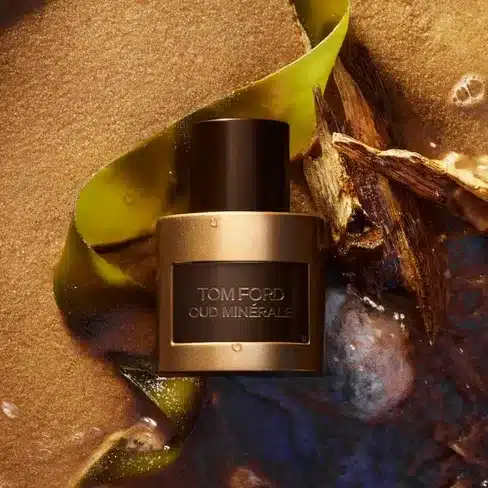
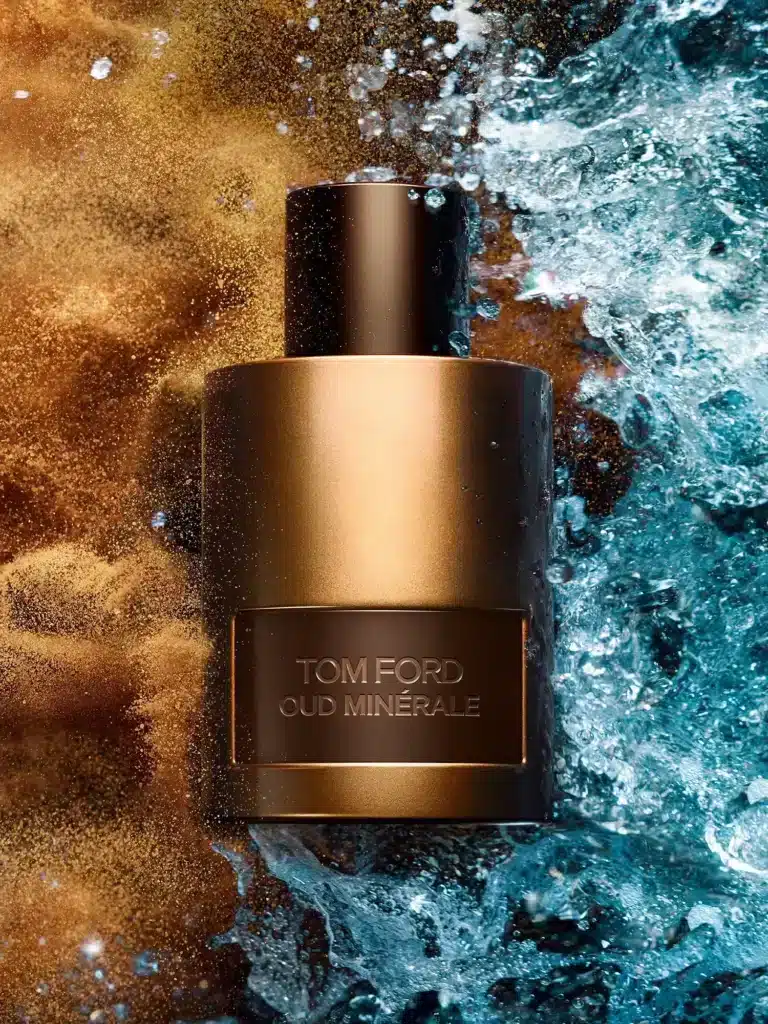
Commercial Filming in Namibia sits in a category of its own. The country offers vast, cinematic landscapes that feel almost unreal on screen, but those same environments demand a very specific level of production control. The Tom Ford Oud Minerale campaign is a strong example of how luxury content can be delivered in extreme locations when creative direction is supported by disciplined execution. Hoodlum Film Fixers delivered production services for the campaign, helping translate Namibia’s desert environments into high-end visual storytelling.
Within a broader collection of Africa Film Production Case Studies, this project represents a different kind of production challenge. It was not about multi-country coordination, marine logistics, or reality television formats. It was about precision, environmental awareness, and maintaining luxury production standards in remote desert terrain. For brands and agencies considering Commercial Filming in Namibia, this case study shows how strong Production Support in Africa and experienced Film Fixers in Africa make extreme-location filming both achievable and efficient.
A Location That Looks Effortless but Isn’t
Namibia’s desert landscapes have become iconic in global advertising and fashion campaigns. The scale, texture, and light create an instantly recognisable visual identity. But that visual power comes with logistical complexity.
For a production like Tom Ford Oud Minerale, filming conditions were shaped by:
- extreme temperatures
- remote access routes
- sensitive natural environments
- limited infrastructure
- equipment exposure to harsh elements
This is why Commercial Filming in Namibia requires more than a strong creative brief. It requires a production framework that can operate in conditions where the environment itself becomes the primary constraint.
As one of the more technically demanding Africa Film Production Case Studies, this project highlights how desert filming depends on preparation, not improvisation.
The Campaign and Its Requirements
Tom Ford Beauty campaigns operate at a very high visual and production standard. Oud Minerale, as a luxury fragrance campaign, required a strong sense of atmosphere, minimalism, and controlled visual composition.
The Namibia shoot needed to:
- capture cinematic desert visuals
- maintain high-end production quality
- operate efficiently in remote terrain
- protect equipment and crew
- align with the brand’s global creative direction
Hoodlum Film Fixers supported Commercial Filming in Namibia for this campaign by delivering the production infrastructure needed to meet those expectations without compromising on location authenticity.
Desert Production Is a Different Discipline
Desert filming introduces a unique set of production considerations that are not present in urban or even standard remote shoots.
Access is part of the schedule
Reaching a location in Namibia is often a production task in itself. Travel routes, timing, and transport capacity all influence how a shoot day is structured.
Hoodlum supported remote logistics and transport planning to ensure that crew, equipment, and production teams could move efficiently across desert terrain. This is a key component of Production Support in Africa when working in environments where distance and access shape the entire production timeline.
Equipment needs protection, not just transport
In extreme heat and sandy conditions, equipment is not simply transported. It needs to be protected continuously.
Hoodlum supported equipment handling strategies designed for desert conditions, helping reduce risk and maintain performance throughout the shoot. This is one of the more practical contributions of Film Fixers in Africa. Without the right precautions, environmental exposure can quickly disrupt production.
Permits and environmental sensitivity matter
Desert environments are often protected or sensitive areas. Filming requires careful coordination to ensure compliance and respect for the location.
Hoodlum managed desert location access and permits, helping the production operate within the required frameworks while maintaining efficiency. This is another example of how Production Support in Africa operates behind the scenes to protect both the production and the location.
Why Namibia Works for Luxury Campaigns
Namibia offers something that is difficult to replicate elsewhere: controlled minimalism at scale.
For a campaign like Tom Ford Oud Minerale, that translates into:
- clean visual compositions
- dramatic natural textures
- uninterrupted horizons
- a sense of isolation that enhances luxury storytelling
This makes Commercial Filming in Namibia particularly effective for brands that rely on atmosphere and visual clarity. The environment does not compete with the product. It amplifies it.
Within Africa Film Production Case Studies, this project shows how location can become a central creative asset when supported correctly.
How Hoodlum Delivered the Production
Hoodlum approached the campaign by aligning three key elements: environment, logistics, and creative control.
Building a workable desert production plan
The first priority was ensuring that the chosen locations were not only visually aligned with the campaign, but also operationally viable. That required balancing creative needs with access, timing, and safety.
Supporting high-end crew coordination
Luxury campaigns rely on tightly coordinated teams. Hoodlum supported high-end crew coordination to ensure that all departments could operate efficiently within a remote environment.
Adapting logistics to extreme conditions
Standard production logistics do not translate directly into desert conditions. Hoodlum tailored transport, scheduling, and equipment strategies to suit the environment, helping maintain production flow.
This is what makes the project a strong example of Production Support in Africa. The value came from adapting the production system to the location, not forcing the location to behave like a studio.
The Challenge Was Environmental Control
Among Africa Film Production Case Studies, this project stands out because the primary challenge was environmental.
The production needed to manage:
- extreme temperatures
- remote terrain
- environmental sensitivity
- equipment exposure
- limited infrastructure
These are not challenges that can be solved reactively. They require planning, experience, and a production partner that understands how to operate in extreme conditions.
For teams exploring Commercial Filming in Namibia, this is the most important takeaway. The location offers exceptional value, but only when the production is structured correctly.
The Outcome
The results of the campaign demonstrate what is possible when creative direction and production execution are aligned.
Hoodlum helped the Tom Ford Oud Minerale shoot to:
- produce high-end cinematic visuals for global distribution
- deliver a luxury campaign in an extreme environment
- demonstrate expertise in desert-based production
- elevate Namibia as a premium filming destination
This reinforces the value of Commercial Filming in Namibia for brands looking to create visually distinctive content with global appeal.
What This Case Study Shows Brands and Agencies
This project offers several practical insights.
Extreme locations require specialised planning
Desert environments cannot be treated as standard locations. They need tailored logistics, equipment strategies, and scheduling.
Luxury production depends on control
Even in natural environments, high-end campaigns require precision. Strong Production Support in Africa helps maintain that control.
Local expertise reduces risk
Experienced Film Fixers in Africa bring the knowledge needed to manage environmental challenges, access, and compliance.
Namibia is a high-value visual destination
This case study shows that Commercial Filming in Namibia can deliver world-class results when supported by the right production framework.
Why Desert Productions Need a Different Service Model
Commercial Filming in Namibia demands a different kind of production thinking from urban shoots, studio campaigns, or even standard remote-location work. In Namibia, the location itself shapes every production decision. Distance affects timing, terrain affects access, and temperature affects both crew comfort and equipment reliability.
That is why Hoodlum’s role on a campaign like Tom Ford Oud Minerale goes beyond ordinary coordination. The production needed a support model built for remote conditions, where planning was not just about efficiency, but also about control. For brands investing in Commercial Filming in Namibia, that level of local structure is what helps protect both the creative outcome and the production process.
This is also where Production Support in Africa becomes especially valuable. It is not simply about arranging logistics. It is about designing a workable production framework around the realities of the environment.
Location Access Is More Than Finding the Right View
On luxury campaigns, the final image often makes a location look effortless. What the camera does not show is the amount of production work required to make that location usable.
For Tom Ford Oud Minerale, Hoodlum helped manage desert location access and permits in a setting where visual power had to be matched by real operational viability. A location may look extraordinary, but if it creates problems with access, transport timing, environmental restrictions, or setup limitations, it can easily slow the production.
This is one of the reasons Film Fixers in Africa remain such a vital part of high-end campaigns. They help productions move from “beautiful on paper” to “usable on the day.” In the context of Africa Film Production Case Studies, that distinction matters because it shows where local expertise protects production quality.
Remote Logistics Become a Creative Issue Very Quickly
A remote shoot does not keep logistics politely hidden in the background. When transport takes longer than expected, when crew movement is slowed, or when access routes become more complex, the creative schedule starts to feel it immediately.
That is why Hoodlum’s support on this production was so important. Commercial Filming in Namibia often depends on how well a team can build timing around the location rather than forcing the location to behave like an easier production environment.
For Tom Ford Oud Minerale, Hoodlum managed remote logistics and transport in a way that helped keep the production rhythm intact. This is a strong example of Production Support in Africa working at its best. The goal is not only to move people and kit. The goal is to preserve momentum.
Frequently Asked Questions
Why is Commercial Filming in Namibia popular for luxury brands?
Commercial Filming in Namibia offers cinematic desert landscapes, clean visual environments, and strong natural aesthetics that work well for premium campaigns.
What challenges come with filming in desert environments?
Challenges include extreme temperatures, remote access, equipment exposure, environmental sensitivity, and limited infrastructure.
What support did Hoodlum provide for the Tom Ford campaign?
Hoodlum provided location access, permits, remote logistics, transport, equipment protection strategies, and high-end crew coordination.
Why are Film Fixers in Africa important for desert shoots?
Film Fixers in Africa help manage local logistics, permits, environmental considerations, and on-ground coordination in challenging conditions.
Can Namibia support high-end commercial production?
Yes. This case study shows that Commercial Filming in Namibia can support global luxury campaigns when production is properly structured.
This blog post was written by Zandri Troskie-Naudé, using information from our local partners, film commissions, and industry resources.
For more information or to discuss your next production, please contact us.