
Film Fixers in
Africa
Hoodlum is the go-to partner for Film Fixers in Africa, offering fast, reliable support for productions working across diverse filming environments.
Film Fixers in Africa
Countries We Service
Hoodlum provides Film Fixers in Africa and end-to-end Production Support in Africa for international productions filming across the continent. From permits and location access to local crews, logistics, customs coordination, and on-ground management, we help brands, agencies, production companies, broadcasters, and documentary teams operate more smoothly across African territories.
Africa is not a single production market. It is a continent made up of very different filming conditions, legal frameworks, crew ecosystems, languages, supplier networks, and infrastructure realities. A shoot in Morocco does not function like a shoot in Kenya. A commercial in South Africa requires a different production model from a documentary in Senegal or a remote-location project in Madagascar. That is why international productions looking for Film Fixers in Africa need more than local contacts. They need a production partner that understands how to align the right territory, the right local support, and the right operating model for the brief.
Hoodlum supports productions across Africa through trusted local partners, regional coordination, and practical production management that helps crews move with more clarity and fewer surprises.
Central Africa
Central Africa is less commonly treated as a mainstream filming block, but it can be highly valuable for the right productions. Countries including Cameroon, Gabon, Chad, Congo-Brazzaville, and the Democratic Republic of the Congo may suit documentary, factual, NGO, environmental, and specialist projects that need raw texture, remote access, or less familiar settings. The region typically requires tighter planning, stronger local coordination, and realistic expectations around logistics, but with the right support it can offer powerful filming opportunities.
East Africa
East Africa is especially strong for productions looking for natural range, tourism imagery, wildlife access, elevated travel visuals, and a mix of urban and remote-location filming. Kenya, Uganda, Tanzania, Rwanda, and Ethiopia all offer distinct opportunities depending on the brief, while island territories such as Madagascar, Seychelles, and Mauritius add coastal and tropical options. Kenya’s official film sector support is led by the Kenya Film Commission, while Rwanda’s ecosystem is supported through the Rwanda Film Office within the Rwanda Development Board. East Africa is often a strong choice for destination campaigns, documentaries, commercial work, and productions that need visual breadth with a clear sense of location.
North Africa
North Africa is one of the most established regions for international filming and is often used for projects that need desert landscapes, historic architecture, urban density, coastline, and visual scale. Countries such as Morocco, Egypt, Tunisia, and Algeria can be valuable for commercials, feature work, fashion, travel campaigns, and productions that need a strong mix of cinematic locations and developed support infrastructure. Morocco is supported by the Centre Cinématographique Marocain, while Tunisia’s sector is anchored by the Centre National du Cinéma et de l’Image. For many international clients, North Africa is a practical gateway into filming on the continent.
Southern Africa
Southern Africa remains one of the most production-ready parts of the continent and is a major draw for international clients looking for a balance of infrastructure, crew depth, location diversity, and practical execution. South Africa, Namibia, Botswana, and Zambia all play different roles depending on the production. Southern Africa can support everything from city shoots and service-heavy productions to wildlife, coastal, safari, desert, and remote-environment filming. South Africa’s national screen sector is supported by the National Film and Video Foundation. For clients planning multi-country work, it is one of the strongest regional clusters in Africa.
West Africa
West Africa offers energy, cultural depth, growing cities, coastline, and a strong sense of place that works particularly well for commercials, branded storytelling, music content, documentary, and culture-led campaigns. Countries like Ghana, Senegal, Nigeria and Gambia each bring different production strengths. Some suit urban campaigns and contemporary storytelling, while others work well for lifestyle, travel, factual, or access-led shoots. Successful production in West Africa often depends on local relationships, realistic planning, and experienced coordination. In Ghana, the National Film Authority provides the clearest official point of reference for the film sector.
Why Productions Need Film Fixers in Africa
Hoodlum provides Film Production Services in Africa across the full production cycle, from early planning through to wrap. The goal is simple: to help international productions move through African territories with better visibility, stronger local coordination, and fewer operational surprises.
Support typically includes:
- local fixer coordination
- permits and filming approvals guidance
- location scouting and recce planning
- local crew sourcing
- supplier management
- transport and accommodation logistics
- customs clearance support and equipment movement planning
- drone filming support where applicable
- security-aware logistics planning
- scheduling and call sheet support
- on-ground shoot management
- multi-country coordination across different African territories
In Africa, preparation matters. Shoots that appear simple at a distance can become more complex when access, paperwork, timings, or local working realities shift. Reliable Production Support in Africa helps productions stay practical from prep through to final shoot delivery.
How Hoodlum's Production Support Works in Practice
Planning the Right Production Approach
Every production begins with practical questions. What is the format? What type of locations are required? Is the job single-country or multi-country? Are there customs implications, security concerns, remote-access needs, contributor logistics, or tight brand timelines? These answers shape the production plan from the start.
They also help determine which African territory, or combination of territories, makes the most sense. Not every country is right for every project. Some are stronger for service infrastructure, while others are better for landscape, culture, wildlife, urban texture, coastline, or regional access. One of the most valuable roles of Film Fixers in Africa is helping productions avoid choosing the wrong market for the wrong reasons.
Building the Local Production Structure
Once the territory is clear, the next step is building the local production model. That includes local crew, transport, accommodation, recce support, equipment strategy, permits, and schedule planning.
In some countries, supplier options are broad and well developed. In others, execution needs to be tighter, more agile, and more relationship-led. Permit processes across Africa are also not standardised. Some countries have clearer film authority structures and established application pathways, while others require more location-by-location coordination, municipal engagement, or direct relationship management. Strong local support means approaching each market realistically rather than assuming the same timelines and workflows everywhere.
Managing On-Ground and Multi-Country Execution
This is where strong production support becomes visible. On-ground execution means solving problems quickly, adjusting movement plans, managing local expectations, coordinating suppliers, keeping communication clear, and maintaining schedule discipline under real shooting conditions.
This becomes even more important on multi-country shoots across Africa. Fragmented production structures can quickly become expensive, with separate teams creating inconsistent communication, duplicated work, weak reporting, and unnecessary delays. A unified production approach helps keep planning, supplier management, scheduling, and reporting more consistent across territories.
Why Hoodlum for Film Fixers in Africa
Hoodlum is built for practical production execution, not just introductions. We understand where local expertise changes the outcome, where regional planning matters, and where better coordination saves time, budget, and stress.
Clients work with Hoodlum when they need:
- a reliable route into African territories
- trusted local fixers and production partners
- clearer planning across multiple countries
- support with permits, logistics, and access
- realistic scheduling and budgeting guidance
- regional oversight without losing local detail
That balance matters in Africa. Too much distance from the ground creates blind spots. Too many disconnected local layers create confusion. Hoodlum’s role is to provide both regional coordination and practical local execution, helping productions move through African markets with greater confidence.
Global Film Fixing Services
Every Service. Every Detail.
Every Production Covered.
Our fixers handle every production detail so you don’t have to. From the first visa application to the final wrap, we manage the essentials that keep your shoot moving.
Risk Management
Accommodation
Airport Protocol & On-Ground Support
Casting & Talent
Research
Logistics
Set Dressing / Production Design
Film Permits
Drone & Drone Operator
Locations / RECCE’s
Visas & Work Permits
Catering
Local Film Fixers
Security
Customs Clearance
Equipment Rentals
Drone & Aerial Permits
Crew Sourcing
Rebates & Incentives
Transport & Vehicles
Line Producers & Production Management
Hoodlum supports productions across Africa as part of a global network operating in over 150 countries.
Our film production services in Africa include:
Film permits and government approvals across African countries
Local crew sourcing and production management
Equipment rental and customs clearance
Location scouting and management
Transport, accommodation and on-ground logistics
Risk management and production security
Frequently Asked Questions
In most cases, yes. A local fixer or production support partner helps with permits, access, logistics, crew sourcing, communication, and on-ground problem-solving.
Yes. Hoodlum supports both single-country shoots and multi-country productions across different African regions.
They typically handle permits, local crew, recce planning, transport, accommodation, location access, customs support, supplier coordination, and on-ground production management.
That depends on the brief. North Africa is strong for scale, desert, and historic settings. East Africa is strong for landscapes and travel visuals. Southern Africa is strong for infrastructure and location variety. West Africa is strong for culture, city energy, and contemporary storytelling.
Yes. Africa is highly suitable for commercials, branded campaigns, travel shoots, fashion content, factual productions, and documentary work.
Yes. Permit rules and customs requirements vary by country, so local coordination is often essential for keeping the project on track.
For many international shoots, one regional partner creates better communication, cleaner reporting, and more consistent production management across countries.
Yes. Production support is valuable for smaller branded shoots, stills campaigns, documentary teams, and agile productions just as much as for larger commercial and broadcast projects.
Why Africa Works for International Productions
Africa gives international producers a rare combination of scale, contrast, and flexibility. Few regions offer the same range of deserts, coastlines, wildlife environments, modern cities, heritage architecture, mountains, open roads, island settings, and rural landscapes within one broader production footprint. That variety is one of the reasons Film Fixers in Africa are so valuable. They help productions move from broad regional ambition into practical execution.
For many clients, filming in africa is attractive because it can support very different creative briefs without forcing productions into one visual language. A luxury brand campaign may need coastline, architecture, and elevated urban imagery. A documentary may need remote access, contributor coordination, and difficult terrain. A travel campaign may need wildlife, landscape, and fast-moving location changes. In each case, production support in africa becomes the structure that turns possibility into a workable plan.
This is where film production services in africa become more than a line item. The right local coordination helps producers assess whether a location is visually right, logistically realistic, and commercially efficient. That matters even more when the project covers several territories. For multi-country filming africa, consistency across planning, supplier management, reporting, and scheduling is often what protects the budget from death by a thousand admin cuts.
Hoodlum approaches africa production support with that bigger picture in mind. The goal is not simply to get a shoot off the ground. The goal is to make filming in africa feel controlled, well-planned, and production-ready from the first conversation through to final wrap.
What International Clients Usually Need on the Ground
International clients rarely arrive looking for only one service. They usually need a production structure that covers the full chain of execution. Film Fixers in Africa help bridge that gap by coordinating the moving parts that determine whether a project stays smooth or starts shedding time and money at every turn.
Typical requirements include:
- local crew sourcing
- permit planning and approvals support
- recce coordination
- transport and driver planning
- location access management
- accommodation logistics
- customs and temporary import guidance
- equipment strategy
- contributor handling
- remote-location planning
- security-aware movement planning
- day-to-day production management
For this reason, production support in africa is most useful when it is approached as a connected system rather than a collection of isolated tasks. A production may have a strong creative brief and a healthy budget, but without reliable local support the work can slow down quickly. That is why clients looking for film production services in africa often need a partner who can see the whole production chain, not just the most obvious line items.
The same applies to filming in africa across different budgets and formats. A commercial campaign, documentary unit, stills team, broadcaster, or branded content crew may all need different scales of support, but the practical pressures remain similar: timing, clarity, access, communication, and local problem-solving. Strong africa production support helps keep those pressures manageable.
For multi-country filming africa, this connected structure becomes even more important. When one territory runs on a different communication standard or reporting rhythm from another, small gaps become expensive very quickly. Film Fixers in Africa help reduce that fragmentation by keeping local execution tied to a broader production logic.
Why Local Knowledge Changes the Outcome
The strongest productions are usually the ones that respect local conditions early. That is especially true for filming in africa, where the difference between a workable schedule and a fragile one often comes down to local judgment. A location may look perfect on a moodboard but be far harder to access in reality. A permit process may exist on paper but move at a different pace in practice. A supplier may be available, but only within certain time or transport limits. This is the terrain where Film Fixers in Africa earn their keep.
Production support in africa is valuable because it closes the gap between assumption and reality. It helps producers understand what can be done, what should be done differently, and what needs more time or a better strategy. That is also why film production services in africa should never be treated as generic. Markets across the continent are too different for that.
Good africa production support also improves decision-making before the shoot begins. It helps producers choose the right country, the right region, the right supplier model, and the right prep timeline. It gives structure to filming in africa before the production is already committed to an unrealistic route. For multi-country filming africa, that kind of early clarity can save substantial time and budget.
Hoodlum’s approach is built around practical coordination, realistic planning, and trusted local execution. That is why Film Fixers in Africa remain such an important part of successful regional production. They do not just support access. They support better outcomes.
Hoodlum Film Fixers
News from the Region
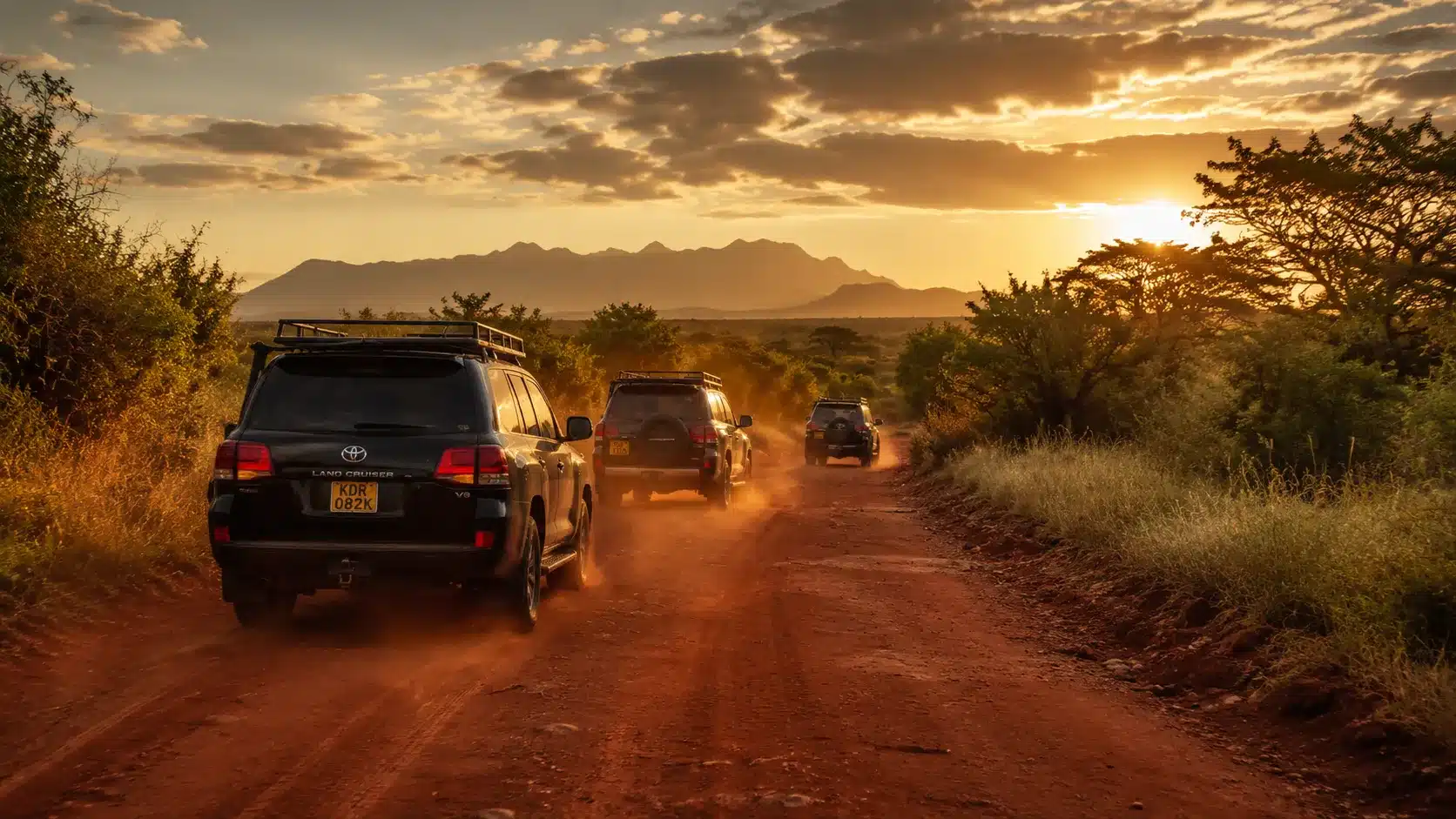
“Hoodlum Film Fixers delivered full film production support in Malawi for NBC Sports…
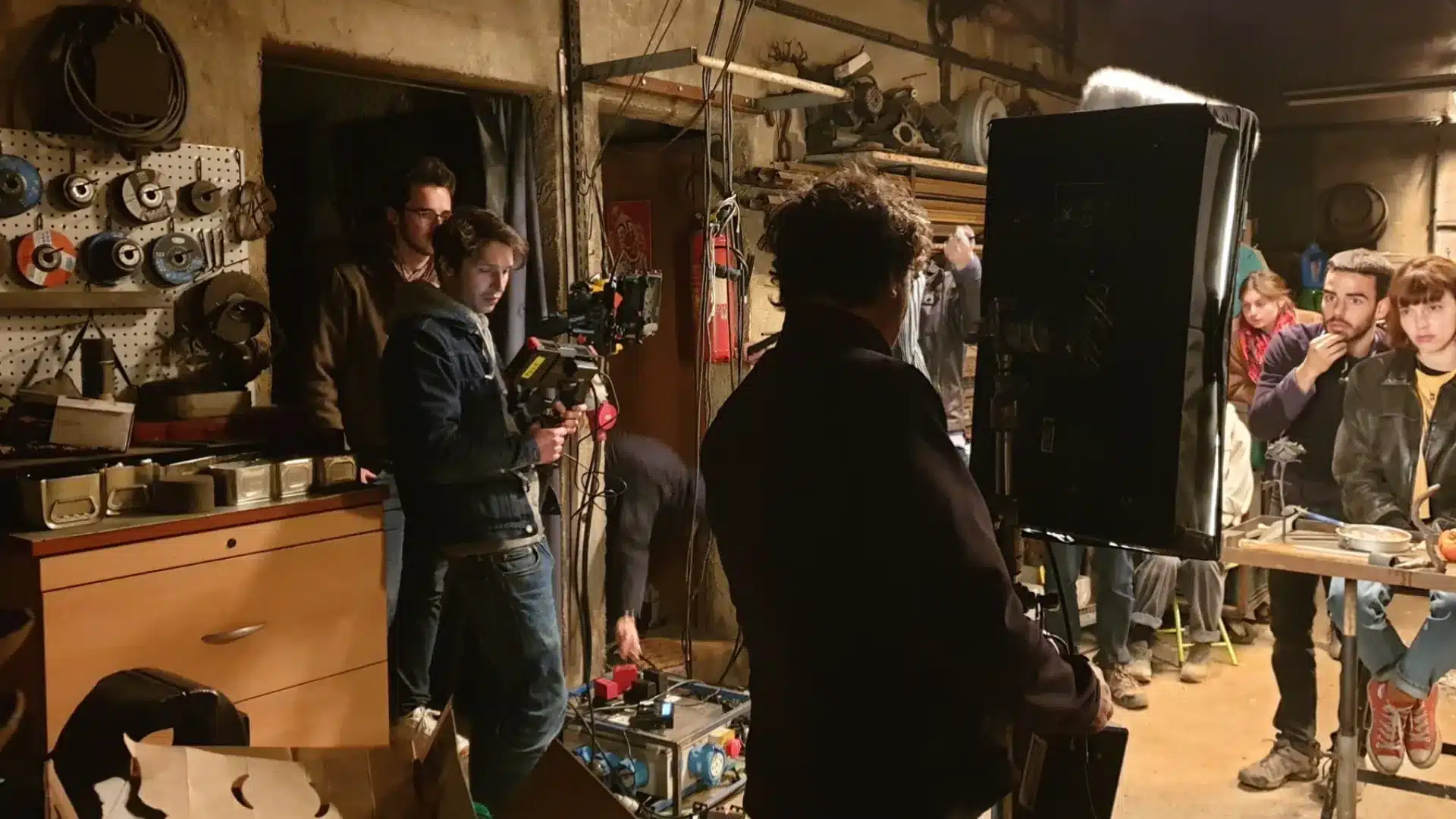
Production Support Senegal helps international crews film with confidence in one of West…
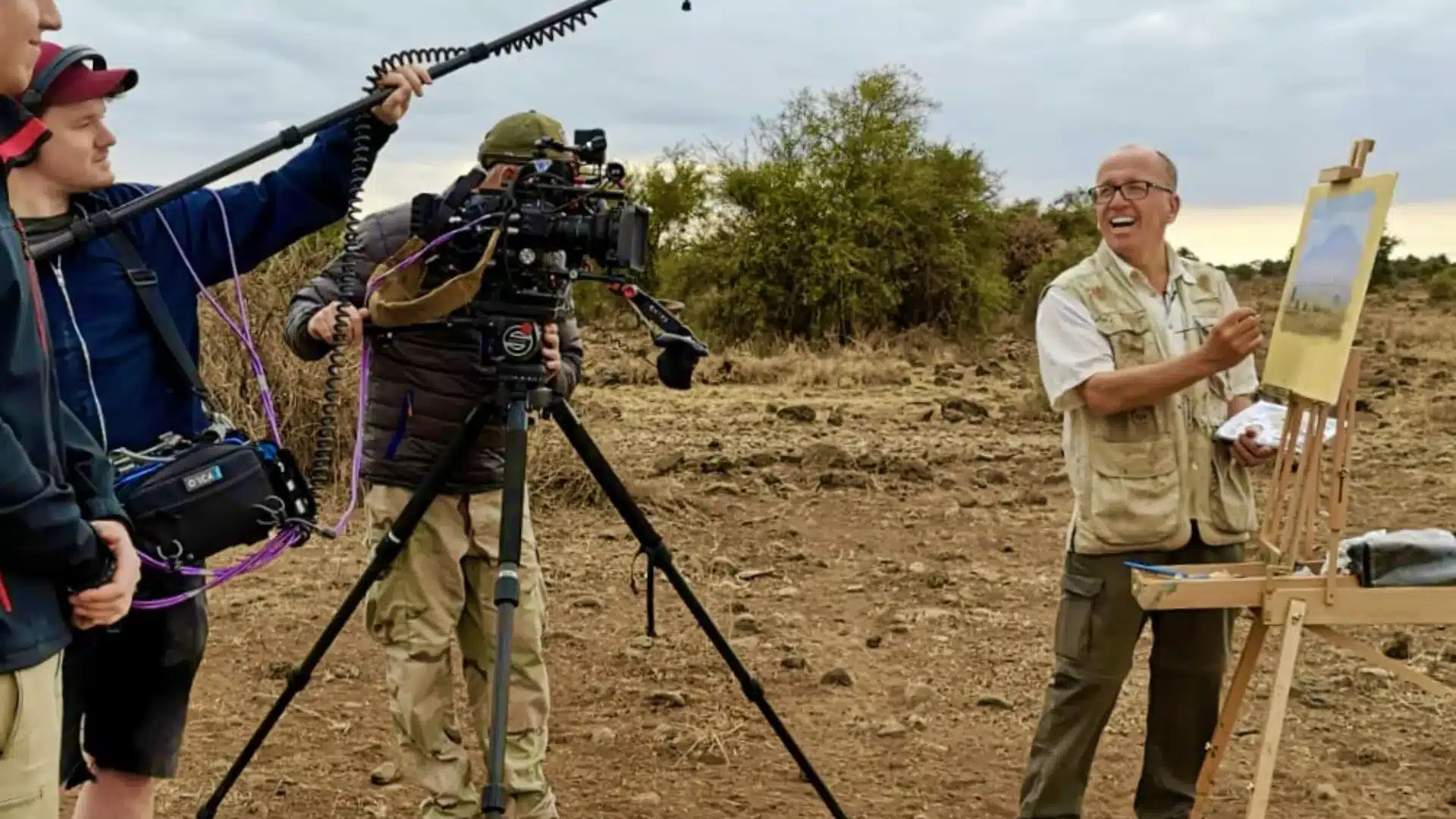
Film Production Services in Kenya give international crews access to one of Africa’s…
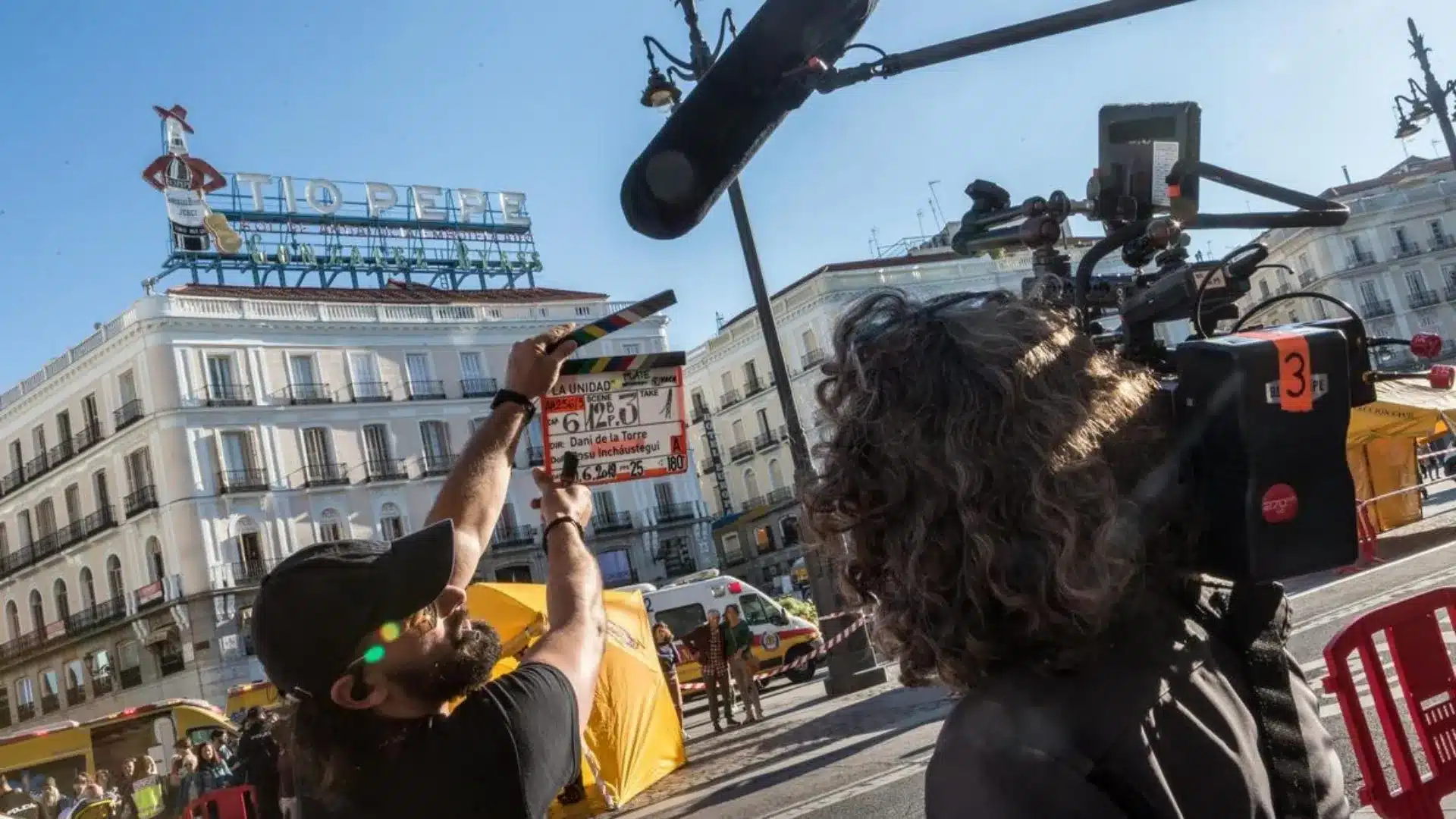
Multi-country fixer support becomes critical when a project moves across several territories before…
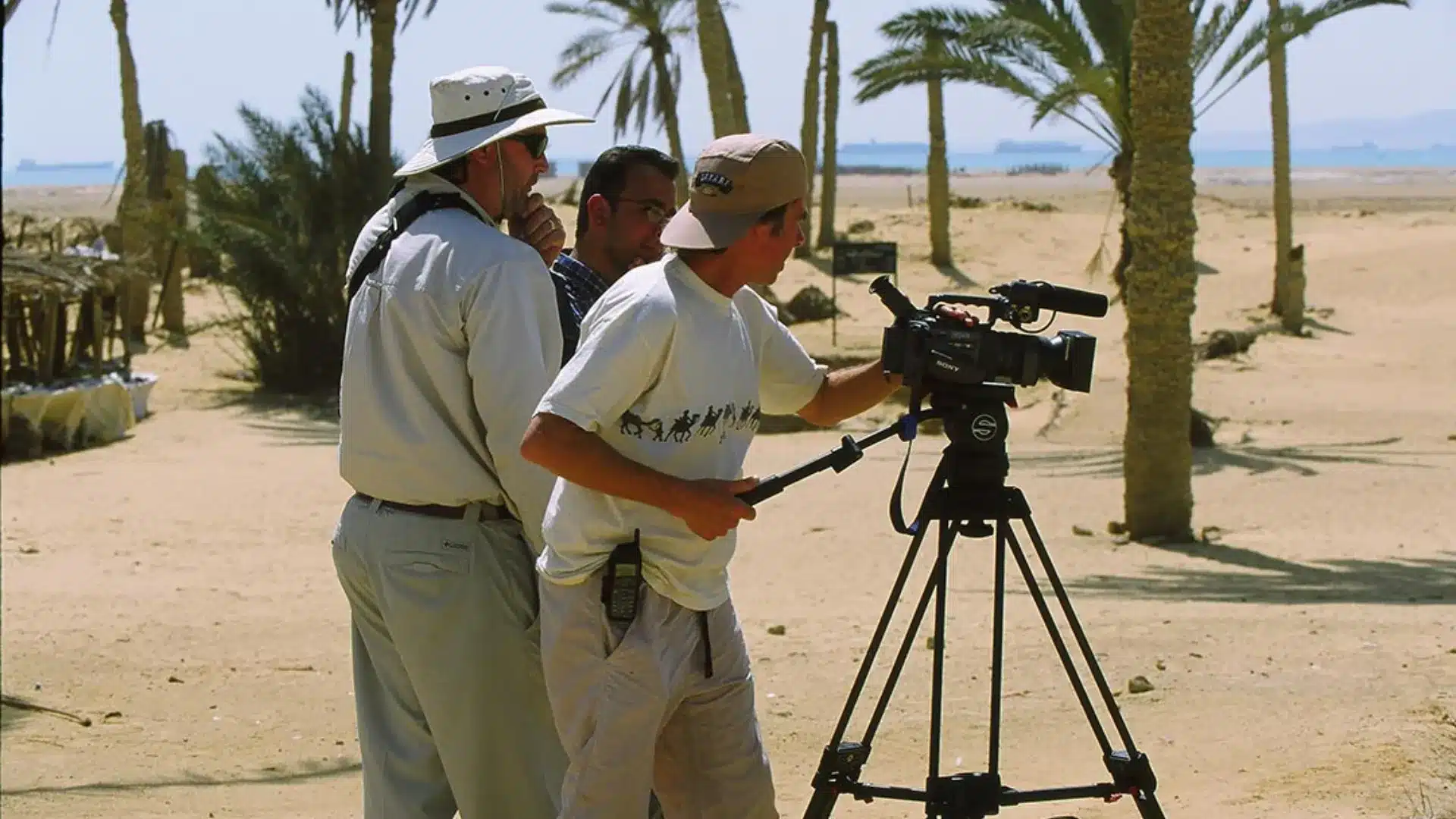
Filming in Egypt gives international productions something very few destinations can match. Ancient…
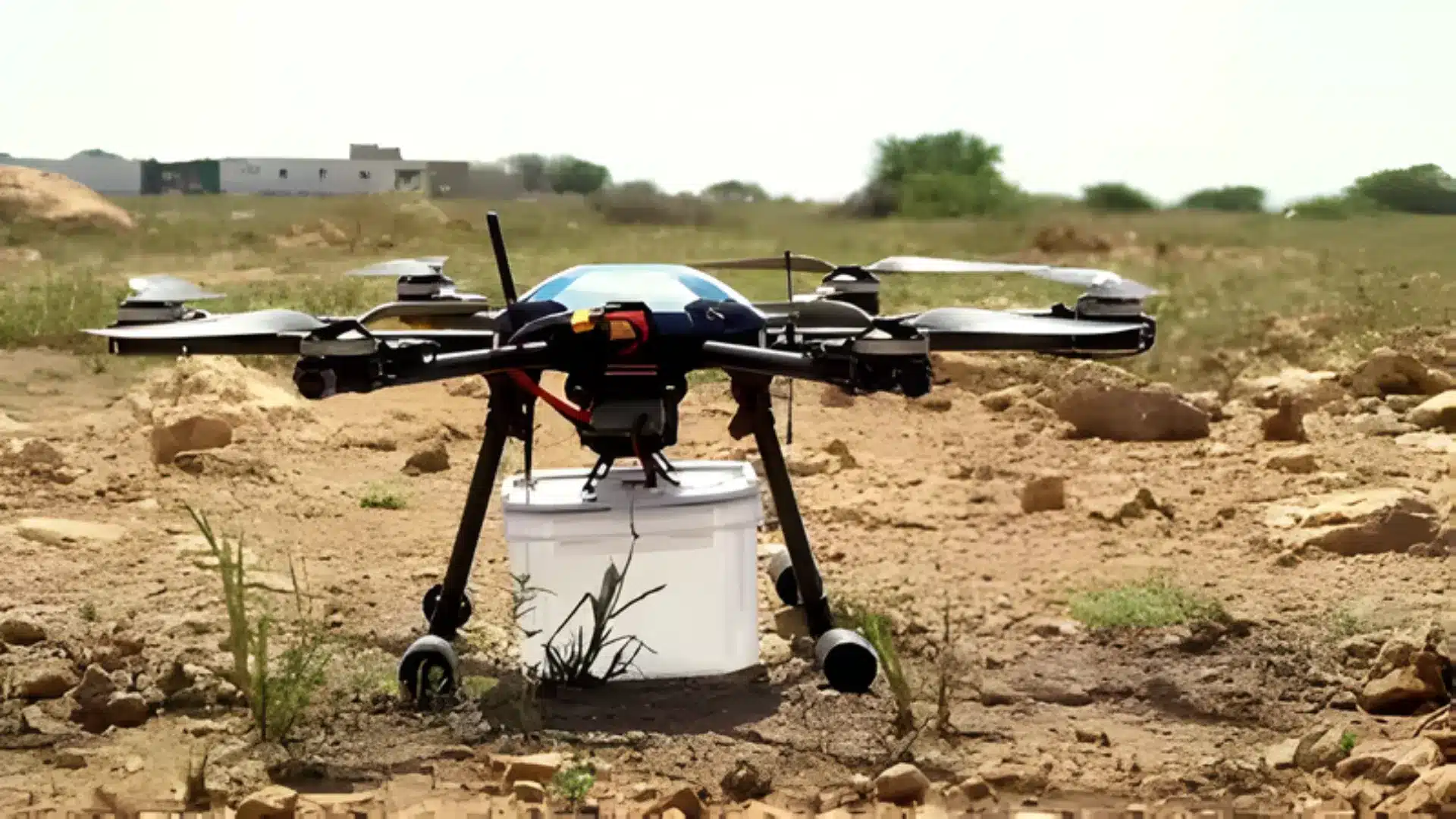
Drone Filming in Cape Verde is becoming one of the smartest ways for…