














Film Production Services in Mauritius
Mauritius is one of the Indian Ocean’s strongest production destinations for resort campaigns, commercials, documentaries, branded content, travel films, fashion shoots, marine productions and international co-productions. With beaches, lagoons, luxury hotels, volcanic mountains, sugarcane roads, waterfalls, heritage villages, modern infrastructure and a competitive cash rebate, Mauritius offers international crews a polished island production environment with strong practical advantages.
Hoodlum provides Film Production Services in Mauritius for commercials, resort campaigns, travel productions, branded content, documentaries and marine shoots across Port Louis, Grand Baie, Le Morne, Black River, Chamarel, Belle Mare and coastal lagoon locations. Our team manages Mauritius Film Development Corporation liaison, Economic Development Board incentive guidance, work authorisation support, resort access, location scouting, ATA Carnet customs planning, CAAM drone approvals, marine logistics, local fixers, crew sourcing and full on-ground production management.
Mauritius is stable, safe and production-friendly, but professional filming still requires proper coordination. Productions should plan early for work permits, filming authorisation, private resort agreements, drone approvals, customs clearance, insurance, environmental rules and rebate documentation. The country works especially well for productions that need a refined island look without the heavier logistical challenges of more remote tropical destinations.
For international producers, Mauritius is not only a beautiful location. It is a practical production base with strong infrastructure, reliable accommodation, manageable travel distances and one of the region’s most attractive film incentive structures.
Why Film Production Works Well in Mauritius
Mauritius works well for productions that need high-end tropical visuals, reliable logistics and controlled production environments. The island can support polished resort campaigns, luxury commercials, travel shows, fashion shoots, documentaries, marine content and international screen projects that require attractive locations with strong operational support.
The destination is especially suitable for:
- Resort and hospitality campaigns
- Commercials
- Travel productions
- Branded content
- Fashion and lifestyle shoots
- Marine and lagoon filming
- Feature films
- Television productions
- Documentaries
- International co-productions
- Corporate films
- Luxury tourism content
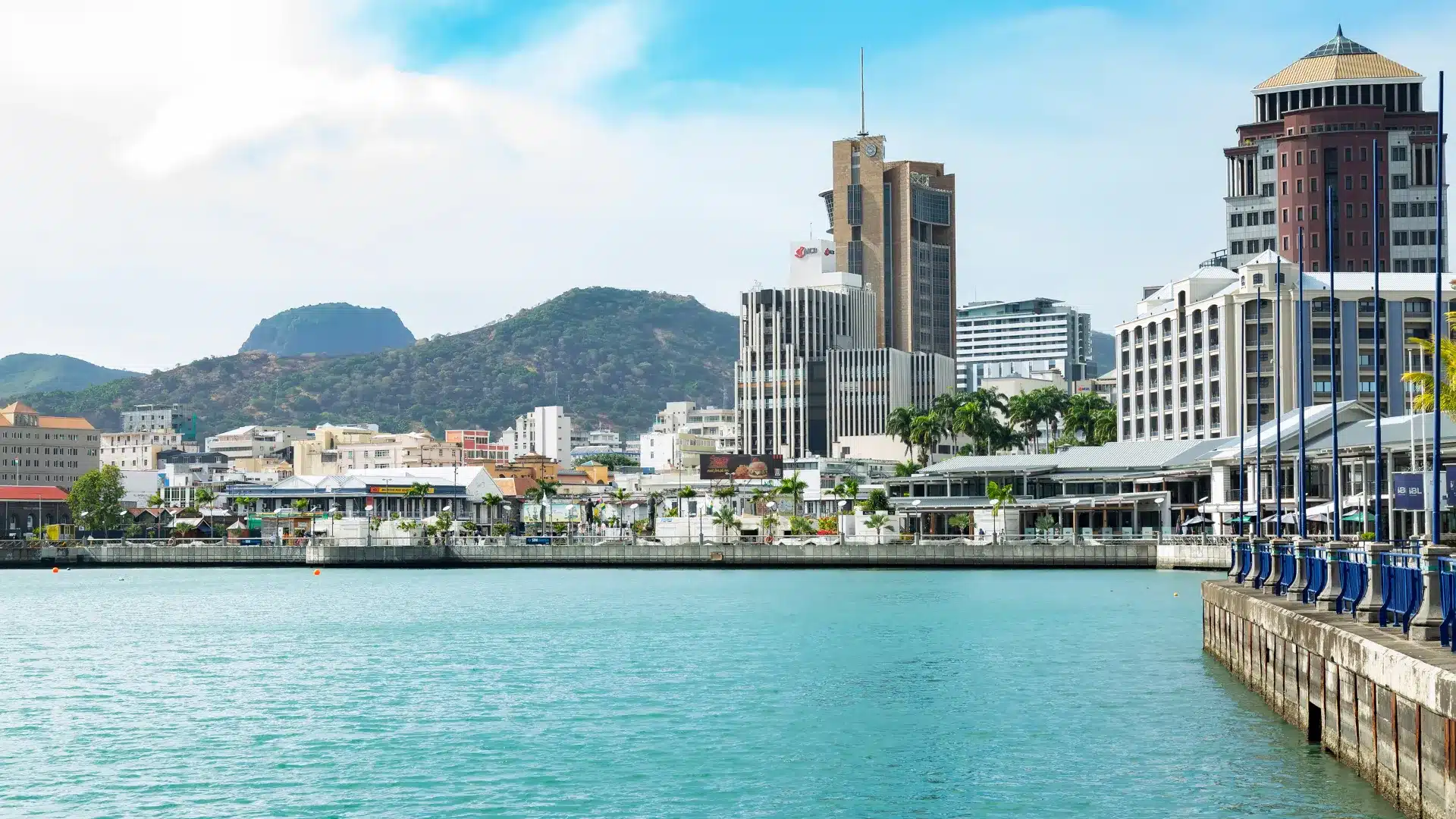
Port Louis offers urban texture, business environments, markets, harbour visuals and colonial-era architecture. Grand Baie provides tourism infrastructure, beaches, restaurants, nightlife and resort access. Le Morne brings dramatic mountain and lagoon scenery. Chamarel offers waterfalls, coloured earth, forest roads and highland landscapes. Black River and Belle Mare add coastal, lagoon and lifestyle production value.
The country’s strength is control. Productions can access beaches, resorts, roads, interiors, mountains and lagoons without the same level of distance, uncertainty or access difficulty found in many remote island territories.
Best Time of Year to Film
Mauritius has a tropical climate, with warm temperatures and seasonal variation between warmer, wetter months and cooler, drier months. The best filming window depends on whether the production needs beach weather, marine clarity, hotel availability, green landscapes or quieter resort access.
Productions should plan around:
- Cyclone season risk during warmer months
- Rainfall and humidity
- Marine conditions
- Resort occupancy periods
- Public holidays and peak tourism demand
- Wind conditions for coastal shoots
- Drone approval timelines
- Customs clearance timing
- Rebate application deadlines
- Accommodation availability for larger crews
The cooler, drier months are often more practical for commercials, resort content, travel campaigns and outdoor lifestyle shoots. The warmer season can still work, especially for lush landscapes and tropical atmosphere, but productions should build in weather flexibility.
Hoodlum helps crews assess the best filming window and create schedules that account for weather, resort access, crew movement and marine conditions.
Visa Requirements for Crew
Mauritius is not part of the Schengen Area. Many nationalities, including UK, EU, US, Canadian and Australian passport holders, may enter visa-free for short stays, often for 60 to 90 days depending on nationality. The final length of stay is confirmed by Immigration on arrival.
Visitor status does not permit paid work. Filming and paid production activity require appropriate work authorisation and filming approval.
Typical visa or work documentation may include:
- Valid passport with at least six months validity recommended
- Completed visa application, where required by nationality
- Proof of accommodation
- Proof of onward or return travel
- Production invitation or support letter
- Work permit or Occupation Permit application for paid activities
- Police clearance certificate for longer stays
- Proof of fee payment
- Travel medical insurance, recommended
Visa-free entry is granted on arrival for eligible nationals. Standard visa processing, where required, usually takes 5 to 15 working days. Occupation permits or work authorisations typically take 2 to 4 weeks depending on documentation and authority requirements.
Visa fees vary by nationality where applicable. Work permit fees vary depending on duration and role.
Hoodlum helps productions prepare support letters, crew documentation and work authorisation information so travel planning matches the actual shoot.
International Crew Accreditation and Work Permissions
Foreign cast and crew require work authorisation to undertake paid filming activities. Productions typically operate through a Mauritius-registered production company, with applications submitted to the Economic Development Board and relevant authorities.
Foreign professionals may require an Occupation Permit or short-term work authorisation depending on role, duration and remuneration. This should be confirmed early, especially for directors, camera operators, drone pilots, producers, presenters, talent, specialist technicians and department heads.
Typical documentation may include:
- Crew passport copies
- Crew roles and designations
- Production company letter
- Local production partner details
- Shooting schedule
- Location list
- Proof of accommodation
- Insurance details
- Contract or service information, where required
- Work authorisation forms, where applicable
Early coordination with a local production partner is strongly recommended. Hoodlum helps productions align crew permissions, production approvals, incentive requirements and travel timing so there are no mismatches between immigration status and production activity.
Film Permits and Production Approval
The Mauritius Film Development Corporation is the key film body for production activity, working alongside the Economic Development Board. Film permits and production facilitation may also involve local authorities, public bodies, private resorts, heritage-site managers, environmental authorities and coastal or marine agencies depending on the location.
Typical permit documentation may include:
- Production title and synopsis
- Full script, where requested
- Producer and director details
- Shooting schedule
- Location list
- Cast and crew list
- Passport details for foreign nationals
- Equipment list
- Insurance details
- Local production partner details
- Drone details, where applicable
- Marine or environmental details, where applicable
Standard permits are generally processed efficiently. Filming in public areas, beaches, heritage sites or environmentally protected zones requires additional coordination. Productions should allow 2 to 4 weeks minimum, especially when public authorities, drone approvals, resort access or environmental considerations are involved.
Permit fees vary depending on location, duration, public authority involvement and environmental requirements.
Hoodlum helps productions prepare permit submissions, coordinate with MFDC and EDB-linked processes, and ensure filming approvals match the practical shoot plan.
Film Rebate and Incentive Planning
Mauritius offers a competitive cash rebate incentive designed to attract international productions. The programme is administered by the Economic Development Board in collaboration with the Mauritius Film Development Corporation.
The incentive can provide up to 40% of eligible Mauritian spend, subject to the tiered structure, approval and current programme rules. This makes Mauritius especially attractive for productions that can structure expenditure through local suppliers, local production services and eligible local payment channels.
Eligible formats may include:
- Feature films
- Television series
- Documentaries
- Animation
- Commercials
- International co-productions
- Other qualifying screen projects
Eligible spend may include:
- Local crew and services
- Equipment rentals
- Production services and facilities
- Accommodation and transport
- Post-production carried out locally
- International cast and crew expenses where paid through Mauritius and treated as eligible local expenditure
- Qualifying local and international crew costs paid from a Mauritius bank account
Only eligible expenditure incurred and paid in Mauritius qualifies. This point matters. Productions should not assume that international costs automatically qualify unless they are structured correctly through approved local channels.
Typical incentive documentation may include:
- Script
- Shooting schedule
- Detailed budget
- Cast and crew lists
- Contracts
- Invoices
- Proof of payment
- Local bank payment records
- Audit documentation
- Production expenditure reports
The rebate process usually requires pre-approval before principal photography begins. Application review is typically 4 to 8 weeks. Rebate payment follows audit, review and approval.
Hoodlum helps productions understand how the rebate fits into the budget, what documentation needs to be collected and how local spend should be tracked from the first day of prep.
Filming in Port Louis
Port Louis gives productions the strongest urban contrast on the island. It offers harbour activity, business districts, markets, streets, colonial-era architecture, government areas, offices, hotels and city movement.
Useful Port Louis filming looks include:
- Harbour and port visuals
- Markets and street life
- Business districts
- Colonial architecture
- Government-adjacent locations
- Urban roads and movement
- Offices and controlled interiors
- Documentary interview locations
Port Louis is useful for documentaries, corporate films, travel campaigns, urban inserts, branded content and productions needing a contrast to beach or resort locations.
The main planning issues are traffic, parking, public filming permissions, crowd control, sound, loading and access around commercial or government areas.
Hoodlum helps crews manage Port Louis filming with practical routing, permits and local coordination.
Filming in Grand Baie, Belle Mare and Resort Areas
Grand Baie and Belle Mare are strong production zones for resort, beach, lifestyle and tourism content. They offer hotels, beaches, restaurants, coastal roads, lagoon visuals, tourism infrastructure and controlled private locations.
These areas are especially useful for:
- Resort campaigns
- Luxury travel content
- Fashion shoots
- Swimwear shoots
- Commercials
- Branded lifestyle films
- Family travel campaigns
- Hotel marketing
- Marine-adjacent filming
Resort filming often requires separate commercial agreements. Even when a resort approves filming on its property, productions may still need film permits, drone approvals, beach permissions or environmental checks depending on the activity.
Resort agreements should confirm:
- Shoot dates and hours
- Approved filming areas
- Guest privacy rules
- Brand visibility restrictions
- Crew size
- Drone use
- Marine activity
- Accommodation rates
- Catering
- Fees and payment terms
- Overtime
- Restoration responsibilities
Hoodlum helps productions negotiate resort access and align private agreements with the wider permitting process.
Filming in Le Morne, Black River and Chamarel
Le Morne, Black River and Chamarel offer some of the country’s strongest natural production value. Le Morne provides mountain, lagoon and coastal scale, while Black River offers coastline, forest edges and lifestyle settings. Chamarel adds waterfalls, highland roads, forest, viewpoints and the famous coloured earth landscape.
These areas can support:
- Travel campaigns
- Commercials
- Adventure content
- Fashion shoots
- Luxury lifestyle work
- Drone landscapes, with approval
- Road sequences
- Nature-led branded content
- Documentary scenes
- Tourism content
Protected or environmentally sensitive locations may require additional coordination. Productions should plan carefully around access hours, visitor movement, weather, drone restrictions and environmental rules.
Hoodlum helps crews assess which locations are practical, which need special approval and how to sequence them efficiently.
Marine and Lagoon Filming
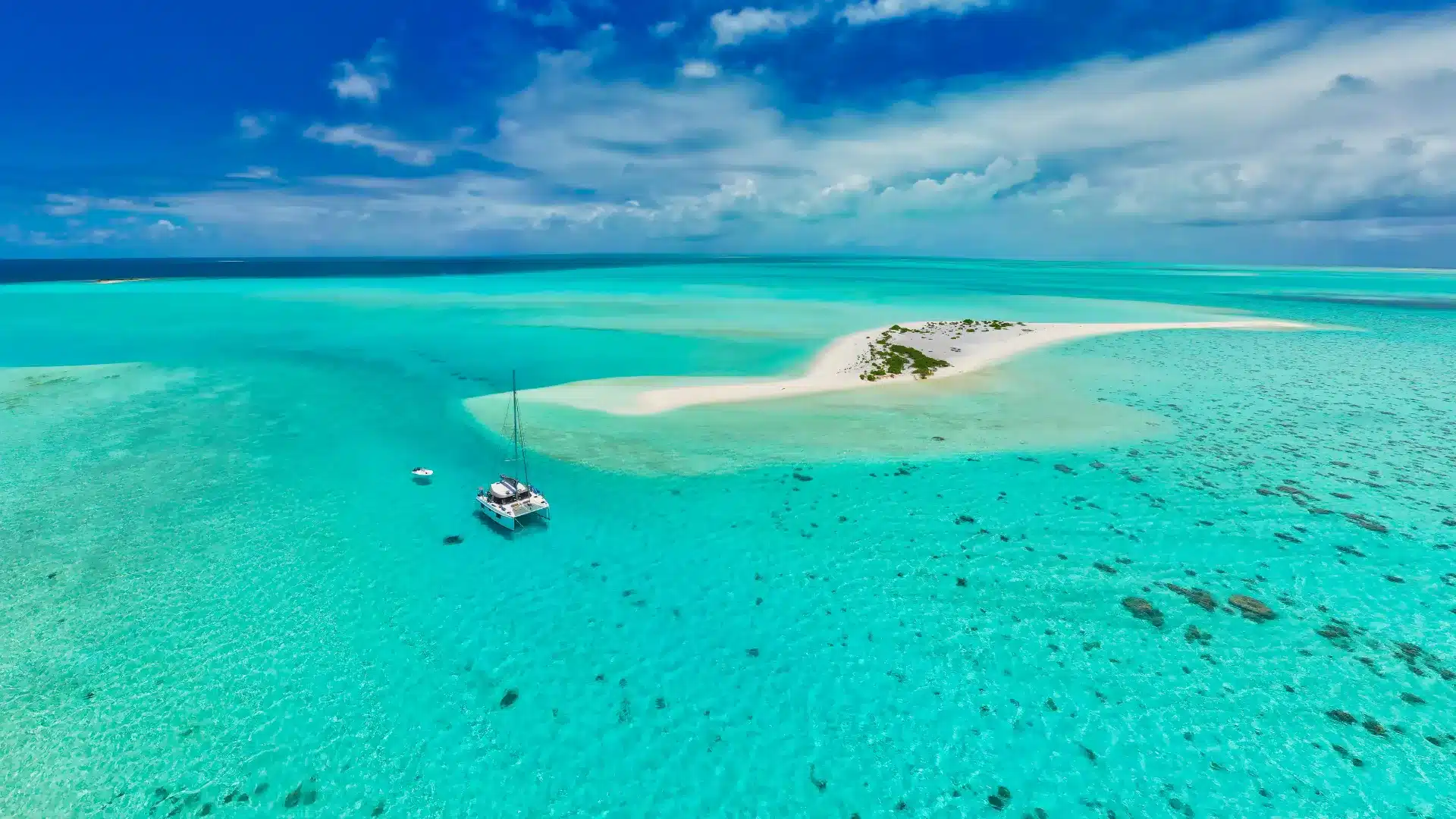
Mauritius is a strong destination for marine and lagoon-based production. Lagoons, reefs, beaches, boat routes, underwater environments and coastal resorts create strong visual opportunities for tourism, lifestyle, documentary and commercial projects.
Marine filming may involve:
- Boat operators
- Dive teams
- Marine safety crews
- Underwater camera teams
- Weather checks
- Tide planning
- Reef protection
- Environmental approval
- Coastal permissions
- Safety briefings
Productions should plan marine shoots carefully, especially where talent, equipment, drones, boats, underwater work or public beaches are involved. Saltwater exposure, wind, sun and boat transfers can affect camera, sound and grip planning.
Hoodlum helps productions source vessels, coordinate marine operators, plan safety and align water-based filming with permits and insurance.
Private Locations
Private location filming is negotiated directly with property owners, resorts, estates, hotels or commercial managers. These locations may include luxury villas, hotels, restaurants, offices, farms, beaches under private management, estates, marinas and controlled interiors.
Costs and timelines are negotiated case by case and depend on location, duration, exclusivity, crew size and production activity.
Written agreements should confirm:
- Shoot dates and times
- Approved filming areas
- Crew size
- Equipment access
- Parking and loading
- Drone use, where relevant
- Guest or tenant privacy
- Fees and payment terms
- Overtime
- Restoration responsibilities
- Insurance requirements
- Brand visibility restrictions
Hoodlum helps productions negotiate private access and confirm whether additional public authority or environmental permissions apply.
Drone Filming Requirements
Drone operations are regulated by the Civil Aviation Authority of Mauritius. Prior authorisation is mandatory for commercial drone filming.
Drone restrictions apply near:
- Airports
- Government buildings
- Urban areas
- Beaches
- Public gatherings
- Sensitive locations
- Restricted airspace
Drones must be declared on arrival, and prior approval from CAAM is required before operation.
Applications are reviewed case by case. Productions should allow at least 10 to 20 working days, with longer timelines possible for complex airspace, public areas, resort zones, beaches or sensitive locations.
Typical drone documentation may include:
- Drone make and model
- Serial number
- Operator details
- Pilot credentials
- Flight plan
- Coordinates or location details
- Proof of insurance
- Film permit information
- Proposed flight dates
- Purpose of operation
Fees depend on airspace, duration and operational scope.
Hoodlum helps productions coordinate CAAM approvals and decide whether a local licensed operator may be more practical than importing equipment.
Equipment Customs Clearance
Mauritius accepts ATA Carnets. Temporary import of professional filming equipment can be handled through carnet procedures, with clearance at entry and exit points.
A local customs broker or production partner is recommended for larger shipments or equipment-heavy shoots.
Typical customs documentation may include:
- ATA Carnet
- Detailed equipment list
- Serial numbers
- Declared values
- Proof of ownership or rental agreement
- Insurance documentation
- Crew travel details
- Production support letter, where relevant
- Film permit documentation
Clearance timing depends on shipment size, customs workload, inspection requirements and documentation accuracy.
Carnet issuance fees apply in the country of origin. Local customs handling, brokerage, freight and airport fees may also apply.
Hoodlum helps productions prepare equipment documentation, coordinate customs planning and reduce the risk of gear delays on arrival.
Safety and Security
Mauritius is generally considered stable, safe and production-friendly. Infrastructure is well developed compared with many regional markets, which helps productions manage transport, accommodation, communications, medical access and equipment movement.
Standard precautions are still recommended, especially for:
- Public locations
- Beaches
- High-value equipment
- Night shoots
- Marine filming
- Crowded areas
- Remote coastal locations
- Drone operations
- Weather-sensitive outdoor work
Security needs are usually moderate, but larger commercial shoots, celebrity talent, luxury products or high-value equipment packages may require additional security coordination.
Hoodlum helps productions assess practical risk and build appropriate safety planning into the schedule.
How the Main Approvals Fit Together
One approval does not unlock the whole production.
Visa-free entry may allow a crew member to enter Mauritius, but it does not permit paid work. Work authorisation supports crew activity, but it does not replace filming approval. A film permit may approve the production, but it does not automatically secure resort access, private property permissions, drone approval or protected-zone access. A rebate pre-approval may support the budget, but it does not replace visas, permits, customs or insurance. An ATA Carnet may allow equipment into the country, but it does not confirm where that equipment can be used.
A complete production plan connects:
- Crew entry requirements
- Work permits or Occupation Permits
- MFDC filming approval
- EDB incentive application
- Private resort agreements
- Public area permissions
- Environmental approvals, where required
- CAAM drone authorisation
- ATA Carnet customs clearance
- Insurance
- Marine and transport logistics
- Rebate accounting and audit documentation
Hoodlum keeps these moving parts aligned so the production does not lose time to paperwork gremlins hiding behind the palm trees.
When This Destination Is the Right Choice
Mauritius is a strong choice when a production needs polished island visuals, luxury resorts, reliable infrastructure, marine access, beaches, lagoons, mountains, waterfalls and a competitive rebate environment.
The destination is especially suitable for:
- Commercials
- Resort campaigns
- Travel productions
- Branded content
- Fashion shoots
- Marine filming
- Feature films
- Television productions
- Documentaries
- International co-productions
- Luxury lifestyle content
The country may be less suitable for productions that need unmanaged public filming, instant drone approval, unpaid crew activity without work authorisation or rebate claims without proper accounting. Those shoots may still be possible, but they require early coordination and realistic documentation.
For many international crews, Mauritius works best when used for its natural strengths: resort infrastructure, lagoon visuals, polished island locations, reliable local services and EDB rebate potential.
Common Mistakes to Avoid
Common mistakes include:
- Assuming visa-free entry permits paid filming
- Leaving work authorisation too late
- Forgetting Occupation Permit requirements
- Applying for rebate support after filming starts
- Failing to pay eligible costs through Mauritius
- Not tracking invoices and proof of payment
- Treating resort approval as full production approval
- Forgetting CAAM drone authorisation
- Assuming drone flights over beaches are automatic
- Arriving without ATA Carnet documentation
- Underestimating marine safety planning
- Forgetting environmental approvals for protected zones
- Working without a Mauritius production partner
Most issues are preventable with early paperwork, careful accounting and experienced local production support.
How Hoodlum Supports Local Production
Hoodlum provides practical support for international crews filming in Mauritius, from early planning through shoot execution. The aim is to make the production workable before the crew lands and keep each moving part aligned once filming begins.
Support may include:
- MFDC permit coordination
- EDB incentive guidance
- Work authorisation support
- Production partner coordination
- Location research and scouting
- Resort access negotiation
- Private location agreements
- Public area permissions
- Crew and supplier sourcing
- Marine filming logistics
- Boat and vessel coordination
- Drone approval planning
- CAAM coordination
- ATA Carnet customs support
- Transport planning
- Accommodation support
- Rebate documentation guidance
- On-ground production management
Film production in Mauritius requires more than beautiful beaches and resort access. A successful shoot needs permits, work authorisation, customs planning, drone approval, local accounting, marine safety, location agreements and reliable coordination.
Hoodlum helps productions reduce risk, avoid unsupported assumptions and plan the shoot as a practical operation from the first stage of prep.
FAQ
Do international crews need a visa?
Visa requirements depend on nationality. Many nationalities may enter visa-free for short stays, but the final length of stay is confirmed by Immigration on arrival.
Can crew work on visitor status?
No. Visitor status does not permit paid filming or production work. Work authorisation or an Occupation Permit may be required.
Who issues film permits?
The Mauritius Film Development Corporation is the key film body, working alongside the Economic Development Board and other relevant authorities.
How long do filming approvals take?
Productions should allow 2 to 4 weeks minimum, especially for public areas, beaches, drone work, protected zones or complex shoots.
Does Mauritius offer a film rebate?
Yes. The Economic Development Board administers a cash rebate that can reach up to 40% of eligible Mauritian spend, subject to approval and programme rules.
What spend qualifies for the rebate?
Eligible spend may include local crew, services, rentals, accommodation, transport, production services and some international crew costs paid through Mauritius, depending on current rules.
Can productions use drones?
Yes, but commercial drone filming requires prior authorisation from the Civil Aviation Authority of Mauritius.
Is an ATA Carnet accepted?
Yes. ATA Carnets are accepted for temporary import of professional filming equipment.
Is Mauritius safe for filming?
Yes. It is generally stable, safe and production-friendly, with strong infrastructure. Standard precautions are recommended for public, marine and equipment-heavy shoots.
Why use a local production partner?
A local partner helps manage MFDC permits, EDB rebate guidance, work authorisations, resort access, customs, drone approvals, marine logistics and daily production support.
External Authority Links
- Passport and Immigration Office
- Department of Home Affairs
- Mauritius Film Development Corporation
- Economic Development Board
- Civil Aviation Authority of Mauritius
- Customs authorities
Planning a shoot in Mauritius? Contact Hoodlum for Mauritius Film Development Corporation permits, Economic Development Board rebate guidance, work authorisation support, resort access, location scouting, ATA Carnet customs planning, CAAM drone approvals, marine logistics, local fixers and full on-ground production management. You can also view the Hoodlum Film Fixers Mauritius Google Business Profile for local production details.