















Film Production Services in Angola
Angola is one of Southern Africa’s most visually diverse and underused filming destinations, offering Atlantic coastlines, modern cityscapes, desert roads, dramatic escarpments, oil and port infrastructure, national parks, highland landscapes and strong documentary value. For commercials, branded content, documentaries, energy-sector films, travel productions and factual television, Angola gives international crews access to locations that feel cinematic, raw and highly specific to the country.
Hoodlum provides Film Production Services in Angola for documentaries, commercials, branded content, energy-sector films and travel productions across Luanda, Benguela, Lobito, Namibe, Lubango, Kissama National Park, desert roads and Atlantic coastal locations. Our team manages e-Visa guidance, production invitation letters, press accreditation, Ministry of Culture and Tourism permits, local municipal approvals, INAVIC drone coordination, ATA Carnet customs planning, local fixers, Portuguese-language support, location scouting, security planning and full on-ground production management.
Angola is a strong production choice when crews need scale, coast, industry, desert and Southern African visual range, but it requires early preparation. Productions should plan for visa pre-authorisation, Yellow Fever entry requirements, crew accreditation, filming permits, local authority coordination, equipment customs clearance, drone approvals, private location agreements and security planning before travel.
For productions looking for Luanda’s urban energy, Namibe’s desert landscapes, Lubango’s escarpments, Atlantic coast roads, energy-sector visuals or conservation settings, Angola can deliver a powerful screen world when permits and logistics are handled correctly.
Why Film Production Works Well in Angola
Angola works well for productions that need a mix of modern African city visuals, Atlantic coastline, desert geography, infrastructure, industry, rural landscapes and documentary access. The country has a strong visual identity and can support a range of production styles, from high-end commercials to factual stories.
The destination is especially suitable for:
- Documentary filming
- Commercials
- Branded content
- Energy-sector films
- Travel campaigns
- Factual television
- Infrastructure stories
- Coastal road sequences
- Desert landscapes
- Port and logistics visuals
- Conservation projects
- Regional Southern Africa production routes
Luanda is the main production base, offering city streets, business districts, ports, hotels, coastal roads, government-adjacent areas and controlled interiors. Benguela and Lobito add Atlantic coastal texture, rail and port-linked visuals. Namibe offers desert-meets-ocean production value, while Lubango provides mountains, escarpments and highland roads. Kissama National Park can support wildlife, conservation and landscape-led filming with the right approvals.
Angola’s strongest production value lies in contrast. A single route can combine urban Luanda, industrial ports, beaches, desert roads, highland views and remote rural locations, but the schedule must be realistic.
Best Time of Year to Film
Angola has a tropical climate with regional variation between coastal, inland and southern desert areas. The best filming period is generally the dry season from May to October, when rainfall is lower and temperatures are cooler.
Productions should plan around:
- Rainy season disruption from November to April
- Heavy rainfall in northern regions
- Coastal humidity
- Milder temperatures in Luanda and coastal areas
- Hotter, drier conditions in southern desert regions
- Road access after rain
- Equipment protection
- Drone approval timelines
- Customs clearance timing
- Remote-location safety planning
The dry season is often best for commercials, travel campaigns, desert routes, road filming, city work and remote logistics. The rainy season can still work for selected productions, but transport, access and equipment protection require more planning.
Hoodlum helps productions choose the right filming window based on location, weather, access and the creative brief.
Visa Requirements for Crew
Most foreign nationals require a visa to enter Angola. The country offers an e-Visa online pre-authorisation system, which must be approved before travel. Once pre-authorisation is issued, the visa is finalised on arrival at the airport or through an Angolan embassy.
Typical visa documentation may include:
- Valid passport with at least six months validity
- Completed visa application
- Passport photos
- Travel itinerary
- Letter of invitation or production support letter
- Proof of accommodation
- Supporting production details, where required
e-Visa pre-approval usually takes approximately 5 to 10 working days. Embassy applications may take 2 to 4 weeks. Visa fees vary depending on nationality and visa type.
A Yellow Fever vaccination certificate is required for entry into Angola. Routine travel vaccinations are also recommended.
Entry approval does not replace filming permission. Professional production activity still requires the correct accreditation, permits and location approvals.
Hoodlum helps productions prepare invitation letters, crew travel documentation and visa support information so entry planning aligns with the production schedule.
International Crew Accreditation
International film crews typically require press or media accreditation to film professionally in Angola. Accreditation should be handled early, especially for documentaries, factual work, public filming, government-related subjects, sensitive content or larger crews.
Typical accreditation documentation may include:
- Passport copies for each crew member
- Production synopsis or treatment
- Production schedule
- Filming locations
- Equipment list
- Production company details
- Local production partner details
- Crew roles and designations
Processing usually takes approximately 3 to 6 weeks, depending on production scale and review requirements. Costs vary depending on production type and processing needs.
Accreditation should match the film permit application. Crew lists, locations, schedules and equipment details should be consistent across all submissions.
Hoodlum helps productions prepare accreditation documents and coordinate the process through local production channels.
Film Permits and Production Approval
Film permits are issued through the Ministry of Culture and Tourism. In some cases, local municipal authorities and government departments may also need to approve filming, depending on the location and content.
Typical film permit documentation may include:
- Production synopsis or treatment
- Shooting schedule
- List of crew members and roles
- Equipment list
- Location details
- Production company details
- Local production partner information
- Drone information, where relevant
Permit timelines are typically 3 to 6 weeks. Costs vary depending on locations, production size and filming duration.
Filming in public areas, heritage sites, protected cultural sites, government-adjacent areas, ports, airports, border regions, infrastructure sites or sensitive locations may require additional approvals. Productions should be clear about the full location list from the start.
Hoodlum helps crews prepare Ministry submissions, coordinate local authority permissions and keep permit timelines realistic.
Filming in Luanda
Luanda is the main production hub and one of Angola’s strongest visual assets. The city offers modern buildings, coastal roads, markets, ports, luxury hotels, business districts, residential areas, construction sites and strong urban contrast.
Useful Luanda filming looks include:
- Atlantic coastal roads
- Modern cityscapes
- Business districts
- Hotels and controlled interiors
- Port and logistics visuals
- Markets and street life
- Residential neighbourhoods
- Government-adjacent districts
- Interview locations
- Night city visuals, where approved
Luanda is useful for commercials, documentaries, branded content, corporate films, energy-sector productions and factual television.
The main planning issues are traffic, public-space permissions, equipment security, sensitive locations, government buildings, ports, airports and strategic infrastructure.
Hoodlum helps productions manage Luanda permits, location scouting, local fixers, Portuguese-language liaison and daily logistics.
Filming in Benguela and Lobito
Benguela and Lobito offer strong coastal and port-based production value. These locations are useful for travel campaigns, infrastructure stories, transport films, commercials, documentary sequences and Atlantic coast visuals.
Benguela can provide:
- Coastal roads
- Beaches
- Urban streets
- Historic architecture
- Hotels and interiors
- Regional travel texture
Lobito can provide:
- Port visuals
- Rail and logistics context
- Industrial settings
- Coastal infrastructure
- Commercial and documentary locations
Filming around ports, transport infrastructure or industrial sites may require special permission. Productions should not assume that public visibility means filming is allowed.
Hoodlum helps crews coordinate coastal access, industrial permissions, transport and local authority approvals.
Filming in Namibe and Southern Desert Regions
Namibe offers some of Angola’s most distinctive production value, where desert landscapes meet the Atlantic coast. This region can support commercials, travel campaigns, road sequences, landscape films, automotive-style shoots and documentary projects.
Namibe and southern desert areas may involve:
- Long-distance transport
- 4×4 vehicle planning
- Fuel and water logistics
- Heat and dust management
- Remote accommodation checks
- Equipment protection
- Drone approval, where possible
- Local authority coordination
- Safety planning
The desert can look vast and clean on camera, but logistics are anything but invisible. Crews should plan carefully around vehicles, recovery support, communications and weather.
Hoodlum helps productions plan desert routes, vehicle support and safe movement through remote landscapes.
Filming in Lubango and Highland Areas
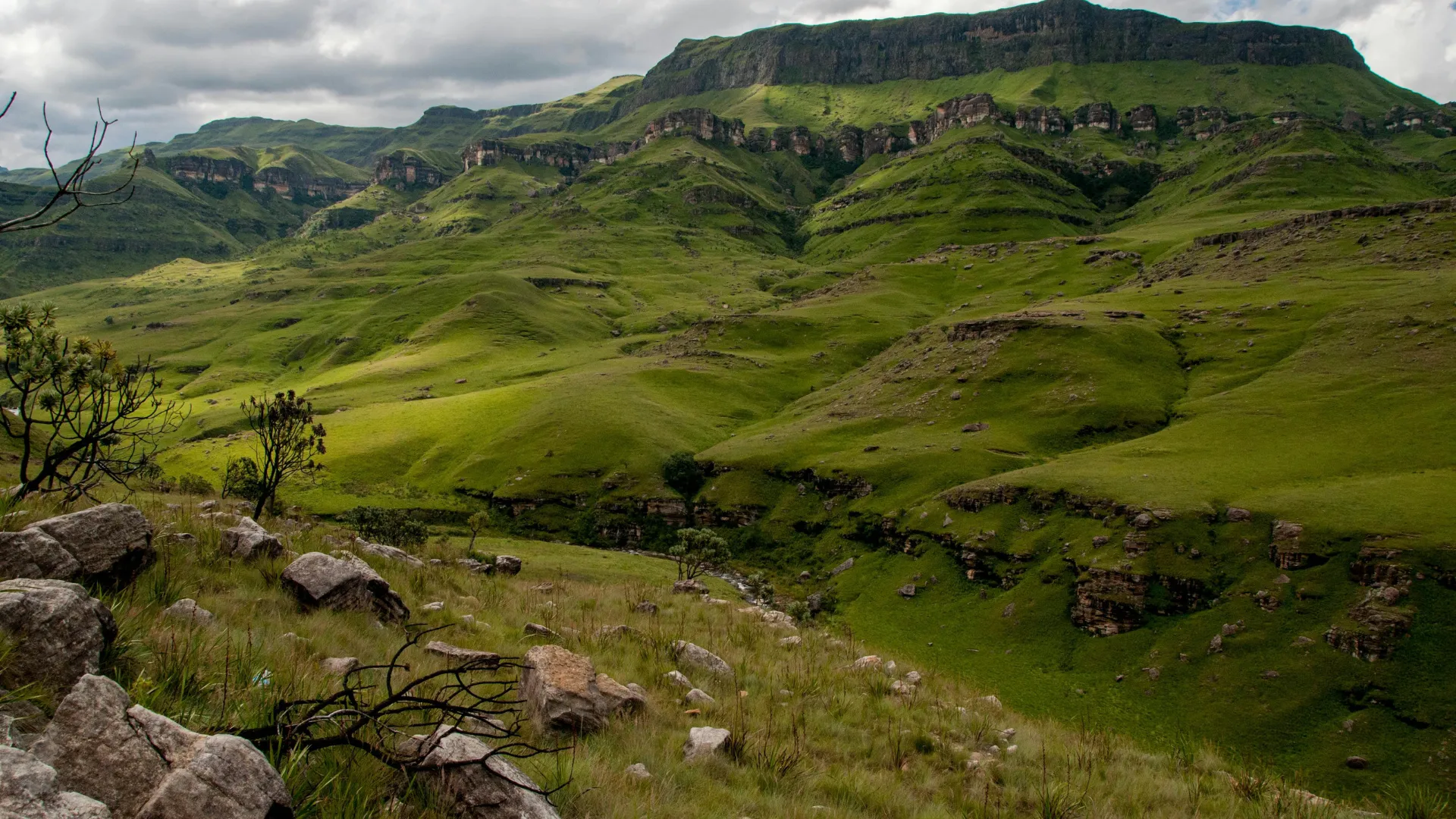
Lubango provides mountain roads, escarpments, highland views and dramatic terrain. It is valuable for commercials, travel content, adventure filming, documentary work and road-based sequences.
Highland filming may involve:
- Local authority approval
- Weather checks
- Road planning
- 4×4 support
- Accommodation logistics
- Safety planning
- Drone restrictions review
- Equipment protection from dust and weather
Locations around Lubango can add scale and elevation to a production route, especially when paired with desert and coastal scenes.
Hoodlum helps productions assess access, permissions and transport needs before building highland scenes into the schedule.
Filming in Kissama National Park and Natural Locations
Kissama National Park can support conservation, wildlife, landscape and nature-based filming. Productions working in parks or protected natural areas should plan for additional permissions and environmental considerations.
Natural-location filming may require:
- Ministry of Culture and Tourism approval
- Park authority approval
- Local government coordination
- Guide or ranger support
- Conservation fees
- Vehicle access planning
- Wildlife safety
- Environmental compliance
- Drone restrictions
Protected areas should not be treated as ordinary open landscapes. Access, crew behaviour, vehicle movement, drone use and filming times may all be controlled.
Hoodlum helps productions coordinate park access and conservation-aware filming plans.
Private Locations
Access to private locations is negotiated directly with property owners, usually through a local fixer or production partner. This may include homes, hotels, offices, warehouses, farms, estates, restaurants, private roads, private beaches or commercial interiors.
Location fees are negotiated with the owner and vary depending on site, filming requirements, duration, crew size and exclusivity.
Written agreements should confirm:
- Shoot dates and hours
- Approved filming areas
- Crew size
- Equipment access
- Parking and loading
- Fees and payment terms
- Overtime
- Privacy requirements
- Restoration responsibilities
- Security needs
- Drone use, where relevant
Hoodlum helps productions negotiate private locations and confirm whether additional local authority approval is needed.
Drone Permits
Drone use in Angola is regulated and requires authorisation before operation. Importation of drones must be declared at customs and approved by relevant authorities.
The issuing authority for drone permits is the National Civil Aviation Authority of Angola, also known as INAVIC.
Typical drone documentation may include:
- Full shoot schedule
- Detailed shot list
- Drone specifications
- Pilot certification
- Production company details
- Proposed flight locations
- Flight dates
- Purpose of drone operation
- Film permit information
- Local production partner details
Processing usually takes 2 to 4 weeks. Fees depend on production type and drone operation location.
Drone use near airports, government buildings, ports, military facilities, strategic infrastructure, crowded urban areas and border regions may require additional approval or may be restricted.
Hoodlum helps productions prepare INAVIC submissions, assess drone feasibility and decide whether a local licensed operator may be more practical.
Equipment Customs Clearance
Angola accepts ATA Carnets, although additional customs procedures may apply. A Carnet ATA is recommended for temporary import of professional film equipment.
A local customs broker or transit agent is highly recommended, especially for larger equipment packages, specialist gear or multi-location shoots.
Typical customs documentation may include:
- Carnet ATA
- Equipment list
- Serial numbers
- Declared values
- Production documentation
- Permit or accreditation details
- Crew information
- Local production partner details
- Broker or transit agent paperwork
Customs clearance is handled by the Angolan Customs Authority. Processing usually takes 3 to 5 working days, depending on customs procedures, shipment size and documentation accuracy.
Costs may include customs handling fees, transit agent fees and a possible temporary import deposit, refundable upon export.
Hoodlum helps productions prepare Carnet ATA documentation, coordinate customs brokers and reduce the risk of gear delays.
Filming Restrictions
Some locations require special authorisation. This includes areas near:
- Military facilities
- Airports
- Government buildings
- Ports
- Border areas
- Strategic infrastructure
- Security personnel
- Sensitive public facilities
Filming government facilities, security personnel or strategic infrastructure may be restricted. Public filming may require local authority coordination and permits.
Cultural and historical sites require approval from the Ministry of Culture and Tourism. Some sites may impose restrictions on crew size, equipment, filming hours or drone use.
Hoodlum helps productions identify restricted locations before the schedule is finalised, avoiding late surprises that can punch holes in the call sheet.
Film Rebates and Tax Incentives
Angola does not currently have a formal national film rebate or tax incentive programme for international productions.
Some logistical support may be available through government agencies or local authorities depending on the project. Support may depend on:
- Cultural value to Angola
- Tourism value
- Filming locations
- Collaboration with local production partners
- Government priorities
- Project visibility
Support structures may evolve as Angola continues to develop its film and creative industries, so productions should confirm current options during pre-production.
Productions should not budget around automatic rebate recovery. Instead, cost planning should focus on permits, accreditation, customs, brokers, locations, transport, drones, fixers, security and remote logistics.
Safety and Security
Angola is generally safe in major cities and production areas, but precautions are recommended. Working with local fixers and production partners is strongly advised.
Security may be required depending on filming locations, crew size, equipment value and subject matter. Remote or rural filming requires additional logistical planning.
Safety planning should consider:
- Equipment security
- Vetted drivers
- Local fixer support
- Route planning
- Urban traffic
- Remote access
- Medical planning
- Communications
- Heat and weather exposure
- Sensitive locations
- Port or infrastructure restrictions
- Night shoot safety
Remote filming should be planned with extra attention to fuel, water, road conditions, accommodation and emergency support.
Hoodlum helps productions assess security needs and build practical local support into the schedule.
Language and Local Production Notes
Portuguese is the official language and is essential for authority liaison, location negotiation, crew coordination and local communication. International productions should plan for Portuguese-language support unless the local production partner is handling all negotiations and approvals.
Local language support may also be valuable for rural, community or regional shoots.
Hoodlum supports productions with Portuguese-language fixers, translators and local production contacts so communication does not become the hidden tripwire in the schedule.
How the Main Approvals Fit Together
One approval does not unlock the whole production.
An e-Visa pre-authorisation may allow a crew member to travel, but it does not approve filming. Press or media accreditation confirms professional production activity, but it does not replace a Ministry of Culture and Tourism film permit. A film permit may support the shoot, but it does not automatically approve ports, airports, government buildings, heritage sites, private locations or drone flights. A private owner agreement may secure a property, but local authority coordination may still apply. An ATA Carnet may support equipment entry, but customs handling and temporary import deposits may still apply. INAVIC drone authorisation must be handled separately.
A complete production plan connects:
- e-Visa pre-authorisation
- Yellow Fever certificate
- Press or media accreditation
- Ministry of Culture and Tourism permit
- Municipal or government department approvals
- Private location agreements
- INAVIC drone permission
- ATA Carnet customs clearance
- Customs broker or transit agent support
- Equipment lists and values
- Security planning
- Portuguese-language local fixer support
- Remote logistics
Hoodlum keeps these moving parts aligned so the production does not get caught in a paperwork dust storm somewhere between Luanda and Namibe.
When This Destination Is the Right Choice
Angola is a strong choice when a production needs Luanda city visuals, Atlantic coast roads, ports, energy-sector settings, desert landscapes, highland roads, conservation locations and Southern African production scale.
The destination is especially suitable for:
- Documentaries
- Commercials
- Branded content
- Energy-sector films
- Travel productions
- Factual television
- Infrastructure stories
- Desert road sequences
- Coastal filming
- Port and logistics visuals
- Conservation content
- Regional Southern Africa routes
The country may be less suitable for productions that need last-minute visas, simple drone approval, low-cost remote access or filming near strategic infrastructure without lead time. Those shoots may still be possible, but they need early planning and experienced local support.
For many international crews, Angola works best when used for its natural strengths: Luanda, Benguela, Lobito, Namibe, Lubango, Kissama, Atlantic roads, desert landscapes and Portuguese-speaking production support.
Common Mistakes to Avoid
Common mistakes include:
- Travelling before e-Visa pre-authorisation is approved
- Forgetting Yellow Fever vaccination certificates
- Leaving accreditation too late
- Underestimating 3 to 6 week permit timelines
- Submitting vague location details
- Filming infrastructure without special approval
- Treating ports and airports as ordinary locations
- Importing drones without approval
- Forgetting INAVIC drone authorisation
- Assuming ATA Carnet removes all customs steps
- Not hiring a customs broker for larger shipments
- Underestimating remote transport planning
- Working without Portuguese-language support
- Skipping security planning for equipment-heavy shoots
Most issues are preventable with early paperwork, accurate location details and experienced local coordination.
How Hoodlum Supports Local Production
Hoodlum provides practical support for international crews filming in Angola, from early planning through shoot execution.
Support may include:
- e-Visa guidance
- Invitation letter support
- Yellow Fever entry planning
- Press accreditation support
- Ministry of Culture and Tourism permit coordination
- Municipal authority liaison
- Local fixer services
- Portuguese-language support
- Location research and scouting
- Private location negotiations
- Heritage and cultural site access
- Drone permit planning
- INAVIC coordination
- ATA Carnet customs planning
- Customs broker coordination
- Transport and driver support
- Remote logistics
- Security planning
- On-ground production management
Film production in Angola requires more than striking locations and strong production value. A successful shoot needs visas, accreditation, permits, customs planning, drone approval, language support, security awareness and reliable local coordination.
Hoodlum helps productions reduce risk, avoid unsupported assumptions and plan the shoot as a practical operation from the first stage of prep.
FAQ
Do international crews need a visa?
Most foreign nationals require a visa. Angola offers an e-Visa pre-authorisation system that must be approved before travel.
How long does e-Visa pre-approval take?
E-Visa pre-approval usually takes approximately 5 to 10 working days.
Is Yellow Fever vaccination required?
Yes. A Yellow Fever vaccination certificate is required for entry.
Is crew accreditation required?
Yes. International film crews typically require press or media accreditation to film professionally.
Who issues film permits?
Film permits are issued through the Ministry of Culture and Tourism, with local municipal authorities or government departments involved where required.
How long do film permits take?
Film permits usually take 3 to 6 weeks.
Can productions use drones?
Yes, but drone use requires authorisation from INAVIC and importation must be declared at customs.
Is Angola an ATA Carnet country?
Yes. Angola accepts ATA Carnets, although additional customs procedures may apply.
Are there film rebates?
No formal national film rebate or tax incentive programme is currently available based on the supplied production guidance.
Is Angola safe for filming?
Major cities and production areas are generally workable with precautions. Security may be required depending on location and equipment value.
Why use a local fixer?
A local fixer helps manage visas, accreditation, permits, customs, drones, locations, Portuguese-language liaison, security and daily production logistics.
External Authority Links
- Angola e-Visa portal
- Ministry of Culture and Tourism
- National Civil Aviation Authority of Angola
- Angolan Customs Authority
Planning a shoot in Angola? Contact Hoodlum for e-Visa guidance, production invitation letters, press accreditation, Ministry of Culture and Tourism permits, local fixers, Portuguese-language support, location scouting, ATA Carnet customs planning, INAVIC drone coordination, security planning and full on-ground production management. You can also view the Hoodlum Film Fixers Angola Google Business Profile for local production details.